


Introduction
Choosing the right dressing is rarely about brand preference—it’s about matching the wound’s exudate level, depth (including cavities), infection status, and peri-wound skin tolerance to a material that will perform reliably between checks.
Clinical note (education only): This article is for clinician education and operational standardization. It does not replace local protocol, a wound specialist consult, or product Instructions for Use (IFU). Reassess sooner when the patient condition changes, infection is suspected, or the dressing performance changes.
Last updated: 2026-06-15
In this guide you’ll learn:
-
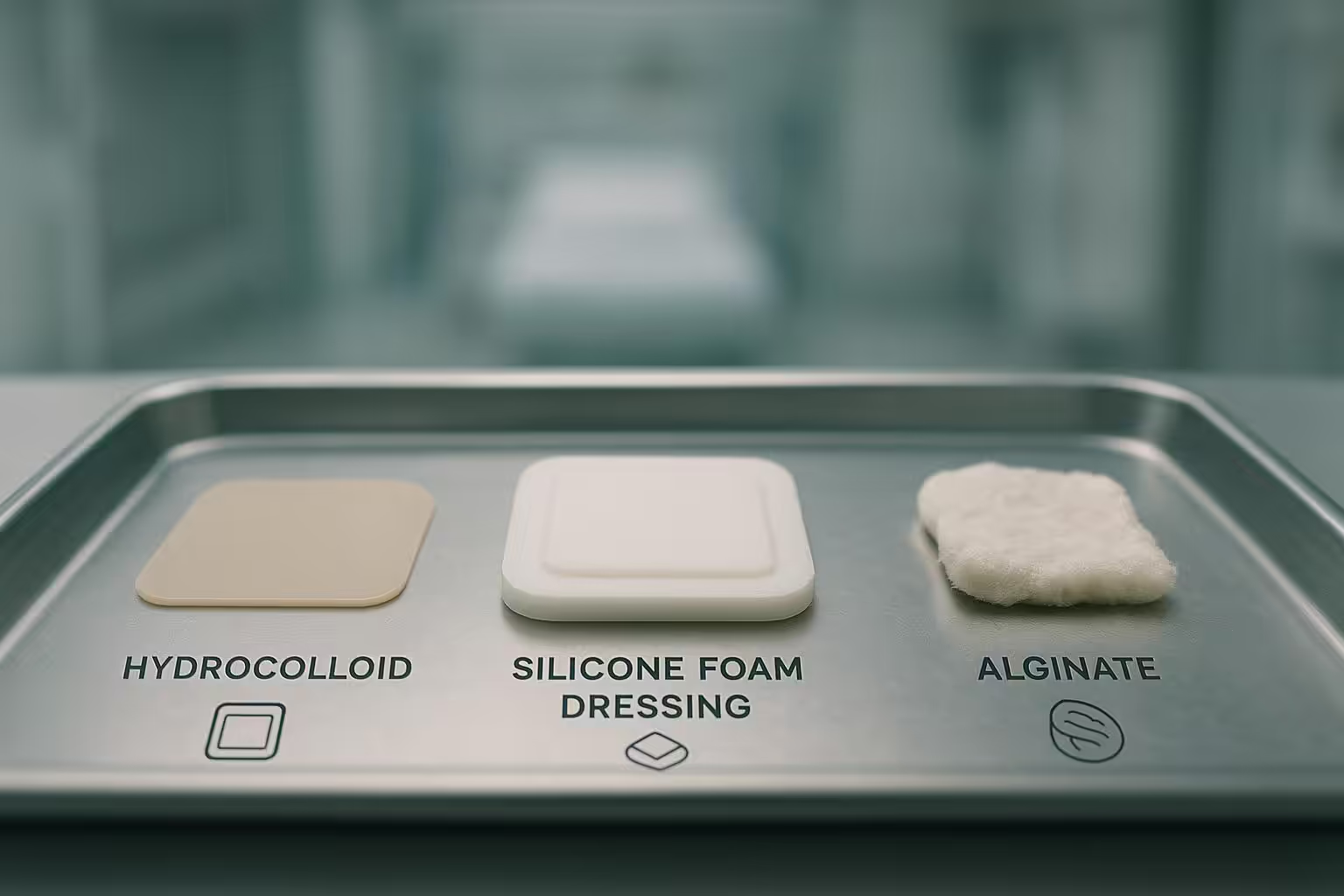
The practical differences between hydrocolloid dressing, silicone foam dressing, and alginate dressing materials
-
Common indications and contraindications (including where these products are a poor fit)
-
A selection workflow you can use at the bedside in hospitals and long-term care (LTC)
Primary focus: hydrocolloid vs silicone foam vs alginate dressings in inpatient and LTC operations.
How to use this guide:
-
Start with the “differences at a glance” section for a quick compare
-
Use the selection steps to match dressing type to wound presentation
-
Use the prevention and value section to align nursing workflow with pressure injury prevention bundles and total cost of care
Key Takeaway: Start with exudate + depth + infection, then choose the least traumatic fixation strategy your peri-wound skin can tolerate.
Dressing differences at a glance
Core properties and mechanisms
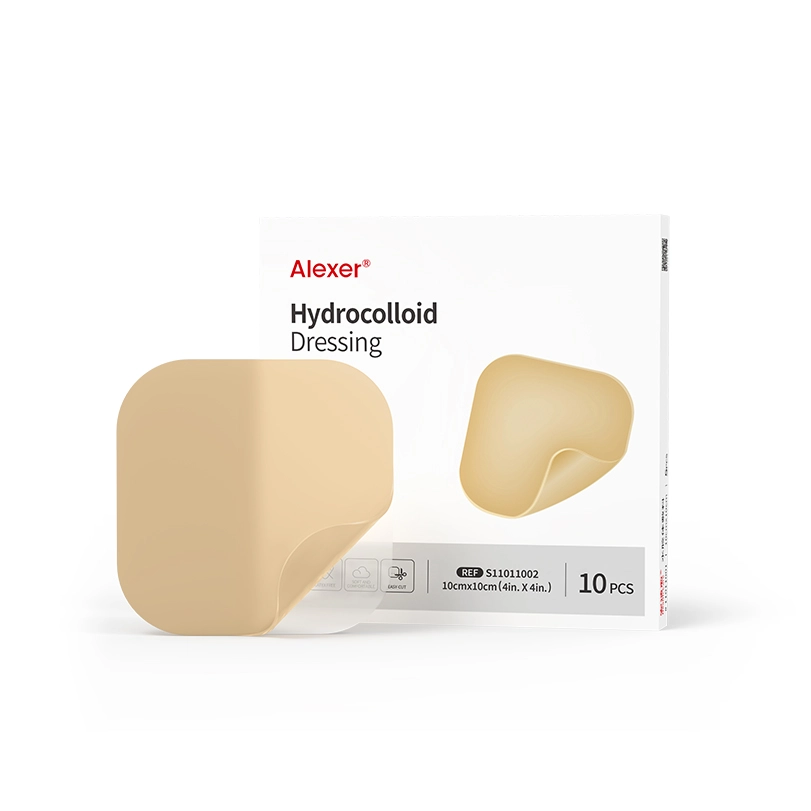
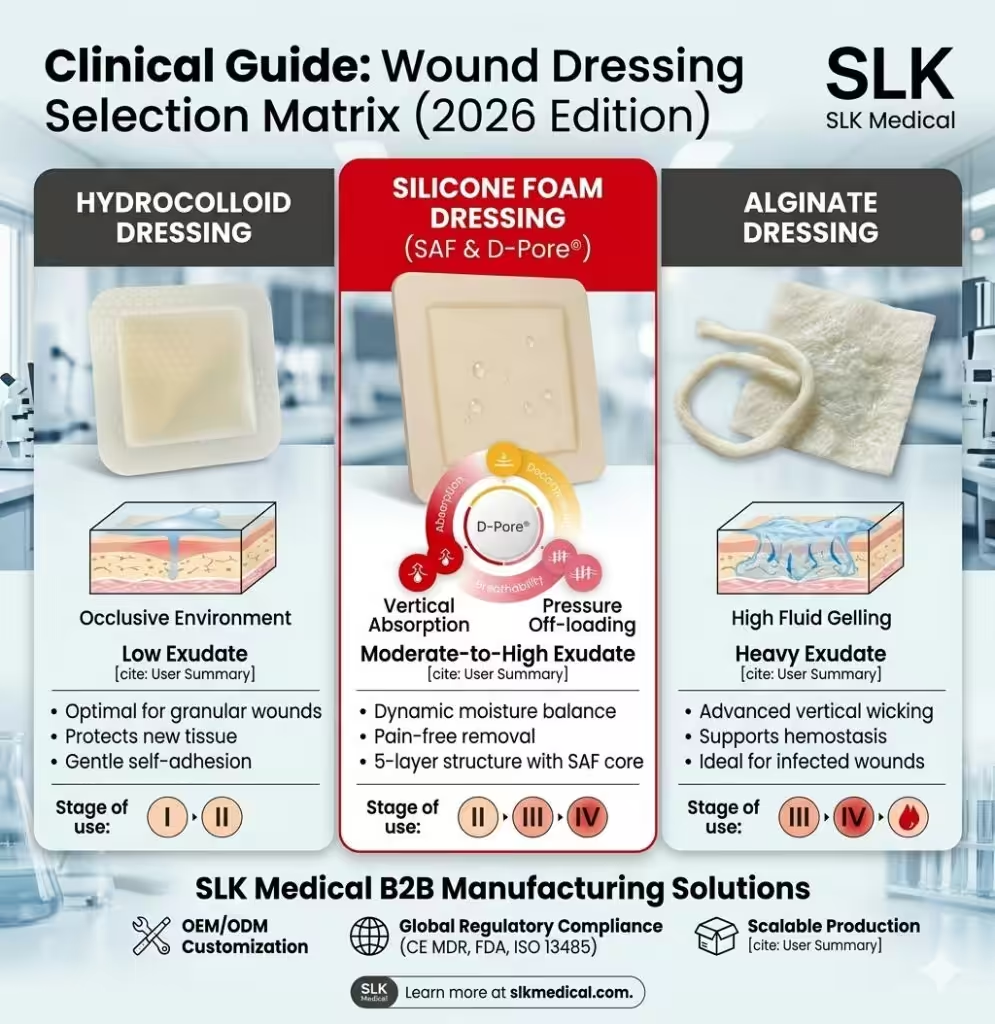
Hydrocolloid dressings are occlusive or semi-occlusive sheets/wafers that absorb wound fluid and form a gel. This gel helps maintain a moist environment and can support autolytic debridement in appropriate wounds. For a background overview of mechanism and typical use, see a PubMed Central review on hydrocolloid dressings (2008).
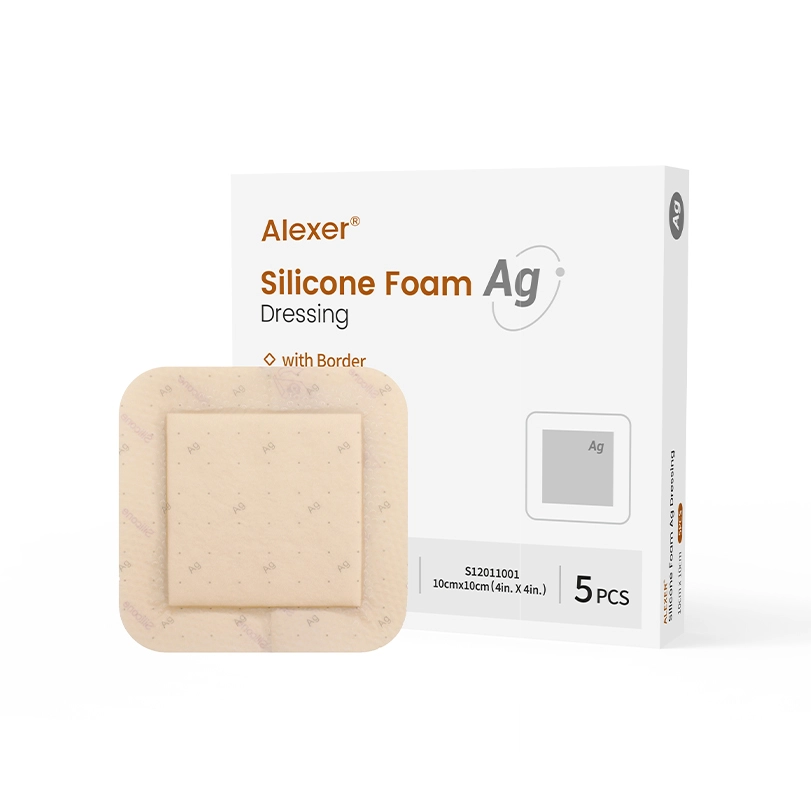
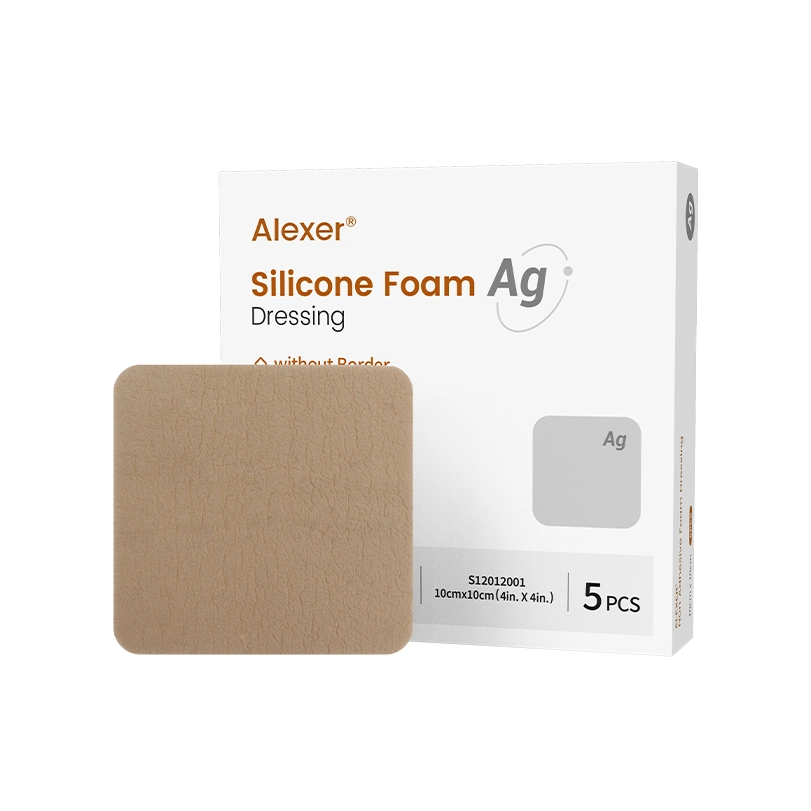
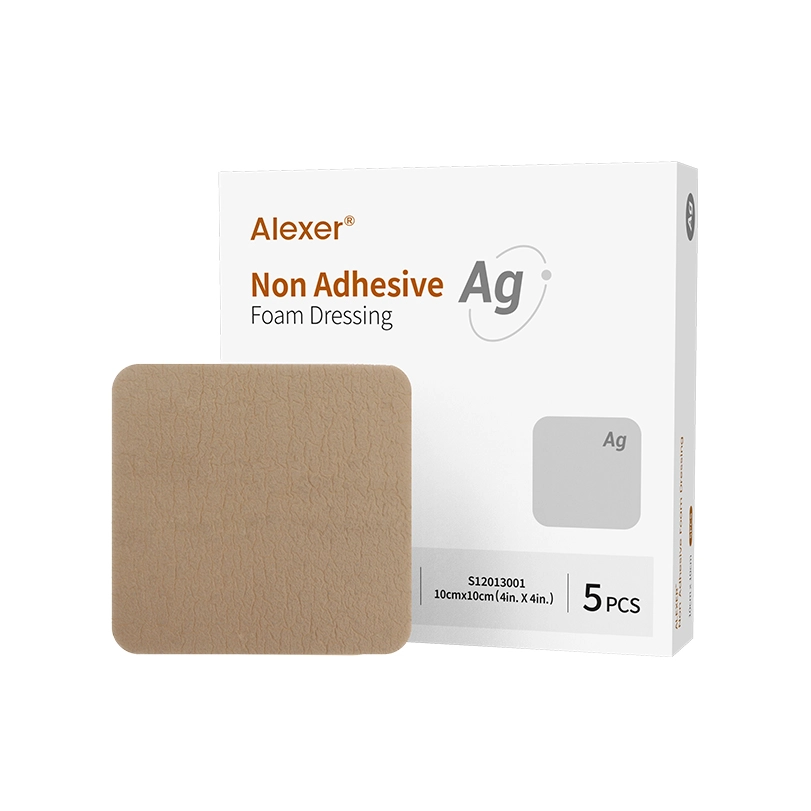
Silicone foam dressings typically combine an absorbent foam core with a soft silicone contact layer (often with a border). In practice, this class is used when clinicians need exudate management, cushioning, and a dressing interface that’s designed to be more atraumatic on removal—a key consideration for older adults, chronic steroid use, or any patient at higher risk of skin stripping.
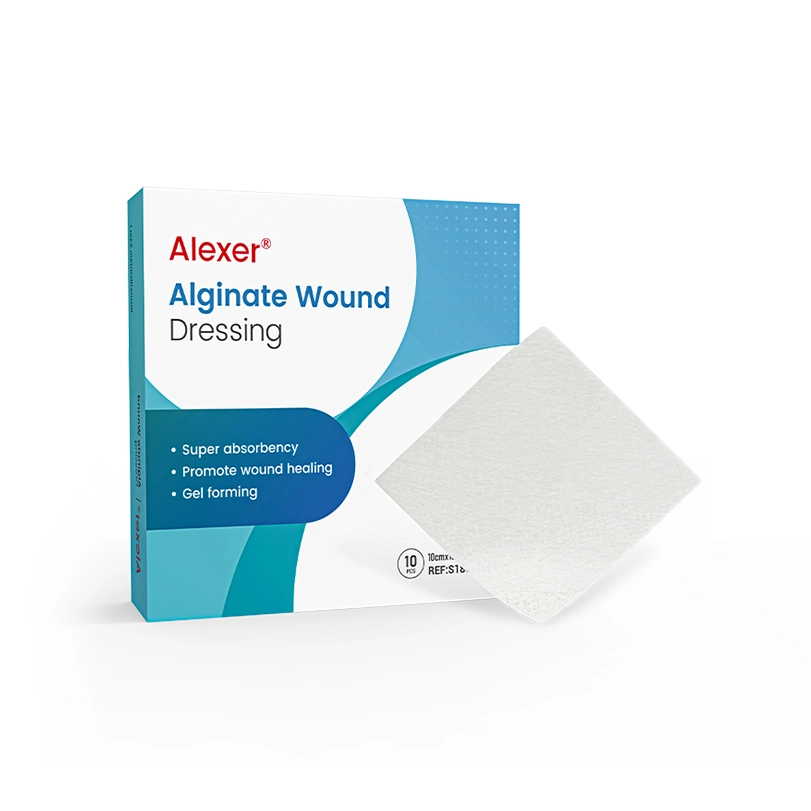
Alginate dressings (often calcium/sodium alginate) are seaweed-derived fibers that gel when they contact exudate via ion exchange. They’re widely used to manage higher exudate loads and can be used as ribbons/ropes in cavities. For a mechanism-focused overview, see Alginate ion-exchange and gel formation (2018 review).
Indications and contraindications
A useful way to remember the “lane” for each dressing is to map them to wound moisture and monitoring needs. A broad clinical overview of matching dressings to wound characteristics is summarized in Choosing a wound dressing based on wound characteristics (2016).
Hydrocolloid — commonly used when
-
Exudate is low to moderate
-
The wound is non-infected and you want a stable moist environment
-
You want fewer dressing changes (when clinically appropriate)
Hydrocolloid — use caution / avoid when
-
The wound is infected or you need frequent visualization
-
Exudate is heavy (leak risk → maceration)
-
Peri-wound skin is very fragile or shear forces are high (edge lift and stripping risk)
Silicone foam — commonly used when
-
Exudate is moderate to heavy and you need absorption plus protection
-
The patient has pain at dressing changes or a history of skin tears
-
You need an option that can work operationally in inpatient workflows (secure fixation, fewer unplanned changes)
Silicone foam — use caution / avoid when
-
The wound is very dry (risk of desiccation and poor interface performance)
-
The patient has known sensitivity to components (follow facility protocol and IFU)
Alginate — commonly used when
-
Exudate is moderate to heavy
-
There is depth/cavity, tunneling, or irregular geometry where a ribbon can contact the wound bed
-
You need gelling behavior to manage fluid in the wound space
Alginate — use caution / avoid when
-
Exudate is minimal or the wound bed is dry (alginate can adhere if it dries)
-
There is hard, dry eschar where moisture control goals are different
-
You cannot apply an appropriate secondary dressing (often required)
⚠️ Warning: “Wrong exudate band” is one of the fastest ways to create avoidable complications—maceration from oversaturation, or trauma from a dressing that dries out and sticks.
Exudate handling and peri-wound skin
This is where bedside performance differences show up.
Hydrocolloid
-
Handles low–moderate exudate by gelling; when exudate outpaces capacity, the seal can break and fluid can track under edges
-
Occlusion can be helpful for moisture balance but may increase maceration risk if drainage is underestimated
Silicone foam
-
Built for moderate–heavy exudate; many foams wick vertically and help reduce lateral spread of fluid onto peri-wound skin
-
Soft silicone interfaces are commonly selected when the priority is minimizing skin stripping and reducing pain during changes (MARSI risk considerations come later)
Alginate
-
Excellent for moderate–heavy exudate and for cavities because it gels within the wound space
-
Typically requires a secondary cover; if exudate decreases, reassess promptly so the dressing doesn’t dry and adhere
Clinical selection and operations
Exudate, depth/cavity, infection status
Use these three questions first—they drive most of the correct choices.
Bedside selection checklist (quick, auditable):
-
Step 1 — Exudate band
-
Low: hydrocolloid (if non-infected and inspection frequency allows)
-
Moderate: silicone foam (especially if fragile peri-wound skin or pain at removal) or hydrocolloid (if low shear and stable)
-
Heavy: silicone foam (higher capacity) or alginate + appropriate cover
-
-
Step 2 — Depth/cavity
-
Flat: hydrocolloid or foam
-
Cavity/tunnel/undermining: alginate ribbon (place loosely; avoid overpacking) + cover
-
-
Step 3 — Infection/need for frequent review
-
Suspected/confirmed infection or frequent visualization needed: avoid highly occlusive choices; reassess more often; use antimicrobial options only when clinically indicated and per protocol
-
-
Step 4 — Peri-wound skin & fixation
-
Fragile skin / MARSI risk: prefer gentler fixation strategies and atraumatic contact layers (soft silicone interfaces are commonly chosen)
-
-
Step 5 — Set a reassessment timer
-
Earlier review for leakage/strike-through, edge lift, increased pain, maceration, or clinical deterioration
-
Escalate/consult triggers (do not rely on dressing choice alone): spreading erythema/cellulitis, systemic signs (fever, hypotension), rapidly increasing pain, malodor with deterioration, suspected abscess/osteomyelitis, necrotizing infection concern, or a wound that fails to improve despite appropriate local care. Follow local protocol and consider wound/ID consult.
1) How much exudate is present (now), and how fast is it changing?
-
Low exudate: consider hydrocolloid (if not infected and inspection frequency is compatible)
-
Moderate exudate: silicone foam or hydrocolloid depending on peri-wound fragility and need for cushioning
-
Heavy exudate: silicone foam or alginate (hydrocolloid often fails here operationally)
2) Is the wound flat or is there depth/cavity?
-
Flat/superficial: hydrocolloid or foam are commonly used
-
Cavity/tunneling: alginate ribbon is often used to contact wound surfaces—place it loosely (avoid overpacking) and cover with an appropriate secondary dressing
3) Is there infection, high bioburden concern, or a reason to reassess frequently?
-
If infection is suspected or confirmed, your dressing choice must support your facility’s infection-prevention workflow: frequent reassessment, appropriate cleansing/debridement as ordered, and a plan for antimicrobial use when clinically indicated
-
Occlusive choices (including many hydrocolloids) can be a poor fit when frequent visualization is needed
Wear time and change frequency
Wear time is not a marketing number—it’s an operational target that should collapse to “change sooner” when the wound or dressing tells you to.
Hydrocolloid wear time (common operational range)
-
Often left in place for multiple days when exudate is controlled and there are no infection concerns
-
Change earlier if you see edge lift, leakage, peri-wound whitening/maceration, or a need to inspect more frequently
Silicone foam wear time (common operational range)
-
Often used for several days, but change frequency depends on drainage volume and seal integrity
-
Change earlier with strike-through, pooling at edges, leakage, or increased pain
Alginate wear time (common operational range)
-
Often changed when it has gelled/saturated; in high exudate wounds this can mean more frequent changes
-
Always reassess if exudate drops—what worked on day 1 can become too dry by day 4
Brief brand note (educational, not promotional): Clinicians often choose atraumatic soft silicone foam interfaces to reduce pain at removal and reduce MARSI risk—this is a key focus area for advanced foam manufacturers like SLK Medical. When antimicrobial dressings are clinically indicated, silver options (including silver foams) can be part of a short, reassessed plan; SLK’s educational overview of silver foam dressings for advanced wound care is a useful starting point for staff education and formulary discussions.
Stewardship and MARSI considerations
Two safety lenses matter in day-to-day operations: antimicrobial stewardship and skin-injury prevention.
Antimicrobial stewardship (especially with silver dressings)
-
Use antimicrobial dressings when there is a clear clinical rationale (per policy) rather than as a default “just in case” layer
-
Treat antimicrobial use as time-limited and reviewable: reassess the indication at routine intervals and stop/escalate based on clinical findings
-
In this guide’s workflow, a practical guardrail is to review antimicrobial dressing need within two weeks, earlier if the wound changes or there are signs of deterioration (align with local protocol and the product IFU)
MARSI (medical adhesive-related skin injury) risk control
-
MARSI risk rises with fragile skin, repeated tape removal, moisture under adhesives, and rushed removal technique
-
If peri-wound skin is at risk, consider dressings and fixation approaches designed for gentler removal (soft silicone interfaces are commonly used here), and standardize removal technique (slow, low angle, skin support)
-
Document not only the wound bed, but also the peri-wound condition—maceration and stripping are often the limiting factors that force early dressing changes
Prevention and value for pressure injuries
Prophylactic silicone foam evidence
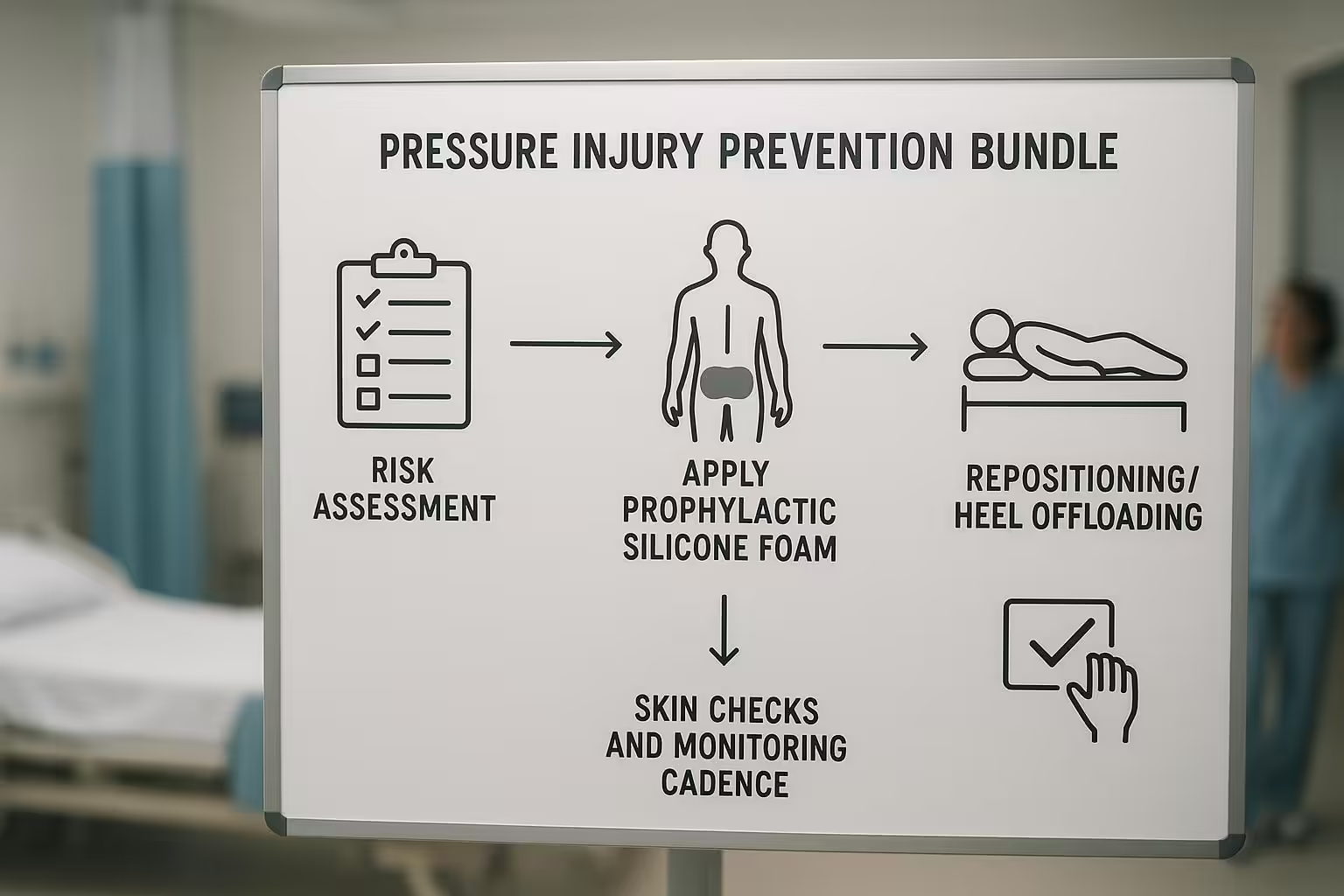
Prophylactic multilayer soft silicone foam dressings are best understood as a bundle component, not a replacement for repositioning, support surfaces, and heel offloading.
Evidence summaries—including a 2025 meta-analysis on silicone foam dressings for pressure injury prevention—support a direction-of-effect benefit in high-risk populations, particularly when applied to sacrum and heels.
International guideline language also frames prophylactic foam use as an adjunct (not a replacement) and typically conditional. For example, the International Pressure Injury Guideline skin care section suggests using multilayer soft silicone foam dressings on the sacrum and heels for individuals at high risk, where resources permit (conditional recommendation; low certainty), alongside core prevention measures such as repositioning and support surfaces. See the preventive skin care guidance here: International Guideline – Preventive Skin Care.
Implementation in bundles and targeting
Implementation succeeds when you keep it simple enough to audit:
-
Risk assessment cadence: define who scores risk (e.g., on admission, after OR, after status change)
-
Target sites: sacrum and heels are the highest-yield prophylactic sites for many inpatient settings
-
Selection criteria: high-risk + limited mobility + moisture/shear risk + expected time in bed
-
Monitoring: align checks with existing workflows (turning schedules, skin rounds)
Total cost of care framing
If your facility is still evaluating adoption of silicone foam dressings, unit price alone is an incomplete metric. A more procurement-ready framing is total cost of care (or total cost in use), including:
-
Nursing time: fewer unplanned changes, fewer leak-driven linen changes, fewer call-backs
-
Complication avoidance: maceration and peri-wound breakdown can expand the wound footprint and increase downstream care needs
-
Patient experience: less painful, less traumatic removal can reduce care friction and improve tolerance for recommended change intervals
-
Standardization value: fewer “workarounds” with tapes and secondary products can reduce variability and MARSI risk
For facilities building a value-analysis narrative, it can help to align clinical education with a single internal reference page—for example, SLK Medical’s Silicone Foam Dressing Guide—and then operationalize selection and reassessment rules in policy.
Conclusion
About this guide
This guide was prepared for clinical education by the SLK Medical Team (advanced wound dressing R&D and medical materials). Content should be interpreted within local policy and individual patient context. If you want, we can add your facility’s preferred guideline references, documentation fields, and change-frequency standards to make this a unit-ready protocol appendix.
The most reliable way to choose between hydrocolloid vs silicone foam vs alginate dressings is to match the dressing to:
-
Exudate (low/moderate/heavy)
-
Depth/cavity (flat vs tunneling/undermining)
-
Infection status and reassessment needs
-
Peri-wound skin tolerance (maceration risk and MARSI risk)
For pressure injury prevention, use silicone foam prophylactically in high-risk patients as part of a prevention bundle (risk assessment, offloading, repositioning, and monitoring)—not as a stand-alone intervention.
Finally, apply antimicrobial stewardship: when silver or other antimicrobial options are used, set a clear expectation to reassess and either stop, switch, or justify continuation within two weeks, sooner if the wound status changes.
Next step (low-commitment): If you’re standardizing across units, request the IFU and a small sampling plan for sacral and heel prophylactic foams, and build a two-week review checkpoint into your wound documentation workflow.