


Pressure ulcers can happen in many places, like hospitals or at home. The rates can be as high as 38% in acute care and up to 23.9% in long-term care, as you can see below:
|
Setting |
Prevalence Rate (%) |
|---|---|
|
Acute care |
0.4% to 38% |
|
Long-term care |
2.3% to 23.9% |
|
Home care |
0% to 17% |
|
ICU patients |
16.6% |
Finding pressure ulcers early saves money and time. It also helps people get better care and leave the hospital sooner. You need to look for risk factors like not moving, not eating well, poor blood flow, nerve problems, and changes in the skin. Using foam dressing, silicone foam dressing, hydrocolloid dressing, and silicone foam ag dressing can help you take better care of every patient.
Key Takeaways
-
Knowing pressure ulcer stages is very important. Each stage shows how bad the wound is. It helps doctors pick the best treatment.
-
The right foam dressing helps wounds heal faster. Foam dressings keep wounds wet. They soak up extra fluid. They also protect skin around the wound.
-
Checking skin often is very important. Looking at skin every day helps find ulcers early. Early care stops ulcers from getting worse.
-
Moving patients often helps stop ulcers. Turning every 3-4 hours works well. This helps prevent pressure injuries.
-
Teaching caregivers helps stop ulcers. Families learn how to care for pressure ulcers. This helps patients get better.
Pressure Ulcer Staging
Staging System
It is important to know pressure ulcer staging. This helps you give good care. The staging system shows how bad the wound is. It helps you pick the best treatment. Look at the table below to see the main stages:
|
Pressure Ulcer Stage Guide |
Wound Condition |
Exudate Condition |
Recommended Dressings |
Nursing Precautions |
|
Stage I
|
|
Dry
|
Relieve pressure regularly, do not massage red areas; keep skin dry and observe lesion changes |
|
|
Stage II
|
|
Dry – Low
|
Thin foam dressings , Hydrocolloid dressings , Soft silicone wound dressings |
Reduce pressure and friction; protect intact blisters, clean ruptured wounds with saline; apply moisturizing dressings to prevent skin maceration |
|
Stage III
|
|
Low – Moderate
|
Super absorbency foam dressings , |
Effective pressure relief; gently remove loose slough, fill undermining & tunneling; match absorbent dressings with exudate volume and monitor infection signs |
|
Stage IV
|
|
Heavy
|
Super-absorbency foam dressings ,
|
Effective pressure relief; gently remove loose slough, fill undermining & tunneling; match absorbent dressings with exudate volume and monitor infection signs |
|
Suspected Deep Tissue Pressure Injury
|
|
No exudate while epidermis is intact; sanguineous or serosanguineous exudate occurs after skin rupture
|
Strict pressure relief, avoid friction and temperature irritation; preserve intact skin, treat ruptured skin as Stage 2 injury |
|
|
Unstageable
|
|
Slough-covered wounds produce massive turbid viscous exudate; dry eschar wounds are dry with barely any outward exudate
|
Debridement gel plus super-absorbent dressings, antimicrobial dressings; stable dry eschar is protected with breathable thin dressings |
Keep stable dry eschar moisturized without forced debridement; perform gradual debridement for slough wounds; seek professional treatment if pus accumulates under eschar |
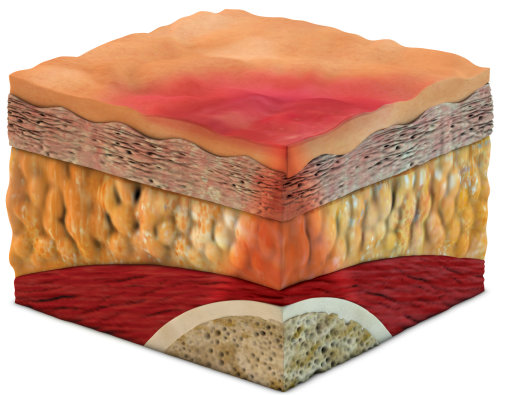
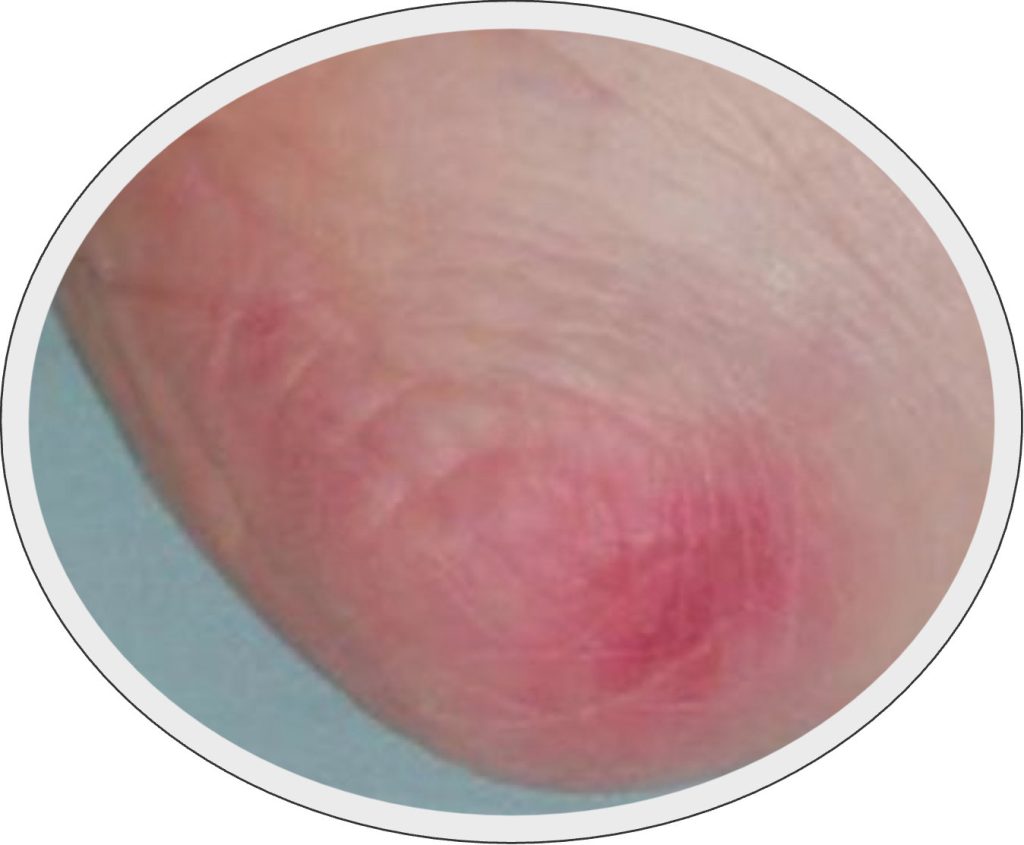
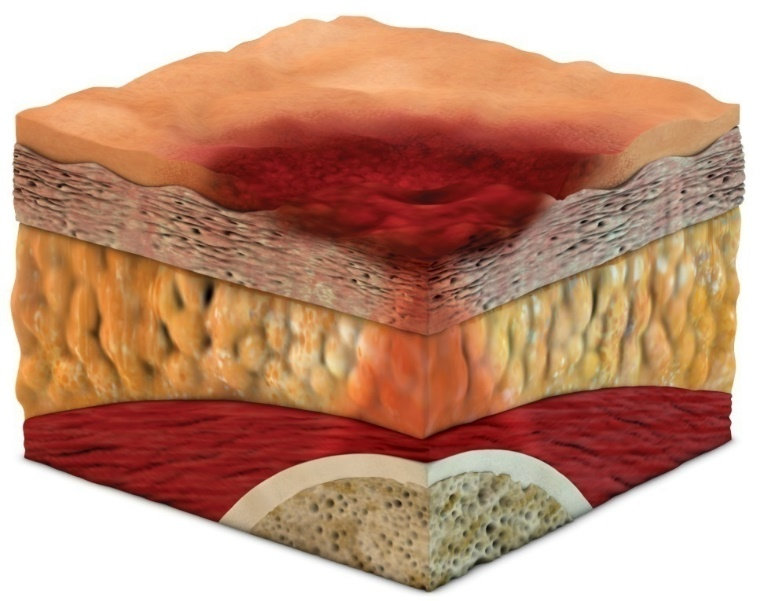
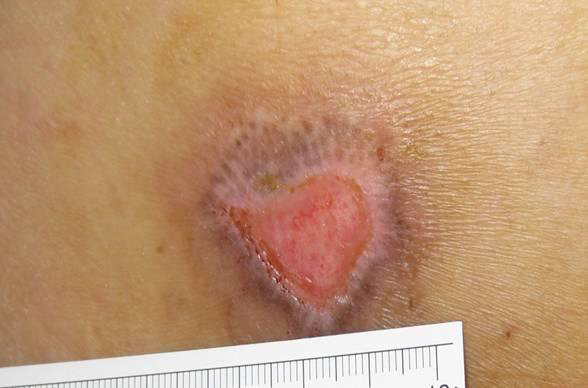
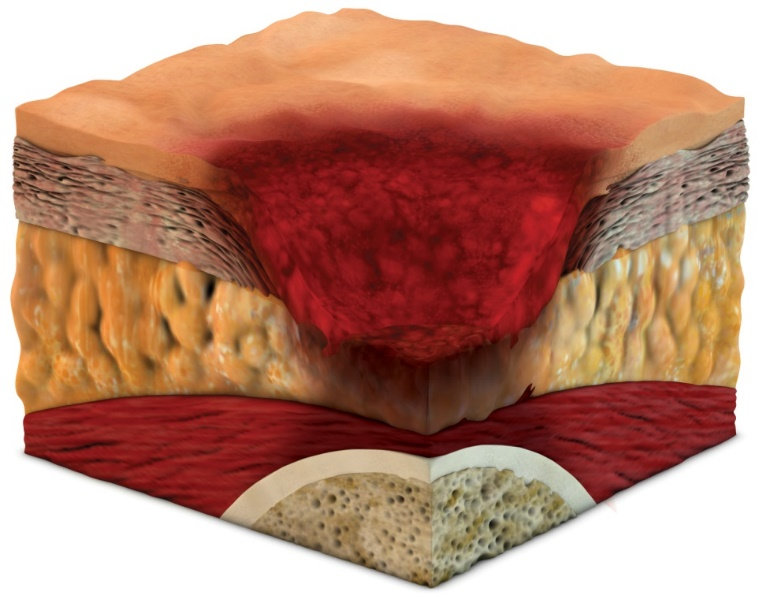
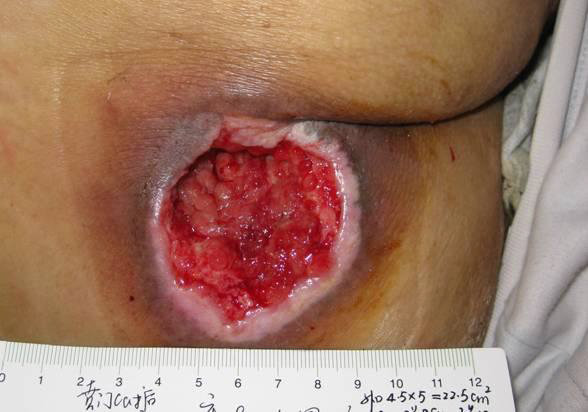
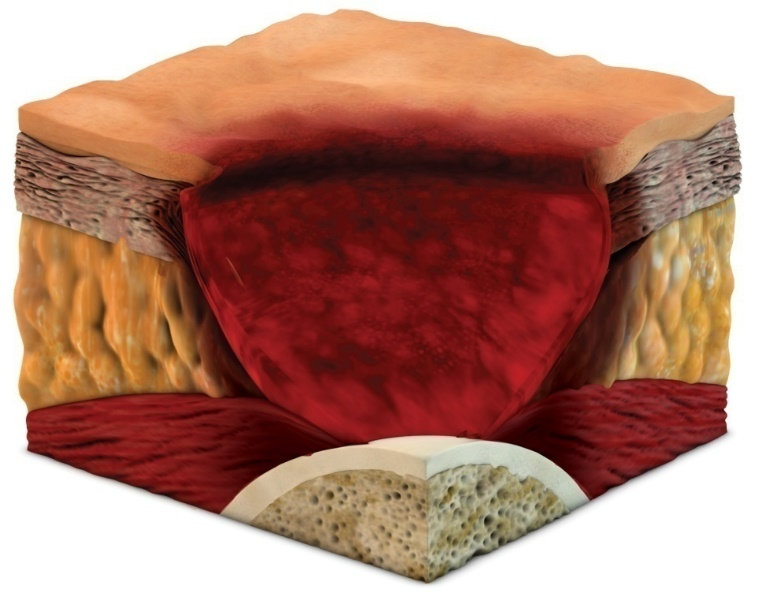
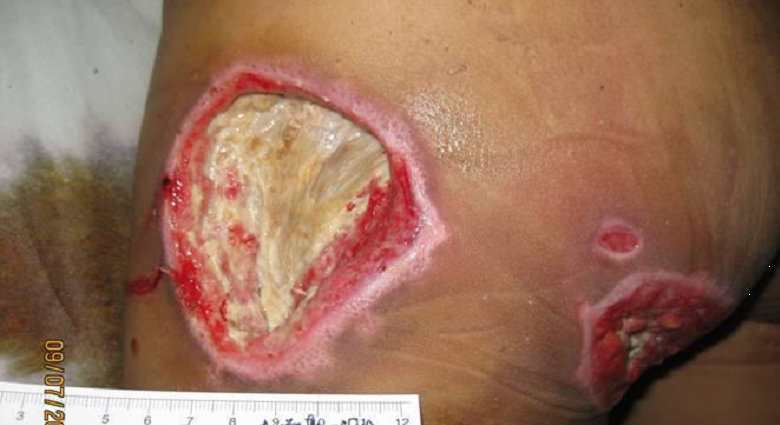
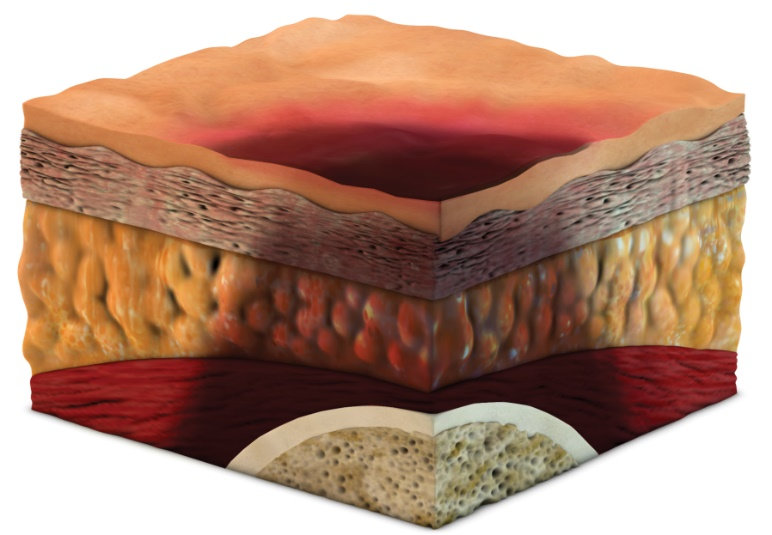
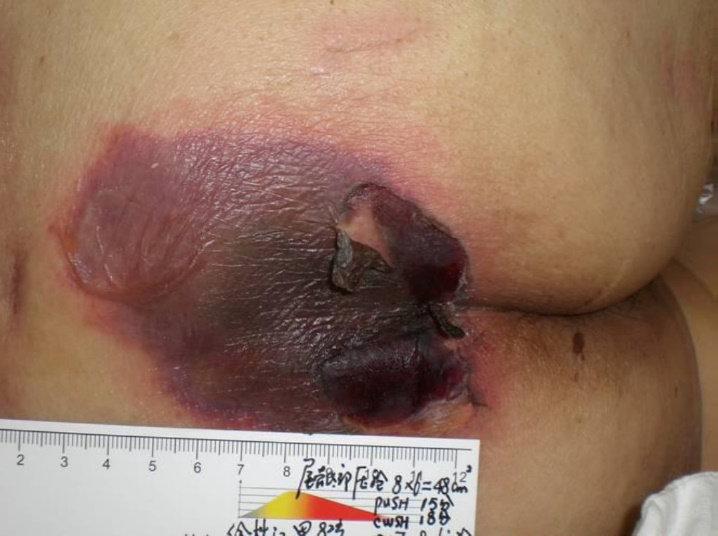
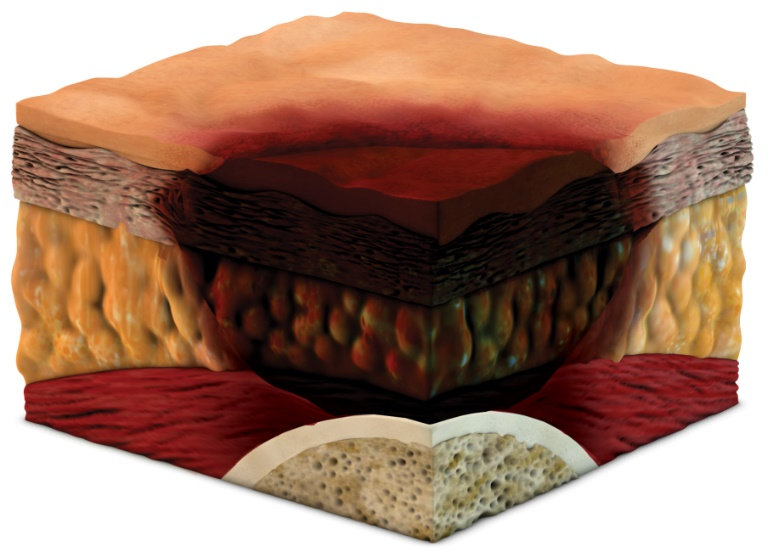
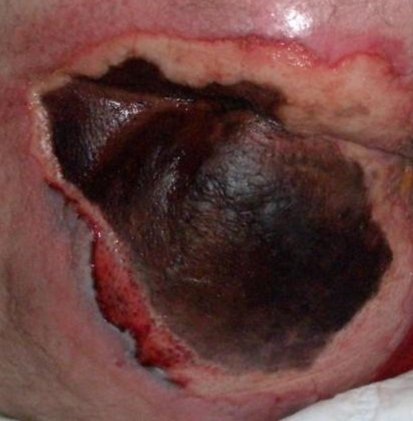
Pressure ulcer staging helps you know what to do next. Each stage means a different amount of tissue damage. You need to check the skin carefully. Use the right staging system every time you see a wound.
Tip: Always check for redness that stays when you press it. This is a main sign of stage 1 pressure ulcers. If you see a shallow sore or blister, it may be stage 2. Deep wounds with visible fat mean stage 3. If you see bone or muscle, it is likely stage 4.
Why Foam Dressings Work
Foam Dressing Structure

The polyurethane film backing is the outermost protective layer. It is waterproof yet breathable, preventing bacteria and external contaminants from entering the wound while allowing excess moisture vapor to escape. This layer also reduces friction and shear, helping maintain a stable wound microenvironment that supports tissue repair.
The super absorbent fiber (SAF) absorption and retention layer rapidly absorbs wound exudate and locks it away from the wound bed. Its high fluid retention capacity minimizes leakage, reduces the risk of periwound maceration, and helps extend dressing wear time.
Working beneath the SAF layer, the non-woven distribution layer evenly channels exudate into the absorbent core. By distributing fluid across the entire dressing, it improves absorption efficiency and prevents localized saturation.
The foam absorbent layer provides excellent exudate management while maintaining the moist wound environment recommended by modern wound care guidelines. It also cushions pressure-prone areas, protects newly formed tissue, and helps reduce the risk of infection associated with excessive wound moisture.
The soft silicone wound contact layer gently adheres to the surrounding skin without sticking to the wound bed. This atraumatic interface minimizes pain during dressing changes, protects fragile or sensitive skin, and supports uninterrupted healing.
Together, these five layers enable silicone foam dressings to deliver superior exudate management, moisture balance, skin protection, and patient comfort—making them one of the most effective dressing options for managing pressure ulcers, diabetic foot ulcers, venous leg ulcers, and other chronic wounds.
Absorption and Moisture
You must pick the right foam dressing for healing. Foam dressings soak up fluid from wounds. This keeps the wound moist but not too wet. Moisture helps skin grow and stops dryness. If the wound is too wet, skin nearby can break down. Foam dressings pull extra fluid away and trap it inside.
-
Foam dressings help control exudate, which is fluid from wounds.
-
They keep wounds moist, so cells can repair and grow.
-
Foam dressings slowly release antimicrobial agents to fight infection.
-
You protect skin around wounds because foam dressings move fluid away and stop leaks.
|
Feature |
Description |
|---|---|
|
Absorbency |
Foam dressings soak up fluids using capillary action. |
|
Moisture Maintenance |
They keep the wound moist but not too wet, stopping maceration. |
|
Skin Protection |
The contact layer moves fluid and shields skin from irritation. |
|
Infection Control |
Some foam dressings have antimicrobial agents to fight infection. |
|
Ease of Use |
Foam dressings are easy to apply and remove, and they are nontoxic. |
Foam dressings work better than many other types. Polyurethane foam dressings handle wound exudate better than hidrofibers, alginates, or hydrocolloids. You get better absorption and less skin damage risk. Foam dressings also keep wounds moist, which helps healing.
Foam dressings can lower pain and trauma when you change them. Patients feel more comfortable and heal faster.
Silicone Foam Dressings
Silicone foam dressings are great for advanced wound care. You use them for pressure ulcers on the sacrum, heel, and trochanter. These dressings have five layers that protect and heal skin. The soft pad fits the body and feels nice. The silicone layer sticks gently, so you can remove it without hurting the patient.
|
Feature |
Description |
|---|---|
|
Soft and conformable pad |
Fits body curves and feels comfortable. |
|
Maintains moist environment |
Keeps the wound moist for better healing. |
|
Breathable |
Lets air in, stopping skin from getting too wet. |
|
Moderate absorbency |
Handles moderate fluid levels well. |
|
Gentle skin adhesion |
Sticks softly, so you avoid pain when removing. |
|
Bacterial and viral resistant |
Blocks germs and viruses from entering the wound. |
|
Waterproof PU film layer |
Stops water and dirt from getting in. |
|
Perforated silicone contact layer |
Moves fluid away and lowers the risk of skin breakdown. |
|
Atraumatic removal |
Comes off easily without hurting the skin. |
Studies show silicone foam dressings lower stage II and higher pressure injuries in the sacral area. You can lower tissue pressure by up to 40%. These dressings also stop skin maceration and infection. Using them can cut the risk of incontinence-associated dermatitis by more than half.
Tip: Use five-layered silicone foam dressings for high-risk spots like the sacrum, heels, and trochanter. Patients stay comfortable and heal faster.
Silicone foam dressings save money too. Studies show using these dressings for prevention costs less than treating pressure ulcers later. You spend less and help patients avoid pain and infection.
Silicone Foam Ag Dressing
If you see infection signs or know the wound is at high risk, use silicone foam Ag dressings. These dressings have silver ions. Silver fights bacteria and lowers infection rates. The foam absorbs fluid and keeps wounds moist, which helps healing.
|
Feature |
Description |
|---|---|
|
Antimicrobial Properties |
|
|
Moist Wound Environment |
Keeps the wound moist, which helps new tissue grow. |
|
Exudate Management |
Absorbs fluid and stops the skin from getting too wet. |
Silver foam dressings release silver ions slowly. This keeps bacteria away and helps wounds heal. Guidelines recommend silver foam dressings for wounds with high infection risk. Studies show wounds treated with silver foam dressings shrink faster than those with regular dressings.
-
Silver foam dressings lower bacteria in wounds.
-
You see a bigger drop in wound size with silver foam dressings.
-
These dressings help manage infection and speed up healing.
Note: Use silver foam dressings for wounds that look infected or have lots of fluid. You protect patients and help wounds heal.
Foam dressings also make patients more comfortable. Patients feel less pain when you change dressings. The soft foam cushions wounds and protects skin. You do not need to change dressings as often, which saves time and money. Foam dressings are important for advanced wound care. You use them to control exudate, keep wounds moist, and fight infection.
| Dressing | Exudate | Infection | Stage | Wear Time |
|---|---|---|---|---|
| Foam | Medium-Heavy | Optional | II-IV | 3-7 days |
| Hydrocolloid | Low-Medium | No | II | 3-7 days |
| Alginate | Heavy | Yes | III-IV | 1-3 days |
| Hydrogel | Dry | No | II-III | Daily |
| Film | None | Prevention | I | 5-7 days |
Pressure Injury Management
Stage-Based Actions
You are important in pressure injury management. Each stage of a pressure ulcer needs a special plan. You must keep the skin safe and take off pressure. Pick the right dressing for each wound. The table below shows what to do for each stage:
|
Stage |
Management Goals |
Dressing Selection |
|---|---|---|
|
Stage 1 |
Protect skin to prevent further injury |
Silicone adhesive, non-adherent foam, or transparent hydrocolloid |
|
Stage 2 |
Relieve pressure and protect wound from trauma |
Silicone adhesive or non-adherent foam |
|
Stage 3 |
Relieve pressure and protect wound from trauma |
Hydrogel, adhesive foam, hydrofiber, or silicone dressing |
|
Stage 4 |
Relieve pressure and protect wound from trauma |
Alginate, hydrogel, adhesive foam, hydrofiber, or silicone dressing |
|
Unstageable |
Debridement needed before treatment |
Surgical debridement as determined by the surgical team |
Use foam dressings for stage II and higher pressure injuries. This is best when you see a lot of fluid. Foam dressings soak up fluid and keep wounds moist. This helps wounds heal and lowers infection risk. Always match the dressing to what the wound needs.
Taking care of pressure injuries early helps stop problems. You help patients heal and feel less pain.
Dressing Application Tips
Follow good steps when you change dressings and check wounds. Start by cleaning the wound and skin around it. Do this every time you change the dressing. Use safe water like tap, distilled, cooled boiled water, or saline.
|
Best Practice |
Description |
|---|---|
|
Wound Cleansing |
Cleanse the wound and periwound at each dressing change. |
|
Cleaning Solutions |
Use potable tap water, distilled water, cooled boiled water, or saline. |
|
Dressing Modification |
Change the dressing type if the wound changes or does not heal. |
Check the wound every time you change the dressing. If the wound looks different, change the dressing type. This step is very important. It helps wounds heal faster and stops new problems.
Tip: Write down each dressing change. This helps you see healing and find problems early.
Watch for signs of infection or slow healing. Tell the care team if you see any problems. Studies show early care does not always stop death, but it helps you know who needs more help. Good care makes patients feel better and live better.
Prevention
Turning Schedules
You help stop pressure injuries by turning patients often. Turning patients every 4 hours on viscoelastic foam mattresses lowers the risk. High-stage pressure injuries happen less when you do this. Studies say turning every 2 hours does not always help. You need to pick the best schedule for each patient.
|
Recommended Interval |
Patient Condition |
Source |
|---|---|---|
|
Every 2 hours |
Altered consciousness |
Clinical Practice Guidelines |
|
Every 2-3 hours |
General patients at risk |
Systematic Review |
|
Every 3-4 hours |
Cost-effective alternative |
Systematic Review |
Most patients do well with a 3-4 hour turning schedule. This saves time and helps prevent pressure injuries. Patients feel better and have less skin breakdown. Turning works best with other prevention steps.
Tip: Set reminders to turn patients. This helps you remember and keeps patients safe.
Mattress Choice
Picking the right mattress helps stop pressure injuries. Foam mattresses spread weight and keep pressure low. Alternating pressure mattresses use air cells to change pressure spots. Hybrid mattresses mix both types for better results.
-
Foam mattresses help lower pressure and prevent injuries.
-
Alternating airflow mattresses help treat and prevent injuries.
-
Hybrid mattresses give extra help for pressure injury prevention.
Studies show foam and alternating pressure mattresses work about the same. Patients often like foam mattresses more. You do not need to change mattresses as much when you use foam ones.
Note: Pick a mattress that fits the patient. This helps prevent injuries and keeps patients comfortable.
Daily Checks
Checking skin every day is very important. You need to look for redness, swelling, or open sores. Daily checks help you find problems early. You can act fast and stop ulcers from getting worse. Research says daily checks heal wounds better than weekly checks.
Use a checklist when you check skin. Write down what you see each day. This helps you track healing and spot changes.
-
Check skin every day to prevent pressure injuries.
-
Use a checklist to find changes early.
-
Record what you see to help with prevention.
Tip: Teach caregivers about pressure injury prevention. Use videos, booklets, and brochures to share tips. Families learn how to help and care gets better.
Pressure injury prevention works best when you turn patients, pick the right mattress, and check skin daily. You lower the risk of ulcers and help patients heal. Make prevention part of everyday care.
You play a key role in stopping pressure ulcers. Staging helps you choose the best care. Foam dressings, especially five-layer designs, protect skin and save costs. Studies show these dressings lower ulcer rates and keep skin safe during surgery. To stay vigilant, you should:
-
Turn patients often.
-
Pick pressure-relieving equipment.
-
Check and clean skin daily.
-
Teach caregivers and families.
-
Support good nutrition.
Stay alert and keep learning. Your actions help patients heal and prevent new injuries.
FAQ
Can Foam Dressings Heal Stage IV Pressure Ulcers?
Yes, foam dressings can be used as part of the treatment plan for Stage IV pressure ulcers, particularly when the wound produces moderate to heavy exudate. However, foam dressings alone cannot heal a Stage IV pressure injury. These complex wounds often require comprehensive management, including pressure redistribution, debridement, infection control, nutritional support, and regular wound assessment. If the wound contains deep cavities, tunneling, or exposed bone or tendon, additional dressings such as alginate or gelling fiber may be needed to fill dead space before applying a foam dressing as a secondary cover.
How Long Should a Foam Dressing Stay On?
Most foam dressings can remain in place for 3 to 7 days, depending on the amount of wound exudate, the condition of the wound, and the manufacturer’s instructions. A dressing should be changed sooner if it becomes saturated, leaks, loses adhesion, or if there are signs of infection or wound deterioration. Regular assessment is essential because the ideal wear time varies with each patient’s wound-healing progress.
Can Foam Dressings Be Used on Infected Wounds?
Yes, foam dressings may be used on infected wounds, but they should not be the only treatment. Standard foam dressings help absorb exudate and protect the wound, while antimicrobial foam dressings, such as silver foam dressings, may help reduce bacterial burden when clinically indicated. Infection management should always include appropriate wound cleansing, regular assessment, debridement when necessary, and systemic antibiotics if prescribed by a healthcare professional.
Foam Dressing vs. Hydrocolloid: Which Is Better?
Neither dressing is universally better—the best choice depends on the wound. Foam dressings are ideal for moderate to heavily exuding pressure ulcers, offering excellent absorption, cushioning, and protection against maceration. Hydrocolloid dressings are generally better suited for lightly exuding Stage II pressure ulcers, as they maintain a moist environment and support autolytic debridement. Hydrocolloids are usually not recommended for infected wounds or wounds with heavy drainage.
Foam Dressing vs. Alginate: What’s the Difference?
Both dressings manage wound exudate, but they serve different purposes. Foam dressings are designed to absorb moderate to heavy exudate while providing cushioning and protection for superficial or shallow wounds. Alginate dressings, made from calcium alginate fibers, are intended for heavily exuding, deep, tunneling, or cavity wounds. They form a soft gel when in contact with wound fluid and usually require a secondary dressing, such as a foam dressing, to secure them in place.
Can Foam Dressings Be Cut to Fit?
Some non-adhesive foam dressings can be trimmed to better fit the wound or difficult anatomical areas. However, many bordered silicone foam dressings are designed with sealed edges that should not be cut, as trimming may compromise their absorbency, adhesion, or protective barrier. Always follow the manufacturer’s instructions and ensure the dressing extends approximately 2–3 cm (about 1 inch) beyond the wound margins for optimal protection.
Can Foam Dressings Be Used on Heels?
Yes. Foam dressings are commonly used on heel pressure ulcers because they provide cushioning, absorb exudate, and help protect one of the body’s highest-risk pressure points. Anatomically shaped heel foam dressings are specifically designed to conform securely to the heel, improving fit and reducing the risk of dressing displacement. For effective healing, foam dressings should always be combined with appropriate heel and sacrum offloading and pressure redistribution measures.
Why is patient-centred pressure ulcer management important?
Patient-centred care means you treat each patient in their own way. You make sure they feel comfortable and respected. This helps wounds heal better. You also help patients feel less pain and get better faster. Caring for each person helps them heal and feel good.
Which dressing works best for pressure injury treatment?
Foam dressings work for most ulcers. Use five-layer silicone foam dressings for the sacrum, heel, and trochanter. Silver foam dressings help if there is infection risk. Always pick the dressing that matches the ulcer stage. This helps you care for each patient the right way.
How do you prevent new ulcers in a patient?
Turn the patient every 3-4 hours. Use a foam mattress. Check the skin every day. Teach caregivers how to stop injuries. Follow all the steps to prevent ulcers. Caring for each patient helps lower the chance of new ulcers.


