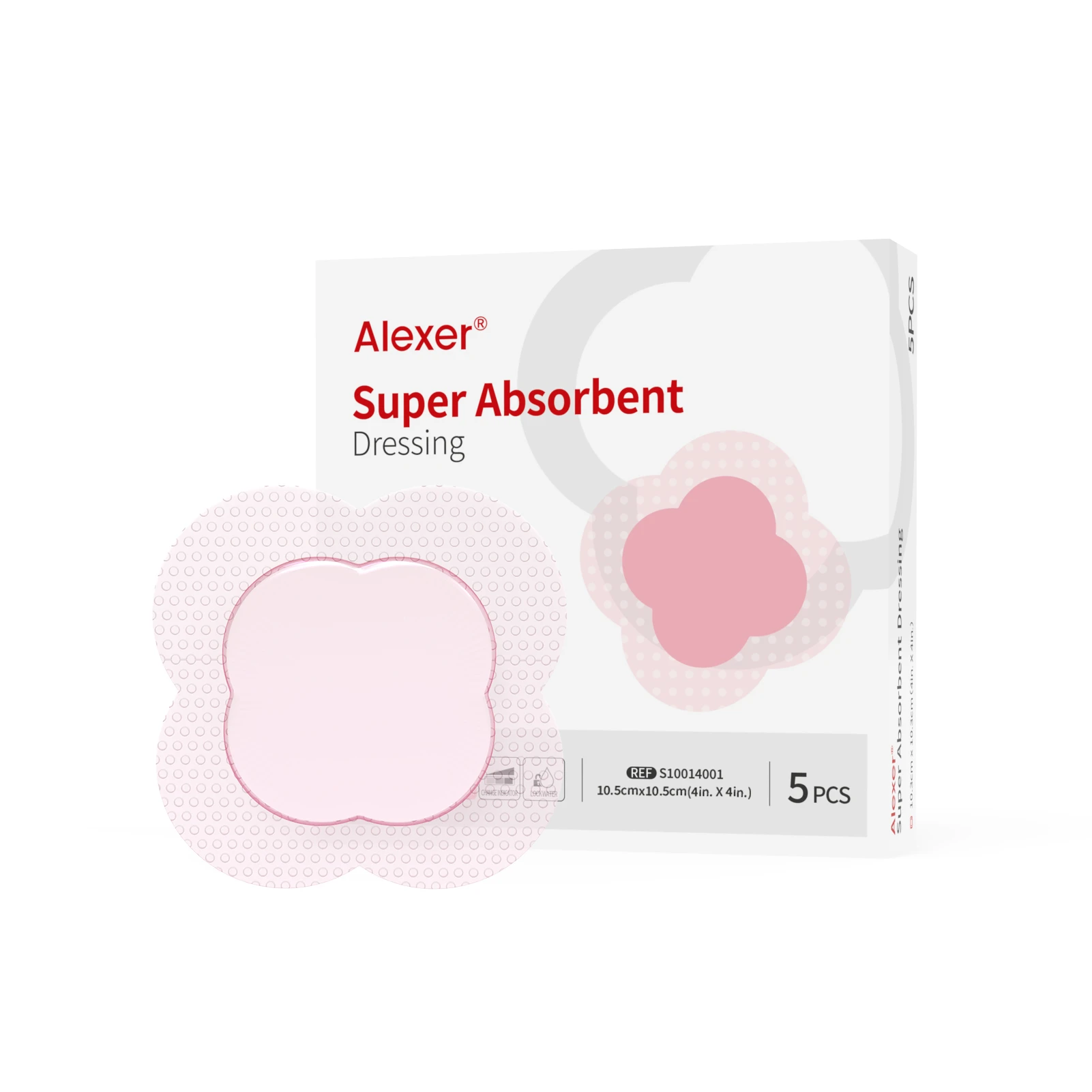
You use a sacral foam dressing to cover the sacrum. The sacrum is a common spot for pressure injuries in adults. These dressings help you care for wounds. They keep the area moist and lower the chance of infection. SLK Medical’s silicone foam dressings are gentle on sensitive skin. They also help wounds heal better.
|
Aspect |
Sacral Foam Dressings |
Other Wound Care Products |
|---|---|---|
|
Pressure Injury Rate |
Lower |
Higher |
|
Application Ease |
Easy |
Varies |
Sacral foam dressings help you take better care of wounds. They help you get the best results.
Key Takeaways
-
Sacral foam dressings help protect the sacral area. They lower the chance of pressure injuries. They spread pressure out and keep skin healthy. These dressings are soft for sensitive skin. Changing them hurts less and helps healing. Moisture control is very important. Sacral foam dressings soak up extra fluid. They keep the wound moist. This helps healing go faster and stops infection. Check the wound often for infection signs. Change the dressing when needed to keep it clean. This helps healing. Pick the right dressing for the wound type. Think about what the patient needs. This gives good care and comfort.
What is a sacral foam dressing?
Key features and design
A sacral foam dressing helps protect and heal wounds on your lower back. This spot is at the bottom of your spine. It gets a lot of pressure when you lie down. Sacral foam dressings use special materials and smart design. They solve problems that happen with wounds in this area.
Tip: Sacral foam dressings are shaped to fit your lower back. They stay in place and cover the wound fully.
Here are the main parts of a sacral foam dressing:
-
Porous material soaks up lots of wound fluid. This keeps the wound moist and stops skin from breaking down.
-
Soft silicone foam has a gentle sticky side. You can take off or change the dressing easily. It does not hurt or harm your skin.
-
Five layers make the dressing comfortable and help healing. Each layer does something important, like soaking up fluid or blocking germs.
-
Waterproof barrier keeps out germs and keeps the wound clean.
-
Super absorbent starch controls fluid and keeps the area healthy.
-
Glycerin helps with smell and calms hurt skin.
|
Component/Material |
Description |
|---|---|
|
Porous material |
Soaks up lots of wound fluid and keeps the wound moist. |
|
Soft silicone foam |
Gentle sticky side helps avoid pain when you take it off. |
|
Five-layer design |
Makes the dressing comfy and helps wounds heal. |
|
Waterproof barrier |
Blocks germs and lowers the chance of infection. |
|
Super absorbent starch |
Helps control fluid and keeps the wound healthy. |
|
Glycerin |
Cuts down on smell and helps heal skin. |
Sacral foam dressings give padding and shield your skin from pressure. The dressing lets air in, so your skin does not get too hot or irritated. Its shape fits your lower back, so it stays put even when you move.
Why the sacral area needs special care
The sacral area can get pressure injuries easily. When you lie on your back, this spot holds a lot of your weight. The skin here is thin and covers bone. Even a little pressure can stop blood from flowing. This can hurt the skin and cause sores.
Note: Pressure ulcers often happen on bony spots like the sacrum. Blood vessels here do not handle weight well. They can get hurt fast.
You need special care for the sacral area because:
-
The skin is thin and close to bone, so wounds form easily.
-
Pressure and sliding can stop oxygen and break down skin.
-
Sweat or pee can make skin break down faster.
-
Wounds heal slowly if you do not use the right dressing or relieve pressure.
Sacral foam dressings help with these problems. They fit your body, soak up fluid, and keep out germs. Studies show silicone bordered sacral foam dressings help stop pressure sores, especially for people at high risk. You get better results with dressings made for the sacral area.
|
Study Type |
Findings |
Conclusion |
|---|---|---|
|
Randomized Controlled Trial |
Silicone bordered dressings help stop pressure sores |
Good for high-risk patients |
|
Cohort Studies |
Dressings lower pressure injuries in hospitals |
Helpful in emergency and ICU rooms |
|
Case Series |
Dressings help heal tough wounds |
Good for people who need extra care |
You should pick dressings that fit well and protect your skin. Sacral foam dressings give comfort, control moisture, and help stop infection in this sensitive spot.
Benefits for sacral pressure injury prevention

Pressure redistribution and cushioning
It is important to keep your skin safe from pressure injuries. The sacral area needs extra care. Sacral foam dressings help spread out pressure. This means less force on one spot. It lowers the chance of skin damage. The dressing acts like a cushion. It absorbs pressure and shear forces.
|
Mechanism |
Description |
|---|---|
|
Pressure Redistribution |
Silicone foam dressings spread force over a bigger area. This lowers tissue pressure by up to 30–40%. |
|
Shear Force Absorption |
The dressings soak up shear forces. This helps stop skin damage in risky spots. |
|
Waterproof and Breathable |
They make a barrier. This keeps skin from getting too wet or infected. It lowers skin problems from wetness by over 60%. |
Studies show dressings with bigger contact areas lower pressure. Using these dressings helps stop sacral pressure injuries. They also cut down friction and shear. This matters for people who lie down or sit a lot.
Tip: Put the dressing flat on the sacral area. Make sure it covers the bony part. This helps the dressing work well.
Moisture control and infection reduction
You need to keep wounds moist but not too wet. Sacral foam dressings soak up extra fluid. They keep the wound at the right moisture level. This helps skin heal faster. It also stops skin from getting soft or breaking down. The waterproof layer blocks germs and keeps the wound clean.
A study looked at ten trials with 4,817 patients. Silicone foam dressings lowered stage I sacral pressure injuries (RR = 0.18, p < 0.001). They also lowered stage II and worse injuries (RR = 0.42, p < 0.001). These dressings give better protection from infection and skin damage.
-
Sacral foam dressings:
-
Soak up wound fluid
-
Keep wounds moist
-
Block germs and dirt
-
Lower infection risk
-
Picking dressings that control moisture and block germs helps you care for wounds better.
Comfort and skin protection
You want dressings to feel good and protect your skin. Sacral foam dressings use soft silicone borders. They stick gently. You can take them off without pain. The dressing fits your body and moves with you. Patients say these dressings feel nice and do not pull on skin.
|
Evidence Type |
Description |
|---|---|
|
Patient Comfort |
Patients say the dressing feels good and fits their body well. |
|
Skin Protection |
The silicone border lets you take it off without pain. The hydrogel layer keeps the wound moist. |
|
Recommendation Rate |
Over 90% of patients and doctors would suggest this dressing because it works well and feels good. |
Note: Check the skin around the dressing often. Look for redness or swelling. Change the dressing if it gets too wet or dirty.
Sacral foam dressings protect weak skin. They help you avoid pain when you change dressings. You get better healing and comfort with dressings made for the sacral area.
Applications in wound care
Managing pressure ulcers and sacral wounds
It can be hard to care for wounds on the sacral area. Sacral foam dressings help with sacral pressure injury and pressure ulcers. These dressings fit your lower back well. They stay put and protect wounds from rubbing and wetness. You use them for wounds from lying down too long or when skin breaks down.
Silicone foam dressings lower the chance of stage II or worse pressure injury. They spread pressure out, which can lower tissue pressure by up to 40%. The waterproof and breathable layers keep skin dry and block germs. This helps you avoid skin problems from pee or poop. The shape matches your sacrum, so you get good coverage and comfort.
You make wound care better by picking dressings that soak up fluid and protect skin. These dressings also help stop skin problems from incontinence. Studies show over 60% fewer skin issues when you use sacral foam dressings.
Tip: Always look at the dressing for leaks or infection. Change it if you see redness or swelling.
Use in high-risk patients and post-surgery
High-risk patients need more protection. Some people cannot move much, have weak skin, or are healing from surgery. Sacral foam dressings work well for these people. They help you care for wounds and lower pain. You get better results for pressure ulcers with these dressings.
Here is how sacral foam dressings help high-risk patients and those after surgery:
|
Outcome Category |
Percentage of Patients |
Observations |
|---|---|---|
|
Pain Reduction |
100% |
All patients had less pain and felt more comfortable. |
|
Debridement Effectiveness |
90% |
Most wounds showed better removal of dead tissue. |
|
Bioburden Management |
100% |
Infection signs dropped for all patients. |
|
Exudate Management |
100% |
Moisture stayed under control for everyone. |
|
Self-Care Enablement |
70% |
Many patients could care for their own wounds. |
|
Full Wound Closure |
78% |
Most wounds healed fully by week 12. |

You help high-risk patients by using dressings that lower pain and help wounds heal faster. These dressings make it easier for patients to care for themselves. You see fewer infections and better moisture control. Sacral foam dressing is important for wound care in people who need extra help.
Types of sacral foam dressings by SLK Medical
SLK Medical has different sacral foam dressings. You can pick the best multilayer silicone foam dressing for your wound. Each kind has special things that help care for sacral wounds.
Silicone foam dressing with border
The silicone foam dressing with border gives strong protection and comfort. It uses layers to soak up fluid and keep wounds moist. The border helps the dressing stay on, even in hard places. You can take it off gently and it does not hurt your skin.
|
Feature/Outcome |
Summary/Benefit |
|---|---|
|
Dressing Change Frequency |
You change it less, so healing is not stopped as much. |
|
Wound Size Reduction |
Wounds get smaller, which helps them heal. |
|
Comfort & Adhesion |
It comes off gently and feels good. |
|
Application Ease |
It fits well and is easy to use. |
-
It soaks up a lot of fluid from wounds.
-
The border keeps the dressing in place.
-
It sticks gently and does not hurt sensitive skin.
You can use this dressing for wounds needing moisture control and comfort.
Border flex and advanced shapes
Border flex dressings use Flex Technology. These dressings move with your body. The special shapes fit the sacral area and other hard spots. The layers help soak up fluid and make changing dressings less painful.
|
Feature |
Benefit |
|---|---|
|
Flex Technology |
It lets you move in any way and keeps skin safe. |
|
Smart Exudate Management |
It soaks up and holds fluid, helps you see how wounds heal, and lowers infection risk. |
|
Safetac® Technology |
It makes dressing changes hurt less and helps wounds heal better. |
You can use border flex dressings for wounds needing more movement and comfort. The shapes help cover the sacral area well.
Ag (silver) multilayer silicone foam dressings
Ag multilayer silicone foam dressings help protect wounds from infection. These dressings have silver ions. Silver fights germs and lowers infection risk. The layers soak up fluid and keep wounds moist.
-
Silver ions fight germs.
-
The layers help wounds heal and feel better.
-
This dressing works well for wounds with high infection risk.
You can use Ag multilayer silicone foam dressings for wounds needing strong infection control and moisture.
Tip: Pick the dressing that matches your wound. Use border flex for movement, Ag for infection, and bordered silicone for comfort and moisture.
Choosing the right sacral foam dressing
Assessing wound type and exudate
You need to look at the wound before you pick a dressing. The type of wound and the amount of fluid matter. Some wounds leak a lot. Others stay dry. You want a dressing that matches the wound’s needs.
Sacral foam dressing works well for wounds with moderate or high fluid. It keeps the area moist but not too wet. This helps the skin heal. You also get thermal insulation, which protects the wound from cold and keeps healing steady.
Here is a table to help you decide:
|
Dressing Type |
Best For |
Extra Benefit |
|---|---|---|
|
Foam Dressings |
Keeps moisture and warmth |
|
|
Pressure Injury Prevention |
Areas with high pressure |
Reduces friction and shear |
|
Infection Management |
Wounds with infection risk |
Can use antimicrobial agents |
If you see signs of infection, you can choose a foam dressing with silver. Silver helps fight germs. For wounds with lots of fluid, pick a thicker foam. For dry wounds, use a lighter dressing.
Tip: Check the wound every time you change the dressing. Look for changes in fluid, color, or smell.
Considering patient needs and sensitivities
You want your patient to feel comfortable. Some people have sensitive skin. Others move a lot or stay in bed. You should think about these things when you choose a dressing.
If your patient has fragile skin, use a silicone foam dressing. Silicone is gentle and does not stick too hard. It makes dressing changes less painful. For active patients, pick a dressing that flexes and stays in place. Border flex dressings work well for this.
Children and older adults often need extra care. You should use dressings that protect their skin and do not cause pain. Always ask about allergies before you apply a new dressing.
Note: Comfort matters as much as healing. A good dressing helps your patient feel better and heal faster.
Innovations in multilayer silicone foam dressings
Enhanced absorption and breathability
You need dressings that handle wound fluid well. Multilayer silicone foam dressings use new technology for this job. SLK Medical’s D-Pore™ technology makes tiny holes in the foam. These holes connect and move fluid away from the wound. The fluid stays inside the dressing. This helps absorb more and keeps skin safe.
The design lets water vapor leave the wound area. This stops too much moisture from building up. It keeps the wound balanced and healthy. The polyurethane backing film blocks germs but lets air pass through. Patients with sacral pressure injury feel less irritation and more comfort.
-
The foam keeps wounds moist to help healing.
-
Polyurethane backing and gentle adhesives make dressings work better.
Studies show these dressings lower sacral pressure injury rates. Healing is faster and there are fewer problems when you use dressings with better absorption and breathability.
Antimicrobial and smart technologies
Antimicrobial foam dressings help protect wounds from infection. SLK Medical has dressings with silver ions that fight germs. These dressings keep wounds moist and help them heal. They also lower pain.
Smart technology in these dressings lets you care for each patient’s needs. Some dressings can check fluid loss or glucose levels. This helps you watch healing and change treatment as needed. Antimicrobial foams with natural extracts help wounds heal faster.
-
Antimicrobial layers fight germs and lower infection risk.
-
Smart dressings can check wound changes right away.
-
Moist wound areas lower pain and help healing.
-
Special features help you care for tough wounds.
You get better results with multilayer silicone foam dressings that have advanced features. These new ideas help stop sacral pressure injury and help wounds heal faster.
Application and removal best practices
Preparing the wound and skin
You need to start with clean skin before using a dressing. Wash your hands with soap and water first. Clean the sacral area with a gentle cleanser. Dry the skin with a soft towel. Pick sacral foam dressings that fit the sacral area. Change dressings when needed to keep the wound healthy. Cushion the skin to help with pain and healing. Check the sacral area every day for changes or infection. Use sacral foam dressings with other sacral care steps for best results.
-
Pick dressings that fit the sacral area
-
Change dressings when needed to keep things clean
-
Cushion the skin to help with pain and healing
-
Check the sacral area every day for changes or infection
-
Use sacral foam dressings with other sacral care steps
Proper placement and securement
Put the dressing so it covers the wound and skin around it. Make sure the sticky side touches the skin. Smooth the dressing to get rid of air bubbles. Press gently on the edges to help it stick. Multilayer silicone foam dressings stay in place and protect the wound. The border helps keep the dressing on, even if you move.
Tip: Always make sure the dressing covers the whole wound and does not fold or wrinkle.
Safe removal and dressing changes
Take off the dressing slowly and gently. Start at one edge and lift it up. Pull the dressing back along the skin, not away from it. This helps keep the wound safe. If the dressing sticks, wet it with saline to make it easier to remove. Multilayer silicone foam dressings have gentle adhesives, so it hurts less when you change them.
Common mistakes to avoid
You can stop problems by following good steps. Here are some common mistakes and how to avoid them:
|
Common Mistake |
Explanation |
|---|---|
|
Using the Wrong Dressing |
Pick the right dressing for the wound, especially if it leaks. |
|
Skipping Skin Preparation |
Clean and dry the skin to help the dressing stick and lower infection risk. |
|
Frequent Dressing Changes |
Do not change dressings too often so the wound can heal. |
|
Improper Removal |
Take off the dressing slowly to keep the wound safe. |
Note: Always follow the instructions for your dressing. Ask a healthcare professional if you have questions.
Ongoing care and monitoring
Maintaining wound hygiene
You need to keep the wound clean to help it heal. Start by washing your hands before you touch the dressing. Use a gentle cleanser on the skin around the wound. Dry the area with a soft towel. Change the sacral foam dressing as directed by your healthcare provider. Clean dressings lower the risk of infection and help prevent sacral pressure injury. Always throw away old dressings in a sealed bag. Keep the wound dry and covered when you bathe. If you see dirt or fluid on the dressing, replace it right away.
Tip: Set a regular schedule for cleaning and dressing changes. This helps you remember and keeps the wound safe.
Tracking healing progress
You should check the wound every day. Look at the size, color, and shape. Notice if the wound gets smaller or if new skin grows. Write down changes in a notebook or use a phone app. Take photos once a week to see progress. If you see less redness and swelling, the wound is healing. Good wound care management means you watch for signs of improvement. If the wound stays the same or gets worse, you may need to change your care plan.
|
What to Track |
Why It Matters |
|---|---|
|
Wound size |
Shows healing progress |
|
Color and swelling |
Tells you about infection |
|
Amount of fluid |
Helps pick the right dressing |
|
Pain level |
Signals healing or problems |
When to seek professional help
Sometimes you need extra help from a doctor or nurse. Watch for warning signs that mean you should get medical care. These signs can show a sacral pressure injury is getting worse.
-
Extremely painful wound
-
Foul smelling wound
-
Red and very warm to the touch
-
Swollen area
-
Oozing pus
If you notice any of these symptoms, call your healthcare provider right away. Quick action can stop problems and help you heal faster. Never ignore changes that make you feel worried or uncomfortable.
Note: Regular checkups with your healthcare team help you stay on track and avoid serious issues.
You can make sacral pressure injury care better by picking the right sacral foam dressing. SLK Medical has multilayer silicone foam dressings that help wounds heal quickly and protect soft skin. Always look at the wound and follow good steps when you change dressings. Ask your doctor about new ways to stop sacral pressure injury. Check your wound care plan often so you get the best results.
Keep learning about new sacral foam dressings to help wounds heal better.
FAQ
How often should you change a sacral foam dressing?
Change the dressing every 3 to 7 days. If you see lots of fluid, dirt, or infection, change it sooner. Always listen to your healthcare provider’s advice.
Can you shower with a sacral foam dressing on?
Most sacral foam dressings are waterproof. You can shower with the dressing on. Make sure it stays sealed and does not come off when you bathe.
What signs show you need to call your doctor?
Call your doctor if you see redness, swelling, pus, or a bad smell. Fever or more pain also means you should get medical help.
Are sacral foam dressings safe for sensitive skin?
|
Skin Type |
Suitability |
|---|---|
|
Sensitive |
Very safe |
|
Fragile |
Gentle protection |
|
Normal |
Works well |
Silicone foam dressings help protect sensitive skin. They also make changing dressings less painful.