


Clear wound dressings help you protect wounds while letting you see how healing is happening. You use them to keep out dirt, bacteria, and water. These dressings can speed up healing by keeping the area moist. Many people ask if these dressings work for all wounds or if they can cause skin problems.
Why do you need to see the wound without removing the dressing?
Is this dressing safe for sensitive skin?
Can it handle wounds with a lot of fluid?
SLK Medical leads in advanced wound care solutions, offering products that support comfort and healing.
Key Takeaways
Clear wound dressings let you see the wound healing. You do not need to take off the dressing. This helps you spot problems early.
These dressings keep wounds wet. This can help wounds heal faster. It can also make pain less. They work best for small cuts and surgery spots.
Some wounds should not use clear dressings. Do not use them on wounds that leak a lot. Do not use them on wounds that are infected.
Clear dressings can make skin sensitive. If you see red skin or feel itchy, take off the dressing. Ask a healthcare provider for help.
Always pick the right dressing for the wound and fluid amount. This helps wounds heal well and keeps out infection.
What Are Clear Wound Dressings?
Definition
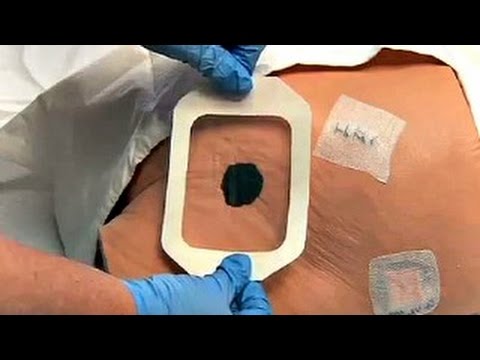
Clear wound dressings are thin, see-through coverings that you place over a wound. You use them to protect the area from dirt, water, and germs. These dressings let you check the wound without taking off the covering. You can see if the skin is healing or if there are any problems. This helps you make better choices about care. Clear wound dressings keep the wound moist, which helps it heal faster. You often use them for small cuts, scrapes, or after surgery. They are easy to apply and remove, which makes them helpful for both patients and healthcare workers.
SLK Medical offers transparent dressings that give you a clear view of the wound. These dressings are soft, flexible, and gentle on sensitive skin. You can use them for wounds that do not have a lot of fluid. The design keeps the wound safe and comfortable.
Types and Features
You will find different types of clear wound dressings. The most common type is the transparent film dressing. This dressing is thin and waterproof. It lets air and water vapor pass through but blocks germs and liquids. You can use it for many wounds, such as skin tears, IV sites, and surgical cuts.
Here is a table that shows the main types and features:
Type of Dressing | Features |
|---|---|
Transparent Film Dressings | Thin, transparent, waterproof; allows wound observation without removal; made from polymer membranes; permits oxygen and vapor exchange; reduces pain; protects from contaminants. |
Usage Examples | Superficial wounds, IV sites, skin tears, pressure ulcers, donor sites, post-surgical incisions. |
You should choose clear wound dressings when you want to watch the wound closely. These dressings work best for wounds with little fluid. If you need a dressing for a wound with more fluid, you may need a different type.
Pros of Clear Wound Dressings
Wound Monitoring
Clear wound dressings let you see the wound without taking them off. This helps you notice changes early and make good care choices. Studies say these dressings lower infection risk more than gauze. There are also fewer germs on the skin under these dressings. Keeping the wound moist helps it heal faster and hurts less. The skin looks better after healing, and new tissue is stronger.
Transparent dressings lower infection risk more than gauze.
There are fewer germs under these dressings.
Moist wounds heal faster and hurt less.
Surgical wounds with these dressings get fewer infections.
Comfort and Protection
Clear wound dressings are soft and bend easily. You can move around because they fit your body and do not rub. They keep the wound moist, so the skin does not get too wet or dry. This helps the wound heal and keeps you feeling good. The dressing also keeps out germs and dirt, so you are less likely to get an infection.
Thin, bendy dressings fit well and do not rub.
Moisture balance helps wounds heal and keeps skin healthy.
The dressing blocks germs and dirt.
Barrier Function
SLK Medical Transparent Dressing is waterproof, lets air in, and is gentle on skin. Air and water vapor can pass, but water and germs cannot. This keeps the wound safe and lets it breathe. The soft, gentle glue is good for sensitive skin and does not hurt when you take it off. You can use this dressing for wounds that need careful watching and gentle care.
Benefit | Description |
|---|---|
Effectiveness | Helps wounds heal faster and have fewer problems by staying moist. |
Comfort during use | Less pain and worry, even for sensitive skin. |
Patient satisfaction | Fewer dressing changes and saves money. |
Pain reduction | Less pain and skin harm when changing dressings. |
Infection prevention | Moisture control keeps skin safe and lowers infection risk. |
Tip: Use clear wound dressings if you want to watch the wound, keep it comfy, and protect it from germs.
Cons of Clear Wound Dressings
Limited Absorption
Clear wound dressings do not soak up much fluid. They work best for wounds that do not leak a lot. If your wound leaks a lot, these dressings may not help. Too much fluid can cause skin problems or slow healing. You should check the wound for extra fluid under the dressing.
Here is a table that shows the main characteristics and limits:
Characteristic | Limitation |
|---|---|
Flexibility | Very flexible |
Fluid Absorption Capacity | Not good for heavy exudate |
Transparency | Transparent |
Conformity to Wounds | Fits to wounds |
Removal | Easy to take off without hurting skin |
If you see fluid building up under the dressing, you may need a different type that soaks up more.
Not for All Wounds
Clear wound dressings are not right for every wound. Some wounds need more fluid absorption or special care. Wounds with lots of fluid or infection may need another dressing. Using the wrong dressing can slow healing or cause problems.
Wound Type | Suitability for Clear Dressings | Reason for Unsuitability |
|---|---|---|
Heavily Exudating Wounds | Not Suitable | Non-adherent dressings may not soak up enough fluid. |
Infected Wounds | Not Suitable | Hydrocolloid dressings can trap germs. |
Heavy Exudate | Not Suitable | Hydrogel dressings do not soak up fluid. |
You should always pick the right dressing for your wound. If your wound leaks a lot or is infected, ask your healthcare provider for help.
Skin Sensitivity
Some people may get skin problems from clear wound dressings. You might see redness, itching, or a rash. Studies show up to 20% of people can react to these dressings. If you have a wound that lasts a long time, your risk is higher. As many as 82.5% of people with chronic leg ulcers may get allergic contact dermatitis.
45% to 90% of people with chronic leg ulcers have at least one positive patch test for allergens.
Up to 82.5% of people with chronic leg ulcers may get allergic contact dermatitis.
Note: If you see signs of a skin problem, take off the dressing and ask your healthcare provider what to do.
When to Use in Wound Care
Indications
You should use clear wound dressings in specific situations where you need to protect the wound and watch healing closely. These dressings work best for wounds with low to moderate exudate. They help you keep the area clean and let you see the wound without removing the covering. You can use them for catheter sites, surgical incisions, and small cuts. They also help protect skin that is at risk of friction injuries.
Here is a table that shows when you should use clear wound dressings:
Indication | Description |
|---|---|
Partial-thickness wounds | Wounds with no or minimal drainage |
Protection for intact skin | Prevents friction injuries |
Promote debridement | Helps remove dead tissue (eschar) |
Protect access lines | Secures IVs and catheters |
Secure another dressing | Holds other dressings in place |
SLK Medical Transparent Dressing is ideal for wounds that need gentle care and easy monitoring. You can use it for catheter sites, surgical wounds, and skin tears. The dressing keeps the wound moist and protects it from dirt and germs. It is waterproof and breathable, so it helps maintain the right moisture balance for healing. Studies show that transparent dressings can reduce water loss by more than 30% and help preserve the skin’s moisture barrier. In newborns, these dressings can improve fluid and electrolyte balance and support better outcomes.
If you have a wound with more exudate, you should consider other SLK Medical products. For example, the Non Adhesive Foam Dressing or Silicone Foam Ag Dressing works well for wounds with moderate to heavy exudate. The Super Absorbent Dressing is best for wounds that leak a lot. The Hydrocolloid Dressing is a good choice for wounds that need extra moisture and protection.
Contraindications
You should not use clear wound dressings in every situation. Some wounds need different care. Avoid using these dressings if the wound or the skin around it is too moist. The film will not stick well to wet skin or a wet wound bed. Do not use hydrocolloid dressings if the wound or surrounding skin is infected.
Film dressings do not adhere to moist skin or moist wound beds.
Do not use hydrocolloid dressings if the wound or surrounding skin is infected.
If you see signs of infection, such as redness, swelling, or pus, choose a different dressing and talk to your healthcare provider.
Application Tips
You can get the best results from clear wound dressings by following a few simple tips. Always choose the dressing based on the amount of exudate and the needs of the wound. Make sure the skin is clean and dry before you apply the dressing. Smooth the dressing gently to avoid wrinkles and gaps. This helps keep out germs and keeps the wound safe.
Pick the dressing that matches the wound’s exudate level and care needs.
Clean and dry the skin before applying the dressing.
Smooth the dressing to prevent gaps and curling.
Use transparent dressings to monitor the wound for early signs of infection.
Teach patients how to spot problems, such as redness or swelling, under the dressing.
SLK Medical Transparent Dressing makes it easy to check the wound without removing the cover. This helps you catch problems early and adjust care as needed. For wounds with more exudate, switch to a foam or super absorbent dressing to keep the area dry and promote healing.
Tip: Always match the dressing to the wound type and exudate level. This helps you protect the wound, maintain moisture, and support healing.
Clear Wound Dressings and Wound Healing
Healing Environment
You want your wound to heal in the best way possible. Clear wound dressings help you create the right environment for healing. These dressings keep the wound moist. A moist wound helps new skin cells grow. You do not need to remove the dressing to check the wound. You can see the wound through the clear film. This helps you watch for changes and make sure the wound is healing well.
Many wound care products focus on keeping the wound moist. Here is a table that shows how different products help with the healing environment:
Product Name | Description |
|---|---|
Maintains moisture, protects the wound, and allows easy monitoring. | |
McKesson Hydrogel Amorphous Wound Dressing | Keeps the wound bed moist, which helps remove dead tissue. |
Gentell Hydrogel Ag (Silver) | Hydrates and protects the wound bed, making healing easier. |
INTRASITE* Gel Hydrogel Wound Dressing | Rehydrates tissue and absorbs fluid, creating a moist wound environment. |
Kendall™ Amorphous Hydrogel | Gives the wound the best healing environment. |
keragel® | Keeps the wound moist and delivers keratin protein to help healing. |
SLK Medical Transparent Dressing uses a breathable, waterproof film. This film keeps the wound moist and safe. The dressing fits well and does not curl. You can use it for wounds that need gentle care and close watching. The moist environment supports wound healing and helps new tissue grow faster.
Infection Prevention
You want to keep your wound safe from infection. Clear wound dressings act as a barrier. They block germs, dirt, and water from reaching the wound. The dressing lets air and water vapor pass, but it keeps out harmful things. This helps lower the risk of infection and keeps the wound clean.
SLK Medical Transparent Dressing uses a hypoallergenic adhesive. This adhesive is gentle on your skin. It helps prevent skin problems while protecting the wound. You can check the wound without removing the dressing. This means you do not disturb the healing process. You can spot signs of infection early and get help if needed.
Tip: Always use a dressing that matches your wound’s needs. A good dressing supports healing and keeps the wound safe from infection.
Comparing Wound Care Products

Transparent vs. Foam Dressings
When picking a dressing, think about the wound type and how much fluid it makes. Transparent dressings, like SLK Medical Transparent Dressing, are best for wounds with little fluid. You can see the wound through the dressing, so you do not need to take it off. These dressings are thin and bend easily, so they feel comfy every day.
Foam dressings, such as SLK Medical Non Adhesive Foam and Silicone Foam Ag, soak up more fluid. Use foam dressings for wounds that leak a lot. They keep the wound moist and block germs from getting in. Foam dressings also help stop skin from breaking down by handling extra moisture.
Here is a table that shows how well foam and hydrocolloid dressings soak up fluid:
Dressing Type | Good Absorbency | Poor Absorbency |
|---|---|---|
Foam Dressings | 81% (100/124) | 0% (0/124) |
Hydrocolloid Dressings | 26% (30/117) | 22% (26/117) |

You can see foam dressings handle fluid better than hydrocolloid dressings. Transparent dressings do not soak up much, so they are not good for wounds with lots of fluid.
Hydrocolloid and Super Absorbent Options
Hydrocolloid dressings, like SLK Medical Hydrocolloid, help wounds heal by keeping them moist. They also help remove dead tissue. These dressings soak up some fluid and keep germs out. Do not use hydrocolloid dressings on wounds that are infected or have a lot of fluid.
Super absorbent dressings, such as SLK Medical Super Absorbent Dressing Non Adherent, are made for wounds with lots of fluid. These dressings hold more fluid than foam or hydrocolloid dressings. They help keep the wound dry and lower the chance of skin problems.
Here is a table to help you pick the right dressing for each wound:
Dressing Type | Wound Type/Characteristics | Key Features/Uses |
|---|---|---|
Transparent Film | Superficial wounds, IV sites | Barrier, easy monitoring, breathable |
Foam | Moderate to heavy exudate wounds | High absorption, moist healing, protection |
Hydrocolloid | Low to moderate exudate, non-infected wounds | Absorption, autolytic debridement, protection |
Super Absorbent | Heavy exudate, chronic wounds | Maximum absorption, keeps wound dry |
Tip: Always pick a dressing that fits the wound’s needs. Think about how much fluid there is, how deep the wound is, and what feels best for the patient before you choose.
Clear wound dressings have many good points for wound care. You can look at the wound without taking off the dressing. These dressings lower rubbing and help stop bacteria from getting in. But they are not good for wounds with lots of fluid. Sometimes, taking them off can hurt healthy skin.
Pros | Cons |
|---|---|
Less rubbing at the wound area | Not good for wounds with lots of fluid |
Helps remove dead tissue | Can hurt skin or cause tissue loss when taken off |
Lowers risk of bacteria getting in |
You should use clear dressings for shallow wounds or as a second cover. Always pick a dressing that fits the wound type. SLK Medical gives you strong and advanced wound care products.
FAQ
How often should you change a clear wound dressing?
You should change the dressing every few days or sooner if it becomes loose, dirty, or wet. Always follow your healthcare provider’s advice for your specific wound.
Can you shower with a clear wound dressing?
Yes, you can shower with most clear wound dressings. The waterproof film keeps water out. Pat the area dry after your shower. Do not soak the dressing.
What should you do if your skin gets red or itchy under the dressing?
If you notice redness or itching, remove the dressing right away. Clean the area gently. Contact your healthcare provider for advice before applying a new dressing.
Are clear wound dressings safe for children and people with sensitive skin?
Clear wound dressings, like SLK Medical Transparent Dressing, use hypoallergenic materials. They work well for children and people with sensitive skin. Always check for any skin reaction.
Which wounds are not suitable for clear wound dressings?
You should not use clear wound dressings on wounds with heavy fluid, infected wounds, or wounds with a lot of dead tissue. Choose a different dressing for these wounds.


