


Have you ever thought about which waterproof wound dressing is best for you? Choosing the right dressing helps your wound heal faster. It also keeps your wound safe. You should think about the size and depth of high-quality waterproof dressings wound . You need to check how much fluid comes out. Skin sensitivity is important too. The healing stage matters as well. It is important to match dressing types to wounds. Some dressings clean wounds with dead tissue. Other dressings control moisture or bacteria. Look at the table below to see how dressings work:
Dressing Type | What It Does | Wound Features |
|---|---|---|
Hydrocolloids | Help remove dead tissue | Dead tissue |
Hydrogels | Change moisture levels | Different moisture |
Alginates | Control bacteria | Lots of bacteria |
SLK Medical has advanced choices for these needs. You can choose the best care for your wound.
Key Takeaways
Picking the right waterproof dressing helps wounds heal faster. It also keeps germs and water away from your wound. – Think about how big and deep the wound is. Check how much fluid comes out before you pick a dressing. This helps you take good care of the wound. – Look at your dressing often to see if there are problems. Watch for more fluid or a bad smell. Change the dressing if you notice these signs. – Pick the right dressing for your wound type. Use hydrocolloids if there is dead tissue. Use alginates if there is a lot of fluid. – Always do what your healthcare provider tells you. Follow their steps for putting on and changing dressings. This helps your wound heal well.
Waterproof Wound Dressings Overview
Waterproof wound dressings keep your wound safe from water, dirt, and germs. You can use these dressings when you shower or wash your hands. They make a barrier so water cannot touch your wound. This helps stop infection and helps your wound heal. Picking the right dressing is important for good wound care.
SLK Medical has waterproof dressings for many kinds of wounds. You can find dressings for sensitive skin, long-lasting wounds, and surgical wounds. SLK Medical uses new technology to make dressings that work well and feel good. Their dressings use special materials to keep water out and let your skin get air.
Key Features
Waterproof medical dressings use different materials to block water and protect skin. Here is a table that shows some materials and what they do:
Material Type | Contribution to Water Resistance |
|---|---|
Polyurethane (PU) | Holds in moisture and uses a film to block water. |
Polydimethylsiloxane | Makes the dressing not mix with water and keeps it strong. |
Hydrocolloid | Makes a gel to keep the wound wet and blocks water and germs. |
Stop germs but let air in, which helps healing. | |
Give strong waterproofing and let skin breathe. |
These materials help dressings stay on and keep your wound safe.
Benefits for Healing
Waterproof wound dressings give you many good things. They protect your wound from water and germs. You can shower or swim and not worry about your wound. These dressings help stop infection by keeping germs out. They feel good because they fit your body and you do not need to change them often.
Tip: Waterproof medical dressings help you heal faster and make life easier.
Here is a table that shows the main benefits:
Benefit | Description |
|---|---|
Protection | Blocks water and dirt, keeps the wound dry. |
Infection Control | Stops germs from getting in, lowers infection risk. |
Convenience | Lets you shower and do light water activities safely. |
Comfort | Fits your body, hurts less, and means fewer dressing changes. |
SLK Medical gives you dressings that help you heal and feel comfortable.
Types of Wounds

When you choose a waterproof medical dressing, you need to know what type of wound you have. Each wound needs special care. The table below shows how common each wound type is in hospitals:
Type of Wound | Prevalence (%) |
|---|---|
Surgical Wounds | 69 |
Neuropathic Ulcers | 10 |
Pressure Ulcers | 5.9 |
Diabetic Foot Ulcer
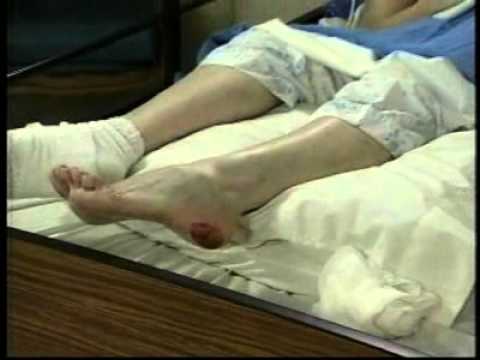
A diabetic foot ulcer is a wound that forms on your foot if you have diabetes. These wounds need careful care because they can get worse quickly. You need waterproof medical dressings that keep the wound moist and control drainage. You should pick a dressing based on the wound’s depth and if there is infection. Hydrogel dressings help healing and can shorten the healing process. Foam dressings work best for these wounds with lots of drainage. Alginate dressings are best for these wounds that have heavy drainage.
Tip: Always check for signs of infection and change your dressing as your doctor tells you.
Surgical Wounds
Surgical wounds are the most common wounds in hospitals. You need waterproof medical dressings that stay on even if you sweat or move. The best for these wounds are dressings that are flexible, absorb drainage, and protect your skin. These dressings let you shower and keep your wound safe. Transparent dressings are best for these wounds because you can see the skin around the wound.
Burns
Burns need special care because they can lose a lot of fluid. Waterproof medical dressings help keep the wound moist and block germs. Transparent film dressings are best for these wounds because you can watch the healing without removing the dressing. Foam dressings are best for these wounds with heavy drainage and give extra comfort.
Pressure Ulcers
Pressure ulcers form when you stay in one position too long. You need to protect the wound and manage drainage. Hydrocolloid and foam dressings are best for these wounds at early stages. Silicone foam dressings are best for these wounds at later stages with more damage.
Chronic Wounds
Chronic wounds take a long time to heal. You need waterproof wound dressing that keeps the wound moist and helps the healing process. Waterproof medical dressings are best for these wounds because they support effective wound management, reduce pain, and help your skin grow back. These types of wound dressings are best for these wounds with ongoing drainage.
Application and Care Tips
How to Apply
You want your waterproof medical dressings to stay secure and protect your wound. Follow these steps for each SLK Medical dressing type:
Wash your hands with soap and water before you touch the wound.
Clean the wound gently and let it dry.
Choose the dressing size that covers the wound with at least 1 inch extra on all sides.
Stretch the dressing film and place it over the wound.
Smooth the dressing and press down the edges to make sure it sticks well.
For foam or hydrocolloid dressings, make sure the absorbent part faces the wound.
Remove the dressing slowly from the corners when it is time to change.
Tip: Always follow your doctor’s advice for applying waterproof wound dressing. This helps with effective wound management and keeps the healing process on track.
Monitoring and Changing
You need to check your waterproof medical dressings often. Look for changes in drainage or signs of infection. Here are some tips for monitoring and changing:
Change the dressing every 3-5 days or when your doctor tells you.
Watch for the moisture indicator. If it changes color, replace the dressing.
If you see more drainage than usual, change the dressing right away.
If the dressing comes loose or feels uncomfortable, put on a new one.
For foam and super absorbent dressings, check for heavy drainage and change as needed.
Hydrocolloid dressings are best for these wounds with light drainage and can stay on longer.
Transparent dressings are best for these wounds that need easy monitoring.
Signs to Watch For
You should watch for warning signs when using waterproof medical dressings. These signs mean you need to change the dressing or call your doctor:
More drainage than usual
Bad odor from the wound
Pus or cloudy fluid coming out
Increased pain or swelling
Redness around the wound
Feeling sick or unwell
Note: If you notice any of these signs, change your dressing and talk to your healthcare provider. This helps prevent infection and keeps your wound care safe.
Selection Factors
Wound Size
You need to look at the size of your wound before you pick a waterproof wound dressing. A small wound needs a different dressing than a large one. The best for these wounds will cover the area and protect the skin around it. Here are some things you should think about:
Hydration needs of the wound
How much drainage the wound has
If the wound has dead tissue that needs cleaning
If you need to treat infection
How well the dressing fits the shape of your body
If the dressing causes pain when you put it on or take it off
If the dressing keeps the right temperature and pH for healing
A dressing that fits well helps with effective wound management and keeps the healing process on track.
Exudate Level
The amount of drainage from your wound matters a lot. Wounds with heavy drainage need the best for these wounds, like super absorbent dressings or foam dressings. These types of wound dressings soak up extra fluid and keep the wound dry. If your wound has low or moderate drainage, hydrocolloid dressings are best for these wounds. Picking the right dressing helps your wound heal and keeps the area clean.
Skin Sensitivity
If you have sensitive skin, you want a dressing that will not cause irritation. Some waterproof medical dressings use gentle materials. Silicone dressings are best for these wounds because they lower skin irritancy. Hydrocolloid dressings can sometimes raise skin irritancy. Look at the table below to compare:
Dressing Type | TEWL Levels (Start) | TEWL Levels (End) | Skin Irritancy Level |
|---|---|---|---|
Hydrocolloid | Lower | Higher | Increased |
Silicone | Higher | Lower | Decreased |
Healing Stage
The stage of healing changes what dressing you need. For early wounds, simple dressings like transparent film dressings are best for these wounds. These dressings let you see the wound without taking them off. They also protect the wound and help manage moisture. As your wound heals, you may need to switch to other dressings that support new skin growth.
Activity Level
Your daily activity affects your choice. If you move a lot or play sports, you need a waterproof wound dressing that stays in place. The best for these wounds will not peel off when you shower or sweat. Choose dressings that fit well and protect your wound during all your activities.
Application and Care Tips
How to Apply
You want to make sure your wound stays clean and protected. Start by washing your hands with soap and water. Gently clean the wound and let it dry. Pick a dressing that covers the wound with extra space around the edges. Place the dressing over the wound and smooth it down. Press the edges to keep it in place. For foam or hydrocolloid dressings, make sure the soft side touches the wound. Remove the dressing slowly from the corners when it is time to change. This helps you avoid pain and keeps the healing process on track.
Tip: Always follow your healthcare provider’s advice for wound care. This helps you get the best results and supports effective wound management.
Monitoring and Changing
You need to check your wound every day. Look for changes in color, drainage, or smell. For foam dressings, plan to change them every 2 to 4 days. The amount of fluid and the wound’s condition can change how often you need to replace the dressing. If you see the dressing getting wet or loose, change it right away. Always adjust your schedule if you notice more drainage or if the wound looks different.
Change foam dressings every 2 to 4 days.
Watch for extra fluid or a wet dressing.
Adjust the change schedule if the wound changes.
Signs to Watch For
Some signs mean you need to remove or replace your dressing right away. Watch for these problems:
Dressing feels wet or leaks fluid.
Edges of the dressing lift up or do not stick.
Bad smell or visible pus from the wound.
More pain, swelling, or warmth.
The wound gets bigger or does not heal.
If you see any of these signs, talk to your healthcare provider. These signs can mean infection or other problems. Quick action helps you heal faster and keeps your wound safe.
Quick Reference Guide
Dressing Selection Table
This table helps you pick the right waterproof dressing. First, check your wound type and healing stage. Next, think about if your skin is sensitive. The table shows which SLK Medical product fits each wound. You can also see what features help with wound care.
Wound Type | Healing Stage | Skin Sensitivity | Best SLK Medical Product | Key Features |
|---|---|---|---|---|
Diabetic Foot Ulcer | Inflammatory | Sensitive | High absorbency, gentle | |
Surgical Wound | Early/Mid | Normal/Sensitive | Waterproof, easy monitoring | |
Burn | Early | Sensitive | Comfort, moisture control | |
Pressure Ulcer | Early/Late | Fragile | Superior absorption | |
Chronic Wound | All | Sensitive | Moist healing, flexible |
You can use this table to make fast choices. Match your wound to a dressing for better care.
Checklist for Use
Use this checklist to get the best from your waterproof dressing:
Dry the skin before putting on the dressing.
Choose the right size and type for your wound.
Press the dressing on gently and seal all the edges.
Look for air bubbles or spaces after you finish.
Make sure the dressing stays on during your daily tasks.
Change the dressing if the edges lift, if it gets wet, or if the wound looks worse.
Watch for infection signs like pain, redness, or a bad smell.
Put on a new dressing after swimming or showering if it curls up.
Ask your healthcare provider if you have any questions about wound care.
Tip: This checklist helps keep your wound safe, heal faster, and lets you enjoy your day.
You can pick the right waterproof dressing by doing these things: First, wash your wound with saline or gentle soap and water. Next, make a barrier to protect your wound before you put on the dressing. Change your dressing if it gets wet from water. Watch your wound for any signs of infection.
Key Requirement | Description |
|---|---|
Flexibility | Lets you move without hurting your skin. |
Absorbency | Soaks up wound fluid well. |
Waterproof | Keeps your wound dry when you do things. |
Always read and follow the product directions to get the best results. If you are not sure what to do, talk to a healthcare professional. SLK Medical has waterproof dressings that work well and you can trust them.
FAQ
How do you know which waterproof dressing is best for your wound?
You should look at the size, depth, and amount of fluid. You need to check if your skin is sensitive. Ask your healthcare provider for advice if you feel unsure.
Can you shower with a waterproof dressing?
You can shower with most waterproof dressings. Make sure the edges stay sealed. If the dressing gets wet inside, you should change it right away.
How often should you change a waterproof dressing?
You should change the dressing every few days or when it gets wet, dirty, or loose. Always follow your healthcare provider’s instructions for the best results.
What signs show you need to replace your dressing?
You should look for redness, swelling, bad smell, or extra fluid. If the dressing lifts or leaks, you need to replace it. These signs may mean infection.
Are waterproof dressings safe for sensitive skin?
You can use silicone or hypoallergenic dressings for sensitive skin. These dressings help lower irritation and pain. Always check your skin for any reaction.


