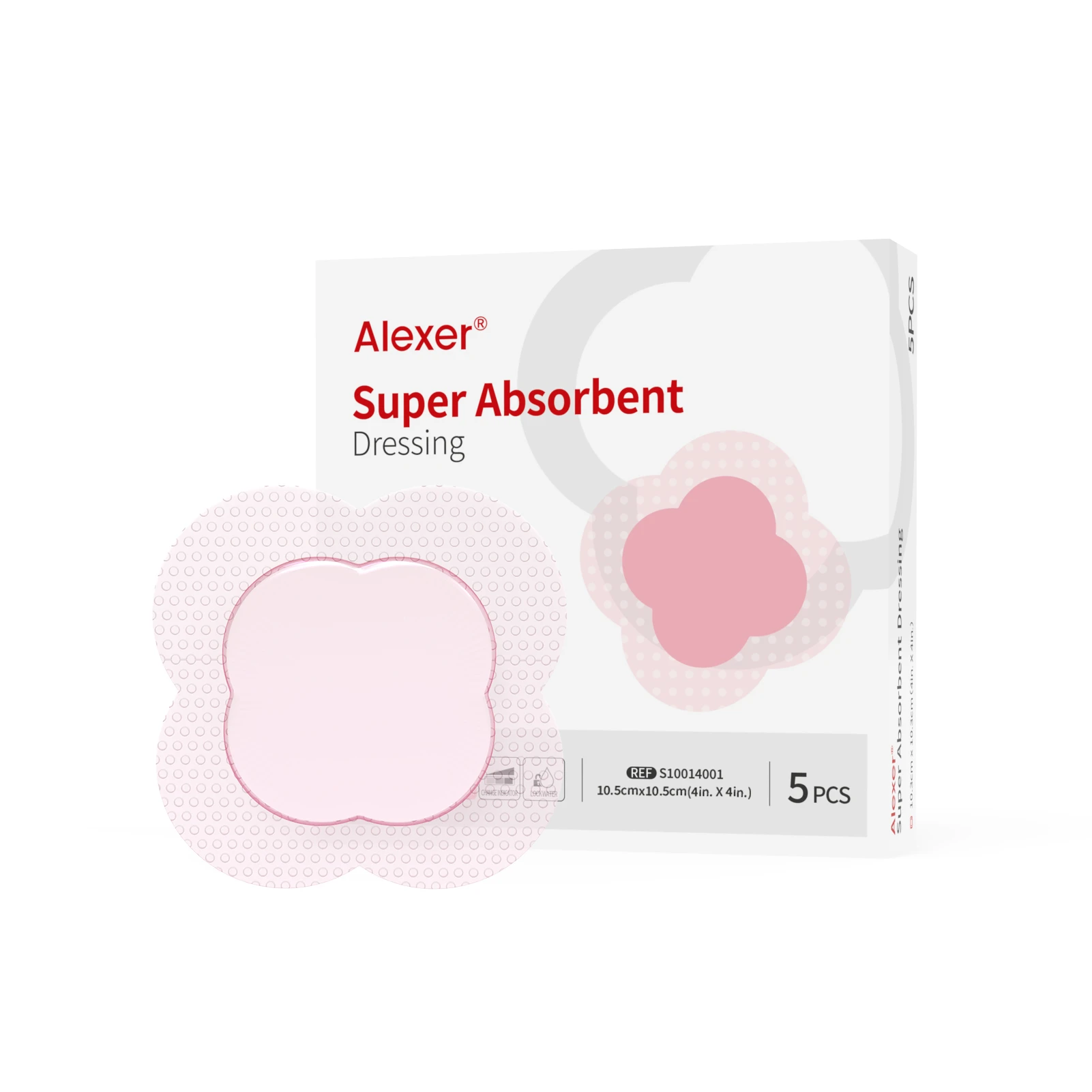
You use a bordered dressing when you need to cover wounds well. These wounds make a medium or large amount of fluid. These dressings help keep the wound clean. They also protect the skin around the wound. SLK Medical is a leader in wound care solutions. Clinical studies show bordered foam dressings work for hard-to-treat wounds. They also help patients feel more comfortable. Researchers found some things matter most to patients. These are staying in place, stopping leaks, and less pain.
-
Bordered dressings help wounds heal by keeping moisture just right.
-
They lower the chance of infection and help you care for wounds with confidence.
Key Takeaways
-
Use bordered dressings for wounds with a lot of fluid. They help keep wounds clean. They lower the chance of infection.
-
Pick the right dressing for each wound type. Foam works well for surgical wounds. Silicone is good for diabetic ulcers.
-
Bordered dressings make changes less painful. They need fewer replacements. This makes wound care easier and more comfortable.
-
Check the wound every day for infection signs. Change the dressing if it gets wet. Change it if it gets dirty. Change it if it starts to peel.
-
Ask healthcare professionals for advice about wound care. They can help you choose the best dressing for your needs.
When to Use Bordered Dressing
Main Indications
You pick a bordered dressing when a wound makes a lot of fluid. These dressings work for pressure ulcers and surgical wounds. They also help with diabetic foot wounds. You can use them for burns too. They protect wounds from bacteria and keep moisture in. Bordered dressings help keep wounds clean and lower infection risk.
Tip: Bordered dressings are great if you want fewer changes. They stick well, so you do not need extra tape.
Here is a simple guide for common wound cases:
|
Wound type |
Dressings recommended |
Special comments |
|---|---|---|
|
Postoperative wounds |
Use a bordered low-absorbent dressing for wounds with fluid. |
Get a surgical review if the wound opens up. |
|
Diabetic foot |
Use an antimicrobial dressing first, then a second dressing. |
See a specialist if blood flow is poor. |
Foam border dressings are good for wounds that need moisture. These dressings stick well and do not need extra tape. They are a top pick for surgical wound care.
Benefits for Wound Healing
A bordered dressing helps wounds heal in many ways. It keeps wounds moist so new skin can grow. Changing the dressing hurts less. The border protects skin and stops leaks.
Here is what you may see when you use these dressings:
|
Clinical Benefit |
Outcome |
|---|---|
|
Most people needed only one change a week. |
|
|
Wound healing rate |
About one-third of wounds healed by the last visit. |
|
Smaller wound area |
Most wounds got half as small in four weeks. |
|
Less pain at dressing changes |
Pain scores dropped a lot after using these dressings. |
|
Cost-effectiveness |
Weekly dressing costs went down by almost half. |
|
Clinician satisfaction |
Almost all nurses liked foam border dressings more than old ones. |
|
Patient satisfaction |
Every patient said foam border dressings were good or very good. |
You can use bordered dressings for pressure ulcers, diabetic wounds, and surgical wounds. These dressings help you care for wounds with confidence. They help wounds heal faster and make patients feel better.
Types of Wound Dressings Explained
What Is a Foam Border Dressing?
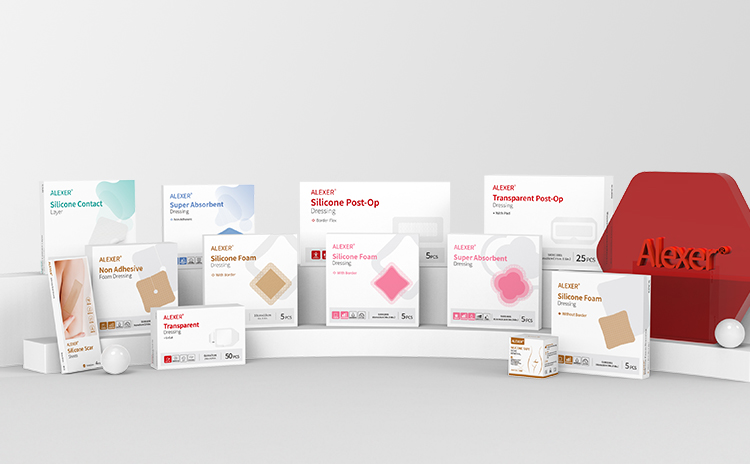
There are many wound dressings in hospitals and clinics. Foam border dressings are special for wounds with a lot of fluid. You use them when you need strong soaking and soft protection. These dressings have a soft foam pad in the middle. There is a sticky border around the outside. The border helps the dressing stay on and shields the skin. The foam soaks up fluid and keeps the wound damp. This helps new skin grow and stops leaks.
Here is a table that shows how different wound dressings work:
|
Dressing Type |
Absorption Rate |
Intended Use |
|---|---|---|
|
Gauze Dressings |
Moderate, needs frequent changes |
Minor wounds, surgical sites, absorbs drainage |
|
Hydrocolloid Dressings |
Moderate, promotes moist healing |
Partial-thickness wounds, pressure ulcers |
|
High, for moderate to heavy drainage |
Pressure ulcers, surgical wounds, diabetic ulcers |
|
|
Alginate Dressings |
Very high, ideal for heavy exudate |
Venous ulcers, surgical wounds |
|
Hydrogel Dressings |
Low, provides moisture |
Burns, necrotic wounds, minimal drainage |
|
Transparent Film Dressings |
Low, protective barrier |
Superficial wounds, IV sites, minor abrasions |
|
Antimicrobial Dressings |
Varies, infection prevention |
Surgical wounds, diabetic ulcers, burns |
Foam border dressings give extra padding. They are good for spots that need more protection. You can use them for diabetic ulcers, surgical wounds, and burns.
How Bordered Dressings Work
Bordered dressings help wounds heal faster. They give a clean and airy space for healing. The foam keeps the wound moist so new tissue can grow. The border closes the edges and keeps out germs. You do not have to change the dressing as much because it soaks up more fluid.
Here is how these dressings help you:
-
They keep the wound moist so skin cells can grow.
-
They lower infection risk by blocking germs.
-
They cushion the wound and protect it from bumps.
-
They let air in, so the skin does not get too wet.
You pick foam border dressings when you need strong soaking and gentle care. These dressings help you take care of wounds with confidence.
Choosing the Right Bordered Dressing for Wound Types
Picking the right bordered dressing helps wounds heal better. You need to match the dressing to the wound’s size and depth. You also need to think about how much fluid the wound makes. SLK Medical has many advanced dressings. These include foam border dressing and silicone bordered dressing.
Pressure Ulcers
Pressure ulcers are also called bedsores. They often show up on the sacrum, buttocks, or heels. These wounds can make a lot of fluid. They need special care. You should use a silicone bordered dressing with many layers. This dressing absorbs fluid and protects the skin. It stays in place even if the patient moves.
Experts say five-layer silicone bordered dressings are best for high-risk patients. These dressings help stop pressure ulcers and heal stages II to IV.
Here is a table to help you pick the right dressing for each stage:
|
Dressing Type |
Indication |
Advantages |
Disadvantages |
|---|---|---|---|
|
Transparent film |
Stage I and II pressure ulcers with light or no exudates |
Keeps moisture, blocks germs, easy to use |
May come off in high-friction spots |
|
Hydrogel |
Stages II, III, and IV ulcers; deep wounds |
Soothes and adds moisture to the wound |
Not for wounds with lots of fluid |
|
Alginate |
Stages III and IV ulcers, moderate to heavy exudate |
Absorbs lots of fluid |
Not for dry wounds |
|
Foam |
Stages II to IV ulcers with different drainage |
Absorbs light to heavy fluid, does not stick |
Not for wounds with dry eschar |
|
Hydrocolloid |
Stages II to IV ulcers, wounds with slough |
Blocks germs, sticks by itself |
Not for wounds with lots of fluid |
|
Moistened gauze |
Stages III and IV ulcers, deep wounds |
Easy to find |
Needs to be changed often |
Foam border dressing is good for pressure ulcers. It absorbs fluid and protects weak skin. Studies show five-layer silicone bordered dressings lower the risk of new ulcers. They help wounds heal faster. These dressings also save money by needing fewer changes.
Diabetic Wounds
Diabetic foot ulcers need careful care. You want a dressing that handles fluid and protects the wound. It should keep the skin healthy. Silicone bordered dressing works well for these wounds. It stays in place and absorbs fluid. It does not stick to the wound, so changes hurt less.
Bordered dressings block germs and keep the wound moist. This helps stop infection and helps healing.
Here is a table that shows how bordered dressings work for diabetic wounds:
|
Outcome |
Result |
|---|---|
|
Ease of application |
Excellent |
|
Ability to remain in place |
Excellent |
|
Ease of removal without pain |
Excellent |
|
Exudate handling capacity |
Excellent |
Many people with diabetic foot ulcers heal in less than a month. You will feel less pain and see healthy skin around the wound. There will be no signs of infection. Foam border dressing is a top pick for these wounds.
Surgical Wounds
Surgical wounds need a dressing that protects the cut and handles fluid. Foam border dressing and silicone bordered dressing both work well. These dressings soak up fluid and stop leaks. They cushion the wound and lower infection risk. They help the wound heal faster.
ABD pads and bordered foam dressings are great for surgical wounds. They give gentle protection and handle fluid well.
Studies show foam dressings help wounds heal faster and hurt less. You can use these dressings for surgical cuts, lacerations, and donor sites. They stay in place and make wound care easier.
Burns
Burn wounds often make a lot of fluid. They need a dressing that soaks up fluid and protects the skin. Foam border dressing is easy to put on and take off. It helps burns heal faster and lowers infection risk. You can use alginate dressings for burns with lots of fluid. You can use transparent film dressings for shallow burns.
-
Foam dressings help healing and lower infection risk.
-
Alginate dressings are good for burns with lots of fluid.
-
Transparent film dressings protect small burns and let you see the wound.
Pick a dressing that matches the burn’s depth and fluid level. SLK Medical’s foam border dressing is a strong choice for burns. It keeps the wound moist.
Minor Cuts & Abrasions
For small cuts and scrapes, you want a dressing that is easy to use. It should keep the wound clean. Bordered gauze and foam border dressing both work well. These dressings soak up light fluid and protect the wound. They stay in place all day.
|
Feature |
Description |
|---|---|
|
Advanced Absorption |
Quickly soaks up light fluid, keeps the wound clean. |
|
Breathable Material |
Keeps the wound moist and lets air in. |
|
Easy Application |
Peel-and-stick design makes it easy to use. |
|
Versatile Use |
Good for cuts, scrapes, surgical cuts, and more; safe for all ages. |
You can use these dressings for everyday injuries. They help wounds heal and lower pain. They also lower infection risk. Foam border dressing may lower pain early and keep the wound comfortable.
Tip: Always match the dressing to the wound’s fluid and spot. SLK Medical’s silicone bordered dressings and foam border dressings give you choices for every wound type, from big wounds to small cuts.
Picking the right dressing helps wounds heal faster and feel better. SLK Medical’s wound care products help you get the best care for every wound.
SLK Medical Foam Border Dressing Recommendations
Silicone Foam Dressing with Border – Skin Color
Key Features
The Silicone Foam Dressing with Border – Skin Color works for many wounds. This foam border dressing uses D-Pore™ technology. It soaks up fluid well and lets air in. The silicone bordered dressing sticks gently and stays in place. It is good for skin that is sensitive or weak. You will feel less pain when you change the dressing. The dressing keeps the wound moist, which helps it heal. The border bends and moves with your body. It can handle wounds that leak a lot. The soft silicone layer helps stop skin irritation and new injuries. The dressing stays on well and helps stop infection.
-
A review showed foam border dressings handle fluid better. You will see fewer leaks and need to change the dressing less often.
-
The dressing keeps wounds moist. It sticks gently to sensitive skin and helps protect from infection.
Suitable Wound Types
You can use this silicone bordered dressing for many wounds. The table below shows the best uses:
|
Wound Type |
Description |
|---|---|
|
Post-operative wounds |
Wounds from surgery |
|
Sacral bedsore wounds |
Pressure sores on the lower back |
|
Pressure ulcers |
Injuries from sitting or lying too long |
|
Diabetic foot ulcers |
Sores on the feet of people with diabetes |
|
Venous leg ulcers |
Sores from poor blood flow in the legs |
|
Neuropathic ulcers |
Sores from nerve problems |
|
Arterial ulcers |
Sores from poor blood flow in arteries |
|
Ⅰ-Ⅱ degree burns |
Burns on the top and second skin layers |
Silicone Post-Op Dressing – Border Flex
Key Features
The Silicone Post-Op Dressing – Border Flex is good for wounds after surgery. This foam border dressing uses D-Pore™ technology. The silicone bordered dressing sticks gently and moves with your body. You will feel less pain when you change it. The dressing keeps the wound moist and helps it heal. The border fits well on surgical wounds. It soaks up a lot of fluid from wounds. The soft silicone layer protects sensitive skin and helps stop new injuries. The dressing stays on well and helps stop infection.
-
Silicone dressings like Border Flex lower pain and skin damage. Studies show most skin tears healed in three weeks. People in the treatment group healed faster and had smaller wounds.
Suitable Wound Types
You can use this silicone bordered dressing for many wounds. The table below lists the best uses:
|
Wound Type |
Description |
|---|---|
|
Surgical Wounds |
Protects wounds with stitches or staples |
|
Cuts |
Helps heal cuts quickly |
|
Grazes |
Treats scrapes gently |
|
Post-Operative Wounds |
Made for wounds after surgery |
You can trust SLK Medical foam border dressing and silicone bordered dressing for diabetic foot ulcers, pressure ulcers, burns, and other wounds. These dressings help wounds heal better and make you feel more comfortable.
How to Apply a Bordered Dressing

Step-by-Step Guide
You can help wounds heal faster when you use the right steps to apply dressings. Follow this simple guide to get the best results:
-
Wash your hands with soap and water. Dry them well.
-
Clean the wound with a wound cleanser or saline solution. Pat the area dry with a clean cloth.
-
Remove the dressing from its package. Do not touch the part that will go on the wound.
-
Place the dressing gently over the wound. Make sure the pad covers the wound completely.
-
Smooth the border so it sticks to the skin. Avoid stretching or wrinkling the border.
-
Press the edges down to make sure the dressing stays in place.
Application Tips
You can make wound care easier and safer by following these tips:
-
Check the wound site every day for signs of redness or swelling.
-
Change the dressing if it becomes wet or dirty.
-
Protect the wound from bumps or rubbing.
-
Use dressings that fit the size and shape of the wound.
-
Make changes to your wound care plan if you see new problems.
Tip: Always keep extra dressings on hand. This helps you act fast if you need to change one.
Common Mistakes
Some mistakes can slow healing or cause pain. If you do not press the border down well, the dressing may not stick. This can lead to leaks or skin damage when you remove it. Using dressings that are too stiff can hurt the skin around the wound. If fluid leaks out, the skin may get red or break down. Changing dressings too often can also hurt the skin and cause more pain. Always choose the right bordered dressing for your wound and follow the steps above to avoid these problems.
You now know when to use a bordered dressing and how to match dressings to each wound. Picking the right foam border dressing helps wounds heal faster and keeps skin safe. Dressings work best when you choose them for the wound’s needs:
-
Some dressings absorb lots of fluid to stop maceration.
-
Other dressings keep drier wounds moist.
-
Dressings have special designs for different wound types.
|
Evidence Type |
Description |
|---|---|
|
Clinical Guidelines |
Always talk to healthcare professionals for wound care and follow their advice. |
SLK Medical offers advanced dressings for every need. For the best results, always ask a healthcare professional about your wound care.
FAQ
How often should you change a bordered dressing?
You should change the dressing every 3 to 7 days. Check the wound daily. If the dressing gets wet, dirty, or starts to peel, replace it right away.
Can you shower with a bordered dressing on?
You can shower with most bordered dressings. The waterproof layer protects the wound. Pat the area dry after showering. Avoid soaking the dressing.
What should you do if the dressing leaks?
If you see fluid leaking, remove the dressing. Clean the wound. Apply a new bordered dressing. Make sure the border sticks well to the skin.
Are bordered dressings safe for sensitive skin?
You can use silicone bordered dressings for sensitive skin. The soft silicone layer reduces pain and protects fragile skin. SLK Medical dressings work well for these cases.
Which wounds heal best with foam border dressings?
You get the best results with wounds that produce moderate to heavy fluid. Foam border dressings help heal pressure ulcers, diabetic foot ulcers, surgical wounds, and burns.