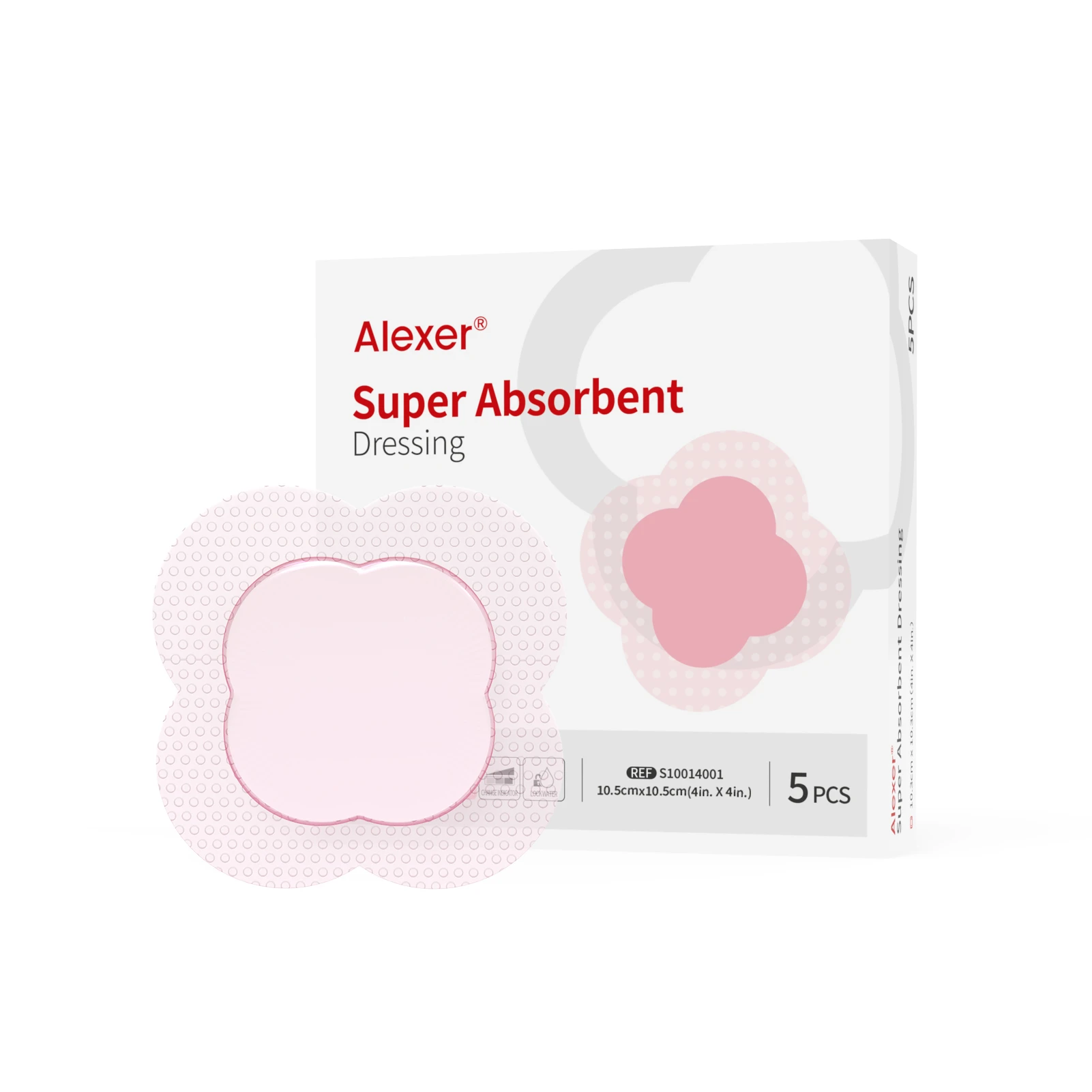
Hydrogel dressing wound solutions play a vital role in promoting healing by maintaining a moist environment. These dressings are commonly used for pressure ulcers, diabetic foot ulcers, burns, and wounds resulting from accidents. Hydrogel dressing wound products are effective for a wide range of wound types.
|
Clinical Indication |
Description |
|---|---|
|
Pressure Ulcers |
Hydrogel dressing wound care is frequently applied to pressure ulcers. |
|
Diabetic Foot Ulcers |
Hydrogel dressing wound products are suitable for diabetic foot ulcers. |
|
Burns |
Hydrogel dressing wound solutions assist in treating burn wounds. |
|
Traumatic Wounds |
Hydrogel dressing wound options are beneficial for many traumatic wounds. |
|
Ulcerations and Bedsores |
Hydrogel dressing wound care is effective for ulcerations and bedsores. |
|
Necrotic Wounds |
Hydrogel dressing wound products help cleanse necrotic wounds by providing moisture. |
Advanced wound care products from SLK Medical, such as hydrogel dressing wound solutions, offer cooling relief and absorb excess fluid while allowing oxygen to reach the skin. Hydrogel dressing wound technology is now utilized in more than half of advanced wound care cases, highlighting its significance for both healthcare professionals and patients. By choosing a hydrogel dressing wound product, you can experience greater comfort and improved healing.
Key Takeaways
-
Hydrogel dressings help wounds stay moist. This helps wounds heal faster and hurts less. These dressings work well for many wounds. They are good for burns, ulcers, and surgical cuts. Change hydrogel dressings every 24 hours. This keeps the wound clean and helps it heal. Hydrogel dressings are soft on the skin. They are good for sensitive skin and do not cause much irritation. Always look for signs of infection. Talk to a healthcare professional if you see any problems.
What Is a Hydrogel Dressing Wound?
Hydrogel Dressings Explained
Hydrogel dressings are special in wound care. They have gels made with water. These gels keep wounds moist. Moisture helps your skin heal faster. Hydrogel dressings make a soft shield over the wound. This shield blocks germs and dirt. Hydrogel dressings feel cool when you put them on. They also feel gentle and soothing. Many people use hydrogel dressings because they help with pain.
Tip: Hydrogel dressings are good for sensitive skin. They can stop irritation and make you more comfortable.
How Hydrogel Dressings Work
Hydrogel dressing wound products mix with fluid from wounds. The gel soaks up this fluid. It makes a moist cover over the wound. This cover helps your body get rid of dead skin. It also helps new cells grow. Hydrogel dressings let oxygen reach the wound. Oxygen helps wounds heal faster. Look at the table below to see how hydrogel dressings work:
|
Interaction Type |
Description |
|---|---|
|
Hydrogel Absorption |
High levels of absorption of endoglin-expressing cells (CD105+) and M2 macrophages can impair healing. |
|
Dressing Combination |
The combination of Atrauman and Melolin affects the retention of healing cells. |
|
Prognostic Tool |
The presence or absence of specific cells on dressing fibers can indicate healing pathways. |
Hydrogel dressing wound solutions help you watch healing. They keep the wound clean. You can check the wound without taking off the dressing. This makes caring for wounds easier.
Suitable Wound Types
Hydrogel dressings work for many wounds. You can use them for burns and pressure sores. They also help with surgical cuts. Doctors use hydrogel dressings for chronic wounds. They are good for diabetic ulcers and leg ulcers. The table below shows which wounds heal best with hydrogel dressings:
|
Wound Type |
Effectiveness of Hydrogel Dressings |
|---|---|
|
Chronic Wounds |
Effective in promoting natural debridement and hydration |
|
Diabetic Ulcers |
Recommended for management |
|
Leg Ulcers |
Recommended for management |
|
Pressure Sores |
Recommended for management |
|
Surgical Wounds |
Effective in promoting healing |
|
Traumatic Wounds |
Effective in promoting healing |
Hydrogel dressings help many wounds heal. They are gentle and work well. If you want a soft and strong wound care product, hydrogel dressings are a good choice.
Hydrogel Dressing Wound Benefits

Moist Healing Environment
Hydrogel dressings help wounds heal faster. They keep the wound moist. Moist wounds heal better than dry ones. Moisture helps skin fix itself. It stops scabs from forming too early. New skin cells can grow more easily. Hydrogel dressings work well for many wounds. They help with both shallow and deep wounds.
Studies show moist wounds heal faster than dry wounds.
Dr. George Winter found moist wounds heal quicker.
Tests show moist dressings help wounds heal faster.
Research found moist dressings leave less dead tissue.
Hydrogel dressings are often clear. You can see your wound through the dressing. You do not need to take it off to check. This helps you watch your wound heal. It also stops you from bothering the wound.
Pain Relief and Comfort
Hydrogel dressings help you feel less pain. The gel feels cool and soft. It calms your skin and nerves. The dressing does not stick to your wound. Changing the dressing does not hurt as much.
|
Measurement |
Baseline Pain (%) |
Final Assessment Pain (%) |
|---|---|---|
|
No Pain |
29.6 |
56.3 |
|
Severe Pain |
11 |
6 |
Hydrogel dressings work as well as other dressings.
|
Treatment Group |
Pain Reported (%) |
Comparison Group |
Pain Reported (%) |
|---|---|---|---|
|
Hydrogel Dressings |
16 |
Basic Wound Contact Dressings |
15 |
Hydrogel dressings have lots of water. This keeps the wound moist. It stops the dressing from sticking. You feel more comfortable and less pain. The soft gel protects your wound from pressure. It helps stop new injuries. Natural hydrogel dressings soak up fluid. They help stop infection and keep you comfortable.
Infection Control
Hydrogel dressings help keep wounds clean. They block germs and dirt. Some dressings have special things to fight bacteria.
|
Study |
Findings |
|---|---|
|
Yang et al. |
|
|
Cheon et al. |
Silver in hydrogels fights E. coli and stops germs. |
|
Wang et al. |
Special fibers in hydrogels break down and kill germs. |
|
Mohandas et al. |
Sponges in hydrogels help new blood vessels grow faster. |
Hydrogel dressings soak up fluid and keep wounds moist. This helps stop infection. It also helps wounds heal better. You get protection and a better chance to heal.
Clinical Evidence
Many studies show hydrogel dressings help wounds heal. They help skin grow back and heal faster.
|
Treatment Group |
Control Group |
Epithelialization Rate |
Mean Healing Time |
|---|---|---|---|
|
54% |
Statistically significant (p=0.04) |
48 days vs 45 days |
Hydrogel dressings have tiny holes. These holes hold healing things. You can use them with stem cells or PRP. This helps wounds heal even better. Hydrogel dressings help remove dead tissue gently. They do not hurt when you take them off.
|
Dressing Type |
Autolytic Debridement Effectiveness |
Pain during Application/Removal |
Moisture Retention |
|---|---|---|---|
|
Hydrogel Dressings |
Minimal |
High |
|
|
Polymeric Membrane Dressings |
Moderate |
Variable |
Moderate |
Hydrogel dressings have many good points. They help wounds heal faster. You feel less pain and get more protection. These dressings make wound care easier and more comfortable.
Tip: Hydrogel dressings are good for cleaning wounds. You can see your wound and remove dead tissue gently.
Hydrogel dressings help you heal faster. They help you feel better and stay safe.
Hydrogel Dressings Application
Step-by-Step Guide
You can apply hydrogel dressings easily if you follow a clear process. Start by gathering your supplies: clean gloves, hydrogel dressing, medical tape, antiseptic solution, gauze, and scissors. Wash your hands well to prevent infection. Remove the old dressing gently. If it sticks, moisten it first. Look at the wound and note any changes. Clean the wound with antiseptic or sterile saline. Dry the skin around the wound and use a thin layer of skin protectant.
Follow these steps to apply the new dressing:
-
Put on clean gloves.
-
Place the hydrogel dressing over the wound, making sure it covers the area completely.
-
For burns, cool the area first, then apply the hydrogel gel directly. Use a light layer for minor burns and a thicker layer for severe burns.
-
Cover the dressing with gauze or a secondary dressing to keep moisture in and protect the wound.
-
Secure the dressing with medical tape. Make sure it fits snugly but does not squeeze the skin.
-
Throw away used materials safely and wash your hands again.
Tip: Always check the wound before applying a new dressing. This helps you spot any problems early.
Tips for Different Wounds
Hydrogel dressings work well for treating all types and stages of wounds. You can use them for burns, ulcers, surgical wounds, and more. Each wound type may need a slightly different approach.
|
Advantage |
Description |
|---|---|
|
Absorption |
Hydrogel dressings soak up fluid, keeping the wound moist for faster healing. |
|
Customization |
You can shape the dressing to fit the wound, giving better coverage. |
|
Non-adhesive |
Hydrogel dressings do not stick to the wound, so you can check healing easily. |
For burns, use a cooling hydrogel and cover with a soft layer. For ulcers, make sure the dressing fits the wound shape. For surgical wounds, keep the area clean and dry before applying the dressing. The active use of hydrogels helps you manage wounds with less pain and better results.
Note: Hydrogel dressings can be pH-sensitive, temperature-sensitive, or pressure-sensitive. These features help you monitor the wound in real time.
Mistakes to Avoid
You can avoid common mistakes by following best practices. Many people forget to wash their hands before changing dressings. This can cause infection. Some use dressings that irritate healthy skin. Others do not secure the dressing well, which leads to peeling or exposure.
-
Watch for signs of infection like pain, swelling, redness, warmth, foul odor, or pus.
-
Address pain that does not go away. It may mean a deeper problem.
-
Choose dressings that do not irritate healthy skin.
-
Be careful to avoid inflammation, swelling, or dermatitis from poor application.
-
Always wash your hands before and after changing dressings.
-
Secure the dressing properly to prevent peeling.
-
For infected wounds, consider using antimicrobial hydrogel dressings.
Alert: If you see signs of infection or if pain gets worse, talk to a healthcare professional right away.
When to Change Dressings
You should change hydrogel dressings regularly for the best healing. Experts recommend changing the dressing every 24 hours. This helps new collagen form and supports wound healing. If the dressing becomes loose, wet, or dirty, change it sooner.
-
Check the wound each time you change the dressing.
-
Look for changes in color, size, or fluid.
-
If you notice more pain, swelling, or odor, change the dressing and seek advice.
-
Hydrogel dressings with sensitive features let you monitor the wound and know when to change.
Tip: Regular dressing changes help you keep the wound clean and healing well.
Hydrogel dressings make wound care simple and effective. You can use them for many wounds and get good results if you follow these steps.
SLK Medical Hydrocolloid Dressing Review

Product Overview
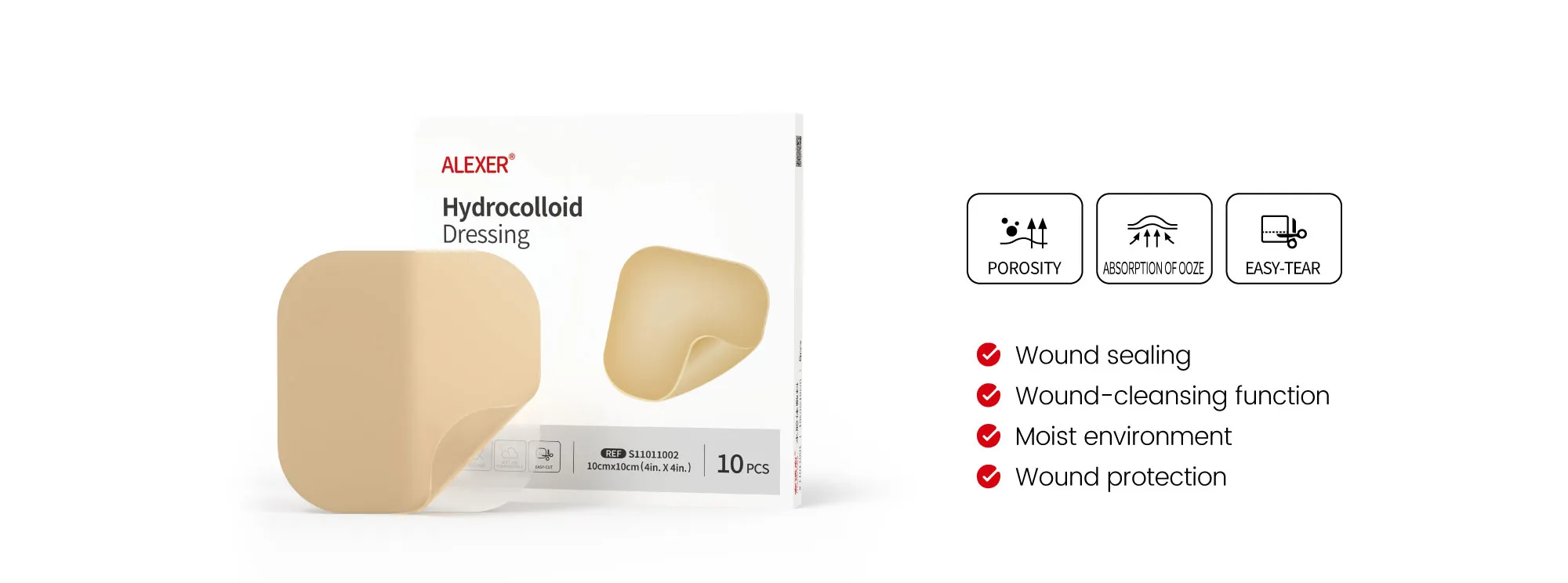
You want a dressing that helps wounds heal fast and feel better. SLK Medical Hydrocolloid Dressing gives you advanced wound care. This product uses special particles that turn into gel when they get wet. The gel keeps the wound moist and safe. You can use these dressings for wounds that are not chronic. The design makes it simple to put on and take off. The dressing is flexible and fits many body parts.
|
Description |
|
|---|---|
|
Wound sealing |
Makes a barrier to keep the wound safe. |
|
Wound-cleansing function |
Helps clean the area around the wound. |
|
Maintains a moist environment |
Keeps the wound wet so it heals well. |
|
Wound protection |
Protects the wound from dirt and germs. |
Key Features and Advantages
SLK Medical Hydrocolloid Dressing is special for many reasons. These dressings seal the wound and keep out germs. The moist cover helps new skin grow. The dressings help clean the wound and get rid of dead skin. Some dressings let you see the wound without taking them off. The soft material lets you use them on elbows, heels, and other places. You feel less pain because the dressings protect your nerves. You do not need to change the dressings as often, so you save time.
User Experiences
Many people say good things about SLK Medical Hydrocolloid Dressing. You may feel less itching and pain after using these dressings. Some studies show these dressings help stop scars after surgery. The gel layer soaks up fluid and keeps the wound clean. You get comfort and safety every time you use them. Patients say their wounds heal faster and feel better with these dressings.
-
Dressings help stop itching and pain.
-
Dressings lower the chance of scars after surgery.
-
Dressings make a gel layer and soak up fluid.
Comparison with Other Hydrogel Dressings
You might wonder how SLK Medical Hydrocolloid Dressing is different from hydrogel dressings. Hydrocolloid dressings stick to your skin and stay in place. Hydrogel dressings often need tape or gauze to hold them. Hydrocolloid dressings soak up more fluid, so they are good for wet wounds. Hydrogel dressings work better for dry wounds. Hydrocolloid dressings are soft and fit the wound shape. Hydrogel dressings may need extra help to stay on.
|
Feature |
Hydrocolloid Dressings |
Hydrogel Dressings |
|---|---|---|
|
Adhesion |
Sticks to skin and stays in place |
Needs tape or gauze to stay on |
|
Moisture Content |
Soaks up more fluid, good for wet wounds |
Soaks up less, good for dry wounds |
|
Transparency |
Not see-through, you cannot check the wound |
See-through, you can check the wound |
|
Comfort |
Soft and fits the wound shape |
Less soft, may need extra support |
You get dressings you can trust with SLK Medical. These dressings help you care for wounds easily and comfortably.
Hydrogel dressings help wounds heal faster. They also help you feel less pain. These dressings keep the wound moist. Moist wounds heal better and lower infection risk. SLK Medical’s Hydrocolloid Dressing is easy to use. It gives strong protection for your wound. When picking a dressing, check if it keeps moisture. See if you can look at your wound through it. Make sure it fits your wound shape.
|
Benefit |
Description |
|---|---|
|
Healing Improvement |
You heal faster and feel less pain |
|
Cost-Effectiveness |
It costs less and is simple to use |
|
Monitoring |
You can see your wound without taking it off |
New hydrogel technology will help make wound care safer. It will also help make wound care smarter for you.
FAQ
How do you know when to change a hydrogel or hydrocolloid dressing?
You should check the dressing daily. If you see excess fluid, odor, or the dressing starts to peel, change it. Always follow your healthcare provider’s advice.
Can you shower with a hydrogel or hydrocolloid dressing?
Most dressings stay in place during a quick shower. You should avoid soaking the area. Pat the dressing dry with a clean towel after showering.
Are hydrogel and hydrocolloid dressings safe for children?
Yes, you can use these dressings for children. They feel gentle and help protect sensitive skin. Always ask your doctor before using any new wound care product.
What wounds work best with SLK Medical Hydrocolloid Dressing?
You can use SLK Medical Hydrocolloid Dressing for non-chronic wounds, minor burns, and surgical cuts. The dressing fits many body parts and helps wounds heal faster.