


When you select a silver wound dressing, you improve wound healing by matching the dressing to the wound’s characteristics and infection risk. Silver in wound care supports better outcomes and reduces pain for patients. SLK Medical’s advanced dressings use innovative technology, leading to higher patient and healthcare professional satisfaction. The table below shows clinical results for SLK Medical dressings:
Outcome | SLK Medical Silver Dressings |
|---|---|
Dressing Change Frequency | Reduced by 47.1% |
Wound Area Reduction | Reduced by 28.3% |
Weekly Cost Reduction | Reduced by 58.7% |
Patient Satisfaction | 90.2% would recommend |
Healthcare Professional Satisfaction | 92.2% would recommend |
Key Takeaways
Selecting the right silver wound dressing enhances healing and reduces infection risk. Match the dressing to the wound’s characteristics.
Silver wound dressings provide strong antimicrobial protection, making them ideal for chronic wounds, burns, and surgical wounds.
Different types of silver dressings, like alginate, foam, and hydrofiber, cater to various wound needs based on moisture levels and exudate.
Using advanced silver dressings can lower treatment costs by reducing dressing change frequency and improving healing times.
Always assess the wound’s size, depth, and infection risk to choose the most effective silver dressing for optimal patient comfort.
Silver in Wound Care Overview
What Is a Silver Wound Dressing
You may wonder what makes a silver wound dressing unique. This type of dressing contains silver, which helps manage wounds and supports wound healing. Silver in wound care has a long history. Ancient Greeks and Romans used silver to treat wounds because they noticed its antimicrobial properties. Over time, silver became a trusted material for wound management. The table below shows how silver has been used throughout history:
Time Period | Evidence of Silver Use in Wound Care |
|---|---|
Ancient Civilizations | Greeks and Romans utilized silver for its antimicrobial properties in wound treatment. |
Middle Ages | Silver was used in cutlery and coins to prevent spoilage and ward off disease. |
19th Century | Silver nitrate became a recognized treatment in hospitals for wound care. |
20th Century | Advanced wound care products incorporating silver were developed, including silver dressings. |
Today, you find silver wound dressings in many clinical settings. These dressings help with the management of chronic wounds, diabetic foot ulcers, and pressure ulcers. Silver-containing dressings are designed to reduce infection and improve wound healing. You can use them for the treatment of diabetic foot ulcers and other wounds that need extra protection.
Benefits of Silver in Wound Care
Silver in wound care offers several important benefits. When you apply a silver wound dressing, you help fight bacteria and support the healing process. Silver works through multiple mechanisms to protect wounds:
Silver ions disrupt the cell wall of bacteria.
Reactive oxygen species damage the cell membrane.
Silver denatures ribosomes, stopping protein synthesis.
Silver interrupts adenosine triphosphate production.
Silver disrupts DNA replication.
Silver nanoparticles collect in the cell wall and denature the membrane.
Silver nanoparticles perforate the cell membrane.
These actions make silver an effective antimicrobial agent. You can rely on silver wound dressings to lower the risk of infection and improve the effectiveness of wound healing. Silver-containing dressings also help maintain a moist environment, which is important for healing. Regulatory bodies such as the FDA, EMA, and ISO set standards for safety and effectiveness in wound dressing products. You can trust that silver wound dressings meet strict guidelines for clinical application and patient management.
Tip: When you choose a silver wound dressing, you support better wound healing and help prevent infection in chronic wounds, diabetic foot ulcers, and pressure ulcers.
Types of Silver Wound Dressings
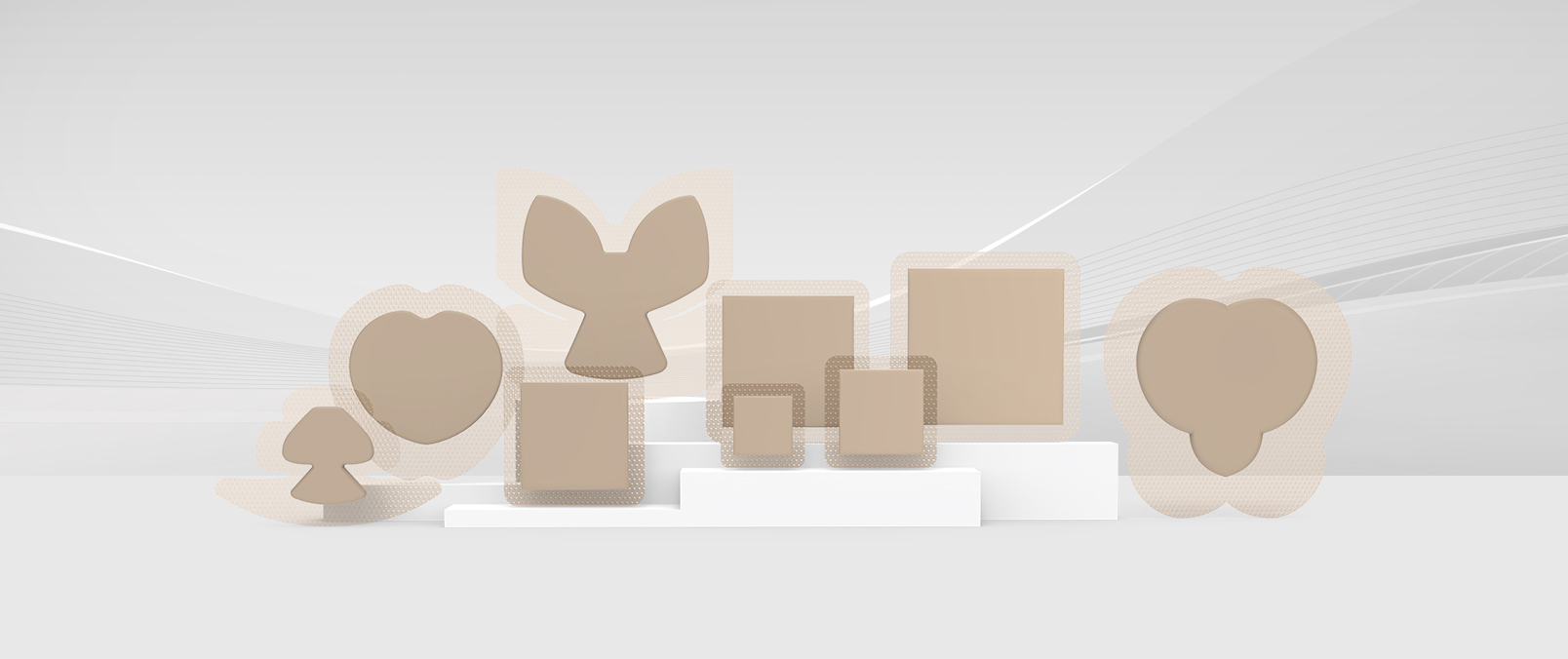
When you choose a silver wound dressing, you see many options. Each dressing type supports wound healing in different ways. You need to match the dressing to the wound’s needs, infection risk, and clinical situation.
Silver Alginate Dressings
Silver alginate dressings use natural fibers from seaweed mixed with silver. You often use these dressings for wounds with moderate exudate.
Silver alginate dressings have low and variable absorption compared to other silver dressings.
Silver sulphate and non-adhesive ionic silver foam dressings absorb more fluid.
Silver alginate releases less silver than traditional burn treatments.
You may select this dressing for shallow wounds or when you want gentle antimicrobial action.
Silver Foam Dressings
Silver foam dressings help manage moderate to heavily exuding wounds. You see these dressings used for pressure ulcers and diabetic foot ulcers.
The table below shows clinical results for silver foam dressings:
Evidence Type | Description |
|---|---|
RCT | Study compared sustained-release silver foam with non-silver foam for ulcers |
Ulcer Size Reduction | Silver foam reduced ulcer area by 45% vs. 25% for non-silver foam |
Odour Reduction | Silver foam dressing reduced wound odor significantly |
Granulation Tissue | Both groups showed more healthy granulation tissue |
You use silver foam dressings to support wound healing and reduce infection risk.
Silver Hydrofiber Dressings
Silver hydrofiber dressings absorb exudate and lock it away. You use these dressings for wounds with high moisture. The hydrofiber material keeps the wound moist and helps prevent infection. You may choose this dressing for chronic wounds or burns.
Silver Hydrocolloid Dressings
Silver hydrocolloid dressings combine hydrocolloid gel with silver. You use these dressings for wounds with light to moderate exudate. The gel keeps the wound moist and supports healing. You may select this dressing for shallow wounds or the treatment of diabetic foot ulcers.
Silver-Impregnated Gauze
Silver-impregnated gauze dressings offer flexible wound management. You use them for burns, surgical wounds, and chronic wounds.
The table below shows patient comfort outcomes:
Outcome | Silver-Impregnated Gauze Dressings | Control (Non-Silver) Dressings | Notes |
|---|---|---|---|
Ease of application | Improved | N/A | |
Reduced pain during dressing change | Yes | N/A | |
Fewer dressings used | Yes | N/A | |
Statistical significance of pain | Not significant in some analyses | N/A | |
Overall patient comfort | Improved | N/A |
You may choose silver-impregnated gauze for easy application and improved comfort.
SLK Medical Silicone Foam Ag Dressings
SLK Medical offers advanced silicone foam Ag dressings for wound management.
With Border: You use this dressing for wounds needing secure fixation, such as post-operative incisions or areas that move often.
Without Border: You select this dressing for irregular wound shapes or places where flexibility matters.
Non-adhesive Ag Foam Dressing: You choose this dressing for extremely sensitive skin or wounds where you prefer secondary fixation.
These dressings support wound healing, reduce infection, and maintain moisture. You see effectiveness in the treatment of diabetic foot ulcers, pressure ulcers, and burns. Silver in wound care helps you achieve better outcomes and patient comfort.
Tip: You improve wound healing and infection control when you match the right silver-containing dressings to the wound’s needs.
Silver Wound Dressing Comparison
When you compare silver wound dressings, you see differences in absorption, antimicrobial activity, wear time, cost, and patient comfort. You need to understand these features to choose the best dressing for each wound.
Absorption and Retention
You want a dressing that manages wound fluid and keeps the wound moist. Silver in wound care helps you control exudate and maintain a healing environment. Different dressings absorb and retain fluid in unique ways. The table below shows how major silver dressings perform:
Dressing Type | Absorbency Characteristics | Exudate Retention Features |
|---|---|---|
Silver Alginate | High absorbency, effective for managing exuding wounds | Forms a gel upon contact with exudate, maintaining moisture |
Calcium Alginate | Absorbs up to 20 times its weight in wound fluid | Gel formation helps maintain a moist environment |
Absorbs moderate to heavy exudate, prevents maceration | Locks fluid away, supports moisture balance | |
Silver Hydrofiber | Absorbs and locks exudate, keeps wound moist | Minimal residue, maintains moisture |
SLK Medical Silicone Foam Ag | Advanced absorption and retention, gentle on skin | D-Pore™ technology enhances fluid management, prevents maceration |
You see that silver foam and hydrofiber dressings work well for wounds with moderate to heavy exudate. SLK Medical’s silicone foam Ag dressings use innovative technology to improve absorption and retention, supporting wound healing and comfort.
Note: You should match the dressing’s absorption level to the wound’s exudate to prevent maceration and promote healing.
Antimicrobial Activity
Silver in wound care gives you strong protection against infection. Silver ions in antimicrobial dressings attack bacteria and reduce wound infection risk. You see differences in antimicrobial effectiveness among dressings. The table below compares silver dressings to traditional dressings:
Feature | Silver Dressings | Traditional Dressings |
|---|---|---|
Best For | Wounds at high risk of infection, chronic wounds, burns, surgical wounds with complications | Clean, low-risk wounds like minor cuts, grazes, post-op incisions |
Healing Speed | Similar healing times for clean wounds | |
Antimicrobial Properties | Yes – contains silver ions that fight bacteria and reduce infection | No antimicrobial action |
You use silver-containing dressings for wounds with high infection risk, such as diabetic foot ulcers, pressure ulcers, burns, and chronic wounds. SLK Medical’s silicone foam Ag dressings provide sustained antimicrobial action, helping you manage wound infection and improve wound healing outcomes.
Wear Time and Cost
You want a dressing that lasts and saves money over time. Silver wound dressing options differ in wear time and cost-effectiveness. In clinical practice, silver dressings often lead to faster wound healing and lower overall treatment costs. One study found that silver dressings for chronic venous leg ulcers resulted in a higher healing rate and shorter healing time compared to non-silver dressings. The initial cost was higher, but the total treatment cost per patient was lower due to fewer referrals and faster healing.
SLK Medical’s silicone foam Ag dressings can be worn for up to 7 days, reducing the need for frequent changes. You save time and resources, and you improve patient comfort. You see cost savings in the management of wounds when you use advanced silver dressings.
Tip: You can reduce overall treatment costs by choosing dressings that promote faster healing and require fewer changes.
Ease of Use and Patient Comfort
You want a dressing that is easy to apply and comfortable for the patient. Patient-reported outcomes show that silver hydrofiber dressings are easier to use and less painful than alginate dressings. You see these results:
76% of patients rated ease of application as ‘excellent’ for hydrofiber compared to 55% for alginate.
51% of the hydrofiber group rated ease of removal as ‘excellent’ versus 24% for alginate.
82% of patients in the hydrofiber group reported no pain during dressing removal compared to 62% in the alginate group.
Hydrofiber dressings caused less adhesion and residue, minimizing trauma to the wound bed.
92% of patients using hydrofiber experienced mild or no pain, compared to 80% using alginate.
Carboxymethylcellulose dressings with ionic silver caused less pain during dressing changes and less burning or stinging during wear.
Patients found Ag polyethylene mesh dressings less painful than 1% silver sulphadiazine due to longer wear time and easier application and removal.
In a study on chronic leg ulcers, 86.82% of patients found AgNaCMC dressing comfortable, with 45.7% reporting no pain during dressing changes.
Polyurethane foam Ag dressings performed well regarding pain and ease of application, with greater absorptive capacity.
SLK Medical’s silicone foam Ag dressings use gentle silicone contact layers, making them ideal for sensitive skin and fragile wounds. You see less pain during application and removal, and you improve patient satisfaction. You support wound healing and comfort with advanced dressing technology.
Note: You should choose dressings that minimize pain and trauma during dressing changes, especially for chronic wounds and sensitive skin.
You improve wound management and patient outcomes when you compare absorption, antimicrobial activity, wear time, cost, and comfort. Silver in wound care gives you powerful tools for the treatment of diabetic foot ulcers, pressure ulcers, burns, and chronic wounds. SLK Medical’s advanced solutions help you achieve better effectiveness in wound healing and infection control.
Clinical Uses of Silver Wound Dressings
Chronic Wounds
You often face challenges when managing chronic wounds such as diabetic foot ulcers, pressure ulcers, and chronic venous leg ulcers. Silver wound dressing plays a key role in infection prevention and wound healing. Clinical guidelines recommend silver dressings for the management of wounds at risk of infection or with signs of local infection. Experts agree that silver-containing dressings help control bacteria and support healing, especially when other dressings fail to manage exudate or infection.
Silver dressings are used for both acute and chronic wounds.
Experts created consensus guidelines for the appropriate use of silver in wound care.
Studies show silver dressings help prevent infection, though evidence for improved healing rates remains limited.
Burns and Surgical Wounds
You see silver dressings widely used for burns and scalds, as well as surgical wounds. These dressings offer strong antimicrobial protection and promote wound healing. The table below highlights their effectiveness:
Evidence Type | Description |
|---|---|
Healing Efficacy | Silver dressings promote healing in partial-thickness burns within 15 days. |
Infection Prevention | Recommended for contaminated, infected, and deep burns to prevent infection. |
Pain Reduction | Less painful than traditional SSD cream, reducing need for pain medication. |
Cost Effectiveness | Shorter hospital stays and fewer dressing changes. |
You can rely on silver dressings for the treatment of burns and surgical wounds, especially when infection risk is high.
Infected and High Bioburden Wounds
You need effective management for wounds with high bioburden or infection. Silver dressings show broad antimicrobial activity against bacteria and fungi, including resistant strains. Studies reveal that silver dressings reduce extracellular DNA in biofilm-infected wounds after three days, impacting biofilm structure and supporting wound healing.
Silver dressings manage localized bioburden in ulcers and diabetic foot ulcers.
They improve healing times, reduce treatment costs, and enhance patient safety.
Silver kills bacteria by blocking cell division, disrupting cell walls, and interfering with DNA replication.
SLK Medical Product Applications
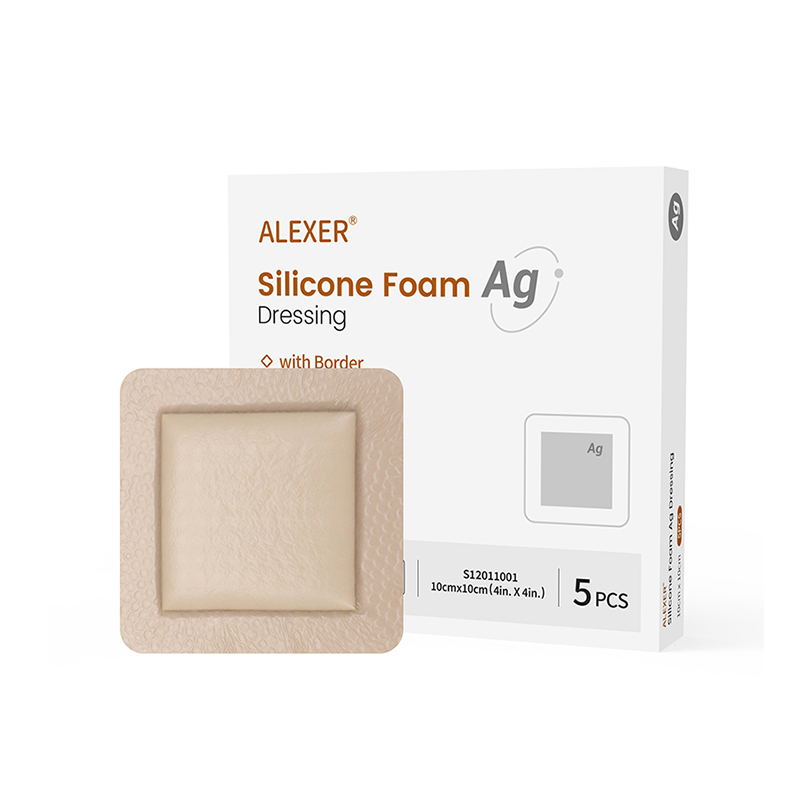
You can choose SLK Medical’s silicone foam Ag dressings for a wide range of wounds. In one clinical case, a woman with a post-breast reconstruction wound experienced improved healing and reduced pain after switching to SLK Medical’s dressing. Healthcare professionals report better moisture management, faster wound healing, and less discomfort for patients with chronic ulcers and complex wounds. SLK Medical dressings support the treatment of venous leg ulcers, diabetic foot ulcers, pressure ulcers, burns, and surgical wounds. You benefit from advanced absorption, antimicrobial action, and gentle application, making these dressings ideal for sensitive skin and challenging wounds.
Tip: You improve wound healing and infection control by selecting the right silver wound dressing for each clinical scenario.
Key Considerations for Wound Dressing Selection
Exudate Level and Wound Depth
You need to match the dressing to the wound’s exudate level and depth. If you see a wound with heavy exudate, select a dressing that absorbs and retains moisture. For shallow wounds, choose a dressing that maintains a moist environment without causing maceration. Deep wounds require dressings that conform to the wound bed and support healing.
Always consider the wound’s exudate level before selecting a silver dressing.
Assess the wound depth to ensure the dressing fits the wound’s shape.
Look for dressings that are easy to remove to minimize trauma during application and removal.
SLK Medical’s silicone foam Ag dressings use advanced absorption technology, making them ideal for wounds with moderate to heavy exudate. You can use these dressings for diabetic foot ulcers, pressure ulcers, and burns.
Infection Risk and Patient Sensitivity
You must evaluate the risk of infection when choosing a wound dressing. Silver in wound care provides strong antimicrobial protection, which is important for wounds at high risk of infection. Chronic wounds, ulcers, and burns often need silver-containing dressings to prevent infection and support wound healing.
Some patients may experience mild skin irritation or allergic reactions. The table below shows common adverse reactions:
Adverse Reaction | Description |
|---|---|
Skin Irritation | Mild redness, itching, or discomfort around the wound area |
Allergic Reactions | Severe itching, redness, swelling, rash, or blistering at the application site |
SLK Medical dressings feature gentle silicone contact layers, reducing the risk of irritation and improving comfort for sensitive skin.
Dressing Change Frequency and Cost
You should consider how often you need to change the dressing and the overall cost of treatment. Silver dressings may cost more, but they save time for nursing staff and reduce the frequency of dressing changes. This efficiency is valuable in clinical settings and mass casualty situations.
Note: Silver dressings can be worn for up to 7 days, lowering the need for frequent changes and supporting cost-effective wound management.
SLK Medical’s silicone foam Ag dressings offer long wear time and advanced antimicrobial action, helping you achieve better effectiveness in wound healing and infection control.
You improve chronic wound care and treatment outcomes when you match the dressing to the wound’s needs, infection risk, and patient sensitivity. Always follow clinical guidelines to ensure safe and effective application.
Practical Tips for Choosing Silver Wound Dressings
Step-by-Step Selection Guide
You can improve wound healing and patient outcomes by following a structured approach when selecting a silver wound dressing. Experts recommend a step-by-step protocol for clinical management:
Assess the wound. Look at the size, depth, and location. Check for signs of infection or chronic conditions like diabetic foot ulcers or pressure ulcers.
Manage moisture. Choose a dressing that keeps the wound bed moist but prevents maceration. Hydrogels work for dry wounds. Alginates or foams suit wounds with moderate to heavy exudate.
Control infection. Use silver-containing dressings for wounds with infection risk or visible signs of infection. Limit silver dressing use to two weeks unless clinical improvement is seen.
Select the right dressing. Match the dressing type to the wound’s drainage level and tissue condition. Consider non-adhesive options for fragile skin or wounds needing gentle application.
Protect the surrounding skin. Pick a secondary dressing that maintains skin integrity and supports healing.
Tip: You can consult SLK Medical’s product range for advanced solutions designed for chronic wounds, diabetic foot ulcers, pressure ulcers, burns, and complex wound management.
Clinical Checklist
Use this clinical checklist to guide your wound dressing selection and treatment decisions:
Key Aspect | Description |
|---|---|
Wound Size | Evaluate coverage needs for effective treatment and healing |
Tissue Condition | Assess tissue type to guide dressing choice and application |
Infection Signs | Identify infection to select dressings with anti-infective properties |
Moisture Management | Maintain optimal moisture for wound healing and effectiveness |
Healing time
Healing rate
Amount of exudate
Pain management
Anti-infective efficacy
You can improve wound management by using this checklist for every wound, ulcer, or burn. You support better treatment outcomes and effectiveness when you match the right silver dressing to each clinical scenario.
You achieve the best results in wound healing when you match the silver wound dressing to the wound’s needs. The table below highlights key factors to consider:
Factor | Description |
|---|---|
Antimicrobial properties | Silver dressings help kill bacteria at the wound site, reducing the likelihood of infection. |
Moisture management | They balance moisture levels, which is crucial for optimal healing and preventing infection. |
Wound type considerations | The choice of dressing depends on the specific needs of different wound types and their exudate levels. |
Clinical guidelines recommend that you focus on patient comfort and product features. SLK Medical provides advanced solutions that support both comfort and effective care. Always assess the wound, consider infection risk, and choose dressings that fit the patient’s needs.
FAQ
What wounds benefit most from silver dressings?
You should use silver dressings for chronic wounds, burns, surgical wounds, and ulcers. These dressings help control infection and support healing, especially when wounds show signs of high exudate or risk of infection.
How often should you change a silver wound dressing?
You can usually leave silver dressings in place for up to 7 days. Always check the wound daily for signs of infection or excess fluid. Change the dressing sooner if it becomes saturated or loose.
Are silver dressings safe for sensitive skin?
Silver dressings with silicone contact layers, like those from SLK Medical, protect sensitive skin. You reduce pain and irritation during dressing changes. Always monitor for redness or discomfort.
Can you cut silver foam dressings to fit irregular wounds?
You can trim non-adhesive silver foam dressings to fit unique wound shapes. Make sure the dressing covers the wound completely. Avoid cutting adhesive borders, as this may affect secure placement.
What is the difference between bordered and non-bordered silver foam dressings?
Dressing Type | Best Use Case | Key Feature |
|---|---|---|
With Border | Secure fixation, high movement | Stays in place |
Without Border | Irregular shapes, flexibility | Easy to adapt, reposition |


