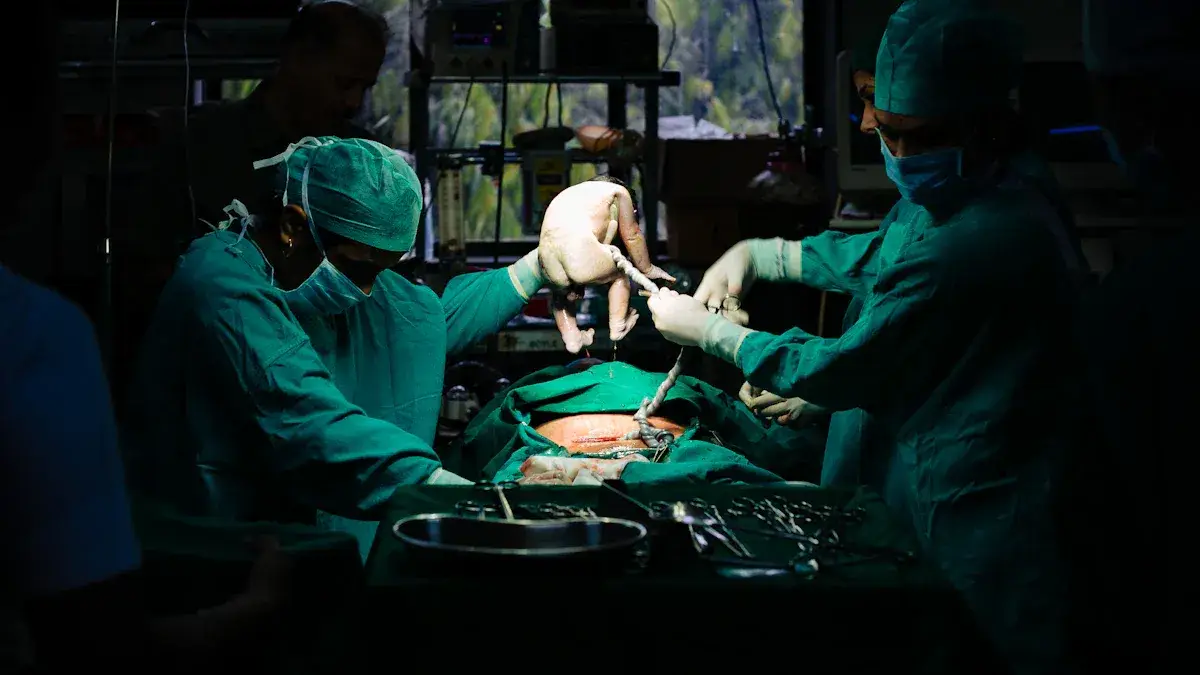
You are not the only one who had a cesarean birth. About one out of three births in the United States are c-sections. Around the world, 21% of births are c-sections.
|
Region |
Percentage of C-section Deliveries |
|---|---|
|
Global |
21% |
|
United States |
32.3% |
Taking care of your cesarean wound dressing is very important. It helps stop serious problems like blood clots, infections, and tissue damage. If you do not care for your wound dressing, you may have these problems:
-
Blood clots
-
Necrotizing fasciitis
-
Evisceration of the bowel
-
Ruptured fascia
-
Urinary tract and bladder infections
Advanced wound care products from SLK Medical help you heal. They protect your skin and promote recovery. Always follow each step for cesarean wound dressing. Ask your healthcare provider for help if you need it.
Key Takeaways
-
Taking care of your wound after a C-section is very important. It helps stop infections and helps you heal faster. Always wash your hands before you touch your wound. This lowers the chance of germs getting in. Pick the right dressing, like SLK Medical silicone foam dressings. These dressings protect your cut and help you get better. Check your wound every day for infection signs. Look for redness, swelling, or discharge. Call your doctor if you see any problems. Do what your doctor says when you change dressings. Follow their advice to help your wound heal well.
C-Section Wound Care Basics
What to Expect After Surgery
After your c-section, you will spend some time in the recovery room. Nurses will check your vital signs and make sure you feel comfortable. You may feel groggy or nauseous from the anesthesia. Your belly might feel sore or dull for the first couple of days. You can expect some contractions that feel like menstrual cramps. Your breasts may feel full and tender as your milk comes in. It is normal to have gas, bloating, and irregular bowel movements for several days. You might also notice itching near your incision as it starts to heal.
Doctors recommend that you rest as much as possible. Try to eat a balanced diet with protein, vitamins, and iron to help your body recover. Light activities, such as walking, can support your healing process. Keep your wound clean and dry. Change your dressing as your doctor instructs. Avoid soaking in water, like baths or swimming, until your provider says it is safe.
Tip: Watch for signs of infection, such as swelling, redness, or discharge. Tell your doctor right away if you notice any of these.
Healing Timeline and Normal Symptoms
The healing journey after a c-section takes time. Most women need about six weeks to recover, but everyone heals at their own pace. Your incision will go through several stages:
-
Hemostasis starts in the first few hours after surgery.
-
Inflammation happens within 6-8 hours and can last up to 6 days.
-
Proliferation begins around days 4-6 and continues for several weeks.
-
Remodeling is the final stage and may last from week 3 to over a year.
During the first week, you may notice soreness or bruising over your incision. Mild fatigue or sadness, sometimes called the “baby blues,” is common. Vaginal discharge will change color over time, from red to pinkish brown, then to yellowish white. Bleeding may continue for a few weeks. Your stitches will dissolve on their own, and your scar will start to flatten. Pain and swelling should slowly decrease each day.
-
Any swelling or redness should get better after a few days.
-
Leakage from the wound should be minimal and stop soon.
-
The scar should close and begin to heal.
-
Pain should lessen as days pass.
C-section wound care helps you heal well and lowers the risk of problems. Always follow your doctor’s advice and ask questions if you are unsure about any part of your care.
Cesarean Wound Dressing Steps
Immediate Post-Op Care
After your c-section, you need to focus on protecting your incision. The first 48 hours are important for healing. You should keep your cesarean wound dressing in place. Choose a waterproof and absorbent dressing, like the silicone foam dressings from SLK Medical. These dressings help keep your wound dry and safe from bacteria. They also provide comfort for sensitive skin.
Here are steps you should follow right after surgery:
-
Keep your wound covered with a waterproof, absorbent cesarean wound dressing.
-
If there is no leakage or pain, your nurse or doctor may apply a new dressing that can stay for up to three days.
-
Remove the dressing on the fifth day after delivery if it has not been removed already.
-
Wear loose-fitting underwear to avoid rubbing or irritation.
-
Rest as much as possible. Eat healthy foods and drink plenty of water.
-
Support your wound with your hand or a pillow when you cough, laugh, or move suddenly.
-
Do not lift anything heavier than your baby until your wound heals.
SLK Medical silicone foam dressings offer high absorbency and a gentle touch. These features help prevent skin damage and make dressing changes easier.
Tip: Always check your wound for signs of redness, swelling, or discharge. If you notice any changes, contact your healthcare provider.
Hand Hygiene Before Touching the Wound
Clean hands protect your wound from infection. Before you touch your cesarean wound dressing, wash your hands with soap and water. You can also use an alcohol-based hand sanitizer. Good hand hygiene lowers the risk of bacteria entering your wound. Hospitals see fewer infections when people clean their hands properly.
Doctors and nurses use special hand antisepsis before putting on gloves. You should follow their example at home. Make sure your hands are clean before you change or check your dressing. This simple step keeps your wound safe and helps you heal faster.
-
Wash your hands for at least 20 seconds.
-
Dry your hands with a clean towel.
-
Use hand sanitizer if soap and water are not available.
-
Avoid touching your wound with dirty hands.
Changing the Dressing Safely
Changing the dressing is a key part of cesarean wound dressing care. You need to be gentle and careful. SLK Medical silicone foam dressings make this process easier because they do not stick to your skin. They absorb fluid well and protect sensitive skin.
Follow these steps for changing the dressing:
-
Gather all supplies: a new cesarean wound dressing, gloves, clean towel, and waste bag.
-
Wash your hands and put on gloves.
-
Gently remove the old dressing. If it sticks, moisten it with sterile saline to help it come off.
-
Check your wound for any redness, swelling, or discharge.
-
Clean the area around your wound with a mild, non-irritating cleanser.
-
Pat the skin dry with a clean towel.
-
Apply the new SLK Medical silicone foam dressing. Make sure it covers the wound completely.
-
Press the edges gently to secure the dressing.
-
Dispose of the old dressing and gloves in a waste bag.
-
Wash your hands again after finishing.
SLK Medical dressings are soft and absorbent. They help keep your wound moist, which supports healing. Their gentle silicone layer protects fragile skin and reduces pain during dressing changes.
Note: Always follow your doctor’s instructions for changing the dressing. If you see heavy bleeding, pus, or if the wound smells bad, call your healthcare provider.
Choosing the Right C-Section Wound Dressing
SLK Medical Silicone Foam Dressings
You want your wound to stay safe. SLK Medical silicone foam dressings help you heal. These dressings have a soft silicone layer. It sticks gently to your skin. You can take them off without hurting yourself. The foam soaks up fluid and keeps your wound moist. This helps your wound heal better.
SLK Medical has different dressings for your wound. Here is a simple table to compare them:
|
Product Name |
Key Features |
Best For |
|---|---|---|
|
Silicone Foam Dressing with Border |
Waterproof, high absorbency, gentle silicone |
Sensitive skin, moderate exudate |
|
Flexible, soft, non-adherent, easy removal |
Fragile skin, low irritation |
|
|
Silicone Foam Ag Dressing without Border |
Contains silver for extra infection control |
High infection risk wounds |
|
Holds large amounts of fluid, non-stick surface |
Heavy exudate, comfort |
|
|
Silicone Post-Op Dressing – Border Flex |
Extra conformable, waterproof, bacteria barrier |
Surgical wounds, easy handling |
Pick the dressing that fits your wound’s needs. Each one helps control fluid and protect your skin. They also help lower the chance of infection.
Benefits for Sensitive Skin and Healing
Your wound needs gentle care to heal well. SLK Medical silicone foam dressings help in many ways:
-
Gentle sticking means less pain when you change dressings.
-
The soft layer helps stop itching and irritation.
-
You can remove the dressing without hurting your skin.
-
The dressings keep your wound moist and help it heal faster.
Studies show silicone foam dressings help stop pressure injuries. They work better than regular dressings and can save money. Experts say silicone foam dressings are good for surgical wounds.
Choosing the right dressing helps your wound heal faster. You lower your risk of infection and feel more comfortable. SLK Medical dressings give you support and protection while you heal.
Caring for Your Wound Over Time
First 48 Hours
The first 48 hours after your c-section are important for healing. You need to protect your incision and help your body start the recovery process. During this time, you should:
-
Keep the wound covered with a waterproof, absorbent dressing.
-
Let hospital staff change the dressing if needed.
You may notice some soreness or swelling. Try to rest as much as possible. Drink water and eat healthy foods to support your body. Avoid touching your wound unless you need to check it. If you feel pain or see any unusual changes, tell your nurse or doctor right away.
Tip: Loose clothing can help prevent irritation around your incision.
After 48 Hours
After the first two days, you may start to care for your wound at home. Your doctor might tell you to remove the dressing 24 hours after birth, often while you shower. Water can help loosen the dressing and make removal easier. Once the dressing is off, wash the wound daily with water. Do not use soap on the incision. Pat the area dry with a clean towel. Avoid rubbing the skin.
You should check your wound every day. Look for redness, swelling, or any fluid leaking from the incision. If you notice any of these signs, contact your healthcare provider.
Ongoing Daily Care
Caring for your wound each day helps prevent infection and supports healing. Spend 10-20 minutes daily inspecting and caring for your wound. Follow all home-care instructions from your doctor. Watch for warning signs, such as:
-
Redness around the wound, especially on white skin.
-
The area feels hot.
-
Pain increases even with pain relief.
-
Pus or blood leaks from the wound.
-
The wound smells bad.
-
You have a fever or feel unwell.
If you see any of these symptoms, call your doctor. Good daily care helps you heal faster and lowers the risk of problems. Taking these steps will support your recovery and help you feel better each day.
Removing the Caesarean Section Wound Dressing
When and How to Remove
You may wonder when it is safe to take off your C-section wound dressing. Doctors recommend waiting at least 48 hours after surgery before removing the dressing. Research shows that waiting 48 hours leads to better healing and fewer problems than removing it after only 24 hours. In one study, only 3.9% of women who waited 48 hours had complications, compared to 9% who removed the dressing earlier.
You should always follow your doctor’s advice about timing. Most hospitals use dressings that protect your wound and keep it moist. After 48 hours, you can remove the dressing at home or during a shower. Water helps loosen the dressing and makes removal easier. If your doctor gives you different instructions, follow those instead.
Tip: If you feel nervous about removing the dressing, ask a nurse or family member for help. You can also call your healthcare provider for guidance.
Handling Stuck or Painful Dressings
Sometimes, your dressing may stick to your skin or feel painful when you try to remove it. You can use safe techniques to make this process easier and protect your wound.
-
Wash your hands with soap and water. Clean under your nails to remove germs.
-
Place your thumb and forefinger on opposite sides of the incision next to the strip you want to remove. Hold the skin steady, but do not pinch it.
-
Use your other hand to gently lift one end of the strip. Peel it back a little at a time.
-
Pull the strip slowly and horizontally along your skin. Do not pull straight up, as this can hurt your skin.
-
Repeat these steps on the other end of the strip.
-
When both ends reach the incision, pinch them together and gently lift.
If the dressing still feels stuck, you can moisten it with sterile saline or water. This helps loosen the adhesive and makes removal less painful. Always take care when removing the dressing to avoid opening the wound or causing irritation.
😊 Remember: Gentle handling protects your skin and helps your wound heal faster.
Post-Dressing Wound Care
Showering and Cleaning Tips
You want to keep your incision clean after you remove the dressing. Showering is safer than taking a bath because it lowers the risk of infection. When you shower, let water run gently over your wound. Do not use soap, shower gel, or any other products directly on the incision. These can irritate the skin and slow healing. Avoid rubbing the wound. Instead, let water rinse away any debris. After you finish, pat the area dry with a clean towel. Never scrub or rub the incision.
Here is a quick guide for best practices:
|
Have a shower rather than a bath |
|
Avoid soaps, shower gel or other products directly on the wound |
|
Avoid rubbing the wound |
|
Pat the wound dry with a clean towel |
|
Wear underwear and clothes that sit above the wound |
Tip: Always use a fresh towel for drying your wound. This helps prevent germs from spreading.
Drying and Clothing Choices
After cleaning your wound, make sure it is completely dry. Moisture can slow healing and increase the risk of infection. Gently pat the area with a clean towel. Do not use a hair dryer or fan, as these can irritate your skin.
Choosing the right clothing helps protect your incision. High-waisted underwear works well because it sits above the wound and does not rub against the scar. Loose-fitting clothes, such as dresses or soft pants, keep pressure off your incision. Avoid elastic bands that may chafe or irritate the healing skin.
-
High-waisted underwear that reaches above the incision site
-
Loose-fitting clothing such as dresses or pants that do not rub against the incision
-
Avoiding elastic that may chafe the scar
You can support your recovery by following these simple steps. Good care helps your wound heal and keeps you comfortable as you move through each day.
Signs of Healing and Infection
Healthy Healing Indicators
You want to know if your wound is healing well. Look for positive changes each day. The skin around your incision should look less swollen and less red. Pain should decrease over time. The scar will start to flatten and close. You may notice mild itching as new skin grows. These are signs your wound is healing. You should feel stronger and more comfortable as days pass.
Here is a simple table to help you check for healthy healing:
|
What You Should See |
|
|---|---|
|
Decreasing pain |
Less soreness each day |
|
Reduced swelling |
Area looks less puffy |
|
No discharge |
Scar stays dry |
|
Skin color improves |
Redness fades |
|
Scar closes |
Edges come together |
😊 If you see these changes, your wound is on the right track.
Warning Signs of Infection
You need to watch for signs your wound is not healing. Recognizing infection signs early helps you get the right care. If you notice any of the following, take action:
-
Swelling that increases or does not go away
-
Increasing pain around the incision
-
Pus or fluid discharge from the scar
-
Unpleasant odor from the incision site
-
Scar opening or gaping
-
Abnormal vaginal bleeding
-
Pain or swelling in your legs
-
Abdominal discomfort
-
Fever-like symptoms such as sweating, headache, chills, and fatigue
⚠️ These are warning signs of infection. Do not ignore them.
What to Do If Problems Arise
If you see any signs of infection, act quickly. Contact your doctor right away. Your provider may check your wound and decide if you need antibiotics. Doctors use caution with antibiotics because of resistance. Never try to treat infection on your own. Always follow your doctor’s advice for wound care.
-
Call your doctor if you notice any symptoms of infection.
-
Follow medical instructions for treatment.
-
Keep your wound clean and dry.
-
Rest and drink plenty of fluids.
🩺 Quick action helps prevent serious problems and supports your recovery.
Infection Prevention for C-Section Wounds
Best Practices and Hygiene
You help keep your c-section wound safe from infection. Good hygiene protects your incision and helps it heal. Always wash your hands before you touch your wound or change the dressing. Clean hands stop germs from getting into your wound. Keep your wound dry and covered with a clean dressing. Do not take baths or swim until your doctor says it is okay.
Studies show that using special steps can lower infection after surgery. These steps include cleaning your skin before surgery and getting antibiotics at the right time. Doctors give antibiotics 30 to 60 minutes before surgery to help stop infection. Always follow your healthcare team’s instructions. Eat healthy foods and keep your blood sugar steady to help your body fight infection. If you are overweight, these steps are even more important.
Here are some best ways to prevent infection:
-
Wash your hands before and after you care for your wound.
-
Keep your wound covered with a clean, waterproof dressing.
-
Follow your doctor’s advice for changing dressings.
-
Eat healthy foods to help your body heal.
-
Control your blood sugar if your doctor tells you to.
-
Watch for infection signs and tell your doctor quickly.
Role of Advanced Dressings from SLK Medical
SLK Medical advanced dressings help stop infection and support healing. These dressings have a soft silicone layer that protects your skin. The waterproof layer keeps out germs and water. They soak up fluid and keep your wound moist, which helps it heal.
SLK Medical dressings are easy to change and do not hurt your skin. Some dressings have silver, which helps fight germs and lowers infection risk. You can pick the type that fits your wound best.
|
SLK Medical Dressing Type |
Key Benefit |
How It Helps Prevent Infection |
|---|---|---|
|
Silicone Foam Dressing with Border |
Waterproof, gentle |
Blocks bacteria, protects skin |
|
Silicone Foam Ag Dressing |
Contains silver |
Fights germs, reduces risk |
|
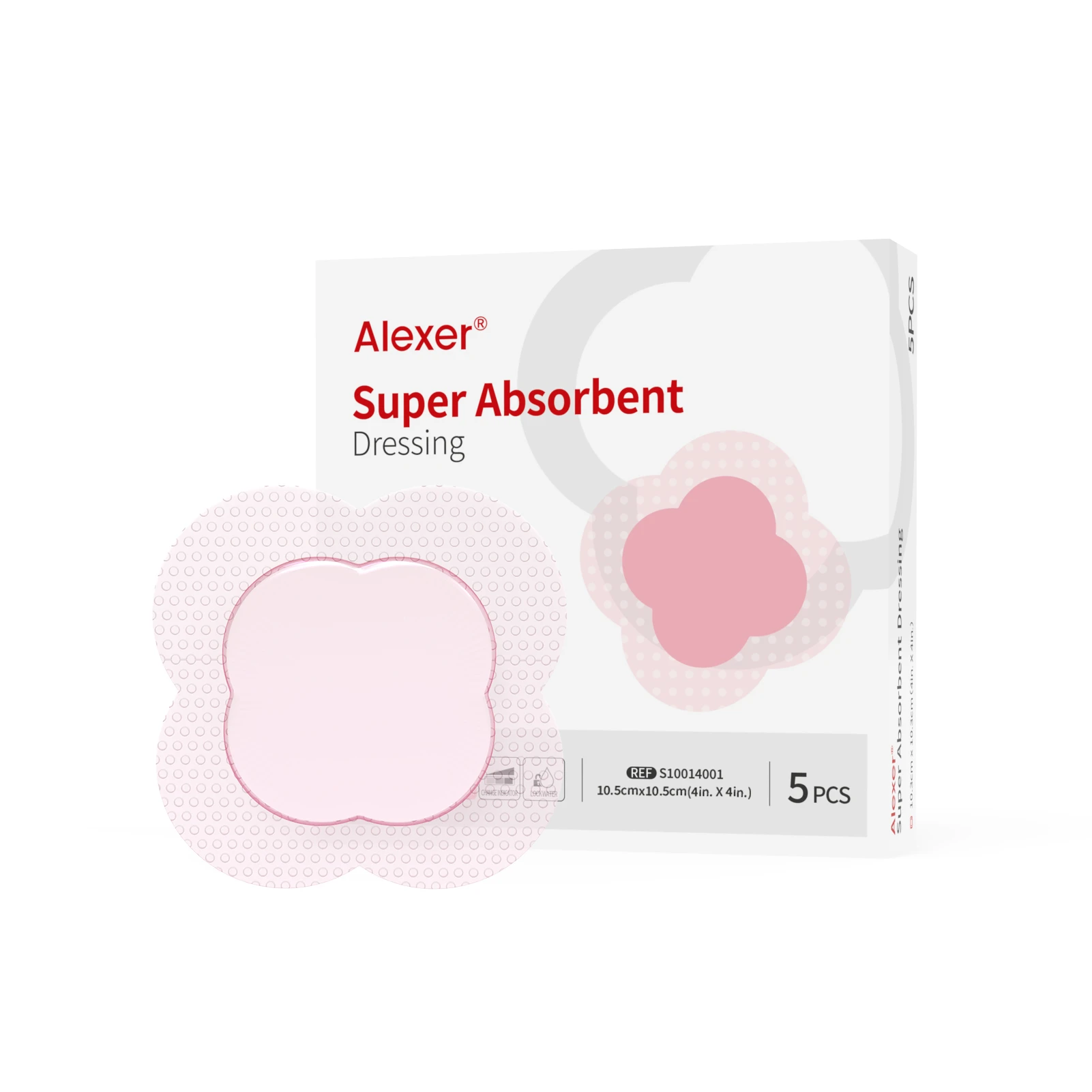
Super Absorbent Dressing |
Holds more fluid |
Keeps wound dry, prevents germs |
You get better protection and comfort with these dressings. The right dressing helps you heal faster and lowers your chance of infection.
When to Contact Your Doctor
Urgent Symptoms
You need to know when your body signals a problem after a C-section. Some symptoms mean you should call your doctor right away. These signs can show that you need medical help to stay safe. Watch for the following urgent symptoms:
-
Pain that gets worse instead of better
-
Swelling, bumps, pain, or heat in your calves
-
Redness, pain, or warmth around your incision
-
Severe headache that does not go away
-
Swelling in your hands, arms, or feet
-
Changes in your vision or trouble seeing
-
Cough, shortness of breath, or chest pain
⚠️ If you notice any of these symptoms, do not wait. Call your healthcare provider as soon as possible. Quick action can prevent serious problems.
Preparing for Medical Advice
When you contact your doctor, you help them understand your situation by sharing clear information. Before you call, write down your symptoms and any changes you notice. This helps your doctor give you the best care. You should prepare the following details:
-
Drainage from your vagina that smells bad
-
Fever or chills
-
Severe pain in your belly
-
More pain, redness, swelling, or bleeding from your incision
-
Leg pain
-
Trouble breathing, chest pain, or heart palpitations
You can also note when your symptoms started and how they have changed. If you use wound dressings, mention which type you use and how often you change them. Your doctor may ask about your temperature or any medicines you take.
😊 Being ready with this information helps your doctor decide what steps to take next. You get better answers and faster help.
You play a key role in your recovery. Good care and quick action keep you safe and support your healing journey.
Comfort and Recovery Tips
Managing Discomfort
You may feel pain or soreness after your C-section. Hospitals often use regional anesthesia, such as spinal or epidural, to help you stay comfortable during and after surgery. General anesthesia is rare and used in only a small number of cases. Nurses and doctors teach you how to manage pain and answer your questions. Support from your healthcare team helps you feel more confident.
You can use several methods to ease discomfort:
-
Take pain medicine as your doctor recommends.
-
Use coping self-statements, such as reminding yourself that healing takes time.
-
Ask for spiritual or emotional support if you need it.
-
Rest when you feel tired.
-
Hold a pillow against your belly when you cough or move.
😊 Remember: You are not alone. Many mothers feel discomfort after surgery, but these steps help you feel better.
Supporting Healing at Home
Your body needs time and gentle care to heal well. You can follow simple steps at home to support your recovery:
-
Stay healthy during pregnancy and after birth.
-
Check your incision every day for changes.
-
Allow your body to rest and avoid heavy lifting.
-
Eat nutritious foods and drink plenty of water.
-
Ask for help if you have questions or concerns.
Cesarean births can affect your pelvic health. You may want to try scar massage or gentle touch around your incision as you heal. Be patient with yourself. Recovery takes time and self-care. You help your body heal by following these steps and listening to your healthcare provider.
🩺 Tip: Take care of your body and mind. Healing after a C-section is a journey, not a race.
You play a key role in your recovery after a C-section. For the best results, remember these important steps:
-
Wash your hands before touching your wound to lower infection risk.
-
Learn about wound care and know when to ask for help.
-
Stay involved in your healing process and check your wound daily.
-
Choose the right dressing for your needs, as this can help healing and reduce scars.
Advanced dressings, like those from SLK Medical, offer gentle protection and support your healing. Some studies show these dressings may lower the risk of infection after surgery. Always watch your wound and talk to your doctor if you notice any problems. For more wound care resources, visit SLK Medical’s website.
FAQ
How often should you change your C-section wound dressing?
You should change your dressing every 3 to 7 days or as your doctor tells you. If the dressing gets wet, dirty, or starts to peel off, replace it right away.
Can you shower with a C-section wound dressing on?
You can shower with a waterproof dressing. Let water run gently over your wound. Do not scrub the area. Pat the skin dry after your shower.
What should you do if your dressing sticks to your skin?
Moisten the dressing with sterile saline or water. Peel it back slowly and gently. If you feel pain or see bleeding, stop and ask your doctor for help.
Which dressing is best for sensitive skin after a C-section?
SLK Medical silicone foam dressings work well for sensitive skin. These dressings protect your wound, absorb fluid, and make dressing changes easier.
Why is proper wound care important after a C-section?
Proper wound care helps you heal faster and lowers your risk of infection. You protect your skin and support your recovery by following each step your doctor recommends.