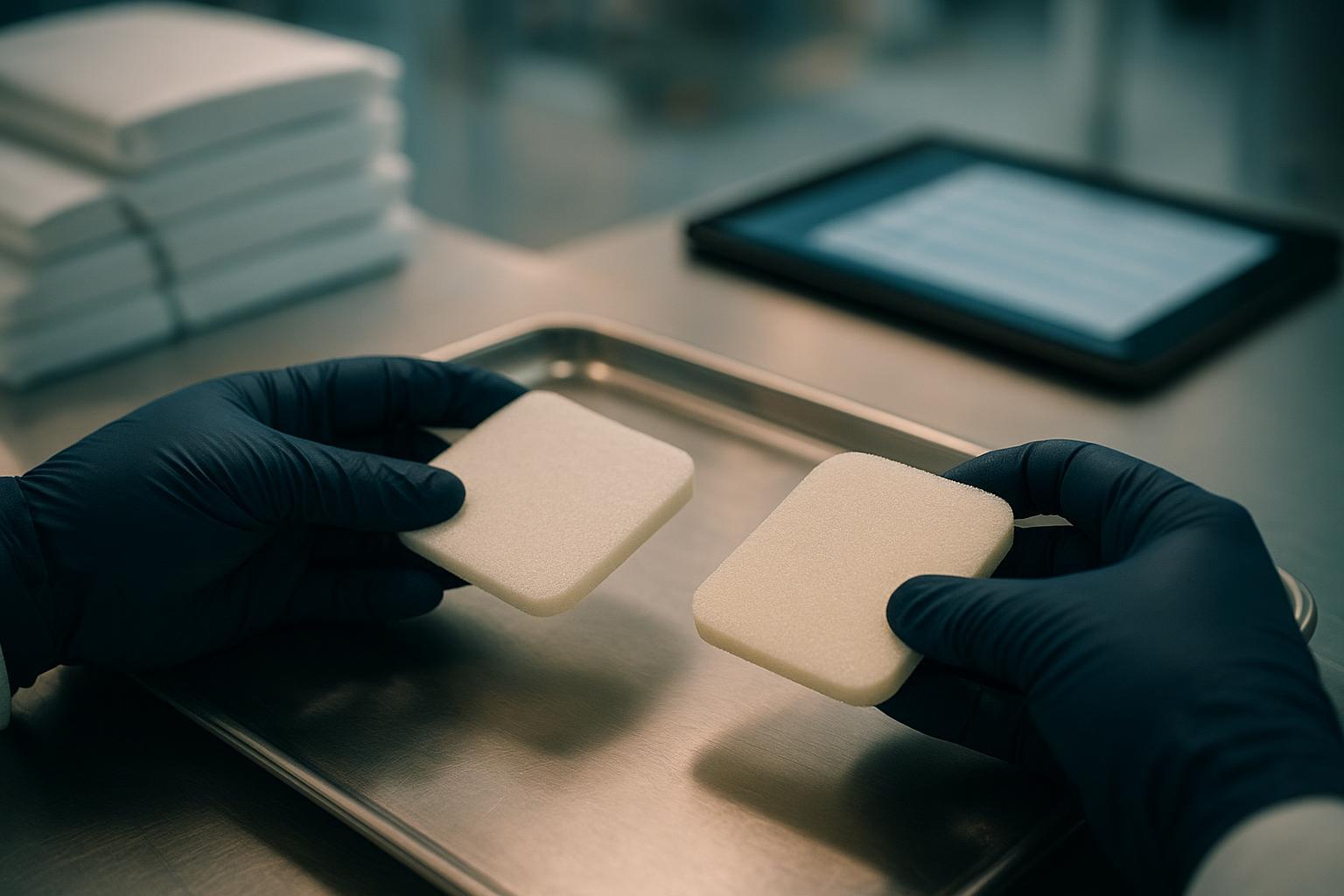
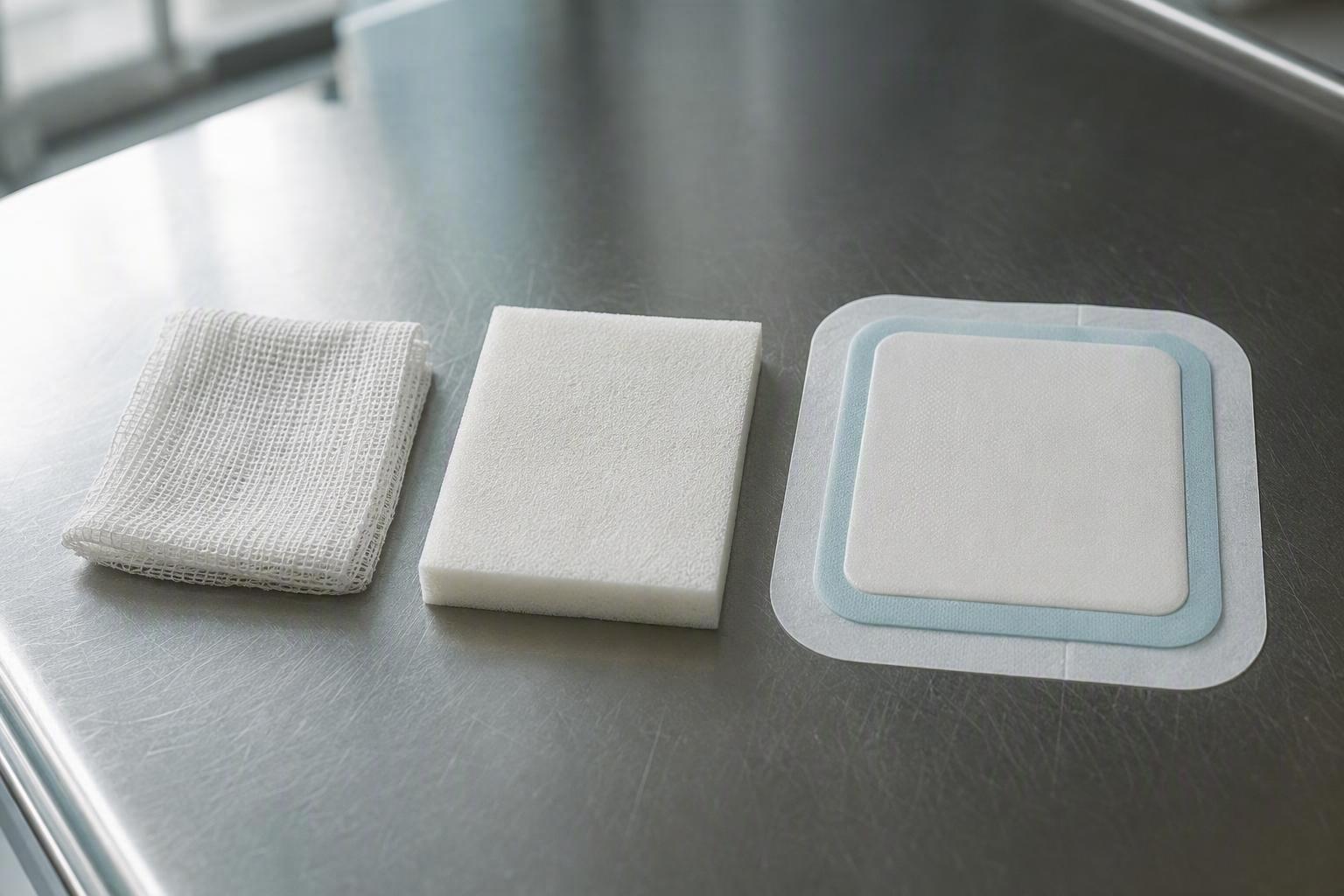
You want the best care for wounds. Non stick wound dressing helps protect wounds without sticking to the surface. Many patients feel pain when changing dressings. Studies show that 74% of wound care patients feel moderate to severe pain during dressing changes, while 36% rate their pain as very severe. Non stick wound dressing reduces pain and trauma for wounds. These dressings create a gentle barrier for wounds and support healing. SLK Medical leads in quality and innovation for non stick wound dressing. You can trust their dressings for comfort and better care.
Key Takeaways
-
Non-stick wound dressings help lower pain when you change them. This makes taking care of wounds easier and less painful. These dressings keep wounds wet, which helps them heal quicker. They also help stop infection. Pick the right non-adherent dressing for your wound. Think about the wound’s size, how deep it is, and how much fluid it has. This helps you get the best results. Always use the correct steps when you put on the dressing. This keeps the wound safe and helps it heal well. Check the wound often for infection signs. Talk to a healthcare provider if the wound does not get better.
What Is a Non Stick Wound Dressing?
Non stick wound dressings help you take care of wounds. They do not cause pain or harm when you change them. These dressings use special materials and designs. This keeps them from sticking to the wound bed. You can use non-adherent dressings for many wounds. These include cuts, burns, ulcers, and places where you had surgery. They keep the wound safe and help it heal. Dressing changes are much easier with these dressings.
Key Features
Non-adherent dressings are different because they do not stick to wounds. These dressings use advanced materials to make a soft barrier. This barrier keeps the wound moist and safe. Here are some important features of non-adherent dressings:
-
Soft and gentle layer that does not stick to wounds
-
Keeps the wound moist so it heals faster
-
Easy to take off, which means less pain and harm
-
Protects the wound from germs and dirt
-
Good for skin that is sensitive or weak
Different materials help non-adherent dressings work well. The table below shows some common materials and how they stop sticking:
|
Material |
Contribution to Non-Adherence |
|---|---|
|
Petrolatum |
Keeps the wound moist and stops sticking to the wound bed. |
|
Hydrogel |
Makes the wound moist, lowers pain, and stops germs from growing. |
|
Non-adherent gauze |
Made to not stick to wounds, so there is less skin damage and pain when changing. |
These features make non-adherent dressings a good choice. They help protect wounds and stop pain when you change dressings.
How Non-Adherent Dressings Work
Non-adherent dressings use smart designs to keep wounds safe. When you put a non-adherent dressing on a wound, it makes a soft layer. This layer does not stick to the wound bed. It keeps the wound moist, which helps new skin grow. This also helps the wound heal faster. Non-adherent dressings are easy to take off. They do not pull on the wound or cause pain.
The table below shows how non-adherent dressings stop sticking and keep wounds safe:
|
Mechanism |
Description |
|---|---|
|
Non-adherent dressings keep the wound moist and stop the dressing from drying out. |
|
|
Easy removal |
These dressings are easy to take off and do not hurt the wound bed. |
|
Protection |
They keep the wound bed safe during dressing changes and help healing. |
You can trust non-adherent dressings to keep wounds safe from germs and dirt. These dressings help you avoid pain and skin damage when you change them. You will see wounds heal better and have less chance of infection when you use non-adherent dressings.
Tip: Always pick the right size and type of non-adherent dressing for your wound. This helps you get the best results and keeps your wound safe.
Types of Non-Adherent Dressings

There are many types of non-adherent dressings. Each type helps wounds heal in its own way. Knowing about these types helps you pick the best one.
Non-Adherent Gauze Pad Dressings
Non-adherent gauze pad dressings are good for many wounds. You can use them for burns, cuts, and after surgery. They also work for wounds that last a long time. These dressings do not stick to the wound. This means you feel less pain when you change them.
|
Clinical Scenario |
Benefits of Non-Adherent Gauze Pads |
|---|---|
|
Burn Treatment |
Stops sticking to the wound and lowers pain when changing. |
|
Abrasions and Lacerations |
Helps the wound heal by not disturbing it. |
|
Surgical Sites |
Keeps the surgery spot safe after the procedure. |
|
Chronic Wounds (e.g., ulcers) |
Keeps the wound moist, which helps it heal. |
You can use these dressings in many cases. They are a top choice for everyday wound care.
Silicone Non-Adherent Dressings
Silicone non-adherent dressings are good for sensitive skin. They also help with wounds that take a long time to heal. These dressings lower pain and protect your skin when you change them. Studies show that silicone dressings help wounds heal faster. Most skin tears heal in three weeks with silicone dressings. You get better results and feel more comfortable.
-
Silicone dressings lower pain and protect your skin.
-
Wounds heal about half as fast with silicone dressings as with regular ones.
Foam Non-Adherent Dressings
Foam non-adherent dressings soak up a lot of fluid. You can use them for wounds that leak a lot. These dressings keep the wound moist and block germs. Many people say foam dressings feel good and hurt less.
|
Characteristic |
Foam Dressings |
Other Dressings |
|---|---|---|
|
Absorption Capacity |
Works for wounds with little or lots of fluid |
Other dressings may not work as well |
|
Pain Reduction |
Foam dressings help with pain |
Other dressings may hurt more |
|
Patient Comfort |
People feel more comfortable |
Other dressings may not feel as good |
|
Dressing Thickness |
3.2 mm to 6.0 mm thick |
Other dressings can be thicker |
Absorption and comfort are important when you pick a dressing. Foam dressings are a top choice for these reasons.
Hydrocolloid Non-Adherent Dressings
Hydrocolloid non-adherent dressings turn into a gel when they touch wound fluid. This keeps the wound moist and safe. These dressings help wounds heal faster. They work well for burns, shallow wounds, and after surgery.
-
Healing is about 40% faster for donor sites.
-
Injuries and surgery wounds heal faster.
-
Pain from burns goes down.
-
Hydrocolloid dressings keep wounds moist and safe.
-
They lower pain, help wounds heal, and block germs.
SLK Medical Non Adhesive Foam Dressing
SLK Medical Non Adhesive Foam Dressing is good for wounds that leak a lot. You can use it for pressure ulcers, diabetic foot ulcers, surgery wounds, and burns. This dressing keeps the wound moist and soaks up fluid. It also protects weak skin. You can cut it to fit any wound.
-
Wounds heal faster than with regular dressings.
-
You do not need to change the dressing as often.
-
It costs less to take care of wounds.
-
No bad side effects have been reported.
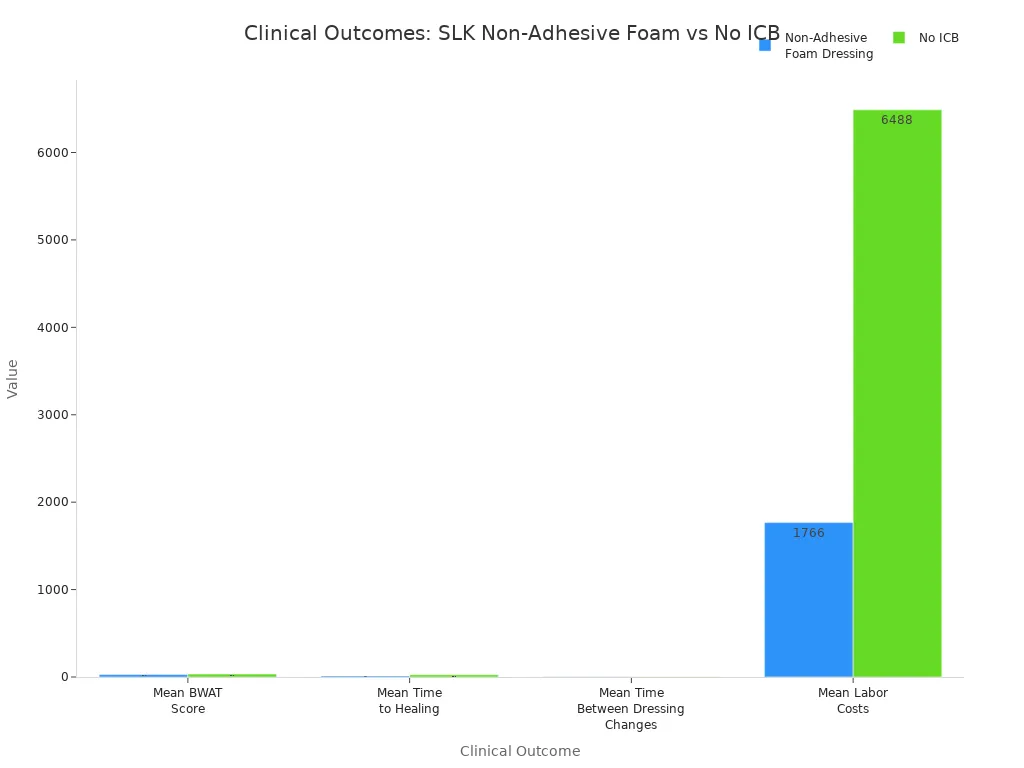
You get better results and feel more comfortable with SLK Medical’s foam dressings.
SLK Medical Super Absorbent Dressing Non Adherent
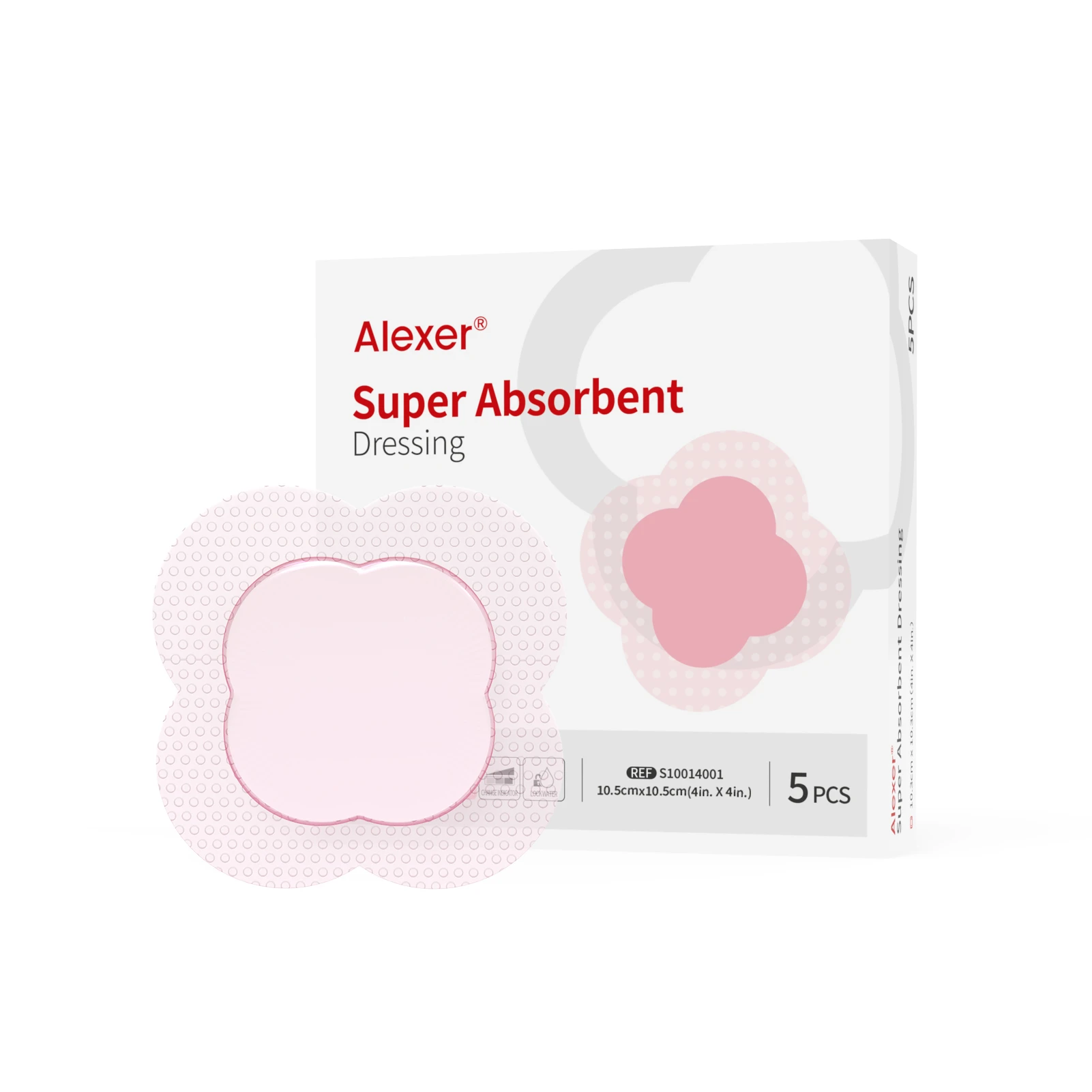
SLK Medical Super Absorbent Dressing Non Adherent is good for wounds that leak a lot. This dressing can soak up to 20 times its weight. It keeps the wound dry and safe. It also stops leaks and lowers pain when you change it. You can use it for leg ulcers, pressure ulcers, and surgery wounds. The soft layer does not stick to your skin. It helps wounds heal faster.
Tip: Always pick the right non-adherent dressing for your wound. This helps you heal faster and feel better.
Benefits of Non-Adherent Dressings
Pain Reduction
You want wound care that does not hurt. Non-adherent dressings help you feel less pain when you change them. These dressings use non-stick materials, so they do not pull on your wound. You feel less stress and discomfort. Studies show soft silicone dressings lower pain and keep your skin safe. You get gentle changes and better healing. Earlier research found people healed faster and felt less pain after skin grafts. You can trust non-adherent dressings to make wound care easier.
-
Soft silicone dressings help lower pain when you change them.
-
Non-adherent dressings keep weak skin safe.
-
You heal better and feel more comfortable.
Easier Removal
Non-adherent dressings are easy to take off. You do not have to worry about hurting new skin. These dressings keep the wound moist, which helps it heal. Moisture helps new cells grow and keeps the wound safe. Non-adherent dressings do not stick, so you avoid pain and damage. You get gentle care and your skin stays protected.
-
Non-adherent dressings keep wounds moist for healing.
-
You avoid sticking and hurting new skin.
-
Dressings are gentle and simple to remove.
Reduced Wound Trauma
You want dressings that keep your wound safe. Non-adherent dressings lower harm when you change them. They cover the wound bed and help it heal. Timmons et al. (2009) said non-adherent dressings treat wounds without causing harm. You get protection and a good place for healing. Non-adherent dressings help with wound care and keep your skin safe.
Improved Healing
Non-adherent dressings help wounds heal faster. You get better results with dressings that help healing. Clinical trials show non-adherent dressings lower pain and tissue damage. They help fibroblasts grow, which is important for healing. These dressings lower bad effects, so healing cells stay healthy. You get better healing and recover faster.
|
Benefit |
How Non-Adherent Dressings Help |
|---|---|
|
Pain Reduction |
|
|
Fibroblast Proliferation |
Faster tissue repair and new growth |
|
Cytotoxicity Minimization |
Healing cells stay healthy and active |
Infection Prevention
You want dressings that help stop infection. Non-adherent dressings keep wounds moist and safe. Moist dressings are linked to fewer infections in all types of wounds. A meta-analysis found moist dressings need fewer changes and have less infection. Five studies with 293 people showed moist dressings led to fewer infections. You get better protection and safer healing with non-adherent dressings.
Note: Non-adherent dressings protect your skin, keep wounds safe, and help healing. You get good wound care and better results with these products.
How to Apply Non Stick Wound Dressing
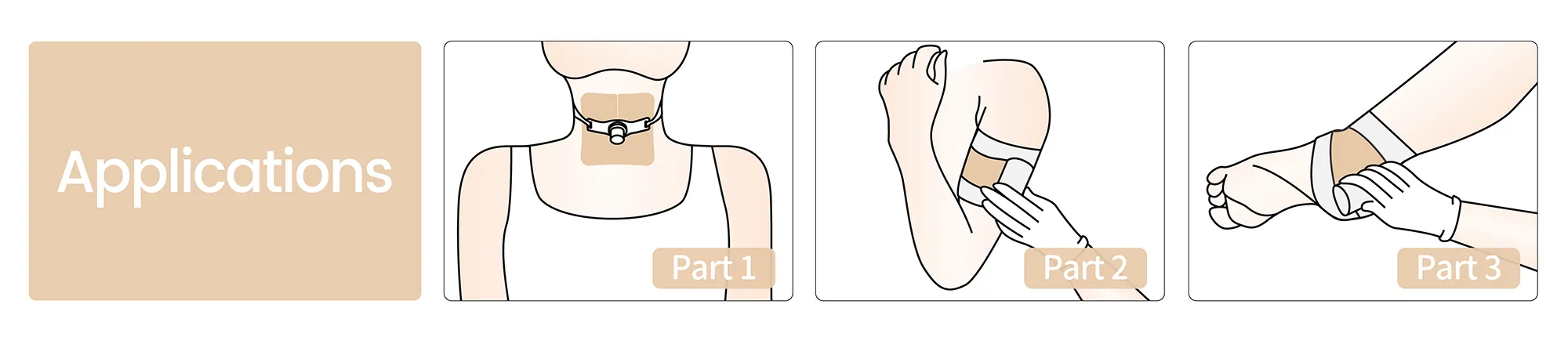
Applying non-adherent dressings the right way helps you protect wounds and support healing. You can follow these application steps to get the best results and keep your skin safe. Using SLK Medical dressings makes wound care easier and more comfortable.
Wound Preparation
You need to prepare the wound before you put on a new dressing. Good preparation helps prevent infection and supports healing. Follow these steps:
-
Remove the old dressing carefully. Do not touch the part that touched the wound to avoid spreading germs.
-
If the dressing sticks, soak it with water or saline to loosen it.
-
Put on clean or sterile gloves before you touch the wound or new dressings.
-
Clean the wound with a recommended solution. Start at the center and move outward.
-
Dry the skin around the wound completely.
-
Read and follow the instructions that come with your new dressing.
Tip: Always wash your hands before and after you handle wounds or dressings. This keeps the area clean and lowers the risk of infection.
Dressing Placement
You want to place non-adherent dressings so they cover the wound fully and stay in place. Here is how you do it:
-
Wash your hands well before you start.
-
Pick the right size dressing. You can cut SLK Medical dressings to fit the wound shape if needed.
-
Open the package without touching the dressing surface.
-
Hold the dressing by the edges to keep it clean.
-
Find the shiny or soft side. Place this side directly on the wound after cleaning.
-
Make sure the dressing covers the wound and extends a little beyond the edges.
Note: SLK Medical non-adherent dressings work well for wounds with different shapes and sizes. You can cut them to fit hard-to-cover areas.
Securing the Dressing
You need to keep the dressing in place to protect the wound and help healing. You have several ways to secure non-adherent dressings:
-
Use medical tape or a bandage wrap to hold the dressing.
-
Try Mastisol® Liquid Adhesive if you need extra hold, especially for active areas.
-
Choose silicone-bordered gauze for comfort and extra protection. This works well on joints or places that move a lot.
-
For SLK Medical dressings, you can add a secondary dressing for more absorption and security.
Tip: Make sure the dressing is snug but not too tight. You want to keep blood flowing and avoid pressure on the wound.
Changing and Removal
Changing non-adherent dressings at the right time helps wounds heal and keeps the area clean. Here is what you should do:
-
Change the dressing as your healthcare provider tells you. For most wounds, change it daily or when it gets wet or dirty.
-
Foam dressings, like SLK Medical’s, can stay on for three to seven days, depending on how much fluid the wound makes.
-
For post-surgical wounds, some dressings can stay on for five days to two weeks. This helps healing and lowers the risk of infection.
-
When you remove the dressing, do it gently. If it sticks, use saline or water to loosen it.
-
Always check the wound for redness, swelling, or unusual discharge. If you see these signs, contact your healthcare provider.
Callout: Regularly check wounds for signs of infection. Early care helps you heal faster and prevents problems.
You can follow these steps to get the best results from non-adherent dressings. SLK Medical dressings make wound care simple and safe. You help wounds heal, lower pain, and protect your skin with the right application.
Tips and Precautions for Non-Adherent Dressings
Best Practices
You want to get the most out of non-adherent dressings. Good habits help you protect your wound and support healing. Always wash your hands before you touch dressings or wounds. Choose the right size and type of non-adherent dressings for your wound. Make sure the dressing covers the wound and stays in place. Change dressings as your healthcare provider recommends.
Here are some best practices to follow:
-
Avoid using harsh chemicals on wounds. Strong antiseptics can harm healthy skin and slow healing.
-
Do not ignore signs of infection. Redness, swelling, or pus means you should act quickly.
-
Don’t seal the wound too tightly. Tight dressings can stop blood flow and slow healing.
-
Avoid leaving the wound exposed to air. Covering wounds helps keep a moist environment for better healing.
-
If you use silicone-based dressings, moisten your gloves with a sterile solution. This prevents the dressing from sticking to your gloves.
-
Regularly inspect the wound for infection signs. Look for changes in color, swelling, or pain.
If you have allergies or sensitive skin, take extra care:
-
Avoid silicone-based dressings if you know you have a sensitivity.
-
Hydrofibre, alginate, and non-adhesive dressings have lower risks for allergic reactions.
-
If you see a skin reaction, remove the dressing and talk to your healthcare provider.
When to Seek Medical Advice
You need to know when to ask for help with wounds and dressings. If you notice any of these problems, contact your healthcare provider:
-
The wound gets red, swollen, or painful.
-
You see pus or a bad smell coming from the wound.
-
The wound does not get better after several days.
-
You have a fever or feel sick.
-
The dressing does not stay in place or keeps falling off.
-
You see a skin reaction after using non-adherent dressings.
Tip: Always listen to your body. If you feel worried about your wound or dressings, ask a healthcare professional for advice.
Non-adherent dressings help you care for wounds and support healing. You get better results when you follow best practices and know when to seek help.
You should pick the right non-adherent dressing for each wound. Look at the wound’s size and depth. Check how much fluid comes from the wound. Non-adherent dressings help with pain and keep the wound moist. They also lower the chance of infection. SLK Medical has special non-adherent dressings that help wounds heal and feel better. Always use the right steps when you care for a wound. If the wound does not get better or looks worse, ask a healthcare worker for help. Advanced non-adherent dressings help wounds heal and give better results.
-
Think about these things when you choose non-adherent dressings:
-
How the wound looks and where it is
-
How much fluid the wound makes
-
What the patient needs for comfort and healing
-
|
Dressing Type |
Key Benefit |
|---|---|
|
Advanced non-adherent dressings |
Controls moisture, gives comfort, helps healing |
Using non-adherent dressings the right way helps wounds heal and keeps patients comfortable.
FAQ
How often should you change a non-adherent dressing?
You should change the dressing as your healthcare provider recommends. For most wounds, change it daily or when it becomes wet or dirty. Some advanced dressings, like SLK Medical foam dressings, can stay on for up to seven days.
Can you shower with a non-adherent dressing?
Many non-adherent dressings, such as SLK Medical’s Non Adhesive Foam Dressing, have a waterproof backing. You can shower while wearing them. Always check the product instructions to make sure your dressing is waterproof.
What types of wounds work best with non-adherent dressings?
You can use non-adherent dressings for cuts, burns, ulcers, surgical wounds, and pressure sores. These dressings work well for wounds that need gentle care and less pain during dressing changes.
Do non-adherent dressings help prevent infection?
Yes. Non-adherent dressings keep wounds moist and protected from germs. This lowers your risk of infection and helps wounds heal faster.
How do you know if you need to see a doctor about your wound?
If you see redness, swelling, pus, or feel pain that gets worse, you should contact your healthcare provider. Fever or a bad smell from the wound also means you need medical advice.