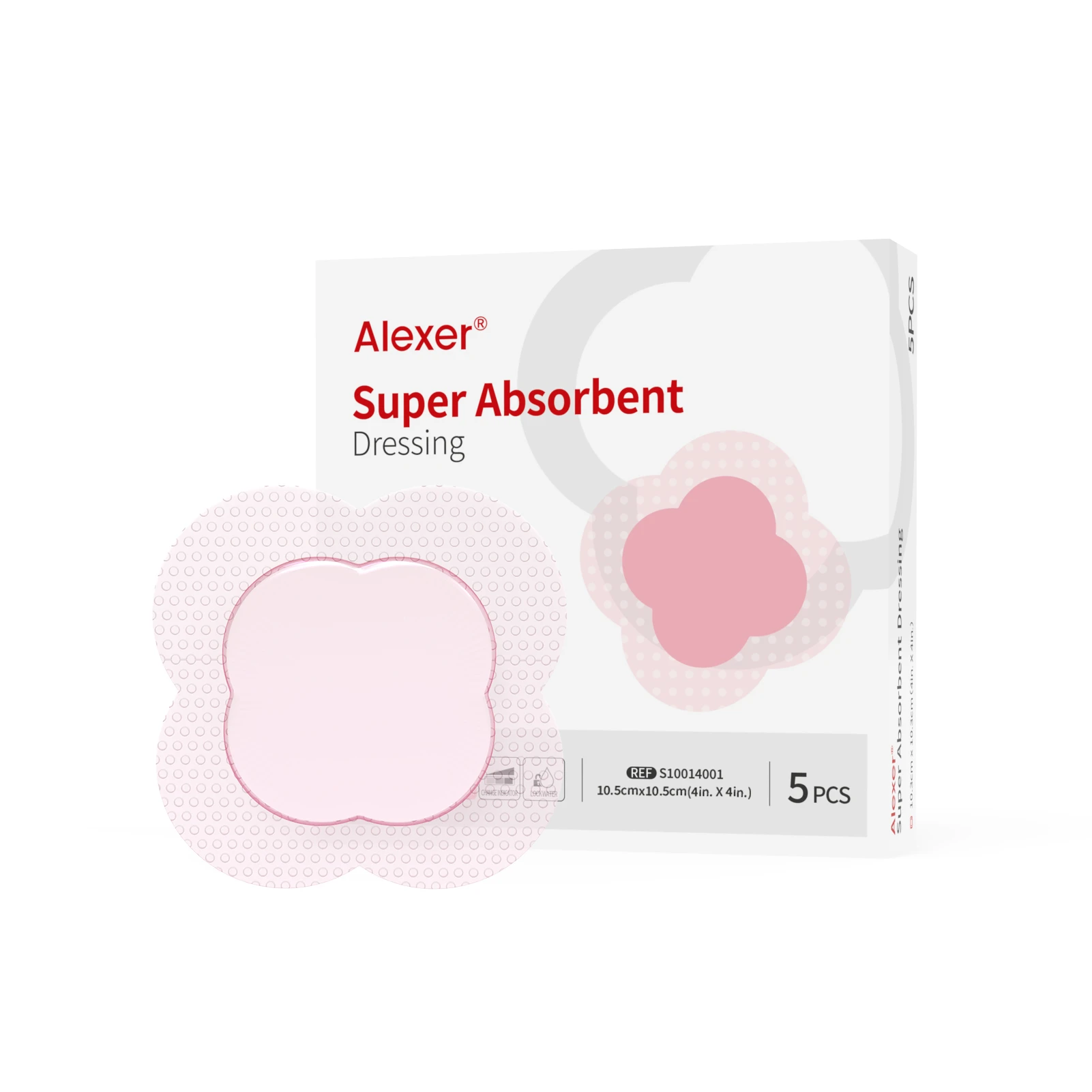
You can count on sacral silicone foam dressing with border to stop sacral pressure sores in 2026. Research shows these dressings cut your chance of Stage I injuries in the sacral area by over 80%. The newest rules from EPUAP and NPIAP say advanced dressings are best for patients at high risk. SLK Medical is a leader in new ideas. They have worldwide certificates and special D-Pore™ technology. You can see how well it works in the chart below.
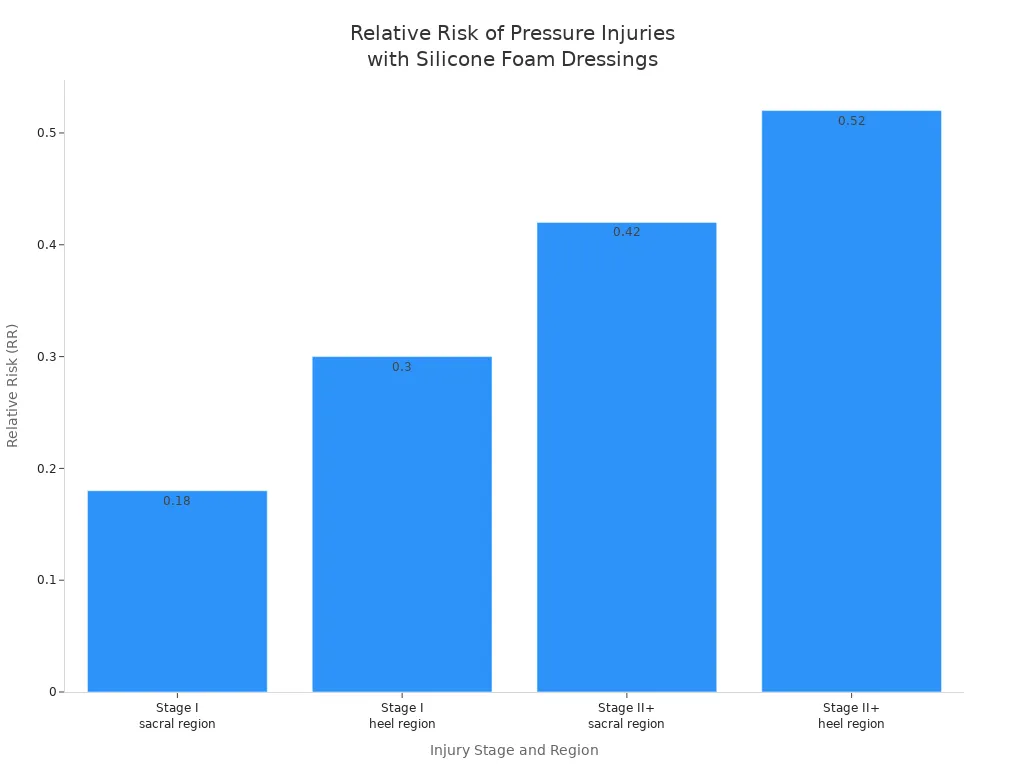
|
Outcome |
Relative Risk (RR) |
95% Confidence Interval (CI) |
p-value |
|---|---|---|---|
|
Stage I pressure injuries in sacral region |
0.18 |
0.09–0.33 |
< 0.001 |
|
Stage II and more severe injuries in sacral region |
0.42 |
0.31–0.58 |
< 0.001 |
You make patients feel better and lower problems when you pick sacral foam dressing as your first choice.
Key Takeaways
-
Sacral silicone foam dressings can lower the chance of Stage I pressure injuries by more than 80%. Early finding of sacral pressure injuries is very important for good prevention and care. Using special dressings like silicone foam can help save time and make nurses’ jobs easier. Checking often and teaching staff and patients helps stop pressure sores better. SLK Medical’s dressings are proven in studies to help patients feel better and heal faster.
Understanding Sacral Pressure Sores
Definition and Stages
Medical Definition
Doctors say “sacral pressure injury” for wounds on the lower back. These wounds are right above the buttocks. NPIAP and EPUAP say these injuries happen from pressure, friction, or shear. Pressure hurts the skin and tissue under it. “Pressure injury” is now used instead of “pressure ulcer.” This new term helps describe wounds that do not always break the skin.
Staging Principles
A staging system shows how deep and bad a sacral pressure injury is. NPIAP guidelines list these stages:
-
Stage 1: Skin is red and does not turn white when pressed.
-
Stage 2: Some skin is gone, and the dermis shows. You might see a blister or a shallow sore.
-
Stage 3: All layers of skin are gone. Fat can be seen, but bone, tendon, or muscle are not.
-
Stage 4: All tissue is gone, and bone, tendon, or muscle can be seen.
-
Unstageable: Dead tissue covers the wound, so you cannot see how deep it is.
-
Deep Tissue Injury: Skin looks purple or maroon, but damage goes deeper than you can see.
Note: Experts still talk about which words are best for these wounds. Some say “ulcer,” and some say “injury.” Guidelines keep changing.
Importance of Prevention
Early Identification
It is important to find a sacral pressure injury early. Studies show these wounds happen at different rates each year. The rate can be between 2.48% and 11%. The sacrum and heels are the most common places for these injuries. Acting fast helps stop serious problems.
Clinical Challenges and Consequences
Stopping sacral pressure injury is hard for many reasons. Patients who cannot move, have long-term sickness, or do not eat well are at higher risk. The table below lists common causes and risk factors:
|
Cause/Risk Factor |
Description |
|---|---|
|
Infection |
Sepsis lowers blood flow and kills tissue. |
|
Age |
Older skin gets dry and weak. |
|
Sensory Loss |
Nerve damage makes it hard to feel pressure. |
|
Chronic Disease |
Diabetes and blood problems slow healing. |
|
Malnutrition |
Weak skin heals slowly. |
|
Incontinence |
Wetness from urine or stool softens skin. |
|
Altered Consciousness |
Patients cannot move to take pressure off. |
You may also have trouble with not enough staff, changes in care places, and high costs for prevention. If you wait too long to prevent these injuries, patients can get worse, stay in the hospital longer, and pay more for care.
Pressure Injury Challenges in 2026
Current Trends and Risks
More patients in hospitals are at risk for sacral pressure injury. The number of cases is still high. Experts hoped it would go down more. Many patients stay in the hospital for a long time. This makes it easier for them to get a sacral pressure injury. Older people have weaker skin, so they are at higher risk. People with health problems like diabetes or heart disease also have a bigger chance of getting these injuries. The table below shows how different things affect sacral pressure injuries:
|
Factor |
Influence on Sacral Pressure Injuries |
|---|---|
|
Comorbidities |
Significant impact |
|
Length of Stay |
Correlates with injury development |
|
Age Cohort |
Moderates risk factors |
You need to check for these risks every day. Hospitals use new tools and checklists to help. Still, sacral pressure injury happens a lot. You must pay close attention to spot early signs and act quickly.
Why Prevention Remains Difficult
It is still hard to stop sacral pressure injury, even with new technology. Many things make prevention tough:
-
Traditional moist dressings take a long time to work and do not cure easily.
-
Patients who cannot move by themselves have trouble getting pressure relief.
-
It is hard to reposition patients and check their nutrition all the time.
-
Usual methods do not always stop sacral pressure injury.
-
Treating these wounds costs a lot and causes stress.
-
Smart beds and sensors help, but sacral pressure injury still happens often.
Even with better tools, sacral pressure injury is still a big problem. You need new answers that work for each patient. Hospitals and caregivers must keep learning and making care better.
How Sacral Silicone Foam Dressing with Border Works
Mechanism and Features
A sacral foam dressing does more than just cover skin. The sacral silicone foam dressing with border has many layers. Each layer helps protect and heal the wound. The top layer blocks water and germs. The middle layers soak up fluid and keep the wound moist. The bottom layer is soft silicone. It sticks gently and does not hurt when removed.
Here is what the layers do for you: Moist healing keeps wounds wet. This helps wounds heal faster and makes less scarring. The dressing soaks up extra fluid. This keeps the wound clean and helps stop infection. It also protects the wound from dirt and lowers friction.
The sacral foam dressing spreads pressure over a bigger area. This lowers the force on one spot by up to 30–40%. The top layer is waterproof and lets skin breathe. This stops skin from getting too wet or infected. The dressing lets moisture out at a high rate. This keeps your skin dry and healthy.
|
Key Feature |
Description |
|---|---|
|
Pressure Redistribution |
Spreads force over a larger area, lowering tissue pressure by up to 30–40%. |
|
Waterproof and Breathable Properties |
Makes a barrier that stops skin from getting too wet or infected, especially in the sacral area. |
|
Moisture Vapor Transmission Rate |
Lets moisture out at over 1,000 g/m2/24 h, which helps keep skin healthy and lowers dermatitis risk. |
You can see the sacral silicone foam dressing with border does more than cover a wound. It gives strong protection from pressure, moisture, and germs.
SLK Medical’s D-Pore™ Technology
SLK Medical uses D-Pore™ Dual-Dimensional Pore Foaming Technology in its sacral foam dressing. This technology helps the dressing soak up fluid and let air pass through. The foam has special pores. These pores pull in extra fluid and let air move through. This keeps the wound moist but not too wet. The dressing stays soft and gentle on your skin. You get a sacral silicone foam dressing with border that helps wounds heal faster and keeps you comfortable.
Product Options for Sacral Area
SLK Medical has many sacral foam dressing choices. Each one fits different needs and shapes for the sacral area. The table below shows some main options and what makes them special.
|
Product Name |
Features |
|---|---|
|
Specialized Sacrum Foam Dressings |
Soft layer spreads pressure, lowers skin damage, and helps prevent ulcers. |
| Alexer Silicone Foam Dressing | New technology, many shapes and sizes, made for sacrum and coccyx. | | Multilayer Silicone Foam Dressings| Many layers for protection, moisture control, and less friction. |

You can pick a sacral silicone foam dressing with border in skin color or pink. These dressings fit the sacrum and coccyx well. The Border Flex option stretches and moves with your body. If you need more germ protection, the Ag Dressing adds silver for extra defense. All these sacral foam dressings use a multilayer silicone foam dressing design. This gives you strong protection, comfort, and less risk of skin damage.
You can trust SLK Medical’s sacral protective dressings to help stop pressure sores. These dressings use the best technology and design to keep your skin safe and healthy.
Evidence and Effectiveness
Clinical Research and Guidelines
Sacral foam dressing is trusted because many studies support it. Researchers tested these dressings in hospitals and nursing homes. They found sacral foam dressing helps stop sacral pressure injury. This is true for people who cannot move well. The table below shows what the studies found:
|
Study Title |
Findings |
|---|---|
|
Efficacy of silicone foam dressings in preventing pressure injuries in the sacral and heel areas of patients |
Big protective benefit for high-risk nursing home residents. |
|
Cost‐effectiveness of multi‐layered silicone foam dressings for prevention of sacral and heel pressure ulcers |
Saves money for sacral area, but not much for heels in very sick patients. |
|
Effectiveness of a multi-layer silicone-adhesive polyurethane foam dressing |
Stops pressure ulcers in patients with bad diarrhea and weak skin. |
|
A randomised controlled trial of the clinical effectiveness of multi‐layer silicone foam dressings |
Big protective benefit for high-risk aged care residents. |
|
Silicone adhesive multilayer foam dressings to prevent hospital-acquired sacrum pressure ulcers |
No proof of fewer sacral pressure injuries; costs more than usual care. |
Clinical guidelines say sacral foam dressing helps stop sacral pressure injury. You should use these dressings with other care steps. Turn patients and check their skin often. Experts say silicone foam dressings work well for the sacral area. You can take them off to check skin without hurting it.
-
Silicone foam dressings help stop pressure ulcers in the sacral area when used with regular care.
-
Special foam dressing lowered pressure ulcers in hospital patients.
-
These dressings let you check skin often without causing harm.
Real-World Outcomes
Hospitals and care homes use sacral foam dressing and see good results. Many studies show sacral foam dressing lowers the risk of sacral pressure injury. In one big trial, patients with sacral protective dressings had 41% fewer new pressure ulcers than those without. Over 22 studies checked these dressings in different places. You can trust sacral protective dressings work in real life, not just in research.
International Certifications
You want your sacral foam dressing to meet high standards. SLK Medical’s dressings have important certificates:
-
CE
-
ISO 13485
These certificates show SLK Medical’s sacral foam dressing is safe and trusted worldwide. You can count on these dressings to help stop sacral pressure injury.
Application and Best Practices
Step-by-Step Application Guide
To use sacral silicone foam dressings with border well, follow these steps for best results:
-
Clean the wound with a wound cleanser or saline. This helps get rid of dirt and germs.
-
Put the dressing on gently. Make sure the border touches the skin. Do not stretch or wrinkle it.
-
Look at the dressing often. Change it if it lifts, leaks, or changes color.
-
Check the wound often. Watch for more fluid, changes in shape, or signs of infection.
Tip: Always wash your hands before and after you touch the wound or dressing.
Frequency and Monitoring
You should know when to change the dressing and how to watch the wound. The table below shows how often to change it:
|
Duration |
|
|---|---|
|
Up to 7 days |
7 days |
Check the dressing every day. If you see more fluid, redness, or swelling, change it sooner. Write down each time you change the dressing and any changes you see in the wound.
Staff and Patient Education
Teach staff and patients how to use sacral foam dressings. Show them how to clean the wound and put on the dressing. Explain why it is important to check the wound. Use easy words and clear steps. Let them ask questions. Give written steps and pictures if you can.
Note: Good teaching helps stop mistakes and keeps wounds healthy.
OEM and Custom Solutions by SLK Medical
SLK Medical gives many choices for healthcare workers. You can pick OEM and ODM solutions for research, making, and packing. Customization lets you change foam dressings to fit your needs. The table below shows the main benefits:
|
Feature/Benefit |
Description |
|---|---|
|
OEM and ODM Solutions |
Full help for research, making, and packing |
|
Customization Options |
Change products for different needs |
|
Advanced Protection |
Strong shield against bacteria, helps healing |
|
Quality Control |
Watched production for high quality |
|
Quick Product Launch |
Fast help for new product releases |
|
Moisture Management |
Soaks up fluid, keeps wound moist |
|
Infection Prevention |
Lowers infection risk, keeps wounds clean |
|
Skin Protection |
Soft sticky part protects sensitive skin |
You can ask for big orders or samples to try at your clinic. SLK Medical helps you give better care to your patients.
Benefits of Sacral Foam Dressing
Comparison with Traditional Methods
Pressure Redistribution and Skin Protection
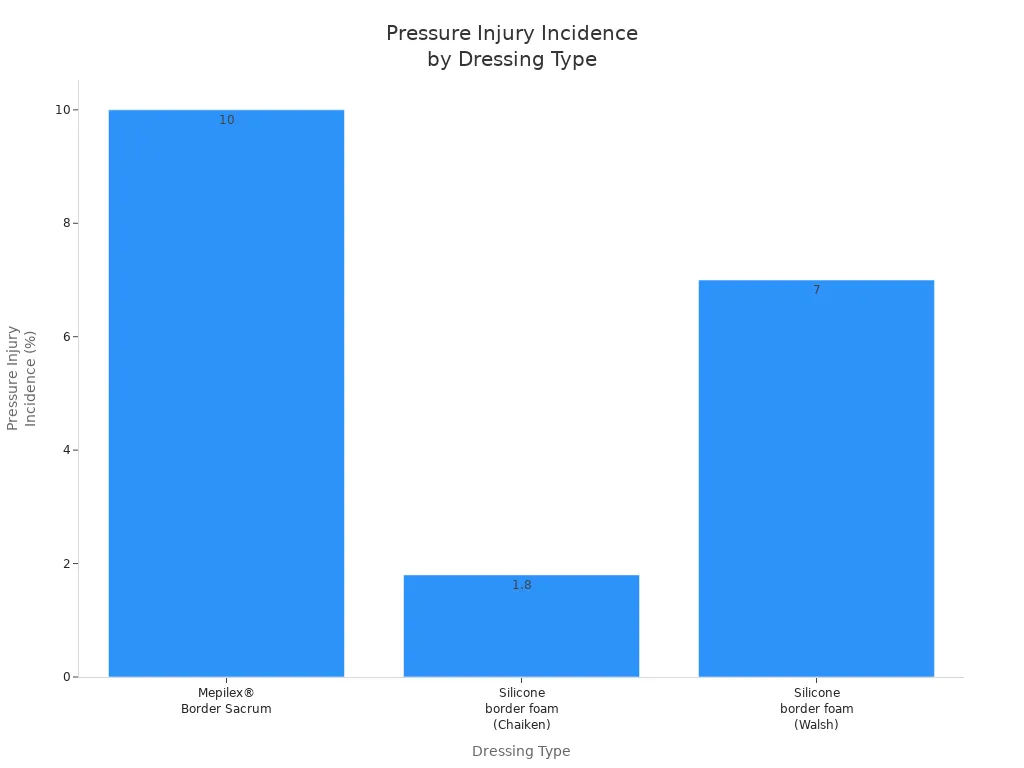
You want to keep your skin safe from pressure injuries. Sacral foam dressing works better than old dressings like gauze. It also works better than hydrocolloid dressings. Studies say silicone border foam dressings lower pressure injuries in hospitals. They also help in intensive care units. The table below shows how different dressings work and their results:
|
Study |
Dressing Type |
Pressure Injury Incidence |
Findings |
|---|---|---|---|
|
Santamaria et al. (2015) |
Mepilex® Border Sacrum |
≤10% |
Big drop in pressure injuries for ICU patients. |
|
Brindle and Wegelin (2012) |
Five-layer soft silicone border |
Not significant |
Some differences, but not a big change. |
|
Chaiken et al. (2012) |
Silicone border foam |
13.6% to 1.8% |
Fewer sacral pressure injuries in ICU. |
|
Walsh et al. (2012) |
Silicone border foam |
12.5% to 7% |
Less hospital-acquired pressure injuries in ICU. |
Frequency of Dressing Changes and Nursing Workload
You do not need to change sacral foam dressing often. It can stay on for up to seven days. Nurses spend less time changing dressings. They have more time to help you in other ways. Fewer changes mean less pain and less skin damage.
Clinical Outcomes and Prevention Rates
Sacral foam dressing gives better results. Hospitals see fewer new pressure injuries when they use it. Pressure injury rates go down. Patients heal faster. This makes sacral foam dressing a smart way to prevent injuries.
Patient Comfort and Cost-Effectiveness
Enhanced Patient Comfort and Mobility
Sacral foam dressing feels soft and gentle on your skin. The silicone layer sticks without hurting you. You can move around without the dressing falling off. This helps you stay active and heal better.
Long-Term Cost Savings
Sacral foam dressing saves money over time. It may cost more at first. But you avoid high costs from treating pressure ulcers. Studies show these dressings save money for hospitals and patients. You need less extra care.
Case Studies and Statistical Evidence
Hospitals using sacral foam dressing see fewer pressure injuries. In one study, injuries dropped from 13.6% to 1.8%. These numbers show sacral foam dressing works well in real life.
Limitations and Considerations
Suitability for Different Patient Populations
Most patients can use sacral foam dressing. Some people may need special care. Always ask your healthcare team if it is right for you.
Potential Allergic Reactions or Adhesion Issues
Most people do not have problems with sacral foam dressing. If your skin is very sensitive, tell your nurse or doctor. They will check for redness or irritation.
Cost and Resource Availability
Some studies have challenges with sacral foam dressing:
-
Researchers cannot always hide who gets the dressing.
-
Some patients cannot give consent because of health problems.
Note: Your care team will help you pick the best dressing for you.
You get good results with sacral silicone foam dressings with border. Research shows these dressings help stop pressure sores. Patients have fewer sores when you use them. You do not need to worry about skin problems or pain. SLK Medical’s products have FDA, CE, and ISO 13485 certificates. Their team gives you help and new ideas.
-
Multilayer foam borders help lower pressure injuries in hospitals.
-
Less patients get sacral ulcers when you use these dressings.
-
No bad skin reactions have been found.
You can ask SLK Medical for samples or special options for your patients.
FAQ
How do you know when to change your sacral foam dressing?
Check your dressing every day. Change it if you see leaks, lifting edges, or color changes. Your nurse may tell you to change it sooner if the wound looks worse.
Can you shower with a sacral silicone foam dressing with border?
You can shower with the dressing on. The waterproof layer keeps water out. Dry the area gently after your shower.
What should you do if your skin feels itchy under the dressing?
If you feel itching, tell your nurse or doctor. They will check your skin for redness or irritation. Do not scratch the area.
Are sacral foam dressings safe for sensitive skin?
Sacral foam dressings use soft silicone. Most people with sensitive skin can use them. The gentle adhesive helps protect fragile skin.