


Dressing medical products help keep wounds safe and help them heal. You use dressing medical solutions to control wetness, stop germs, and help skin get better. Chronic wounds happen to about 2% of people in rich countries, and dressing medical choices can change healing and costs for families. You should pick dressing medical options that fit your wound’s needs, like soaking up exudate or giving comfort. Dressing medical inventions from SLK Medical include foam, hydrocolloid, super absorbent, and clear types. Each one is made to help healing and patient care.
Dressing medical selection matters because:
Moisture-retentive dressings help wounds heal faster.
The right dressing can make pain less.
Advanced products help new tissue grow.
Key Takeaways
Picking the right dressing helps wounds heal. It can lower pain, keep the wound wet or dry, and stop infection.
Dressings have different jobs. Foam dressings work well for wounds with lots of fluid. Hydrocolloid dressings help keep wounds moist.
You should change dressings often. This stops infection and helps wounds heal faster.
Look at the wound before you pick a dressing. Think about how big and deep it is. Check for infection signs to give good care.
SLK Medical makes special dressings. These dressings help people feel better and heal faster. Their products fit many wound care needs.
Types of Wound Dressings
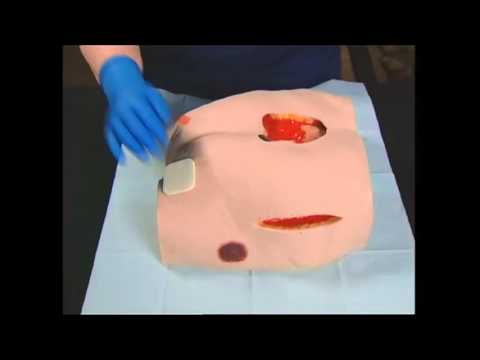
There are many kinds of wound dressings today. Each type helps you take care of wounds in its own way. Picking the right one can keep your wound safe, help it heal, and make you feel better.
Main Categories of Wound Dressings
Category | Description |
|---|---|
Solid wound dressings | Keep wounds moist, soak up exudate, and stop germs. |
Gels, creams, or ointments | Make wounds moist and help healing. |
Liquid wound washes | Clean wounds and wash away dirt or exudate. |
Gauze and Basic Dressings
Gauze dressings have been used for a long time. You put them on wounds to cover and soak up fluids. They come in many sizes and shapes. You can use them for lots of injuries. Gauze can stick to wounds and hurt when you take it off. Wet-to-dry dressings may slow healing and cause pain. Gauze lets germs get through, which can cause infection. Even though gauze is common, other dressings may protect and comfort you better.
Foam Dressings by SLK Medical
Foam dressings are good for wounds with lots of exudate. SLK Medical foam dressings use new technology for more comfort and healing. These dressings soak up fluids, protect skin, and lower pain when you change them. You can use foam dressings for ulcers, burns, and surgery wounds.
Feature/Benefit | SLK Medical Foam Dressings | Standard Foam Dressings |
|---|---|---|
Comfort | Very comfortable, less pain | Comfort can change |
Exudate Management | Great for lots of exudate | Works for less exudate |
Skin Protection | Protects skin, easy to remove | May not protect as much |
Adhesion | Gentle, less skin damage | Can cause more skin damage |
Patient Compliance | High, because it feels good | May be lower |
Quality of Life | Better for chronic wounds | Not as much help |
SLK Medical foam dressings make wound care easier and help you feel better.
Hydrocolloid Dressings for Wound Healing
Hydrocolloid dressings keep wounds moist and help them heal faster. Studies show these dressings heal wounds quicker and make them smaller, especially for pressure ulcers. They also lower infection risk. You can use hydrocolloid dressings for burns, shallow wounds, and ulcers. SLK Medical hydrocolloid dressings seal wounds, soak up exudate, and let you check wounds without taking off the dressing.
Super Absorbent and Specialty Dressings
Super absorbent dressings are best for wounds with lots of exudate. These dressings hold lots of fluid and keep wounds dry and safe. Studies show super absorbent dressings help wounds heal faster and you do not need to change them as much. They save money because you use them longer. SLK Medical super absorbent dressings work for many wounds, like ulcers and surgery injuries.
Evidence Type | Description |
|---|---|
Absorption Capacity | Holds lots of exudate, keeps wounds safe. |
Clinical Outcomes | Heals wounds faster, fewer dressing changes. |
Cost-Effectiveness | Lasts longer, costs less than regular dressings. |
Transparent Dressings for Wound Protection
Transparent dressings keep wounds safe and let you see the injury. These dressings block germs and dirt, but let moisture vapor out. Studies show transparent dressings heal wounds up to 50% faster than dry dressings. You or your doctor can check wounds without taking off the dressing. Places that use transparent dressings have fewer problems and faster healing. SLK Medical transparent dressings are waterproof, let skin breathe, and are gentle.
Tip: Transparent dressings work well for small injuries, catheter sites, and wounds you need to watch closely.
You can pick from many wound dressings. Each type has special features to help you care for wounds in the best way.
Choosing the Right Dressing Medical Solution
Assessing Wound Type and Condition
You need to look at the wound before you choose a dressing. Start by checking the size, depth, and location. Notice if the wound is dry, moist, or leaking a lot of fluid. Look for signs of infection, like redness or swelling. Think about how often you can change the dressing. Some wounds need more changes than others.
Doctors use frameworks like the triangle of wound assessment and TIMERS. These help you look at the wound bed, the edges, and the skin around it. You also check for tissue health, infection, moisture, and how the wound is healing. Write down what you see. Good notes help you track healing and pick the right dressing next time.
Tip: Always check if you have allergies to any dressing materials. Comfort and how the dressing looks also matter.
Matching Wound Dressing to Wound Needs
You match the dressing to the wound by thinking about what the wound needs to heal. Some wounds need to stay moist. Others need to stay dry. You want to protect the wound, help new skin grow, and stop germs from getting in.
Here is a table to help you match wound types to dressing choices:
Dressing Type | Use Cases | Pros | Cons |
|---|---|---|---|
Gauze Dressings | Infected wounds, packing | Easy to find, low cost, flexible | Needs many changes, can stick to wound |
Transparent Films | Small burns, shallow wounds | Lets you see the wound, stops friction | Not for wounds with lots of fluid |
Foams | Pressure ulcers, diabetic ulcers | Soft, does not stick, soaks up fluid | May need extra cover, change if too wet |
Hydrocolloids | Burns, pressure ulcers | Keeps wound moist, waterproof | Not for infected wounds |
Alginates | Venous ulcers, heavy fluid wounds | Soaks up lots of fluid, gentle removal | Needs extra cover, can dry out wound |
You want to keep the wound moist if it is clean and healing. Use dressings that do not stick to new skin. Pick dressings that let air in but keep germs out. Make sure the dressing is safe and does not cause allergies.
Wound assessment is the first step.
Use a dressing that matches the wound’s needs.
Write down what you see and do.
SLK Medical Product Selection Guide
SLK Medical offers many dressings for different wounds. You can use this simple guide to help with dressing selection:
Check the wound
Is it dry, moist, or leaking a lot?
Is there infection or redness?
Where is the wound? How big is it?
Pick the right dressing
For wounds with lots of fluid, use SLK Medical Silicone Foam Dressings or Super Absorbent Dressings. These soak up fluid and protect the skin.
For shallow wounds or burns, try SLK Medical Hydrocolloid Dressings. These keep the wound moist and help new skin grow.
For wounds you need to watch, use SLK Medical Transparent Dressings. These let you see the wound without taking off the cover.
For wounds that need gentle care, like on sensitive skin, choose SLK Medical Silicone Foam Dressings. These do not stick and make changes less painful.
Use the decision table below for quick dressing selection
Wound Characteristic | Best SLK Medical Dressing Type | Why Choose It? |
|---|---|---|
Heavy exudate | Super Absorbent, Silicone Foam | Soaks up fluid, keeps wound safe |
Sensitive skin | Silicone Foam (with or without border) | Gentle, easy to remove, less pain |
Need to monitor wound | See wound without removing dressing | |
Shallow, moist wound | Keeps moist, helps healing | |
Post-surgery or trauma | Silicone Foam, Non-Adhesive Foam | Protects, absorbs, fits many wound shapes |
Note: Always follow your healthcare provider’s advice for wound care. If you see signs of infection or the wound does not heal, get help.
You can find more about each SLK Medical product on their website. Good dressing selection helps wounds heal faster and keeps you comfortable.
Wound Care Best Practices
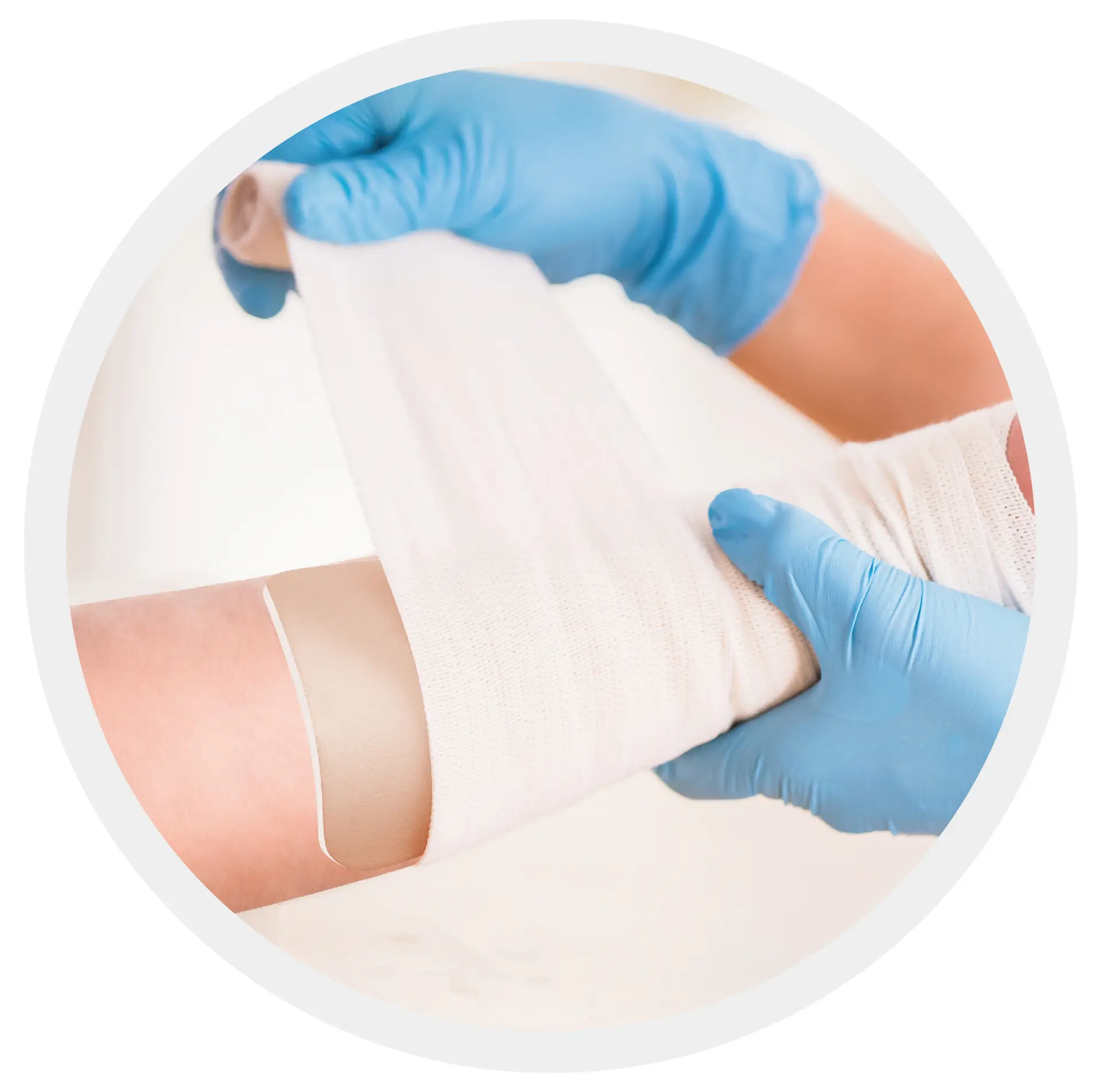
Preparing for Dressing Application
You need to get ready before you care for a wound. Wash your hands with soap and water. Put on clean gloves if you have them. Cleaning the wound takes away dirt and germs. Use gentle cleaners so you do not hurt healthy skin. Wound debridement helps wounds heal faster. You can use autolytic, enzymatic, or mechanical ways to remove dead tissue. Always use clean tools for wound debridement. Keep the wound moist to help it heal. SLK Medical advanced dressings work well for these wounds. They control wound exudate and protect against injury. Look at the wound before you put on a dressing. Checking the wound helps you pick the best care.
Tip: Look for dirt in the wound before you start. Clean the wound gently to stop infection and help it heal faster.
Applying and Changing Wound Dressings
You need to change dressings on a regular schedule. Changing dressings often helps stop infection and keeps wounds clean. Always use clean dressings. Watch for infection signs like redness, swelling, or pus. If you see these, ask a doctor for help. Wear protective gear and throw away old dressings the right way. Use antimicrobial dressings if you need to fight biofilm and control wound exudate. Keep wounds clean by removing things that slow healing. SLK Medical gives instructions to help you put on dressings the right way. Only use antibiotic ointments if your doctor says to.
Tip: Change dressings when your doctor tells you. Always use clean supplies and wash your hands before and after.
Monitoring Wound Healing Progress
Check the wound often to see how it is healing. Look for changes in size, color, and exudate. New tools like sensor arrays can measure nitric oxide and other things to show healing. Some devices use machine learning to check glucose, temperature, pH, and moisture. These tools help you learn about the wound and help it heal. Write down what you see after each check. Use your notes to see if the wound is getting better.
Tip: Take pictures of the wound to see changes. Write down what you notice after each dressing change.
When to Seek Professional Wound Care
You need to know when to ask a doctor for help. Some signs mean you should get help fast. Use this table to look for warning signs:
Indicator | Description |
|---|---|
Increased Redness | Redness spreading past the wound may mean infection. |
Swelling or Edema | Swelling near the wound can mean infection. |
Warmth | Skin feels warmer than normal, which can be a sign of infection. |
Pain | Sudden or strong pain may mean infection. |
Exudate | Changes in amount, color, or smell of wound exudate, like pus. |
Delayed Healing | Wound does not heal as it should. |
Tip: If you see any of these signs, call your doctor right away. Acting early helps stop infection and helps healing.
Use safe wound care by using clean tools, good wound debridement, and checking wounds often. SLK Medical dressings help wounds heal and keep you comfortable. Use these tips to keep wounds safe and help them heal.
Enhancing Wound Healing Outcomes
Role of Advanced Dressings in Wound Healing
You can help wounds heal faster by using advanced dressings. These dressings make wound care easier and help you get better quickly. Advanced dressings keep the wound moist and control exudate. They also protect the wound from infection. This means you feel less pain when you change dressings.
Studies show advanced dressings heal wounds much faster than regular care. For example, non-adhesive foam dressings heal wounds in about 13 weeks. Standard care can take more than 25 weeks. You do not need to change advanced dressings as often. This saves time and lowers costs for care.
Outcome Measure | Non-Adhesive Foam | Standard Care |
|---|---|---|
Mean Time to Healing (weeks) | 12.7 | 25.5 |
Mean Time Between Dressing Changes (days) | 3.1 | 1.9 |
Mean Labor Costs (CAD) | 1766 | 6488 |
Adverse Events | None reported | N/A |
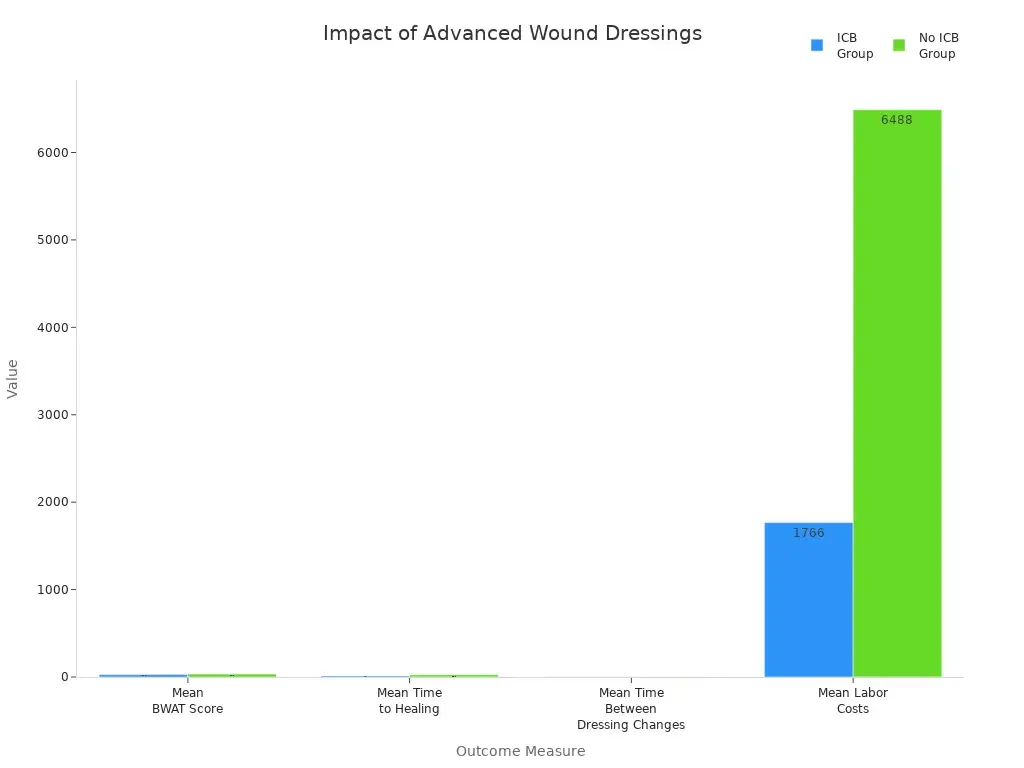
Advanced dressings help new skin grow faster. They also make patients feel safer and more comfortable. Many people say they have little or no pain. Most are happy with how their wounds are cared for.
Benefits of SLK Medical Innovations
SLK Medical gives you new dressing technology for wound care. The company uses D-Pore™ technology in silicone foam dressings. This helps control exudate and keeps wounds moist. It also makes dressing changes less painful. These dressings help new skin grow and heal wounds faster.
SLK Medical uses high-quality materials and a special way to make dressings. The company has a large smart factory in Anhui, China. They do research and make many wound care products. You can pick from silicone foam, hydrocolloid, and super absorbent dressings.
Technology Type | Description |
|---|---|
Silicone Foam Dressings | Good for sensitive skin and chronic wounds, helps healing and stops sticking. |
Core Foaming Technology | Uses a special mix for safe and comfy healing. |
Imported Raw Materials | Makes sure dressings are high quality. |
Unique Production Process | Uses advanced machines to make polyurethane foam dressings. |
SLK Medical dressings are easy to use and gentle on skin. They work well for wound care. SLK Medical products have important safety certificates like FDA, CE, and ISO 13485. Patients say exudate control is very good or excellent. Most people feel little or no pain when changing dressings. You can trust SLK Medical to help wounds heal.
Note: The world market for advanced wound dressings is growing quickly. You will see more new products and better ways to care for wounds soon.
You get the best results by picking dressings that fit your wound. It is important to keep wounds moist and safe from germs. This helps wounds heal and makes changing dressings easier. SLK Medical has advanced dressings that help healing and comfort. Always clean wounds before you put on a new dressing. Change dressings often and look for infection signs. Use dressings that help keep moisture and help new skin grow. If you see redness or swelling, ask a doctor for help. Learn about wound care and feel sure about your choices.
Dressing Feature | Benefit |
|---|---|
Moisture Management | Heals faster, less scarring |
Infection Control | Recovery is safer |
Patient Comfort | Changing dressings is easier |
FAQ
How often should you change your wound dressing?
You should change your dressing every 1 to 7 days. The exact time depends on the wound type and how much fluid it makes. Always follow your healthcare provider’s advice.
Can you shower with SLK Medical dressings on?
Yes, you can shower with most SLK Medical dressings. The waterproof film keeps water out and protects your wound. Pat the area dry after your shower.
What should you do if your wound dressing sticks to your skin?
Soak the dressing with sterile saline or water. This helps loosen it. Gently lift the edge and peel it back. If you feel pain, stop and ask for help.
Are SLK Medical dressings safe for sensitive skin?
SLK Medical dressings use gentle silicone layers. These layers protect fragile skin and reduce pain during changes. You can use them if you have sensitive skin.


