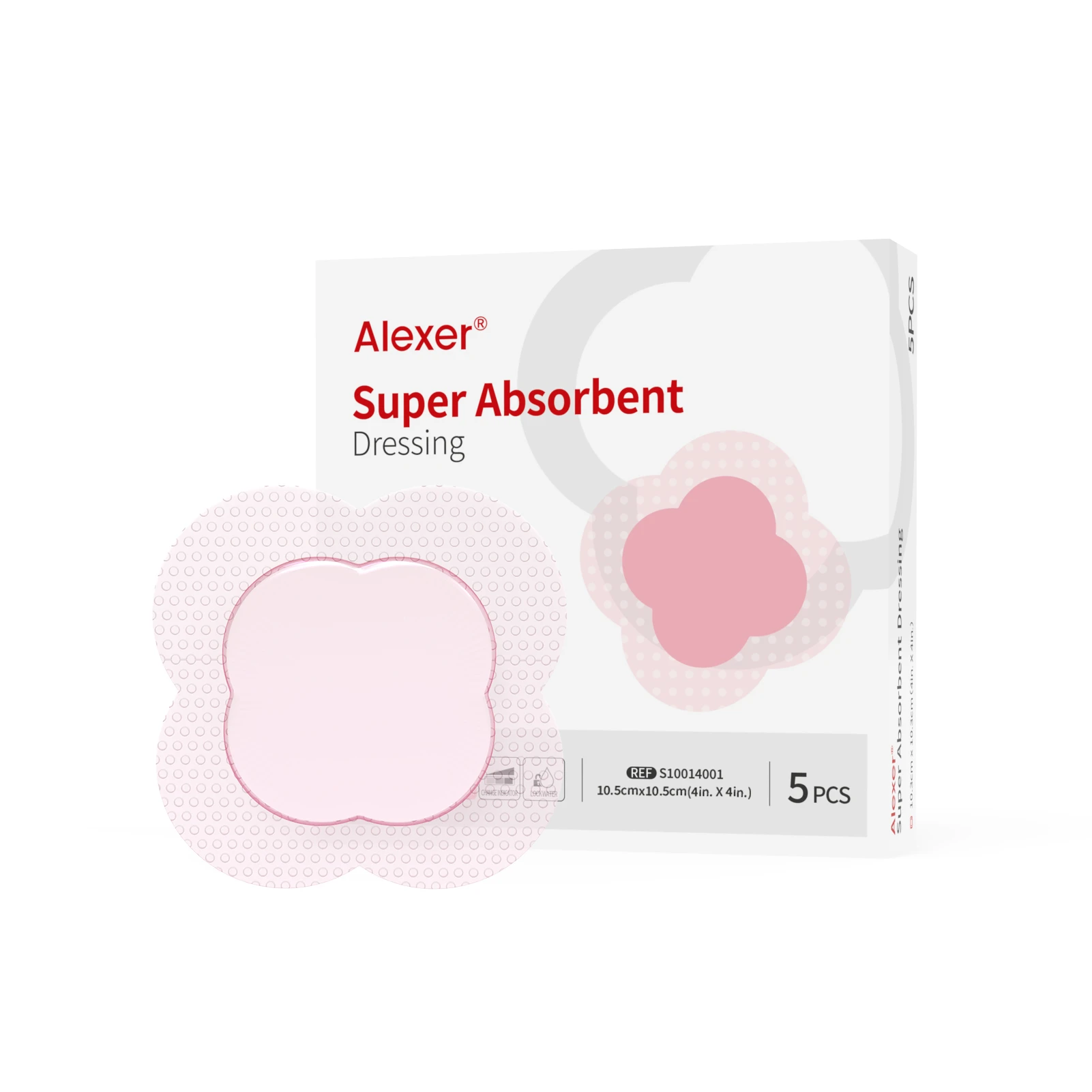
You might think seaweed is just a plant from the ocean, but scientists turn it into strong medical fibers. SLK Medical’s alginate wound dressing is the best in wound care. Hospitals and clinics everywhere use this dressing because it soaks up exudate, stops bleeding, and keeps wounds moist for healing. Patients say they feel less pain and heal faster. More people use alginate dressings every year, which shows people trust this technology.
Key Takeaways
-
Alginate dressings come from seaweed. They soak up exudate well. This keeps wounds moist. It helps wounds heal faster. Patients feel less pain when changing dressings. Alginate dressings do not stick to wounds. This makes taking them off gentle. These dressings work well for wounds with a lot of exudate. They are good for diabetic ulcers. They lower the chance of infection. They also protect the skin from damage. SLK Medical’s alginate dressings are safe and high quality. They give patients good wound care. Using alginate dressings means you change them less often. This causes less discomfort. It makes healing more comfortable.
Why Choose Alginate Dressings
Unique Properties of Alginate
Nature-Derived Innovation
It may seem strange, but seaweed helps wounds heal. Scientists turn seaweed into special dressings that soak up fluid. These dressings come from nature, so they are gentle on your skin. Alginate dressings work well with your body. They do not stick to wounds, so changing them hurts less.
Transformation from Seaweed to Medical Fiber
Turning seaweed into medical fiber is a smart idea. Experts make seaweed into soft fibers. These fibers become dressings that soak up a lot of exudate. When you put the dressing on a wound, it mixes with the exudate and turns into a gel. The gel keeps the wound moist and helps new cells grow faster.
Alginate dressings love water. They soak up exudate and make a moist place for healing. This also helps lower pain.
Exudate Management Benefits
Addressing Chronic Wound Challenges
Chronic wounds, like diabetic foot ulcers or pressure ulcers, make a lot of exudate. Handling this fluid is hard in wound care. If you do not control the exudate, healing slows down and problems can happen. Alginate dressings soak up a lot of exudate, so you do not need to change them often. This means less pain and less chance of hurting new skin.
|
Reason for Choosing Alginate Dressings |
Description |
|---|---|
|
High Absorbency |
Handles lots of exudate for many wounds. |
|
Moist Wound Environment |
|
|
Reduced Dressing Change Frequency |
Fewer changes mean less pain. |
|
Biocompatibility |
Gentle on skin and easy to take off. |
|
Ease of Removal |
Taking it off is almost painless, especially when wet. |
Preventing Periwound Maceration in High-Exudate Cases
Too much exudate can hurt the skin around the wound. This is called periwound maceration. Alginate dressings protect this area by holding in the fluid. They keep the wound moist but stop extra fluid from leaking out. This helps your skin stay healthy and lowers the chance of infection. You get safer and more comfortable healing with these dressings.
Understanding Exudate
What Is Exudate
Definition and Composition
Exudate is fluid that comes out of wounds. It comes from tiny blood vessels called capillaries. This fluid has water, electrolytes, nutrients, and waste. It also has white cells, proteases, growth factors, and inflammatory mediators. The mix changes with wound size and capillary leakage. There are different types of exudate in wound care. Some wounds make clear, straw-colored liquid called serous exudate. Other wounds have pink fluid with a little blood. This is called serosanguineous. Sometimes, you see red blood in the fluid. This is sanguineous. Hemorrhaging means there is a lot of blood and needs quick help. Purulent drainage looks yellow, gray, or greenish. It means there is an infection.
|
Type of Exudate |
Description |
|---|---|
|
Serous |
Clear straw colored liquid; normal part of healing. |
|
Serosanguineous |
Pink drainage with small blood presence; normal part of healing. |
|
Sanguineous |
Contains red blood; abnormal, may occur due to trauma. |
|
Hemorrhaging |
Contains frank blood; abnormal, requires emergency treatment. |
|
Purulent drainage |
Malodorous, yellow/gray/greenish; indicates infection. |
The Science of Ion Exchange
Alginate dressings use a special ion exchange process. Calcium ions in alginate fibers trade places with sodium ions in exudate. The reaction is:
Ca²⁺ (Alginate) + Na⁺ (Exudate) → Na⁺ (Alginate Gel) + Ca²⁺
This makes the dressing turn into a soft gel. The gel fits the wound shape. It keeps the wound moist so it can heal.
Importance of Exudate Management
Moist Wound Healing Environment
A moist wound helps healing happen faster. Exudate brings growth factors, oxygen, and nutrients to the wound. This moisture helps new cells grow. It also removes dead tissue. Absorbent dressings, like alginate dressings, keep moisture in and help cells grow.
Hemostatic Support
Alginate dressings help stop small bleeding. The gel helps platelets work. You see less bleeding and faster healing. These dressings also make changing them hurt less.
Clinical Applications
Alginate dressings are used for wounds with lots of exudate. Deep wounds need special care. Rope alginate is good for packing deep wounds. Sheet alginate covers flat wounds. Alginate dressings absorb more than other products. They help control severe exudate and stop problems like infection or slow healing. Good wound care keeps skin healthy and lowers the risk of maceration.
Patient Experiences with Alginate Wound Dressing
Comfort and Healing Outcomes
You want wound care that feels gentle and safe. Many patients say alginate wound dressing brings comfort and less pain. People feel less pain when they change the dressing. The dressing does not stick to wounds, so removal is easy. When the dressing touches exudate, it turns into a soft gel. This gel keeps the wound moist and helps new skin grow.
Absorbent dressings like alginate dressings help wounds heal. The moist area helps wounds heal faster and hurts less. The dressing gently cleans as it soaks up exudate. You do not feel pain when you take off the dressing. This makes healing better for you.
-
Patients feel less pain when changing dressings.
-
The dressing does not stick, so removal is easy.
-
Patients like the gentle cleaning from the dressing.
-
Keeping wounds moist helps wounds heal faster and hurts less.
Studies show alginate wound dressing helps wounds heal well. Wounds heal faster than with hydrocolloid dressings. People feel less pain and do not need to change dressings often. More leg ulcers heal with alginate dressings.
|
Evidence Type |
Outcome Description |
Source |
|---|---|---|
|
Healing Speed |
Alginate dressings help wounds heal faster than hydrocolloid dressings, with healing time about one day shorter. |
|
|
Pain Reduction |
Patients report significantly lower pain scores when using alginate dressings. |
N/A |
|
Dressing Change Frequency |
Alginate dressings do not require more frequent changes compared to other types. |
N/A |
|
Healing Success Rate |
31% of leg ulcers healed with alginate dressings compared to only 4% with hydrocolloid dressings. |
Patient stories show alginate wound dressing brings real healing. You feel comfort and less pain, and wounds heal faster.
Ease of Use and Dressing Changes
You want wound care that is simple to use. Alginate wound dressing makes wound care easy. You put the dressing on your wound, and it soaks up exudate fast. The gel forms and fits the wound shape. The dressing does not stick to your skin.
Absorbent dressings help you handle wound exudate. You do not need to change the dressing often. You feel less pain when you take off the dressing. The fibers break down on their own, so you do not feel discomfort. Wound care is easier and safer for you.
Alginate wound dressing works for many wounds. You can use it for diabetic ulcers, burns, and leg ulcers. The dressing keeps wounds moist and soaks up exudate. You get a clean wound bed and faster healing. Patient reviews show people trust this dressing.
You get wound care that is gentle, works well, and is easy to use. Alginate wound dressing gives you comfort, healing, and easy dressing changes.
Discover Alginate Wound Dressing
Explore how our Alginate Wound Dressing can enhance your wound care routine.
SLK Medical Alginate Wound Dressing Features
High Absorbency
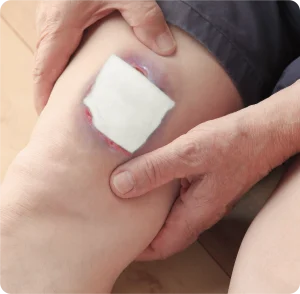
You need a dressing that can soak up lots of fluid. SLK Medical’s alginate dressings absorb exudate fast. The fibers trap the fluid and keep it inside. This keeps the wound moist and helps skin heal. You can use these dressings for wounds with much fluid. High absorbency means you change dressings less often. This makes wound care easier and more comfortable.
|
Feature |
Benefit |
|---|---|
|
Handles lots of exudate |
|
|
Moist Environment |
Helps wounds heal faster |
|
Less Changes |
Less pain and discomfort |
Hemostatic Properties
You want a dressing that helps stop bleeding. SLK Medical’s alginate dressings use calcium alginate for hemostasis. When you put the dressing on a bleeding wound, it helps form a clot. This works for both new and old wounds. Some dressings have zinc to help stop bleeding better. You get safer wound care and better healing.
-
Alginate dressings soak up exudate and lower infection risk.
-
They help treat bleeding wounds with hemostatic properties.
-
Some dressings use zinc for better hemostasis.
Biodegradable and Non-Adherent Design
You need a dressing that does not stick to your wound. SLK Medical’s alginate dressings turn into gel when they touch exudate. The gel does not stick to the wound. You can take off the dressing without pain. The fibers break down and wash away with saline. This makes wound care gentle and easy.
-
Alginate is biodegradable and washes away easily.
-
Calcium alginate makes a soft dressing that does not stick.
The SLK Manufacturing Advantage
High-Purity Raw Materials
SLK Medical uses very pure alginate in its dressings. You get strong gel and easy removal with no leftover pieces. The dressings soak up exudate well and keep wounds clean.
Comprehensive Certifications
You can trust SLK Medical because the dressings meet FDA and CE MDR rules. The company follows ISO 13485 standards. These certifications mean you get safe and high-quality products.
OEM Customization Services
SLK Medical offers OEM services for dressings. You can pick different sizes, rope or sheet types, and silver ion options. Private label packaging is available. You get dressings that fit your needs and help with wound care.
Pick SLK Medical for dressings that soak up fluid, come off gently, and give you trusted quality.
Comparing Alginate Dressings to Other Options
Foam Dressings
Absorption Capacity in High-Exudate Wounds
You might wonder how foam dressings deal with exudate. Foam dressings soak up fluid and give soft padding. They also help keep wounds warm. But if a wound has a lot of exudate, foam dressings fill up quickly. This means you may need to change them more often.
-
Alginate dressings soak up more exudate than foam dressings.
-
Foam dressings are good for medium drainage but not for heavy exudate.
-
Alginate dressings turn into gel that holds fluid and fits the wound.
-
Foam dressings feel soft but do not last as long with lots of exudate.
Comparison with Alginate Dressings
When you look at absorbent dressings, you see big differences. Alginate dressings are best for wounds with lots of drainage or deep wounds. They also help stop small bleeding. Foam dressings are better for wounds with less exudate and when you want extra padding.
If you need to control a lot of exudate, alginate dressings work better for wound care.
Hydrocolloid Dressings
Hydrocolloid dressings are another choice for wounds. They can soak up some exudate, but not as much as alginate dressings. You can see the main differences in the table below:
|
Feature |
Hydrocolloid Dressings |
Alginate Dressings |
|---|---|---|
|
2-5 grams per 10 cm² (24 hours) |
15-20 grams per 10 cm² (24 hours) |
|
|
Wear Time |
3-7 days |
1-3 days |
|
Economic Implications |
Less frequent changes |
Higher use in high-exudate wounds |
|
Periwound Maceration |
Higher risk |
Reduced by about 40% |
|
Healing Rates |
Similar |
Similar |
Hydrocolloid dressings can stay on the wound longer, but they might cause more skin problems if exudate leaks out. Alginate dressings lower the chance of periwound maceration and soak up more exudate.
Traditional Gauze
Traditional gauze is used a lot for wounds, but it does not handle exudate as well as newer dressings. Studies show silver alginate dressings help wounds heal faster and make scars smaller than gauze. Some patients had better healing and less scarring with silver alginate dressings.
-
Silver alginate dressings control exudate better than gauze.
-
Patients heal faster and have better scars with alginate dressings.
-
Alginate dressings help with wound care and comfort.
When you pick a dressing, think about how much exudate your wound has. Alginate dressings give you strong absorption, comfort, and better healing.
Why SLK Medical Is the Preferred Choice

Quality Assurance
High-Purity Raw Materials
You want your patients to have the best care. SLK Medical uses top-quality alginate in its dressings. This alginate comes from seaweed found in nature. High purity helps the dressing form a strong gel. It also makes removal easy. You see fewer leftover fibers after you change the dressing. The dressing absorbs exudate fast and keeps wounds clean.
Rigorous Manufacturing Standards
SLK Medical follows strict rules for making dressings. The products are made in a modern facility. Every step is checked to meet high standards. You can trust each dressing to help manage wounds well. The dressings handle wound exudate with care.
Residue-Free Removal
You do not want pain when changing dressings. SLK Medical alginate dressings turn into gel when they touch exudate. The gel does not stick to the wound. You can remove the dressing gently. The fibers break down and wash away. This makes you feel comfortable.
Professional Trust
Comprehensive Certifications
You need products that meet world standards. SLK Medical alginate dressings have important certifications. These show the dressings are safe and reliable.
|
Certification |
Relevance |
|---|---|
|
FDA |
Shows the dressings follow U.S. medical rules. |
|
ISO 13485 |
Means the dressings meet international quality standards. |
|
CE MDR |
Needed for selling in Europe. |
Endorsement by Medical Professionals
Doctors and nurses trust SLK Medical dressings. Hospitals and clinics use them for many wounds. Medical experts recommend them for wounds with lots of exudate. You see better healing and less pain.
OEM Customization Services
You can pick the dressing size and type you need. SLK Medical offers rope and sheet dressings. You can choose silver ion or private label packaging. This helps you match the dressing to each wound care need.
Patient Support
Dedicated Consultation Channels
You get help when you need it. SLK Medical gives advice to patients, caregivers, and healthcare workers. You can ask questions about wound care and exudate management.
Ongoing After-Sales Support
SLK Medical helps you after you buy their products. You get support for using the dressings and managing wounds. The company helps you handle wound exudate and pick the right dressing.
You deserve wound care that works. SLK Medical gives you quality, trust, and support for every step of healing.
You can see why alginate wound dressing is special. Alginate dressings help control exudate and keep wounds moist. These absorbent dressings help wounds heal better. Scientists say alginate dressings help new tissue grow. They also help cells move and fibroblasts work. Patients say they feel less pain and can take off the dressing easily. Wound care is faster with these dressings. You can use them for diabetic ulcers, burns, or after surgery. SLK Medical gives you wound care you can trust for wounds with exudate. You can visit their website or talk to your doctor to learn more.
|
Feature |
Patient Experience |
|---|---|
|
Non-adherent gel |
Less pain during dressing changes |
|
Biodegradable fibers |
No need for painful removal |
|
Multiple sizes |
Easy to match dressing to wound |
|
Simple application |
Quick and stress-free wound care |
FAQ
What makes alginate dressings different from other absorbent dressings?
Alginate dressings are special because they turn into gel. This happens when they touch exudate. The gel keeps the wound moist and fits its shape. Other dressings may not handle exudate as well.
How often should I change my alginate dressing?
Change your dressing when it is full of exudate. Most people change alginate dressings every one to three days. Always listen to your healthcare provider about wound care.
Can alginate dressings help with wounds that produce a lot of exudate?
Yes, alginate dressings are best for wounds with lots of exudate. They soak up a lot of fluid and keep the wound clean. This helps wounds heal better and lowers skin problems.
Are alginate dressings safe for sensitive skin?
Alginate dressings are safe for sensitive skin. The gel does not stick to wounds. This makes taking off the dressing gentle and easy. You feel less pain and your skin stays safe.
What types of wounds benefit most from alginate dressings?
Use alginate dressings for wounds with lots of exudate. These include pressure ulcers and diabetic foot ulcers. Alginate dressings help wounds heal and manage exudate. They are a good choice for many wounds.