You use alginate dressings for wounds with lots of fluid. These dressings are made from seaweed fibers. They can soak up a lot of liquid and feel soft. Studies show alginate dressings keep wounds moist. They help wounds heal better, especially ones that leak fluid. The table below shows some study results:
|
Study Title |
Year |
Findings |
|---|---|---|
|
A Real-world Study of a Calcium Alginate Dressing for Various Wound Etiologies |
N/A |
Talked about the good things alginate dressings do, like soaking up fluid and keeping wounds moist. |
SLK Medical’s Alexer® Alginate Wound Dressing is a new choice for wound care. Knowing what these dressings can do helps you get the best results.
Key Takeaways
-
Alginate dressings come from seaweed fibers. They work well for wounds with lots of fluid. These dressings keep wounds moist. Moist wounds heal faster.
-
The dressings soak up fluid and turn into a gel. This gel covers the wound and protects it. The gel helps lower pain when you change the dressing. It also stops the dressing from sticking to the wound.
-
Pick the right alginate dressing for the wound’s depth. Use sheets for wounds that are flat. Use ropes for wounds that are deep. This helps control fluid better.
-
Some alginate dressings fight bacteria. This lowers the chance of infection. A few dressings have silver particles for extra protection.
-
Always check the wound often. Change the dressing when needed. For wounds with lots of fluid, change every 1 to 3 days. This helps the wound heal well.
Composition of Alginate Dressings
Seaweed-Derived Fibers
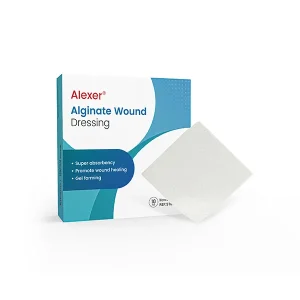
Alginate dressings use fibers from brown seaweed. Makers get alginate from seaweed cell walls. This natural material helps the dressing soak up fluid. When the fibers touch wound fluid, they turn into a soft gel. The gel keeps the wound wet and helps it heal.
Alexer® Alginate Wound Dressing has seaweed fibers in felt and rope shapes. You pick felt for flat wounds. Rope works for deep wounds. These shapes help control fluid and keep wounds clean.
Chemical Structure and Types
Alginate dressings have two main chemical parts. These are β-(1,4) linked d-mannuronic acid and α-(1,4)-linked l-guluronic acid. Together, these acids make the base of alginate hydrogels. The structure lets the fibers soak up fluid and turn into gel.
Calcium alginate dressings are good for wounds with lots of fluid. Calcium alginate gives strength and helps the dressing become gel when wet. Sodium alginate makes the gel softer and more bendable. Some dressings mix calcium alginate and sodium alginate for both strength and comfort.
Here is a table with the main parts of alginate dressings:
|
Component |
Description |
|---|---|
|
Calcium alginate |
Gives strength and turns into gel when it touches wound fluid. |
|
Sodium alginate |
Makes the dressing safe and helps it soak up fluid without sticking to wounds. |
Sodium alginate films are used because they bend easily. Sodium alginate hydrogels keep wounds wet and help healing. Calcium alginate dressings work best for wounds with lots of fluid. Many dressings use both sodium alginate films and calcium alginate blends.
Additives and Innovations
New alginate dressings have special things added to help healing. Some dressings use tiny silver particles to fight germs. Silver nanoparticles in alginate gels help stop infection. Growth factors are being tested to help wounds heal faster. Scientists also study stem cells in dressings to help fix tissue.
Alexer® Alginate Wound Dressing absorbs a lot and does not stick to wounds. Felt and rope shapes make it easy to use for many wounds. SLK Medical uses new technology to make dressings that meet high standards. The company works hard to make products that help people heal.
Tip: When you choose alginate dressings, look for high absorbency, gel making, and antibacterial agents. These features help you care for wounds better.
SLK Medical’s dressings use D-Pore™ technology for better fluid soaking and air flow. The company’s focus on quality means you get safe and helpful products for wound care.
How Alginate Dressings Work
Exudate Absorption and Gel Formation
When you put an alginate dressing on a wound, the sodium alginate fibers meet the wound fluid. This makes a soft gel form. The gel holds the fluid inside and stops leaks. This is how alginate dressings work best. The gel also helps you take off the dressing without hurting the wound. It does not stick to the skin. Alexer® Alginate Wound Dressing uses this gel to help wounds with lots of fluid. You can pick felt or rope shapes for different wounds.
Moist Environment for Healing
A wet wound heals faster than a dry one. Alginate dressings keep wounds wet by holding fluid in the gel. The sodium alginate soaks up the fluid and keeps the wound moist. This wetness helps new cells grow and stops the wound from getting dry. Studies say alginate dressings keep wounds moist better than some other dressings. The table below shows how alginate dressings compare to other products:
|
Study |
Comparison |
Findings |
|---|---|---|
|
Cannavo et al. |
Alginate vs. sodium hypochlorite gauze vs. combined dressing |
No statistically significant healing rates; higher pain and costs in sodium hypochlorite group. |
|
Sorbsan study |
Alginate vs. paraffin gauze |
31% healing rate for Sorbsan vs. 4% for tulle; 73% showed improvement. |
|
Pirone et al. |
Alginate with polyurethane film vs. hydrocolloid |
Healing rate related to moisture-retaining properties; diminished healing under alginate and gauze. |
Alexer® Alginate Wound Dressing uses sodium alginate to keep wounds wet and help them heal.
Hemostatic and Antimicrobial Effects
Alginate dressings help stop small amounts of bleeding. The calcium in the dressing meets the wound fluid and helps blood clot. This is another way alginate dressings work. Sodium alginate also helps control the wound area. You can use alginate dressings to lower the chance of getting a bacterial infection. The gel traps bacteria and keeps them away from the wound. Some dressings add things that fight bacteria.
Research shows alginate dressings help wounds heal faster and lower pain. They also catch bacteria like Staphylococcus aureus and Pseudomonas aeruginosa. This lowers the risk of infection. You can trust Alexer® Alginate Wound Dressing to help stop bleeding and protect against bacteria. The sodium alginate fibers and antibacterial parts work together to keep wounds safe.
Tip: Always pick an alginate dressing that fights bacteria well and traps bacteria. This helps stop infections and helps wounds heal.
Benefits of Alginate Dressings
You want wounds to heal well. Alginate dressings help in many ways. They soak up lots of fluid. They lower pain. They help remove dead tissue. They break down safely in the body. These features make wound care better. Alexer® Alginate Wound Dressing uses special sodium alginate fibers and smart design.
High Absorbency
You need dressings that soak up fluid fast. Alginate dressings use sodium alginate fibers for this. The fibers turn into gel when wet. The gel keeps the wound moist. It traps bacteria and keeps them away from the wound. This lowers the chance of infection.
Alginate dressings can soak up fluid when dry. They form gels that keep wounds moist. This helps stop infections and helps new skin grow.
You use alginate dressings for cuts, scrapes, and ulcers. They soak up fluid and help control bleeding. You change dressings less often. This means less pain for patients and less work for nurses.
|
Evidence Description |
Key Points |
|---|---|
|
High absorbency and moist healing |
Alginate dressings work well for many wounds. They soak up fluid and keep wounds moist. |
|
Usage in surgical and chronic wounds |
They are good for cuts, scrapes, and ulcers. They help control infection. |
|
Biocompatibility and sustainability |
Non-antimicrobial alginate dressings are safe and break down naturally. They are good for the environment. |
Alexer® Alginate Wound Dressing uses sodium alginate for better soaking. The gel forms fast and keeps wounds clean. This helps wounds heal faster and better.
Pain Reduction and Comfort
You want patients to feel less pain. Alginate dressings do not stick to wounds. The gel makes a soft layer over new skin. You can take off the dressing easily. This means less pain and less damage. Patients feel better and heal faster.
-
Alginate dressings help stop bleeding and soak up fluid.
-
You change dressings less often, so patients feel less pain.
-
The dressing fits many wound shapes and helps remove dead tissue.
Alexer® Alginate Wound Dressing uses soft sodium alginate fibers. Patients feel less pain when you change dressings. The dressing fits many wounds and helps healing. You help patients get better with less stress.
Autolytic Debridement Support
You need dressings that help clean wounds. Alginate dressings keep wounds moist. The gel helps remove dead tissue. The wound cleans itself as the gel lifts away old skin. You do not need to scrub hard. This helps the wound heal naturally.
|
Evidence Summary |
Description |
|---|---|
|
Moist Environment |
Alginate dressings keep wounds moist. This helps clean wounds and heal faster. |
|
Hydrophilic Properties |
These dressings soak up fluid and help wounds heal. |
You use alginate dressings to soak up fluid and control bleeding. The moist gel helps clean wounds and heal better. Alexer® Alginate Wound Dressing uses sodium alginate for this. Wounds heal faster and have fewer infections.
Biodegradability
You want dressings that are safe for people and nature. Alginate dressings use natural sodium alginate fibers. These fibers break down in the wound. You do not need to pull them out hard. This means less pain and less damage. The dressing is good for the environment and makes less trash.
|
Material |
Biodegradability |
Absorbency |
|---|---|---|
|
Alginate Dressings |
Break down naturally |
Soak up lots of fluid |
|
Silver Dressings |
Not listed |
Soak up lots of fluid |
|
Calcium Alginate Dressings |
Not listed |
Soak up lots of fluid |
Alexer® Alginate Wound Dressing uses fibers that break down safely. Patients heal with less pain and fewer infections. The dressing helps wounds heal and fits your needs.
Tip: Pick alginate dressings that soak up fluid, feel soft, help clean wounds, and break down safely. Alexer® Alginate Wound Dressing gives you these benefits and helps patients heal better.
Limitations and Contraindications
Unsuitable Wound Types
It is important to know when not to use alginate dressings. These dressings work best for wounds with lots of fluid. If you use them on the wrong wound, healing can slow down or problems can happen. Do not use alginate dressings for these wounds:
-
Wounds with little fluid
-
Wounds that bleed a lot and cannot be controlled
-
Third-degree burns
Sodium alginate needs moisture to make a gel. If you put it on a dry wound, it will not work. For wounds with little fluid, sodium alginate can make the wound bed too dry. You should also not use alginate dressings for wounds that bleed a lot or for deep burns.
Potential Side Effects
Most people use sodium alginate safely, but you should watch for side effects. Some people may feel pain or see more dead tissue in the wound. Sometimes, you may see an infection or a skin problem caused by fungus. Rarely, calcium alginate can cause hard spots in the skin at donor sites. If you see redness or swelling, talk to a doctor. Sodium alginate does not often cause allergies, but stop using it if you see a rash.
-
Pain
-
Infection in the wound
-
More dead tissue
-
Skin problems from fungus
-
Hard spots in the skin (rare)
Sodium alginate can sometimes leave bits in the wound. This is not harmful, but you should clean the wound before putting on a new dressing.
Application Considerations
You must use sodium alginate the right way for good results. Keep the dressing moist, but do not let it get too wet. Too much moisture can hurt the skin around the wound. Sodium alginate soaks up fluid and makes a gel. This helps fight germs and keeps the wound wet. Change the dressing based on how much fluid is in the wound. For new wounds or wounds with lots of fluid, check the dressing within one day. For most wounds, change the dressing every one to three days. If you see fluid or the dressing looks heavy or dirty, change it sooner. As the wound heals and has less fluid, you can change the dressing less often.
|
Consideration Type |
Details |
|---|---|
|
Keep the wound moist |
Make sure the dressing is wet but not too wet. This helps healing and stops skin damage. |
|
How often to change |
Change the dressing based on how much fluid is in the wound: a lot, some, or a little. |
|
First change |
Check the dressing within one day to see how much fluid it soaked up. |
|
Regular changes |
Change the dressing every one to three days, depending on the wound. |
|
When to change |
If you see fluid or the dressing looks heavy or dirty, change it right away. |
|
Healing progress |
Change the dressing less often as the wound heals and has less fluid. |
Sodium alginate helps stop germs and protects the wound. Always watch for signs of infection. If you see more pain, bad smell, or pus, ask a doctor for help. Sodium alginate works well for fighting germs and helping wounds heal, but you must use it on the right wounds and follow the best steps.
Types and Forms of Alginate Dressings
Sheets, Ropes, and Ribbons
There are different types of alginate dressings. You pick the type based on the wound. Sheets are good for wounds on the surface. Ropes and ribbons are used for deep wounds. Each type helps soak up fluid and keeps the wound clean.
|
Type of Alginate Dressing |
Clinical Indication |
|---|---|
|
Sheet |
For shallow, heavily exuding wounds like leg ulcers |
|
Rope |
Used to pack cavity wounds |
|
Ribbon |
Used to pack cavity wounds |
Sheets cover flat wounds and soak up fluid. Ropes and ribbons fill deep spaces and pull out fluid from inside. Picking the right type helps the wound heal faster.
Alexer® Alginate Wound Dressing comes as felt sheets and ropes. Felt sheets are for flat wounds. Ropes are for deep wounds and holes. Both types use sodium alginate fibers to soak up fluid and make a soft gel.
Advanced Forms and Additives
Some alginate dressings have special features. Many use sodium alginate to soak up lots of fluid and keep wounds wet. Some dressings add silver or other things to fight germs. New types mix sodium alginate with graphene oxide to make the dressing stronger and kill more germs.
Here are some things you might find in advanced alginate dressings:
-
Soaks up lots of fluid with sodium alginate fibers
-
Materials that break down safely in the body
-
Safe for sensitive skin and not harmful
-
Silver added for extra germ protection
-
Helps keep wounds wet
-
Lowers bacteria at the wound
Some dressings use growth factors to help new skin grow. Products like Regranex Gel and Easyef use special proteins to help wounds heal faster. Studies show these extras can help hard-to-heal wounds get better.
|
Product Name |
Features |
|---|---|
|
Algisite® |
Non-occlusive, bioabsorbable, high absorbability, retains moist environment |
|
AMERX® Calcium Alginate Dressings |
Non-occlusive, bioabsorbable, high absorbability, retains moist environment |
|
Cutimed® Alginate |
Non-occlusive, bioabsorbable, high absorbability, retains moist environment |
|
MedVance® Alginate |
Non-occlusive, bioabsorbable, high absorbability, retains moist environment |
|
Tegaderm™ Alginate |
Non-occlusive, bioabsorbable, high absorbability, retains moist environment |
|
Sorbalgon® |
Non-occlusive, bioabsorbable, high absorbability, retains moist environment |
SLK Medical Product Range
SLK Medical has many wound care products. Alexer® Alginate Wound Dressing uses sodium alginate in felt and rope shapes. You use these for wounds with a lot of fluid. The dressing keeps the wound warm and helps new skin grow.
SLK Medical also makes silicone foam, hydrocolloid, and super absorbent dressings. You can find products for sensitive skin, long-lasting wounds, and after surgery. Each product uses new technology to help wounds heal better.
Tip: Pick the right type of sodium alginate dressing for each wound. Sheets are for surface wounds. Ropes and ribbons are for deep wounds. Advanced types and extras give more protection and faster healing.
Performance Factors
Absorption and Wear Time
You want a dressing that handles wound fluid well. Sodium alginate dressings can soak up 10 to 30 times their weight in fluid. This strong absorption keeps wounds clean and dry. How much fluid a dressing holds depends on the sodium alginate type. Some brands, like Sorbsan, soak up more fluid but might leak to the sides. You should check the wound often to see if you need to change the dressing.
Here are tips for using sodium alginate dressings:
-
For wounds with a lot of fluid, change the dressing every 1 to 3 days.
-
For wounds with less fluid, you can leave the dressing on for up to 7 days.
-
If the wound is infected, check it every day and change the dressing every 12 to 24 hours.
-
For deep wounds, use sodium alginate rope fillers and change them every 1 to 2 days.
-
For wounds that are healing and growing new skin, change the dressing every 3 to 5 days.
SLK Medical’s D-Pore™ technology helps these dressings soak up fluid fast and spread it out. This means you can leave the dressing on longer and change it less often. You also get products that are safe and meet FDA and ISO 13485 rules.
Mechanical Properties
You need a dressing that stays strong when it gets wet. Sodium alginate fibers help the dressing hold together and make a soft gel. The gel protects the wound and keeps the dressing from breaking apart. The strength of sodium alginate dressings makes them easy to take off without hurting the wound.
SLK Medical uses new technology to make tough but gentle dressings. The felt and rope shapes fit many kinds of wounds. You can trust these dressings to stay in place and help wounds heal. The gel made by sodium alginate fibers keeps wounds moist and safe.
Note: Strong dressings mean you can use sodium alginate for deep wounds and wounds with lots of fluid.
Antimicrobial Enhancements
Sodium alginate dressings do not kill germs by themselves. They can trap bacteria and lower the number of germs in the wound. Studies show sodium alginate dressings catch bacteria like Staphylococcus aureus and Pseudomonas aeruginosa. This helps keep wounds cleaner.
Some sodium alginate dressings have extra things, like silver ions, to fight infection. These extras make the dressing better for wounds that might get infected. You can use sodium alginate dressings with germ-fighting agents for wounds that need more protection.
-
Sodium alginate dressings trap bacteria and help lower infection risk.
-
Silver ions and other extras make sodium alginate dressings fight germs better.
-
You have more choices for wound care with these features.
SLK Medical has sodium alginate dressings with advanced features. You can pick products that help fight infection and support healing. The company’s certificates show you get high-quality dressings every time.
|
Feature |
Benefit |
|---|---|
|
High absorption |
Handles wound fluid and keeps wounds clean |
|
Protects wound and makes removal easy |
|
|
Antimicrobial enhancements |
Lowers infection risk and supports healing |
You can count on sodium alginate dressings for safe and good wound care. SLK Medical’s products give you the best in soaking up fluid, strength, and protection.
Clinical Applications in Wound Care
Indicated Wound Types
Alginate dressings are used for many kinds of wounds. They work best for wounds that leak a lot of fluid. You can use them for both new and old wounds. The main wounds for alginate dressings are:
-
Pressure ulcers
-
Diabetic ulcers
-
Venous and arterial leg ulcers
-
Post-operative wounds
-
Graft and donor sites
-
Cavity wounds
-
Superficial and partial thickness burns
These wounds need good fluid control and help fighting germs. Alginate dressings soak up fluid and help wounds heal. Studies compare how well different dressings work for these wounds:
|
Study Reference |
Type of Dressing Compared |
Findings |
|---|---|---|
|
Ahroni 1993 |
Calcium-alginate |
No big difference in healing compared to dry gauze |
|
Donaghue 1998 |
Collagen-alginate |
No big difference in healing compared to saline gauze |
|
Lalau 2002 |
Calcium-alginate |
No big difference in healing compared to paraffin gauze |
You should always pick the right dressing for each wound. This helps wounds heal better.
Application Guidelines
There are easy steps for using alginate dressings. First, clean the wound with a gentle liquid. Dry the skin around the wound. Put the sodium alginate dressing on the wound. For deep wounds, use rope or ribbon shapes to fill the space. Cover the dressing with another layer to keep it in place.
Change the dressing based on how much fluid comes out. Here are some tips:
-
Change every 1–2 days if there is a lot of fluid.
-
Change every 2–3 days if there is some fluid.
-
Change when the dressing turns into gel or leaks.
-
For infected wounds, check and change every day.
-
Look at the wound every 1–3 days to see how it heals.
-
Some dressings can stay up to 7 days, but most need changing every 1–3 days.
This routine helps stop germs from growing and helps wounds heal. Always check for signs of infection or changes in the wound.
SLK Medical Solutions
SLK Medical gives you new ways to care for wounds. The company follows CE MDR and ISO 13485 rules. You can trust their products in hospitals and clinics. SLK Medical uses D-Pore™ technology to soak up fluid and let air in. These dressings help with new wounds, old wounds, and wounds that might get infected.
You can also ask for special sizes, shapes, and packages. SLK Medical lets you pick what you need for your patients. This helps you care for wounds in the best way. The company works with healthcare brands all over the world and gives great results.
If you want to know more or see all the products, visit SLK Medical’s official website or the Alexer® Alginate Wound Dressing page.
Alginate dressings help wounds heal faster. They use sodium alginate fibers from seaweed. When sodium alginate touches wound fluid, it makes a soft gel. The gel keeps the wound wet and helps new skin grow. Sodium alginate soaks up fluid and helps lower pain. You do not need to change the dressing as often because it holds more fluid. Sodium alginate is safe and breaks down on its own. Alexer® Alginate Wound Dressing uses sodium alginate to help wounds heal and hurt less. You should look at wounds often and choose the best sodium alginate dressing for each wound.
|
Key Aspect |
Details |
|---|---|
|
Composition |
Sodium alginate fibers from brown seaweed |
|
Mechanism |
Sodium alginate forms gel, keeps wounds moist |
|
Benefits |
Sodium alginate absorbs fluid, reduces pain, supports healing |
|
Clinical Impact |
Sodium alginate shortens healing time, lowers dressing change frequency |
You can learn more about sodium alginate dressings and ask for samples on SLK Medical’s website. Talk to wound care experts before picking sodium alginate dressings.
-
Go to SLK Medical’s product page for alginate wound dressing.
-
Ask for free samples by filling out the contact form.
FAQ
What are alginate dressings made from?
You find alginate dressings made from brown seaweed. Manufacturers turn seaweed fibers into soft sheets or ropes. These fibers help soak up wound fluid and form a gentle gel.
How do you use an alginate dressing?
You clean the wound first. Place the alginate dressing directly on the wound. For deep wounds, use rope or ribbon forms. Cover with a secondary dressing. Change it when the gel forms or as your doctor tells you.
Can you use alginate dressings on dry wounds?
No, you should not use alginate dressings on dry wounds. These dressings need moisture to work. They only help when the wound has enough fluid.
How often should you change an alginate dressing?
You usually change the dressing every 1 to 3 days. If the wound has a lot of fluid, you may need to change it more often. Always check the dressing and follow your healthcare provider’s advice.
Do alginate dressings hurt when you remove them?
You will feel less pain when you remove alginate dressings. The gel does not stick to the wound. This makes dressing changes easier and more comfortable for you.