


If you want your wound to heal fast and hurt less, you should pick the right dressing. Alginate dressing is special because it soaks up fluid. It keeps the wound wet and helps it heal faster. You can see how healing rates change:
|
Dressing Type |
Healing Rate (%) |
Notes |
|---|---|---|
|
Alginate (Sorbsan) |
31 |
Helped wounds get smaller much faster. |
|
Paraffin gauze |
4 |
Healed much slower than alginate dressing. |
You get more alginate dressing benefits with Alexer® from SLK Medical. This product absorbs a lot and helps stop bleeding. It also feels comfortable for patients. It helps your wound heal in a wet place. This makes pain less, lowers scars, and helps wounds heal better. SLK Medical uses new technology and strong quality rules to help your wound heal.
Key Takeaways
-
Alginate dressings soak up a lot of fluid. They keep wounds moist and help them heal faster. These dressings do not stick to wounds. This makes changing them less painful and more comfortable for people. Calcium alginate dressings help stop bleeding. They also lower the chance of infection. This makes wound care better. SLK Medical’s Alexer® alginate dressing breaks down naturally. It meets strict safety rules. This makes wound care safe and good for the environment. Use alginate dressings for wounds that leak a lot. These wounds include ulcers and burns. This helps wounds heal better.
What Is Alginate Dressing?
Composition and Types
You might wonder why alginate dressing is different. This dressing comes from seaweed found in the ocean. Companies take alginic acid from brown seaweed to make it. The main part, alginate, is a natural material made of two acids. These are D-mannuronic acid and L-guluronic acid. When you use alginate dressing, you get something natural that soaks up liquid very well.
There are a few types of alginate dressings you can pick:
-
Calcium alginate dressing is the most common. It turns into a gel when it touches wound fluid.
-
Silver alginate dressing has silver ions. These help protect against germs.
-
Calcium sodium alginate dressing is more flexible. It also makes a better gel.
-
Rope form alginate is good for deep wounds or wounds with tunnels.
How Alginate Dressings Work
When you put alginate dressing on a wound, it starts working fast. The dressing mixes with the wound fluid. This happens through ion exchange. Calcium ions from the dressing switch places with sodium ions in the wound. This swap turns the dressing into a soft gel. The gel fits the wound shape. It keeps the wound wet, which helps it heal faster. The dressing can soak up a lot of fluid, even up to 20 times its weight. Calcium ions also help stop small amounts of bleeding.
|
Step |
Description |
|---|---|
|
Ion Exchange |
Calcium ions from the dressing trade places with sodium ions in the wound fluid. This turns calcium alginate into sodium alginate. |
|
Gel Formation |
This change makes a gel that fits the wound and keeps it moist. |
|
Exudate Absorption |
The dressing can soak up lots of wound fluid. It works well for wounds that leak a lot. |
|
Hemostatic Properties |
Calcium ions help blood clot, which is good for wounds that bleed. |
Studies show alginate dressing can help wounds heal faster and hurt less. The gel keeps the wound moist. This helps healing and makes it easier to change the dressing.
SLK Medical’s Alexer® Product Overview
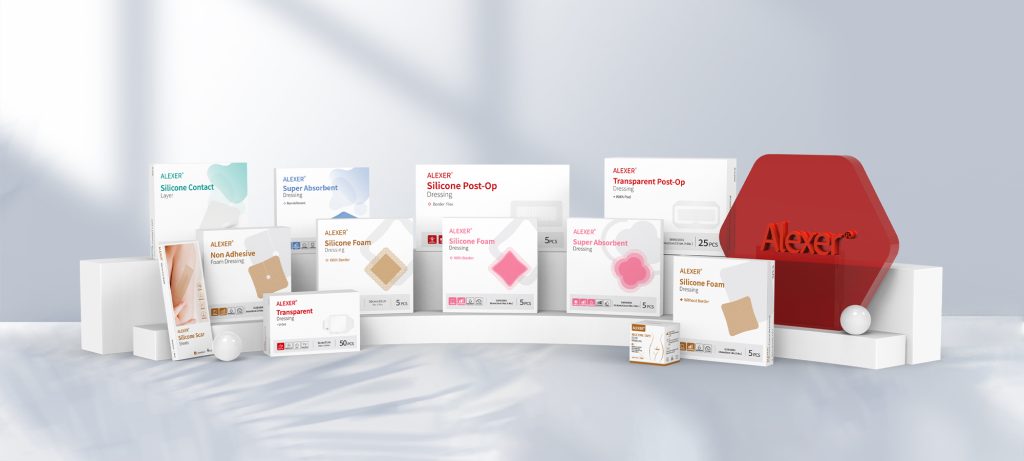
SLK Medical makes the Alexer® Alginate Wound Dressing. This dressing is known for being safe and new. It meets FDA, ISO 13485, and CE MDR rules. You can trust it works well and is safe. Alexer® soaks up a lot of fluid and helps stop bleeding. It is also biodegradable, so the fibers break down on their own. You do not have to worry about pain when you take it off. The gel does not stick to the wound, so changing dressings is easier. Alexer® also helps keep your wound clean. It helps your body get rid of dead tissue.
|
Feature |
Description |
|---|---|
|
High Absorbency |
Makes a gel when it touches wound fluid. This keeps the wound moist. |
|
Hemostatic Properties |
Helps stop small bleeding by making blood cells stick together. |
|
Biodegradable |
The fibers break down by themselves, so removal does not hurt. |
|
Non-Adherent |
The gel does not stick to the wound, so changing dressings is easier. |
|
Promotes Autolytic Debridement |
Keeps the wound moist to help remove dead tissue naturally. |
With Alexer®, you get an alginate dressing that helps wounds heal and keeps you comfortable.
Alginate Dressing Benefits for Wound Healing

High Absorbency and Moist Environment
You need a dressing that can soak up lots of fluid. Alginate dressing is good at this. It pulls extra fluid away from the wound. This keeps the wound clean and helps it heal. When you use calcium alginate dressing, the wound stays moist. A moist wound helps new cells grow. This is important for healing.
Alginates pull fluid away from the wound. This stops bad things from slowing healing. The wound stays moist, which helps it heal. Alginate dressings do not stick if there is enough fluid. This makes changing dressings less painful. New tissue is not hurt when you change it.
A moist wound helps your body clean out dead tissue. It also lowers the chance of infection. You get better healing and less pain with a dressing that soaks up fluid.
-
A moist wound helps new cells move and grow.
-
Alginate dressings keep the wound moist. This helps your body clean out dead tissue.
Gel Formation and Non-Adherence
When you put calcium alginate dressing on a wound, it reacts with the fluid. The dressing turns into a soft gel. The gel fits the wound and keeps it moist. You do not have to worry about the dressing sticking. The gel makes changing dressings easy and less painful.
-
Alginate hydrogels keep the wound moist and soak up extra fluid.
-
They do not stick to the wound, so it hurts less.
-
The gel can be changed to be stronger or more flexible for different wounds.
|
Evidence |
Description |
|---|---|
|
Gelation Process |
Guluronic acid in alginate reacts with calcium to make a gel. This gel does not stick much. |
|
Non-Adhesion |
Alginate does not stick to skin or cells. This is good for wounds. |
|
Hydrogel Properties |
Using carbonated water helps the gel form fast. It also stops acid from staying in the dressing. This makes alginate better for wounds. |
Alginate dressing does not stick to wounds. You feel more comfortable and have less pain when you change it. This is important for people who need wound care.
Alginate dressings are known for not sticking to wounds. This means you can take them off without pain. They also keep the wound moist, which helps it heal.
Hemostatic Properties of Calcium Alginate Dressing
If your wound bleeds, you need a dressing that helps stop it. Calcium alginate dressing uses calcium to help your blood clot. This is a big benefit of alginate dressing. The dressing soaks up blood and keeps the wound clean. You get better care and less chance of infection.
A study showed that calcium alginate dressings helped stop bleeding after some medical procedures. People who used alginate dressings had less bleeding than those who used gauze. The dressings also helped stop bleeding for a longer time. They lowered infection and made patients more comfortable.
-
Calcium alginate helps your blood clot when you first get hurt.
-
These dressings help blood clot and stop bleeding during surgery.
-
Calcium from the dressing helps start the clotting process.
You get strong help to stop bleeding with calcium alginate dressing. This helps you take care of wounds that bleed and lowers infection risk.
Autolytic Debridement and Infection Control
Alginate dressing helps your body clean the wound. The moist wound helps your body remove dead tissue. This makes wound care easier and safer. The dressing keeps the wound moist and soaks up extra fluid.
-
Alginate dressings have been used for a long time.
-
They keep the wound moist.
-
They soak up fluid and turn into a gel. This helps your body clean out dead tissue.
-
Alginate dressings keep the wound moist.
-
They soak up fluid and make a soft gel.
-
The gel helps remove dead tissue.
-
Alginates are safe to use.
-
They give the wound a moist place to heal.
Alginate dressing also helps stop infection. Studies show that alginate dressings lower infection in wounds. Some studies from China showed they work well to stop infections. Other studies showed fewer infections with alginate dressings. They also helped with wounds that had a high chance of getting infected. Alginate dressings can also stop infections from coming back.
You lower the chance of infection and help your wound heal faster with alginate dressing.
Patient Comfort and Biodegradability
You want a dressing that feels good and is easy to take off. Alginate dressing soaks up fluid and does not stick. You feel less pain and more comfort when you change it. This is important for people who need wound care.
|
Study |
Dressing Types Compared |
Key Findings |
|---|---|---|
|
Higgins et al. (2012) |
Polyurethane foam vs. Kaltostat® |
Both dressings worked the same for pain and comfort. Foam was cheaper. |
|
Ding et al. (2013) |
AQUACEL® Ag vs. Alginate Silver |
Alginate Silver was better for pain and healing time. |
|
Brolmann et al. (2013) |
Six types including alginate |
Hydrocolloid healed fastest. Gauze had more infections. |
|
Yuki et al. (2017) |
Banded vs. non-banded dressings |
Foam and tape were easier and saved time. |
Alginate dressings are good for the environment. They are made from natural materials. They break down on their own after use. This means less trash and helps the planet.
-
Alginate dressings are made from natural materials. They are safe for people and the earth.
-
These dressings break down after use. This means less trash than plastic dressings.
-
Using biodegradable dressings is better for the environment.
-
Hospitals can make less trash by using these dressings.
-
Dressings that break down help the earth and still work well for wounds.
SLK Medical’s Innovation and Quality Assurance
You want the best care for your wounds. SLK Medical uses new technology to make alginate dressings even better. The Alexer® Alginate Wound Dressing uses special pore technology. This helps it soak up more fluid and lets air in. You get better wound care and less chance of infection.
SLK Medical follows strict rules for quality. Their products meet FDA and ISO standards. The company cares about patients and new ideas. You can trust SLK Medical to give you safe and good wound care.
Pick the best for your wounds. SLK Medical works hard to make sure you get all the benefits of alginate dressing for healing.
Best Uses and Application Tips
Suitable Wound Types
It is important to know which wounds need alginate dressing. This dressing works best for wounds that leak a lot. You can use it for many kinds of wounds. The table below shows where alginate dressing helps most.
|
Wound Type |
Description |
|---|---|
|
Moderate to heavily exudating wounds |
Good for wounds with lots of fluid. |
|
Surgical wounds |
Used after surgery to help healing. |
|
Traumatic wounds |
Works for wounds from accidents. |
|
Partial thickness burn wounds |
Good for burns that are not too deep. |
|
Chronic wounds |
Used for venous leg ulcers and pressure ulcers. |
Chronic Wounds (Ulcers)
Alginate dressing is good for chronic wounds. These wounds leak fluid and heal slowly. Ulcers are a type of chronic wound that need special care.
Pressure Ulcers
If you have a pressure ulcer, alginate dressing helps control fluid. It keeps the wound moist. This helps new skin grow and heal faster.
Diabetic Foot Ulcers
Diabetic foot ulcers often leak a lot. Alginate dressing soaks up the fluid and protects the wound. This helps the wound heal and hurts less.
Venous Leg Ulcers
Venous leg ulcers leak a lot of fluid. Alginate dressing keeps the wound clean and moist. This helps your body heal the wound.
Burns (Partial-Thickness)
Partial-thickness burns need a dressing that handles fluid. Alginate dressing turns into a gel and keeps the wound moist. This helps your skin heal faster.
Surgical Wounds
You can use alginate dressing after surgery. It soaks up fluid and protects the wound.
Donor Sites
Donor sites leak fluid after tissue is taken. Alginate dressing helps control the fluid and keeps the area clean.
Traumatic Wounds with Moderate to Heavy Exudate
If you have a wound from an accident that leaks a lot, alginate dressing soaks up the fluid. It also helps stop infection.
When Not to Use Alginate Dressings
Alginate dressing is not right for every wound. Some wounds do not need this kind of care. Here are times when you should not use alginate dressings:
-
Do not use alginate dressings on dry eschar.
-
Do not use them on third-degree burns.
-
Do not use for surgical implants.
-
Not for wounds with heavy bleeding.
-
Not for wounds covered with eschar.
-
Not for dry wounds.
Tip: Always look at your wound before picking a dressing. If your wound is dry or has a hard scab, use a different dressing.
Application Guidelines and Safety
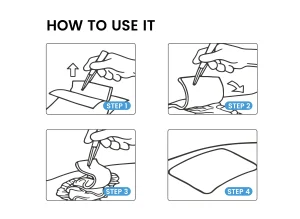
You need to follow safe steps when using alginate dressing. Here is an easy guide to help you:
-
Look at your wound. Make sure it leaks a lot.
-
Pick the right alginate dressing. Use sheets, ribbons, or other types for your wound.
-
Cut the dressing to fit your wound. Put it on gently and cover with another dressing.
-
Change the dressing when it gets wet or as your doctor says. Check your wound each time you change it.
-
Do not use alginate dressing on dry wounds or third-degree burns.
You should also remember these safety tips:
-
Do not use alginate dressing on dry wounds or third-degree burns.
-
Do not use if you see bone, tendon, or ligament in the wound.
-
Protect healthy skin around the wound with a barrier.
Note: Always ask your doctor or nurse if you are not sure which dressing to use.
SLK Medical’s Product Range and Customization
SLK Medical gives you many choices for wound care. You can get alginate dressing in many sizes and shapes. The company also makes custom dressings. This means you can get dressings made just for you.
OEM and Customization Services
SLK Medical listens to doctors, nurses, and patients. The company changes products fast to match what you need. You get good wound care that fits your clinic or hospital.
Free Sample Application
You can ask SLK Medical for free samples. This lets you try the product before you buy it. You can see how well it works for your patients.
Product Certification (FDA, ISO 13485)
SLK Medical follows strict rules for safety and quality. The products have FDA and ISO 13485 approval. You can trust that you get safe and good wound care.
Company Strength and Expertise
SLK Medical uses new technology and listens to customers. The company has lots of experience in wound care. You get products that help wounds heal faster and keep patients comfortable.
Choose better for your patients. SLK Medical gives you advanced wound care that helps healing and comfort.
You get lots of health benefits from alginate dressings. These dressings soak up more fluid than regular ones. They help wounds heal faster. You feel less pain and stay comfortable. Studies show alginate dressings control wound fluid well. They help people with chronic wounds live better.
|
Key Findings |
Description |
|---|---|
|
Hydrophilic Properties |
Alginate dressings soak up 15-17 times their weight in saline. |
|
Exudate Management |
They lower wound fluid and need fewer dressing changes. |
|
Quality of Life Impact |
Alginate dressings help people with chronic wounds feel better. |
Good choices like Alexer® keep wounds moist and help blood clot. You should talk to your doctor or ask SLK Medical for advice, bulk orders, or free samples.
FAQ
What is an alginate dressing made from?
You get alginate dressings from natural seaweed. Manufacturers process seaweed to create fibers that absorb fluid and help wounds heal.
How does an alginate dressing help wounds heal?
You place the dressing on your wound. It absorbs fluid and forms a gel. This gel keeps a moist wound bed, which helps new skin cells grow.
When should you use an alginate dressing?
You should use alginate dressings for wounds that leak a lot, like ulcers, burns, or surgical wounds. These dressings work best when the wound is wet.
Is it painful to remove an alginate dressing?
You do not feel much pain when you remove alginate dressings. The gel does not stick to your wound, so dressing changes are gentle.
Can you use alginate dressings for dry wounds?
You should not use alginate dressings for dry wounds. These dressings need moisture to work well and help healing.


