


You might ask how alginate dressings wound care helps wounds. Alginate dressings come from seaweed. They soak up fluid and become a soft gel. This gel keeps wounds wet. This special feature makes them different from other dressings. Research shows alginate dressings wound care helps wounds heal faster. They also help lessen pain for burn wounds. SLK Medical gives trusted products like Alexer® Alginate Wound Dressing. It provides better care to people with many kinds of wounds.
Key Takeaways
-
Alginate dressings come from seaweed. They turn into a gel when they touch wound fluid. This keeps wounds wet and helps them heal faster.
-
These dressings work best for wounds that leak a lot. Examples are burns and ulcers. Do not use them on dry wounds. Do not use them on third-degree burns.
-
SLK Medical’s Alexer® Alginate Dressing absorbs a lot of fluid. It does not stick to the wound. It helps lower pain when you change the dressing.
-
To use alginate dressings well, clean the wound first. Pick the right size for the wound. Change the dressing every 1 to 3 days. Watch for signs of infection.
Alginate Dressing Basics

What Are Alginate Dressings
Alginate dressings are special in wound care. They come from seaweed found in the ocean. When you put one on a wound, it soaks up liquid. The dressing turns into a soft gel. This gel keeps the wound wet. A moist wound heals faster. Alginate dressings are good for wounds that leak a lot. You can use them for burns, ulcers, and after surgery. Hospitals and clinics use alginate dressings often. They help wounds heal and make changing dressings hurt less.
Composition and Unique Properties
Alginate dressings have fibers from brown seaweed. Making these fibers takes several steps:
-
People collect brown seaweed from the ocean.
-
They clean the seaweed to get rid of dirt.
-
Machines chop the seaweed into tiny bits.
-
The bits get mixed with a special solution to get alginate out.
-
The alginate mixes with water and becomes thick.
-
The thick liquid gets pushed through small holes to make fibers.
-
The fibers go into a calcium bath and turn into calcium alginate.
-
These fibers are made into sheets or soft pads for wounds.
When you use an alginate dressing, the fibers touch the wound fluid. They change into a gel that keeps the wound wet. The gel does not stick to your skin. This makes taking off the dressing less painful. Alginate dressings also help stop small amounts of bleeding because of the calcium.
SLK Medical’s Alexer® Alginate Dressing
SLK Medical makes the Alexer® alginate dressing. This product is new and high quality for wound care. It gives you many good things:
|
Feature |
Description |
|---|---|
|
Makes a gel when it touches wound fluid and keeps the wound moist. |
|
|
Hemostatic Properties |
Helps stop small bleeding by helping blood cells stick together. |
|
Biodegradable |
The fibers break down on their own, so removal does not hurt. |
|
Non-Adherent |
The gel does not stick, so changing dressings is easier. |
|
Promotes Autolytic Debridement |
Keeps the wound wet to help remove dead tissue naturally. |
You can use Alexer® alginate dressing for many wounds. It is special because it soaks up a lot, comes off gently, and helps your body heal. SLK Medical wants to make wound care simple and comfortable for you.
Alginate Dressings Wound Care Mechanism
How Alginate Dressings Work
You might wonder how alginate dressings help wounds heal. When you put an alginate dressing on a wet wound, something happens. The dressing touches the wound fluid and starts to work. Here is what goes on:
-
Calcium ions from the dressing switch places with sodium ions in the wound fluid.
-
This swap turns the dressing from calcium alginate into sodium alginate.
-
Sodium alginate makes a soft gel that fits your wound.
-
The gel can soak up lots of fluid, even up to 20 times its weight.
-
The gel keeps the wound wet, which helps it heal faster.
This process helps control the fluid in your wound. The gel holds moisture and stops the wound from getting dry or sticky. You get a wet wound area that helps healing and feels better.
Impact on Wound Healing
Alginate dressings do more than just soak up fluid. The gel helps your wound heal in many ways. Look at the table below to see how alginate dressing helps wounds get better:
|
Aspect |
Description |
|---|---|
|
Gel Formation |
The gel fits the wound and soaks up fluid, keeping it wet. |
|
Angiogenesis |
Alginate dressings help new blood vessels grow and bring nutrients. |
|
Inflammation Reduction |
These dressings lower swelling by blocking signals that cause it. |
|
Antibacterial Properties |
Some alginate dressings have things that fight germs and keep wounds clean. |
Using alginate dressings helps your wound heal in different ways. The wet area helps new skin grow. The dressing also lowers swelling and fights germs. Always look for signs of infection like redness or pus. Tell your nurse or doctor if you see changes.
Hemostatic and Debridement Features
Alginate dressings do more than keep wounds wet. They give extra help that makes wound care safer. The calcium in the dressing helps stop small bleeding. This is called a hemostatic effect. Studies show alginate dressings work as well as other top products for clotting. Here is a quick look:
|
Dressing Type |
Absorption Capacity |
Clotting Time Comparison |
Notes |
|---|---|---|---|
|
Alginate-l |
High |
Same as Quikclot® |
Good choice for fast clotting |
|
Alginate-d |
Poor |
Better than regular plaster |
Absorption is different |
Alginate dressings help control bleeding, especially in wet wounds. The dressing also helps remove dead skin. This is called autolytic debridement. The wet gel softens and lifts away dead cells, so your body can heal. Check for infection when you change dressings. Follow your nurse or doctor’s advice for best care.
Tip: If you see lots of fluid or signs of infection, talk to your nurse or doctor. Alginate dressings work best for the right kind of wound.
Benefits of Alginate Dressings
High Absorbency and Moisture Control
You need a dressing that handles wound fluid well. Alginate dressings soak up a lot of fluid. They are great for wounds that leak a lot. When you put one on, the fibers touch the fluid and turn into a soft gel. This gel keeps the wound moist and helps it heal faster. The wound stays clean because the gel locks in the moisture.
Many doctors and nurses say alginate dressings work well. The table below shows how they help with moisture and soaking up fluid:
|
Outcome Description |
Result |
Percentage |
|---|---|---|
|
Clinicians stating the dressing adequately absorbed exudate |
14 |
82% |
|
Clinicians rating exudate management as very good |
6 |
35% |
|
Clinicians rating exudate management as good |
9 |
53% |
|
Patients with dressing removed in one piece |
67 |
81% |
|
Patients with no maceration of wound edges |
75 |
90% |
|
Clinicians who would use the dressing in the future |
16 |
94% |
|
Patients where dressing met treatment goals |
74 |
89% |
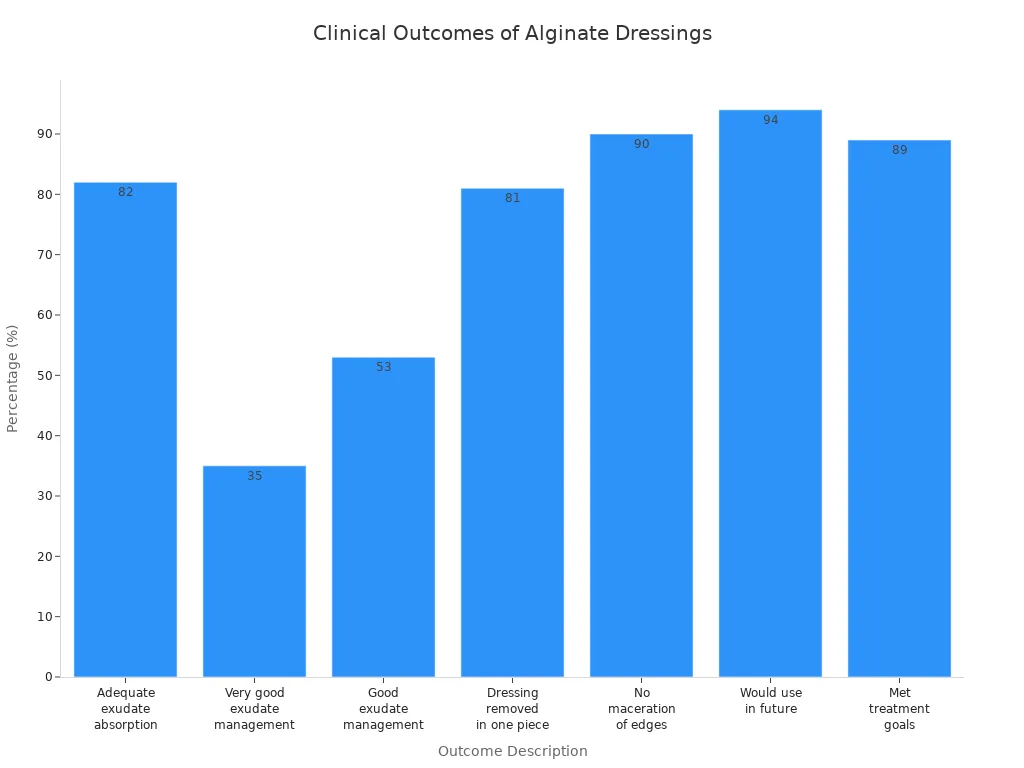
High absorbency is important for wounds that leak a lot. Alginate dressings keep the wound moist but do not let the skin around it get too wet. This helps stop skin problems.
Tip: If your wound leaks a lot, pick a dressing that soaks up fluid well. This keeps your skin healthy.
Non-Adherence and Patient Comfort
You want a dressing that does not stick to your wound. Alginate dressings turn into a gel when they touch wound fluid. The gel does not stick to the wound. You can take off the dressing in one piece. This means less pain and less harm to new skin.
Studies show people feel less pain with alginate dressings. The table below shows pain scores before and after using them:
|
Measurement |
V1 (Before Treatment) |
V5 (After Treatment) |
Significance |
|---|---|---|---|
|
Mean Pain Score (VAS) |
3.9 ± 2.9 |
1.7 ± 2.1 |
P < .0001 |
|
Patients with No Pain (VAS 0) |
7 (14.9%) |
23 (48.9%) |
N/A |
|
Mean Analgesics Used |
1.3 |
1.1 |
N/A |
|
Pain During Dressing Changes (VAS) |
0.3 ± 1.5 |
0 |
N/A |
Pain goes down after using alginate dressings. Most people say they feel no pain when changing dressings. You also use less pain medicine. The gel and non-stick feature make dressing changes easy and comfortable.
Note: If you worry about pain, alginate dressings can help you feel better when caring for your wound.
SLK Medical Product Advantages
You want a dressing that does more than just soak up fluid. SLK Medical’s Alexer® Alginate Dressing gives you many good things for healing. It soaks up fluid well and keeps the wound moist. This helps your body heal faster. The dressing also makes a barrier to protect against germs. You feel less pain and less discomfort as you heal.
Here are some main benefits of Alexer® Alginate Dressing:
-
The dressing soaks up fluid and keeps wounds moist.
-
Wounds heal faster than with regular dressings.
-
You feel less pain and discomfort during care.
-
The dressing blocks germs and lowers infection risk.
You can use Alexer® Alginate Dressing for many wounds. It works for burns, ulcers, and after surgery. The high absorbency and gel make it a great choice for wounds that leak.
Callout: SLK Medical’s Alexer® Alginate Dressing gives you comfort, protection, and fast healing. You help your wound heal and feel better each day.
Suitable Wounds and Application Tips
Types of Wounds for Alginate Dressings
You might wonder which wounds use alginate dressing best. Alginate dressings help wounds with lots of fluid. These wounds include pressure ulcers, venous leg ulcers, arterial ulcers, diabetic ulcers, donor sites, surgical wounds, cavity wounds, and burns that are not too deep. Alginate dressing works for wounds that need to stay moist to heal. The gel from alginate fibers keeps the wound wet and helps it heal faster.
But some wounds do not work well with alginate dressings. Do not use alginate on:
-
Third-degree burns
-
Dry wounds
-
Wounds with eschar
These wounds do not have enough fluid for alginate to work. Always ask your healthcare provider before you start using alginate dressing.
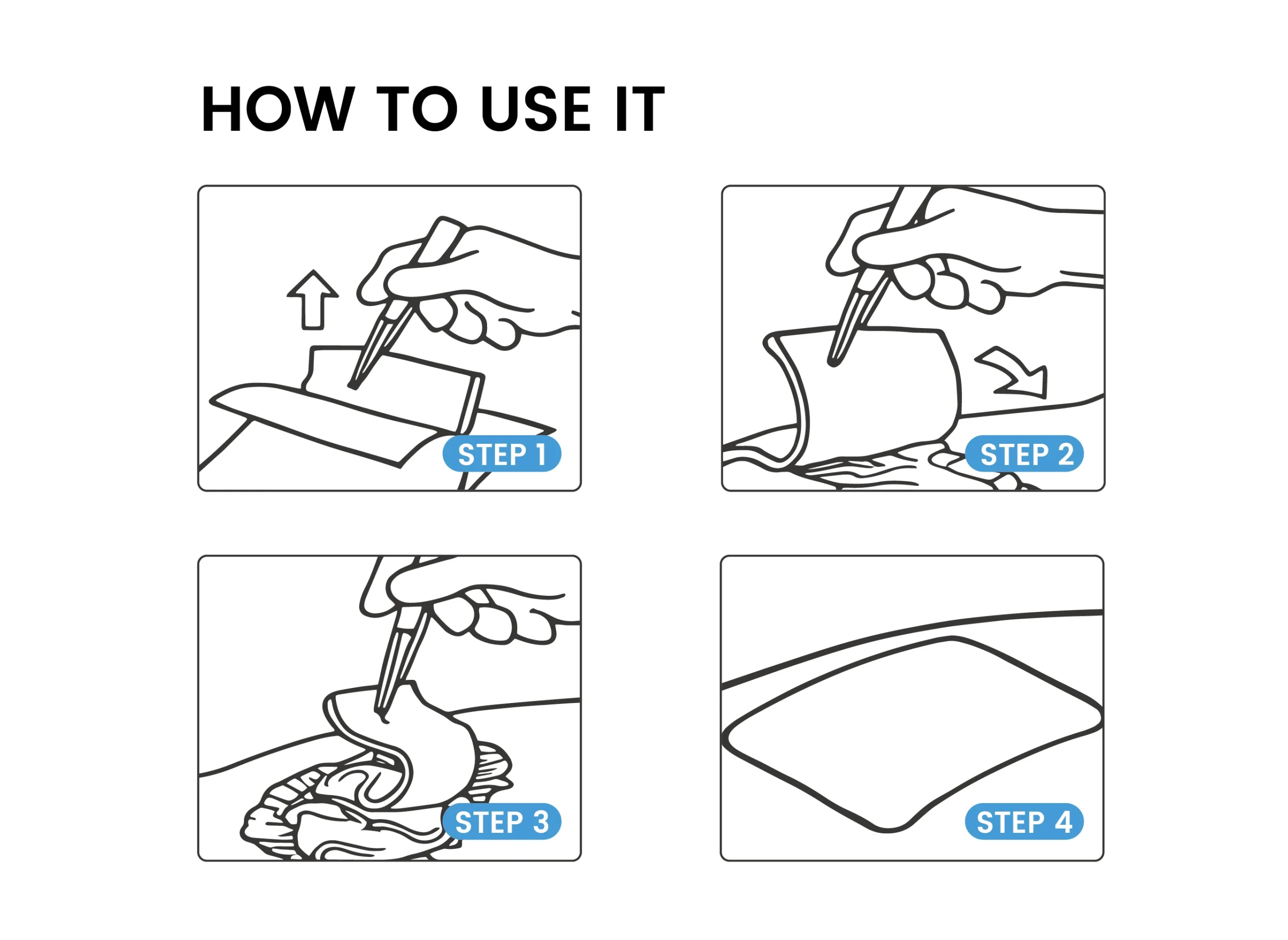
How to Use Alginate Dressings
Putting alginate dressing on the right way helps wounds heal. You can follow these steps to get good results:
-
Get the wound ready. Clean it gently with sterile saline or mild soap and water. Dry the area with a clean gauze pad.
-
Pick the right alginate dressing. Choose a size and shape that fits your wound.
-
Put on the alginate dressing. Cut sheet dressings to fit the wound. For deep wounds, use ribbon dressings and pack them gently.
-
Cover with another dressing. This keeps the alginate in place and protects the wound.
-
Check and change the dressing. Look at the wound every 1–3 days or sooner if the dressing gets too wet. Watch for signs of infection.
The table below shows how often to change alginate dressings for different wounds:
|
Wound Type |
Change Frequency |
|---|---|
|
Heavily exuding wounds |
Every 1–2 days |
|
Moderately exuding wounds |
Every 2–3 days |
|
Infected wounds |
Every 1–2 days |
|
Low exudate wounds |
Up to 7 days |
Practical Tips for Wound Care
You can help wounds heal by avoiding mistakes with alginate dressing. Here are some tips:
-
Clean the wound well. Use gentle cleaning to stop infection.
-
Use the right amount of dressing. Too much can make the wound too wet. Too little can make it dry.
-
Press gently. Secure the dressing but do not press too hard.
-
Check the wound often. Change the dressing when needed and look for redness, pain, or pus.
-
Remove leftover dressing. Alginate can leave fibers, so clean the wound during changes.
-
Keep the wound moist. Alginate needs fluid to make a gel and keep the wound wet.
-
Watch for allergies. Some people may see redness or itching.
-
Stop maceration. Protect the skin around the wound from too much moisture.
-
Look for infection. More pain, redness, or pus means you should call your healthcare provider.
Tip: Keeping the wound moist helps it heal faster and hurts less. Always follow your healthcare provider’s advice for wound care and dressing changes.
You can trust alginate dressings to help many types of wounds heal faster. Studies show they lower pain and keep the wound moist, which helps new skin grow. You get fewer dressing changes because they absorb so much fluid. Choosing an advanced alginate dressing like Alexer® from SLK Medical gives you comfort and strong healing support. For the best results, always ask your healthcare provider which dressing fits your needs.
FAQ
What is Alexer® Alginate Wound Dressing made from?
Alexer® Alginate Wound Dressing uses natural fibers from brown seaweed. These fibers turn into a soft gel when they touch wound fluid. This gel helps your wound heal faster and keeps it moist.
Can you use alginate dressings on all wounds?
You should use alginate dressings on wounds with moderate to heavy fluid. Do not use them on dry wounds, third-degree burns, or wounds with hard, black tissue. Always ask your healthcare provider before using any dressing.
How often should you change an alginate dressing?
You should change the dressing every 1 to 3 days. If the dressing becomes soaked or you see signs of infection, change it sooner. Always follow your healthcare provider’s advice for the best results.
Does removing an alginate dressing hurt?
No, removing an alginate dressing usually does not hurt. The gel does not stick to your wound. You can take it off gently, which helps you feel more comfortable during dressing changes.
What makes Alexer® Alginate Wound Dressing different?
Alexer® stands out because it absorbs a lot of fluid, helps stop minor bleeding, and breaks down naturally. You get a dressing that is gentle, easy to use, and supports faster healing.


