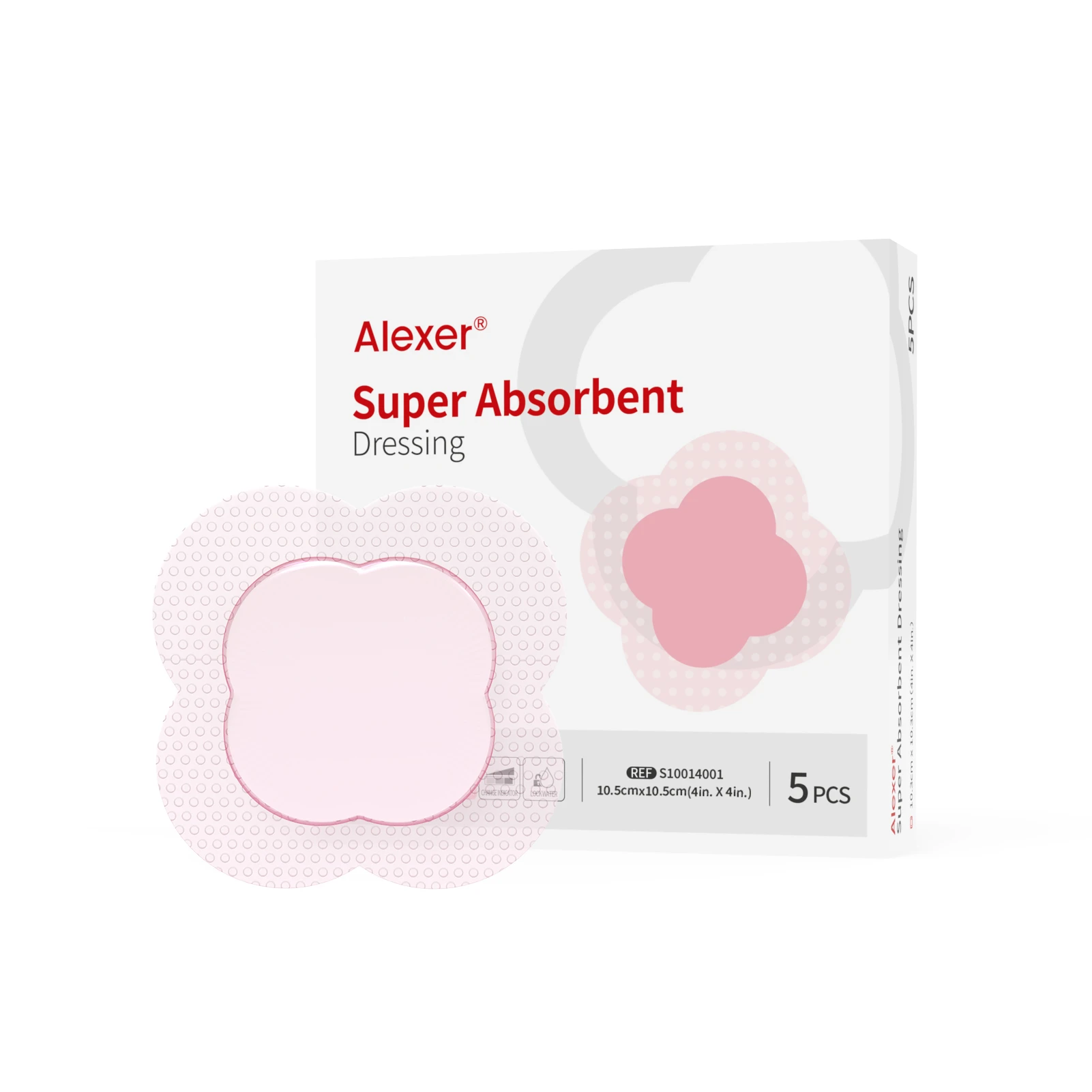
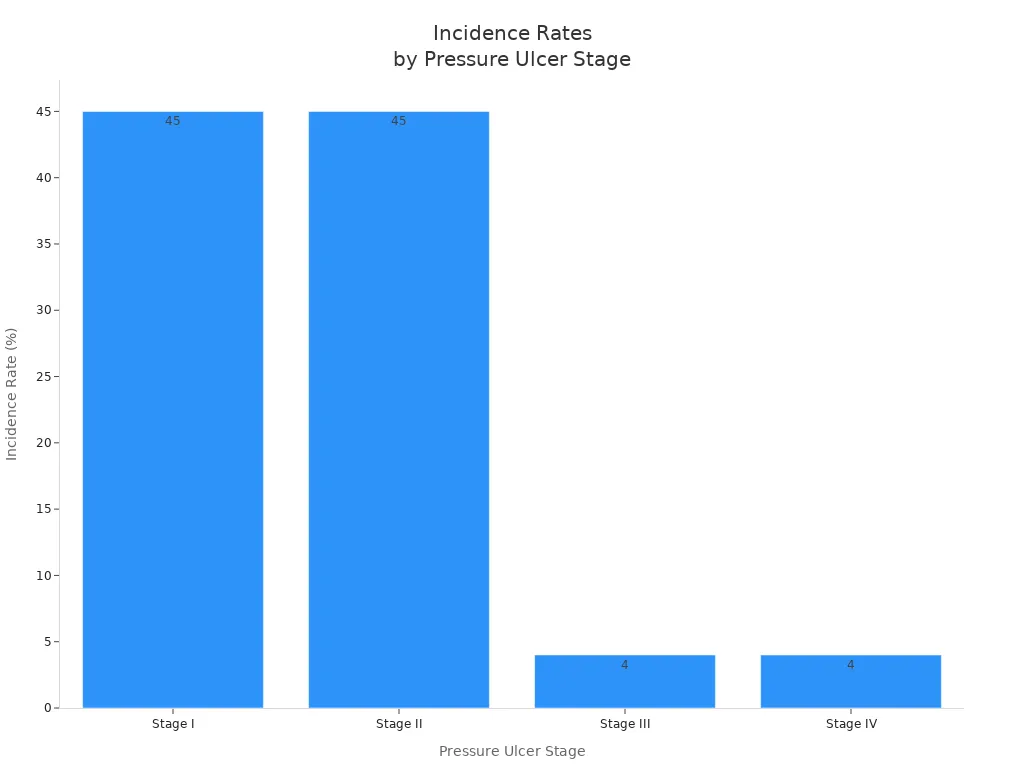
If you help someone who can’t move much, you know it is hard to keep their heels safe. Pressure ulcers often happen on the heel, so protecting them is very important. A heel foam dressing with silicone adhesive gives a soft and gentle way to cover the skin and stop wounds. Look at these facts—pressure ulcers affect up to 26% of patients who are at risk, and treatment costs can get very high.
|
Statistic Description |
Value |
Source |
|---|---|---|
|
Prevalence of pressure ulcers in at-risk patients (Braden <20) |
21.1% |
Lahmann et al |
|
Prevalence of pressure ulcers in patients (Braden <19) |
26.2% |
Lahmann et al |
|
Treatment costs for pressure ulcers |
$500 – $40,000 |
AHRQ |
With SLK Medical, you get advanced wound care. It is proven to work and trusted by experts.
Key Takeaways
-
Heel foam dressings with silicone adhesive help stop pressure ulcers. They are good for patients who cannot move a lot. These dressings control moisture well. They keep skin moist but not too wet. Too much wetness can hurt the skin. The soft silicone adhesive is gentle. It makes putting on and taking off the dressing easy. This helps patients feel less pain when changing dressings. SLK Medical has many dressings for different needs. This makes sure each patient gets the right dressing for their wound. Check and change the dressing every 3 to 7 days. This helps wounds heal and stops infection.
What Is a Heel Foam Dressing with Silicone Adhesive?
Why the Heel Is a High-Risk Area for Pressure Ulcers
You may ask why the heel needs extra care. The heel is the second most common place for pressure ulcers. Only the sacrum gets more. If someone stays in bed a lot or cannot move well, their heel is at high risk. Studies show that people who cannot move much or stay in the hospital long often do not get enough heel care. This can cause big problems. These include infections, longer hospital stays, and stress for both patients and caregivers.
Anatomical Challenges: Why Traditional Dressings Struggle with the Heel
The heel is not flat or smooth. It has a curve and thick skin. This makes it hard for normal dressings to work well or stay on. Here are some reasons why:
-
The skin on the heel is tougher than other places.
-
It loses water faster, so moisture builds up.
-
The outside of the heel is drier, so it can get sore fast.
-
The heel changes shape under pressure, so flat dressings do not stick well.
Key Components and Structure
A heel foam dressing with silicone adhesive is made to fit the heel’s shape and needs. Here are the main parts of this special dressing:
|
Component |
Description |
|---|---|
|
Waterproof outer film |
This layer lets air in but keeps water and germs out. It helps stop infection. |
|
Polyurethane foam layer |
This layer soaks up wound fluid and bacteria. It helps the wound heal. |
|
Hydrofiber™ contact layer |
This part absorbs exudate, swells to fit the wound, and keeps it moist for healing. |
|
Silicone adhesive border |
This border sticks softly to the skin and comes off easily. |
|
Ionic Silver (1.2%) |
This fights bacteria, yeast, and mold to keep the wound clean. |
How It Works for Heel Protection
A heel foam dressing with silicone adhesive does more than cover the skin. It gives a soft cushion that spreads out pressure. It soaks up fluid and keeps the wound moist. The waterproof layer blocks germs. The silicone adhesive keeps the dressing in place but does not hurt when you take it off. Some dressings have silver to fight infection. SLK Medical makes dressings that fit the heel well and help stop pressure ulcers before they start.
Benefits for Pressure Ulcer Prevention
Pressure Redistribution and Cushioning
You want your patient’s heels to stay safe. A heel foam dressing with silicone adhesive helps a lot. The foam layer works like a soft pillow. It spreads out the pressure from lying or sitting too long. This protects the skin and tissue under the heel.
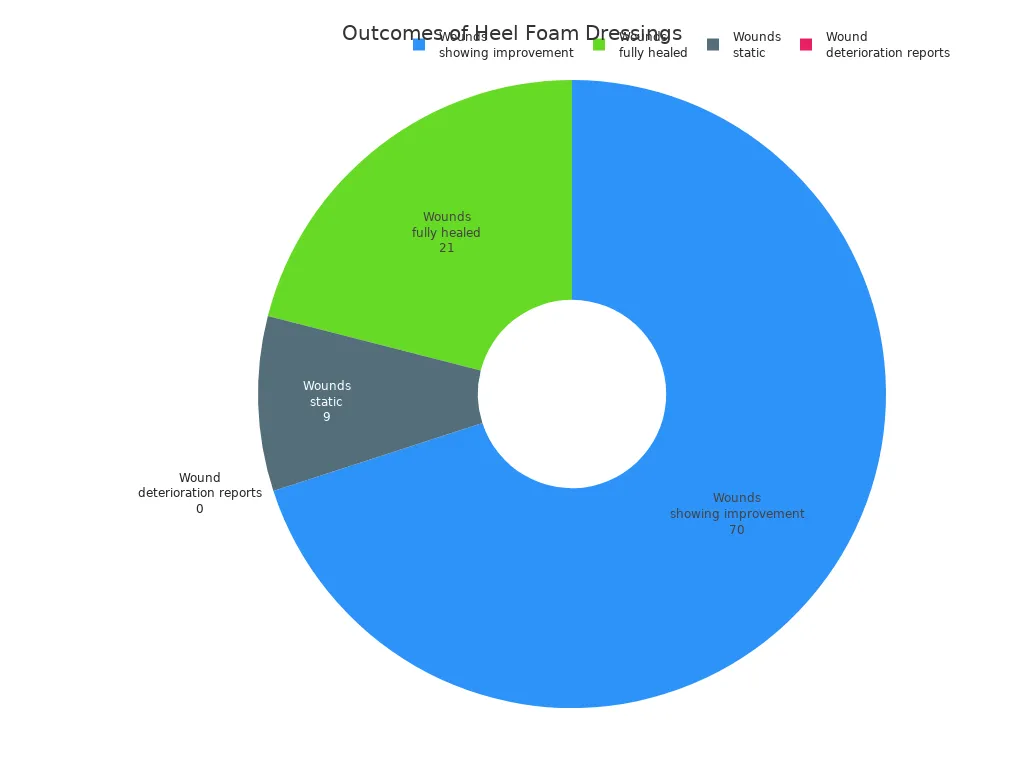
You may ask if this really helps. Studies show these dressings lower the risk of pressure injuries. They soak up friction and lessen the force on the heel. Many patients saw their wounds get better after using these dressings. Only a few did not see changes, and none got worse.
Tip: SLK Medical’s D-Pore™ technology makes the foam even better. It spreads out pressure and supports the heel. This means less pain and fewer problems for patients.
Moisture Management and Skin Protection
Keeping the right moisture is important for healthy skin. Too much moisture can make skin weak and easy to hurt. Too little can make skin dry and cracked. A heel foam dressing with silicone adhesive helps keep the balance. The foam soaks up extra fluid but keeps the area moist enough to heal.
Research shows these dressings control humidity and stop skin from getting too wet. They also keep skin hydrated by pulling away extra moisture. This helps prevent damage and keeps the wound ready to heal.
Here’s a quick look at how these dressings protect skin:
|
Feature |
Benefit |
|---|---|
|
Gentle on the skin |
|
|
Highly absorbent |
Manages moisture to prevent skin breakdown |
|
Breathable |
Reduces risk of maceration |
|
Designed for pressure injury |
Helps maintain skin integrity in at-risk patients |
SLK Medical’s D-Pore™ technology boosts absorption and breathability. You get a dressing that locks in fluid, keeps germs out, and lets air flow. This means less risk of infection and faster healing.
Comfort and Gentle Adhesion
Comfort is important, especially for people who need dressings for days. You do not want to cause pain when changing the dressing. The silicone adhesive sticks gently to the skin. It holds the dressing in place but comes off easily when you remove it.
You can see the difference in real life. Patients say these dressings feel soft and do not pull on their skin. Nurses like them because they are easy to use and do not cause extra pain.
Let’s check out what studies found:
|
Study Focus |
Findings |
|---|---|
|
Maintaining skin integrity |
|
|
Ease of removal |
Dressings can be removed without damaging skin |
|
Target population |
ICU patients at risk of skin integrity loss |
-
Many hospitals use heel foam dressing with silicone adhesive to protect at-risk patients.
-
The dressings work well for people with fragile or sensitive skin.
-
You can trust them to stay in place and keep the skin safe.
With SLK Medical, you get advanced features that make wound care easier and more comfortable. Their dressings help you prevent pressure ulcers, manage moisture, and protect the skin—all while keeping your patient’s comfort in mind.
SLK Medical Heel Foam Dressings: Features & Options
Product Range and Specifications
You need dressings that work for different needs. SLK Medical has many heel foam dressings to pick from. Some have borders, and some do not. Some have silver to help stop infection. There are also light and bendy choices. Here is a quick list of what you can get:
|
Product Line |
Description |
|---|
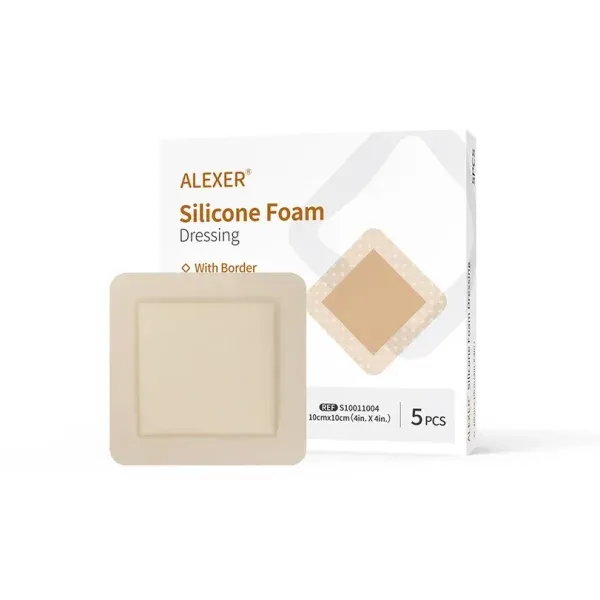
| Silicone Foam Dressing with Border – Skin Color | Dressing with a skin-colored border for enhanced looks. | | Silicone Foam Dressing with Border – Pink Color | Dressing with a pink border for many uses. |
| Silicone Foam Dressing without Border | A dressing with no border for more ways to use it. | | Silicone Foam Ag Dressing – with Border | Silver dressing with a border for extra safety. |
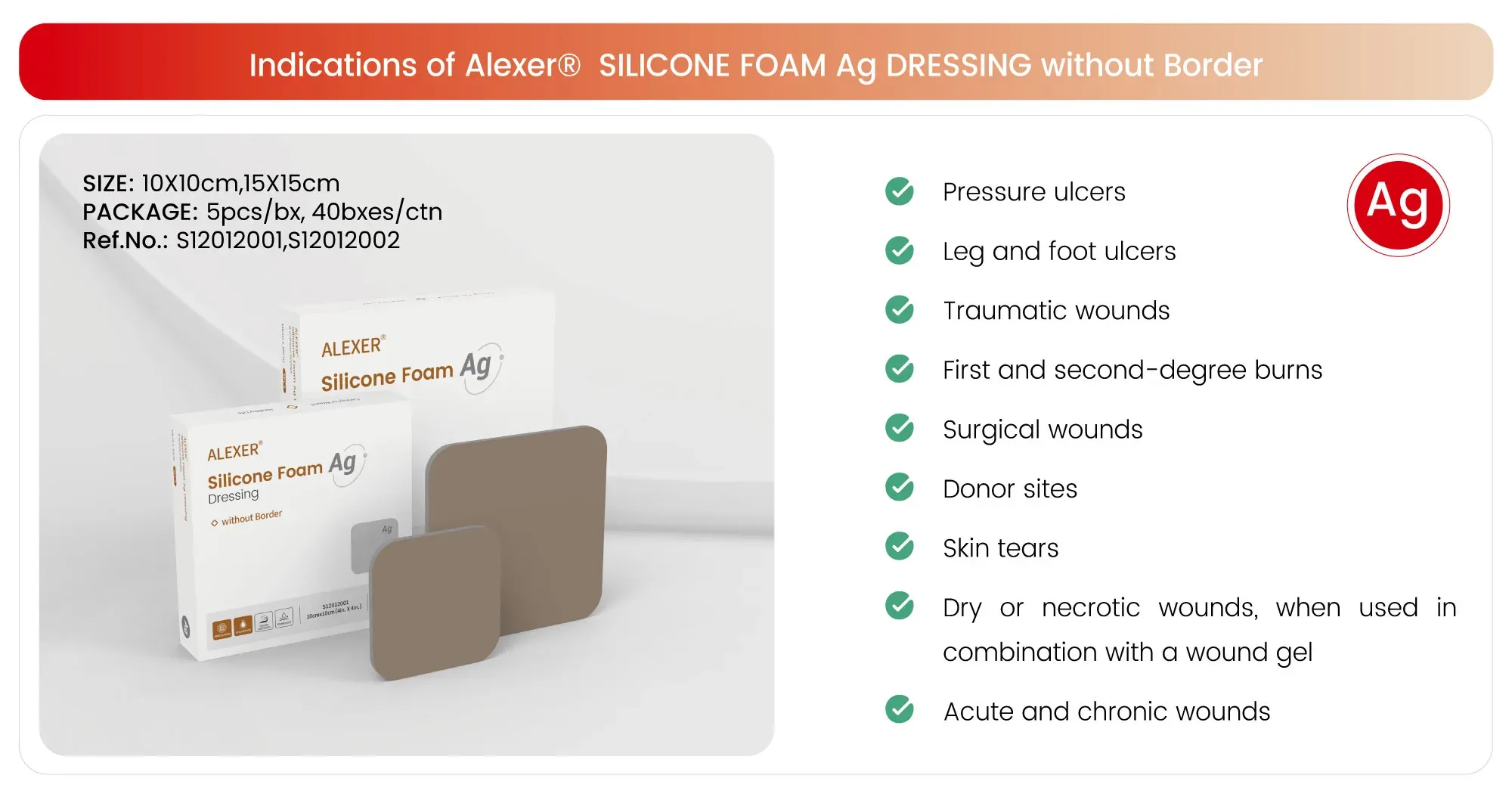
| Silicone Foam Ag Dressing- without Border | Antimicrobial dressing with no border. | | Super Absorbent Dressing | Dressing that soaks up a lot for wet wounds. | | Silicone Post-Op Dressing -Border Flex | Dressing for after surgery that bends easily. | | Silicone Wound Contact Layer | Contact layer for gentle wound care. |
You can pick the size and shape that fits your patient. SLK Medical can also make special orders, big packs, or custom dressings if you need them.
Unique Technologies and Certifications
SLK Medical uses smart ideas to help wounds heal faster. The D-Pore™ technology lets the dressing soak up more fluid and lets air move through. This helps stop infection and helps wounds heal better.
You can trust SLK Medical because their products are very safe. Look at these safety marks:
|
Technology/Certification |
Description |
|---|---|
|
D-Pore™ Technology |
Helps the dressing soak up more and breathe better. |
|
Passes U.S. rules for medical safety. |
|
|
CE (MDR) |
Follows European health and safety laws. |
|
ISO 13485 |
Shows strong quality checks for medical devices. |
Why Choose SLK Medical
You want your patients to have the best care. Here is why SLK Medical is a good choice:
-
The dressings soak up a lot for wounds that leak.
-
The soft silicone makes taking off the dressing hurt less.
-
The dressings help stop infection and work for many wounds.
-
You can buy a lot at once or ask for special shapes.
-
SLK Medical has top safety marks, so you know it is good.
Tip: Picking SLK Medical means your patients get comfort, safety, and better healing.
How to Use Heel Foam Dressing with Silicone Adhesive
Application Steps
You want to get the best results for your patient’s heel. Here’s a simple step-by-step guide to applying a heel foam dressing with silicone adhesive:
-
Clean the wound using your normal cleaning routine. Make sure you remove any dirt or old dressing.
-
Dry the skin around the wound very well. Moisture can stop the dressing from sticking.
-
Take off the release liner from the dressing. Hold the sticky side up.
-
Place the dressing gently over the wound. Do not stretch it.
-
Make sure the dressing covers the wound and goes at least 2 centimeters past the edges.
-
Press the edges softly to help the dressing stick.
Tip: Always check that the dressing fits the heel’s shape. This helps it stay in place and gives better protection.
Tips for Best Results
You can make wound care easier and safer with these tips:
-
Take care of the dressing. This helps the wound heal and keeps germs away.
-
Check the dressing often. Change it if you see leaks, lifting, or color changes.
-
Keep the wound moist. This helps new skin grow and lowers infection risk.
-
Change the dressing every 3 to 7 days, or as your nurse or doctor tells you.
-
Look at the wound each time you change the dressing. This helps you know if it is healing well.
Note: SLK Medical’s dressings are easy to use and gentle on the skin. You can trust them for comfort and safety.
Common Mistakes to Avoid
Watch out for these common problems when using a heel foam dressing with silicone adhesive:
-
Do not let the dressing stick to the wound. If you see yellow or white build-up, clean it before putting on a new dressing.
-
Avoid using dressings that feel stiff. These can press into the skin and cause pain.
-
Do not wait too long to change the dressing. This can make it hard to remove and hurt the skin.
Remember: Good care and regular checks help your patient heal faster and feel better.
Choosing the Right Heel Foam Dressing
Factors to Consider
Picking the best heel foam dressing can feel tricky, but you can make it simple by focusing on a few key points. Start by looking at the wound itself. Ask yourself:
-
Does the wound leak a lot of fluid, or just a little?
-
Is the skin around the wound fragile or strong?
-
Does the patient need extra padding to protect against pressure?
You want a dressing that manages moisture, spreads out pressure, and fits the wound’s shape. Multi-layered soft silicone foam dressings work well because they help reduce friction, control the microclimate, and keep the skin safe. For wounds with moderate to heavy exudate, foam dressings are a smart choice. If you see a lot of drainage, you need something that can soak it up and keep the area dry.
Matching Patient Needs
Every patient is different. You want to match the dressing to their needs. Check out this table to help you decide:
|
Dressing Type |
Typical Uses |
Advantages |
Considerations |
|---|---|---|---|
|
Pressure injuries, venous ulcers, post-surgical sites |
High absorbency, protects fragile skin, reduces shear |
Not suited for dry wounds; may need extra securing if non-adhesive |
|
|
Sacral and heel wounds |
Absorb exudate, provide cushioning and protection |
Comfortable and protective |
If your patient has a wound that leaks a lot or sits on a pressure spot, a heel foam dressing with silicone adhesive can help. These dressings give comfort, absorb fluid, and protect the skin.
Tip: For wounds that need extra antimicrobial action, look for dressings with silver.
Consulting SLK Medical for Support
Not sure which dressing to pick? You don’t have to decide alone. SLK Medical offers expert advice, free samples, and help with product selection. Their team can guide you to the right dressing for your patient’s wound, skin type, and healing goals.
-
Reach out for personalized support.
-
Ask about bulk orders or custom sizes.
-
Try samples to see what works best.
You want the best for your patients. SLK Medical is ready to help you choose better for your patients.
You want the best for your patients. A heel foam dressing with silicone adhesive gives you comfort, protection, and peace of mind. You can trust SLK Medical for advanced wound care. Their products get top reviews and many buyers come back again.
|
Attribute |
Value |
|---|---|
|
Review Score |
5.0 |
|
Buyer Repeat Rate |
34% |
|
Manufacturer |
Yes |
Want to learn more or try a sample? Reach out to SLK Medical today.
FAQ
How often should I change a heel foam dressing with silicone adhesive?
You should change the dressing every 3 to 7 days. If you see leaks, lifting edges, or a lot of drainage, change it sooner. Always follow your nurse or doctor’s advice.
Can I shower with the dressing on?
Yes, you can shower with the dressing on. The waterproof outer layer keeps water out. Pat the area dry after your shower. Do not soak the dressing.
Is the dressing safe for sensitive skin?
Absolutely! The silicone adhesive is gentle. It sticks softly and comes off without hurting your skin. Many people with fragile or sensitive skin use it with no problems.
What wounds can I use this dressing for?
You can use it for pressure ulcers, diabetic foot ulcers, burns, and post-surgery wounds. It works well for wounds that leak fluid. If you are unsure, ask your healthcare provider.
Where can I get help choosing the right dressing?
You can contact SLK Medical for free samples and expert advice. Their team will help you pick the best dressing for your needs. Visit SLK Medical’s website for more info.