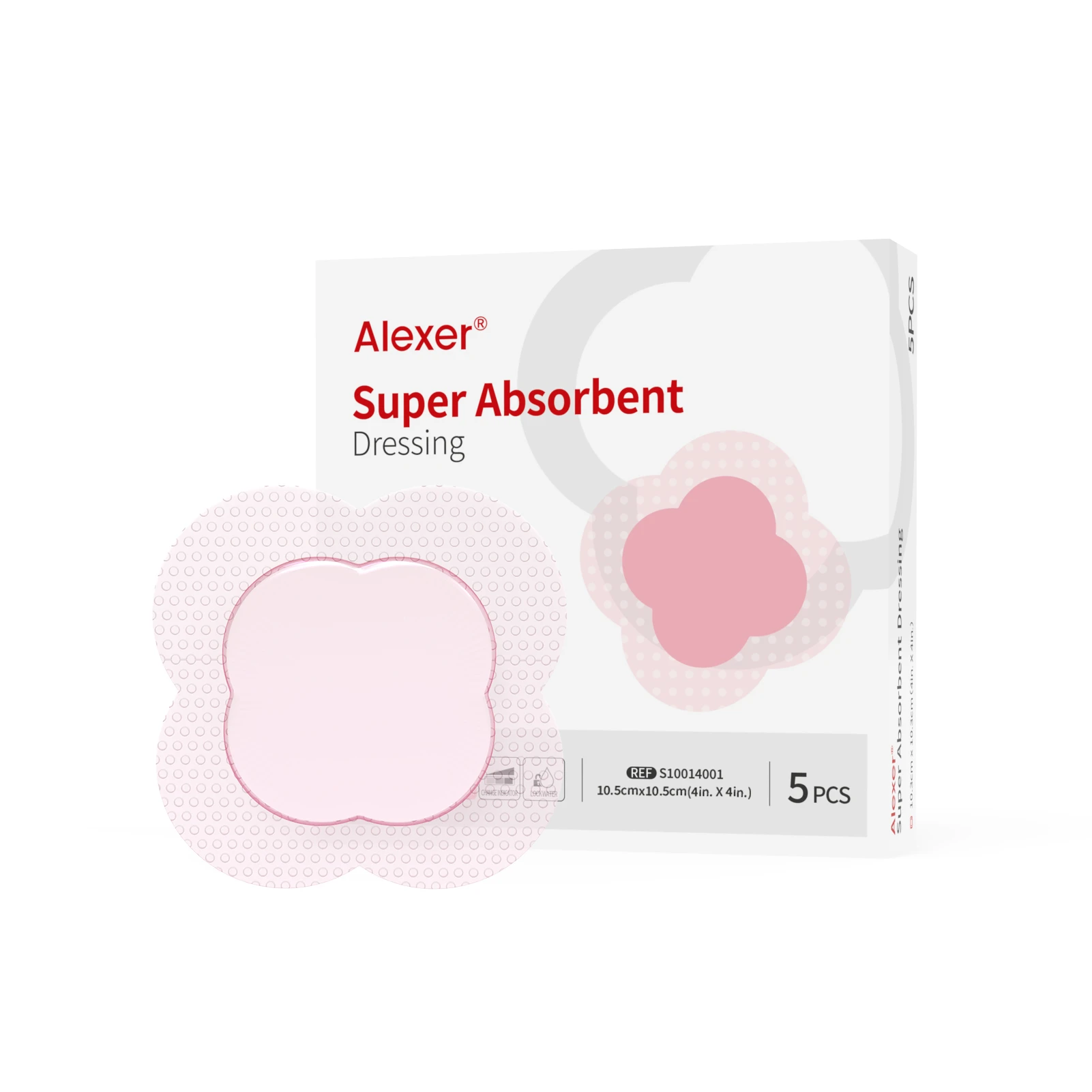
You have a tough job when you care for patients who might get sacral pressure ulcers. Sacrum silicone foam dressing for pressure ulcers is a strong tool for stopping and treating these sores. These dressings keep the sacrum safe, which is where most pressure ulcers happen.
-
Around the world, 12% of hospital patients get pressure ulcers. In the United States, the number is between 8% and 40%. The sacrum is the spot that gets hurt the most.
Sacrum silicone foam dressing for pressure ulcers can lower the chance of new ulcers by up to 41% for patients. Using it early can keep stage I ulcers from getting worse. This helps patients feel less pain and have a better life. Hospitals also have fewer problems and spend less money.
SLK Medical gives you advanced sacrum silicone foam dressing for pressure ulcers. It uses D-Pore™ technology and has five layers for protection. It is important to use certified and trusted brands. Studies show that five-layer dressings lower injuries that happen in hospitals, especially for very sick patients. You can trust SLK Medical to give you special sacrum silicone foam dressing for pressure ulcers that really work for patients.
Key Takeaways
-
Sacrum silicone foam dressings can lower the chance of pressure ulcers by up to 41%. They help patients feel more comfortable and can save hospitals money.
-
The special D-Pore™ technology in SLK Medical dressings soaks up fluid well. This helps wounds heal faster and keeps infections away.
-
Putting on sacral dressings the right way and checking them often is very important. It helps wounds heal and stops new injuries from happening.
-
Teaching patients and caregivers how to care for dressings makes things safer. It also helps wounds heal better.
-
Using certified products like SLK Medical dressings means you get high quality and can trust them to prevent pressure ulcers.
What Is a Sacrum Silicone Foam Dressing?
Design and Features for Sacral Pressure Ulcers
A sacral foam dressing is a special cover for wounds on the lower back. You use these dressings to protect the skin at the bottom of the spine. They help stop and treat pressure ulcers that often happen in this area. Sacral foam dressings are shaped to fit the curve of the sacrum and stay in place.
Anatomical Shaping for Sacral Area
A sacral foam dressing usually looks like a butterfly or a heart. This shape fits the sacral area and covers it well. The wide edge helps seal the dressing and stops leaks. This gives a tight fit, which keeps the wound clean and dry.
Unique Challenges of the Sacrococcygeal Region
The sacral area has many problems.
-
There is a high chance of getting dirty from pee or poop.
-
The blood flow in this area is not very good.
-
There is a lot of rubbing and pressure when you sit or move.
-
You need a sacral foam dressing that soaks up fluid, fills empty spaces, and keeps the wound wet.
-
These dressings make the area soft and make changing them hurt less.
How SLK Medical Products Stand Out
Innovative D-Pore™ Foam Core
SLK Medical sacral foam dressings use D-Pore™ technology. They soak up a lot of fluid and control it well. The foam core stops fluid from building up and keeps the skin safe.
Flexible Silicone Adhesion
The gentle silicone layer in SLK Medical sacral foam dressings sticks well but comes off easily. This makes dressing changes less painful and keeps the skin safe.
Five-Layer Deep Protection Technology
SLK Medical sacral foam dressings have five layers. These layers include a waterproof top, an absorbent middle, and soft silicone. They protect against leaks, germs, and rubbing. The dressing fits your body and feels comfortable.
Certified Quality and Ergonomic Design
SLK Medical sacral foam dressings are made in clean rooms and meet high standards.
|
Certification |
Impact on Reliability |
|---|---|
|
FDA |
Makes sure it is safe to use in the United States. |
|
ISO 13485 |
Shows there is a strong quality system for medical devices. |
|
CE MDR |
Proves it follows European safety rules. |
You can trust sacral foam dressings from SLK Medical for your patients.
How Sacrum Silicone Foam Dressings Prevent Sacral Pressure Ulcers
Pressure Redistribution and Skin Protection
It is important to keep the sacral area safe from too much pressure. Sacrum silicone foam dressings help by spreading pressure over a bigger space. This lowers the chance of getting a sacral pressure injury. The dressing can reduce pressure by up to 40%. This helps the skin stay healthy and less likely to get hurt. The special shape fits the sacrum and covers it well. The dressing sticks in place, even if the patient moves.
Here is how the main features help stop pressure injuries:
|
Key Feature |
Description |
|---|---|
|
Pressure Redistribution |
Spreads force over a larger area, lowering tissue pressure by up to 30–40%. |
|
Waterproof and Breathable |
Keeps skin from getting too wet or infected, especially in the sacral area. |
|
Moisture Vapor Transmission |
Lets moisture escape at over 1,000 g/m2/24 h, which keeps skin healthy. |
These dressings follow the rules for stopping pressure ulcers. SLK Medical’s five-layer silicone foam dressing gives strong protection. The D-Pore™ foam core makes the sacral area softer and lowers rubbing. You can help patients avoid ulcers and lower the number of injuries.
Moisture Management and Infection Control
You need to control moisture to stop sacral pressure injuries. Too much fluid can hurt the skin and cause ulcers. Sacrum silicone foam dressings soak up extra fluid and keep the wound moist but not too wet. This helps new skin cells grow and heal faster. The dressing also stops leaks that can make the skin soft and weak.
-
The dressing keeps germs and dirt away from the wound.
-
It keeps the area moist, which helps cells heal and lowers the risk of injury.
-
It soaks up extra fluid, so the skin does not get soft or break down.
SLK Medical’s D-Pore™ technology helps control moisture well. The waterproof top layer blocks bacteria. The high moisture vapor transmission rate lets the skin breathe. This lowers the risk of infection and keeps the sacral area safe. These dressings follow the best rules for stopping and treating pressure injuries.
Clinical Evidence and Patient Outcomes
You want to know if these dressings really work. Many studies show that sacrum silicone foam dressings lower the number of sacral pressure injuries. In one study, patients who used a multilayer silicone foam dressing got fewer ulcers than those who did not. The group using the dressing had a lower rate of sacral pressure injuries.
|
Outcome |
Intervention Group |
Control Group |
P-value |
|---|---|---|---|
|
Developed pressure ulcers |
5 |
20 |
0.001 |
|
Sacral pressure ulcers |
2 |
8 |
0.05 |
|
Heel pressure ulcers |
5 |
19 |
0.002 |
|
Total pressure ulcers |
7 |
27 |
0.002 |
|
Rate of pressure ulceration |
Slower in group |
– |
0.002 |
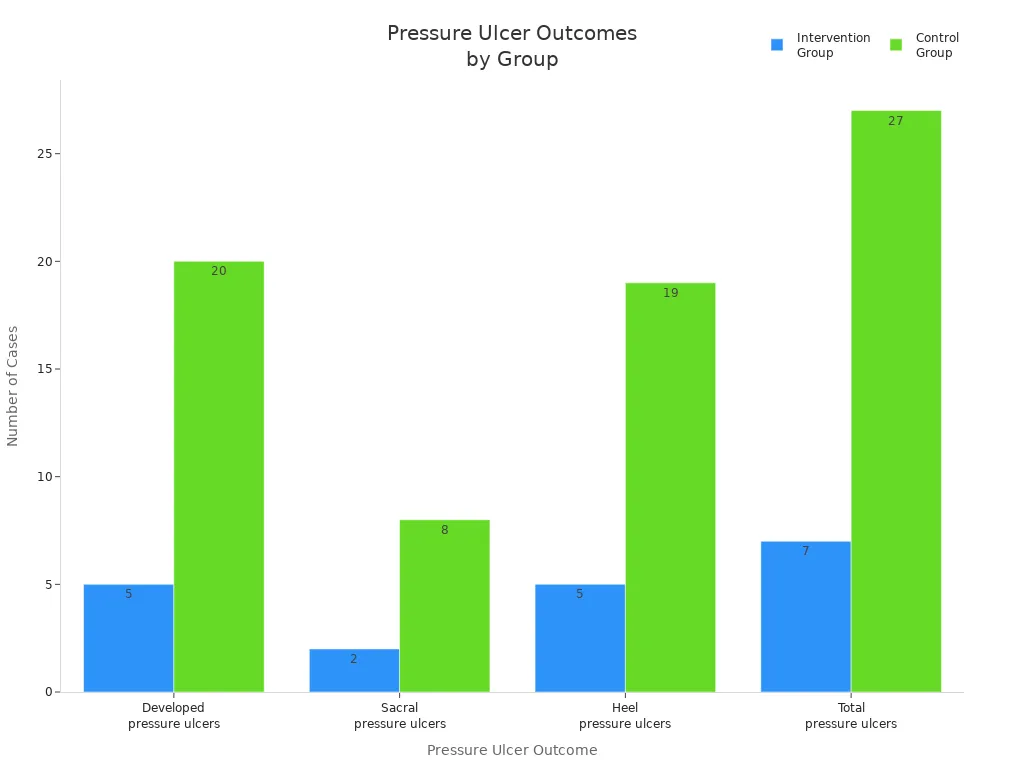
The group with the dressing had fewer sacral pressure injuries. The results show that using a multilayer silicone foam dressing can cut the injury rate by more than half. Patients heal faster and get fewer new injuries. Hospitals that use these dressings see better results and spend less money.
SLK Medical’s sacrum silicone foam dressings meet FDA, ISO 13485, and CE MDR standards. You can trust that they are safe and good for every patient. These dressings follow the best rules for stopping pressure injuries and give strong results.
Application and Care for Sacral Pressure Injuries
Step-by-Step Application Guide
Preparation and Wound Assessment
You need to start with a clean area before you apply sacral protective dressings. Wash your hands and put on gloves. Look at the sacral wound closely. Check for redness, swelling, or signs of infection. Use a wound cleanser or saline to clean the sacral wound. Remove any dirt or germs. Pat the area dry with a sterile cloth. Good preparation helps the sacral protective dressings stick well and work better for wound care.
Proper Positioning of the Patient
Help the patient lie on their side or stomach. This makes the sacral area easy to reach. Make sure the patient feels comfortable and safe. Use pillows to support the body. Good positioning helps you apply the sacral protective dressings smoothly and gives better care.
Dressing Application Steps
Follow these steps to apply sacral protective dressings:
-
Open the package and take out the dressing.
-
Remove the backing paper without touching the sticky side.
-
Place the dressing over the sacral wound. Make sure the foam covers the wound and the border sits on healthy skin.
-
Press the edges gently. Do not stretch or wrinkle the dressing.
-
Smooth out the dressing to seal it well.
This method keeps the sacral area covered and helps the dressing stay in place. You give the best care when you follow each step.
Ensuring Secure Fit and Seal
Check that the sacral protective dressings fit the sacral area without gaps. The dressing should cover the wound and stick to the skin. A good seal stops leaks and keeps germs out. If the dressing lifts or wrinkles, press it down gently. Make sure the dressing does not fold or bunch up. A secure fit gives better care and protects the sacral wound.
Special Considerations for Sacrococcygeal Wounds
The sacrococcygeal area can be hard to cover. This area has curves and moves a lot. Choose sacral protective dressings with a butterfly or heart shape. These shapes fit the sacral area well. Watch for leaks or dressing movement. Change the dressing if it gets dirty or comes loose. Good care in this area lowers the risk of new wounds.
Best Practices for Monitoring and Changing Dressings
Frequency of Dressing Changes
You should check the sacral protective dressings every day. Change the dressing if it gets wet, dirty, or starts to peel off. Most dressings stay in place for 3 to 7 days. The right time to change depends on how much fluid comes from the sacral wound. Regular changes help you give better care and keep the sacral area safe.
Signs for Dressing Replacement
Look for these signs that show you need to change the sacral protective dressings:
-
The dressing lifts or does not stick well.
-
You see leaks around the edges.
-
The dressing changes color or smells bad.
-
The sacral wound looks red, swollen, or has more fluid.
If you see any of these signs, replace the dressing right away. Quick action keeps the sacral area healthy and helps your care plan work.
Safe and Gentle Removal Techniques
To remove sacral protective dressings, lift one edge slowly. Peel the dressing back over itself, not straight up. Hold the skin down with your other hand. Move slowly to avoid hurting the skin. If the dressing sticks, use a little saline to loosen it. Gentle removal lowers pain and protects the sacral skin. This step is key for good care.
Documentation and Ongoing Assessment
Write down each dressing change in the patient’s record. Note the date, time, and how the sacral wound looks. Record any changes in size, color, or fluid. Keep track of how often you change the sacral protective dressings. Regular notes help you see if the wound is healing. Good records support better care and help the whole team.
Patient Comfort and Safety Tips
Minimizing Pain During Application and Removal
You can lower pain by using gentle sacral protective dressings. The soft silicone layer helps the dressing come off easily. Clean the sacral area with warm saline before you start. Move slowly and talk to the patient during each step. This helps the patient feel safe and calm. Good care means less pain.
Preventing Skin Irritation and Allergic Reactions
Check the sacral skin for redness or rash each time you change the dressing. Use dressings made for sensitive skin. If you see irritation, try a different type of sacral protective dressings. Do not use harsh soaps or creams. Keeping the skin clean and dry helps prevent problems. Careful checks keep the sacral area healthy.
Promoting Mobility and Comfort
Help the patient move and change positions every two hours. This lowers pressure on the sacral area. Use pillows or foam pads to support the body. Encourage gentle movement if the patient can do it. Good support and movement help the sacral wound heal faster. Comfort is a big part of good care.
Educating Patients and Caregivers
Teach patients and caregivers how to look after sacral wounds. Show them how to check the dressing and skin. Explain when to call for help. Give clear steps for cleaning and changing sacral protective dressings. Good education helps everyone give better care and keeps the sacral area safe.
Tip: Regular checks, gentle handling, and good records make sacral wound care easier and safer for everyone.
Benefits of SLK Medical Sacrum Silicone Foam Dressings
Advanced Technology and High Absorbency
D-Pore™ High-Absorbency Core
SLK Medical’s D-Pore™ technology gives you better wound care. The core can soak up a lot of fluid, up to ten times its weight. It holds the fluid inside fast and keeps the wound moist. This helps wounds heal faster and lowers the chance of infection. Most regular dressings cannot handle a lot of fluid, but D-Pore™ technology does it easily. You do not have to change the dressing as much. This saves time and makes patients more comfortable.
Ergonomic and Customizable Contour Design
SLK Medical dressings fit the sacrum very well. The butterfly or heart shape matches the body’s curves. You can pick from different sizes and shapes for each patient. This helps the dressing stay in place and gives better protection.
Dynamic Exudate Management for Extended Wear
These dressings work well for wounds with lots of fluid. The layers keep the wound moist but not too wet. This stops the skin from breaking down or getting soft. The top layer lets moisture out, so the skin stays healthy and feels good.
Comparison with Other Dressings
Core Technology
SLK Medical uses D-Pore™ foam that soaks up fluid and lets air through. Other brands use regular foam that does not work as well.
Shape and Design
The dressing is shaped for the sacrum and has a wide edge. This helps seal the dressing and keeps it from leaking or moving.
Wear Time
SLK Medical sacrum silicone foam dressings last from 1 to 7 days. This is about the same as other top brands. The special core means you might not need to change it as often.
Prevention Efficacy
|
Product Name |
Review Score |
MOQ |
Key Attributes |
Price Range (per piece/unit) |
|---|
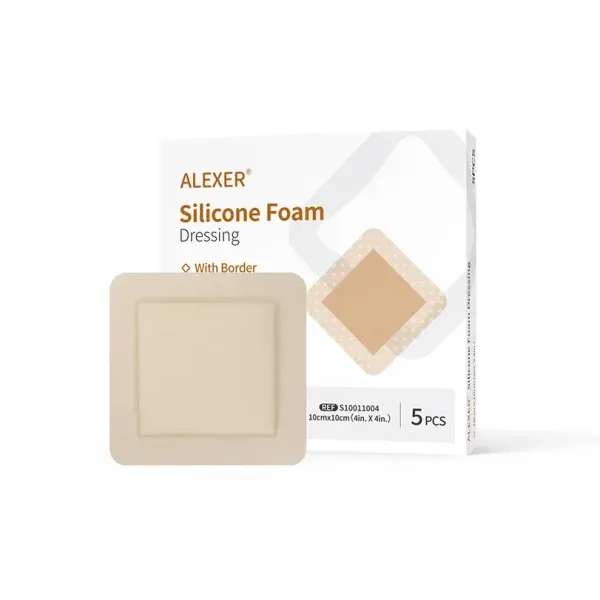
| Alexer Sacral Bordered Silicone Adhesive Foam Dressing (SLK Medical) | 4.8 | 2000 pieces | Bordered, silicone adhesive, foam, specific sacrum size (7″x7″) | $1.28 – $1.34 | | Medical Self-Adhesive Wound Dressings Silicone Foam Dressing | 5.0 | 2000 pieces | Silicone foam, designed for pressure ulcers/bed sores | $1.20 – $1.28 | | BLUENJOY Sacrum Border Silicon Foam Wound Dressing | 5.0 | 200 pieces | Ultra soft steril sacrum border, foam | $0.50 – $2.00 |
Certifications, OEM/Customization, and Free Samples
International Certifications (FDA, ISO 13485, CE MDR)
|
Certification |
Significance |
|---|---|
|
Makes sure medical devices are made with good quality. |
|
|
CE MDR |
Shows the product is safe in Europe. |
You can trust SLK Medical dressings because they meet strict world rules.
OEM/Customization Services
You can order special sizes, shapes, and packaging. SLK Medical gives OEM services for hospitals that need something different.
Product Variants (with border, borderless, Border Flex, Ag options)
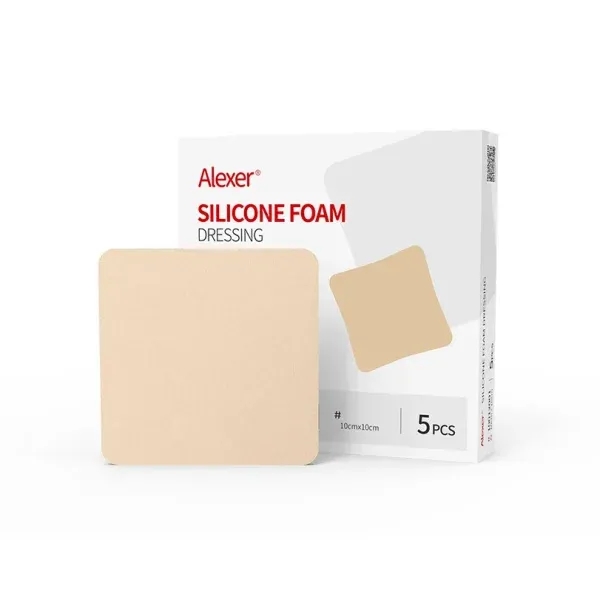
There are many types to pick from, like bordered, borderless, Border Flex, and Ag (antimicrobial silver) dressings. This helps you find the right one for each patient.
Free Sample Availability
You can ask for free samples on SLK Medical’s website. The team will help you choose the best dressing for your patients.
Tip: Try a free sample to see how SLK Medical dressings can help you care for wounds better.
You can keep patients safe from sacral pressure ulcers by using advanced sacrum silicone foam dressings. These dressings help wounds heal quickly and protect skin. SLK Medical is a leader in wound care with new technology and trusted quality. There are many ways to get these products:
-
Ask for free samples on the SLK Medical website.
-
Speak with the SLK Medical team for advice or big orders.
-
Share what you need for custom solutions.
Pick SLK Medical to give your patients better care.
FAQ
How often should you change a sacrum silicone foam dressing?
Check the dressing every day. Change it if it gets wet, dirty, or loose. Most people change it every 3 to 7 days. Always listen to what your doctor says.
Can you shower with a sacrum silicone foam dressing on?
You can take a shower with the dressing on. The waterproof top keeps water out and protects the wound. After your shower, gently pat the dressing dry.
What wounds can you use SLK Medical sacrum silicone foam dressings for?
-
Pressure ulcers
-
Wounds after surgery
-
Diabetic foot ulcers
-
Burns
These dressings work for wounds that have a lot of fluid.
Are SLK Medical dressings safe for sensitive skin?
|
Feature |
Benefit |
|---|---|
|
Soft silicone |
Feels gentle on skin |
|
Hypoallergenic |
Less chance of rash |
People with sensitive or fragile skin can use these dressings.
How do you request a free sample from SLK Medical?
Go to SLK Medical’s website. Fill out the form to ask for a sample. The team will contact you and help you pick the best dressing.