


You want your wound to heal fast and safely. It is important to control moisture. Too much moisture can cause maceration. Maceration makes healing slower. Non bordered foam dressing soaks up extra fluid. It keeps the wound safe. Studies show silicone foam dressings help with pressure ulcers. They also help wounds heal better.
-
Advanced dressing helps stop skin from breaking down.
-
Healing gets quicker when you control moisture in wounds.
Key Takeaways
-
Non bordered foam dressings soak up extra moisture. This stops wound maceration. It helps the wound heal faster. These dressings are soft on the skin. They lower pain when you take them off. They protect the skin near the wound. Using non bordered foam dressings means you change them less often. This saves time for patients and nurses. It makes care easier. The special design helps them fit many body parts. This lowers rubbing and makes them more comfy. Pick the right dressing for your wound. This helps you heal better and feel comfortable.
Understanding Wound Maceration
What Is Wound Maceration
Definition and Common Symptoms
When a wound stays wet too long, your skin can change. Wound maceration happens when skin and tissue get too soft and start to break down. This is because there is too much moisture. The skin may look white or soggy. The area near the wound can feel weak and easy to hurt. These signs mean the skin can tear or get damaged more easily.
Causes of Maceration
Maceration often happens if wound fluid, called exudate, is not handled well. If your dressing does not soak up enough fluid, moisture builds up. Changing dressings too often can also cause problems. Too much fluid around the wound is not good. Extra moisture makes it hard for the skin to stay strong.
Why Maceration Delays Healing
Impact on Tissue Healing
When skin gets soft and weak, it cannot protect the wound. The barrier breaks down. The tissue around the wound gets weaker. You might see the wound area get bigger. New, healthy tissue grows slowly. If the skin looks white and wet, it is not healing well.
Mechanisms of Delayed Healing
Too much moisture lets bacteria grow easily. This can cause infection. The skin around the wound can break down more, making the wound larger. Healing takes longer because the tissue keeps getting hurt.
Here is a table that shows how different things slow down wound healing:
|
Mechanism |
Effect on Wound Healing |
|---|---|
|
Chronic wound exudate |
Bad for skin strength |
|
High levels of matrix metalloproteinases |
Damages the skin layer |
|
Neutrophil elastase |
Raises the chance of tissue death |
|
Inflammatory mediators |
Slows healing and can cause infection |
You need to control moisture to help wounds heal. A good dressing keeps the wound safe and dry. When you manage moisture, you protect the skin and help wounds heal faster.
How Non Bordered Foam Dressing Prevents Maceration
Fluid Management Technology
Polyurethane Film Backing: Waterproof, Bacterial Barrier, and Microenvironment Management
You need a dressing that keeps germs and water out. The polyurethane film backing acts like a strong shield. It blocks bacteria and water, so your wound stays clean. This layer also controls the air and moisture around your wound. It helps keep the wound moist, which helps skin heal faster.
High Absorbency Foam Layer: Prevents Maceration and Supports Extended Wear (up to 7 days)
The foam layer inside the dressing soaks up extra fluid. This keeps the skin around your wound dry and healthy. Hydrofiber technology in some dressings turns fluid into gel. The gel holds the moisture in one place. This stops it from spreading and lowers the risk of maceration. You can wear these dressings for up to seven days. You do not need to change them often.
Moisture Balance For Wound Healing
Silicone Contact Layer: Suitable for Sensitive Skin, Hydrophobic, Minimizes Pain and Trauma
The silicone contact layer feels soft on your skin. It does not stick to the wound, so changing it hurts less. This layer is good for people with sensitive skin. It keeps the wound moist but not too wet. This helps stop maceration.
|
Evidence Type |
Description |
|---|---|
|
Atraumatic Dressing Changes |
Silicone adhesives make removal gentle and less painful. |
|
Reduced Skin Damage |
Silicone layers help protect sensitive skin from damage. |
|
Conformability |
Silicone dressings bend to fit your body, so they are safe and comfy. |
Gentle Adhesive: Easy Application and Removal, Protects Periwound Skin, Maintains Optimal Moisture
You can put on and take off the dressing easily. The gentle adhesive keeps the dressing in place and protects your skin. This helps keep the right amount of moisture for healing. These dressings help wounds heal in a moist place, but without too much wetness.
|
Key Findings |
Implications |
|---|---|
|
Too much wetness can cause maceration, but too little dries the wound. |
|
|
Good moisture control helps wounds heal faster and means fewer dressing changes. |
This makes patients more comfortable and saves nurses time. |
Comparison With Bordered Dressings
Flexibility and Adaptability: Better Fit for Irregular Wound Sites, Less Skin Traction
Non bordered foam dressing fits well on hard-to-cover spots. It bends and moves with your body, so you feel better. There is less pulling on your skin, which helps stop injury and maceration.
Enhanced Comfort and Skin Protection: Reduces Risk of Maceration and Secondary Injury Compared to Bordered Dressings
Non bordered foam dressing handles wound fluid better. It keeps the skin around your wound safe. This lowers your risk of maceration and other injuries. You get a moist place for healing and feel more comfortable.
-
Non bordered foam dressing controls wound exudate and helps stop injuries.
-
It soaks up fluid well and keeps the skin safe from infection.
-
Good moisture control with these dressings helps wounds heal the right way.
Benefits For Wound Healing
Reduced Skin Breakdown
Effective Protection of Periwound Skin
You want to keep your skin healthy around the wound. Non bordered foam dressings help you do this. They cover the area gently and do not stick to your skin. This means you can remove the dressing without hurting your skin. You lower the chance of skin damage and keep the wound safe. The table below shows how different dressings protect your skin:
|
Dressing Type |
Characteristics |
Protection Level |
|---|---|---|
|
Non-bordered Foam |
Provides gentle coverage, does not stick to skin, suitable for sensitive areas |
Requires secondary fixation, risk of skin damage during removal |
|
Bordered Foam |
Uses silicone/polyurethane adhesives, lowers risk of skin stripping and pain |
Better protection to peri-wound skin during dressing changes |
Minimizes Risk of Further Tissue Damage
When you use a non bordered foam dressing, you help your skin stay strong. The dressing keeps extra moisture away, so you avoid maceration. Your skin does not get soft or break down. You protect the area around the wound and stop new injuries from happening.
Comfort And Flexibility
Conforms to Body Contours and Joints
Your body moves every day. Non bordered foam dressings bend and stretch with you. They fit well on elbows, knees, and other tricky spots. You feel more comfortable because the dressing does not pull on your skin. This helps you keep your skin safe while you heal.
Reduces Friction and Shear Forces
Friction can hurt your skin and slow down healing. Non bordered foam dressings lower the force on your skin. The table below shows how these dressings perform:
|
Dressing Type |
Average Transmitted Forces (Low-Shear) |
Peak Transmitted Forces (Low-Shear) |
Percentage of Force Transmitted (Low-Shear) |
|---|---|---|---|
|
Dressing A |
Lower than control |
Lower than control |
Lowest among all dressings |
|
Dressing D |
Higher than control |
Higher than control |
Highest among all dressings (High-Shear) |
You get better skin protection and less pain when you move.
Faster Recovery
Fewer Dressing Changes Required
You do not need to change your dressing every day. Non bordered foam dressings absorb fluid well and keep your skin dry. You save time and avoid hurting your skin with fewer dressing changes. Your wound stays covered and safe.
Improved Quality of Life for Patients
You heal faster when your skin stays healthy. Less pain and fewer dressing changes make your day easier. You feel more confident because your wound gets the right care. Non bordered foam dressings help you protect your skin and recover quickly.
Tip: Choose a dressing that fits your wound and protects your skin. This helps you heal faster and feel better every day.
Practical Use And Expert Insights
When To Use Non Bordered Foam Dressings
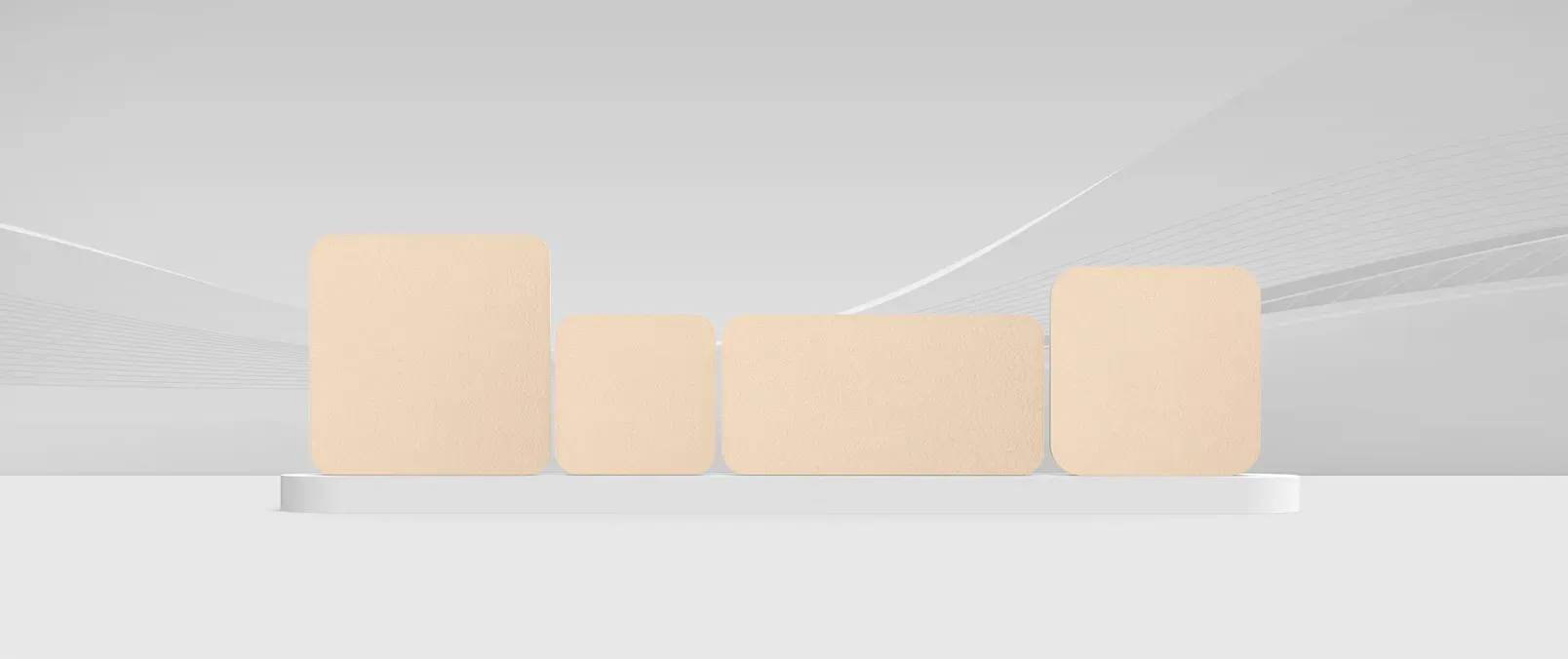
Non bordered foam dressings work for many wound types. They are best when you need to handle fluid and keep wounds moist. Pick these dressings for wounds that leak, like pressure ulcers or diabetic foot ulcers. They also help with surgical wounds, small burns, and skin grafts. Do not use them on dry wounds or third-degree burns. The table below shows when to use these dressings:
|
Indications |
Contraindications |
|---|---|
|
Oozing wounds (mild or severe) |
Undrained wounds |
|
Partial or full thickness wounds |
Third-degree burns |
|
Leg ulcers, surgical wounds, minor burns |
Dry wounds |
|
Infected wounds, pressure ulcers (stage 2-4) |
|
|
Skin grafting, tracheostomy tube sites |
|
Application Tips
To get the best results, follow these tips. Clean the wound and take away any dead tissue. Keep the wound moist but not too wet. Watch for infection and swelling. Use a dressing that soaks up fluid and keeps it inside. Take off the dressing gently to protect new skin.
Nurses often change the dressing every three days for infected wounds. For clean wounds, they change it every six days. If you see fluid at the edges, change the dressing sooner. These dressings fit well on body curves and help keep wounds safe.
Tip: Always look at the wound before putting on a new dressing. This helps you see how it is healing and change care if needed.
Clinical Evidence And Recommendations
Non bordered foam dressings help wounds heal and make patients feel better. Studies show these dressings make wounds smaller and lower fluid levels. Patients say their lives are better with these dressings. No problems from the dressings have been found. They handle fluid better than many other dressings, even when pressed on.
SLK Medical Brand and Product Advantages
SLK Medical makes Alexer® Silicone Foam Dressing without Border in a modern factory. The company follows FDA and ISO 13485 rules, so you get good products. Alexer® dressings use D-Pore™ technology for great fluid soaking and air flow. You can pick from sizes like 5x5cm, 10x10cm, and 20x20cm. Each dressing is easy to put on and take off, which is good for hospitals and clinics. SLK Medical has good prices and quick shipping. For more details, visit www.slkmedical.com.
You can help your wound heal faster with non bordered foam dressings. These dressings also make you feel more comfortable. Studies show patients get better quicker when using them. Nurses find their jobs easier with these dressings.
|
Study |
Patient Benefit |
Caregiver Benefit |
|---|---|---|
|
1 |
Heals wounds faster |
Nurses do less work |
|
2 |
Fewer infections happen |
Costs go down |
|
3 |
Patients leave sooner |
Nurses feel less stress |
Experts say soft silicone foam dressings work well:
-
They are simple to use and kind to skin
-
They stay on and soak up fluid easily
Soon, new things like AI and special layers will help wounds heal even better.
FAQ
What wounds can you treat with non bordered foam dressings?
You can use non bordered foam dressings for pressure ulcers, diabetic foot ulcers, surgical wounds, burns, and leg ulcers. These dressings work best for wounds that leak fluid.
How often should you change a non bordered foam dressing?
You should change the dressing every three to seven days. If you see fluid at the edges or signs of infection, change it sooner.
Can you shower with a non bordered foam dressing?
You can shower with the dressing on. The polyurethane film backing keeps water out and protects your wound.
Do non bordered foam dressings hurt when you remove them?
You feel less pain when you remove these dressings. The silicone contact layer does not stick to your skin, so you avoid trauma.


