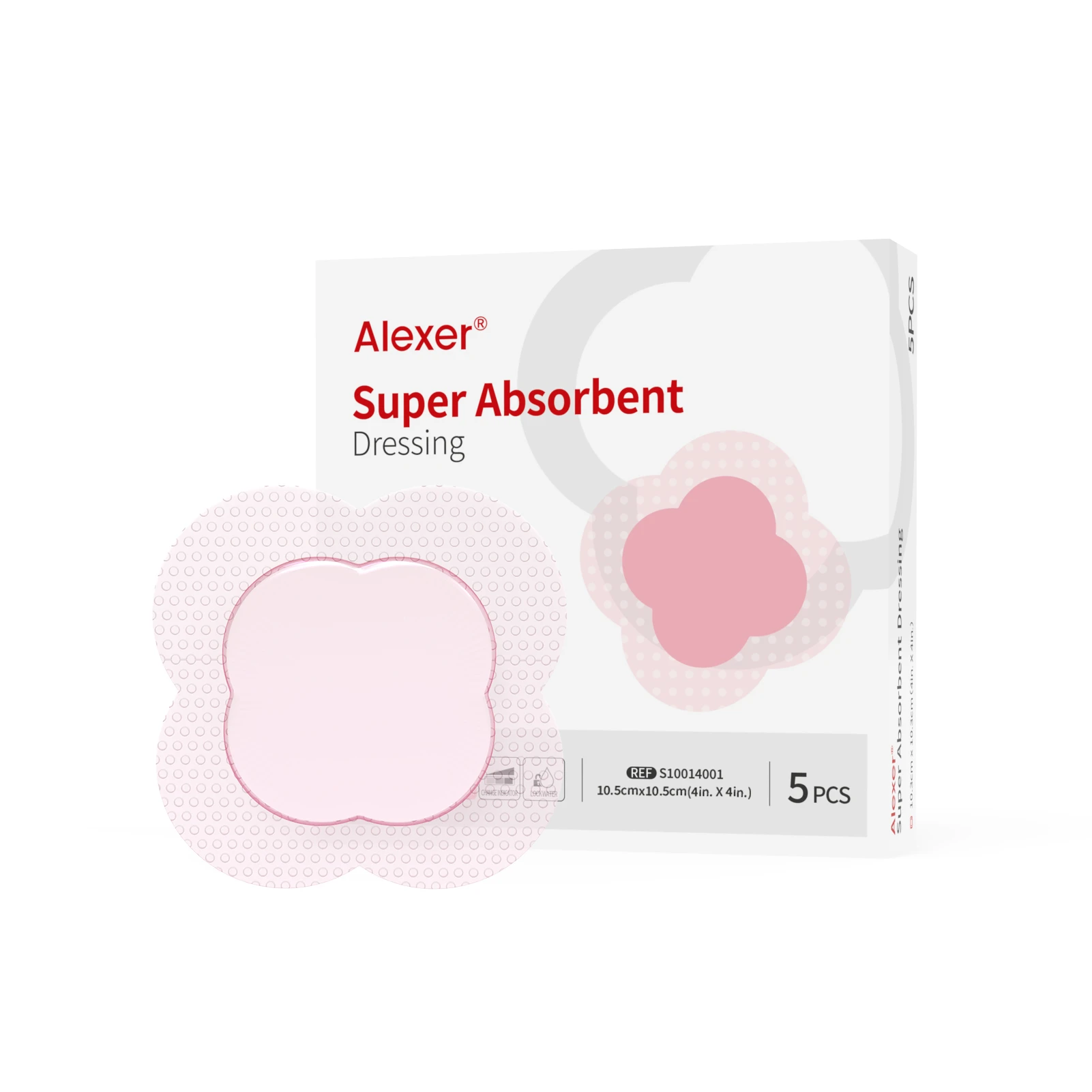
A silicone foam dressing helps you take care of wounds. It makes a soft, safe layer that soaks up fluid and protects your skin. The gentle silicone touch helps lower pain when you change the dressing. It also helps your wound heal better. Many people with sensitive skin or long-lasting wounds need special wound care. Studies show silicone foam dressings help stop pressure injuries on heels and the lower back. SLK Medical uses new technology to make dressings that feel better and work well for you.
Key Takeaways
-
Silicone foam dressings give a soft layer. They protect the skin and soak up fluid. They help wounds heal faster. These dressings are good for sensitive skin.
-
You can wear these dressings for up to 7 days. This means you do not need to change them often. It also hurts less when you change them.
-
Silicone foam dressings work for many kinds of wounds. You can use them for burns, ulcers, and surgical cuts. They help keep the wound moist in a good way.
-
Using silicone foam dressings can help stop infection. They also lower the chance of skin irritation. This makes healing more comfortable.
-
Ask your doctor to help you pick the best silicone foam dressing. Your doctor will know which one fits your wound and needs.
Silicone Foam Dressing Basics
What Are Silicone Dressings
You can find silicone dressings in hospitals, clinics, and homes. These dressings help wounds heal safely and comfortably. The soft silicone layer touches your skin but does not stick to the wound. This means you can take it off with less pain. People with sensitive skin often pick silicone dressings. You might use them for burns, ulcers, or after surgery. Doctors like silicone dressings because they protect wounds and help you heal faster.
Silicone dressings come in different shapes and sizes. There are square, rectangle, sacrum, and heel shapes. These shapes help cover many kinds of wounds. Kids, adults, and older people can all use silicone dressings. If your wound leaks fluid, silicone dressings can help. The foam inside soaks up the fluid. This keeps your wound clean and safe.
Key Features and Structure
Silicone dressings have layers that work together. Each layer has its own job. You can see the main parts in the table below:
|
Component |
Description |
|---|---|
|
Soft silicone wound contact layer |
Makes a seal with the wound, soaks up fluid, and stops leaks. |
|
Polyurethane foam core |
Soaks up fluid and gives the wound a soft cushion. |
|
Vapor-permeable polyurethane membrane |
Blocks water and germs but lets air pass through. |
The soft silicone adhesive does not stick to the wound. This makes dressing changes less painful. The foam core pulls in fluid and keeps the wound dry. The vapor-permeable membrane lets air move but keeps out water and germs. Silicone dressings keep wounds clean and safe.
Some silicone dressings have borders. Borders help the dressing stay on your skin. You might use bordered dressings for wounds that need more protection. Some do not have borders. You can cut these to fit special wound shapes.
How They Support Healing
Silicone dressings help wounds heal in many ways. They keep the wound moist, which helps healing. The foam layer pulls fluid away from the wound. This stops skin problems like maceration. Bordered silicone dressings do not need a second dressing. This makes wound care easier.
-
Silicone dressings keep wounds moist so new skin can grow.
-
The contact layer moves fluid into the foam and keeps the wound clean.
-
Bordered silicone dressings hold in moisture and stay in place.
You can wear silicone dressings for a few days. Studies show you can keep them on for up to 7 days. Many people change their dressings every 2 to 5 days. This means you change dressings less often and feel less pain.
Silicone dressings must meet safety rules. The FDA and other groups check them for quality. You can trust silicone dressings to be safe for you and your family. Doctors and nurses use them because they follow these rules.
Silicone dressings cause fewer problems than other dressings. You may feel less pain and have less skin irritation. Most people do not get skin problems with silicone dressings. You get gentle care and better healing.
Tip: Ask your doctor which silicone dressings are best for your wound. Many people with sensitive skin pick silicone dressings for comfort and safety.
How Silicone Foam Dressings Work in Wound Care

Mechanism of Action
A silicone foam dressing gives your wound a smart layer. This layer helps your skin heal. The dressing sits on your skin and makes a soft seal. The foam inside pulls in exudate, which is fluid from wounds. This keeps the wound moist but not too wet. The dressing lets air move through but blocks water and germs. Your wound gets a safe cover that helps it heal.
SLK Medical’s D-Pore™ technology makes this work even better. The special pores in the foam move fluid fast into the layers. This keeps the wound clean and helps new tissue grow. The dressing also helps stop infection by blocking bacteria.
Here is how a silicone foam dressing works at the cell level:
|
Mechanism |
Description |
|---|---|
|
Absorbing Exudate |
The core soaks up fluid, stops skin from getting too wet, and keeps the right moisture. |
|
Promoting Moisture Vapor Transmission |
The top layer lets moisture vapor out, so the wound stays balanced. |
|
Minimizing Infection Risk |
These dressings lower infection risk and help new tissue grow by blocking germs. |
You get a moist dressing that helps your skin heal and keeps the wound safe.
Moisture Management and Absorption
Controlling exudate is important for wound care. Too much fluid can hurt your skin. Too little moisture can slow healing. Silicone foam dressings use many layers to control fluid and help wounds heal.
SLK Medical’s dressings have layers that work together:
|
Layer Type |
Function |
|---|---|
|
Foam Layer |
Cushions the wound and lowers pressure and rubbing, making you more comfortable. |
|
Superabsorbent Fiber Layer |
Pulls in and holds fluid, keeping the wound clean and moist. |
|
Nonwoven Layer |
Helps manage moisture and supports the dressing. |
|
Polyurethane Backing Film |
Protects the wound and lets moisture vapor out. |
|
Perforated Silicone Contact Layer |
Seals to the skin, soaks up fluid, and makes dressing changes less painful. |
The foam layer soaks up fluid and keeps it away from your skin. The fiber layer locks in the fluid, so the wound stays moist but not too wet. The nonwoven layer helps move fluid to the core. The film lets vapor out, so the wound does not get soggy. The silicone layer lets you take off the dressing with less pain.
SLK Medical’s D-Pore™ technology helps the dressing soak up fluid and breathe. You get a dressing that controls fluid and keeps your wound in good shape for healing.
Comfort and Protection for Sensitive Skin
If your skin is sensitive, you need a gentle dressing. Silicone foam dressings are made to feel soft and not hurt. The silicone adhesive sticks softly to your skin. You can take off the dressing without hurting your wound or skin.
Many people with fragile skin use silicone foam dressings. They feel less pain when they change the dressing. The dressing keeps the wound moist, which helps it heal and keeps skin healthy. You get protection from rubbing and pressure, which is good for wounds on heels, elbows, or bony spots.
-
Silicone foam dressings are made for sensitive skin and stick gently.
-
You feel less pain when you change the dressing.
-
The dressing keeps the wound moist to help healing.
-
You get a barrier that blocks germs and protects from outside harm.
SLK Medical’s layers and new technology make these dressings a great choice for comfort and safety. You can use them for many wounds, like ulcers, burns, and after surgery. The dressings help you heal faster and feel better.
Note: If your wound leaks a lot, ask your doctor about silicone foam dressings. They work for wounds with little or lots of fluid and help keep your skin safe.
When to Use Silicone Foam Dressings
Suitable Wound Types
Silicone foam dressings work for many kinds of wounds. You can use them for cuts, burns, ulcers, and wounds from surgery. They help with pressure injuries and diabetic foot ulcers. Doctors pick this dressing for wounds that leak fluid. You can also use it for skin tears. The foam pulls in fluid and keeps your skin safe.
Here are some wounds that do well with silicone foam dressings:
-
Pressure ulcers
-
Diabetic foot ulcers
-
Venous leg ulcers
-
Burns (first and second degree)
-
Surgical wounds
-
Skin tears
Tip: If your wound leaks a lot or your skin is sensitive, ask your doctor about silicone foam dressings.
Patient Needs and Scenarios
You may need silicone foam dressings if your skin is fragile or your wound needs gentle care. Many people in hospitals use these dressings to stop pressure injuries. The table below shows how different patients benefit:
|
Patient Population |
Benefit from Silicone Foam Dressings |
|---|---|
|
Hospitalized Patients |
|
|
Patients in Intensive Care Units |
Good for those at high risk for pressure injuries |
People with diabetes can get foot ulcers. Silicone foam dressings help these wounds heal better. The table below shows how scores change when you use this dressing:
|
Outcome Measure |
Initial Score |
Final Score |
Significance |
|---|---|---|---|
|
3.9 ± 1.6 |
6.1 ± 1.3 |
P < .001 |
|
|
Bacterial Load Reduction |
Yes |
Yes |
Significant |
You may also use silicone foam dressings for skin tears. These dressings protect your skin and help wounds heal faster.
SLK Medical Product Applications
SLK Medical makes silicone foam dressings for many needs. You can pick dressings with borders for extra protection. Dressings without borders work for wounds with special shapes. SLK Medical’s products help with wounds after surgery, burns, ulcers, and skin tears. You can use them on heels, elbows, or hard-to-cover spots.
These dressings soak up fluid, protect your skin, and help healing. SLK Medical uses new technology to make dressings that fit your needs. You can trust these products for comfort and safety.
Benefits of SLK Medical Silicone Foam Dressings
Advanced Wound Healing
You want your wound to heal fast and safely. SLK Medical silicone foam dressings help you do this. These dressings have many layers that work together. The foam core pulls in fluid and keeps the wound moist. This helps your skin make new cells and heal quicker. The contact layer has a non-stick coating. This stops the dressing from sticking to your wound. You feel less pain when you take it off.
The table below shows how silicone foam dressings help healing in hospitals:
|
Study Title |
Background |
Aim |
Methods |
Primary Outcome Measure |
|---|---|---|---|---|
|
Healing rate of hospital-acquired skin tears using adhesive silicone foam versus meshed silicone interface dressings |
A skin tear is a traumatic wound that occurs in up to one in five hospitalized patients. Nursing care includes application of a dressing to create a moist wound healing environment. |
To compare the effectiveness of two standard dressings (adhesive silicone foam vs. meshed silicone interface) to heal hospital-acquired skin tear. |
A randomized, non-inferiority pilot study conducted in an Australian tertiary hospital with 52 participants over 3 weeks. |
Wound healing at 21 days |
SLK Medical’s Alexer® Silicone Foam Dressing with Border has a special layer that holds more fluid. This helps wounds heal better and lowers the chance of infection.
Pain-Free Dressing Changes
You might worry about pain when you change your dressing. SLK Medical silicone foam dressings use gentle silicone that sticks softly to your skin. The non-stick coating helps stop scars and skin sticking. You can take off the dressing without hurting your wound or skin. This is good if your skin is sensitive or fragile.
Many people say these dressings hurt less. You can wear them for a few days. You do not need to change them as much. You feel more comfortable and less stressed.
Versatility and Cost-Effectiveness
SLK Medical silicone foam dressings work for many wounds. You can use them for burns, ulcers, surgery wounds, and skin tears. The Alexer® Silicone Foam Dressing Composite Type fits hard places like heels or elbows. You can pick dressings with borders or without, for different needs.
At first, these dressings may cost more than regular ones. But you save money because you change them less often. You also lower the chance of problems like infection. This means fewer doctor visits and less waste. Silicone dressings help you heal better, feel less pain, and make less trash. You help the planet by using fewer dressings and less packaging.
Tip: You can wear one silicone foam dressing for three to seven days. This means less waste and helps the environment.
You can rely on silicone foam dressings to help wounds heal quickly and feel better. SLK Medical uses new technology to make dressings that protect skin and soak up fluid. The table below shows how these dressings help you:
|
Key Point |
Evidence |
|---|---|
|
Silicone foam dressings keep wounds moist. This helps wounds heal faster and lowers infection risk. |
|
|
Absorption of exudate |
These dressings soak up extra fluid. This stops skin from getting too wet. |
|
Comfort and ease of use |
SLK Medical dressings are easy to use and feel comfortable. |
Doctors say you feel less pain when you change these dressings. Nurses use them to help wounds and keep sensitive skin safe. SLK Medical cares about quality and helping patients. You get better healing and more comfort with their silicone foam dressings.
FAQ
How long can you wear a silicone foam dressing?
You can wear a silicone foam dressing for up to 7 days. The exact time depends on how much fluid your wound produces. Always check with your doctor for the best advice.
Can you shower with a silicone foam dressing?
You can shower with most silicone foam dressings. The waterproof layer protects your wound from water. Make sure the dressing stays sealed and does not peel off.
What types of wounds work best with silicone foam dressings?
Silicone foam dressings work well for burns, ulcers, surgical wounds, and skin tears. You can use them for wounds that leak fluid or need gentle care.
Tip: Ask your healthcare provider if silicone foam dressings are right for your wound.
Do silicone foam dressings hurt when you remove them?
You feel less pain when you remove silicone foam dressings. The soft silicone layer does not stick to your wound. This makes dressing changes easier and more comfortable.