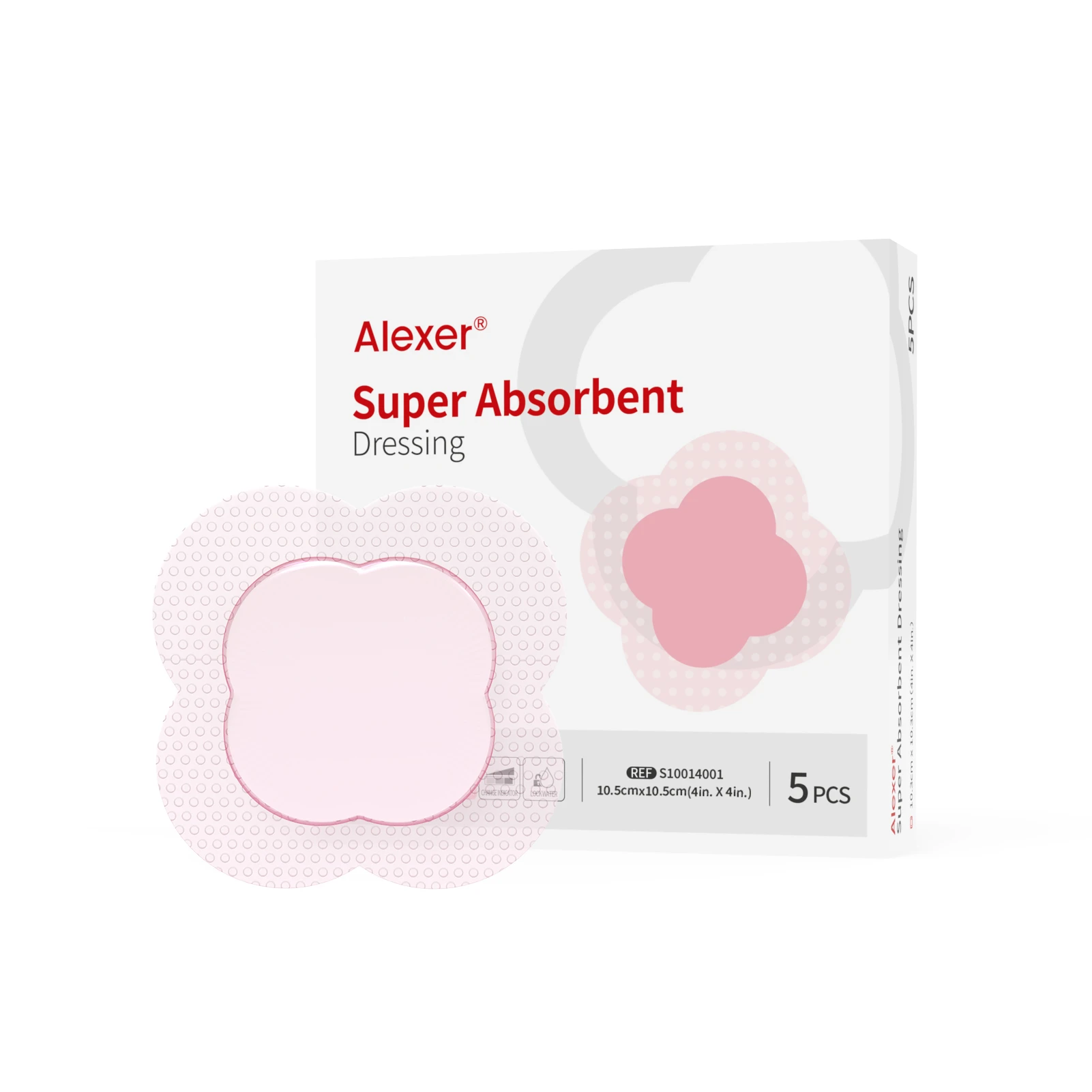
A wound adhesive dressing sticks to your skin. It keeps your wound safe from dirt and germs. You use it to cover cuts, scrapes, or places after surgery. Studies show new dressings lower the chance of blisters. This helps wounds heal better.
|
Study Type |
Key Finding |
Conclusion |
|---|---|---|
|
Randomized Trial |
New dressings cause fewer blisters than old ones |
May help manage wound problems better |
Picking the right dressing can be hard. You may ask which one is best for sensitive skin or wounds that last a long time. Advanced dressings like foam, hydrocolloid, and film help wounds heal faster than regular dressings.
|
Dressing Type |
Effectiveness Compared to Conventional Dressings |
|---|---|
|
Hydrocolloid |
Works better |
|
Hydrogel |
Works better |
|
Film |
Works better |
|
Foam |
Works better |
SLK Medical makes new products that focus on comfort and quality. You can trust their dressings for gentle care and better healing.
Key Takeaways
-
Wound adhesive dressings keep wounds safe from dirt and germs. They help wounds heal faster and lessen pain.
-
Picking the right dressing is very important. Think about how wet the wound is, if your skin is sensitive, and how active you are.
-
SLK Medical has special dressings that make healing and comfort better. They offer silicone foam and hydrocolloid dressings.
-
Check your wound often to see if it is healing or infected. Change the dressing when needed to keep it clean.
-
Talk to a healthcare professional if you feel more pain, see swelling, or notice other worrying signs.
What Is a Wound Adhesive Dressing?
Definition and Role
A wound adhesive dressing is a special cover that sticks to your skin and protects your wound. You use it to keep out germs, dirt, and water. This dressing helps your wound heal faster by keeping it moist and safe. You can find wound adhesive dressings in hospitals, clinics, and even at home. They come in many shapes and sizes to fit different wounds.
SLK Medical leads the way in making advanced wound adhesive dressings. Their products use new technology to help wounds heal better and keep you comfortable. When you choose a wound adhesive dressing, you get protection and support for your skin.
Tip: A wound adhesive dressing does more than just cover a wound. It helps control pain and odor, manages infection, and keeps the wound at the right temperature.
Here is a table showing the main roles of wound adhesive dressings:
|
Role of Wound Adhesive Dressings |
Description |
|---|---|
|
Maintenance of Moist Environment |
Helps wounds heal by keeping them moist and managing fluid. |
|
Structure-Function Relationship |
The design affects how well the dressing works. |
|
Absorbency and Occlusiveness |
Absorbs fluid or keeps wounds moist, depending on the need. |
|
Infection Management |
Protects against germs and can deliver medicine. |
|
Conformity and Adherence |
Stays in place and fits the wound shape. |
|
Pain and Odor Control |
Reduces pain and controls smell. |
|
Compatibility with Other Devices |
Works with wraps and casts. |
Why Type Selection Matters
You need to pick the right wound adhesive dressing for your wound. Different types of wound dressings work best for different wounds. Some dressings protect the skin around the wound. Others fit the shape of your body and do not cause pain when you put them on or take them off.
-
Some dressings keep the wound moist and help new skin grow.
-
Others stop trauma by not sticking to new tissue.
-
Many dressings protect against germs and keep the wound at the right temperature.
-
You want a dressing that is safe, sterile, and does not cause allergies.
You should look at your wound before choosing. If your wound is dry, you need a dressing that adds moisture. If your wound has a lot of fluid, you need a dressing that absorbs it. If there is dead tissue, you need a dressing that helps clean it. If your wound is infected, you need a dressing that fights germs.
SLK Medical offers many types of wound dressings for different needs. Their products help you find the best match for your wound and skin type.
Types of Wound Adhesive Dressings
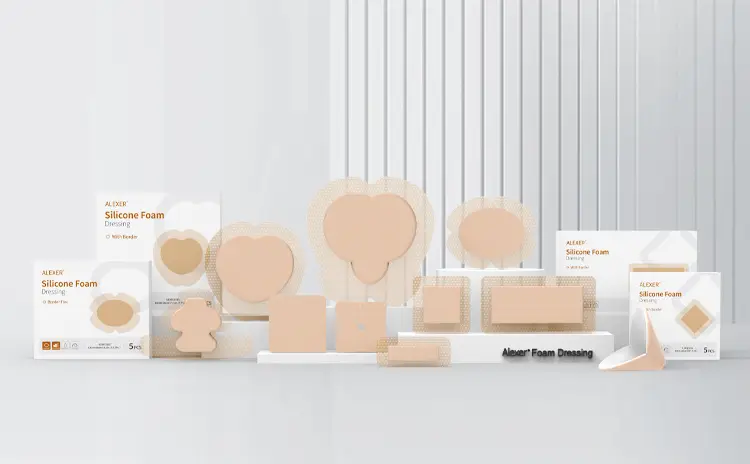
There are many wound dressing types you can pick from. Each one helps your wound in its own way. SLK Medical has special dressings that help you heal and feel comfortable.
Silicone Foam Dressing (SLK Medical)
Silicone foam dressing keeps your wound moist and safe. You use it for pressure ulcers, diabetic foot ulcers, burns, and after surgery. The soft silicone layer sticks gently to your skin. It does not hurt much when you take it off. The foam soaks up fluid and stops leaks.
SLK Medical’s silicone foam dressing uses D-Pore™ technology. This makes it better at soaking up fluid and letting air in. You can wear it for up to seven days. The waterproof back keeps germs and water away.
Silicone foam dressing is good for sensitive skin. It does not stick to new tissue, so it does not cause extra pain.
Studies show silicone foam dressings help stop pressure ulcers. In one study, ICU patients who used this dressing on their heels did not get pressure ulcers. The other group had 14 cases. This means silicone foam dressing can protect your skin from harm.
|
Study Objective |
Method |
Results |
Conclusion |
|---|---|---|---|
|
Prevent pressure ulcers in ICU patients |
Cohort study, 191 patients, dressings on heels |
0 ulcers in intervention group, 14 in control group |
Silicone foam dressings reduce heel pressure ulcers |
Researchers are still studying silicone foam border dressings. They want to see if these dressings stop sacral pressure injuries in hospitals.
Hydrocolloid Dressing (SLK Medical)
Hydrocolloid dressing helps wounds heal by keeping them moist. You use it for small burns, scrapes, and wounds that are not chronic. The hydrocolloid layer soaks up fluid and turns into a gel. This gel keeps your wound clean and safe.
SLK Medical’s hydrocolloid dressing is thin and bends easily. You can use it on many body parts. The clear design lets you look at your wound without taking the dressing off. You feel less pain and discomfort.
Hydrocolloid dressing is great for wounds that need moisture. It helps new skin grow and protects nerves.
Studies say hydrocolloid dressings work well for healing. Patients feel less pain and need fewer dressing changes. Some studies show wounds heal faster and look better.
|
Study |
Benefits |
Limitations |
|---|---|---|
|
Schmitt et al. |
More secure, no adverse events |
N/A |
|
Rasmussen et al. |
Fewer changes, improved comfort |
N/A |
|
Nagai et al. |
Reduced complications |
N/A |
|
Knapman and Bache |
Promotes healing, reduces discomfort |
N/A |
|
Andersson et al. |
Less pain than paraffin gauze |
N/A |
|
Heffernan and Martin |
Less pain, normal activities |
N/A |
|
Hermans and van Wingerden |
High comfort, daily activities |
Suspected allergic reaction in one case |
|
Eisenberg |
Faster healing, fewer changes |
N/A |
|
Champsaur et al. |
Faster healing, earlier reharvesting |
N/A |
|
Doherty et al. |
Better cosmetic results, faster healing |
N/A |
|
Tan et al. |
Higher healing rate, better comfort |
More frequent changes |
|
Smith et al. |
Higher healing rates, lower infection |
N/A |
|
Leicht et al. |
Good cosmetic effects, normal healing |
N/A |
|
Estienne and Di Bella |
Faster healing |
N/A |
|
Hulten |
Acceptable alternative |
N/A |
|
Young et al. |
Better scar quality |
N/A |
Super Absorbent Dressing (SLK Medical)
Super absorbent dressing is for wounds with lots of fluid. You use it for leg ulcers, pressure ulcers, diabetic foot ulcers, and after surgery. The dressing soaks up and holds a lot of fluid. This keeps your wound dry and protects the skin around it.
SLK Medical’s super absorbent dressing has a soft layer that does not stick. You feel less pain when you change it. The dressing fits your body and stops leaks.
Super absorbent dressing is smart for wounds that leak a lot. It keeps your skin safe and helps you heal faster.
Studies show super absorbent dressings handle fluid very well. Most people say they are “very good” or “good” for soaking up fluid. These dressings help wounds heal and protect your skin. Pain goes down, so you feel better.
|
Key Findings |
Description |
|---|---|
|
Fluid Handling |
|
|
Periwound Skin Protection |
Reduces leakage and skin damage |
|
Clinical Evidence |
Product evaluations and case studies |
|
Performance Variability |
Absorption capacity differs among brands |
You can see these benefits in real life. The dressing soaks up fluid, protects your skin, and helps you heal.
Transparent Dressing (SLK Medical)
Transparent dressing covers your wound and lets you see it. You use it for scrapes, cuts, surgical wounds, and catheter sites. The dressing is thin, waterproof, and lets air in. You can check your wound without taking the dressing off.
SLK Medical’s transparent dressing uses a soft PU film. It is gentle and safe for sensitive skin. The rounded corners help the dressing stay on and not curl up.
Transparent dressing is helpful when you need to watch your wound. You can use it for small burns, shallow ulcers, and over stitches.
Transparent dressings keep your wound moist and safe. You do not have to change them often, so you feel less pain. These dressings are good for wounds that need to be checked often.
|
Key Features |
Clinical Applications |
|---|---|
|
Transparency for easy monitoring |
Superficial wounds |
|
Cost-effective and readily available |
Minor burns |
|
Adheres easily to skin |
Lacerations |
|
Maintains a moist wound environment |
Stage I and II pressure ulcers |
|
Provides a protective barrier against infection |
Superficial dermal ulcers |
|
Protects from friction and trauma |
Infected wounds |
|
Can be used as secondary dressings |
Over sutures, central lines, catheter sites |
You get a better view of your wound, less risk of infection, and protection from rubbing.
Other Common Types
There are other wound dressing types for different needs. Each one has special features for your wound or injury.
-
Transparent film bandages let your wound breathe. You use them to cover big areas.
-
Tissue adhesive bandages make chemical bonds. You use them for small cuts and emergencies.
-
Foam dressings seal wounds and help new skin grow. You use them early in healing.
-
Hydrogel wound dressings cool your skin and stop irritation. You use them for organ transplants and to seal wounds.
-
Moisture-retentive bandages soak up drainage and lower pain. You use them to help new skin grow.
-
Oxygen-absorbing bandages control oxygen and help cells grow. You use them for dead tissue.
-
Sterile gauze bandages let wounds breathe and are easy to use. You use them in hospitals to hold wounds together.
|
Type of Dressing |
Key Features |
Uses |
|---|---|---|
|
Transparent Film Bandages |
Cost-effective, breathable, not for heavy bleeding |
Seals wounds, large body sections |
|
Tissue Adhesive Bandages |
Chemical bonds, reduces pain, tissue growth |
Minor cuts, emergency settings |
|
Foam Dressings |
Seals well, helps new tissue grow |
Early healing, reduces bacteria |
|
Hydrocolloid Bandages |
Absorbs fluid, keeps moisture |
Prevents leakage, moist healing environment |
|
Hydrogel Wound Dressings |
Cools skin, reduces irritation |
Organ transplants, seals wounds |
|
Moisture-Retentive Bandages |
Absorbs drainage, reduces pain |
Absorbs blood, promotes new tissue |
|
Oxygen-Absorbing Bandages |
Manages oxygen, encourages cell growth |
Treats necrotic tissue, prevents bacteria |
|
Sterile Gauze Bandages |
Breathable, easy to use |
Hospitals, holds wounds together |
Pick the wound dressing that matches your wound and injury. Each dressing helps you heal in its own way.
Wound dressings come in many forms. You get better healing, comfort, and safety when you choose the right one for your wound.
Choosing the Right Wound Dressing
Picking the right wound adhesive dressing helps you heal and feel comfortable. You should look at your wound, your skin, and what you do each day. Every dressing works best for certain needs. Matching the dressing to your needs helps you heal faster and feel better.
Assessing Wound Type
Start by looking at your wound. Some wounds are shallow. Others are deep. Some wounds leak a lot. Others stay dry. Think about how you got the wound. Also, think about how long you have had it.
If you know about the different dressings and your wound, you can make good choices. This helps your wound heal better. Ask a healthcare professional for help with picking and using your dressing.
Doctors look at these things to pick the best dressing:
-
The kind of wound
-
How the wound is healing
-
Patient details
-
How much fluid comes out
-
How deep the wound is
-
If there is infection
Before you choose a dressing, know your goal. You may want your wound to heal fast. You may want less pain. You may want your wound to look better. You may want to remove dead tissue. You may want to stop bad smells.
|
Clinical Factor |
Description |
|---|---|
|
Aim of Care |
Decide if you want fast healing, less pain, or better appearance. |
|
Wound Assessment |
Look at the wound’s size, depth, and how much it drains. |
|
Allergies and Sensitivities |
Check if you react to any dressings. |
|
Wound Characteristics |
Notice if the wound is dry, wet, infected, or has dead tissue. |
Foam dressings are good for wounds with lots of fluid. Hydrocolloid dressings work for wounds with some fluid. Alginate dressings help with wounds that leak a lot. Hydrogel dressings add moisture to dry wounds.
There are many dressings to choose from. This can make picking hard for doctors. Knowing the types and uses helps you choose the right one.
Skin Sensitivity and Allergies
Some dressings can bother your skin. If your skin is sensitive or you have allergies, pick a gentle dressing. Some people get red or itchy skin. Some get blisters from adhesives.
|
Patient Population |
Prevalence of ACD (%) |
|---|---|
|
General Population |
|
|
Chronic Wound Patients |
Up to 30 |
|
Asian Patients with Leg Ulcers |
61.4 |
|
Patients with Leg Ulcers |
63% and 52% |
|
Patients with Recalcitrant Ulcers |
Higher Sensitisation |
If you have a wound for a long time, you may react more. Look for dressings made for sensitive skin. SLK Medical’s silicone foam dressings use soft silicone. They stick gently and do not hurt when you take them off. These are good for people with allergies or fragile skin.
Tip: Always check your skin for redness or itching after you use a dressing. If you see a reaction, switch to a hypoallergenic dressing.
Exudate and Moisture Levels
Wounds can be dry or wet. Some wounds leak a lot of fluid. This fluid is called exudate. Managing fluid helps you heal. Too much moisture can hurt the skin around the wound. Too little moisture can slow healing.
|
Exudate Management |
Key Benefits |
|
|---|---|---|
|
Hydrocolloid Dressings |
Absorb fluids, maintain moisture |
Promote autolytic debridement, angiogenesis, and pain management |
|
Hydrogel Dressings |
Supply moisture for debridement |
Better for dry necrotic wounds requiring moisture for healing |
|
Film Dressings |
Semi-permeable, do not absorb |
Maintain moisture while allowing vapor and gas exchange |
|
Foam Dressings |
Allow moisture entry, prevent bacteria |
Maintain moist environment, suitable for infected wounds |
|
Alginate Dressings |
Absorbent, derived from seaweed |
Effective for exudative wounds, promoting a moist healing environment |
|
Hydrofiber Dressings |
Absorb exudate, promote healing |
Provide painless removal, no adherence, good safety results in wounds |
Match the dressing to your wound’s moisture level. For wounds with lots of fluid, use super absorbent dressings from SLK Medical. These soak up fluid and keep the area dry. For dry wounds, hydrogel dressings add moisture and help clean out dead tissue. Foam dressings work well for wounds with some or lots of fluid. They help keep the wound moist.
The dressing should fit the wound’s needs. Use absorbent dressings for wounds that leak a lot. Think about comfort and how easy it is to change the dressing.
Activity and Wear Time
What you do each day affects how long your dressing stays on. If you move a lot, you need a strong adhesive. It should not peel off. If you move less, you can use a regular adhesive.
How well a wound adhesive dressing works depends on how active you are. Active people need stronger adhesives. These last longer and do not come off when you move. Less active people can use regular adhesives. These do not need to stay on as long. Picking the right adhesive strength for your lifestyle helps you avoid problems.
SLK Medical’s dressings are made for long wear. Silicone foam dressings can stay on for up to seven days. They work even if you move a lot. SLK Medical’s transparent dressings use soft film. It sticks well but comes off easily. These are good for both active and less active people.
Note: Always follow the instructions for each dressing. Change your dressing as told to keep your wound clean and safe.
Quick Guide: Matching Dressing to Wound and Application
|
Wound Type / Need |
Recommended Dressing Type |
SLK Medical Solution Example |
|---|---|---|
|
Highly exudative wound |
Super absorbent, foam, alginate |
Super Absorbent Dressing, Silicone Foam |
|
Dry or necrotic wound |
Hydrogel, hydrocolloid |
Hydrocolloid Dressing |
|
Sensitive or fragile skin |
Silicone-based, hypoallergenic |
Silicone Foam Dressing |
|
Need for frequent monitoring |
Transparent film |
Transparent Dressing |
|
Chronic wound |
Long-wear, gentle removal |
Silicone Foam, Super Absorbent Dressing |
Picking the right dressing for your wound helps you heal faster. It also lowers the chance of problems. SLK Medical has dressings for sensitive skin, chronic wounds, and every stage of healing.
Best Practices for Wound Dressing Application
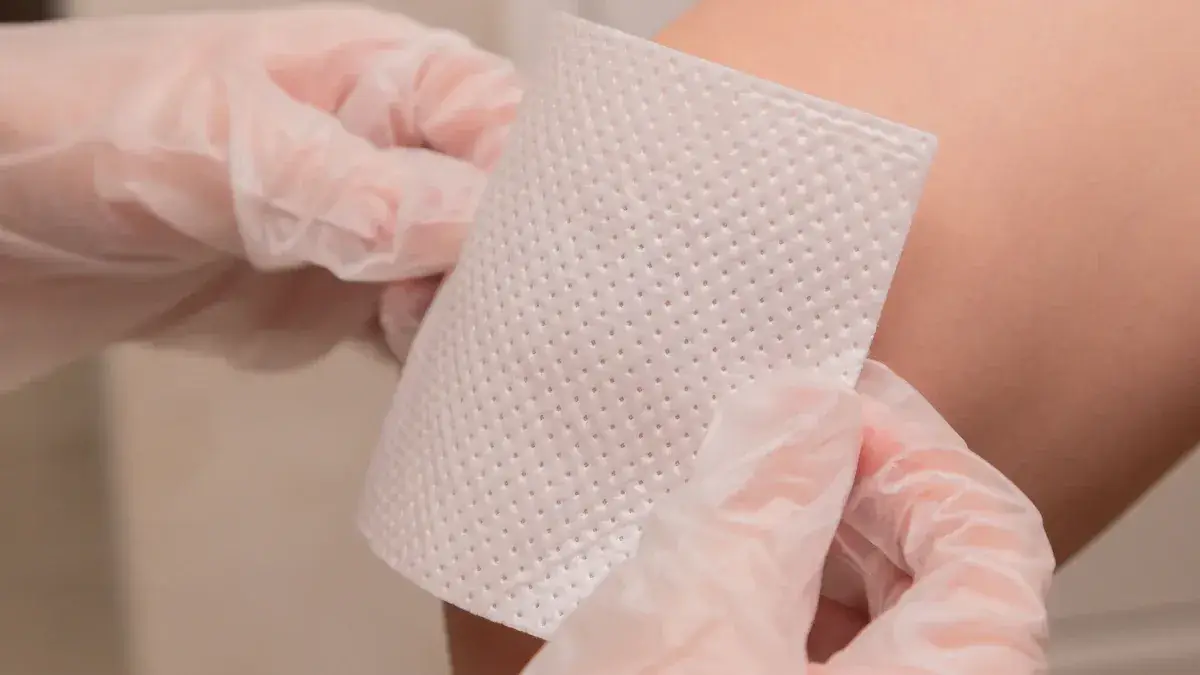
Preparing the Wound
You must get your wound ready before putting on a dressing. First, clean the wound with sterile saline or a wound cleanser. This helps remove germs, dirt, and extra fluid. If your wound looks infected, use a gentle antiseptic solution. Spray it with low pressure. Sometimes, you need to take away dead tissue so your wound heals faster. Keeping the wound moist helps new skin grow. It also helps healing go quicker. Always wear sterile gloves and use clean tools to stop infection.
Tip: Be gentle when you clean your wound. Do not scrub hard. This keeps healthy skin safe and lowers pain.
Applying the Dressing
Pick the best way to put on your wound dressing. Place the clean dressing over your wound so it covers everything. Make sure it fits well and does not leave open spots. Use a clean bandage to hold the dressing in place. If your wound leaks a lot, use hydrogel or foam dressings. These soak up fluid and keep the wound moist. Silicone dressings from SLK Medical stick softly and help lower pain. For dry wounds, use hydrogel dressings to add moisture.
|
Adhesive Type |
Complications Associated |
Frequency of Complications |
|---|---|---|
|
Silicone |
Fewer problems |
Least likely |
|
Polyurethane |
Skin tears, pain |
30% (pain), 27% (overall) |
|
Acrylate |
Allergic reactions, pain |
30% (pain), 27% (overall) |
|
Rubber |
Allergic reactions |
Rarely used |
|
Hydrocolloid |
Maceration |
Happens more often |
Safe Removal
Take off your dressing slowly so you do not hurt your skin. Go gently and do not rush. Use clean adhesive remover wipes to help. Try silicone foam dressings to lower pain. Hydrogel dressings are easy to remove and gentle. Always use clean tools and wash your hands before touching your wound.
-
Remove dressings slowly and gently to avoid hurting skin.
-
Use clean adhesive remover wipes to help take off dressings.
-
Try atraumatic dressings when you can.
-
Use adhesive remover wipes to make removal easier and less painful.
-
The best way is to use clean silicone adhesive removers. These break the sticky bond but do not hurt your skin.
Note: SLK Medical’s silicone dressings help you take off dressings with less pain and less chance of skin tears.
Monitoring for Complications
Check your wound and skin often. Look for redness, swelling, or pain. Watch for skin tears, blisters, or signs of infection. Skin injury can happen if you use the wrong dressing. Pressure ulcers and moisture damage may happen if you do not check your wound. Always look at your skin before you put on or take off a dressing. Use hydrogel dressings if your skin is weak. Silicone adhesives help protect your skin and lower trauma.
-
Check for irritation, changes in temperature, and color.
-
Write down how your wound and skin look.
-
Pick dressings that come off gently and do not hurt.
-
Use silicone adhesives for weak skin to lower trauma.
-
Look at your wound often and keep notes on how it heals.
Tip: If you see any problems, tell your doctor or nurse. Acting early can lower pain and help your wound heal faster.
Aftercare and Monitoring for Wound Healing
Proper aftercare helps you get the best results from your wound adhesive dressing. You need to watch your wound closely and know when to take action. Good aftercare supports the healing process and protects you from bacteria.
Signs of Healing
You can spot signs that your wound is healing well. Look for these changes:
-
The wound edges start to close and new tissue forms.
-
The wound stays moist but not too wet.
-
Pain and swelling decrease over time.
-
The color of the wound changes from red to pink as it heals.
-
There is no foul odor or pus.
Keeping your wound moist helps cells move and grow. Modern dressings, like SLK Medical’s silicone foam and hydrocolloid dressings, hold moisture and manage fluid. These dressings also protect your wound from bacteria and reduce pain. Highly absorbent dressings keep the area dry and lower the risk of infection.
When to Change Dressings
Changing your dressing at the right time supports wound healing and keeps bacteria away. Here is a simple guide:
-
For clean, dry wounds with little fluid, change the dressing every 2–3 days or as your doctor says.
-
For wounds with moderate fluid, change the dressing daily or every other day.
-
For wounds with heavy fluid or infection, change the dressing once or twice a day.
SLK Medical’s dressings offer extended wear. You can monitor your wound easily through transparent dressings, which means fewer changes and less disruption to the healing process.
When to Seek Medical Advice
Sometimes, you need to call your doctor. Watch for these warning signs:
-
More pain or swelling around the wound
-
Redness or warmth spreading past the dressing
-
Foul odor or pus
-
Fever or red streaks from the wound
-
No improvement after several days
If you see any of these, get help right away. Early action can stop bacteria from causing bigger problems and keep your healing process on track.
Tip: Using SLK Medical’s advanced dressings helps you care for your wound longer and check healing without removing the dressing. This reduces trauma and keeps bacteria out.
Picking the right wound care dressing helps wounds heal faster. It can also lower pain from surgery or after surgery. If you use dressings the right way, you feel more comfortable and have fewer problems. The table below explains how good care helps:
|
Benefit |
Description |
|---|---|
|
Promote Healing |
Dressings that keep wounds moist help many wounds heal. |
|
Hydrogel dressings can make pain less after surgery. |
|
|
Patient Satisfaction |
The right dressing helps you move and feel better while you heal. |
-
Always check your skin and use gentle dressings to lower pain.
-
If you see redness or swelling, ask a healthcare professional for help.
-
SLK Medical has new dressings that help you heal and recover.
FAQ
What is the main purpose of a wound adhesive dressing?
You use a wound adhesive dressing to protect your wound. It helps you keep out dirt and germs. You support healing and prevent infection. The dressing keeps your wound moist and safe. You lower your risk of skin damage.
How do you prevent infection when using wound adhesive dressings?
You clean your wound before you apply the dressing. You use sterile gloves and tools. You change your dressing as needed. You watch for signs of infection. You prevent infection by keeping your wound covered and dry.
Can you use wound adhesive dressings to treat severe injuries?
You use wound adhesive dressings for minor wounds. You need a doctor to treat severe injuries. You help healing by keeping your wound clean. You prevent infection with proper care. You ask your doctor for advice on serious wounds.
How often should you change your wound adhesive dressing?
You change your dressing when it gets wet or dirty. You check your wound for healing. You prevent infection by changing dressings regularly. You follow your doctor’s advice. You look for signs of infection and healing every day.
What signs show your wound is healing well?
You see new skin forming. You notice less pain and swelling. You watch for a healthy pink color. You prevent infection by keeping your wound clean. You feel better as healing continues. You check for no bad smell or pus.