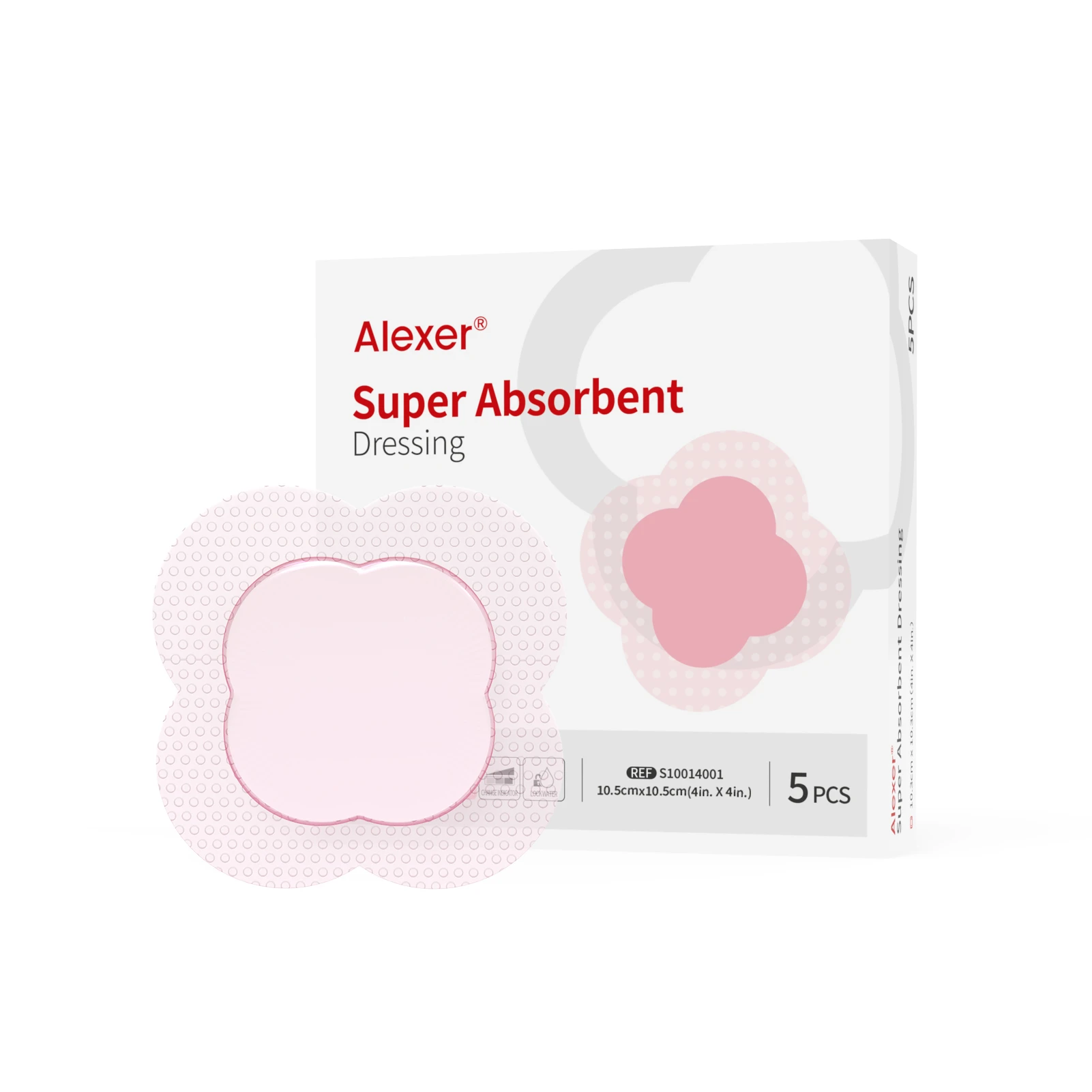
Foam dressings play a vital role in wound care by absorbing excess fluids and providing a protective barrier. You can support wound healing with foam for wound dressing, as these products maintain a moist environment and reduce infection risks. SLK Medical leads the way in advanced foam dressings designed for sensitive skin and chronic wounds. Studies show that foam dressings often help wounds heal at higher rates than some other options, such as hydrocolloid dressings.
Key Takeaways
-
Foam dressings maintain a moist environment, which is essential for faster wound healing and reduced scarring.
-
These dressings absorb excess fluid, protecting the wound from infection and promoting a comfortable healing process.
-
Foam dressings are user-friendly and can be used on various wound types, especially those with moderate to heavy drainage.
-
They provide cushioning and protection, making dressing changes less painful and reducing the risk of further injury.
-
Choosing the right foam dressing based on wound type and drainage level can significantly improve healing outcomes.
Foam for wound dressing: Overview
What are foam dressings?
You may notice that foam dressings look different from traditional gauze or bandages. These dressings are specialized products made from polyurethane or silicone foam. You can find them in many shapes and sizes, which helps you match the dressing to the wound. Foam for wound dressing absorbs fluids from the wound and keeps the area moist. This moist environment supports wound healing and helps prevent the wound from drying out.
Foam dressings have a unique structure. The main material is usually a soft, opaque polyurethane membrane. This membrane is partially occlusive, so it blocks liquids but lets water vapor pass through. Many foam dressings include an outer film coating. This coating is often waterproof and protects the wound from bacteria, friction, and other irritants. Some foam dressings have an adhesive border that sticks to the skin around the wound, while others do not. The adhesive border makes removal easier and less painful.
Tip: Foam dressings work best on wounds with mild to heavy drainage. You should not use them on dry wounds, as they may cause the wound to dry out even more.
Here is a quick overview of the main components of foam dressings:
|
Component |
Description |
|---|---|
|
Material |
Opaque polyurethane membrane, partially blocks liquids, allows vapor escape. |
|
Outer Film Coating |
Waterproof, protects against bacteria, friction, and irritants. |
|
Absorbency |
Highly absorbent, reduces risk of skin maceration, can stay on for days. |
|
Adhesive Border |
Some have adhesive borders for easy removal, non-adherent to wound bed. |
|
Usage |
Works as primary or secondary dressing for wounds with drainage. |
|
Moist Environment |
Maintains moisture, not for dry wounds. |
You can use foam dressings for many types of wounds, including acute injuries and chronic ulcers. Their design helps you manage wounds that produce moderate to heavy exudate.
How foam dressings work
Foam dressings help you manage wounds by using their special structure and materials. The microstructure of the foam allows it to draw fluid away from the wound surface. This process, called capillary action, pulls exudate into the dressing and locks it away from the skin. The microporous structure also helps the dressing absorb and retain fluid, which is essential for wound healing.
When you use foam for wound dressing, you create a moist environment at the wound bed. This moisture supports new tissue growth and speeds up healing. The dressing also protects the wound from bacteria and keeps the temperature stable. Many foam dressings cushion the wound, which reduces pain and protects against further injury.
You can see how foam dressings work by looking at their main benefits:
-
They maintain moisture at the wound bed.
-
They allow for easy removal and protect the surrounding skin.
-
They provide a barrier against bacteria and infection.
-
They help keep the wound at a stable temperature.
-
They offer mechanical protection and cushioning.
-
They are non-toxic and non-allergenic.
-
They are user-friendly and cost-effective.
Clinical studies show that foam dressings can improve outcomes for wounds like diabetic foot ulcers and venous leg ulcers. For example, silver foam dressings reduce the size of diabetic foot ulcers and lower the number of harmful bacteria. Some foam dressings also help reduce pain and lower the cost of wound care.
You can rely on foam dressings to manage wounds with moderate to heavy drainage. Their design helps you keep the wound clean, moist, and protected, which supports faster and safer healing.
Wound healing properties
Moisture balance
You play a key role in supporting wound healing when you choose foam dressings. One of the most important wound healing properties of these dressings is their ability to maintain a moist wound environment. This environment helps your body repair itself faster and with less scarring. When you use foam for wound dressing, you help manage the moisture level at the wound site.
Foam dressings work by absorbing exudate, which is the fluid that leaks from wounds. They keep the wound moist but not too wet. This balance is essential for wound healing. If a wound dries out, new cells cannot grow well. If it stays too wet, the skin around the wound can break down, causing maceration. Foam dressings help you avoid both problems.
-
Foam dressings absorb exudate and manage moisture levels.
-
They create a moist wound environment that is essential for healing.
-
These dressings protect wounds from contamination and support your body’s natural repair.
-
You can use them for wounds with different amounts of drainage, as they handle varying levels of exudate.
-
They help prevent maceration by keeping the wound surface at the right moisture level.
-
Foam dressings keep wounds moist, which speeds up healing and reduces scarring.
You can see how important moisture balance is by looking at research findings:
|
Study Title |
Findings |
Implications |
|---|---|---|
|
A wearable wound moisture sensor as an indicator for wound dressing change |
Moisture balance is crucial for optimal wound healing; excessive or insufficient moisture can delay healing. |
Effective moisture management can reduce healing time and improve patient comfort. |
|
A large-scale study on real-time moisture status |
Many dressings are changed while still in the optimal moisture range, potentially delaying healing. |
Using moisture sensors can reduce unnecessary dressing changes and improve healing conditions. |
A moist wound environment leads to more fibroblasts, which are cells that help form new tissue. You get faster healing rates and lower infection risks when you keep wounds moist. Growth factors also move more easily in a moist wound environment, which helps wounds heal better.
Tip: You should always check the wound for signs of too much moisture or dryness. Foam dressings help you keep the right balance, but you may need to adjust the dressing type or change frequency based on the wound’s condition.
Protection and cushioning
Foam dressings offer more than just moisture control. They also provide protection and cushioning, which are important wound healing properties. When you use these dressings, you shield the wound from bacteria and outside forces. The materials, such as polyurethane, have open cells that absorb fluid and cushion the wound. This design makes foam dressings ideal for wounds with moderate to heavy exudate.
You benefit from a moist wound environment that stays warm and protected. Foam dressings do not stick to the wound, so you experience less pain when you remove them. Many foam dressings have a silicone contact layer. This layer prevents the dressing from sticking to the wound bed, which reduces damage and discomfort during dressing changes.
You can see how foam dressings compare to other types by looking at clinical trial results:
|
Trial Comparison |
Outcome |
Result |
Confidence Interval |
|---|---|---|---|
|
Foam vs Hydrogel |
Healing Probability |
RR 1.00 |
95% CI 0.78 to 1.28 |
|
Foam vs Hydrogel |
MD 5.67 days |
95% CI -4.03 to 15.37 |
|
|
Foam vs Hydrogel |
Adverse Events |
RR 0.33 |
95% CI 0.01 to 7.65 |
|
Foam vs Hydrogel |
Ulcer Size Reduction |
MD 0.30 cm²/day |
95% CI -0.15 to 0.75 |
|
Foam vs Basic Dressings |
Healing Probability (Short-term) |
RR 1.33 |
95% CI 0.62 to 2.88 |
|
Foam vs Basic Dressings |
Healing Probability (Medium-term) |
RR 1.17 |
95% CI 0.79 to 1.72 |
|
Foam vs Basic Dressings |
Time to Healing (Medium-term) |
MD -35.80 days |
95% CI -56.77 to -14.83 |
|
Foam vs Basic Dressings |
Adverse Events (Medium-term) |
RR 0.58 |
95% CI 0.33 to 1.05 |

You can see that foam dressings help reduce the risk of pressure ulcers and improve healing outcomes. The cushioning effect protects the wound from pressure and friction. This is especially important for people who spend a lot of time in bed or in a wheelchair.
Note: When you use foam dressings, you give wounds the protection they need to heal safely. You also make dressing changes less painful, which helps you or your patients feel more comfortable during recovery.
Foam dressings combine moisture balance, protection, and cushioning. These wound healing properties make them a top choice for managing wounds and supporting the healing process.
SLK Medical foam dressings
Product range
You can choose from a wide selection of foam dressings at SLK Medical. These products help you manage many types of wounds, from surgical sites to chronic ulcers. Each dressing supports your goal of creating the best environment for wound healing. The table below shows the main categories of dressings you can find:
|
Product Category |
Description |
|---|---|
|
Silicone Foam Dressing |
For moderate to highly exudating wounds, offers strong absorption and skin protection. |
|
Silicone Foam Ag Dressing |
Contains silver for antimicrobial action, ideal for infection-prone wounds. |
|
Super Absorbent Dressing |
Manages heavy exudate, suitable for leg ulcers and pressure ulcers. |
|
Silicone Post-Op Dressing |
Designed for post-surgical care and sensitive skin. |
|
Silicone Wound Contact Layer |
Provides a gentle interface, reduces trauma during dressing changes. |
|
Hydrocolloid Dressing |
Maintains moisture for low to moderate exudate wounds. |
|
Alginate Wound Dressing |
Derived from seaweed, absorbs high exudate. |
|
Gelling Fiber Dressing |
Combines alginate and hydrofiber for optimal absorption and moisture control. |
You can rely on SLK Medical’s foam dressings to address a wide range of wound care needs. Whether you treat a fresh surgical wound or a chronic ulcer, you will find a product that fits.
Innovative features
SLK Medical uses advanced technology to improve your experience with foam dressings. The D-Pore™ Dual-Dimensional Pore Foaming Technology stands out. This technology increases fluid absorption and breathability. It also provides mechanical support, which helps wounds heal faster and more comfortably.
You will notice that SLK Medical’s foam dressings, such as the Alexer Silicone Foam Dressing and Ag Foam Dressing, offer gentle adhesion. These dressings work well for sensitive skin and chronic wounds. They do not stick to the wound bed, so you can remove them with less pain and less risk of damage.
Clinical studies show that foam dressings with gentle adhesive improve ulcer care. One review found that patients had less pain, smaller wounds, and better tissue health after using these dressings. In another study, patients saw their wound size drop from 37.3 cm² to 10.5 cm². Some even healed completely.
|
Study Title |
Key Findings |
|---|---|
|
The Clinical and Economic Advantages of Gentle-Adhesive Foam Dressings |
Reviews and trials show improved ulcer care and patient comfort. |
|
Reviewing the Best Foam Dressings for Wound Care in 2025 |
Pain scores dropped, wound size reduced, tissue health improved. |
|
Bench to Bedside Evaluation of an Innovative, Non‐Bordered Foam Dressing |
Effective fluid handling, nine patients healed completely. |
You can trust SLK Medical’s foam for wound dressing to deliver advanced care. These dressings help you achieve better wound healing and greater comfort for your patients.
Foam dressings: Types

When you explore foam dressings, you find several main types, each designed for specific needs in wound care. Understanding these types helps you choose the best option for different wounds and patient situations.
Silicone foam dressings
Silicone foam dressings combine advanced silicone technology with the high absorption and retention capacity of foam. You benefit from gentle adhesion that does not stick to the wound bed, making dressing changes less painful and reducing skin damage. These dressings manage moderate-to-high wound exudate and provide thermal insulation, which supports wound healing. Multi-layered silicone foam dressings also help prevent pressure ulcers. You often use them for patients with sensitive skin or those at risk of skin injury.
-
Reduce pain during dressing changes
-
Adhere gently to skin, not to the wound
-
Manage moderate-to-high exudate
-
Offer thermal protection and comfort
Non-adhesive foam dressings
Non-adhesive foam dressings do not stick to the wound or surrounding skin. You can use them for fragile or sensitive skin, as they minimize trauma during removal. These foam dressings are versatile and suitable for a wide range of wounds. The table below shows common clinical situations where you might choose non-adhesive foam dressings:
|
Clinical Situation |
Description |
|---|---|
|
Pressure Injuries |
Wounds from prolonged pressure |
|
Leg Ulcers |
Chronic wounds on the legs |
|
Skin Tears |
Fragile skin injuries |
|
First- and Second-degree Burns |
Burns affecting outer and partial skin |
|
Diabetic Foot |
Wounds from diabetes complications |
|
Surgical Wounds |
Wounds after surgery |
|
Moderate/Highly Exudating Wounds |
Wounds with significant fluid |
You can cut these foam dressings to fit different wound shapes. Their absorption and retention capacity helps you manage wounds with varying levels of exudate.
Ag foam dressings
Ag foam dressings contain silver, which gives them antimicrobial properties. You use these foam dressings when you need to control infection and manage wounds with moderate to heavy exudate. The silver in these dressings fights a broad range of bacteria, including MRSA and other pathogens found in diabetic foot ulcers. Studies show that Ag foam dressings provide rapid and sustained antimicrobial activity, often lasting up to seven days.
-
Broad-spectrum antimicrobial effect
-
Effective against Gram-positive and Gram-negative bacteria
-
Suitable for infected wounds or wounds at risk of infection
-
Maintain a moist environment for wound healing
Tip: When you select foam dressings, consider the wound type, exudate level, and risk of infection. The right choice supports faster healing and improves patient comfort.
Foam dressings: Properties
Absorption and retention
You rely on foam dressings for their excellent absorption and retention abilities. These wound dressing materials quickly soak up exudate and keep it locked inside, which helps you maintain a clean wound environment. The unique structure of foam dressings, with their small and uniform pores, allows for rapid absorption and strong retention. This means you can trust them to handle wounds with moderate to heavy drainage.
You benefit from this high absorption because it prevents leakage and skin maceration. The moisture vapor transmission rate of foam dressings also plays a key role, as it allows excess moisture to evaporate while keeping the wound moist for healing. When you choose foam dressings, you get reliable performance for wounds that need strong fluid management.
Breathability
Breathability is another important property of foam dressings. You want a dressing that lets oxygen and water vapor reach the wound, which supports wound healing. The moisture vapor transmission rate measures how well a dressing allows vapor to pass through. Foam dressings with a high moisture vapor transmission rate help you maintain the right balance of moisture and airflow.
|
Aspect |
Importance |
|---|---|
|
Gas Exchange |
Allows oxygen and water vapor to reach the wound, promoting healing. |
|
Moist Environment |
Maintains moisture, preventing the wound from drying out, which aids healing. |
|
Infection Risk |
Reduces the likelihood of bacterial growth, lowering infection risk. |
You notice that breathable foam dressings keep the wound moist but not too wet. They also reduce the risk of infection by allowing air to circulate and preventing bacteria from building up. The mechanical performance of foams in these dressings ensures that breathability does not compromise protection.
Conformability
Conformability means that foam dressings can adapt to the shape of your body. You find this feature especially helpful for wounds on joints or curved areas. The mechanical performance of foams allows these dressings to stretch and flex without losing their protective qualities.
|
Benefit |
Description |
|---|---|
|
Mechanical Protection |
Foam dressings provide tensile stiffness and strength, protecting the wound mechanically. |
|
Moist Wound Healing Environment |
They maintain a moist environment by transporting exudate into the foam, promoting healing. |
|
Reduced Adhesion Risk |
Lower risk of adhesion to fragile tissue makes them suitable for complex wounds. |
|
Thermal Insulation |
Foam dressings offer thermal insulation for the wound, aiding in comfort and healing. |
|
Conformability |
They adapt to body contours, enhancing comfort and effectiveness in wound management. |
|
Atraumatic Application |
The design allows for atraumatic application and removal, improving patient experience. |
You experience better comfort and protection when foam dressings fit closely to the wound. The moisture vapor transmission rate remains effective even as the dressing bends and moves with you. This property, combined with strong absorption and breathability, makes foam dressings a top choice for many wound care situations.
Wound care: Indications
Suitable wound types
You can use foam dressings for many types of wounds. These dressings work best when you need to manage moderate to heavy drainage. You often see them used in hospitals, clinics, and home care settings. Foam dressings help you keep wounds clean and moist, which supports wound healing and reduces the risk of infection.
Common wound types that benefit from foam dressings include:
-
Venous leg ulcers
-
Pressure ulcers
-
Diabetic foot ulcers with moderate to heavy exudate
-
Surgical wounds
-
Traumatic wounds
-
Skin tears
You can also use foam dressings for burns, donor sites, and wounds that need extra cushioning. These dressings protect fragile skin and help you manage wounds that produce a lot of fluid. You should always check the wound for signs of infection or dryness before choosing a dressing.
When to use foam dressings
You should select foam dressings when you need to absorb exudate and protect the wound from outside contaminants. These dressings work well for wounds that need moisture balance and cushioning. You can use them as a primary dressing on the wound or as a secondary layer over another product.
Clinical guidelines support the use of foam dressings for many wound care situations. The table below shows findings from several studies:
|
Study |
Findings |
|---|---|
|
Santamaria et al. (2015) |
Significant reduction in pressure injuries with Mepilex dressings in ICU patients. |
|
Brindle and Wegelin (2012) |
Preventive effect of five-layer soft silicone dressings, but not statistically significant. |
|
Chaiken et al. (2012) |
Decrease in sacral pressure injuries from 13.6% to 1.8% after using silicone border foam dressings. |
|
Walsh et al. (2012) |
Reduction in hospital-acquired pressure injuries from 12.5% to 7% after applying silicone border foam dressings. |
|
Nakagami et al. (2007) |
New ceramide 2 dressing improved water-holding capacity and reduced persistent erythema. |
|
Imanishi et al. (2006) |
Polyurethane film effectively prevented postoperative pressure ulcers. |
|
Kuo et al. (2013) |
Mepilex Ag reduced occurrence of postoperative peristomal pressure injury. |
|
Moore and Webster (2018) |
Silicone dressings can reduce pressure ulcer incidence, but evidence certainty is low. |
You can rely on foam dressings for wounds that need moisture, protection, and comfort. These dressings play a key role in wound care and support better wound healing outcomes.
Tip: Always match the dressing to the wound type and exudate level. Foam dressings give you flexibility and strong performance in many wound care situations.
Wound care: Benefits
Patient comfort
You want your wound care routine to be as comfortable as possible. Foam dressings help you achieve this goal. These dressings absorb extra fluid, keeping the wound dry and reducing discomfort. You also get protection for high-friction areas, which means less irritation and pain. Foam dressings provide cushioning for painful wounds, making daily activities easier. Many patients with diabetic foot wounds report less pain and better mobility after switching to foam dressings.
-
Foam dressings absorb exudate, keeping wounds dry.
-
They protect against irritation in high-friction areas.
-
You get extra cushioning, which helps with painful wounds.
-
Patients often report lower pain levels and improved comfort during dressing changes.
-
Studies show that patients using foam dressings have higher comfort and mobility scores than those using traditional dressings.
You can see that foam dressings make a real difference in your comfort and recovery.
Infection prevention
Foam dressings play a key role in infection prevention. Many of these dressings contain anti-microbial substances, such as silver, which fight bacteria and fungi. The anti-microbial action starts quickly and can last up to seven days. You benefit from a broad spectrum of protection, especially if you use foam dressings with anti-microbial substances on wounds at higher risk of infection. The table below highlights how these dressings help prevent infection:
|
Evidence Description |
Key Findings |
|---|---|
|
In vitro studies on Mepilex Ag |
Effective against a broad spectrum of bacteria and fungi within 30 minutes of application and for up to 7 days. |
|
Use of silver-containing dressings |
Used on wounds at increased risk of infection to manage localized wound infection and in conjunction with systemic antibiotics. |
|
Composition of Mepilex Ag |
Impregnated with silver, providing anti-microbial effects through ionized silver’s broad-spectrum activity against microorganisms without causing toxicity. |
You can trust foam dressings with anti-microbial substances to help keep your wounds safe from infection.
Cost-effectiveness
You want your wound care to be effective and affordable. Foam dressings help you save time and money. These dressings require fewer changes than standard gauze, which means less disruption for you. You also see lower infection rates and shorter hospital stays when you use foam dressings. The anti-microbial substances in these dressings reduce the risk of complications, which helps lower overall costs. The table below shows how foam dressings improve cost-effectiveness in wound care:
|
Evidence Type |
Findings |
Source |
|---|---|---|
|
Dressing Changes |
30% fewer dressing changes required |
Johnson et al. (2021) |
|
Infection Rates |
40% reduction in wound infections |
Smith and Brown (2020) |
|
Hospital Stay |
Average hospital stay 2.5 days shorter |
Lee et al. (2022) |
|
Cost Reduction |
22% reduction in wound care costs over 12 months |
Chen and Wang (2023) |
|
Nursing Time |
Nurses spent 15 minutes less per patient per day |
Garcia et al. (2021) |
|
Patient Expenses |
30% lower out-of-pocket expenses for patients |
Martinez and Lopez (2023) |

You can see that foam dressings, especially those with anti-microbial substances, offer a smart choice for both your health and your budget. These benefits make foam dressings a top option in modern wound care, supporting wound healing and improving your overall experience with adhesive wound dressings.
Foam dressings: Limitations
Contraindications
You need to know when foam dressings are not the right choice for wound care. Some wounds do not benefit from these dressings. For example, wounds that do not produce fluid or have dead tissue will not heal well with foam dressings. Third-degree burns also require different treatment. You should always check the wound type before you apply any dressing.
Here is a table to help you remember the main contraindications:
|
Type of Wound |
Contraindication |
|---|---|
|
Third-degree burns |
Foam dressings should not be used |
|
Dry or non-draining wounds |
Foam dressings should not be used |
You can see that foam dressings work best for wounds with some drainage. If you use them on dry wounds, you may slow down healing or cause other problems.
Potential risks
You want to keep your wound safe and healing well. Foam dressings offer many benefits, but you should watch for a few risks. If you use foam dressings on the wrong type of wound, you may not get the results you expect. Here are some risks to consider:
-
Foam dressings do not provide moisture for dry wounds, such as those with eschar or necrotic tissue.
-
You should not use foam dressings for third-degree burns, as these wounds need special care.
-
If you do not monitor the dressing closely, there is a risk of maceration. This means the skin around the wound can become too wet and break down.
-
Foam dressings can dry out if you do not change them at the right time. This can lead to the wound becoming too dry, which slows healing.
-
Some anti-microbial foam dressings may not be suitable for all wounds, especially if the wound does not show signs of infection.
Note: Always check the wound and follow your healthcare provider’s advice. Foam dressings with anti-microbial properties help prevent infection, but you should use them only when needed. Using the right dressing at the right time supports faster healing and better outcomes.
You play an important role in wound care. By understanding the limitations of foam dressings and anti-microbial options, you help ensure safe and effective healing.
You gain many benefits when you use foam dressings for wound healing. Clinical studies highlight these key advantages:
|
Advantage |
Description |
|---|---|
|
Easy removal |
Protects skin and reduces trauma |
|
Moist wound healing |
Maintains an ideal healing environment |
|
Bacterial protection |
Shields wounds from infection |
|
Adaptable |
Fits different wound sizes and shapes |
|
Cost-effective |
Reduces dressing changes and saves money |
|
Non-toxic |
Safe for all patients |
|
Highly absorptive |
Manages moderate to heavy exudate |
|
Improved healing |
Supports better outcomes |
SLK Medical continues to advance wound care with innovative products. You see faster healing, fewer dressing changes, and high patient satisfaction. Choose advanced foam dressings to protect wounds, support healing, and improve comfort.
FAQ
What wounds work best with foam dressings?
You should use foam dressings for wounds with moderate to heavy drainage. These include pressure ulcers, diabetic foot ulcers, surgical wounds, and burns. Foam dressings help manage exudate and protect the wound.
How often should you change a foam dressing?
You usually change foam dressings every 3 to 7 days. The exact timing depends on the wound’s drainage and your healthcare provider’s advice. Always check for signs of saturation or leakage.
Can you shower with a foam dressing on?
Most foam dressings have a waterproof backing. You can shower while wearing them. Make sure the edges stay sealed to keep water out. If the dressing gets wet inside, replace it.
Do foam dressings hurt when you remove them?
Foam dressings, especially those with silicone, do not stick to the wound bed. You can remove them with little pain. This makes them a good choice for sensitive skin and frequent dressing changes.