

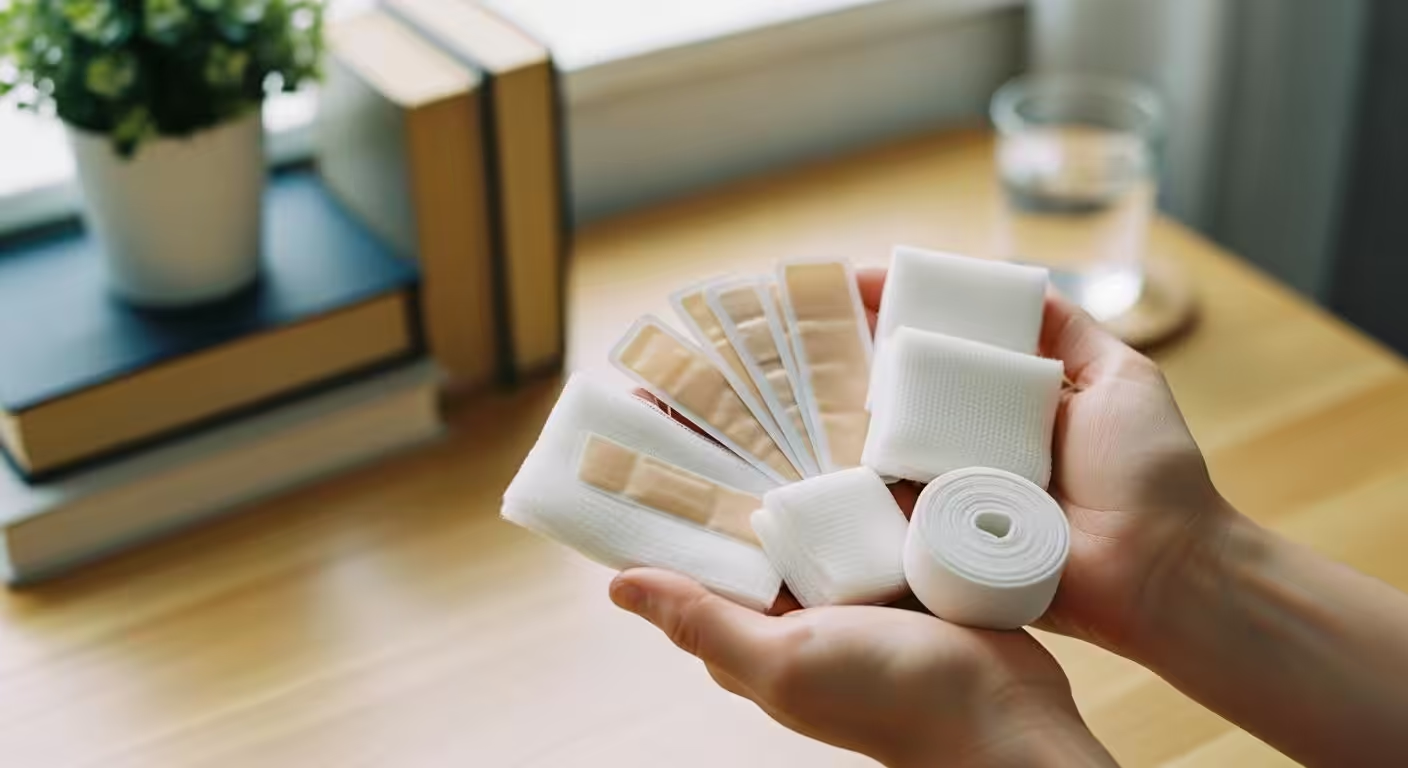
Dressing medical supplies help you take care of wounds. They keep wounds clean and safe. Picking the right dressing can help you heal faster. It can also make you feel better. New materials, like foams and hydrogels, protect your skin. They lower the chance of getting an infection. Many studies show these dressings help wounds heal quicker. They also make recovery easier for you. SLK Medical gives you advanced solutions, like D-Pore™ technology. This helps with better absorption and comfort. You can trust these new ideas to help you heal.
Key Takeaways
-
Picking the right dressing helps wounds heal quicker and lowers infection risk.
-
Dressings have different uses; know your wound type to pick the best one.
-
Controlling moisture is important; use absorptive dressings for wet wounds and hydrogels for dry wounds.
-
Comfort is important; choose dressings that are simple to put on and take off without hurting.
-
Always listen to your healthcare provider about changing dressings and caring for wounds.
What Are Dressing Medical Supplies?
Definition of Dressing Medical Supplies
You use dressing medical supplies to cover and protect wounds. These supplies include items like gauze, foam pads, and adhesive bandages. According to the Medicare Benefit Policy Manual, you have two main types of dressings. Primary dressings go directly on your wound. Secondary dressings hold the primary ones in place. You might use tape or bandages as secondary dressings. Not every item that covers a wound counts as a medical dressing. For example, elastic stockings do not fit this category. When you choose the right supplies, you help your wound heal in a safe and clean way.
Importance in Wound Healing
You play a big part in the wound healing process by picking the right wound dressings. These dressings do more than just cover a cut or scrape. They help your body heal faster and better. The right dressing keeps your wound moist, which helps new skin cells grow. It also protects your wound from dirt and germs. This lowers your risk of infection and pain.
Here is how wound dressings support wound healing:
|
What Dressings Do |
How They Help You |
|---|---|
|
Keep wounds moist |
|
|
Help new skin cells grow |
Lower scarring |
|
Support nutrients and growth factors |
Speed up healing |
|
Create a healthy wound environment |
Improve healing outcomes |
Many people believe some myths about wound care. You might think over-the-counter ointments work for every wound, but they do not. Some wounds need special care. You may also think a wound that looks clean does not need a dressing, but hidden germs can still cause problems. Using harsh cleaners like hydrogen peroxide can slow healing. Natural remedies are not always safe. Even after a scab forms, your wound still needs protection. Not all wounds heal on their own. Sometimes, you need help from a healthcare professional.
You should know that wound dressings must meet strict safety and quality rules. These rules cover the materials, design, and how well the dressing works. Labels must be clear so you can use them safely. Some dressings with special germ-fighting features have even higher standards.
When you understand what dressing medical supplies are and how they help, you make better choices for your health.
Types of Wound Dressings
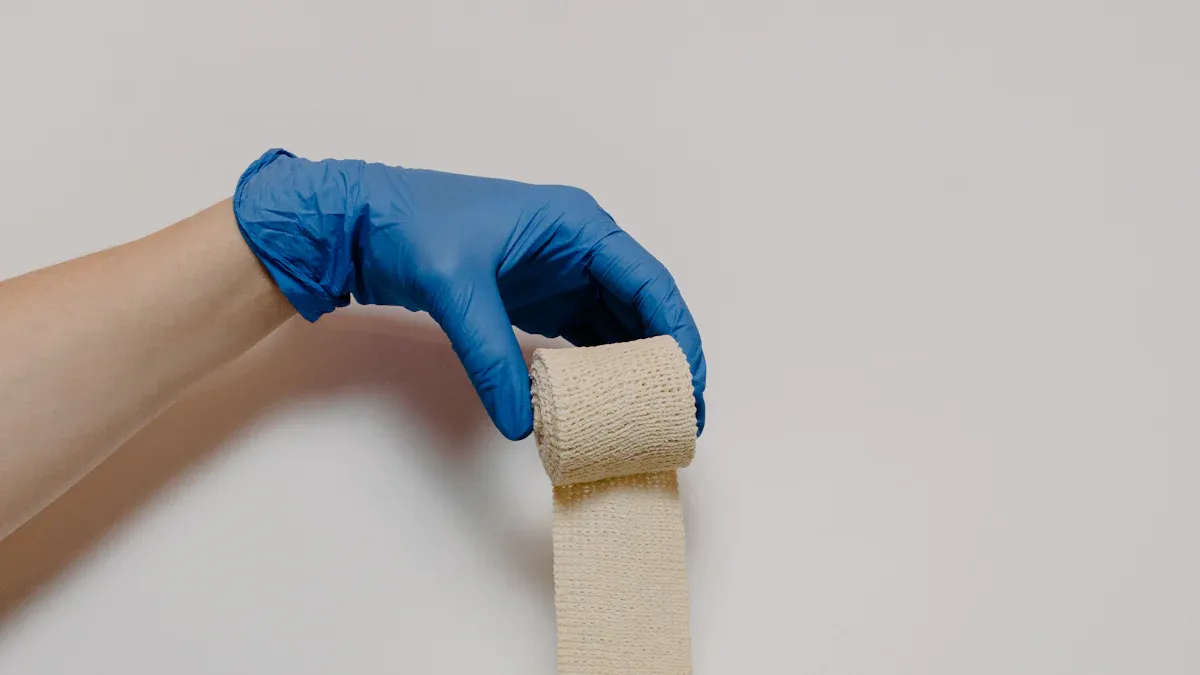
You can find many wound dressings in hospitals and clinics. Each kind has special features and uses. Knowing the types helps you pick the best one for your needs. Here is a quick guide to the main wound dressings you might see.
Gauze Dressings
Gauze dressings are very old and common. You use them to clean wounds, soak up fluids, and protect cuts. Gauze comes in woven and non-woven forms. Woven gauze may leave lint behind. Non-woven gauze does not stick as much and is easier to take off.
|
Feature/Use |
Description |
|---|---|
|
Types of Gauze Dressings |
Woven (linting effect) and Non-woven (less linting, less adherence) |
|
Benefits |
Cost-effective, easy to use, versatile in shapes and sizes |
|
Applications |
Secondary dressing, wound cleansing, achieving homeostasis |
You often use gauze as a secondary dressing to hold others in place. They work well for small wounds but do not keep them moist. It can hurt when you take them off if they stick.
Foam Dressings (Including SLK Medical Silicone Foam Dressings)
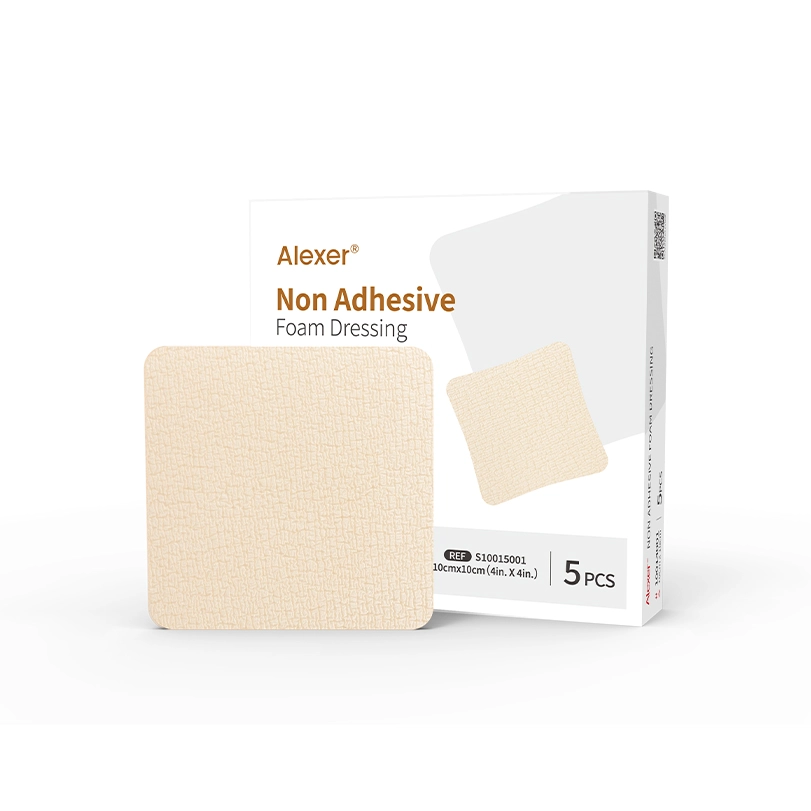
Foam dressings are soft pads that soak up a lot of fluid. You use foam dressings for pressure ulcers, burns, and surgery wounds. These dressings keep wounds moist and protect the skin.
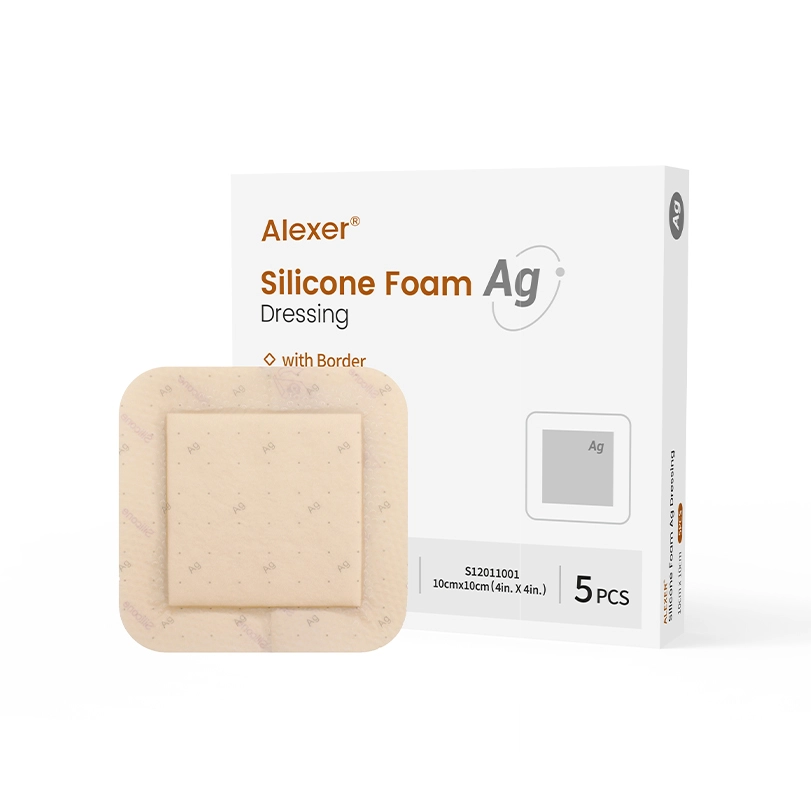
SLK Medical silicone foam dressings use new technology for comfort and absorption. These dressings are gentle on sensitive skin and help stop pain during changes. Many doctors like foam dressings for handling fluid and helping wounds heal. You can trust foam dressings to keep wounds clean and help you heal faster.
Tip: Foam dressings are good for wounds that leak a lot. They help stop skin damage and keep you comfortable.
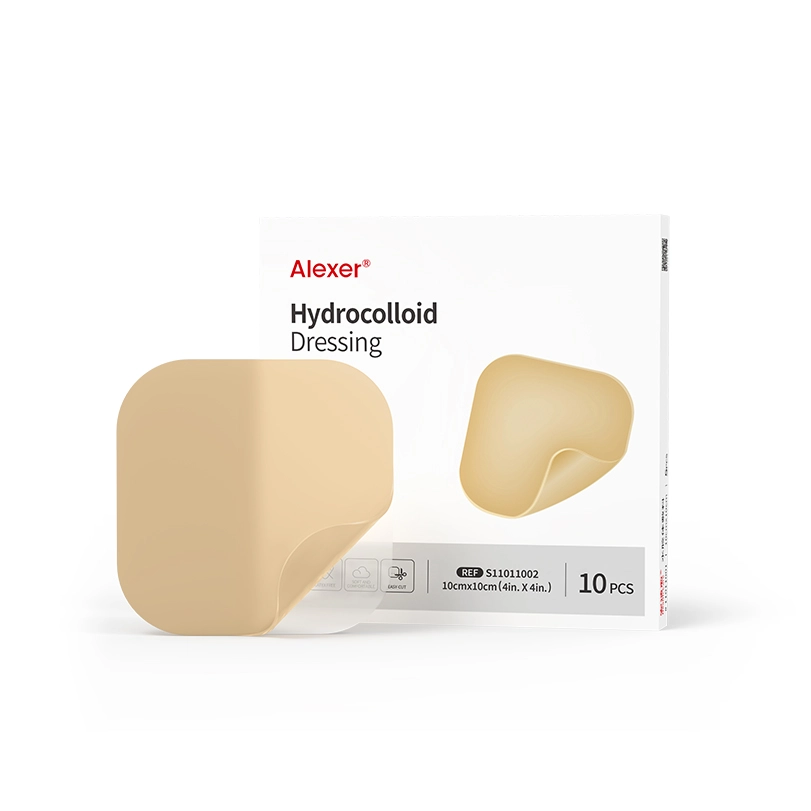
Hydrocolloid Dressings (SLK Medical Hydrocolloid)
Hydrocolloid dressings make a moist place for wounds to heal. You use hydrocolloid dressings for shallow wounds, burns, and ulcers. These dressings turn into a gel when they touch wound fluid. This gel protects the wound and lowers pain.
SLK Medical hydrocolloid dressings are easy to use and last a long time. Studies show hydrocolloid dressings heal wounds faster than alginate dressings. You may find them cheap and comfy, especially when you do not need to change them often.
|
Dressing Type |
Cost Comparison |
Healing Rate Comparison |
|---|---|---|
|
Hydrocolloid Dressings |
Most cost-effective type of dressing |
Effective healing rates |
Transparent Dressings (SLK Medical Transparent Dressing)
Transparent film dressings let you see the wound without taking them off. You use these dressings for small cuts, surgery sites, and catheters. The clear film keeps germs and water out but lets you watch the wound heal.
SLK Medical transparent dressings let air in and are safe for sensitive skin. They are easy to put on and feel comfortable. These dressings lower infection risk and let you check the wound anytime.
Note: Transparent dressings help you change them less and lower infection risk.
Alginate Dressings (SLK Medical Alginate Dressing)
Alginate dressings come from seaweed and are good for wounds with lots of fluid. You use them for ulcers, burns, and surgery wounds. These dressings soak up a lot of fluid and keep wounds moist.
SLK Medical alginate dressings help wounds heal faster and hurt less. You may see less leaking and feel more comfortable. Alginate dressings are used for wounds that need strong absorption.
-
Alginate dressings soak up fluid and keep wounds moist.
-
They help wounds heal faster and hurt less than regular dressings.
-
You use them for wounds that need a lot of absorption.
Super Absorbent Dressings (SLK Medical Super Absorbent)
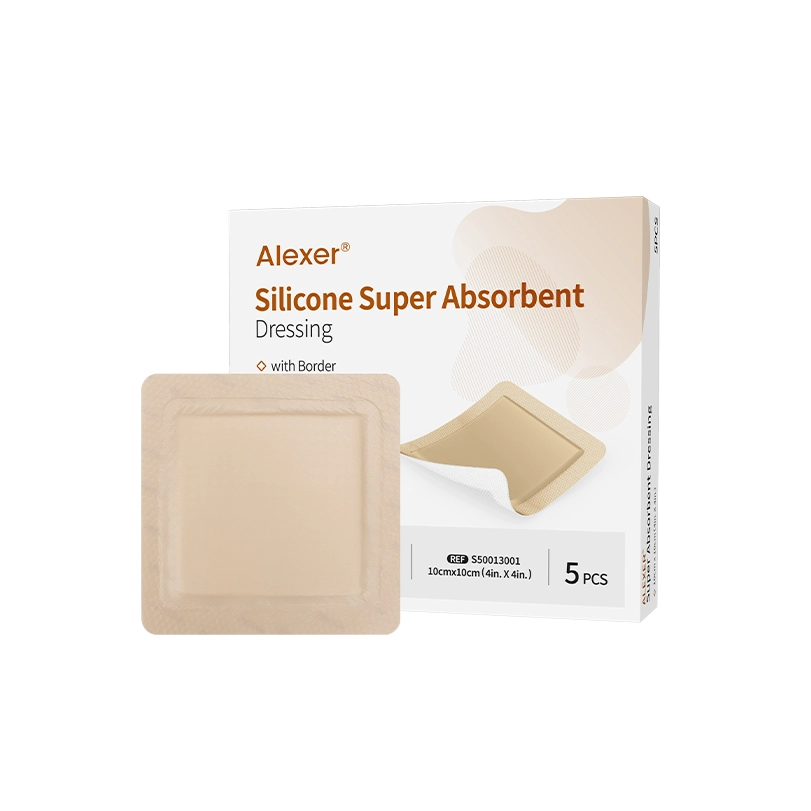
Super absorbent dressings are for wounds with very high fluid. You use them for ulcers, surgery wounds, and burns. These dressings lock in fluid and help stop leaks and infection.
SLK Medical super absorbent dressings handle lots of fluid and feel comfortable. You will find them helpful for soaking up fluid and protecting skin. Super absorbent dressings can help wounds heal faster and save money by needing fewer changes.
|
Wound Dressing Category |
Examples |
|---|---|
|
Exudate |
Alginates, Hydrofibers, Foams, Super Absorbent Dressings |
Tip: Super absorbent dressings are best for wounds that need extra fluid and germ protection.
Classification of Wound Dressings
You can sort dressings by what they do and what they are made of. The main types are:
-
Gauze dressings for cleaning and protection
-
Foam dressings for soaking up fluid and comfort
-
Hydrocolloid dressings for moist healing
-
Transparent dressings for easy checking
-
Alginate dressings for heavy fluid
-
Super absorbent dressings for lots of fluid
-
Hydrogel wound dressing for dry wounds that need moisture
-
Antimicrobial dressings for stopping infection
Many hospitals use antimicrobial dressings to stop infections. You may see silver dressings, iodine dressings, and other types for wounds that need extra care. SLK Medical has antimicrobial dressings for sensitive skin and wounds that last a long time.
Remember: Picking the right wound dressing helps you heal faster and feel better. Always ask your doctor which dressing is best for your wound.
Functions of Dressing Medical Supplies
Absorption and Moisture Control
You need dressings that manage moisture for every phase of wound healing. When you use the right dressing, you help your wound stay moist but not too wet. This balance supports new skin growth and keeps the healing process moving through all phases. Some dressings, like foams and alginates, soak up extra fluid. Others, such as hydrogels, add moisture to dry wounds. You should choose a dressing that matches your wound’s needs. If your wound leaks a lot, absorptive dressings work best. For dry wounds, hydrogels help. Antimicrobial dressings can control germs if you see signs of infection. You protect the skin around your wound by using gentle adhesives and barrier films. Always check your dressing and change it only when needed. This helps undisturbed wound healing and supports each phase.
Tip: Pick dressings that allow long wear time and match your wound’s moisture level. This helps you heal faster and feel more comfortable.
Protection and Infection Prevention
Dressings protect your wound from dirt, germs, and injury. You lower your risk of infection by using dressings with antimicrobial properties. These dressings block bacteria and keep your wound safe during all phases of wound healing. You should use antimicrobial dressings if your wound shows redness or swelling. Some dressings, like those with silver or iodine, fight germs and help wounds heal. You also need to protect the skin around your wound to prevent maceration. Regularly check your dressing and switch to a new one if you see signs of infection. This keeps your wound healing on track.
|
Function |
How Dressings Help You |
|---|---|
|
Protection |
Block germs and dirt |
|
Infection Prevention |
Use antimicrobial dressings |
|
Skin Safety |
Prevent maceration |
Comfort and Ease of Use
You want dressings that feel good and are easy to use. Comfort matters for every phase of wound healing. Studies show that comfort and pain-free application help you stick to your wound care routine. Most patients rate wearing comfort very highly. You should look for dressings that do not hurt when you change them. Pain, skin irritation, and dermatitis happen often when you use the wrong dressing. Dressings with gentle adhesives and soft materials help you avoid these problems. Antimicrobial dressings also support comfort by reducing infection risk. When you choose easy-to-use dressings, you help your wound heal and make each phase smoother.
-
The choice of dressing depends on your need for absorption, comfort, and pain-free use.
-
Basic dressings, like foam dressings, meet these needs and help you follow your care plan.
-
Wearing comfort is important for patient adherence, with most people rating it highly.
-
Pain, skin irritation, and dermatitis are common if you use the wrong dressing.
-
Dressings with gentle adhesives and antimicrobial features support comfort and healing.
Factors to Consider in Dressing Selection
When you pick wound dressings, you should think about a few things. These things help you find the best dressing for your wound. The right choice can help you feel better, heal faster, and stop infections. You need to look at the wound type, how much fluid comes out, infection risk, skin sensitivity, and how easy the dressing is to use. These points help you choose the right wound dressing and make healing better.
Wound Type and Stage
You need to know your wound type and stage before picking a dressing. Different wounds need different dressings. For example, burns need dressings that cool and protect. Surgical wounds need dressings that do not stick. Doctors have rules for which dressing fits each wound type.
|
Wound Type |
Recommended Dressings |
Special Comments |
|---|---|---|
|
Infected Wounds |
Antimicrobial dressings like silver or iodine |
Help get rid of bacteria and keep wounds clean. |
|
Burn Wounds |
Hydrogel or silver dressings |
Give cooling, pain relief, and protect from infection. |
|
Surgical Wounds |
Non-adherent or transparent film dressings |
Help wounds heal and stop infection for clean cuts. |
|
Traumatic Wounds |
Non-adherent or alginate dressings |
Pick dressings based on how deep and serious the wound is. |
|
Diabetic Foot Ulcers |
Hydrogel or foam dressings |
Manage moisture, protect, and lower pressure. |
You can also sort wounds by how deep they are. Shallow wounds do well with simple dressings like gauze or transparent film. Deep wounds need special dressings like foam, alginate, or hydrogel. Chronic wounds often need dressings with germ-fighting features. SLK Medical has foam and hydrocolloid dressings for diabetic foot ulcers and chronic wounds. These dressings help control moisture and protect sensitive skin.
Tip: Always match your dressing to your wound type and stage. This helps you heal faster and lowers your chance of problems.
Exudate Level and Depth
Exudate is the fluid that comes out of your wound. The amount and depth of exudate matter when you pick a dressing. If your wound leaks a lot, you need a dressing that soaks up fluid. If your wound is dry, you need a dressing that adds moisture.
|
Exudate Level |
Wound Depth |
Characteristics |
|
|---|---|---|---|
|
Sodium Alginate |
High |
Varies |
Soaks up lots of fluid, good for wounds with high exudate. Not for dry wounds. |
|
Foam Dressings |
Moderate to High |
Varies |
Keep wounds warm, hold moisture, and work with other dressings for infected wounds. |
|
Film Dressings |
Low |
Superficial |
Let air in, keep out germs, good for wounds with little fluid. |
SLK Medical foam dressings work well for wounds with moderate to high fluid. Their alginate dressings are good for wounds that need strong absorption. If your wound is shallow and does not leak much, SLK Medical transparent film dressings are a good pick. These dressings keep wounds moist and safe from germs.
Note: Picking the right dressing for fluid level and depth helps you avoid skin problems and supports healing.
Infection Risk and Skin Sensitivity (SLK Medical for Sensitive Skin)
You should think about infection risk and skin sensitivity when you pick dressings. If your wound might get infected, use antimicrobial dressings. These dressings fight germs and keep your wound clean. Some wounds, like pressure injuries and diabetic foot ulcers, need dressings with germ-fighting features.
-
Silicone foam dressings help wounds with moderate to heavy fluid and keep them moist.
-
These dressings work well for pressure injuries and diabetic foot ulcers.
-
New dressings are easier to breathe through, stick better, and come off easily. This helps sensitive skin.
-
Germ-fighting features, like silver, help control infection.
SLK Medical makes dressings for sensitive skin and long-lasting wounds. Their silicone foam dressings use gentle adhesives that do not hurt when you take them off. You can trust SLK Medical dressings to protect fragile skin and lower infection risk. If you have allergies or sensitive skin, these dressings are a safe choice.
Callout: If you have sensitive skin or a wound that gets infected easily, pick dressings with gentle adhesives and germ-fighting features.
Patient Comfort and Application
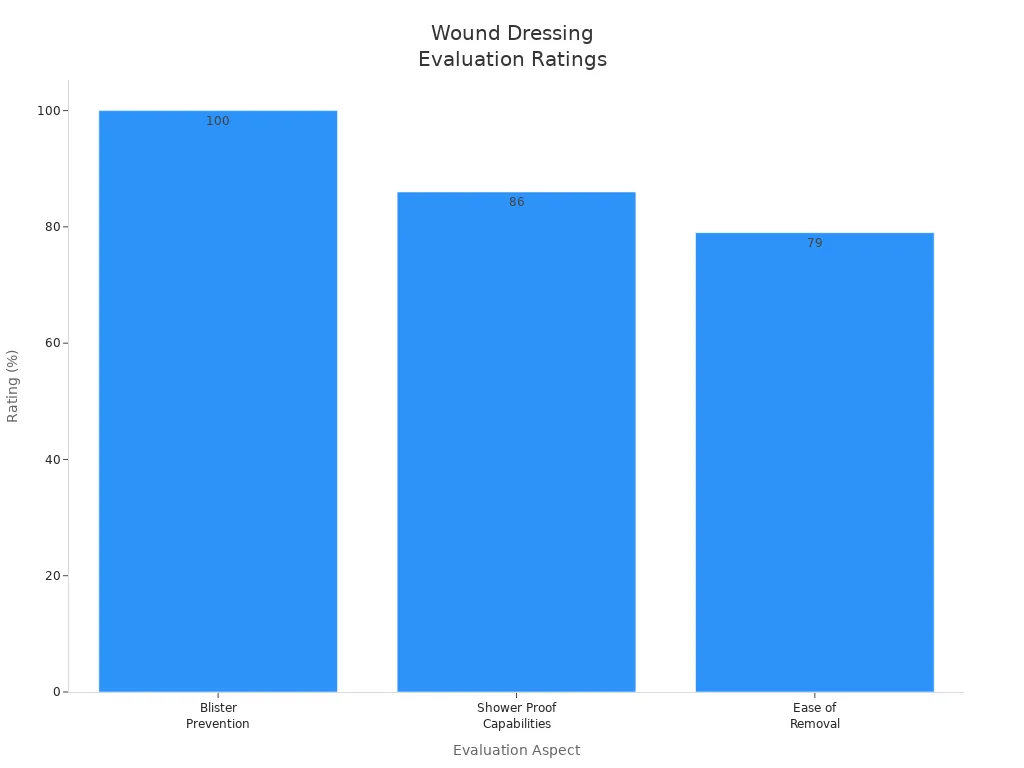
Comfort and easy use are important when you pick dressings. You want dressings that feel good and are easy to put on and take off. Nurses and patients say comfort, blister prevention, and shower proofing matter a lot.
|
Evaluation Aspect |
Rating (%) |
Comments |
|---|---|---|
|
Blister Prevention |
100 |
Nurses and midwives say it is good |
|
Shower Proof Capabilities |
86 |
Nurses and midwives say it is good |
|
Ease of Removal |
79 |
Nurses and midwives say it is good |
|
Patient Comfort During Wear |
N/A |
Patients say comfort matters |
|
Skin Integrity |
N/A |
Patients say skin health matters |
|
Importance of Bathing |
N/A |
Patients say shower proofing matters |
You should also think about allergies and sensitivities. Where your wound is and how big it is matter too. If you understand your dressing and feel good wearing it, you will follow your care plan better. SLK Medical dressings use soft materials, gentle adhesives, and waterproof features. You can shower without worrying about your dressing. These things help you stay comfortable and keep your skin healthy.
Tip: Pick dressings that are easy to use, feel good, and are safe for your skin. This makes healing easier and more pleasant.
Summary Table: Key Factors for Dressing Selection
|
Factor |
What to Look For |
SLK Medical Example |
|---|---|---|
|
Wound Type & Stage |
Match dressing to wound type and depth |
Silicone foam for ulcers, hydrocolloid for burns |
|
Exudate Level |
Absorption or moisture addition |
Foam and alginate for high exudate |
|
Infection Risk |
Antimicrobial properties |
Silver foam dressing |
|
Skin Sensitivity |
Gentle adhesives, soft materials |
Silicone foam for sensitive skin |
|
Comfort & Application |
Easy to use, waterproof, pain-free |
You need to think about all these things to pick the best wound dressing. The right choice helps you heal faster, feel better, and avoid problems. SLK Medical has advanced dressings that meet these needs and help you heal.
Quick Reference Table for Dressing Medical Supplies
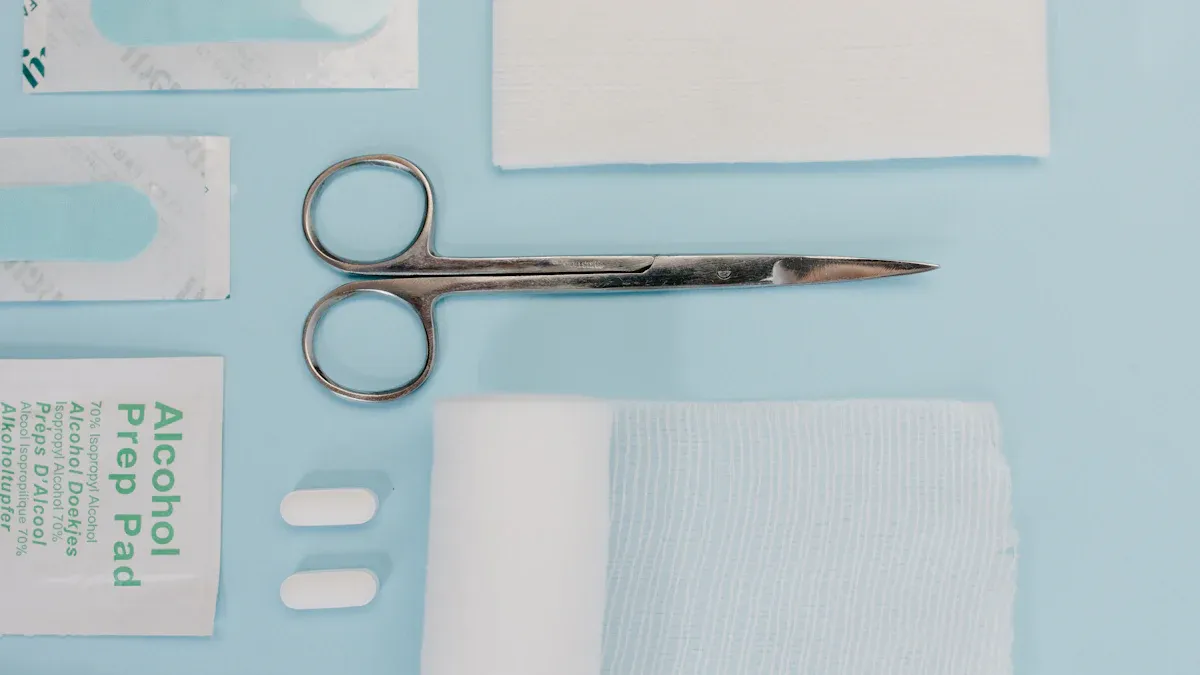
Categories and Functions
You can use this table to quickly see how different dressings work. Each type has a special job. Some dressings protect wounds from germs. Others help soak up fluid or keep the wound moist. You need to know which dressing fits your wound best.
|
Dressing Type |
Function |
|---|---|
|
Composite Dressing |
Blocks bacteria, absorbs fluid, does not stick, has an adhesive border. |
|
Contact Layer Dressing |
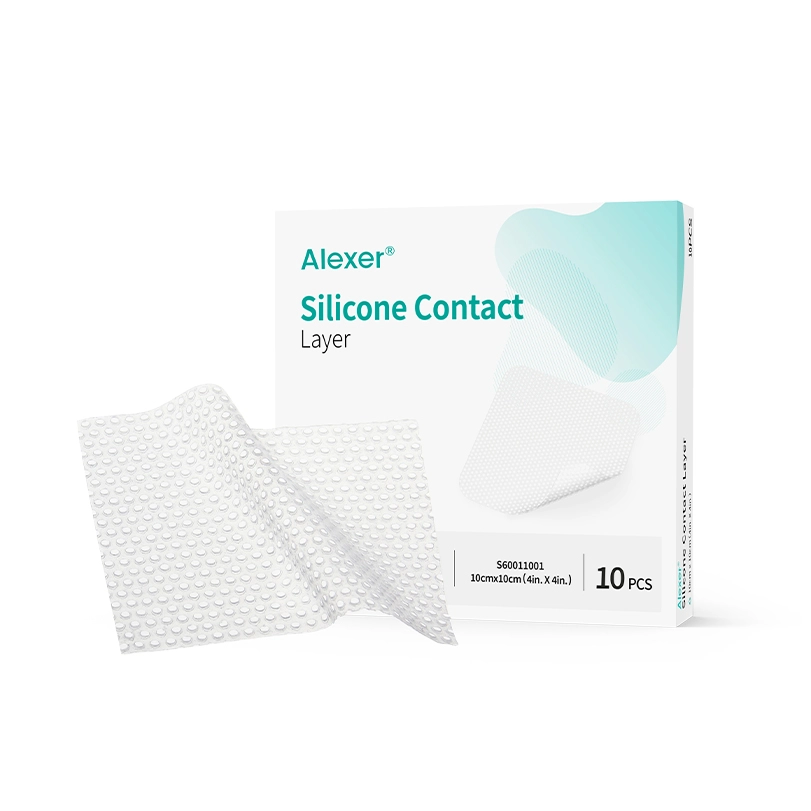
Shields wound tissue, lets fluid pass through for absorption. |
|
Foam Dressing |
Works well for deep wounds with moderate to heavy fluid. |
|
Gauze, Non-Impregnated |
Good for cleaning and covering, may need several changes each day. |
|
Gauze, Impregnated |
Used for special wounds, usually changed once a day. |
|
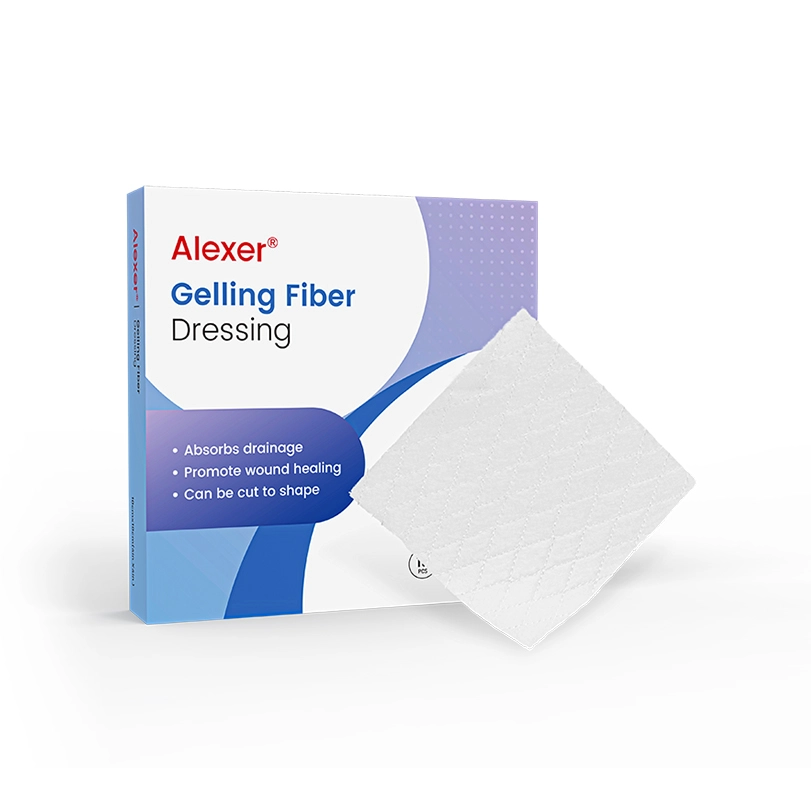
Alginate or Fiber Gelling Dressing |
Handles wounds with lots of fluid, keeps the wound moist. |
Tip: You should match the dressing to your wound’s needs. Foam dressings help with heavy fluid. Alginate dressings work for wounds that leak a lot. Gauze dressings are good for cleaning and simple protection.
Selection Tips
Choosing the right dressings makes wound care easier. Follow these expert tips to help your wound heal well:
-
Clean your wound gently with saline. Dry the skin around it.
-
Pick the right dressing for your wound type. Ask your healthcare provider if you are unsure.
-
Change dressings as recommended. Some need daily changes, others last longer.
-
Keep everything sterile when you change dressings.
-
Use just enough dressing to cover the wound. Avoid bulky layers.
-
Watch for signs of infection. Get help if you see redness or swelling.
-
Protect the skin around your wound. Use skin protectants if needed.
-
Manage fluid with dressings that soak up or add moisture.
-
Check your wound’s healing often. Tell your provider about any changes.
-
Always follow your healthcare provider’s instructions.
Note: Dressing medical supplies help you heal faster when you use them the right way. You can make better choices by knowing the functions and tips for dressings.
You have learned how dressing medical supplies help wounds heal. New dressings can have sensors or special features. These can help wounds heal faster and lower infection risk. You need to pick dressings that fit your wound’s needs. SLK Medical has new choices that give comfort and care. If your wound is serious, talk to a healthcare professional. Experts use the newest rules and work together to help you heal.
-
Some dressings can check wounds and help diabetic wounds heal faster.
-
Working as a team helps wounds heal better and improves care.
FAQ
What is the best dressing for sensitive skin?
You should use silicone foam dressings. These dressings feel gentle and do not stick harshly. SLK Medical silicone foam dressings protect fragile skin and help you heal comfortably.
How often should you change your wound dressing?
You need to change your dressing every 3 to 7 days or as your healthcare provider recommends. If your dressing gets wet, dirty, or starts to smell, change it right away.
Can you shower with a wound dressing on?
-
Yes, you can shower with waterproof dressings like SLK Medical foam or transparent dressings.
-
These dressings keep water out and protect your wound.
-
Always check the dressing after showering.
What signs show your wound needs a new dressing?
|
Sign |
What You Should Do |
|---|---|
|
Wet or dirty |
Change dressing |
|
Bad smell |
Replace dressing |
|
Redness or swelling |
Call your provider |