


You can select the right foam wound dressing by looking closely at your wound and understanding its needs. Each foam wound dressing works best when you match its features to your wound’s size, shape, and moisture level. This careful choice helps your wound heal faster and keeps you comfortable. SLK Medical leads with innovation and quality in every foam wound dressing. You can trust their wound dressing solutions to support your wound care with confidence.
Key Takeaways
Choose the right foam dressing by matching it to your wound’s size, shape, and moisture level. This helps wounds heal faster.
Foam dressings are best for wounds with drainage. They keep the area moist and protect it from germs.
Always check for signs of infection before applying a dressing. Look for redness, swelling, or increased pain.
Change the dressing based on how much fluid the wound produces. Clean, dry wounds can be changed every 2-3 days, while heavily exudative wounds may need daily changes.
Use silicone foam dressings for sensitive skin. They are gentle and reduce pain during dressing changes.
What is a foam wound dressing?
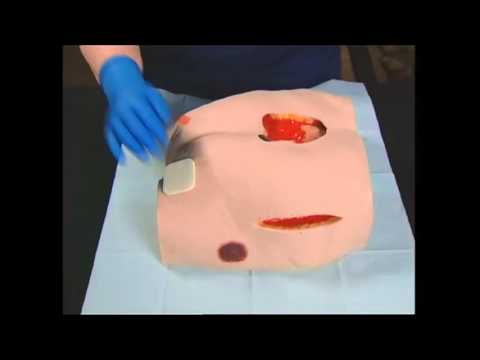
Foam dressings are special coverings that help you take care of wounds. You use foam dressings to keep the area clean and help it heal faster. Foam dressings have a soft, cushiony feel. They work best when you want to keep the area moist and protected. Foam dressings are not for dry wounds. You should use foam dressings when you see drainage or need to keep the area moist.
Key features
Foam dressings have several layers that work together to help you care for wounds. Each layer has a job. The table below shows the main parts of foam dressings and what they do:
Component | Description |
|---|---|
Opaque polyurethane membrane | Keeps liquids out but lets vapors escape. This helps prevent bubbles under foam dressings. |
Outer film coating | Protects against friction, bacteria, and irritants. It is often waterproof, so foam dressings stay in place even when wet. |
Adhesive border | Makes foam dressings easy to put on and take off. This helps you avoid hurting the skin. |
Absorbent material | Soaks up fluid and keeps the area moist. Foam dressings can stay on for days and stop the skin around from getting too wet. |
Non-adherent contact layer | Stops foam dressings from sticking to the skin. This makes changing foam dressings less painful. |
Usage | You can use foam dressings as the main or extra covering for wounds with drainage. |
Not for dry wounds | Do not use foam dressings on dry wounds. Foam dressings work best when you need to keep things moist. |
SLK Medical’s advanced silicone foam dressings use D-Pore™ technology. This special design helps foam dressings absorb fluid quickly and keep the area moist. The foam dressings also let air move through, which helps the skin breathe.
Benefits for wound care
Foam dressings give you many benefits when you care for wounds. Foam dressings keep the area moist, which helps new skin grow. Foam dressings protect the area from germs and bumps. You can wear foam dressings for several days, so you do not have to change them often. Foam dressings are soft and gentle, so they work well for sensitive skin. SLK Medical’s foam dressings use high-quality silicone, which makes them easy to remove without pain. The D-Pore™ technology in these foam dressings helps keep the area moist and comfortable.
Tip: Always check if the area needs to stay moist before you use foam dressings. Foam dressings work best when you want to keep the area moist and protected.
Foam dressings meet strict safety rules in many countries. They must pass tests for safety and comfort. SLK Medical follows these rules to make sure their foam dressings are safe and work well.
Wound assessment essentials
You need to look at the wound before picking a foam dressing. Good wound care starts with checking what the wound needs. Focus on three things: exudate level, infection risk, and where and what shape the wound is.
Exudate level
Exudate is the fluid that leaks from wounds. You should see how much exudate the wound makes. Foam dressings are best for wounds with a lot of exudate. These dressings help control exudate and keep the wound moist. Here are some wounds that often need foam dressings:
Venous leg ulcers
Pressure ulcers
Diabetic foot ulcers
If there is too much exudate, you need a dressing that can soak it up. Too much exudate can slow healing and hurt the skin. Good wound care means picking a dressing that matches the exudate amount. This is important for treating venous leg ulcers and other wounds with lots of exudate.
Tip: Always check if there is too much exudate. If the dressing gets wet fast, you may need to change it more or use one that soaks up more.
Infection risk
You need to look for signs of infection before picking a dressing. Infection can slow healing and make wound care harder. Watch for these signs:
Clinical Indicator | Description |
|---|---|
Increased Redness | Redness spreading past the wound shows swelling and infection. |
Swelling or Edema | Swelling near the wound can mean infection. |
Warmth | Skin by the wound feels warmer than other skin. |
Pain | Sudden or more pain can mean infection. |
Exudate | Changes in exudate, like pus or bad smell, are warning signs. |
Delayed Healing | If the wound does not heal, infection may be there. |
Fever and Malaise | Fever or feeling sick can mean the infection spread. |
If you see these signs, you may need a foam dressing with antimicrobial features for better wound care.
Wound location and shape
Where the wound is and its shape matter for wound care. Foam dressings are good for big wounds and full thickness wounds. They soak up exudate and give a cushion. Pick a dressing that fits the wound’s size and shape. Some dressings can be cut to fit hard-to-cover spots. Good wound care means making sure the dressing stays on and covers the wound. This helps keep the wound safe and helps it heal.
Foam wound dressing selection criteria
Picking the right foam wound dressing helps wounds heal well. You need to look at the wound and pick the best dressing for it. The right dressing helps control exudate, protects soft skin, and keeps you comfortable. The table below shows what to think about when picking a foam wound dressing:
Criteria | Description |
|---|---|
Pick a dressing that matches how much fluid the wound makes. | |
Skin Fragility | Choose a dressing that is gentle if the skin is fragile or sensitive. |
Comfort | Select a dressing that feels comfortable and helps you move easily. |
Matching to exudate
You need to match the foam wound dressing to how much exudate the wound has. If the wound has a lot of exudate, use a dressing that can soak up more fluid. For wounds with less exudate, a regular foam wound dressing works fine. If the dressing cannot handle the exudate, the wound may heal slower and the skin can get too wet.
SLK Medical has many wound dressings for different exudate levels:
Silicone Foam Dressing with Border: This dressing is good for wounds with medium to high exudate. It soaks up fluid and keeps the wound moist, which helps wounds heal faster.
Silicone Foam Dressing – Border Flex: This dressing is good for wounds with a lot of exudate. Its five layers and Flex Technology help it stay on and soak up more fluid, so it works well for wounds that need extra absorption.
Silicone Foam Ag Dressing with Border: This dressing is good for wounds that might get infected and have medium to high exudate. The silver ions help lower infection risk and help wounds heal.
Note: If the dressing gets wet fast, you may need to change it more often or use one that soaks up more fluid.
Suitability for sensitive skin
If your skin is sensitive or fragile, you need a foam wound dressing that is gentle and easy to take off. Some adhesives can hurt or damage the skin, especially for older people or those with soft skin. Silicone dressings are good for these cases because they stick softly and come off without hurting.
SLK Medical’s silicone foam dressings are good for sensitive skin. The soft silicone layer helps you avoid pain when you change the dressing. Studies show foam dressings cause less pain and fewer skin problems than other types. People say they feel more comfortable, especially at the first dressing change. Foam dressings are also easy to put on and take off, which helps you avoid extra skin damage.
Silicone Foam Dressing with Border: Good for sensitive skin, this dressing uses a soft silicone layer that protects the skin and lowers pain.
Silicone Foam Dressing without Border: Good for wounds in hard-to-cover spots, this dressing can be cut to fit and is gentle on soft skin.
Silicone Foam Dressing Composite Type: Good for wounds on body parts that move a lot, this dressing bends with your skin and stays comfy.
Tip: Silicone foam dressings are good for people who have had trouble with other adhesives.
Comfort and wear time
Comfort and how long you can wear the dressing matter for healing and feeling good. A comfy dressing lets you move and sleep better. Foam wound dressings usually stay on for 3 to 7 days, depending on how much exudate the wound has and how the wound looks. If the wound makes a lot of fluid, you may need to change the dressing more often.
SLK Medical’s foam wound dressings are good for long wear and comfort. The soft foam and silicone layers help stop pain and skin problems. The Border Flex dressing uses Flex Technology, so it stretches and moves with your body. This makes it good for wounds on joints or places that bend. The Non Adhesive Foam Dressing is good for wounds that need a dressing you can cut to size. It is also good for people who want to avoid adhesives.
Foam wound dressings are linked to less pain when you take them off.
People say foam dressings feel more comfortable, especially at the first dressing change.
Foam dressings are easy to put on and take off, which helps you avoid extra pain.
Note: Always check the wound and the dressing every day. If you see signs of infection or the dressing is full of fluid, change it sooner.
By matching the foam wound dressing to the wound’s exudate, skin type, and comfort needs, you help wounds heal better and faster. SLK Medical’s wound dressings give you choices for every treatment need.
SLK Medical foam dressings for specific wounds
Chronic wounds
Chronic wounds do not heal fast. These wounds need special care. SLK Medical foam dressings help with chronic wounds like chronic leg ulcers, pressure ulcers, diabetic foot ulcers, and surgical wounds. These dressings keep wounds moist and safe. Chronic leg ulcers and pressure ulcers often leak a lot of fluid. The foam dressings soak up this fluid and help wounds heal. Diabetic foot ulcers need gentle care because the skin is weak. SLK Medical foam dressings use soft silicone, so changing them hurts less. You can use these dressings for diabetic foot ulcers and other chronic wounds.
Chronic leg ulcers
Pressure ulcers
Diabetic foot ulcers
Surgical wounds
SLK Medical foam dressings help treat diabetic foot ulcers and other chronic wounds. These dressings lower infection risk and help wounds heal faster.
Post-operative wounds
After surgery, you want wounds to heal fast and stay safe from germs. SLK Medical foam dressings work better than old-style dressings for post-operative wounds. You get better moisture control, more comfort, and less infection risk. The table below shows how foam dressings and traditional dressings compare:
Feature | Foam Dressings | Traditional Dressings |
|---|---|---|
Moisture Management | Great at handling moisture | May not keep moisture well |
Infection Risk | Gives a strong barrier | Not as good at stopping infection |
Comfort | Patients say they feel more comfortable | Often less comfortable |
Versatility | Works for many wound types | Only for some wound types |
Healing Promotion | Helps wounds heal faster | Healing speed can change |
Foam dressings help wounds heal faster and keep you comfortable. For venous leg ulcers, foam dressings can make wounds smaller by 42%. You also get better results for pressure ulcers and wounds that leak fluid.
Burns and ulcers
Burns and ulcers need dressings that protect skin and help it heal. SLK Medical foam dressings give wounds a moist place to heal. You feel less pain when you change the dressing. The table below shows how foam dressings help with burns and ulcers:
Outcome | Foam Dressings | Traditional Dressings |
|---|---|---|
Healing Time | Shorter | Longer |
Pain During Changes | Lower | Higher |
Incidence of Healed Pressure Ulcers | Higher | Lower |
You can use foam dressings for pressure ulcers, diabetic foot ulcers, and chronic leg ulcers. These dressings lower the number of pressure ulcers from 13.6% to 1.8%. For diabetic foot ulcers, foam dressings help stop infection and help wounds heal faster. Reviews say foam dressings work well for chronic venous leg ulcers and ulcers that need good fluid control.
Tip: Always look at the wound for healing or infection. Change the dressing if it gets too wet or dirty.
SLK Medical foam dressings help treat diabetic foot ulcers, pressure ulcers, and chronic wounds. These dressings help with pain, odor, and drainage. You get better healing and more comfort for every wound.
Comparing foam dressings

With border vs. without border
You can choose between foam dressings with a border and those without a border. Each type has special features for different needs. Dressings with a border have an adhesive edge that helps them stay in place. This makes them a good choice for wounds on areas that move a lot, like elbows or heels. The border also helps keep out water and germs, so you get extra protection.
Dressings without a border do not have an adhesive edge. You can cut them to fit any shape, which works well for wounds in hard-to-cover spots. These dressings are gentle on the skin and easy to remove. Some studies show that different foam dressings can change how your skin reacts. For example:
Dressings with a border may cause less redness and less skin irritation than those without a border.
Some borderless dressings increase skin hydration more, which can help if your skin is very dry.
The way your skin feels and looks after using a dressing can change based on the type you pick.
Tip: If you need a dressing to stay on longer or cover a tricky spot, think about which type fits your wound best.
Antimicrobial options
Some foam dressings have antimicrobial agents, like silver or PHMB, built in. These dressings help lower the risk of infection, especially if your wound is at high risk or already shows signs of infection. Antimicrobial dressings can fight many types of bacteria, including tough ones like MRSA. Studies show that these dressings can help wounds heal faster and reduce the number of bacteria. You may also need fewer dressing changes, which saves time and money.
Antimicrobial dressings work well for wounds that have a high chance of infection.
They can shorten healing time and help you avoid extra treatments.
You get more protection if your wound is in a spot that gets dirty easily.
Note: Always check with your healthcare provider before using an antimicrobial dressing, especially for long-term use.
Best practices for wound dressing
Application tips
You want to help your wound heal as quickly and safely as possible. Start by cleaning the area with gentle care before you apply a foam dressing. Make sure you choose the right size so the dressing covers the wound and protects the skin around it. Foam dressings work best when you keep the wound moist but not too wet. They absorb extra fluid and release moisture when needed. This balance helps new skin grow and keeps the area comfortable.
Clean the wound with each dressing change.
Pick a foam dressing that matches the shape and size of your wound.
Check if your wound is partial-thickness or full-thickness.
Use foam dressings to protect the wound from germs and bumps.
Teach caregivers and patients how to apply dressings the right way.
Tip: Foam dressings feel soft and cushiony. They help you stay comfortable and reduce irritation.
Monitoring and changing dressings
You need to check your wound often to make sure it is healing well. Look for signs of infection, like redness or swelling. Change the dressing as needed based on how much fluid the wound makes. If the wound is clean and dry, you can change the dressing every two to three days. For wounds with more fluid, you may need to change it daily or even twice a day.
Wound Type | Dressing Change Frequency |
|---|---|
Clean, dry wounds | Every 2–3 days or as directed by a clinician |
Moderately exudative wounds | Daily or every other day |
Heavily exudative/infected wounds | Once or twice daily, or as needed |
Always check how much drainage the wound has.
Make sure the dressing fits well and protects the skin around the wound.
Watch for changes in color, smell, or pain.
Ask your healthcare provider if you are unsure about when to change the dressing.
Note: Regular monitoring helps you catch problems early and keeps your wound healing on track.
You can pick the right foam dressing by taking a few steps. First, look at how much exudate the wound has. Check if the skin is fragile or strong. See how deep the wound is and where it is on the body. Use this table to help you decide:
| Factors to consider — What to look for in the dressing | | — — | | Exudate level — Pick high-absorbency if there is a lot of fluid | | Skin condition — Choose gentle silicone if the skin is fragile | | Wound depth — Use foam with another dressing for deep wounds | | Location — Make sure the size and shape fit the area |
Remember to check the wound, set your goals, pick the dressing, and watch how it heals. SLK Medical’s special foam dressings help wounds heal better and feel more comfortable.
FAQ
How do you know when to change a foam dressing?
Check the dressing every day. If you see a lot of fluid, dirt, or the edges start to peel, change it. Always follow your healthcare provider’s advice.
Can you shower with a foam dressing on?
Most foam dressings from SLK Medical have a waterproof layer. You can shower while wearing them. Pat the area dry after your shower. Avoid soaking the dressing.
What should you do if the dressing sticks to your skin?
Gently lift one corner and peel back slowly. If it feels stuck, moisten the edge with saline. This helps reduce pain and protects your skin.
Which wounds work best with foam dressings?
Wound Type | Foam Dressing Use |
|---|---|
Pressure ulcers | Yes |
Burns | Yes |
Surgical wounds | Yes |
Dry wounds | No |
Foam dressings work best for wounds with fluid.


