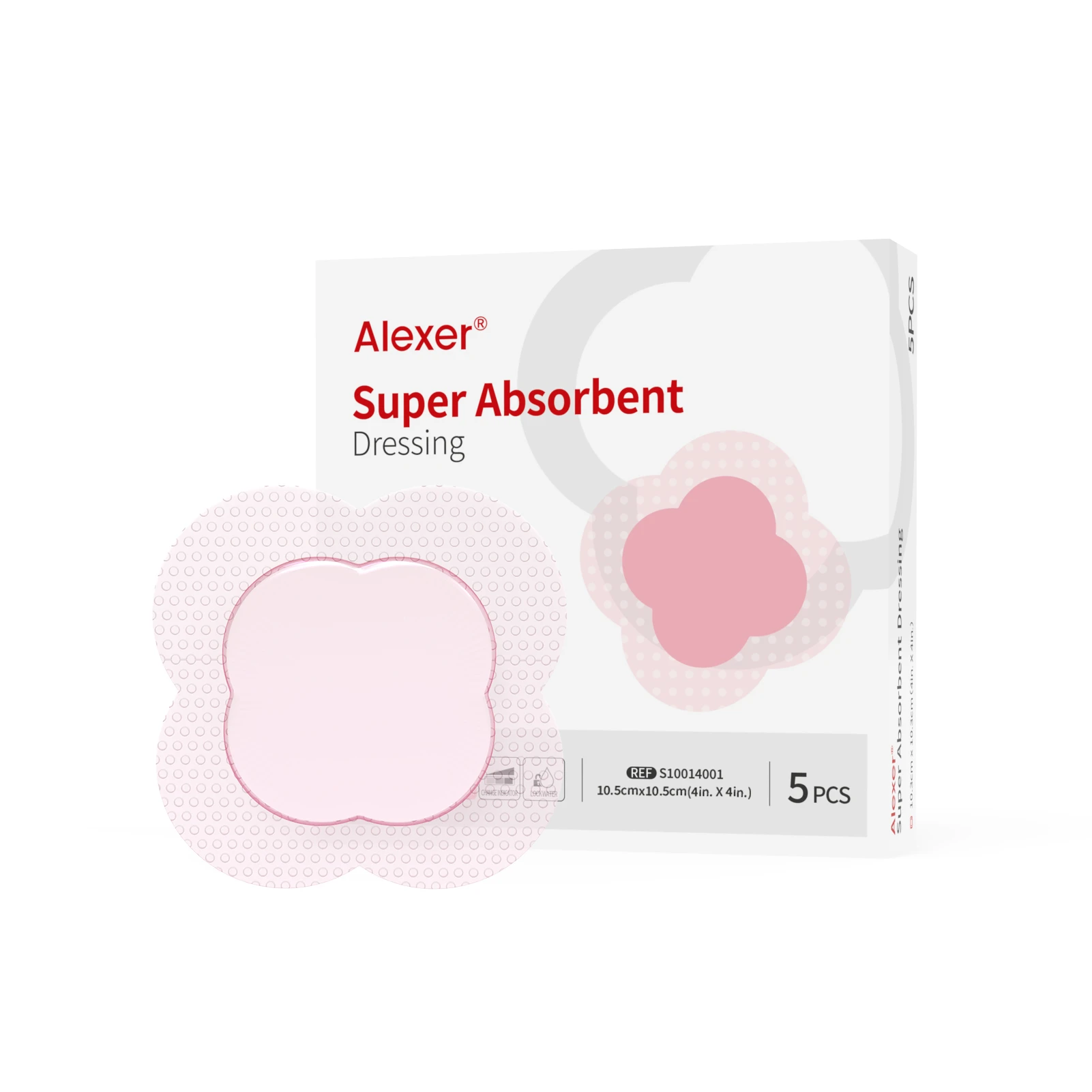
Decubitus dressing helps protect skin with pressure ulcers. It also helps heal the skin. Picking the right dressing is very important. Pressure ulcers hurt millions of people. In the United States, up to 40% of people get them. Some wound care products use new technology. SLK Medical makes some of these products. These products help healing and make people feel better. The right dressing can lower pain. It can also lower the chance of infection. This helps you give better care to patients.
|
Region |
Prevalence Rate (%) |
|---|---|
|
Worldwide |
12% |
|
United States |
8% – 40% |
|
Netherlands, Germany, Italy |
11.1% |
Key Takeaways
-
Pressure ulcers can happen to anyone. People who cannot move or are older are at higher risk. Checking skin often helps find problems early.
-
Picking the right dressing is very important. Different pressure ulcer stages need special dressings to heal well.
-
Eating healthy foods and drinking water helps your skin. Good nutrition and hydration can stop pressure ulcers from forming.
-
Special beds and cushions lower pressure on weak spots. Moving every two hours helps keep skin safe.
-
Get medical help if you see infection signs. These signs include more pain, redness, or pus. Getting help early stops big problems.
Pressure Ulcers Overview
What Are Pressure Ulcers
Pressure ulcers are injuries to the skin and tissue below. They happen if you stay in one spot for too long. People also call them bedsores or pressure sores. Pressure ulcers can show up anywhere on your body. They are most common on bony places like heels, hips, or tailbone.
There are different types and stages of pressure ulcers. Each stage tells how deep the injury is. The table below shows the main types and stages:
|
Stage |
Description |
Characteristics |
|---|---|---|
|
Stage II |
Partial-thickness skin loss |
Looks like a scrape or blister, may leak clear fluid or pus. |
|
Stage III |
Full-thickness lesion |
Deep hole, may have pus, smell, and drainage. |
|
Stage IV |
Full-thickness skin loss |
Big damage, may reach muscle or bone, needs quick care. |
|
Closed Pressure Ulcer |
Difficult to diagnose |
Hidden Stage IV-type wound, often missed. |
|
Purple Ulcer |
Unstageable Pressure Injury |
Does not fit a certain stage, used as a general group. |
You must know the stage to pick the best care and decubitus dressing.
Causes and Risk Factors
Pressure ulcers do not just happen. Many things can raise your risk. Watch out for these causes and risk factors:
-
Incontinence makes skin wet and weak.
-
Paraplegia or tetraplegia lowers feeling, so you may not feel pain.
-
Not moving keeps pressure on one spot.
-
Broken bones or surgery can make moving hurt.
-
Poor nutrition or not enough water weakens skin.
-
Being over 70 means skin is thin and heals slow.
-
Health problems like diabetes lower blood flow.
-
Long stress on skin.
-
Paralysis or spasticity changes movement.
-
Infections and swelling (edema) hurt skin.
-
Wetness and no nerve supply raise risk.
-
Rubbing against sheets or clothes causes friction.
-
Shearing happens when skin moves one way and the body another.
-
Not moving, especially in older adults and kids.
-
Having had pressure ulcers before.
Tip: If you or someone you care for has these risks, check the skin often and use the right dressing to help stop sores.
Identifying At-Risk Areas
Common Sites
It is important to know where pressure ulcers can happen. These spots have less fat and muscle. Bones push against the skin in these areas. If someone stays in one place for a long time, these spots need more care.
Here is a table that lists the most common places for pressure ulcers:
|
Anatomical Site |
Frequency of Pressure Ulcers |
|---|---|
|
Sacrum |
High |
|
Hips |
High |
|
Heels |
High |
|
Ischial Tuberosity |
Common |
|
Trochanteric |
Common |
|
Malleolar |
Moderate |
|
Patellar |
Moderate |
|
Coccyx |
Common |
|
Vertebral Column |
Common |
|
Ankles |
Common |
|
Elbows |
Common |
|
Iliac Crest |
Affected when lying on side |
|
Ear Helix |
Affected when lying on side |
Check these places on the body every day. Look for red skin, swelling, or color changes. If you see any of these, act fast to stop the ulcer from getting worse.
Tip: Use soft pads or special beds to lower pressure. Move and change positions often to keep skin safe.
Vulnerable Populations
Some people are more likely to get pressure ulcers. Age, health, and how much you move matter. If you help someone in these groups, check their skin often.
Here is a table that shows who is most at risk:
|
Patient Population |
Risk Factors |
|---|---|
|
Immobility, incontinence, chronic diseases |
|
|
Patients with Diabetes, Stroke, Advanced Dementia |
Strongly associated with PU development |
|
Patients with Low BMI and Malnutrition |
Higher likelihood of developing pressure ulcers |
|
Bedridden Patients |
Increased risk of pressure ulcers |
|
Patients receiving Tube Feeding |
Higher likelihood of PU development |
|
Patients with Low Albumin Levels |
Increased risk of pressure ulcers |
Pay close attention to older adults and people who cannot move. People with diabetes or stroke also need extra care. If someone does not eat well or needs tube feeding, their skin is weaker and heals slowly.
Note: Checking skin early and often helps stop big problems. If you see warning signs, use protective dressings and talk to a doctor.
Prevention Strategies
Positioning and Support Surfaces
You can help stop pressure ulcers by moving often. Try to change positions every two hours. This helps blood move and keeps skin healthy. Special beds and cushions spread out pressure. There are two main types of support surfaces:
|
Type of Support Surface |
Description |
|---|---|
|
Active Support Surfaces |
These are special mattresses and overlays that move pressure around. |
|
Reactive Support Surfaces |
These include foam beds and powered beds like air-fluidized and low-air-loss mattresses. |
-
Choosing the right support surface is very important.
-
Tools like the Braden scale and Waterlow score help find people who need more care.
Tip: Look at the skin every day. Put a decubitus dressing on any red or sore spots.
Skin Care and Hygiene
Clean skin is less likely to get sores. Wash gently with mild soap or a pH-balanced cleanser. Dry the skin well and use lotion to keep it soft. Barrier creams protect skin from pee and sweat. Good skin care lowers the chance of getting sores. Studies show that gentle cleaning and lotion can drop pressure injuries from 50% to 13.2%. Using a continence management device also helps keep skin safe.
|
Study Type |
Intervention |
Control |
Outcome |
Result |
|---|---|---|---|---|
|
Cohort with control group |
Gentle cleaning, lotion, barrier cream |
Standard care |
Pressure injuries (PIs) incidence |
13.2% vs 50%, p=0.001 |
|
Randomised controlled trial |
pH balanced cleanser vs alkaline soap |
Standard soap |
Skin got better |
p=0.05 |
|
Quality improvement study |
Skin plan with emollient |
Plan without emollient |
Pressure injuries incidence |
p=0.008 |
|
Randomised controlled trial |
Continence management device |
Regular care |
Skin breakdown |
11% vs 39%, p<0.001 |
Note: Use lotion every day and keep skin dry. This helps stop sores and keeps skin strong.
Nutrition and Hydration
Eating healthy food helps your skin heal and stay strong. Drink enough water each day. If you do not eat well, your skin gets weak and heals slowly. You need more energy, protein, zinc, and vitamins A, C, and E to help wounds heal. High-protein drinks can lower the risk of pressure ulcers by 25% for people who need extra help. Drinking water keeps your skin healthy and helps cells fix damage.
Callout: Ask a doctor or nurse about food plans if you or someone you care for has trouble eating or drinking.
Treatment by Ulcer Stage
Stage 1: Early Intervention
Recommended Dressings: Thin Hydrocolloid, Transparent Film Dressings
If you find a pressure ulcer early, you can stop it from getting worse. Thin hydrocolloid and transparent film dressings are good for stage 1. These dressings keep your skin safe from rubbing and pulling. They help the skin stay moist. You can look at the wound without taking off the dressing. SLK Medical’s Transparent Dressing is gentle for sensitive skin. It is waterproof and lets you see the wound.
Selection Tips: Pick dressings that stop rubbing, keep the skin moist, and are easy to check.
To keep the ulcer from getting worse, do these things: Move yourself or the person you help on a set schedule. Check the skin every week for early damage. Use tools like the Braden Scale to check risk. Watch what you eat and drink. Use special beds or cushions to lower pressure. Make a care plan that fits the person.
Stage 2: Moisture Control
Recommended Dressings: Hydrocolloid, Silicone Foam Dressing with Border
Stage 2 ulcers need dressings that control wetness. Hydrocolloid and silicone foam dressings with border soak up fluid and keep the wound moist. SLK Medical’s Silicone Foam Dressing with Border sticks gently and soaks up a lot. It is safe for weak skin and does not hurt when you take it off.
Selection Tips: Use dressings that soak up fluid, keep the wound moist, and come off gently.
Studies show hydrocolloid and silicone dressings help heal stage 2 ulcers. The table below shows how well they work:
|
Study Type |
Comparison |
Result |
Sample Size |
Relative Risk (RR) |
Confidence Interval (CI) |
|---|---|---|---|---|---|
|
Randomized Controlled Trial |
Hydrocolloid Dressings vs Polyurethane Dressings |
No big difference |
0.58 |
0.24 to 1.14 |
|
|
Clinical Trial |
Silicone Dressings vs No Dressing |
Big help in stopping grade I and II PU |
1247 |
0.25 |
0.16 to 0.41 |
Stage 3: Absorptive and Antimicrobial
Recommended Dressings: Silicone Foam Ag Dressing, Super Absorbent Dressing Non Adherent
Stage 3 ulcers need dressings that soak up lots of fluid and fight germs. SLK Medical’s Silicone Foam Ag Dressing uses silver ions to kill bacteria. The Super Absorbent Dressing Non Adherent holds lots of fluid and does not stick to the wound.
Selection Tips: Choose dressings that soak up a lot and fight germs to handle heavy fluid and lower infection.
These dressings help you by:
|
Aspect |
Contribution to Healing |
|---|---|
|
Soaks up extra fluid and lowers infection. |
|
|
Infection Prevention |
Silver ions kill germs and help healing. |
|
Healing Promotion |
Helps new cells grow and keeps the wound healthy. |
|
Pain Reduction |
Lessens pain from bad wounds. |
|
Dressing Design |
Many layers and special designs help healing. |
Stage 4: Advanced Wound Care
Recommended Dressings: Super Absorbent Dressing Non Adherent, Silicone Foam Ag Dressing, Advanced Composite Dressings
Stage 4 ulcers are deep and need special care. SLK Medical’s Super Absorbent Dressing Non Adherent and Silicone Foam Ag Dressing protect open tissue and handle lots of fluid. Advanced composite dressings add more layers for hard wounds.
Selection Tips: Pick advanced dressings that help remove dead tissue, soak up lots of fluid, and protect open areas.
For stage 4, you should:
|
Recommendation |
Description |
|---|---|
|
Heel elevation |
Lift the heel off the bed with a pillow or device. |
|
Change position often. |
|
|
Support surfaces |
Use special beds and cushions. |
|
Nutritional management |
Eat enough calories and protein. |
|
Wound cleansing |
Clean the wound each time you change the dressing. |
|
Debridement |
Take away dead tissue if needed. |
|
Adjunctive therapies |
Try things like negative-pressure wound therapy. |
|
Education |
Learn and teach about pressure ulcer care. |
Using the right decubitus dressing for the ulcer stage helps you heal faster and feel better.
Treatment by Ulcer Stage
Stage 1: Early Intervention
Recommended Dressings: Thin Hydrocolloid, Transparent Film Dressings, SLK Medical Silicone Foam Dressing
It is important to keep skin safe and stop damage early. Thin hydrocolloid, transparent film dressings, and SLK Medical Silicone Foam Dressing help with this stage.
Product Features and Benefits:
-
Thin hydrocolloid and transparent film dressings block rubbing and pulling.
-
You can check the wound without taking off the dressing.
-
SLK Medical Silicone Foam Dressing sticks gently and does not hurt skin when you change it.
-
Multilayer silicone foam dressings help stop pressure ulcers on sacral and coccygeal skin.
-
Soft silicone dressings protect weak skin and make it less painful.
Selection Tips:
-
Pick dressings that block rubbing and are simple to use.
-
Choose products that keep skin wet and help it heal fast.
-
Put decubitus dressing on places that get a lot of pressure.
|
Stage |
Key Characteristics |
Treatment Approaches |
|---|---|---|
|
Skin is red but not broken |
Take away pressure, use pads, move often |
|
|
Advanced Stages (2-4) |
Skin breaks down and gets deeper wounds |
Use special dressings, clean wounds, give more care |
Stage 2: Moisture Control
Recommended Dressings: Hydrocolloid, SLK Medical Silicone Foam Dressing with Border
Dressings should soak up wetness and fluid. Hydrocolloid and SLK Medical Silicone Foam Dressing with Border are good for this.
Product Features and Benefits:
-
Hydrocolloid dressings soak up some fluid and help clean wounds.
-
SLK Medical Silicone Foam Dressing with Border sticks well and soaks up a lot.
-
The foam pulls in fluid and keeps the wound wet.
-
The backing lets wetness out and stops skin from getting too wet.
-
Gentle sticking makes it easy to take off with less pain.
|
Feature |
Description |
|---|---|
|
Soaks up lots of fluid, keeps wound wet |
|
|
Breathable Backing |
Lets wetness out |
|
Perforated Contact Layer |
Pulls in fluid, keeps skin safe |
|
Gentle Adhesion |
Stays on and feels comfortable |
Selection Tips:
-
Use dressings that soak up fluid and keep the wound wet.
-
Pick products that are soft on skin and easy to take off.
Stage 3: Absorptive and Antimicrobial
Recommended Dressings: SLK Medical Silicone Foam Ag Dressing, SLK Medical Super Absorbent Dressing Non Adherent
You need to soak up lots of fluid and fight germs. SLK Medical Silicone Foam Ag Dressing and Super Absorbent Dressing Non Adherent do this well.
Product Features and Benefits:
-
Silicone Foam Ag Dressing uses silver ions to fight germs like S. aureus and Pseudomonas.
-
Silver dressings lower germs and stop infection in wounds that last a long time.
-
Super Absorbent Dressing Non Adherent soaks up lots of fluid and does not stick to the wound.
-
Both dressings keep wounds safe from germs and help healing.
|
Evidence Type |
Description |
|---|---|
|
Silver ions fight common germs |
|
|
Effectiveness |
Lowers infection in wounds that last a long time |
|
Barrier Function |
Stops tough germs from getting in |
Selection Tips:
-
Pick dressings that soak up a lot and fight germs.
-
Use products that handle fluid and lower the chance of infection.
Stage 4: Advanced Wound Care
Recommended Dressings: SLK Medical Super Absorbent Dressing Non Adherent, SLK Medical Silicone Foam Ag Dressing, Advanced Composite Dressings
Deep wounds need special care. SLK Medical Super Absorbent Dressing Non Adherent, Silicone Foam Ag Dressing, and composite dressings work best for these wounds.
Product Features and Benefits:
-
Composite dressings mix foam, hydrocolloid, and alginate for hard wounds.
-
These dressings soak up fluid, control wetness, and protect open areas.
-
SLK Medical Super Absorbent Dressing Non Adherent handles lots of fluid.
-
Silicone Foam Ag Dressing helps clean wounds and fights germs.
-
Advanced dressings fit the wound shape and make changes easier.
|
Property |
Description |
|---|---|
|
Fits the wound and keeps it safe |
|
|
Absorbency |
Soaks up fluid and keeps the wound dry |
|
Antimicrobial |
Fights germs and helps wounds heal faster |
|
Biocompatibility |
Less pain and less harm to skin |
|
Application |
Easy to use and makes care simpler |
Selection Tips:
-
Choose dressings that help clean wounds and protect weak skin.
-
Pick products that soak up lots of fluid and make care easier.
Applying and Caring for Decubitus Dressings
Cleaning and Preparation
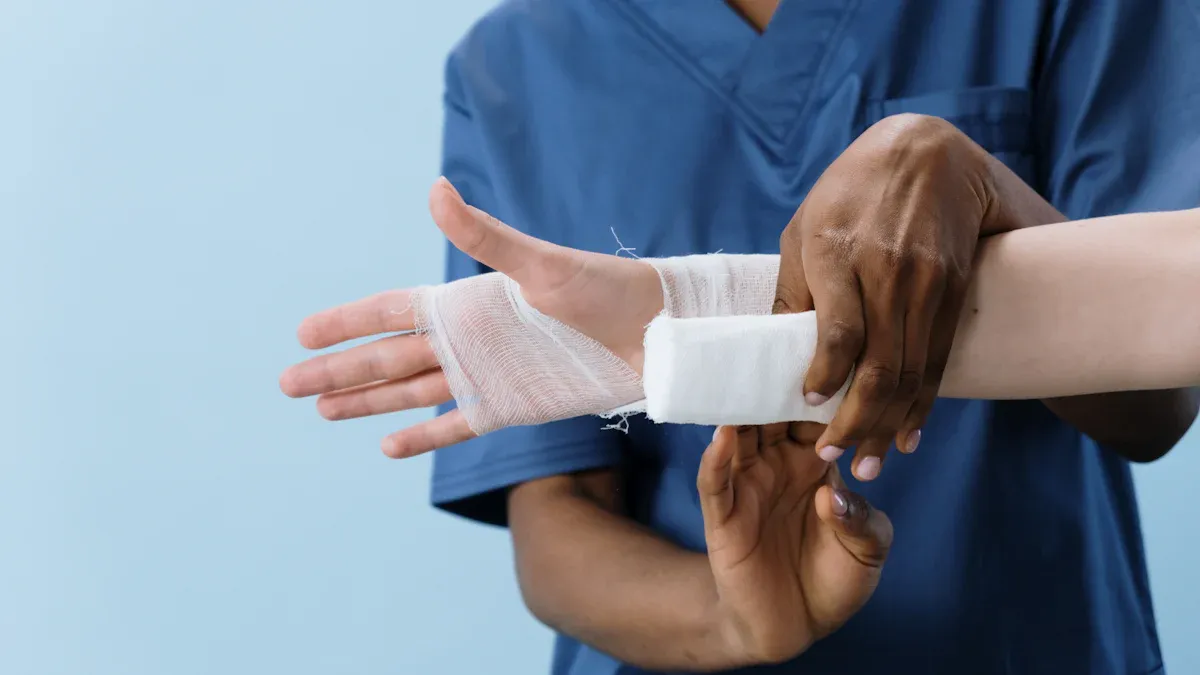
You need to start with clean hands before you touch any wound. Wash your hands with soap and warm water for at least 20 seconds or use hand sanitizer with at least 60% alcohol. Gather all your supplies, such as new SLK Medical dressings, clean gloves, and any cleansing solution your doctor recommends. Remove the old dressing gently and look at the wound for redness, swelling, or pus. Clean the skin around the wound using a circular motion from the center outward. Do not put cleaning solution directly into the wound. If your doctor gave you ointment or medicine, apply it before you put on the new dressing.
Tip: Always wash your hands again after you finish to keep germs away.
Dressing Application
Make sure the skin is clean and dry before you apply a new dressing. Place the dressing gently on the wound without stretching it. This helps the skin stay safe and prevents the dressing from loosening. Smooth the dressing in a downward motion to avoid wrinkles or gaps. If you need extra security, use gentle tape or a securement device, but do not wrap it tightly. Tight wrapping can block blood flow and cause discomfort.
Steps for proper application:
-
Prepare the skin and wound.
-
Place the dressing gently.
-
Smooth out the edges.
-
Secure with tape if needed, but keep it loose.
Note: SLK Medical dressings use soft silicone, which helps protect sensitive skin and makes removal less painful.
Monitoring and Changing
You should check the wound every day. Look for signs of infection like more pain, redness, warmth, swelling, or pus. Change the dressing at least once a day or more often if the wound drains a lot. Do not change dressings too often, because this can slow healing and raise costs. Use the table below to guide your schedule:
|
Wound Condition |
Dressing Change Frequency |
|---|---|
|
Light drainage |
Every 1-3 days |
|
Heavy drainage |
Daily or as needed |
|
Signs of infection |
Immediately |
🩹 Regular checks and gentle care help wounds heal faster and keep skin healthy.
When to Seek Professional Help
Signs of Complications
Typical Warning Signs
You should watch for changes in the wound that may signal trouble. Some signs mean you need help from a doctor or nurse. The table below shows common warning signs and what they mean:
|
Sign of Complication |
Explanation |
|---|---|
|
Persistent Redness or Pain |
Ongoing tissue damage if redness or pain does not improve |
|
Open Sores, Pus Drainage, or Foul-Smelling Wounds |
Infection that needs professional treatment |
|
Signs of Tissue Necrosis |
Blackened skin means dead tissue and needs urgent care |
|
Fever or Chills |
Serious infection may cause fever or chills |
|
Slow or No Improvement |
Wound that does not heal may need expert assessment |
Tip: If you see any of these signs, do not wait. Early action helps prevent bigger problems.
When to Seek Immediate Medical Attention
You must call a doctor right away if you notice black skin, pus, or a bad smell from the wound. Fever or chills can mean infection is spreading. Pain that gets worse or does not go away also needs quick attention. Fast help can stop the wound from getting worse.
Consulting Wound Care Experts
Monitoring and Reporting
You should keep track of the wound’s size, color, and drainage. Write down any changes each day. Share this information with your healthcare provider. Regular updates help experts make better decisions for your care.
Professional Assessment and Care Adjustment
Wound care experts look at your wound and your overall health. They create a plan just for you. You may need daily checks if you are very sick. Weekly checks work for stable wounds. Experts clean wounds, remove dead tissue, and choose dressings that help healing. They change the plan if your wound does not improve.
-
Experts develop care plans based on thorough assessments.
-
Regular monitoring helps track healing and adjust care.
-
Treatment includes cleaning, debridement, and using the right dressings.
-
Plans change as your condition changes.
SLK Medical Product Recommendations
SLK Medical offers advanced dressings for every stage of pressure ulcers. You can use Silicone Foam Ag Dressing for wounds with infection risk. Super Absorbent Dressing Non Adherent works well for deep wounds with heavy drainage. These products help protect your skin and support healing. You should ask your wound care team about the best SLK Medical dressing for your needs.
You help stop and treat pressure ulcers. Picking the right decubitus dressing helps wounds heal quickly. It also helps patients feel better. SLK Medical’s advanced products help wounds heal and help people sleep better. Learning about wound care lowers the chance of ulcers coming back.
-
Training helps you care for wounds and lowers the chance of ulcers.
-
Teaching caregivers makes care safer for everyone.
|
Group Type |
Pressure Ulcer Prevalence After |
Change (%) |
|
|---|---|---|---|
|
Product-Only Group |
26.7% |
21.6% |
-5.1% |
|
Product-Plus-Training Group |
21.9% |
5.7% |
-16.2% |
Keep learning new things. Use the best products for every step of wound care.
FAQ
What is a decubitus dressing?
A decubitus dressing protects skin with pressure ulcers. You use it to help wounds heal faster. It keeps the area moist and safe from germs.
How often should you change a pressure ulcer dressing?
You should change the dressing every 1 to 3 days. If the wound drains a lot or looks infected, change it right away.
Can you shower with SLK Medical dressings?
Yes, you can shower with SLK Medical dressings. The waterproof backing keeps the wound dry and safe during bathing.
Which SLK Medical dressing works best for sensitive skin?
You should use SLK Medical Silicone Foam Dressing. The soft silicone layer protects fragile skin and makes removal gentle.
What signs show you need to call a doctor?
If you see black skin, pus, a bad smell, or fever, call a doctor. These signs mean the wound may be infected or getting worse.