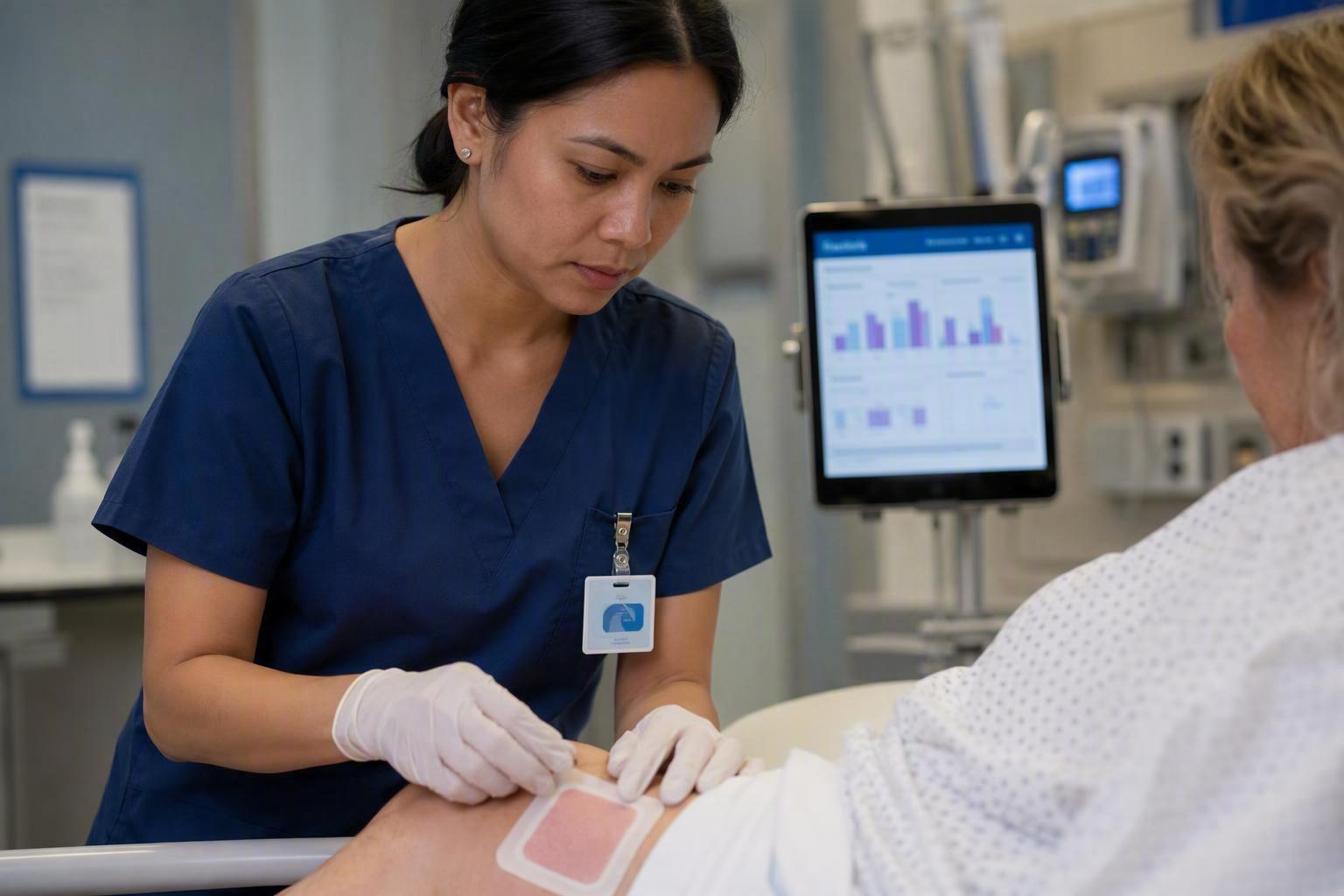
Pressure ulcers cost hospitals a lot of money. In the United States, hospitals pay high prices:
-
The average cost for each pressure ulcer patient was $48,000 in 2006.
-
Every year, costs can be as high as $11 billion across the country.
-
A medium-sized hospital might spend $10.4 million each year on pressure injuries that happen in the hospital.
New research shows silicone foam dressing can help hospitals save money. Using it to prevent ulcers in patients at high risk made treatment cheaper. It worked well for sacral ulcers and saved costs.
Key Takeaways
-
Silicone foam dressings help hospitals spend less money. They save between $172,880 and $293,800 each year.
-
Using silicone foam dressings means fewer pressure ulcers happen. Patients get better faster and leave the hospital sooner.
-
Hospitals can get their money back quickly by using silicone foam dressings. They often make up the cost in one year.
-
Using silicone foam dressings with other prevention steps helps patients. It also lowers healthcare costs for hospitals.
Financial Benefits of Silicone Foam Dressings
Direct Cost Savings for Hospitals
Hospitals save money right away when they use silicone foam dressings to stop pressure ulcers. These dressings make treatment cheaper and lower care costs for patients who might get ulcers. Studies show the average cost for soft silicone multilayered foam dressings is AU$70.82. The control group pays AU$144.56. Hospitals that use these dressings in the ICU save between $172,880 and $293,800 every year. These savings happen because there are fewer pressure ulcers and less need for costly treatments. Stopping pressure ulcers helps hospitals spend less on hapu treatment and lowers prevention and treatment costs.
Indirect Financial Benefits and Risk Reduction
Silicone foam dressings help hospitals save money over time too. They help hospitals avoid fines and losing money from hospital-acquired pressure ulcers. Real-world data shows how these dressings affect pressure ulcer rates. ICU patients with silicone foam dressings get fewer pressure ulcers than those without dressings. The table below shows how pressure ulcers go down and how much money is saved:
|
Study |
Patient Population |
Incidence Rate of Pressure Ulcers |
Cost Savings |
|---|---|---|---|
|
Brindle and Wegelin |
Cardiac surgery |
Not significantly less than control |
N/A |
|
Chaiken |
ICU |
$6,653.00 average expenditure |
|
|
Santamaria et al. |
ICU |
Significant decrease in intervention group |
N/A |
|
Forni et al. |
N/A |
3.6% (intervention) vs 42.9% (control) |
N/A |
When pressure sores are stopped, there are fewer problems and patients leave the hospital sooner. Hospitals do better when they use good ways to prevent hapus and help patients heal faster.
ROI of Pressure Ulcer Prevention
Silicone foam dressings give hospitals a big return on investment. Hospitals using 5-layer foam sacral dressings see fewer hospital-acquired pressure ulcers. These hospitals get all their money back in less than a year by using one dressing for each patient. Stopping pressure ulcers saves more money than treating a bad case. The average payout for a pressure injury lawsuit is $250,000. This shows how important it is to prevent ulcers. By using silicone foam dressings, hospitals can focus on stopping pressure ulcers and spend less on treatment.
Pressure Ulcers and Hospital Costs
Economic Burden
Pressure ulcers cost hospitals a lot of money. Treating these injuries is expensive for hospitals. Each year, pressure ulcers cost billions of dollars around the world. The table below shows how much different places spend each year:
|
Source |
Annual Cost Estimate |
|---|---|
|
HAPI Estimates |
|
|
Medicare Claims |
About $22 billion |
|
UK (NHS) |
£3.8 million per day (~$1.5 – $2.4 billion annually) |
|
Year |
Cost (USD) |
|
2016 |
$26.8 billion |
Pressure ulcers make hospital bills go up and keep patients longer. People with decubitus ulcers pay 17.3% more and stay 21.5% longer. Their bills are $20,000 to $30,000 higher than others. They also stay in the hospital three or four days more. These extra costs use up hospital money and affect how patients do.
Risk Factors
Many things can make pressure ulcers more likely in hospitals. Age is important. People who are 90 or older have five times more risk than younger people. Not moving for a long time and not eating well also matter. The Norton Score helps find patients who are most at risk. Health problems like broken bones, surgery, and not enough food make it worse.
Hospitals need to watch patients with many health problems. In the United States, 81% of adults over 65 have more than one illness. These health issues cause more pressure ulcers and higher costs. Diabetes, obesity, high blood pressure, and low albumin make risk go up. Some long-term care places in Canada see rates over 50%.
-
Prolonged immobility
-
Hemodynamic instability
-
Malnutrition
-
Altered consciousness
-
Low albumin levels
-
Hypertension
-
Obesity
-
Elevated cholesterol
-
Diabetes
Hospitals need to work on these risks to lower pressure ulcers and save money.
Cost‐Effectiveness Evidence
Clinical Trial Results
Clinical trials show silicone foam dressings help stop pressure ulcers. These dressings lower the number of new pressure ulcers in hospitals. One study showed the group with the dressing had fewer pressure ulcers than the control group. The table below shows the results:
|
Group |
Pressure Ulcer Incidence |
P-value |
|---|---|---|
|
Intervention (Dressing) |
5/25 (20%) |
0.001 |
|
Control |
20/25 (80%) |
|
|
Sacral Ulcers |
2/10 (20%) |
0.05 |
|
Heel Ulcers |
5/24 (20.8%) |
0.002 |
|
Total Ulcers |
7/25 (28%) |
0.002 |
|
NNT |
10 |
|
Researchers saw a big drop in sacral pressure ulcers. The group with the dressing had a 4.8% rate. The control group had a 12.8% rate. The difference was 8%. Hospitals need to treat 12 people to stop one ulcer.
A randomized controlled trial showed a 41% lower risk of new pressure ulcers on the sacrum. Another study found a 10% drop in all pressure injuries. These results show silicone foam dressings work well to stop pressure sores.

Economic Evaluations
Economic evaluation helps hospitals see the costs of prevention and treatment. Studies compare the cost of silicone foam dressings with standard care. The first cost‐effectiveness analysis showed that multilayer polyurethane foam dressings save money for hospitals. The table below shows the main findings:
|
Evidence Description |
Findings |
|---|---|
|
First economic analysis of preventive dressings |
Shows multilayer polyurethane foam dressings save money for sacral HAPUs compared to standard care. |
|
Cost-saving analysis |
Foam dressings with standard care save money in Italy and the US. |
|
Effectiveness in reducing HAPU incidence |
The study shows foam dressings lower HAPU rates compared to standard care, except in ICU settings. |
Hospitals save a lot of money when they use silicone foam dressings to stop pressure ulcers. Some studies say hospitals save more than $1 million in two years. Treating one pressure ulcer can cost $2,000 to $20,000. Stopping pressure ulcers saves money and helps patients.
One study found a $77 drop in treatment cost for each patient. This led to savings of $200,000 to $600,000 for many patients. Mepilex Border is a five-layer foam dressing that helps stop pressure ulcers. The study shows the money hospitals save by using silicone foam dressings.
Cost‐effectiveness analysis shows hospitals spend less on prevention and treatment with silicone foam dressings. Economic evaluation and cost‐effectiveness analysis both support using these dressings to stop pressure ulcers. Hospitals can use cost‐effectiveness analysis to make better choices and help patients at risk of hapus.
Cost‐effectiveness analysis gives hospitals a clear look at how silicone foam dressings help stop pressure sores and hospital-acquired pressure ulcers. These studies show that stopping ulcers is better and cheaper than treating them.
Silicone-Adhesive Polyurethane Foam Dressing

Prevention in High-Risk Patients
Hospitals use silicone-adhesive polyurethane foam dressing to help protect patients who might get pressure ulcers. These dressings work well to stop pressure ulcers, especially for people in medical and surgical units. Studies show that adding a sacral multi-layer silicone-adhesive polyurethane foam dressing to regular care helps keep pressure ulcers from starting. The table below shows what recent research found:
|
Study Title |
Conclusion |
|---|---|
|
Effectiveness of a multi-layer silicone-adhesive polyurethane foam dressing as prevention for sacral pressure ulcers in at-risk patients |
A sacral multi-layer silicone-adhesive polyurethane foam with regular care works well to stop pressure ulcers in at-risk patients in medical and surgical units. |
|
Economic Evaluation of Multilayer Silicone-Adhesive Polyurethane Foam Dressing for the Prevention of Pressure Ulcers in At-Risk Patients |
This study says using a multilayer polyurethane foam dressing to stop sacral HAPUs in at-risk patients saves money compared to just regular care. |
Hospitals find high-risk patients by using clear rules. These rules include checking patient conditions, looking at skin every day, and writing down what they see. The table below lists these rules:
|
Criteria for High-Risk Patients |
Description |
|---|---|
|
Inclusion Criteria |
Certain patient conditions that mean they should use silicone foam dressing. |
|
Exclusion Criteria |
Conditions that mean patients should not use silicone foam dressings. |
|
Daily Skin Assessment |
Nurses must check the skin under the dressing every day. |
|
Documentation |
Nurses need to write down when they put on the dressing and what the skin looks like. |
|
Length of Dressing Use |
There are rules for how long the dressing should stay on the sacrum. |
When hospitals follow these steps, silicone foam dressings work better and help save money on hapus.
Impact on Severe Pressure Injuries
Silicone-adhesive polyurethane foam dressing helps lower the number of bad pressure ulcers. Hospitals see fewer stage II and worse pressure injuries when they use these dressings. The silicone-adhesive polyurethane foam dressing protects the sacrum and heel, which are easy places to get sores. It also helps stop incontinence-associated dermatitis and lowers it by more than 60%. This helps wounds heal faster for patients with bad sores. Silicone multilayer foam dressings give strong protection and help hospitals spend less while helping patients get better. Silicone foam dressings work well and are a good choice for stopping pressure ulcers in high-risk places.
Real-World Data and Sensitivity Analysis
Hospital Case Studies
Hospitals have seen good results with silicone foam dressings. One study showed 21% of wounds healed all the way. About 70% of wounds got better. These dressings can stay on for up to seven days. This means nurses do not have to change them as often. Fewer changes save time and money for wound care teams. Mepilex Border Sacrum is a product that works well.
Mepilex Border is the only 5-layer foam prevention dressing with five randomized clinical trials showing how it helps stop pressure ulcers.
Hospitals using Mepilex Border Sacrum save money and help patients heal. The table below shows the money saved:
|
Study Type |
Findings |
|---|---|
|
Real-world health economic evidence |
$77 less spent for each patient in a group of 1.03 million patients |
|
Randomized clinical trials |
Five RCTs show the dressing helps stop pressure ulcers |
Hospitals also save more money over time. This happens because wounds heal better and there are fewer problems.
-
Mepilex Border Sacrum saves money in real hospitals.
-
Healing is better and there are fewer problems, so hospitals save more.
Variability in Outcomes
Results can be different for each patient and hospital. The VIPES study showed wounds healed better and patients had less pain. Patients also felt better overall. Silicone foam dressings help heal hard wounds and keep fluid from leaking out. The table below shows how results can change:
|
Evidence Description |
Outcome |
|---|---|
|
Positive outcomes reported in the VIPES study |
Wounds healed better, pain was less, and patients felt better |
|
Effective management of complex, exuding wounds |
Dressings helped heal by filling the space between the wound and the dressing |
|
Improvements in wound edges and periwound skin |
Less fluid leaked out, so wounds were managed better |
Costs can be very different for each patient. The table below shows how much treatment and prevention can cost each day:
|
Cost Type |
Cost Range (€) |
|---|---|
|
Treatment per patient per day |
|
|
Prevention per patient per day |
€2.65 to €87.57 |
Hospitals get the best results when they use foam dressings on certain body parts, like the sacrum, for patients who might get ulcers. This helps save money and stops hapus. The kind of adhesive dressing used changes how many dressings a patient needs. A good adhesive layer means less waste and less work for nurses. This helps hospitals save money.
Practical Implications for Hospitals
Implementation Strategies
Hospitals can stop more pressure ulcers by using silicone foam dressings. These dressings help protect places like the sacrum, heels, and buttocks. Hospitals already use special beds, move patients often, and use barrier creams. Silicone foam dressings give extra safety for patients who might get hapus.
Best ways to use silicone foam dressings are:
-
Find high-risk patients early
-
Put dressings on spots that get pressure
-
Teach staff how to use and take off dressings
-
Check skin under dressings every day
-
Use dressings with other ways to prevent ulcers
Hospitals have some problems when they start using silicone foam dressings. Staff need to handle wounds with lots of fluid and stop infections. Some hospitals have higher costs and not enough workers, so it is hard to use new products. Good wound care helps patients heal faster and feel better.
Tip: Hospitals that teach staff and use clear steps get better results with silicone foam dressings.
Policy and Procurement
Hospital buying teams want products that save money and help patients heal. They pick silicone foam dressings that work well and make patients happy. Rules tell hospitals to use products that fit patient needs and help them get better. Teams look at how dressings help over time, not just the first price. Dressings that last longer or need fewer changes can make treatment cost less.
Buying choices also depend on FDA rules and payment plans from Medicare, Medicaid, and private insurance. The FDA checks if dressings are safe and work well, which can slow down new product approval but keeps care good. Insurance wants proof that dressings save money and help patients. Companies must show strong proof to get good payment and support from hospitals.
Silicone foam dressings help stop pressure ulcers and save hospitals money. Hospitals have fewer hapus cases and patients go home sooner. The table below gives important tips for hospital leaders and doctors:
|
Evidence Type |
Description |
|---|---|
|
Effectiveness |
Using silicone foam dressings can stop sacral pressure injuries before they start. |
|
Early studies show hospitals spend less when they use silicone foam dressings. |
|
|
Further Research |
More research is needed to find the best ways to use these dressings in hospitals. |
Hospitals should put silicone foam dressings on patients who might get ulcers and check their prevention plans often.
FAQ
What are silicone foam dressings used for in hospitals?
Silicone foam dressings keep skin safe from rubbing and pressure. Hospitals use them to stop pressure ulcers, mostly on the sacrum and heels. Nurses put these dressings on patients who might get wounds.
How do silicone foam dressings help hospitals save money?
Hospitals spend less money when they use silicone foam dressings. These dressings lower the number of pressure ulcers. This means there are fewer problems and patients leave sooner. Hospitals also do not have to pay fines for hospital-acquired pressure ulcers.
Are silicone foam dressings comfortable for patients?
Patients say silicone foam dressings hurt less and feel better. The soft material does not bother the skin and sticks gently. Nurses think these dressings are easy to put on and take off. This helps patients feel more comfortable during care.
Can silicone foam dressings prevent hapus in high-risk patients?
Yes, silicone foam dressings help stop hapus in patients who might get pressure ulcers. Hospitals use these dressings to help patients who cannot move much or have other health issues.
How often should nurses change silicone foam dressings?
Nurses usually change silicone foam dressings every three to seven days. It depends on what the patient needs and how the wound looks. Nurses check the skin often to know when to change the dressing for the best care.
Tip: Hospitals should teach staff to look at dressings every day and follow the maker’s rules for changing them.