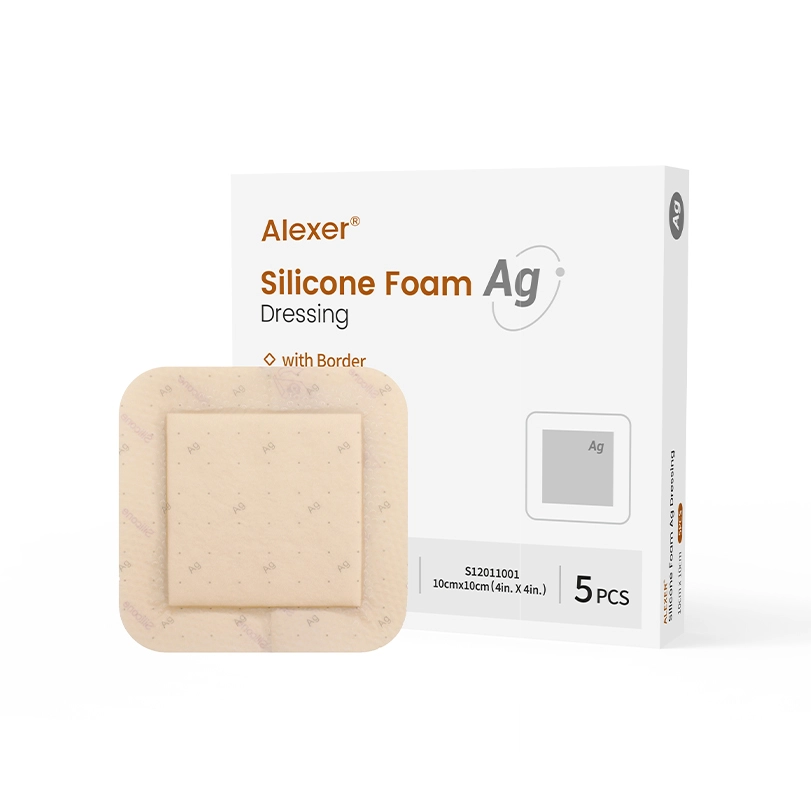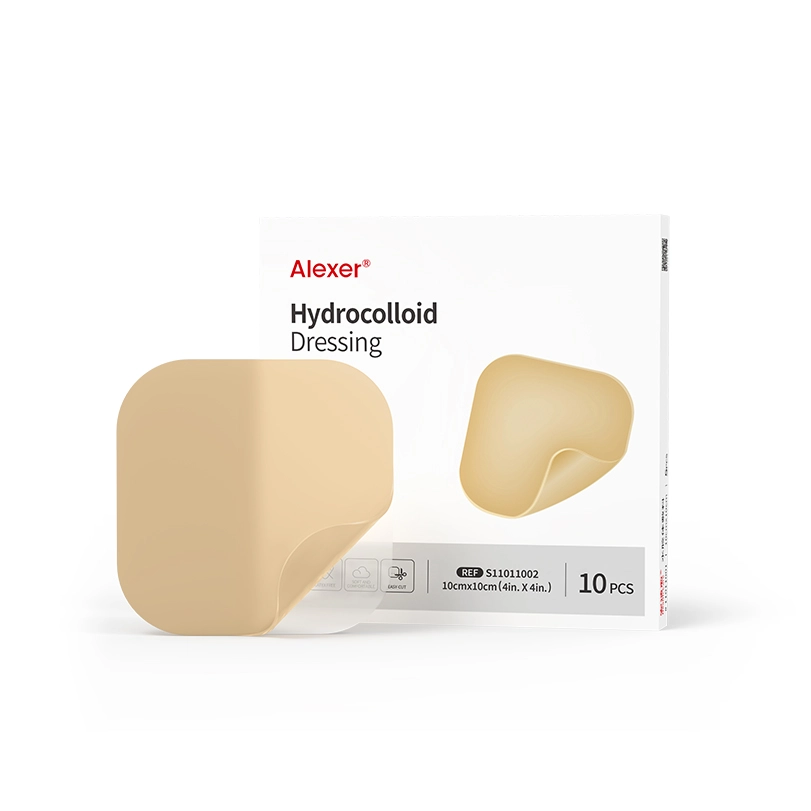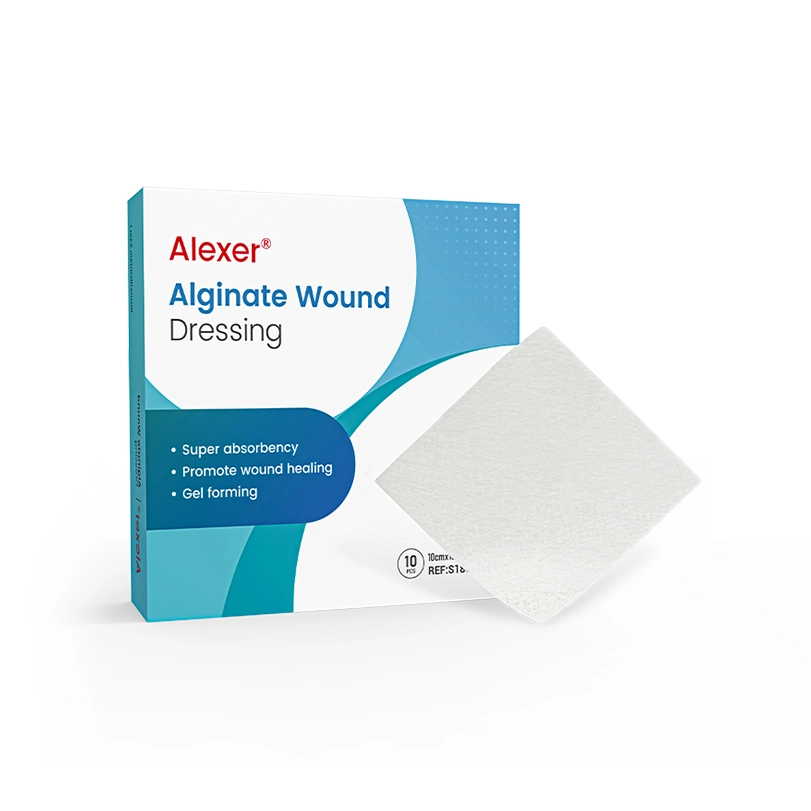




A pressure injury is localized damage to the skin and underlying soft tissue caused by sustained pressure or shear forces, typically occurring over bony prominences. These injuries present significant clinical risks, including tissue ischemia, necrosis, and severe complications. This guide will explore injury staging, early signs, and prevention strategies, including the use of advanced wound dressings.
Reference: 2019 International Clinical Guideline for Pressure Injury Prevention and Treatment Suitable for corporate website blog publication
1. What Is a Pressure Injury?
Often referred to as bedsores or pressure ulcers, pressure injuries are localized damages to the skin and underlying soft tissue. While “bedsore” is a traditional colloquialism and “pressure ulcer” historically denoted open sores, “pressure injury” is the modern, comprehensive term covering both intact skin damage and open wounds.
A pressure injury is localized damage to the skin and/or underlying subcutaneous tissue caused by pressure, or pressure combined with shear force. It usually occurs over bony prominences, and may also result from medical devices or external objects.
2. Stages of Pressure Injury
Based on the latest National Pressure Injury Advisory Panel (NPIAP) guidelines, accurate clinical staging is fundamental for assessing wound severity, determining appropriate dressing selection, and guiding nursing interventions. Below is the detailed clinical analysis of pressure injury stages from Stage 1 to Stage 4, along with Unstageable and Deep Tissue Pressure Injury (DTPI).
Stage 1 Pressure Injury
Intact skin with non‑blanchable redness of a localized area over a bony prominence. In individuals with darker skin tones, visual changes may be subtle but differ from surrounding skin.
-
Clinical Presentation: Intact skin with localized non-blanchable redness, typically over a bony prominence.
-
Darker Skin Tones: Visual changes may present as subtle persistent discoloration (purple, blue, or darker shades) differing from surrounding tissue.
-
Tissue Depth: Superficial epidermal/dermal stress; no open wound present.
Stage 2 Pressure Injury
Partial‑thickness skin loss with exposed dermis. The wound bed is viable, pink or red and moist; it may also present as an intact or ruptured serum‑filled blister. Adipose tissue and deeper tissues are not visible. Granulation tissue, slough and eschar are absent.
-
Clinical Presentation: Exposed dermis. The wound bed is viable, pink or red, and moist. May also present as an intact or ruptured serum-filled blister.
-
Exclusions: Adipose tissue, deep tissues, granulation, slough, and eschar are absent.
Stage 3 Pressure Injury
Full‑thickness skin loss. Subcutaneous fat, granulation tissue and rolled wound edges (epithelial rolling) may be observed. Slough or eschar may be present. Depth varies by anatomical location; undermining and tunnelling can occur. Fascia, muscle, tendon, ligament, cartilage and bone are not exposed.
-
Clinical Presentation: Subcutaneous fat is visible, along with granulation tissue and rolled wound edges (epibole). Slough and/or eschar may be present.
-
Depth & Complexity: Varies by anatomical location. Undermining and tunneling may occur.
-
Exclusions: Fascia, muscle, tendon, ligament, cartilage, and bone are not exposed.
Stage 4 Pressure Injury
Full‑thickness skin and tissue loss with exposed or directly palpable fascia, muscle, tendon, ligament, cartilage or bone. Slough or eschar may be present. Rolled edges, undermining and tunnelling are frequently seen.
-
Clinical Presentation: Full-thickness loss with directly exposed or palpable fascia, muscle, tendon, ligament, cartilage, or bone.
-
Complications: Slough/eschar, rolled edges, undermining, and deep tunneling are frequently present. High risk of osteomyelitis.
Unstageable Pressure Injury
Full‑thickness skin and tissue loss in which the base of the ulcer is covered by slough (yellow, tan, grey, green or brown) and/or eschar (tan, brown or black). Complete removal of slough and/or eschar is required to determine staging. This category excludes wounds re‑classified as Stage 3 or 4 after debridement.
-
Clinical Presentation: Full-thickness loss where the true depth of the wound bed is completely obscured by slough (yellow, tan, grey, green) and/or eschar (brown or black).
-
Clinical Action: Debridement is required to remove slough/eschar and reveal the underlying depth, except when stable (dry, adherent, intact) eschar is present on ischemic limbs or heels.
Suspected Deep‑Tissue Pressure Injury — Depth Unknown
Sub‑cutaneous tissue damage caused by pressure and/or shear force. Localized intact skin shows purple or maroon discoloration, or a blood‑filled blister. Compared with adjacent tissue, the area may be painful, firm, boggy, moist, warmer or cooler. This injury can be difficult to detect in people with dark skin tones. A thin blister may develop over the wound bed, later covered by a thin eschar. Despite optimal treatment, it may progress rapidly with exposure of multiple tissue layers. It excludes injuries re‑staged to Stage 1‑4 after debridement.
-
Clinical Presentation: Intact or non-intact skin with localized, persistent, non-blanchable purple, maroon, or dark discoloration, or a blood-filled blister.
-
Tissue State: Indicates underlying deep soft tissue damage from intense shear/pressure. The tissue may feel boggy, warmer, cooler, or painful compared to adjacent skin.
-
Progression: May evolve rapidly to expose deep tissue layers even with optimal care.
3. Medical‑Device‑Related Pressure Injury
A medical‑device‑related pressure injury (MDRPI) describes skin damage resulting from pressure exerted by medical devices, equipment, furniture or everyday items. It may occur as an unintended consequence of treatment or accidental skin contact with devices. The injury typically conforms to the shape of the applied diagnostic or therapeutic device.
The term “medical‑device‑related” refers to the aetiology rather than the severity of tissue damage. MDRPIs are assessed using the standard pressure‑injury staging system (Stage 1‑4).
Medical-Device-Related Pressure Injury (MDRPI)
-
Definition: Damage resulting from sustained pressure/shear exerted by therapeutic or diagnostic equipment (e.g., oxygen tubing, cervical collars, tracheostomy ties, CPAP masks).
-
Staging: The injury typically mirrors the pattern/shape of the device. MDRPIs are classified using the standard Stage 1–4 staging system.
Mucosal Pressure Injury
Mucosal pressure injuries arise on moist mucosal surfaces of the respiratory, gastrointestinal and genitourinary tracts, mostly induced by sustained pressure and shear from medical tubes and securing devices.
- Injuries of the respiratory tract (lips, mouth, nasal cavity) are commonly caused by ventilation or feeding tubes and their fixators.
- Gastrointestinal and genitourinary injuries (penis, urethra etc.) are often associated with feeding tubes, stoma appliances and urinary catheters.
Given the unique anatomical features of mucosal tissue, international guidelines recommend the ROMPIS (Reaper Oral Mucosa Pressure Injury Scale) for grading mucosal pressure injuries.
4. Most Common Sites of Pressure Injury
According to clinical research literature, the sacrum is the most frequent site of pressure injury, followed by the heels.
5. Prophylactic Solutions by SLK Medical
Preventing Hospital-Acquired Pressure Injuries (HAPIs) requires a combination of frequent repositioning, moisture management, and prophylactic multi-layer dressings.
SLK Medical’s Advanced Silicone Foam Solutions:
-
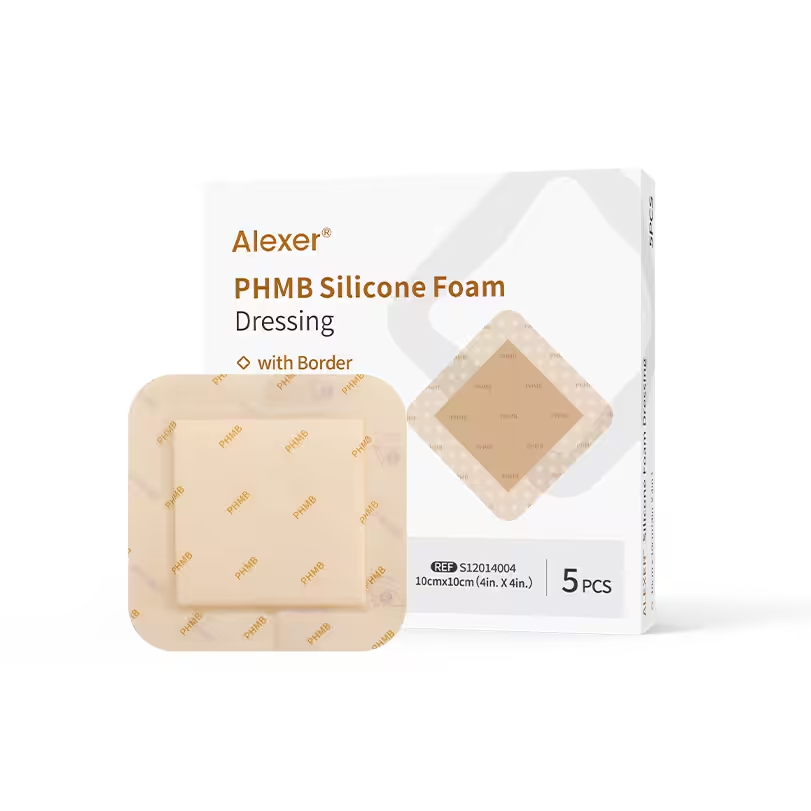
Sacral & Heel Anatomical Bordered Foam: Specially contoured 5-layer composite silicone foam dressings designed to absorb vertical compression, reduce horizontal shear stress, and manage microclimate moisture over bony prominences.
-
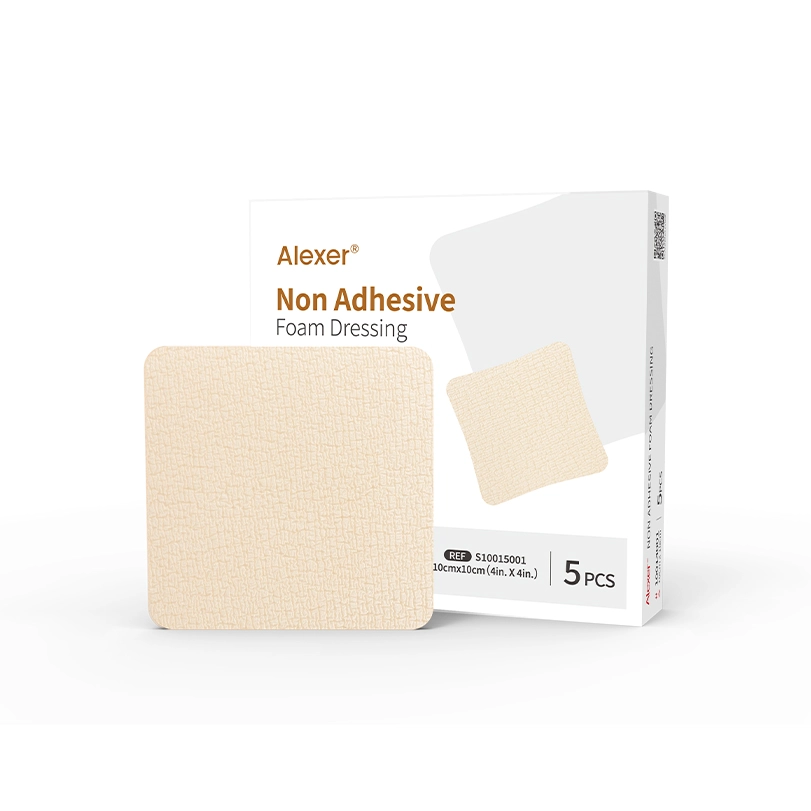
Non-Bordered Soft Silicone Sheets: Ideal cut-to-fit protection under medical devices to prevent MDRPIs around tubing, collars, and masks.
👉 Explore SLK Medical’s Silicone Foam Dressing Line for Pressure Injury Prevention
👉 Download Technical Datasheet & Request Free B2B Evaluation Samples