


You can trust calcium alginate wound dressings for diabetic foot ulcers. Studies show these dressings soak up a lot of wound fluid. They also let out medicine well, with a release rate of 96.9% after one day. Research says healing is about the same as with basic dressings. But you get extra features like gel formation, comfort, and strong soaking power. These things help you take care of wounds safely and with less pain at home.
Key Takeaways
-
Calcium alginate dressings can soak up a lot of fluid. They hold up to 20 times their weight. This helps keep wounds clean and dry.
-
These dressings make a wet area that helps wounds heal faster. They also help lower pain when you change the dressing.
-
Always clean the area before you start wound care. Gather all the supplies you need. This helps stop infection.
-
Change the dressing every 1 to 3 days. Change it sooner if it gets too wet. This keeps the wound healthy.
-
Look for signs of infection like more redness or discharge. Call your healthcare provider if you see any changes.
Calcium Alginate Dressings for Diabetic Foot Ulcers

How Calcium Alginate Dressings Work
Calcium alginate dressings give wounds special care. They are made from seaweed fibers. These fibers react when they touch wound fluid. The fibers change into a soft gel. This gel keeps the wound moist. Moist wounds heal faster. Calcium ions in the dressing mix with sodium ions in the wound. This makes a gentle layer over the wound.
Calcium alginate dressings soak up a lot of fluid. They can hold up to 20 times their weight. This keeps the wound clean and dry on top. The moist area helps healing cells work. It also helps remove dead tissue. The dressing releases calcium ions. These ions help blood clot and stop small bleeding. You can use these dressings for wounds that leak a lot, like diabetic foot ulcers.
Tip: The gel does not stick to the wound. You can take off the dressing with less pain. This helps protect new skin.
Key Benefits for Diabetic Foot Ulcers
Calcium alginate dressings have many good points for diabetic foot ulcers. Here are some of the main ones:
-
High Absorbency: These dressings soak up lots of wound fluid. This keeps the skin around your ulcer dry. It helps stop skin from breaking down.
-
Gel Formation: The gel keeps the wound moist. Moist wounds heal better and faster.
-
Hemostatic Effect: Calcium ions help your blood clot. This is important if your wound bleeds.
-
Non-Adherence: The gel does not stick to the wound bed. You can change the dressing with less pain.
-
Autolytic Debridement: The moist area helps your body break down dead tissue.
-
Biodegradability: The fibers break down naturally. You do not have to worry about pulling fibers out.
Studies show calcium alginate dressings help wounds heal. One study found 28.2% of diabetic foot ulcers healed in six weeks. Another study showed people felt less pain when changing these dressings. These dressings also help your body make more collagen. Collagen helps your skin grow back strong.
|
Dressing Type |
Absorbency Capability |
Additional Notes |
|---|---|---|
|
Calcium Alginate |
Absorbs up to 20 times its weight in fluid |
Good for wounds with lots of fluid; helps with diabetic foot ulcers. |
|
Hydrofiber |
Up to 3 times more absorbent than alginates |
Less side spreading; also used for similar wounds. |
Calcium alginate dressings help your body make more collagen. Collagen is a protein that makes skin strong. Studies show wounds with these dressings have more collagen and heal faster.
You can trust calcium alginate dressings to help your diabetic foot ulcer heal. The Alexer® Alginate Wound Dressing uses all these features. It helps you care for your wound at home.
Supplies Needed for Wound Care
Essential Items Checklist
You need the right supplies to make wound care safe and effective at home. Start by gathering everything before you begin. This helps you avoid missing steps and keeps your wound care routine smooth.
-
Calcium alginate dressings (such as Alexer® Alginate Wound Dressing)
-
Sterile saline solution or wound cleanser
-
Clean gloves (non-sterile or sterile)
-
Gauze pads or non-stick pads
-
Medical tape or adhesive bandages
-
Scissors (clean and sharp)
-
Trash bag for used materials
-
Moisturizing lotion for surrounding skin
-
Hand sanitizer
-
Clean towel
You may also use other dressings like hydrogels, foams, collagen dressings, or silver dressings. These help with different needs in wound care. Some dressings absorb fluid, others keep the wound moist, and some protect against infection. Wound care specialists recommend keeping wounds covered and moist. Avoid using full-strength betadine, hydrogen peroxide, or soaking the wound. These can slow healing.
Tip: Always check your supplies before starting wound care. Replace any items that look old or damaged.
Preparing a Clean Area
Setting up a clean area is important for wound care. You lower the risk of infection when you work in a clean space. Follow these steps to prepare:
-
Choose a well-lit area with a flat surface.
-
Wash your hands with soap and water. Use hand sanitizer if needed.
-
Lay out a clean towel or disposable pad.
-
Put on clean gloves before touching the wound.
-
Assess the wound to see if it is ready for a calcium alginate dressing.
-
Cleanse the wound with sterile saline or wound cleanser. Remove any debris or bacteria.
-
If you see dead tissue, gently debride it if your doctor has shown you how.
-
Pat the skin around the wound dry. This prevents skin breakdown.
Wound care works best when you keep everything clean and organized. You help your wound heal faster and avoid problems. Make wound care a regular part of your routine. Good preparation makes each step easier and safer.
How to Use Calcium Alginate Wound Dressing
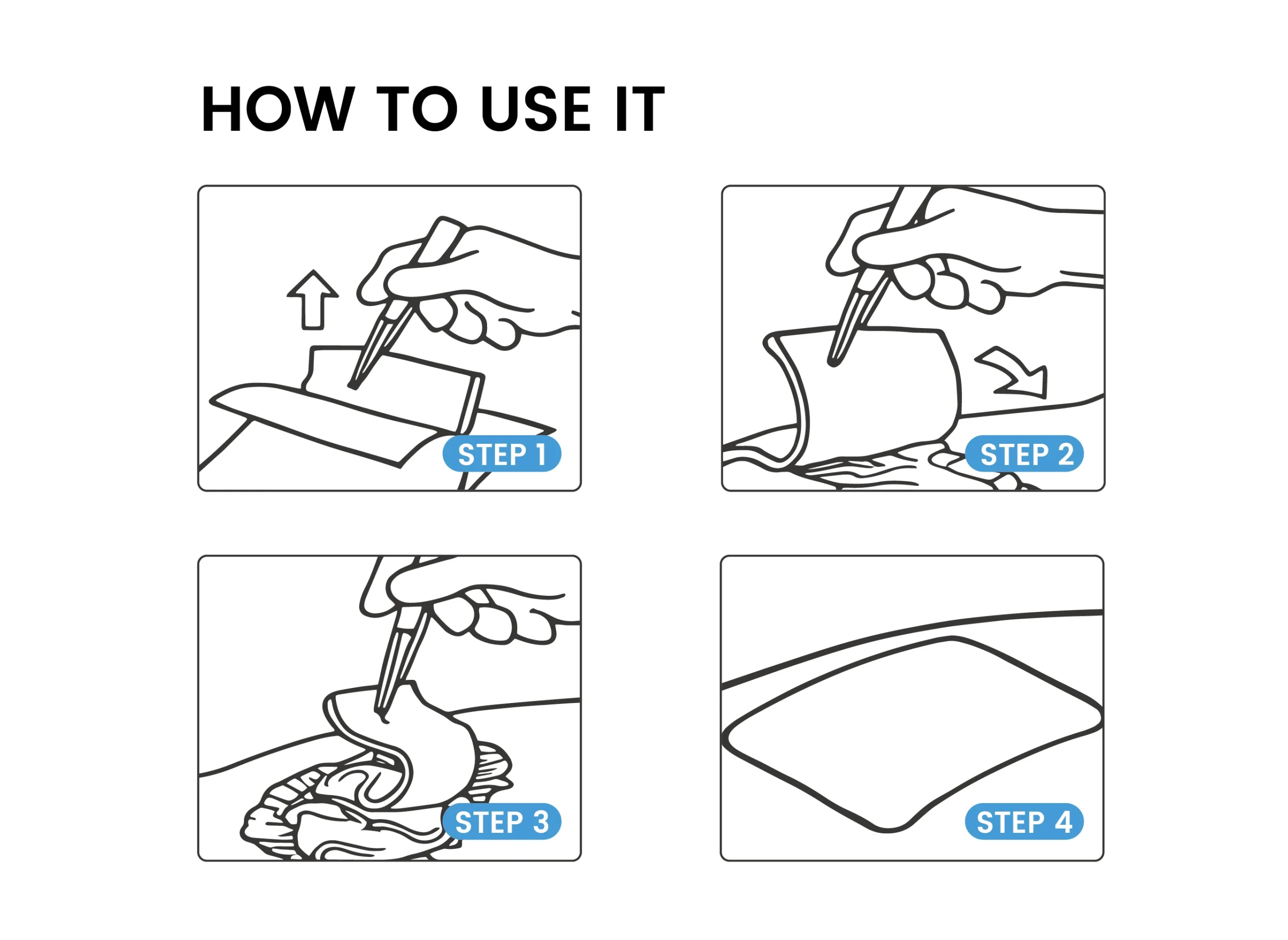
Wound Preparation Steps
Before you use wound dressings, you must get the wound ready. First, wash your hands with soap and water. Put on clean gloves next. Use a sterile saline solution or wound cleanser to clean the wound. Take away any dirt or fluid. Pat the skin around the wound dry with a clean towel. Make sure there is no debris left. If your doctor taught you, remove any dead tissue. Look at the wound for signs of infection like redness or swelling.
Tip: Always wear a new pair of gloves each time you care for a wound. This helps stop infection.
Applying the Dressing
Pick the right size and shape of the Alexer® Alginate Wound Dressing. You can choose a square or rope shape for the wound. Open the package with clean hands. Put the dressing right on the wound. Make sure it covers the whole area and a little healthy skin. Do not stretch or press the dressing too hard. If the wound is deep, use the rope shape to fill the space gently.
Follow these steps from healthcare professionals:
-
Clean the wound as explained above.
-
Put the dressing so it fits the wound shape and size.
-
Add a gauze pad or other dressing if needed.
-
Hold the dressing in place with medical tape or an adhesive bandage.
-
Check the wound every day for changes.
-
Change the dressing every 1-3 days or when it gets soaked.
The gel made by the dressing keeps the wound moist. This helps your skin heal faster. The dressing soaks up extra fluid and keeps germs out.
Securing and Comfort Tips
You want the wound dressings to stay put and feel good. Use medical tape or a soft adhesive bandage to hold the dressing. Make sure the tape does not touch the wound. If you use another dressing, check that it covers the alginate dressing all the way.
Calcium alginate dressings do not stick to the wound bed. You can take them off easily without hurting new skin. Studies show these dressings lower pain when you remove them and make patients feel better. Many people say they feel less pain when changing these dressings.
|
Study Title |
Findings |
|---|---|
|
Evaluation of Two Calcium Alginate Dressings in the Management of Venous Ulcers |
Alginate A worked better and felt more comfortable when removed. |
|
Alginate dressings for treating pressure ulcers |
Shows why you should avoid hurting the wound when removing dressings. |
|
Evaluation of two calcium alginate dressings in the management of venous ulcers |
Looked at comfort and how easy it was to use, showing the dressing does not stick. |
-
These dressings are made to lower pain when you take them off.
-
You can change them with less pain and worry.
-
The gel layer protects new skin and makes removal gentle.
Note: If you see more redness, swelling, or pus, call your doctor. Always watch the wound for changes.
You can trust wound dressings like Alexer® Alginate to help you care for diabetic foot ulcers at home. The easy way to put on and take off the dressing makes daily wound care safer and more comfortable.
Monitoring and Changing Dressings in Wound Care
When to Change the Dressing
You need to check your diabetic foot ulcers every day. Changing your calcium alginate dressing at the right time helps your wound heal and keeps it safe from infection. Most people change their dressing every 1 to 3 days. The best schedule depends on how much fluid your wound makes and how your skin looks. If your wound leaks a lot, you may need to change the dressing more often.
-
Change the dressing every 1 to 3 days for wounds with a lot of fluid.
-
Adjust how often you change the dressing based on how wet or dry the wound is.
-
Always look at the wound bed and follow your cleaning steps each time.
-
Keep up with your wound management routine for the best results.
Tip: If you see the dressing is soaked or loose, change it right away. This helps with infection prevention and keeps your skin healthy.
Signs to Watch For
You should know when your dressing needs to be changed or when you need to call your doctor. Watch for these signs:
|
Sign Type |
Description |
|---|---|
|
Dressing Saturation |
Visible exudate around the edges or soaked through the dressing. Dressing looks heavy, swollen, or discolored. |
|
Skin around the wound turns red or swollen. Foul odor comes from the wound or dressing. |
|
|
Wound Discomfort |
You feel more pain or discomfort at the wound site. Dressing becomes loose, wrinkled, or does not stick. |
|
Healing Progress |
Wound forms new tissue and leaks less fluid. You may need to change the dressing less often. |
You also need to watch for signs of infection or other problems with diabetic foot ulcers. These signs include:
|
Signs of Infection |
Description |
|---|---|
|
Inflammation |
Redness, warmth, tenderness, pain, or hard skin |
|
Purulence |
Yellow or green pus coming from the wound |
If you notice any of these signs, contact your healthcare provider. Early action helps prevent bigger problems and supports healing.
Practical Tips for Better Healing
Keeping the Area Clean and Dry
You play a big role in helping your diabetic foot ulcer heal. Start by making sure the area around your wound stays clean and dry. Wash your hands before and after touching your foot. Use a gentle cleanser or sterile saline to clean the skin around the ulcer. Dry the area with a soft towel. Do not rub hard. Always use a fresh towel for each cleaning.
A clean and dry environment is essential for healing. Calcium alginate dressings work best when you keep the skin around your foot dry. These dressings create a moist wound environment for the ulcer itself, but if the surrounding skin gets wet or dirty, you risk infection. Infections can slow down healing and cause more problems. Check your foot every day for signs of redness, swelling, or extra fluid. If you see any changes, talk to your healthcare provider.
Tip: Change your socks daily and wear shoes that fit well. This helps keep your foot dry and safe.
Promoting Comfort and Healing
You can do several things to make healing easier and more comfortable. Keep pressure off your diabetic foot ulcer as much as possible. Use a cushion or special shoe if your doctor suggests it. Avoid walking barefoot, even at home.
A moist wound environment helps new skin grow and speeds up healing. Calcium alginate dressings keep the ulcer moist while protecting it from germs. Make sure the dressing covers the whole wound and stays in place. If you feel pain or notice the dressing slipping, adjust it or ask for help.
-
Rest your foot when you can.
-
Eat healthy foods to support healing.
-
Drink enough water each day.
Remember, a moist wound environment, clean skin, and good foot care all work together to help your diabetic ulcer heal faster.
Mistakes to Avoid with Calcium Alginate Dressings
Common Application Errors
You want your diabetic foot ulcer to heal well. Using calcium alginate dressings the right way helps you reach that goal. Some mistakes can slow healing or cause problems. Here are common errors you should avoid:
-
Not cleaning the wound properly: If you skip cleaning, bacteria can grow. Always wash your hands and use a wound cleanser or sterile saline.
-
Choosing the wrong size or shape: A dressing that is too small leaves parts of the wound uncovered. A dressing that is too large can irritate healthy skin. Pick a size that covers the wound and a little healthy skin around it.
-
Applying the dressing too tightly: Pressing or stretching the dressing can hurt new tissue. Place the dressing gently on the wound.
-
Forgetting to secure the dressing: If the dressing moves, it may not protect the wound. Use medical tape or a soft bandage to keep it in place.
-
Leaving the dressing on too long: A soaked dressing can cause skin problems. Change it every 1 to 3 days or when it gets wet.
Tip: Always check the dressing after you apply it. Make sure it fits well and feels comfortable.
Ignoring Infection Signs
You must watch for signs of infection every day. Ignoring these signs can cause serious problems. If you do not act quickly, you risk more than slow healing. Here is what can happen:
-
Chronic foot ulceration may develop.
-
Cellulitis can spread through your skin.
-
Gangrene may set in, causing tissue death.
-
Osteomyelitis can affect your bones.
-
Mixed bacterial-fungal infections can slow healing and raise the risk of amputation.
-
About 85% of amputations in diabetic foot ulcer patients happen because of mixed infections.
Note: If you see redness, swelling, pus, or a bad smell, call your healthcare provider right away. Early action helps you avoid bigger problems and keeps your foot healthy.
Ignoring infection signs can lead to pain, longer healing, and even loss of your foot. Stay alert and take care of your wound every day.
When to Seek Medical Advice for Diabetic Foot Ulcers
Warning Signs
You need to watch your diabetic foot ulcer closely every day. Some changes mean you should get help from your healthcare provider right away. These warning signs show that your wound may not heal well or could be infected. If you notice any of the following, do not wait to seek medical advice:
-
Increased pain: You feel sudden or stronger pain around the ulcer.
-
Redness and swelling: The skin around the wound looks more red or swollen than before.
-
Warmth around the ulcer: The area feels hotter than the rest of your foot.
-
Foul odor: You smell a strong, unpleasant odor coming from the wound.
-
Discharge: You see thick, yellow, green, or blood-streaked fluid.
-
Fever or chills: You feel hot, cold, or shaky, which can mean the infection is spreading.
-
Slow healing: The wound does not get better or looks the same after several days.
Alert: If you see any of these signs, call your healthcare provider as soon as possible. Quick action can stop the problem from getting worse.
Working with Healthcare Providers
You play a key role in your healing, but your healthcare team gives you the support you need. Always keep your provider updated about your wound. Bring a list of your symptoms and any changes you notice. Ask questions if you do not understand something about your care.
Your provider may check your wound, order tests, or change your treatment plan. You may need antibiotics or a different dressing. Sometimes, you need to see a wound care specialist. Follow all instructions from your provider. Keep your appointments and share any concerns.
Tip: Good teamwork with your healthcare provider helps you heal faster and lowers your risk of problems. Stay in touch and do not hesitate to ask for help.
You can take care of diabetic foot ulcers at home if you follow easy steps. First, look at your wound and get it ready. Pick the right alginate dressing for your wound. Put the dressing on gently so you do not cause problems. Watch your wound and change the dressing when you need to. Learn when you should not use alginate dressings. These steps help you heal quicker and keep away infection. Always watch for changes and talk to your healthcare provider if you need help. You can help your healing every day.
FAQ
How often should you change a calcium alginate dressing?
You should change the dressing every 1 to 3 days. If the dressing gets soaked or loose, replace it right away. This helps keep your wound clean and supports advanced wound care.
Can you shower with a calcium alginate dressing on?
You should avoid getting the dressing wet. Cover your foot with a waterproof wrap if you need to shower. Wet dressings do not support advanced wound care and may slow healing.
What should you do if the dressing sticks to the wound?
Calcium alginate dressings usually do not stick. If you notice sticking, moisten the dressing with sterile saline before removal. This helps protect new skin and makes removal easier.
Are calcium alginate dressings safe for all diabetic foot ulcers?
Most diabetic foot ulcers benefit from these dressings. If you see signs of infection or your wound does not improve, contact your healthcare provider for advice.
What signs show your wound is healing?
Look for less fluid, new pink tissue, and smaller wound size. Less pain and no foul odor also show healing. Keep checking your wound every day.


