


Hydrocolloid dressings help wounds heal faster by maintaining a moist environment, which is essential for skin repair. Approximately half of chronic wounds utilize these dressings. SLK Medical is a leader in wound care, dedicated to creating innovative and high-quality products. The Alexer® Hydrocolloid Dressing employs advanced technology to enhance patient comfort and promote quicker healing. Choosing the right types of hydrocolloid dressings is crucial for achieving optimal results for both you and your patients.
|
Study |
Findings |
Patient Comfort |
|
|---|---|---|---|
|
Porter et al. |
Heals faster than alginate |
10.0 days (hydrocolloid) |
87% healed by first change |
|
Tan et al. |
More wounds healed |
97% healed by day 10 |
Both groups felt similar comfort |
Key Takeaways
-
Hydrocolloid dressings keep wounds moist. This helps wounds heal faster and lowers scarring.
-
Pick the right hydrocolloid dressing for your wound. Think about the wound’s size, shape, and how wet it is. This helps the wound heal best.
-
Hydrocolloid dressings feel soft and bend easily. They let you move and still protect the wound from germs.
-
Check the dressing often for leaks or changes. Change it every three to seven days for good healing.
-
Ask a healthcare expert to help you pick the best hydrocolloid dressing for your wound.
Hydrocolloid Dressings Overview

Definition and Key Properties
Hydrocolloid wound dressings are special products for wounds. They use different materials to help protect and heal skin. These dressings have three main layers. The first layer touches your skin and helps start healing. The middle layer holds hydrophilic colloidal particles like gelatin and cellulose. These particles soak up fluid from wounds and make a gel-like shield. The top layer, usually made of polyurethane, blocks water and germs.
Here is a table that shows the main parts of hydrocolloid wound dressings:
|
Component |
Description |
|---|---|
|
Hydrophilic colloidal particles |
These include things like gelatin and cellulose. They soak up fluid and make a gel-like shield. |
|
Polyurethane outer covering |
This layer keeps water and germs out of the dressing. |
|
Sodium carboxymethyl cellulose |
This important hydrocolloid reacts with wound fluid to make a gel. It does not stick to the wound. |
|
Pectin |
This is another substance that helps the dressing soak up fluid and keep moisture. |
|
Adhesives |
These help the dressing stick to your skin but do not stick to the wound. |
Hydrocolloid dressings are soft and bend easily. They are simple to use. You can put them on many kinds of wounds. These dressings keep wounds moist, which helps them heal.
How Hydrocolloid Dressings Work
Hydrocolloid wound dressings make a moist cover over wounds. When you put one on, the hydrophilic particles soak up fluid and turn into a hydrogel. This hydrogel makes a shield that covers the wound and keeps out germs and water. The hydrogel also helps your body clean away dead tissue. Your body uses its own enzymes to do this.
There are many good things about hydrocolloid dressings:
-
Hydrocolloid dressings keep the right amount of moisture for healing.
-
They soak up fluid and make a gel-like shield, so there is no problem with too much moisture.
-
Hydrocolloid wound dressings do not stick to healing skin, so changing them hurts less than using gauze.
Hydrocolloid wound dressings help your body make collagen and let skin cells move over the wound. This helps wounds heal faster and leaves less scarring. In the United States, these dressings must follow strict FDA and ISO rules. This means you get safe and good products for wound care.
Types of Hydrocolloid Dressings
Hydrocolloid dressings come in different shapes and sizes. You can pick the one that fits your wound best. All types use hydrogel to keep wounds moist. This helps wounds heal faster and makes you feel better.
Sheet Dressings
Sheet hydrocolloid dressings are very popular. You can use them for many kinds of wounds. They have a smooth top and stick well to skin. The hydrogel inside soaks up fluid and protects the wound. You can put them on small cuts, burns, or after surgery. Sheet dressings do not get in the way of your daily life. You can move around easily while your wound heals.
|
Type of Wound |
Benefits |
|---|---|
|
Shallow wounds |
|
|
Optimal wound management |
Lets you do daily things without trouble |
SLK Medical’s Alexer® Hydrocolloid Dressing has special sheet choices. You can pick sizes like 5x5cm or 10x10cm. The hydrogel layer makes a shield and keeps the wound wet. This helps you heal faster and feel less pain.
Powder and Paste Dressings
Powder and paste hydrocolloid dressings work for wounds with uneven shapes. You can use powder dressings for deep wounds or ones with cracks. The powder mixes with fluid and turns into hydrogel. This fills spaces and covers the wound. Paste dressings use thick hydrogel you can spread over the wound. Both types keep the wound moist and help it heal.
Powder and paste dressings are good for wounds that sheets cannot cover. These dressings fit the wound’s shape. They help healing by keeping the wound wet and clean.
Specialized Types (Extra Thin, Border, Sacrum, Heel)
Special hydrocolloid dressings fit certain body parts. You can use extra thin dressings for wounds that need to bend. These have a thin hydrogel layer. You can put them on elbows or knees. Extra thin dressings let you move while healing.
Border hydrocolloid dressings have sticky edges. You can use them for wounds that need more protection. The border keeps the dressing in place and stops leaks. Sacrum and heel hydrocolloid dressings fit those body parts. You can use them to stop pressure ulcers or treat hard-to-cover wounds.
-
Studies show sacrum and heel hydrocolloid dressings help stop pressure ulcers.
-
Experts say you should pick dressings based on your needs.
-
Most research looks at patients who need extra wound care.
SLK Medical’s Alexer® Hydrocolloid Dressing has extra thin, border, sacrum, and heel choices. You can pick the best dressing for your wound spot. The hydrogel layer fits your body and helps you heal. These dressings protect nerves and lower pain.
Hydrocolloid dressings have many good points. You can use hydrogel dressings for lots of wounds. Sheet, powder, paste, extra thin, border, sacrum, and heel types all use hydrogel. This keeps your wound wet and helps you heal faster. You can trust Alexer® Hydrocolloid Dressing from SLK Medical to help you heal.
Features and Benefits
Absorption and Healing
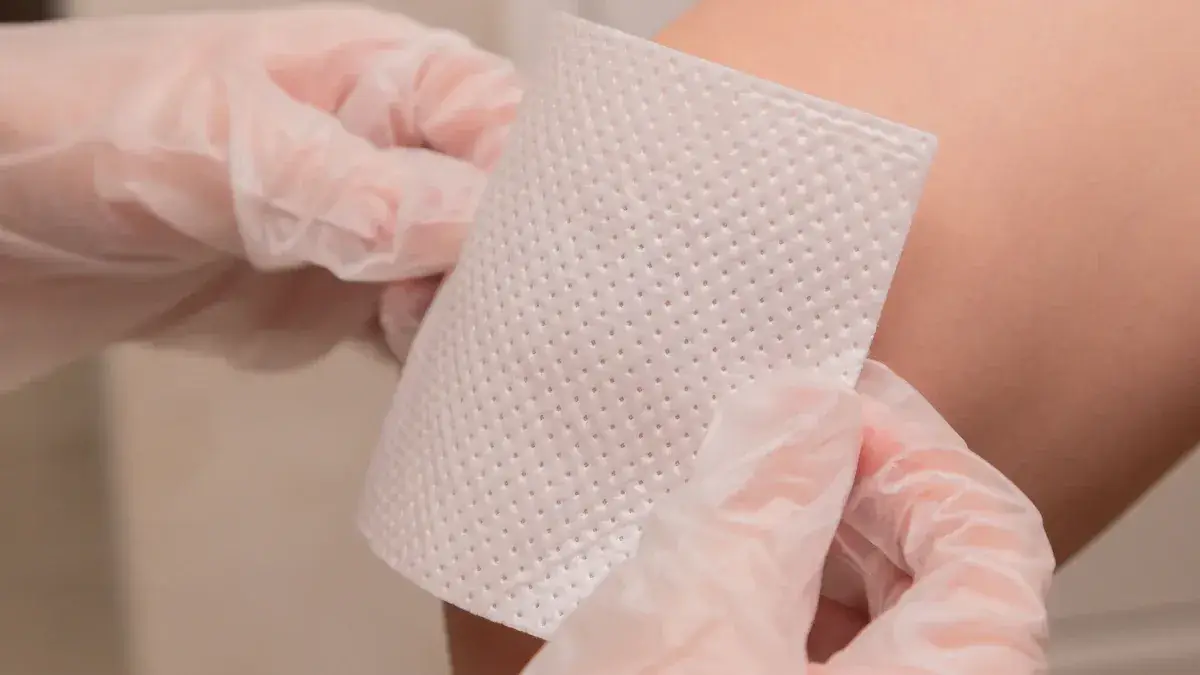
Hydrocolloid dressings help keep wounds moist. This moist place helps wounds heal faster and helps skin grow back. When you use a hydrocolloid dressing, the hydrophilic particles soak up fluid from the wound and make a hydrogel. The hydrogel keeps the wound wet and helps new skin form. Wounds heal quicker and there is less scarring. The hydrocolloid layer also helps your body break down dead tissue by itself. This means wounds get cleaner and heal better.
|
Evidence Description |
Impact on Wound Healing |
|---|---|
|
Hydrocolloid dressings keep wounds moist and help skin cells move. |
This helps wounds heal faster. |
|
They soak up fluid and block bacteria. |
This lowers infection risk and helps healing. |
|
Hydrocolloids make a gel that stops bacteria from growing. |
This helps wounds repair well. |
You have a lower chance of infection because the hydrocolloid dressing makes a barrier. The gel-like shield keeps out bacteria and protects the wound. You do not need to change the dressing as often, so treatment costs less.
Flexibility and Comfort
Hydrocolloid dressings come in many shapes and sizes. You can use extra thin, border, sacrum, or heel types for different wounds. The hydrogel layer bends with your skin and fits hard-to-cover spots. You feel less pain because the dressing covers nerve endings. The moist wound stops dryness and discomfort. You get more comfort and your skin stays safe while healing.
-
Hydrocolloid dressings help wounds heal faster than other types.
-
People feel less pain and need fewer dressing changes.
-
The soft hydrogel layer moves with you during daily life.
Monitoring and Protection
You can check your wound easily with hydrocolloid dressings. The clear design lets you see the wound without taking off the dressing. You can look for healing or problems. The hydrogel layer traps bacteria and dirt, giving strong protection. The semi-occlusive layer lets vapor out, so moisture does not build up. You can watch your wound and have less risk of infection.
|
Feature |
Description |
|---|---|
|
Barrier Function |
Blocks bacteria, water, and dirt, lowering infection risk. |
|
Semi-Occlusive Nature |
Lets some vapor out, stopping too much moisture and skin damage. |
|
Transparent Design |
Lets you see the wound without removing the dressing, making it easy to check and safer. |
Hydrocolloid dressings help skin grow back and heal. You get better results and heal faster. The Alexer® Hydrocolloid Dressing from SLK Medical gives strong protection and comfort for all wounds.
Choosing the Right Hydrocolloid Dressing
Selection Factors
You need to look at several things before you pick a hydrocolloid dressing for wound healing. The type of injury matters. Small burns, abrasions, and pressure ulcers all need different dressings. The size and location of the wound also affect your choice. If the wound is on a joint, you may want an extra thin hydrogel dressing that bends easily. For wounds on the sacrum or heel, you should use dressings shaped for those areas.
Hydrocolloid dressings use hydrogel to keep wounds moist. This helps tissue grow and speeds up healing. You should check the moisture level of the wound. If the wound has a lot of fluid, pick a dressing that absorbs more. If the wound is dry, choose a dressing that keeps it moist. You also need to think about how long the dressing will stay on. Some dressings last for several days, which means less pain and fewer changes.
Here is a table to help you compare different dressings for wound healing:
|
Wound Type |
Dressing Form |
Hydrogel Feature |
Patient Need |
|---|---|---|---|
|
Burns |
Sheet or gel |
Retains moisture |
|
|
Abrasions |
Sheet |
Painless removal |
Comfort during treatment |
|
Pressure ulcers |
Border, sacrum, heel |
Long-lasting hydrogel |
Less discomfort |
|
Venous ulcers |
Sheet or border |
Absorbs exudate |
Manages fluid levels |
You should always match the dressing to the wound and the patient’s needs. Hydrocolloid dressings help with wound healing by keeping the tissue moist and protected.
Common Mistakes to Avoid
You may make mistakes if you do not check the wound carefully. Using the wrong dressing can slow healing. If you use adhesive bandages for large wounds, you may cause pain or damage tissue. Some dressings may irritate sensitive skin. You should talk to a wound care expert before starting treatment.
To avoid mistakes, look at the wound’s size, depth, and moisture. Make sure the dressing fits the wound and helps healing. Keep the hydrogel balanced so the tissue stays moist but not too wet. Always think about the patient’s comfort and healing speed.
Tip: Choose dressings that match the indications for hydrocolloid dressings. This helps you get better results and faster wound healing.
There are many hydrocolloid dressings you can use. Each one has hydrogel that helps wounds heal. Sheet, powder, and paste dressings fit different wounds. Extra thin, border, sacrum, and heel types protect skin and help healing. Picking the right dressing helps wounds heal and makes you feel better. SLK Medical’s Hydrocolloid Dressing uses hydrogel to cover wounds, clean tissue, and keep it moist. Studies show wounds heal better, hurt less, and cost less to treat. You should ask a healthcare expert before you start using one. New hydrogel technology helps wounds heal faster and safer.
|
Metric |
Hydrocolloid Dressings |
Conventional Dressings |
|---|---|---|
|
Duration of application |
Changed daily |
|
|
Patient comfort |
Higher |
Lower |
|
Scar appearance |
Better |
Worse |
Tip: Pick a hydrogel dressing that fits your wound and skin needs for the best healing.
FAQ
How do you use a hydrocolloid dressing?
Clean your wound. Dry the skin around it. Remove the backing from the dressing. Place the dressing over the wound. Press the edges to seal it. Check the dressing daily for leaks or changes.
Can you shower with a hydrocolloid dressing?
Yes, you can shower with most hydrocolloid dressings. The waterproof layer protects your wound from water. Avoid soaking or scrubbing the dressing.
How often should you change a hydrocolloid dressing?
Change the dressing every three to seven days. Check for excess fluid or signs of infection. If the dressing lifts or leaks, replace it sooner.
What wounds work best with Alexer® Hydrocolloid Dressing?
You can use Alexer® Hydrocolloid Dressing for minor burns, scrapes, surgical cuts, and shallow pressure ulcers. The flexible design fits many body parts and helps wounds heal faster.


