


You want to know which dressing is best for your wound. The answer depends on what your wound needs. If your wound has a lot of drainage, silicone foam dressing is often best. Studies show that most wounds, over 64%, have moderate or high exudate. Foam dressings help more wounds heal than hydrocolloid dressings. For shallow wounds with little drainage, hydrocolloid dressings are usually the best choice. Picking the right dressing helps your wound heal faster and keeps you comfortable.
Key Takeaways
Pick silicone foam dressings for wounds with a lot of drainage. They soak up fluid well and keep skin around the wound dry.
Use hydrocolloid dressings for shallow wounds with little drainage. They make a wet area that helps the wound heal.
Think about comfort and skin sensitivity when you choose a dressing. Silicone foam dressings are softer and hurt less when you take them off.
Watch your wound for signs of infection. If you see more redness, swelling, or discharge, talk to a doctor for help.
Choose dressings that fit your wound type and how much fluid it has. This helps the wound heal faster and lowers the chance of problems.
What Is a Silicone Foam Dressing?

How Silicone Foam Dressings Work
You might wonder why a silicone foam dressing is different. This dressing uses soft foam made from silicone. It is bendy and gentle on your skin. It works best for wounds with a lot of drainage. When you put a silicone foam dressing on, it soaks up the fluid fast. The foam holds the fluid inside. This keeps the skin around your wound dry. It stops your skin from getting too wet.
A silicone foam dressing does more than just absorb fluid. It also keeps germs and water out because it has a waterproof top. Air can still move through the foam. This helps your skin breathe and heal. The dressing fits well on hard-to-cover places like your heel or lower back. It can help stop pressure and rubbing. This lowers your chance of getting pressure sores. Many hospitals use silicone foam dressings to protect skin. They help with problems like incontinence-associated dermatitis.
Modern silicone foam dressings do more than cover wounds. They make a good place for healing. The foam keeps the wound moist but not too wet. This helps new skin grow faster. It also makes changing the dressing hurt less.
SLK Medical’s Alexer® Silicone Foam Dressing Features
SLK Medical’s Alexer® silicone foam dressing is special because of its smart design. It has many layers. There is soft polyurethane foam and a layer that locks in water. This means it can soak up a lot of wound fluid. It can hold up to ten times its own weight. You do not have to change the dressing as much. This helps your wound heal without being bothered.
Tip: Changing dressings less often means less pain and a lower chance of infection.
The Alexer® silicone foam dressing uses D-Pore™ technology. This helps the dressing soak up and hold fluid better. It also keeps the wound moist, which helps it heal. The soft silicone layer sticks gently to your skin. This is good for people with sensitive or weak skin. The smart design helps save money on nursing care. It also makes wound care easier for you.
SLK Medical’s Alexer® line has dressings for many wound shapes and sizes. You can use them for surgery wounds, ulcers, burns, and more. The special foam and silicone layers work together. They help your wound heal faster and keep you comfortable.
What Is a Hydrocolloid Dressing?
How Hydrocolloid Dressings Work
You might see hydrocolloid dressing on many wounds. This dressing has a special gel material. When you put it on your wound, it mixes with the fluid. The dressing makes a soft, wet gel over your wound. This gel keeps your wound moist and helps it heal faster.
Hydrocolloid dressings help in different ways:
They have gel agents like sodium carboxymethylcellulose.
These agents touch wound fluid and turn into a gel.
The gel soaks up extra fluid and keeps the wound moist.
The dressing makes a shield to block germs and dirt.
The moist gel helps your body’s cells clean the wound.
The dressing helps your body get rid of dead tissue by itself.
You do not need to change these dressings a lot. The gel layer stays on and keeps the wound safe. The top layer lets water vapor out but blocks water and bacteria. This helps your wound heal in a clean, moist place.
SLK Medical Hydrocolloid Dressing Features
SLK Medical’s hydrocolloid dressing gives you better wound care. The dressing uses hydrocolloid polymers like carboxymethylcellulose and pectin. These materials keep the wound moist and help new skin grow. The dressing has two layers. The top layer is waterproof and keeps out germs. The bottom layer soaks up fluid and makes a gel.
Here are some things you will notice:
The dressing keeps your wound moist for healing.
It helps your body clean the wound by removing dead tissue.
The dressing covers the wound and keeps it safe from harm.
You can see your wound through the clear dressing.
The soft material fits many body parts and feels good.
SLK Medical’s hydrocolloid dressings are good for shallow wounds with little fluid. You can use them for scrapes, small burns, and little ulcers. The dressing helps lower pain by covering nerve endings and stopping more injury. You get an easy and good way to help your wound heal.
Silicone Foam vs Hydrocolloid Dressings: Key Differences
When you pick a wound dressing, you want to know how they are different. This part will help you see the differences between foam dressings and hydrocolloid dressings.
Absorbency and Exudate Management
You need a dressing that matches how much fluid your wound makes. Foam dressings, like SLK Medical’s Alexer® line, can soak up a lot of fluid. They are good for wounds with medium or heavy exudate. You can keep them on for up to seven days. This means you do not have to change them all the time.
Hydrocolloid dressings work best for wounds with little or medium fluid. When they touch wound fluid, they turn into a gel. If your wound leaks a lot, hydrocolloid dressings might not work well. Too much fluid can make the dressing leak or make your skin too wet.
Dressing Type | Absorbency Characteristics | Exudate Management |
|---|---|---|
Foam Dressings | High absorbency for low to high exudate; keeps wound moist | Wear up to 7 days; less pain than traditional dressings |
Hydrocolloid | Best for light to moderate exudate; debated high absorbency claims | Waterproof, but can cause maceration with excess fluid |
Comfort and Skin Sensitivity
You want your dressing to feel soft and protect your skin. Foam dressings are more comfortable for most people. They use gentle silicone that sticks softly to your skin. Most people say foam dressings do not hurt much when you take them off. They also say they feel less pain.
Hydrocolloid dressings can stick tightly to your skin. Some people feel pain when they pull them off. If your skin is sensitive, foam dressings are a better choice.
Tip: Over 80% of people using foam dressings say they do not feel pain when changing them.
Adhesion and Removal
You want a dressing that stays on but does not hurt when you take it off. Foam dressings from SLK Medical use silicone that peels off easily. They protect your skin and lower the chance of irritation. You can take them off with less pain.
Hydrocolloid dressings may pull on your skin. They can make your skin red or itchy, especially if your skin is weak.
Indications and Contraindications
You should use the right dressing for your wound. Foam dressings are best for wounds with a lot of fluid, like diabetic foot ulcers or pressure sores. Do not use them on dry wounds or third-degree burns.
Hydrocolloid dressings are good for shallow wounds with little fluid. They help with small burns, scrapes, and little ulcers. Do not use them on infected wounds or wounds with a lot of fluid.
Dressing Type | Indications | Contraindications |
|---|---|---|
Foam Dressings | Moderate to high exudate wounds, skin tears, ulcers | Dry wounds, third-degree burns, necrotic tissue |
Hydrocolloid | Light exudate wounds, minor burns, leg ulcers | High exudate, infected wounds, diabetic ulcers |
Now you know the main differences between foam dressings and hydrocolloid dressings. This helps you choose the right one for your wound.
How to Choose the Right Dressing for Your Wound
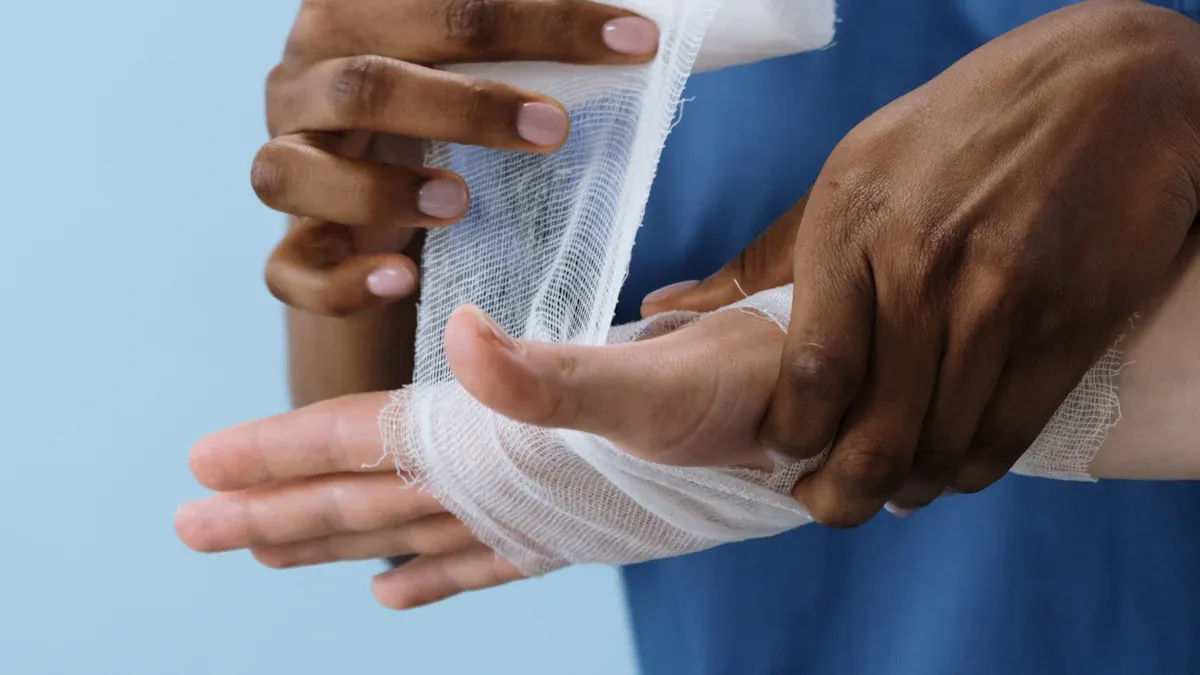
Picking the right dressing helps your wound heal faster. It also keeps you comfortable. You should look at what kind of wound you have. You need to check how deep it is. You also need to see how much fluid comes out. Here is an easy guide to help you pick.
Wound Type and Depth
Superficial Wounds
Superficial wounds are not deep. They only hurt the top skin layer. Hydrocolloid dressings work well for these wounds. They keep the wound moist and block germs. You can use SLK Medical Hydrocolloid Dressing for scrapes. It also works for small burns or little cuts.
Partial-Thickness Wounds
Partial-thickness wounds go deeper than superficial wounds. They do not reach muscle or bone. These wounds need more control of moisture. Foam dressing is a good pick for them. SLK Medical’s Alexer silicone foam dressing keeps wounds moist. It also soaks up extra fluid. You can use it for pressure ulcers or surgery wounds.
Deep or Cavity Wounds
Deep wounds or cavity wounds need dressings that handle lots of fluid. Foam dressing works best for these wounds. SLK Medical has bordered foam dressings for high exudate wounds. They also have antimicrobial foam dressings. These dressings help stop infection and help healing.
Exudate Level Guide
Low Exudate
If your wound has little fluid, hydrocolloid dressing is a good pick. It keeps the wound moist and helps new skin grow.
Moderate Exudate
Wounds with moderate fluid need foam dressing. It soaks up fluid and keeps the wound from getting too wet.
High Exudate
High exudate wounds need dressings that soak up a lot of fluid. Foam dressing, like SLK Medical’s Alexer line, is made for these wounds. Antimicrobial foam dressings help if there is a risk of infection.
Tip: Always look at your wound for infection signs. If you see redness, swelling, or pus, talk to a doctor.
Quick Decision Table
Wound Scenario | Best Dressing Type | SLK Medical Product Example |
|---|---|---|
Superficial scrape | Hydrocolloid | Hydrocolloid Dressing |
Partial-thickness ulcer | Foam dressing | Alexer Silicone Foam Dressing |
Deep, exuding wounds | Foam dressing | Alexer Silicone Foam Dressing with Border |
High exudate, infection risk | Foam dressing | Alexer Silicone Foam Ag Dressing |
Minor burn, low exudate | Hydrocolloid | Hydrocolloid Dressing |
You can use this table to match your wound to the right dressing. Foam dressing is best for most wounds with a lot of fluid. It gives strong absorption and comfort.
Practical Tips and Healing Outcomes
Healing Speed and Effectiveness
You want your wound to heal fast and hurt less. Picking the right dressing helps a lot. SLK Medical uses special D-Pore technology in their dressings. This keeps your wound moist. Moist wounds help fibroblasts work better. Fibroblasts help fix your skin. You heal faster and have fewer infections. The dressings also make changing them less painful. You feel more comfortable when you use them.
Here is a table that shows how this technology helps healing:
Advantage | Description |
|---|---|
Moist Wound Environment | Helps fibroblasts work and repairs skin |
Faster Healing | Moist dressings heal wounds faster and lower infection risk |
Improved Comfort | Less pain and trauma when changing dressings, so you feel better |
You should always pick a dressing that matches your wound. Managing fluid is very important. If you control the fluid, your wound heals faster. You also avoid problems like wet skin. SLK Medical has dressings for all kinds of wounds and fluid levels. You can trust their products to help you heal.
SLK Medical follows strict rules like FDA and ISO 13485. These rules help make sure products are safe and work well. You get good quality every time.
When to Consult a Professional
Sometimes, you need more than just a good dressing. If your wound does not heal or looks infected, talk to a doctor. Watch for these signs:
Clinical Sign | Implication |
|---|---|
Swelling | May mean infection |
Redness | Could be inflammation or infection |
Warmth | Might mean infection |
Foul odor | Could mean infection or dead tissue |
Thick, yellow/green discharge | May mean infection or deeper tissue problems |
Persistent pain | Could mean deeper damage or infection |
You should get help if you see more pain, redness, or swelling. These signs mean your wound needs special care. Advanced dressings help, but a doctor’s advice is best for hard wounds.
SLK Medical’s factory in China makes lots of dressings. They offer bulk sales, OEM, and custom options. You can find dressings in many sizes and shapes. Their focus on quality and new ideas makes them a trusted choice for wound care and fluid control.
You need to pick a dressing that fits your wound. If your wound has a lot of fluid, use a silicone foam dressing like SLK Medical’s Alexer line. If your wound is shallow and does not have much fluid, a hydrocolloid dressing is a good choice. It is important that your dressing feels comfortable and is easy to use. Healing well is the main goal.
Wound Characteristic | |
|---|---|
Epithelializing wounds | Non-disruptive dressings |
Granulated, mild exudate | |
Moderate exudate | Foam dressing |
High exudate | Foam dressing |
Minimal drainage | Hydrocolloid dressing |
Pick dressings that are simple to put on and take off.
Make sure your dressing keeps the wound moist and feels good.
If your wound is hard to treat or does not heal in two weeks, talk to a doctor. This can stop problems, especially with pressure ulcers and pressure injuries.
Wound care experts say the right dressing helps pressure ulcers heal. It also makes your treatment better. You can look at SLK Medical’s wound care products for good results.
FAQ
What is a pressure ulcer?
A pressure ulcer is a sore that forms when you stay in one position for too long. You may see it on your back, hips, or heels. It happens when your skin and tissue get damaged from pressure.
How do I know if I have a pressure ulcer?
You may notice red or dark skin that does not turn white when you press it. The area may feel warm, swollen, or painful. If you see an open sore, you should check for a pressure ulcer.
Can a silicone foam dressing help a pressure ulcer heal?
Yes, you can use a silicone foam dressing for a pressure ulcer. It absorbs fluid and keeps the wound moist. This helps your skin heal faster. It also protects the area from germs and reduces pain during dressing changes.
When should I use a hydrocolloid dressing for a pressure ulcer?
You should use a hydrocolloid dressing for a pressure ulcer that has little fluid and is not deep. It keeps the wound moist and helps new skin grow. If your pressure ulcer leaks a lot, choose a foam dressing instead.
When should I see a doctor about a pressure ulcer?
You should see a doctor if your pressure ulcer gets bigger, smells bad, or has pus. If you have a fever or more pain, get help right away. A doctor can give you the best care for your pressure ulcer.


