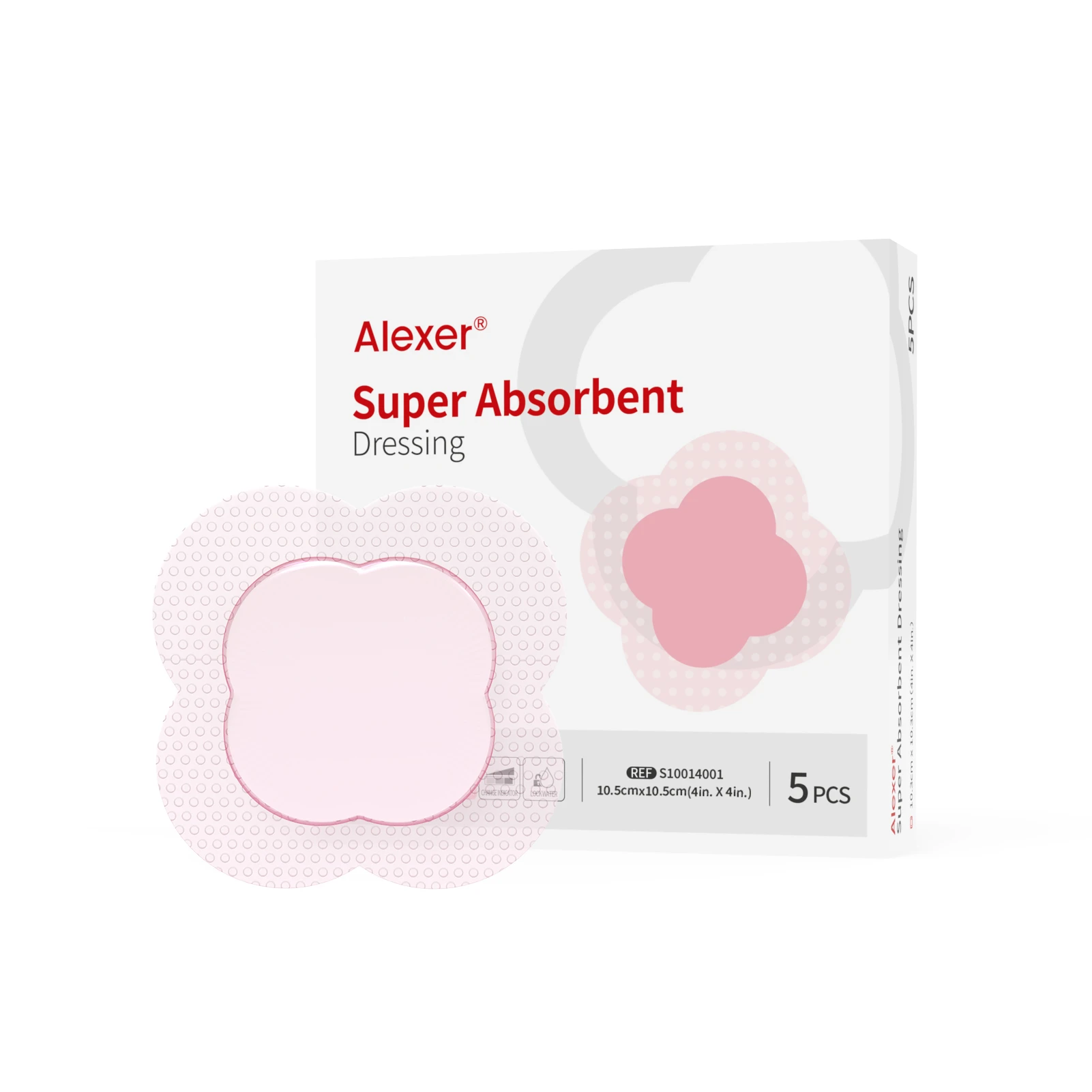
You want to keep your wound safe, especially around water. Using a dressing waterproof helps you carry out daily activities with confidence. It also aids in faster wound healing. Many people are now seeking better and more comfortable options. SLK Medical utilizes innovative technology and high-quality products to ensure they meet these evolving needs.
Key Takeaways
-
Waterproof dressings keep water, dirt, and germs away from wounds. They help wounds heal faster and lower the chance of infection.
-
Always clean the wound well before you put on a dressing. This step is very important to stop infection and help healing.
-
Pick the right waterproof dressing for your wound’s needs. Think about how deep the wound is, how much fluid it has, and if your skin is sensitive. This helps you get the best results.
Why Waterproof Dressings Matter
Wound Protection Benefits
You want your wound to stay safe from water, dirt, and germs. Waterproof dressings create a strong barrier that keeps out harmful things. When you use these dressings, you can shower or wash your hands without worrying about your wound getting wet. This protection is important for healing and helps prevent infection.
Did you know? Studies show that waterproof dressings, when applied correctly, block bacteria and keep wounds clean. Both antimicrobial and non-antimicrobial types work well to stop germs from getting in.
Here’s a quick look at how waterproof dressings protect wounds:
|
Objective |
Method |
Results |
Conclusion |
|---|---|---|---|
|
Test how well dressings stop bacteria |
Patients with wounds used dressings in a clinic |
151 patients studied; 41.1% had bacteria, but dressings blocked outside germs |
Dressings prevent bacteria from entering when used right |
SLK Medical takes wound protection seriously. Their dressings, like the Transparent Dressing and Silicone Foam Dressing, use advanced layers to keep water and bacteria out. The waterproof layer even repels liquids, so your wound stays dry and safe.
Healing and Comfort
Waterproof dressings do more than just protect. They help your wound heal faster and make you feel better. These dressings keep the wound moist, which is important for healing. You can move around, shower, and do daily activities without pain or worry.
-
Waterproof dressings let you stay active and comfortable.
-
They cushion your wound and do not stick, so changing them does not hurt.
-
You feel safe because your wound is covered and protected.
SLK Medical’s dressings are soft, flexible, and easy to wear. Their special design means you do not need to change them as often, and your wound heals in a clean, safe space. You get comfort and peace of mind every day.
Preparation Best Practices for Wound Dressing
Cleaning the Wound
You want to start with a clean foundation before you apply any waterproof dressing. The best practices for wound dressing always begin with making sure you clean the wound properly. Here’s how you can do it:
-
Rinse the area with saline solution or mild soap and water. This step helps remove dirt and debris.
-
Take your time to clean the wound. Doing this reduces the risk of infection and helps your skin heal faster.
-
If you see any large objects in the wound, do not try to remove them yourself. You should get medical help right away.
-
Pat the wound dry gently with a clean towel or cloth. Avoid rubbing, which can damage healing skin.
Tip: Cleaning a wound protects delicate tissue and helps your skin regenerate quickly. You lower the chance of bacteria entering and causing problems.
|
Evidence Summary |
Details |
|---|---|
|
Effectiveness of Mild Soap and Water |
|
|
Importance of Gentle Cleaning |
Protects healing tissue and minimizes damage. |
Skin Preparation Steps
After you clean the wound, you need to prepare the skin around it. This step helps your waterproof dressing stick better and stay in place.
-
Make sure the skin is dry and free from lotions or oils.
-
You can apply a thin layer of antibiotic ointment or petroleum jelly to create a protective barrier.
-
Place the waterproof dressing over the wound. Press down gently to secure it. For extra protection, seal the edges with waterproof tape if needed.
SLK Medical’s Transparent Dressing works well for sensitive skin. Patients say it feels comfortable and does not cause pain. The dressing sticks well and helps wounds heal quickly. You can trust it to protect your skin and keep your wound safe.
Choosing the Right Waterproof Wound Dressing

SLK Medical Product Options
There are many waterproof dressings you can pick from. SLK Medical has lots of choices for different needs. Some of their best dressings are:
-
Transparent Dressing: Good for sensitive skin and lets you see the wound.
-
Silicone Foam Dressing: Works for wounds with more fluid and protects weak skin.
-
Hydrocolloid Dressing: Keeps wounds moist and helps them heal gently.
-
Super Absorbent Dressing: Soaks up a lot of fluid and means fewer changes.
These dressings use new technology to help you heal faster. They also help you feel comfortable. Many people say SLK Medical dressings hurt less when you change them. They also do a good job with exudate. You get comfort and protection, even if your skin is sensitive.
Tip: For less pain and more comfort, pick dressings with soft materials and gentle adhesives.
Selecting for Wound Type
The right dressing depends on what your wound needs. You should check how deep your wound is and how much fluid it has. Also, think about how sensitive your skin is. Here is a simple way to choose:
-
Look at how deep the wound is and how much it leaks.
-
Check where the wound is and if it looks infected.
-
Pick a dressing that matches your healing stage and activity level.
|
Exudate Level |
Skin Sensitivity |
|
|---|---|---|
|
Film Dressings |
Low |
Good for sensitive skin |
|
Hydrocolloid Dressings |
Moderate to High |
Well-tolerated |
|
Foam Dressings |
Moderate to High |
May irritate sensitive skin |
|
Alginate Dressings |
High |
Less suitable for sensitive skin |
You should also think about price and the environment. Some dressings cost more but need fewer changes. Throwing away dressings can hurt the environment, so use them carefully. SLK Medical tries to give you quality, comfort, and care for the planet.
Applying Dressing Waterproof for Best Results

Step-by-Step Application
Getting the most out of your dressing waterproof starts with the right steps. Here’s how you can make sure you’re waterproofing a wound the right way:
-
Clean and dry the wound area. Use a mild antiseptic or saline solution, then gently pat the skin dry.
-
Choose the right size and type of dressing waterproof. Make sure it covers the wound and leaves at least a 1-inch margin of healthy skin.
-
Place the dressing waterproof over the wound. Press down gently, sealing all the edges.
-
Check for air bubbles or gaps. If you see any, smooth them out or replace the dressing waterproof.
Tip: Following these steps is one of the best tips for waterproofing. It helps keep your wound safe, even if you’re swimming with a wound or taking a shower.
Ensuring a Secure Seal
You want your dressing waterproof to stay put, even when you move. SLK Medical dressings make this easy with smart features:
|
Feature |
Contribution to Adhesion and Sealing |
|---|---|
|
Gentle silicone adhesive |
Makes removal less painful and protects your skin |
|
Bordered foam dressings |
Stick well, even on elbows or knees |
|
Waterproof top layer |
Blocks water and keeps the wound dry |
|
High absorbency |
Handles extra fluid and stops skin from getting soggy |
|
Protective barrier |
Lowers the risk of infection |
When covering your wounds, always press the edges firmly. Regularly check the bandage to make sure it’s still sealed. If you notice lifting or leaks, change dressings regularly to keep your wound protected.
Maintaining and Monitoring Waterproof Dressings
Keeping Dressings Dry
You want your dressing to stay dry to prevent infection and keep your wound healing well. Here are some simple ways to protect your waterproof dressing during daily activities:
-
Use waterproof tape with a flexible adhesive. This helps the dressing stick to your skin, even when you move.
-
Make a waterproof border around the dressing. A border of about one inch works best to prevent water from getting in.
-
Always apply the dressing to clean, dry skin. Skip lotions or creams before you put it on.
-
Avoid swimming in public pools. Chlorinated water can slow healing, and pools may have bacteria that make it harder to prevent infection.
-
If your dressing gets wet or starts to curl at the edges, replace it right away. Wet dressings can let bacteria in and make it harder for antimicrobial dressings to do their job.
-
After swimming or showering, check your dressing. If it looks soaked or loose, clean the wound and put on a new one to prevent infection.
SLK Medical’s waterproof dressings help you stay active while keeping your wound safe. Their antimicrobial layers work best when the dressing stays dry and sealed.
Signs to Change Dressing
You need to watch for signs that tell you it’s time to change your dressing. Changing at the right time helps prevent infection and keeps antimicrobial protection strong. Look for these signs:
-
Pain that gets worse
-
Foul odor or more fluid than usual
-
Delayed healing or yellow-green drainage
SLK Medical’s transparent dressings make it easy to check your wound without removing the bandage. You can see if there are any changes right away. Here’s how their transparency helps you:
|
Benefit |
Description |
|---|---|
|
Continuous Observation |
You can check your wound anytime without taking off the dressing. |
|
Infection Monitoring |
You spot signs of infection early and prevent infection before it spreads. |
|
Fewer Dressing Changes |
You only change the dressing when needed, which keeps antimicrobial action strong. |
|
Better Healing Decisions |
You and your doctor can make better choices for your care. |
When you use waterproof dressings the right way, you prevent infection, keep antimicrobial protection working, and help your wound heal faster.
Troubleshooting Waterproof Dressings
Addressing Lifting or Leaks
Sometimes, you might notice your waterproof dressing starts to lift or leak. This can feel frustrating, but you can fix it with a few simple steps. Most of the time, dressings lift because of how you put them on, moisture under the edges, or too much water exposure. Here’s what you can do:
-
Make sure your skin is clean and dry before you apply the dressing. Any leftover moisture can stop the adhesive from sticking well.
-
Press down on all the edges after you put the dressing on. This helps create a tight seal.
-
Avoid soaking the dressing in water for long periods. Quick showers are better than baths or swimming.
-
If you see the dressing lifting or water getting underneath, change it right away. This keeps your wound safe from germs.
-
Watch for signs of infection, like redness or swelling, and replace the dressing if you notice any changes.
Tip: SLK Medical dressings have rounded corners and gentle adhesives to help prevent lifting. Always check the seal after you move or get the dressing wet.
When to Seek Help
You can handle most small problems at home, but sometimes you need a professional. If you wait too long to get help, extra moisture can build up and cause infection. Skin around the wound might get sore or damaged, which can slow down healing. Here are signs you should call your doctor:
-
The skin around your wound looks red, swollen, or feels hot.
-
You notice pain that gets worse or does not go away.
-
There is a bad smell or yellow-green fluid coming from the wound.
-
The dressing keeps lifting or leaking, even after you replace it.
Don’t wait if you see these signs. Getting help early keeps your wound healthy and helps you heal faster.
You can protect your wound and heal faster by following these five tips. High-quality waterproof dressings, like those from SLK Medical, help you stay comfortable and safe. Check out the chart below—fewer dressing changes and shorter hospital stays mean better healing and happier patients!

Always talk to your doctor if your wound does not get better or looks worse.
FAQ
How do you keep a waterproof wound dressing from peeling off?
Make sure your skin is clean and dry. Press the bandage edges down. Avoid stretching the bandage dressing. If it lifts, replace the waterproof wound dressing right away.
Can you shower with a waterproof plaster or bandage dressing?
Yes, you can shower with a waterproof plaster or waterproof wound dressing. Just check the bandage after. If it gets wet or loose, change the bandage dressing.
What should you do if your bandage dressing gets wet?
If your bandage dressing or waterproof wound dressing gets wet, remove it. Clean the area. Dry your skin. Apply a new bandage or waterproof plaster to prevent infections.