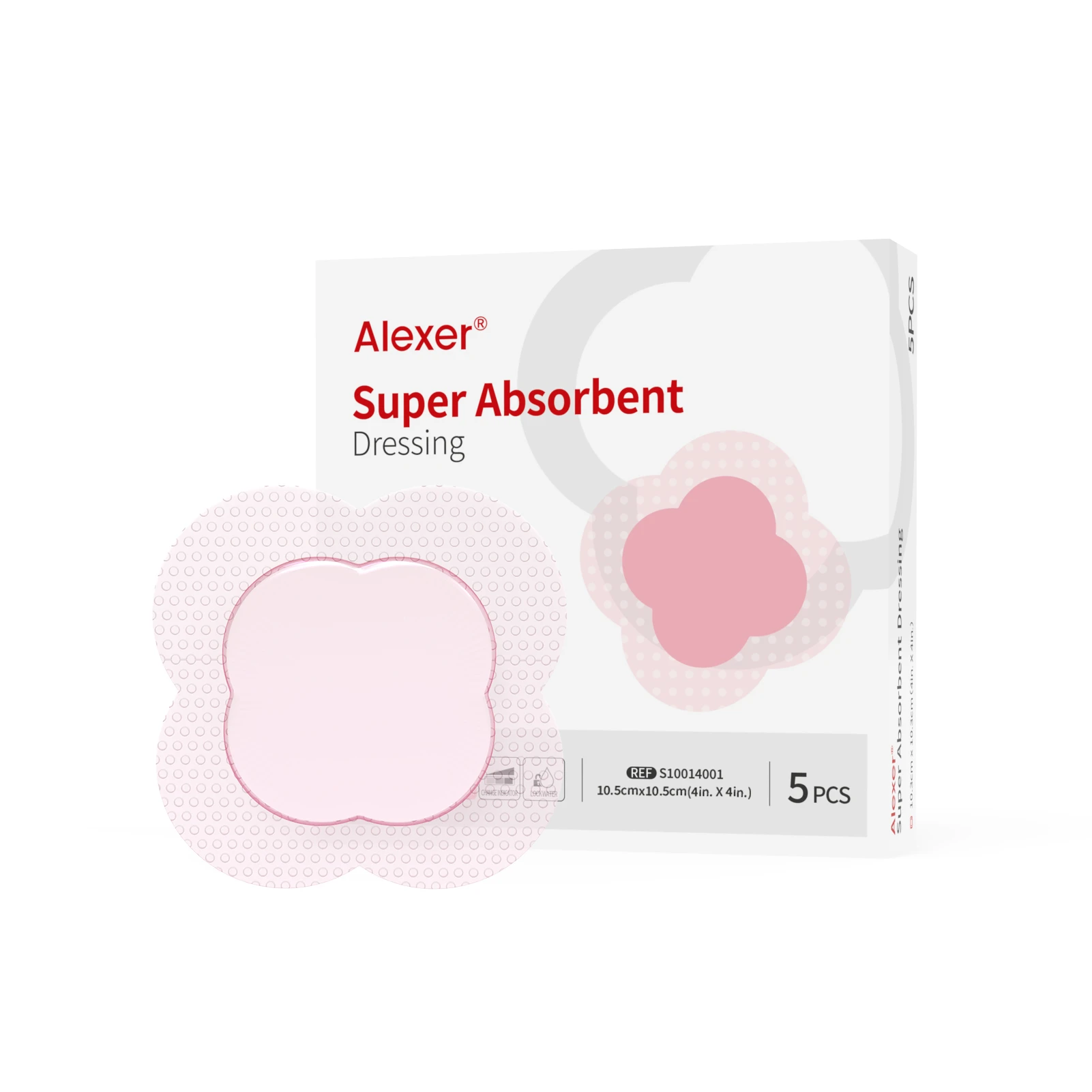
You should stop using hydrocolloid dressing if you see infection, skin irritation, or if the wound is dry and healed. Changing the dressing on time helps the wound heal. Studies show hydrocolloid dressings can help wounds heal up to 72% faster. If you are not sure, ask a healthcare professional for help.
|
Reason for Discontinuation |
Description |
|---|---|
|
Signs of Infection |
Pain, redness, swelling, discharge, fever |
|
Allergic Reactions or Skin Irritation |
Itching, burning, rash, blistering, erythema |
|
Wound Deterioration or Lack of Progress |
Wound gets bigger, dead tissue shows up |
|
Excessive Exudate Production |
Lots of leaking and need to change often |
|
Development of Hypergranulation Tissue |
Wound surface is not even |
|
Patient Discomfort or Non-Compliance |
Pain or does not like the dressing |
Key Takeaways
-
Stop using hydrocolloid dressings if your wound is dry. Stop if your wound is healed. Stop if your wound shows signs of infection. This helps you avoid problems. It also helps your wound heal faster.
-
Look at your wound every day. Check for redness. Check for swelling. Check for too much fluid. If you see these signs, you may need to change the dressing. You may need to ask a healthcare professional for help.
-
Pick the right dressing for your wound. Hydrocolloid dressings are best for wounds with some moisture. Switch to other dressings if your wound is dry. Switch if your wound leaks too much.
When to Stop Using Hydrocolloid Dressings
It is important to know when to stop using hydrocolloid dressing. This helps your wound heal faster and keeps you safe. SLK Medical’s Hydrocolloid Dressing works well when your wound needs moisture and protection. You should look at your wound often. Watch for signs that show it is time to stop using hydrocolloid dressings.
Wound Is Healed or Dry
Stop using hydrocolloid dressing when your wound looks healed or dry. Hydrocolloid dressings keep the wound moist. If the wound is dry, the dressing does not help it heal faster. Wounds heal much faster when they stay moist. If the skin is closed and there is no open spot, you do not need hydrocolloid anymore. Dry wounds can hurt more and take longer to heal if you keep using hydrocolloid dressings.
Tip: If the wound is dry and the skin is smooth, you can stop using hydrocolloid dressing. Let the skin get air.
No More Exudate
Hydrocolloid dressings soak up fluid from the wound. This fluid is called exudate. If you see no more exudate, the wound does not need a moist place anymore. Hydrocolloid dressings are made for wounds with some exudate. If the dressing is clean and dry after you change it, you should stop using hydrocolloid dressing.
-
Hydrocolloid dressings are not needed for wounds without exudate.
-
If there is no fluid on the dressing, use a simple bandage or leave the wound open.
Skin Looks Healthy
Healthy skin means you can stop using hydrocolloid dressings. Look for skin that is pink, smooth, and not swollen. If you see no redness, swelling, or pain, your wound is healing well. SLK Medical’s Hydrocolloid Dressing lets you see the skin without taking off the dressing. If the skin looks healthy and there is no infection, you can stop using hydrocolloid dressing.
|
Clinical Sign |
What It Means |
|---|---|
|
More pain or tenderness |
Might be infection; stop using hydrocolloid dressing right away. |
|
Bad smell or discharge |
Could be infection; take off dressing and get help. |
|
More redness or heat |
Might be infection; stop using hydrocolloid dressings. |
|
Edge lifting |
Too much fluid; change dressing or stop using hydrocolloid. |
|
Maceration |
Skin is too wet; change or stop using hydrocolloid dressing. |
|
Dressing 70% full of exudate |
Time to change dressing or stop using hydrocolloid. |
Check your wound often to know when to stop using hydrocolloid dressing. If you see uneven wound surface or hypergranulation, stop using hydrocolloid dressings before it gets worse.
Note: Always look at your wound every day. If you are not sure, ask a healthcare professional for help.
When Hydrocolloid Dressings Are Not Suitable
Hydrocolloid dressings help many wounds, but they are not always the best choice. Sometimes, using hydrocolloid dressings can be unsafe or not work well. You should always check your wound before using a hydrocolloid dressing. Look for signs that show it is not a good idea.
Signs of Infection
Do not use hydrocolloid dressings if your wound is infected or has a blister infection. Infection can make healing take longer and cause more trouble. Watch for these signs:
|
Contraindication Type |
Description |
|---|---|
|
Documented Wound Infection |
Infection in the wound |
|
Cellulitis |
Red, swollen skin around the wound |
|
Infected Ulcers |
Ulcers with pus or bad smell |
Hydrocolloid dressings do not help wounds with infection. If you have a fever, redness, swelling, or pus, stop using hydrocolloid. Ask a healthcare professional for advice.
Heavy Exudate or Bleeding
Hydrocolloid dressings do not work well for wounds that leak a lot or bleed. If your wound leaks a lot or bleeds, the dressing might not stay on or protect the wound. You might need to change the dressing many times, which can slow down healing.
-
Do not use hydrocolloid dressings for wounds with lots of fluid.
-
If your wound is bleeding, use a different kind of dressing.
SLK Medical’s hydrocolloid dressing works best for wounds that are not chronic and have only a little or medium fluid.
Allergic Reactions
Some people can have allergic reactions to hydrocolloid dressings. Look for itching, redness, or a rash after you put on the dressing. Some brands can cause allergic contact dermatitis. If you see these signs, stop using hydrocolloid and talk to your doctor.
|
Product |
Reaction Type |
Sensitizing Agent |
|---|---|---|
|
DuoDERM E |
Allergic contact dermatitis |
Colophony |
|
Varihesive |
Allergic reactions |
Not specified |
If your skin is sensitive, check your skin often when using hydrocolloid dressings.
Note: Do not use hydrocolloid dressings if your wound is infected, leaks a lot, or if you have an allergy. Always pick the right dressing for your wound.
Risks of Prolonged Use of Hydrocolloid Dressings
Hydrocolloid dressings help many wounds heal, but leaving them on too long can cause problems. You need to know the risks so you can use hydrocolloid safely for wound management.
Skin Maceration
If you keep hydrocolloid dressings on for too long, your skin may become too wet. This is called maceration. When skin stays wet, it turns white, soft, and wrinkled. Maceration can slow healing and make your skin break down. You should check your skin often, especially if you use hydrocolloid for wounds with low to moderate amounts of exudate. Studies show that maceration is one of the most common problems with hydrocolloid.
|
Complication |
Dressing Type |
|---|---|
|
Maceration |
Hydrocolloid |
Tip: Change your hydrocolloid dressing as soon as it looks full or if the skin around your wound feels soggy.
Delayed Healing
Hydrocolloid dressings work best for partial to full thickness wounds. If you use hydrocolloid for too long, your wound may not heal as fast. Some studies show hydrocolloid can help skin cells move and heal. Other studies say healing times are the same as with regular gauze. You should always watch your wound and change your dressing when needed.
|
Study |
Findings |
|---|---|
|
Seaman |
Hydrocolloid helps skin cells move and heal faster. |
|
Piaggesi |
Healing time is the same as with gauze. |
|
Systematic Review |
Hydrogel dressings may help wounds close faster than standard care. |
Increased Infection Risk
If you do not change hydrocolloid dressings often, bacteria can grow under the dressing. This can lead to infection. You must monitor for infection every day. Look for redness, swelling, or a bad smell. Hydrocolloid creates a moist place for healing, but it can also trap germs if left too long. Good wound management means you check your wound and change your advanced wound dressing as needed.
Note: Always use hydrocolloid dressings as directed. If you see signs of infection, stop using hydrocolloid and talk to a healthcare professional.
How to Change Your Blister Dressing
When to Change
You need to check your blister every day. Hydrocolloid dressings work best when you change your blister dressing at the right time. If you see the edges lifting, the dressing full of fluid, or the area around your blister turning white and soft, it is time to change your blister dressing. Wounds in places that move a lot or get dirty may need more frequent changes. If your blister leaks a lot, you should change your blister dressing more often to stop the skin from getting too wet. When your blister is healing fast, you may also need to change your blister dressing more often. Your activity level and how well you can care for your wound also affect how often you change your blister dressing.
Tip: Always wash your hands before and after you change your blister dressing to keep your wound clean.
Steps for Safe Removal
You should remove hydrocolloid dressings gently to avoid hurting your skin. Start by lifting one corner of the dressing. Pull it back slowly, keeping it close to your skin. If the dressing sticks, you can use a little warm water to help loosen it. After you take off the hydrocolloid, look at your blister. If the skin looks healthy and there is no fluid, you may not need to put on another hydrocolloid. If you see redness, swelling, or pus, stop using hydrocolloid dressings and talk to a healthcare professional.
Transition to Other Dressings
When your blister no longer needs hydrocolloid, you can use other wound care products. Hydrogel dressings work well for blisters that hurt or have little fluid. They keep the area cool and help with pain. Alginate dressings are good for blisters that leak a lot. They soak up extra fluid and help your blister heal faster. You can also use a simple bandage if your blister is dry and the skin looks healthy. Always pick the right wound care product for your blister. If you have blister dressing questions, ask a healthcare professional for advice.
Note: Using the right dressing at each stage helps your blister heal and keeps your skin safe.
You need to stop using hydrocolloid dressings if your wound is healed, dry, or has signs of infection. Checking your wound often helps you stay safe. It also helps you avoid problems like skin damage or the dressing not working.
|
Risk Type |
Description |
|---|---|
|
Skin Injury |
The sticky part can hurt your skin if left on too long. |
|
Loss of Integrity |
Wetness can make the dressing stop working. |
Pick good dressings like SLK Medical’s for better healing. Talk to your doctor if you are not sure. Taking care of your wound the right way helps you heal faster and keeps you safe.
FAQ
How long can you leave hydrocolloid dressings on a wound?
You can leave hydrocolloid dressings on for up to 7 days. Check your wound daily. Change the dressing if it looks full or starts to peel.
Can you shower while wearing hydrocolloid dressings?
Yes, you can shower with hydrocolloid dressings. The dressing is waterproof. Pat the area dry after your shower.
What should you do if your skin gets irritated under hydrocolloid dressings?
Remove the dressing right away. Wash your skin gently. If irritation continues, talk to your doctor before using hydrocolloid dressings again.