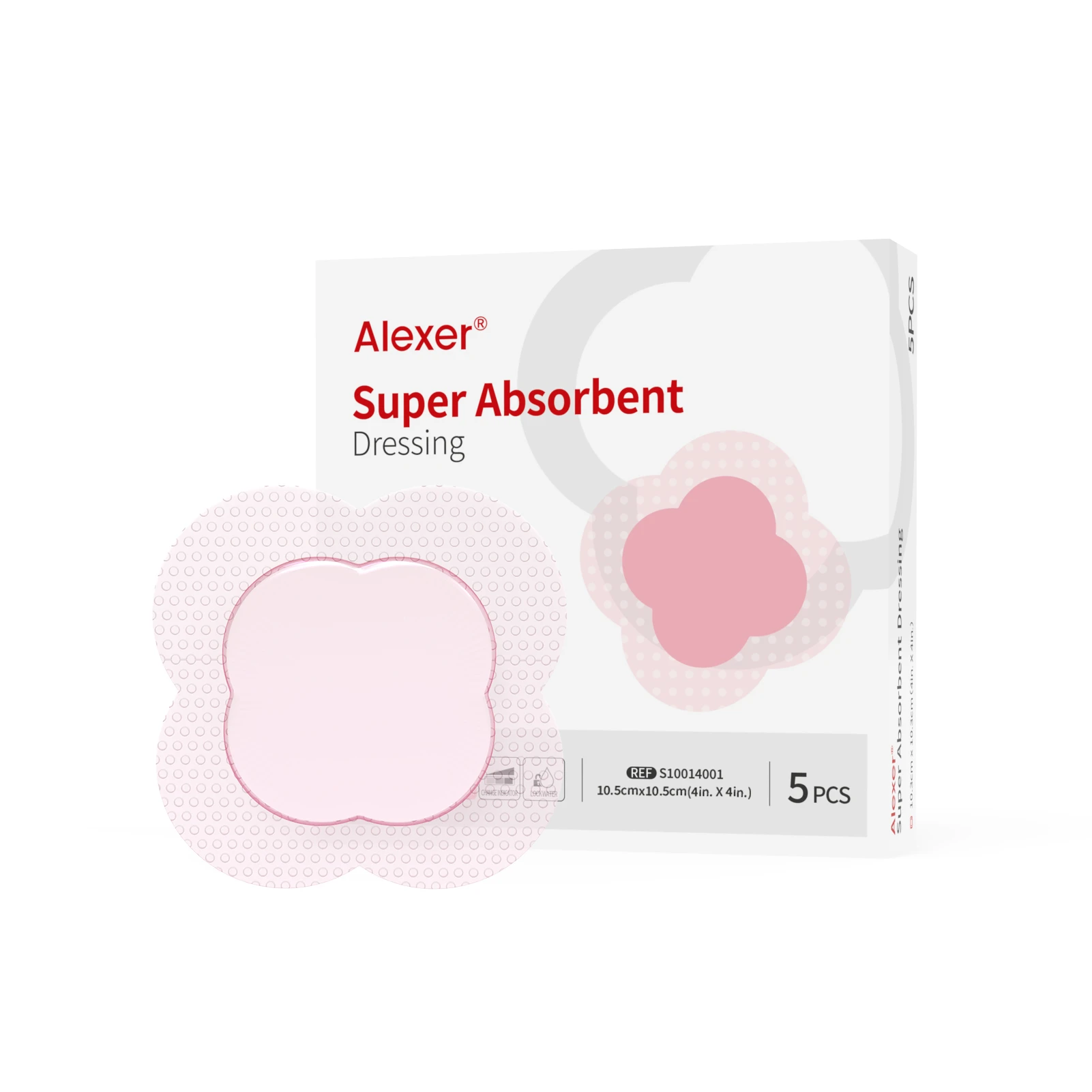
Choosing the right burn wound care dressings at each stage helps you heal faster. It also helps stop problems from happening. For example, you might use antibiotic ointments or silver sulfadiazine for second-degree burns. These keep the area moist and help fight infection. Advanced dressings like hydrogel, alginate, and polyurethane foam give more comfort and support. The table below shows common dressing types and their features:
|
Dressing Type |
Key Benefit |
|---|---|
|
Hydrogel |
Moisture and antioxidant support |
|
Alginate |
Absorbs fluid, keeps wound moist |
|
Polyurethane Foam |
Cushions and protects sensitive skin |
SLK Medical has new options to help you care for burns. These help you from the start until you are fully healed.
Key Takeaways
-
Picking the right dressing helps burns heal faster and lowers infection risk. Use dressings that fit the burn type for the best outcome.
-
For small burns, run cool water over the area for 10 minutes. Put a clean, sterile dressing on the burn to keep it safe.
-
Advanced dressings like silicone foam and hydrocolloid give comfort and keep the wound moist. This means less pain and fewer times you need to change the dressing.
-
Watch burn wounds for infection signs like more redness or pus. Get medical help if the symptoms get worse.
-
Change dressings the right way to keep things clean and working well. Wash your hands, clean the burn, and put on the right dressing.
Burn Wound Types and Dressing Importance

Burn Classifications and Severity
Burns are sorted by how deep they go in the skin. Each burn type needs its own care. The table below shows the main burn types and how to pick dressings for them:
|
Type of Burn |
Description |
Dressing Selection |
|---|---|---|
|
Surface Burns |
Affect only the outer layer of skin. |
Usually use simple dressings that help healing and keep moisture. |
|
Partial Thickness Burns |
Go into the top and middle skin layers, causing pain and blisters. |
Need dressings that soak up fluid and stop infection. |
|
Full Thickness Burns |
Go through all skin layers and may reach muscle or bone. |
Need special dressings that keep moisture, stop infection, and help healing. |
Doctors also check how bad a burn is. Burns can be called superficial, superficial partial thickness, deep partial thickness, or full thickness. Here is a quick chart:
|
Burn Severity |
Characteristics |
TBSA Calculation |
|---|---|---|
|
Superficial |
Dry, red, turns white with pressure, sometimes hurts |
No |
|
Superficial Partial Thickness |
Wet, red, turns white with pressure, blisters, very painful |
Yes |
|
Deep Partial Thickness |
Drier, pale, does not turn white as much, less pain |
Yes |
|
Full Thickness |
Dry, tough, can look white, brown, or black, no feeling |
Yes |
Tip: Put a clean, dry sheet or dressing on burns. Keep the person warm and lift burned parts if you can.
Why Dressing Choice Matters
The dressing you pick for burns can change how fast you heal. It can also make you feel better. The right dressing helps your skin heal faster and lowers infection risk. Studies show the right dressing can help you heal in less time. It can also make pain less and mean fewer dressing changes. Some research says the best dressing can help you heal days sooner and have fewer problems. Picking the right dressing helps your body heal and stops issues like infection or scars.
First Aid Burn Wound Care Dressings
Immediate Dressings for Minor Burns
When you treat minor burns, you need to act quickly. Start by cooling the burn with running water for at least 10 minutes. After cooling, you should cover the area with a dressing. For most minor burns, especially superficial burns, you can use simple dressings that protect the skin and help healing. The table below shows common options and how to use them:
|
Dressing Type |
Application Method |
|---|---|
|
Gauze dressing (Jelonet) |
Place a layer of sterile gauze with paraffin over the clean burn. |
|
Absorbent cotton wool |
Put a sterile gauze pad on the burn, then add layers of absorbent cotton wool. |
|
Crepe bandage (Elastoplast) |
Hold the dressing in place with a crepe bandage, wrapping it in a figure of eight. |
|
Elastic net dressing |
Use this to secure dressings on tricky areas like the head or neck. |
|
Cooling gels (Burnshield) |
Apply to cool the burn and ease pain right after the injury. |
|
Cling film |
Lay gently over the wound for protection and easy inspection. |
You should always use sterile gauze to keep the wound clean and lower infection risk. For children and adults, silver sulfadiazine or petrolatum gauze can also help, except for first-degree burns.
Emergency Dressings for Major Burns
Major burns need fast and careful action. You must cover the burn with a clean, dry sheet or sterile gauze. This helps protect the wound and keeps it moist. In emergency care, you may see different dressings used. Some studies compare hydrocolloid dressings, antiseptic tulle gras, biosynthetic dressings, and silicon-coated nylon dressings. These dressings help manage pain, speed up healing, and lower infection risk. However, experts have not found strong proof that hydrogels work better than other dressings for major burns before you reach the hospital. You should focus on using sterile gauze or a clean cloth until you get medical help.
When to Seek Medical Attention
You need to watch for signs that mean you should see a doctor. Look for these warning signs:
-
The wound shows pus or changes color.
-
The skin around the burn feels warm, red, or hard.
-
You see green areas or the wound smells bad.
-
You feel fever, fast heartbeat, or fast breathing.
-
You notice pain that gets worse or does not go away.
🚨 If you see any of these signs, get medical help right away. Burns can get worse quickly if not treated.
Using sterile gauze for both minor and major burns helps protect the wound and supports healing. Always check the burn often and change the dressing if it gets dirty or wet.
Advanced Burn Wound Care Dressings by SLK Medical
When you treat burns, you want dressings that help you heal fast. You also want less pain and fewer infections. SLK Medical has advanced burn wound care dressings for every step of healing. These dressings use new technology to work better than older dressings. You can pick from silicone foam, hydrocolloid, alginate, and antimicrobial silver dressings. Each one works best for certain burn depths and healing times.
Silicone Foam Dressings for Burns
Silicone foam dressings from SLK Medical are gentle and protect your skin. They help with burns that leak fluid or need extra comfort. You can use them for partial thickness burns and full thickness burns. The Alexer® Silicone Foam Dressing with Border and without Border both have a soft silicone layer. This layer sticks softly to your skin and does not hurt when you take it off.
Here is a table that shows how silicone foam dressings are different from standard burn wound dressings:
|
Feature |
Silicone Foam Dressings |
Standard Dressings |
|---|---|---|
|
Atraumatic Removal |
Yes |
No |
|
Gentle Adhesion |
Yes |
Variable |
|
Moisture Management |
Effective |
Limited |
|
Protection to Peri-wound Skin |
Yes |
No |
|
Comfort during Changes |
High |
Low |
You get many benefits with SLK Medical silicone foam dressings:
-
You change dressings less often. Patients needed 47% fewer dressings in four weeks.
-
You feel less pain and your skin is safer during changes.
-
Nurses say these dressings are easy to take off and soak up fluid well.
Studies show foam dressings help more wounds heal than hydrocolloid dressings. Foam dressings are more comfortable. Patients gave them a score of 8.72 out of 10. Pain is lower at the first dressing change, so you feel better right away.
SLK Medical’s silicone foam dressings come in many shapes and sizes. You can use them on hard-to-cover places like the heel or sacrum. The waterproof back keeps out germs and lets you shower. These dressings work well for burns with a lot of fluid and for people with sensitive skin.
Hydrocolloid and Alginate Dressings
Hydrocolloid and alginate dressings from SLK Medical help with burns at different healing times. Hydrocolloid dressings keep the wound moist and help your skin fix itself. They are best for superficial and partial thickness burns. You can use them early to protect the wound and lower pain. The Alexer® Hydrocolloid Dressing is thin and bends easily. You can check the wound without taking off the dressing.
Alginate dressings are made from seaweed. They are good for burns with a lot of fluid or that bleed. The Alexer® Alginate Wound Dressing turns into a gel when it touches wound fluid. This gel keeps the wound moist and helps clean out dead tissue. Alginate dressings are good for deeper burns or burns with lots of fluid.
Here is a table that shows how hydrocolloid dressings help in different healing times:
|
Aspect |
How Hydrocolloid Dressings Help |
|---|---|
|
Infection Prevention |
Stop infection and help clean out dead tissue during inflammation |
|
Tissue Repair |
Help new blood vessels grow and skin repair in healing |
|
Scaffolding |
Give a base for new tissue to grow |
You can use hydrocolloid dressings for wounds that need soft protection and moisture. Alginate dressings are best when you need to stop bleeding and handle lots of fluid. Both types help you heal faster and lower infection risk.
Antimicrobial and Silver Dressings
Burns that are infected or could get infected need special care. SLK Medical has antimicrobial and silver dressings to protect your wound from germs. The Alexer® Silicone Foam Ag Dressing with Border uses silver ions to kill germs and lower swelling. You can use these dressings for partial thickness and full thickness burns, especially if you see signs of infection.
Silver dressings fight many kinds of germs. They help stop infections and may lower pain. Some studies say silver dressings help wounds heal by growing new blood vessels and lowering swelling. Silver dressings do not cause resistance like some antibiotics, so you can use them longer.
Silver dressings from SLK Medical are easy to use and feel comfortable. The silicone layer sticks softly and does not hurt when you take it off. The waterproof back keeps out dirt and germs. You can wear these dressings for up to seven days. This means you change dressings less and feel less pain.
💡 Advanced burn wound care dressings may cost more than basic gauze, but you save money over time. You need fewer dressing changes, which saves work and helps you heal faster. The market for advanced wound care is growing because these products work better and make patients feel better.
SLK Medical has many burn wound care dressings for every healing stage. You can pick the right dressing for your burn, fluid level, and infection risk. These advanced dressings help you heal faster, feel less pain, and get back to your life sooner.
Dressing Change and Application Best Practices
How to Choose the Right Dressing
You need to look at several factors before picking a burn wound care dressing. The right choice helps your skin heal and lowers the risk of infection. Use the table below to guide your decision:
|
Factor |
Description |
|---|---|
|
Wound severity and depth |
Different burns need different dressings. Deep burns need more protection. |
|
Patient-specific factors |
Think about age, allergies, pain level, and other health problems. |
SLK Medical offers dressings for many needs. For example, silicone foam dressings work well for sensitive skin and wounds with lots of fluid. Hydrocolloid dressings help keep the wound moist and reduce pain. Alginate dressings manage heavy fluid and help stop bleeding.
Dressing Application Steps
You should follow these steps for a safe and effective dressing change:
-
Wash your hands well before you start.
-
Clean the burn gently with soap and water or a mild wound cleanser.
-
Rinse the area with saline or clean water.
-
Remove any loose skin or broken blisters with sterile scissors.
-
Apply a sterile burn wound care dressing. You may use a thin layer of antibiotic ointment if needed.
-
Make sure the dressing covers the wound and absorbs fluid.
-
Pad the area with extra gauze if needed.
-
If the burn is on fingers or toes, separate them with strips of gauze.
-
Secure the dressing in place.
SLK Medical dressings, like the silicone foam and hydrocolloid types, make dressing change easier. They stick gently, absorb fluid, and protect the wound. You can wear them for several days, which means fewer dressing changes and less pain.
Tip: Always use sterile supplies and keep unused dressings in a clean, dry place.
Monitoring and Complication Signs
After each dressing change, you need to watch for signs that the burn is not healing well. Check for:
-
More redness or swelling around the wound
-
Warmth or pus coming from the burn
-
Bad smell or change in drainage color
-
Fever, chills, or feeling very tired
If you see any of these signs, contact a healthcare provider right away. SLK Medical dressings help lower infection risk, but you still need to check the wound often. Change the dressing if it gets dirty or wet, and always wash your hands after each dressing change.
Note: Careful monitoring and the right dressing choice help you heal faster and avoid problems.
Common Mistakes and When to Seek Help
Frequent Errors in Burn Dressing Care
You can make several common mistakes when caring for burn wounds. These errors can slow healing or even cause complications. Knowing what to avoid helps you protect your skin and recover faster.
-
Not cleaning the wound well can let germs grow and cause infection.
-
Forgetting to keep the wound moist can make healing take longer and increase scarring.
-
Picking the wrong dressing can stop the wound from healing as it should.
-
Missing signs of infection can let a small problem become serious.
-
Not removing dead tissue can block healing and raise the risk of infection.
-
Using dressings that seal the wound too tightly can trap bacteria.
-
Placing the dressing so it does not touch the wound bed can cause problems.
-
Using antibiotics to prevent infection is not recommended because it can lead to resistance.
-
Not following the right schedule for dressing changes can reduce how well the dressing works.
-
Using ointments that stick to the wound can hurt new skin cells during dressing changes.
Tip: Always use a nonadherent base, like silicone foam or petroleum-based ointments, to protect fragile skin during dressing changes.
Red Flags for Professional Care
Some signs mean you should see a doctor right away. These red flags show that your burn may need special treatment. Watch for the following:
|
Clinical Red Flag |
Description |
|---|---|
|
Persistent or Worsening Pain |
Severe or growing pain may mean infection or tissue damage. |
|
Increased Redness or Swelling |
Too much redness, heat, or swelling can signal infection. |
|
Foul Odor or Discharge |
Bad smells or colored discharge (yellow or green) need quick attention. |
|
Non-Healing After Two Weeks |
If your wound does not get better in two weeks, you need help. |
|
Fever or Chills |
Feeling hot, cold, or sick can mean the infection has spread. |
|
Darkening Skin Around the Wound |
Black or purple skin may show tissue death. |
|
Diabetes or Circulatory Issues |
If you have these conditions, you need a doctor to check your wound. |
🚨 If you notice any of these signs, contact a healthcare provider as soon as possible. Quick action can prevent serious problems and help you heal.
You help burns heal by picking the right dressing each time. SLK Medical has special dressings that help you heal faster and feel better. Try these steps to get the best results: Cool burns with running water for 20 minutes or more. Clean the wound and treat pain as soon as you can. Take off dead skin to stop infection. Pick a dressing that matches your burn.
|
Pain Reduction |
Patient Comfort |
Healing Time |
Cost-Effectiveness |
|
|---|---|---|---|---|
|
SUPRATHEL |
Significant |
Increased |
No difference |
Higher |
|
Mepilex Ag |
Lower |
Moderate |
No difference |
Lower |
|
Epicitehydro |
Similar |
Moderate |
No difference |
N/A |
Choosing the right dressing helps you feel better and heal faster. If you are not sure what to do, ask a healthcare professional.
FAQ
What is the best dressing for partial thickness burns?
You should use silicone foam or hydrocolloid dressings for partial thickness burns. These dressings keep the area moist and help with wound healing. They also protect your skin and make dressing changes less painful.
How often should I change my burn wound dressing?
You need to change your dressing every 3 to 7 days or when it becomes wet or dirty. This helps prevent infection and supports wound healing. Always wash your hands before and after each dressing change.
Can I shower with a burn wound dressing on?
You can shower if you use a waterproof dressing, like SLK Medical’s silicone foam dressings. These dressings protect the wound from water and help with wound healing. Avoid soaking the burn in a bath.
When should I seek medical help for a burn?
You should see a doctor if you have large burns, burns on your face or joints, or if the wound does not heal. Signs of infection, like pus or fever, also mean you need medical help for the treatment of burns.
Why is keeping a burn moist important for wound healing?
A moist environment helps new skin cells grow and speeds up wound healing. It also lowers pain and reduces scarring. Using the right dressing is a key part of the treatment of burns and helps you heal faster.