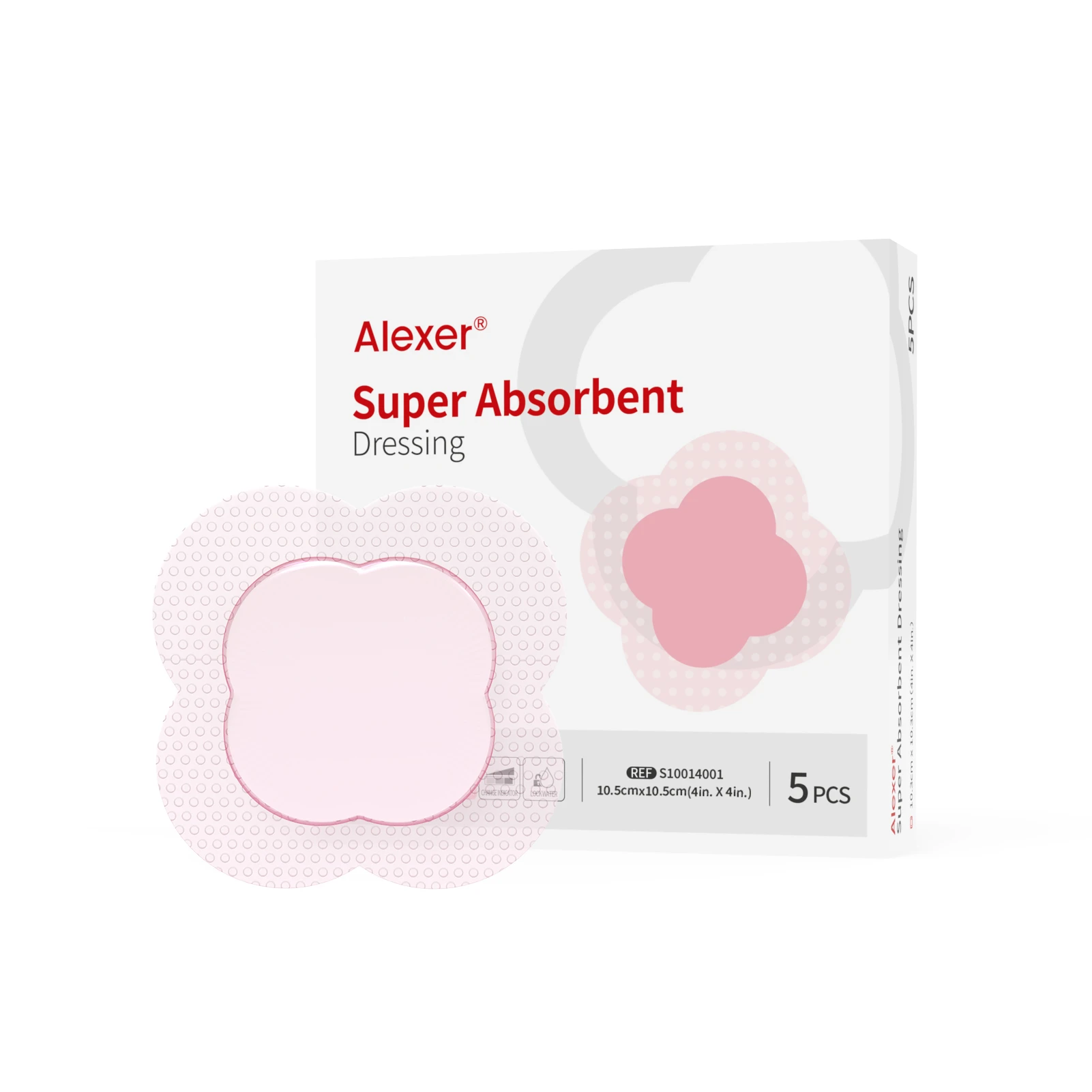
You have a big problem when treating pressure ulcers and diabetic foot ulcers. These wounds hurt many people around the world. New studies show diabetic foot ulcers affect 4% to 25% of people with diabetes. They cost the U.S. up to $13 billion every year. Moist wound healing was first talked about by Winter in 1962. It changed how you care for chronic wounds. Now, advanced foam dressing from SLK Medical helps you heal wounds. It also protects skin that is sensitive.
Key Takeaways
-
Diabetic foot ulcers hurt many people and can cause big problems. Finding them early and taking care of them is very important for good results.
-
Keeping wounds moist helps them heal. Advanced foam dressings keep wounds wet, help them heal, and lower the chance of infection.
-
SLK Medical’s foam dressings use special technology. They soak up fluid well and feel comfortable. This makes them good for people with sensitive skin.
-
Pick the right foam dressing for the wound. Think about how much fluid is there and where the ulcer is to give the best care.
-
Check and change dressings often to control fluid and stop infections. This helps wounds heal well and keeps patients comfortable.
Clinical Challenges in PU & DFU
Prevalence and Burden of Foot Ulcers
Diabetic foot ulcers and pressure ulcers are common in many places. These wounds hurt millions of people who have diabetes. The chance of getting a foot ulcer is high. In North America, 13% of people with diabetes get a diabetic foot ulcer. In Africa, the number is 7.2%. Asia has 5.5%, Europe has 5.1%, and Oceania has 3.0%.
|
Region |
Prevalence of DFU (%) |
|---|---|
|
North America |
13.0 |
|
Africa |
7.2 |
|
Asia |
5.5 |
|
Europe |
5.1 |
|
Oceania |
3.0 |
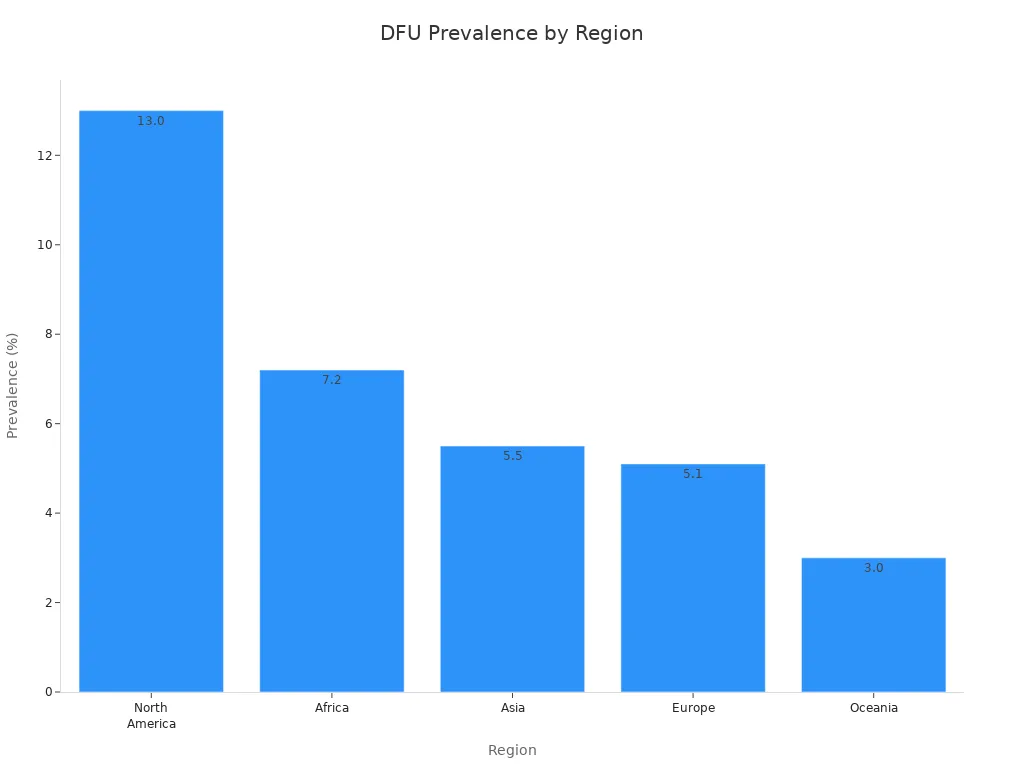
In some African countries, diabetic foot ulcer rates can be as high as 30%. In South East Asia, the rate is less than 15%. In Europe, some countries have rates as low as 1% and others as high as 17%. Diabetic foot ulcer management costs a lot. It includes medical bills and other costs like missing work and needing help at home. In the United States, diabetes costs $237 billion every year. About 30% of this is for diabetic foot ulcer management.
Healing Barriers in Diabetic Foot Ulcers
There are many problems when treating diabetic foot ulcers. Each year, 2% to 5% of people with diabetes get a foot ulcer. Over their lifetime, 15% to 20% of people with diabetes will get a diabetic foot ulcer. Around the world, 415 million people have diabetes. About 8.3 million of them get diabetic foot ulcers. Amputation rates for diabetic foot ulcers are between 6% and 43%. Every 30 seconds, someone loses a leg because of diabetic foot problems. Most of these amputations, about 85%, are caused by foot ulcers. These facts show why it is important to prevent diabetic foot ulcers and take care of your feet.
Tip: If you find wounds early and take care of them, you can lower the chance of amputation and help wounds heal better for diabetic neuropathic foot ulcer.
Moist Wound Healing Principles
Moist dressings help wounds heal faster. Dr. George Winter found that wounds heal better when they are kept moist. Moist wound healing helps new skin grow and makes scars smaller. Studies say moist dressings help wounds heal quicker and stop infections. For diabetic foot ulcers, moist dressings help new skin form and make patients feel better. Advanced wound care uses moist wound healing to help treat diabetic foot ulcers and other wounds that take a long time to heal. You get better results when you use moist dressings for diabetic foot ulcer management.
Foam Dressing Technology by SLK Medical
SLK Medical gives you new ways to care for wounds. Their foam dressing technology really helps. You can see better healing when you use these dressings. These foam dressings are good for pressure ulcers and diabetic foot ulcers. Let’s find out why these dressings are special.
D-Pore™ Dual-Dimensional Pore Technology
You need a foam dressing that soaks up fluid fast and keeps wounds moist. SLK Medical uses D-Pore™ dual-dimensional pore technology in their foam dressings. This technology gives you many good things:
-
Enhanced fluid absorption: The foam dressing takes in wound fluid quickly and holds it well.
-
Improved air permeability: The foam dressings let air pass through, so your skin can breathe.
-
Maintains a moist wound environment: The foam dressing keeps the wound moist, which helps new skin grow.
This foam dressing works hard to keep your wound clean and moist. It helps you heal faster and lowers your chance of getting an infection. D-Pore™ technology makes SLK Medical foam dressings different from other brands.
Highly Hydrophilic Polyurethane Foam Dressing
A highly hydrophilic polyurethane foam dressing can soak up a lot of fluid. This is important if your wound makes a lot of fluid. The foam dressing pulls in exudate and keeps it away from your skin. This stops your wound from getting too wet or too dry.
You can use a highly hydrophilic polyurethane foam dressing on many wounds. It works for pressure ulcers, diabetic foot ulcers, and burns. The foam dressing fits your wound’s shape and stays where you put it. You do not have to worry about leaks or hurting your skin.
SLK Medical makes their foam dressings gentle for your skin. The highly hydrophilic polyurethane foam dressing protects sensitive skin and makes dressing changes less painful. You feel safe and comfortable every time you use these foam dressings.
Flex Technology for Conformability
You want a foam dressing that moves with your body. SLK Medical uses Flex Technology in their foam dressings. This technology lets the foam dressing stretch and bend in all directions. You can walk, move, or rest without the dressing falling off.
Here is how Flex Technology helps you:
|
Feature |
Description |
|---|---|
|
Flexibility |
Lets you move in every direction and helps you stay active. |
|
Comfort |
Makes your skin feel better and gives you more comfort. |
|
Wound Management |
Keeps the dressing in place and handles exudate well. |
Flex Technology helps the foam dressing fit your body better. The foam dressings stay on even in hard places like your heel or elbow. You get better wound protection and less pain.
SLK Medical’s foam dressings use D-Pore™ technology, highly hydrophilic polyurethane foam dressing material, and Flex Technology. You get a foam dressing that soaks up fluid, protects your skin, and moves with you. These foam dressings help you heal faster and feel more comfortable every day.
Foam Dressings for Healing Diabetic Foot Ulcers
SLK Medical Silicone Foam Dressings for Foot Ulcers
Caring for diabetic foot ulcers is hard. These wounds heal slowly and need special care. SLK Medical silicone foam dressings give you a new way to treat diabetic foot ulcers. You can use these dressings on many kinds of ulcers, even ones from diabetes. The foam dressing fits the foot well, even in tricky spots like the heel or between toes.
SLK Medical foam dressings are easy to use for healing diabetic foot ulcers. You can cut them to fit the ulcer’s shape. The foam dressing stays put and does not slip, even when you walk or move. You can use these dressings at home or in the hospital. They work for both new and old ulcers. You can trust them for wound management because they keep the wound moist and protect the skin.
Many studies checked how well foam dressings work for diabetic foot ulcers. These studies show foam dressings, including SLK Medical silicone foam dressings, do not heal diabetic foot ulcers faster than basic wound contact dressings. When you compare foam dressings to alginate or hydrocolloid dressings, healing rates are about the same. You should remember this when picking a dressing for diabetic foot ulcers.
-
Foam dressings, including SLK Medical silicone foam dressings, do not heal diabetic foot ulcers faster than basic wound contact dressings.
-
Healing rates are about the same when you compare foam dressings to alginate or hydrocolloid dressings.
You can still use foam dressings for diabetic foot ulcers because they have other good points. They help you control exudate, protect the wound, and make dressing changes less painful. You can use them as part of your diabetic foot ulcer management plan.
Exudate Management and Infection Control
You need to control wound fluid when treating diabetic foot ulcers. Too much fluid can slow healing and hurt the skin around the ulcer. Foam dressings help by soaking up fluid and keeping it away from the wound. The foam uses its pores and backing to absorb fluid. You can use foam dressings for diabetic foot ulcers that make a lot or a little exudate.
SLK Medical has foam dressings with special features for exudate management. The foam dressing soaks up extra fluid and lets moisture vapor pass through. This keeps the wound moist but not too wet. You lower the risk of maceration, which happens when skin gets too soft from too much moisture. You also protect the skin around the ulcer.
Some foam dressings have antimicrobial agents, like silver, to fight infection. You can use these dressings for diabetic foot ulcers that might get infected. The foam dressing releases silver ions that kill bacteria in the wound bed. This helps stop infection and supports wound healing. You can use these dressings for diabetic foot ulcer treatment, especially if the wound looks infected.
The main goals of exudate management are to keep the wound at the right moisture level, protect the skin, and help you feel better. Foam dressings use absorbency and moisture vapor transmission to handle fluid. The foam’s pores soak up fluid, and the backing lets moisture escape. This keeps the dressing from getting too wet and helps with diabetic foot ulcer treatment.
Patient Comfort and Sensitive Skin Protection
You want your foot to feel good during diabetic foot ulcer treatment. Foam dressings help by making dressing changes less painful. The soft foam and gentle adhesive protect your skin, even if it is sensitive or fragile. You can use foam dressings for diabetic foot ulcers without worrying about hurting your skin.
Some studies looked at how foam dressings affect comfort and pain. One study used a scale from 0 to 10 to measure comfort and pain during dressing changes. The results were not clear, but many patients say foam dressings feel better than other types. You may find foam dressings make diabetic foot ulcer treatment easier and less stressful.
-
Some studies measured comfort and pain with foam dressings but did not give enough data for strong answers.
-
The proof about patient satisfaction and pain is not strong, but many people like foam dressings for comfort.
SLK Medical foam dressings are made for sensitive skin. You can use them for diabetic foot ulcers on any part of the foot. The foam dressing does not stick to the wound, so you can take it off without pain. You get better skin protection and more comfort during wound management.
You can trust foam dressings for diabetic foot ulcers to help with healing, exudate management, and comfort. You get a dressing that fits your foot, protects your skin, and helps foot ulcers heal. You can use these dressings as part of your diabetic foot ulcer management plan to help you heal and feel better.
Comparing Foam Dressings and Other Solutions
Clinical Outcomes and Healing Rates
You want the best care for diabetic foot ulcers. Many studies look at foam dressings and other wound care products. Foam dressings often help wounds heal faster than hydrocolloid dressings. They also work better than sterile gauze. You can see this in the table below:
|
Dressing Type |
Confidence Interval (CI) |
|
|---|---|---|
|
Foam Dressing |
Higher than Hydrocolloid |
RR = 1.37, 95% CI (1.16, 1.61) |
|
Hydrocolloid Dressing |
Higher than Sterile Gauze |
RR = 1.38, 95% CI (1.18, 1.60) |
|
Alginate Dressing |
No significant difference |
N/A |
Foam dressings do not always heal ulcers faster than alginate dressings. Some studies show there is no big difference in healing rates. You should pick the dressing that fits the patient’s needs and ulcer type.
Absorption and Moisture Control
You need a dressing that handles wound fluid well. Foam dressings, like highly hydrophilic polyurethane foam dressing, soak up exudate and keep wounds moist. This helps wounds heal and protects the skin around them. The table below shows how foam dressings work:
|
Property/Attribute |
Foam Dressings Performance |
|---|---|
|
Moist Wound Environment |
Helps keep wounds moist |
|
Trauma Protection |
Protects the wound and skin nearby |
|
Absorption Capability |
Soaks up and holds exudate |
|
Wear Time |
Lasts 1 to 7 days, based on fluid levels |
|
Non-adherent |
Comes off without hurting the wound |
|
Compatibility with Agents |
Can be used with topical agents |
|
Bacterial Barrier |
Some have a clear film to block bacteria |
|
Conformability |
Bends and fits the wound shape |
|
Compression Use |
Can be used under compression |
|
Non-linting |
Does not leave fibers behind |
You can use foam dressings for wounds that leak a lot of fluid. The dressing keeps the wound at the right moisture level. This helps wounds heal and makes care easier for people with diabetes.
Comfort and Application Ease
You want your patient to feel good during treatment. Foam dressings are soft and simple to put on. They do not stick to the wound, so you can take them off without pain. This is important for diabetic foot ulcers and other wounds that heal slowly. Many people say foam dressings make wound care less stressful. You can use them for many types of ulcers, even those from diabetes. The dressing fits well and stays in place, even on hard-to-cover spots.
Tip: Pick a highly hydrophilic polyurethane foam dressing for more comfort and better moisture control when treating diabetic foot ulcers.
Foam dressings help wounds heal, make ulcer care easier, and keep patients comfortable. You can trust them for treating diabetic foot ulcers and other wounds caused by diabetes.
SLK Medical Product Selection Guide
Choosing the Right Foam Dressing for Foot Ulcers
You want to pick the best foam dressing for diabetic foot ulcers. Look for dressings that soak up fluid and protect the foot. Polyurethane foam dressing is a good choice because it holds exudate and keeps the wound moist. This foam dressing does not stick to the wound, so you can take it off without pain. It helps the foot heal faster and stops maceration. It also makes changing dressings easier for people with sensitive skin. When you choose a foam dressing, think about how much fluid there is, where the wound is on the foot, and if the patient feels comfortable. Good diabetic foot ulcer management starts with picking the right foam dressing.
Product Comparison Table
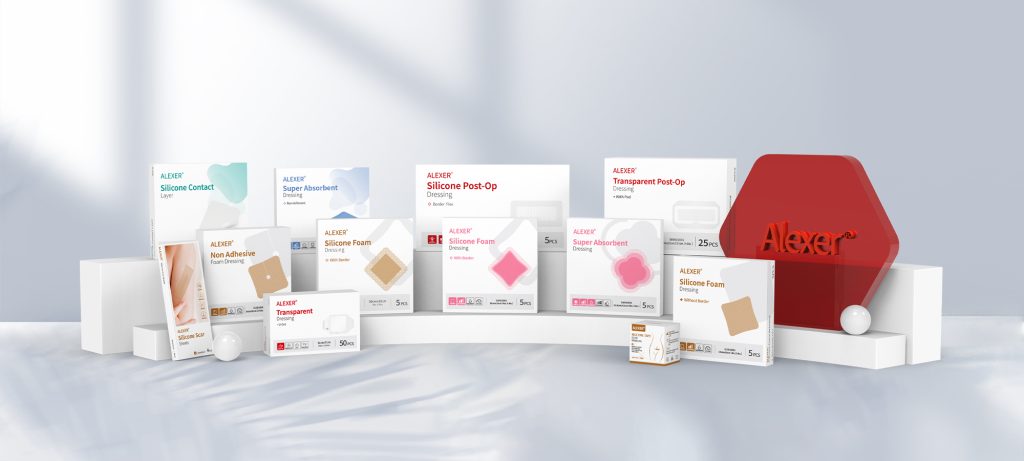
You have many foam dressings to pick from for diabetic foot ulcers. SLK Medical has different choices for foot wounds. Each foam dressing has special features for different needs. You can see the main differences in the table below:
|
Product Type |
Key Features |
|---|---|
|
Useful for moderately to high exudating wounds, including diabetic foot ulcers and pressure ulcers. |
|
|
Suitable for similar wound types as the non-adhesive version, emphasizing versatility. |
|
|
Silicone foam dressing with border (pink) |
Also designed for moderately to high exudating wounds, providing an additional option for users. |
You can pick a foam dressing that fits the shape of the foot and the wound’s needs. Some foam dressings work better for heel ulcers. Others fit the toes or the ball of the foot. You help the foot heal by picking the right foam dressing for diabetic foot ulcers.
Application Best Practices
You want to use foam dressings the right way for diabetic foot ulcers. Follow these tips to get good results:
-
Change the foam dressing more often if the wound makes a lot of fluid, especially at the start.
-
Make sure the foam dressing sticks well to the wound bed so you do not hurt the foot when you take it off.
-
If the wound looks infected, change the foam dressing more often to stop bacteria from growing.
-
Decide how long to keep the foam dressing on by checking the wound and the patient’s condition.
-
Manage wound fluid well to stop problems like maceration and infection.
-
Use foam dressings because they soak up fluid and keep the wound moist.
-
Check the foot and the wound often to see how healing is going and change the plan if needed.
Note: You help the foot heal and make diabetic foot ulcer management easier when you use foam dressings the right way.
You can trust SLK Medical foam dressings for diabetic foot ulcers. You get better care, comfort, and protection for every part of the foot.
Regulatory and Supply Chain Excellence
FDA and ISO 13485 Compliance
You want to make sure your wound care products are safe. SLK Medical foam dressings follow strict rules for safety and quality. These rules are called certifications. They show the dressings are safe and work well for patients.
|
Certification |
Description |
|---|---|
|
FDA Approval |
Makes sure the dressing is safe for wounds and passes important tests. |
|
ISO 13485 |
Shows the company checks quality at every step. |
You can trust SLK Medical foam dressings. These certifications mean the products are checked carefully before you get them.
Automated Manufacturing and Fast Delivery
SLK Medical uses smart machines in their factory. The company has machines that do all the work by themselves. These machines follow FDA and ISO 13485 rules. You always get foam dressings that are high quality. The machines help stop mistakes and make every dressing the same.
Using machines also means you get your order faster. The process goes quickly from start to finish. You do not have to wait a long time for your products. Fast delivery helps you take care of your patients right away. You also pay less because the machines save time and money.
Note: Getting your supplies on time helps you treat wounds better and keeps your clinic working well.
OEM/ODM Flexibility
Sometimes you need special foam dressings for your clinic or brand. SLK Medical lets you pick what you need. You can choose different options to fit your clinic.
|
Customization Option |
Description |
|---|---|
|
OEM Solutions |
Full OEM solutions for partners, including research, manufacturing, and packaging. |
|
ODM Capabilities |
Can change foam dressing products for different needs. |
|
Design Innovation |
New designs that give strong protection. |
|
Quality Control |
Checks from materials to finished products for high quality. |
|
Quick Product Launch |
Helps partners start selling new products fast. |
You can work with SLK Medical to make foam dressings just right for you. This helps you care for your patients and grow your business.
Future Directions in Foam Dressing Innovation
Limitations and Research Needs
You might see some problems when using foam dressings for chronic wounds. Sometimes, foam dressings are much stiffer than the skin around the wound. This can bend or stretch soft tissue in a bad way. If the dressing is too stiff, it can hurt cells and tissues after a while. When you press on the dressing too much, it gets even stiffer. This does not feel like your real skin.
Researchers say there are things missing in foam dressing studies for diabetic foot ulcers. It is hard to find studies that compare different dressings directly. Many studies do not show what happens in real life. There is no main set of data to help doctors know what works best. We need better ways to check healing and problems, like using new biomarkers. Doctors and nurses also need more training about diabetic foot ulcer care.
-
Foam dressings can be stiffer than skin and bend tissue.
-
Dressings that are too stiff can hurt cells and tissue.
-
Pressing too much makes dressings stiffer, which is not good for skin.
-
More studies should show what happens in real life.
-
There is no main set of clinical data.
-
We need new biomarkers to check healing.
-
Doctors and nurses need more training.
Next-Generation Foam Dressings
You will see cool new changes in foam dressing technology soon. New materials like advanced polyurethane make dressings bend easier and soak up more moisture. Some foam dressings now have things like silver to fight germs. Smart dressings are being made. These dressings can watch the wound and change if needed, so you heal faster.
-
Advanced polymers help dressings bend and soak up moisture.
-
Silver and other agents help stop infection.
-
Smart dressings can sense and react to wounds.
Tip: New foam dressings may help you heal wounds faster and safer.
Clinical Trials and Real-World Evidence
You can trust foam dressings because new studies say they work well. Polyurethane foam helps stop pressure injuries, especially in places that get hurt easily. Experts say to use polyurethane foam for these spots. Silicone foam dressings also work well. Big studies show they help stop pressure injuries on the sacrum and heel. These dressings cost less than some other types of care.
|
Study |
Findings |
|---|---|
|
Smith+Nephew ALLEVYN LIFE Foam Dressing |
Takes in 30-45% of energy, so it lowers pressure injury rates. |
|
Meta-analysis on silicone foam dressings |
Works well to stop pressure injuries on the sacrum and heel. |
|
Polyurethane foam positioning pad study |
Shows polyurethane foam helps stop pressure injuries in risky spots. |
You will see more studies and real-life tests soon. These will help you pick the best foam dressing and make wound care better for everyone.
You get real help when you use SLK Medical foam dressing for pressure ulcers and foot wounds. The table below shows how these dressings help wounds heal:
|
Condition |
Dressing Type |
Outcome |
|---|---|---|
|
Pressure Ulcers |
Foam vs. Gauze |
Foam improved healing in superficial pressure ulcers with blisters and partial skin loss. |
|
Diabetic Foot Ulcers |
Foam vs. Alginate |
Polyurethane foam was superior to alginate after 12 weeks, but results varied in other studies. |
You want the best care for every foot. New foam dressing technology will soon have better absorption and smart features. You might see nanotechnology and artificial intelligence help with foot wounds. Keep learning and talk to experts to stay updated. You help feet heal when you pick the right dressing and keep learning new things.
FAQ
What types of wounds can you treat with SLK Medical foam dressings?
You can use SLK Medical foam dressings for pressure ulcers, diabetic foot ulcers, burns, and post-operative wounds. These dressings work well for wounds that produce moderate to high amounts of fluid.
How often should you change a foam dressing?
You should change the foam dressing every 3 to 7 days. If the wound produces a lot of fluid or looks infected, you may need to change it more often.
Are SLK Medical foam dressings safe for sensitive skin?
Yes, you can use SLK Medical foam dressings on sensitive skin. The gentle silicone layer protects fragile skin and reduces pain during dressing changes.
Can you shower while wearing a foam dressing?
You can shower with most SLK Medical foam dressings. The waterproof backing keeps the wound dry and protects it from bacteria.
What makes SLK Medical foam dressings different from other brands?
SLK Medical foam dressings use D-Pore™ technology and Flex Technology. These features help you absorb fluid quickly, keep the wound moist, and fit the dressing to your body for better comfort.