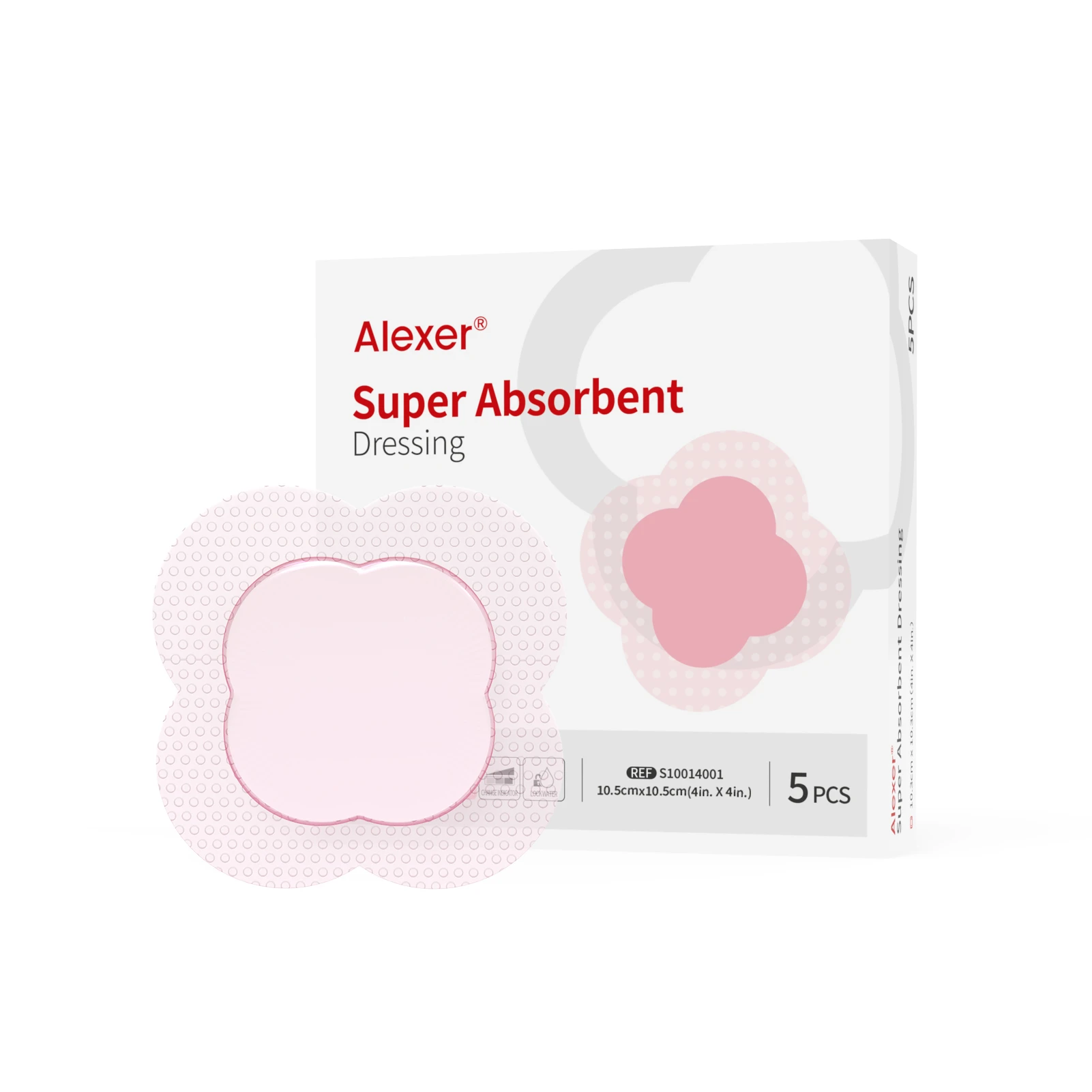
If you’re searching for the best dressing for stage 3 pressure ulcer management, consider options like foam, hydrocolloid, alginate, hydrogel, and silver-infused dressings. SLK Medical’s advanced silicone foam dressings are an excellent dressing for stage 3 pressure ulcer care because they adhere gently, offer high absorbency, and are backed by international certifications. Choosing the right dressing for stage 3 pressure ulcer treatment depends on the wound’s condition and the patient’s specific needs. Recent data shows a 13.1% reduction in pressure injury cases and faster healing times for wounds. While hydrocolloid dressings are effective, many clinicians find that alginate and foam dressings for stage 3 pressure ulcers deliver even better results.
-
Pressure injury cases decreased from 38.8% to 25.7% between 2021 and 2022.
-
The average healing time for stage 3 pressure ulcers improved by 35 days.
Key Takeaways
-
Pick the right dressing for how the wound looks. You can use foam, hydrocolloid, alginate, or silver-infused dressings.
-
Check the wound often to see if it is infected. Watch for more redness, swelling, or strange drainage.
-
Keep the wound wet so it heals faster. Wet wounds help new cells grow and hurt less.
-
Think about how the patient feels when you pick dressings. Use soft, non-adhesive dressings for sensitive skin to lower pain during changes.
-
Talk to a wound care specialist for the best results. Regular check-ups help make sure the treatment works and problems are found early.
Understanding Stage 3 Pressure Ulcer
Definition and Signs
A stage 3 pressure ulcer happens when the skin breaks deep. The wound goes through the top two layers and reaches the fat below. This is called full-thickness skin loss. The sore often looks like a hole or crater. You can see fat tissue inside the wound. If the wound smells bad, has pus, or looks red, it may be infected. Drainage from the wound can look strange or have color. The table below lists the main signs and symptoms:
|
Characteristic/Symptom |
Description |
|---|---|
|
Skin Layers Affected |
Breaks through the top two layers of skin into fatty tissue |
|
Appearance |
Resembles a hole or crater with visible fat tissue |
|
Foul odor, pus, redness, discolored drainage |
Causes and Risk Factors
Stage 3 pressure ulcer forms when blood cannot reach the skin. This makes healthy skin die. You are more at risk if you stay in one spot for too long. Not moving puts pressure on your skin. Fragile skin can tear easily. People with dementia may not move or feel pain. Chronic illnesses like diabetes hurt blood flow. Older people have higher risk. Not eating enough food is also a risk. Being underweight, having accidents, and smoking add to the risk. Other risks are Alzheimer’s, poor blood flow, bad nutrition, and spinal cord injuries.
-
Immobility
-
Fragile skin
-
Dementia
-
Chronic illnesses (diabetes)
-
Older age
-
Malnutrition
-
Underweight
-
Incontinence
-
Smoking
-
Alzheimer’s
-
Circulation issues
-
Spinal cord injuries
Importance of Proper Wound Dressing
The right wound dressing helps a stage 3 pressure ulcer heal. Keeping the wound moist helps new cells grow. This makes healing faster and hurts less. Alginate dressings soak up a lot of fluid. Foam dressings are soft and absorb fluid too. Hydrocolloid dressings protect wounds with slough or eschar. They fit well on tricky spots. The right dressing keeps germs out and helps you get better. Working with a care team helps you heal and stops the wound from getting worse.
|
Dressing Type |
Benefits |
|---|---|
|
Moist Wound Environment |
Promotes cell migration and matrix formation, accelerates healing, and reduces wound pain. |
|
Alginate Dressings |
Highly absorptive, ideal for wounds with extensive discharge, but must be monitored closely. |
|
Provides a soft barrier and is absorbent, typically used over other dressings. |
|
|
Protects wounds with slough or eschar, molds well to problematic areas, and prevents contamination. |
Tip: Picking the right dressing for a stage 3 pressure ulcer helps it heal and keeps infection away.
Criteria for Dressing for Stage 3 Pressure Ulcer
Wound Assessment
You need to look at the wound closely before you choose a wound dressing. A stage 3 pressure ulcer often has deep tissue loss. You may see fat or yellow tissue at the base. The edges of the wound can look rolled or uneven. The skin around the wound might be red or swollen. You should check for signs of infection, like pus or a bad smell. You also need to see how much fluid, or exudate, comes from the wound.
Clinical guidelines suggest you should always:
-
Check the amount of exudate in the wound.
-
Look at the condition of the skin around the wound.
-
Think about how well the wound dressing will work and if it is worth the cost.
A good wound dressing helps the wound heal and keeps the area clean.
Exudate Level and Infection Risk
You must match the wound dressing to the amount of fluid the wound makes. A stage 3 pressure ulcer can have a lot of exudate. If you see a lot of drainage, you need a wound dressing that absorbs well. Foam dressings and alginate dressings work well for wounds with heavy exudate. If the wound looks infected, you may need a silver-infused wound dressing. This type helps fight germs and lowers the risk of infection. Always watch for changes in the wound, like more redness or swelling. These signs mean you may need to change the wound dressing or try a new one.
Patient Comfort and Skin Sensitivity
You want the wound dressing to feel comfortable for the patient. Some people have sensitive skin, especially around a pressure ulcer. Silicone foam dressings are gentle and do not stick to the skin. They help lower pain when you change the wound dressing. You should also look for a wound dressing that fits well and does not cause rubbing. A good fit helps the wound heal faster and keeps the patient comfortable. Always ask the patient if the wound dressing feels okay and check the skin for any problems.
Tip: The right wound dressing can make a big difference in how fast a pressure ulcer heals and how comfortable the patient feels.
Top Wound Dressing Options for Stage 3 Pressure Ulcer
Picking the right wound dressing for a stage 3 pressure ulcer is important. It helps you take care of the wound and helps it heal. You need to check how deep the wound is. You also need to see how much fluid comes out and if there is a risk of infection. Here are some of the best wound dressings for stage 3 pressure ulcers. SLK Medical has some advanced choices too.

SLK Medical Silicone Foam Dressings
SLK Medical silicone foam dressings are gentle and work well for sensitive skin. They are good for people with chronic wounds. These dressings use D-Pore™ technology. This helps them soak up fluid and let air in. You can use them for wounds with a lot of fluid. The silicone layer sticks softly to your skin. It does not hurt much when you change the dressing. The waterproof back keeps germs out and lets you shower. You can pick border, non-border, or non-adhesive foam dressings. This helps you fit different wound shapes.
Key Benefits:
-
High absorbency keeps the wound moist and stops skin from getting too wet.
-
Gentle adhesion protects weak skin and lowers pain.
-
Waterproof and bacteria barrier helps stop infection.
-
Many sizes and shapes fit wounds on the sacrum, heel, or other places.
Comparative Healing Rates and Infection Control:
|
Dressing Type |
Healing Time (SMD) |
Confidence Interval |
|---|---|---|
|
Foam Dressing |
-1.09 |
(−1.67, −0.50) |
|
Silver Ion Dressing |
-1.16 |
(−1.82, −0.51) |
|
-2.00 |
(−3.14, −0.86) |
|
|
Sterile Gauze |
Reference |
N/A |
Foam dressings, like SLK Medical’s silicone foam dressings, help wounds heal faster than sterile gauze. Infection rates are low for all groups. For foam dressings, only 2.3% had a small infection.
Note: SLK Medical silicone foam dressings are gentle for sensitive skin. They help you take care of chronic wounds with confidence.
Hydrocolloid Dressings
Hydrocolloid dressings keep the wound moist and help it heal faster. They soak up fluid and turn into a gel. This gel protects the wound and helps new cells grow. You can use hydrocolloid dressings for wounds with slough or eschar. They fit tricky spots and keep germs away.
Clinical Evidence:
|
Evidence Type |
Description |
|---|---|
|
Hydrocolloid dressings keep wounds moist, which helps them heal faster. |
|
|
Epithelialisation Rate |
Wounds that stay moist heal faster than dry wounds. |
|
Moisture Balance |
Hydrocolloid dressings soak up fluid but keep the wound moist. |
SLK Medical has hydrocolloid dressings that are thin and bend easily. You can check the wound without taking off the dressing.
Alginate Dressings
Alginate dressings are good for wounds with a lot of fluid. They soak up fluid and turn into a gel. This keeps the wound moist and helps new cells grow. You can use alginate dressings for deep wounds and pressure ulcers.
-
Alginate dressings help wounds heal faster and hurt less.
-
They soak up a lot of fluid and make a gel to keep the wound moist.
-
In a study with 110 older people, those using calcium alginate dressings healed better. After 4 weeks, 68.4% had at least a 40% smaller wound. Only 22.6% did this with hydrocolloid dressings. After 8 weeks, 75.4% got better with alginate dressings. Only 58.5% got better in the control group.
SLK Medical alginate dressings are good for wounds with lots of drainage. They help you keep the wound clean.
Hydrogel Dressings
Hydrogel dressings keep the wound moist and help soften dead tissue. You can use hydrogel dressings for wounds that are dry or have dead tissue. These dressings are safe and new, but experts say more studies are needed to show how well they work.
-
Hydrogel dressings help pressure ulcers and chronic wounds heal.
-
Experts say you should use dressings that keep the wound moist, like hydrogel dressings.
-
Some reviews say healing is fast, but others are not sure. You should use hydrogel dressings if the wound needs moisture and a doctor says it is okay.
SLK Medical has hydrogel dressings that help wounds needing moisture and gentle care.
Silver-Infused Dressings
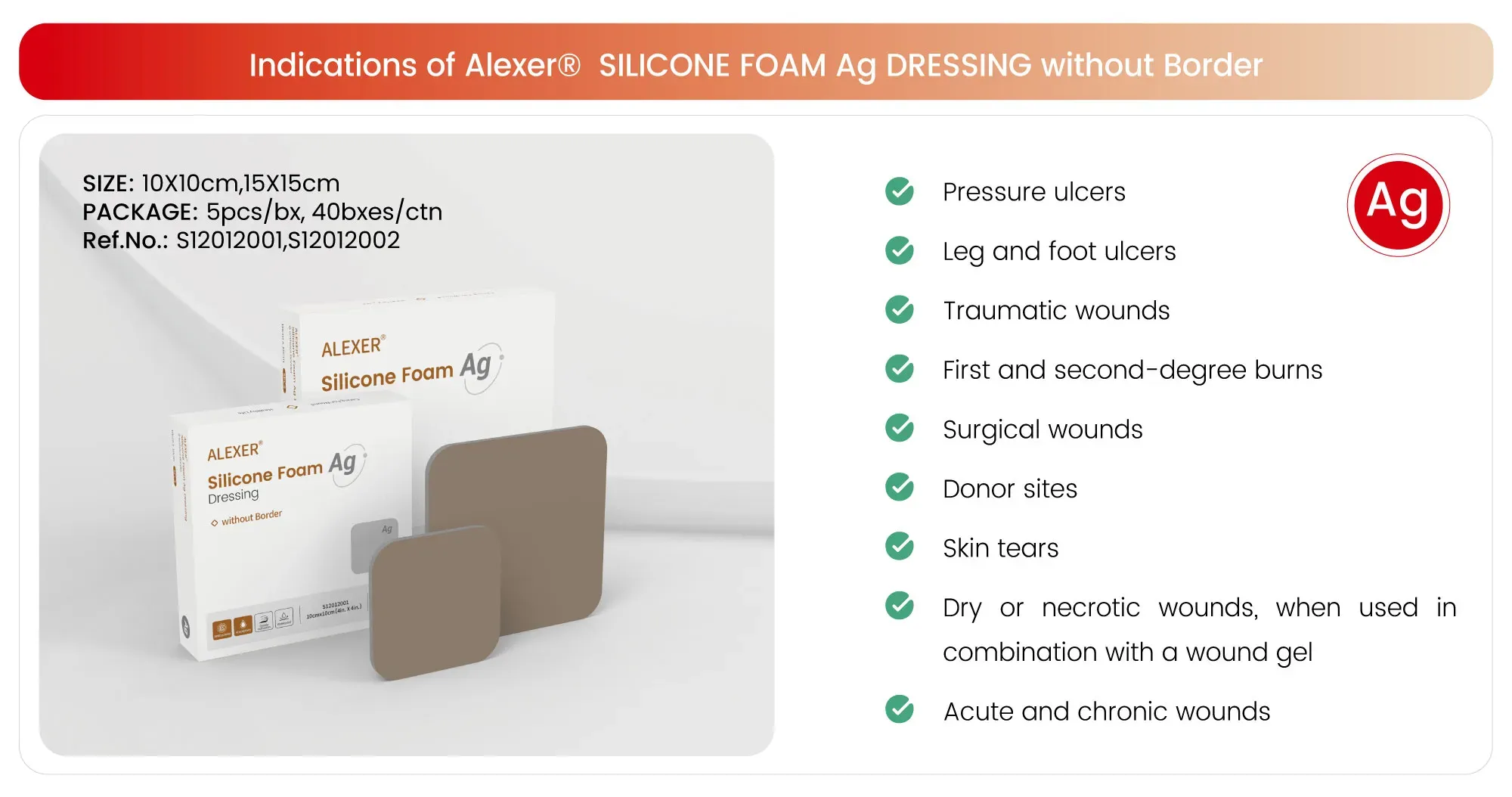
Silver-infused dressings help control infection in wounds that are at risk. These dressings let out silver ions. Silver ions kill bacteria and keep the wound clean. You can use silver dressings for wounds with infection signs or a lot of fluid.
-
Silver dressings help wounds heal fast and keep infection rates low.
-
They keep the wound moist and protect against germs.
-
SLK Medical silicone foam Ag dressings mix silver with gentle silicone. This helps you care for wounds with comfort and safety.
Tip: You should pick the wound dressing that fits the wound’s needs. Look at how much fluid there is, if there is a risk of infection, and if the skin is sensitive before you choose.
Summary Table:
|
Dressing Type |
Best For |
Key Features |
|---|---|---|
|
Silicone Foam |
Sensitive skin, chronic wounds |
High absorbency, gentle adhesion, waterproof |
|
Hydrocolloid |
Moist wound healing |
Gel-forming, flexible, easy monitoring |
|
Alginate |
Heavy exudate, deep wounds |
High absorbency, gel-forming, fast healing |
|
Hydrogel |
Dry wounds, necrotic tissue |
Moist environment, softens dead tissue |
|
Silver-Infused |
Infection control |
Antimicrobial, moist environment, gentle removal |
You can get all these wound dressings from SLK Medical. Each one helps wounds heal and keeps you comfortable if you have a stage 3 pressure ulcer.
SLK Medical Product Features & Benefits
D-Pore™ Technology and Absorption
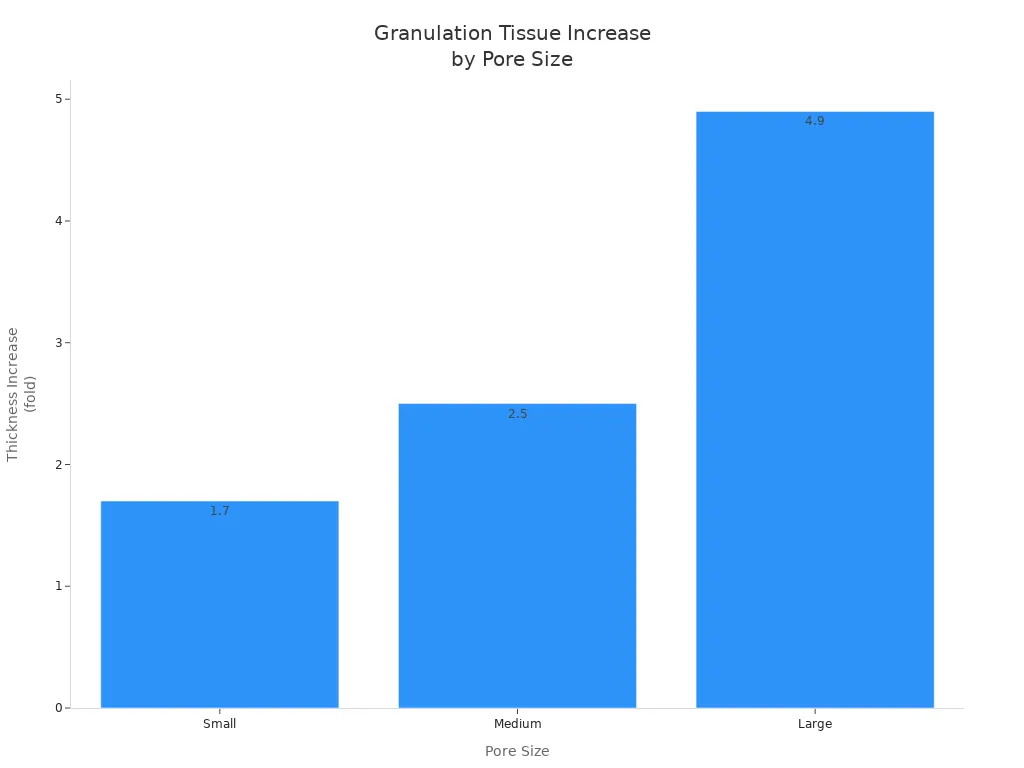
You want your wound to heal fast and safely. SLK Medical dressings use D-Pore™ technology to help wounds get better. This special pore system helps the dressing soak up fluid and lets air in. The dressings have small, medium, and large pores. Each size helps your wound stay moist and grow new tissue. Large pores make granulation tissue thicker, up to 4.9 times more than regular foam dressings. Medium pores help healing by 2.5 times. Small pores help too, but not as much as the bigger ones.
|
Pore Size |
Granulation Tissue Thickness Increase |
Myofibroblast Density Increase |
|---|---|---|
|
Small |
1.7-fold |
Increased over occlusive dressing |
|
Medium |
2.5-fold |
Increased over occlusive dressing |
|
Large |
4.9-fold |
Maximal presence compared to other groups |
Gentle Adhesion for Sensitive Skin
You need a dressing that protects your wound and does not hurt. SLK Medical dressings use a soft silicone layer. This layer sticks gently to your skin and does not pull or tear it. You can change your dressing with less pain. The gentle stickiness helps you avoid new injuries and keeps your wound safe.
Waterproof and Bacteria Barrier
Your wound needs to stay safe from water and germs. SLK Medical dressings have a waterproof film on the back. This stops bacteria and keeps your wound clean. You can take a shower without worrying about your wound getting wet. The dressings also stop rubbing and protect your wound from harm.
Product Range, Certifications, and Customization
SLK Medical has many types of dressings for different wounds. You can pick border, non-border, non-adhesive, silver-infused, hydrocolloid, or super absorbent dressings. Each type helps your wound heal in its own way. SLK Medical dressings have important certifications. These include FDA, ISO 13485, and CE MDR. These show the dressings are safe and high quality.
|
Certification |
Relevance |
|---|---|
|
FDA |
Indicates compliance with U.S. medical regulations. |
|
ISO 13485 |
Signifies adherence to international quality management standards for medical devices. |
|
CE MDR |
Necessary for selling products in Europe. |
OEM/Customization, Bulk Sales, and Free Sample Application
You can ask for custom dressings for your wound care. SLK Medical offers OEM and custom options. Hospitals and clinics can order in bulk for fast delivery and better care. Custom dressings help treat wounds more effectively. You can get free samples by filling out a form on SLK Medical’s website. Free consultations are also available to help you pick the best dressing.
|
Advantage |
Description |
|---|---|
|
Tailored Products |
Customization allows for the creation of wound care products that meet specific patient needs. |
|
Brand Differentiation |
Utilizing OEM services helps healthcare facilities to stand out in the market. |
|
Timely Delivery |
Bulk orders ensure that products are delivered when needed, preventing delays in patient care. |
|
Improved Patient Outcomes |
Specialized features in customized products can lead to better healing for patients with stage 3 pressure ulcers. |
|
Option |
Description |
|---|---|
|
Free Samples |
Healthcare providers can request free samples by filling out the contact form on SLK Medical’s official website. |
|
Custom Solutions |
SLK Medical provides custom solutions tailored for specific patient needs, including special dressings. |
|
Free Consultations |
Free consultations are available to help determine the best products for specific needs. |
Note: SLK Medical dressings use new ideas, are safe, and can be changed for your needs. You can trust these dressings to help your wound heal and keep your skin comfortable.
Applying Wound Dressing for Stage 3 Pressure Ulcer
Preparation and Cleaning
You need to prepare the wound before you apply a wound dressing. Start by washing your hands. This step keeps germs away. Clean the wound at every dressing change. Use a gentle cleanser or saline. Avoid alcohol or harsh antiseptics because they can harm new cells. Flush the wound with an irrigating catheter or saline to remove debris. Keep the wound moist and protect the skin around it from extra moisture or drainage. Change the wound dressing before it dries out so you do not lose new tissue.
-
Wash your hands before and after each dressing change.
-
Use a gentle cleanser or saline solution.
-
Avoid drying agents and toxic antiseptics.
-
Flush the wound to remove debris.
-
Keep the wound moist.
-
Protect the surrounding skin.
Dressing Application Steps
You must choose the right wound dressing for your wound. Look at the wound and decide if it needs a foam, alginate, or antimicrobial dressing. Place the wound dressing gently over the wound. Make sure it covers the wound and fits well. If the wound is deep, use a filler dressing first. Secure the wound dressing so it stays in place. Use a secondary dressing if needed.
|
Recommended Use |
Key Guidance |
|
|---|---|---|
|
Calcium alginate |
Stage 3 and 4 injuries with exudate |
Avoid in dry wounds; keeps moist environment |
|
Foams |
Stage 2 or greater with heavy exudate |
Use in deep wounds with filler; secondary needed |
|
Antimicrobial agents |
Wounds at risk of biofilm |
Prevents biofilm growth; choose based on needs |
Dressing Change Frequency
You should change the wound dressing based on how much fluid the wound produces. If the wound dressing becomes wet or loose, change it right away. Most wound dressings need changing every 3 to 7 days. Always follow your healthcare provider’s advice. Changing the wound dressing before it dries out helps protect new tissue.
Monitoring and Comfort Tips
Check the wound often. Look for signs of infection, such as more pain or changes in drainage. Ask the patient about pain levels. Good pain management helps healing. Regular wound assessments help you spot problems early. Keep the patient comfortable by using gentle wound dressings and making sure the wound dressing fits well.
Tip: Regular checks and gentle care help your wound heal faster and keep you comfortable.
Adjunctive Treatments and Holistic Care
Debridement Methods
You need to remove dead tissue from a wound to help it heal. This process is called debridement. You can use different methods. Some wounds need sharp tools, while others respond to gentle washing or special gels. Your wound care specialist will decide which method works best for your wound. Removing dead tissue lowers infection risk and helps new skin grow. You should always ask your wound care specialist about the safest way to clean your wound.
Wound VAC Therapy
Wound VAC therapy uses a machine to create suction on your wound. This therapy helps your wound heal faster. The suction pulls fluid out and keeps the wound moist. It also helps new tissue grow and lowers swelling. Your wound care specialist may suggest wound VAC therapy if your wound is deep or slow to heal.
Here is what studies show about wound VAC therapy:
|
Study |
Findings |
P-value |
|---|---|---|
|
Ford et al. |
51.8% reduction in wound volume with VAC therapy |
N/A |
|
Joseph et al. |
78% reduction in wound volume with VAC therapy vs. 30% for control |
0.038 |
|
Eginton et al. |
59% reduction in wound volume with VAC therapy |
< 0.005 |
Wound VAC therapy:
-
Promotes a moist wound environment
-
Creates forces that help your body heal
-
Improves blood flow to the wound
-
Reduces swelling
-
Changes wound fluid
-
Helps new tissue form
Nutrition and Skin Care
You need good nutrition to heal your wound. Eating enough protein helps your body repair the wound. Experts recommend 1.5–2.0 grams of protein for each kilogram of your body weight. You also need enough calories, about 30 per kilogram. Essential amino acids like arginine and glutamine help your wound heal. Arginine helps your body make nitric oxide, which supports healing. Your wound care specialist can help you plan meals that support wound healing. You should also keep your skin clean and dry. Use gentle soap and moisturizers to protect the skin around your wound.
Tip: Eating well and caring for your skin helps your wound heal faster.
Professional Support and Follow-Up
You should work with a wound care specialist for the best results. Your wound care specialist checks your wound often and changes your treatment if needed. Regular follow-up visits help you catch problems early. You can ask questions and learn how to care for your wound at home. Your wound care specialist gives you advice and support so you feel confident about your wound care.
You need to choose the best dressing for your stage 3 pressure ulcer. Look at the wound and decide which dressing fits the wound’s needs. SLK Medical silicone foam dressings help your wound heal faster. These dressings protect sensitive skin and keep the wound moist. You should monitor the wound often. Check the wound for infection and document the wound’s size and shape. Assess the wound’s surrounding skin. Make sure the wound stays clean. Evaluate your nutrition and mental health. Provide interventions to improve wound wellness. Visit SLK Medical’s website for product details, custom options, bulk orders, and free samples.
FAQ
What is a stage 3 pressure ulcer?
You see a stage 3 pressure ulcer when the wound goes through the skin and reaches the fat layer. The wound may look like a deep hole. You may notice yellow tissue or drainage inside the wound.
How often should you change the dressing on a stage 3 pressure ulcer?
You should change the dressing every 3 to 7 days or when the wound dressing becomes wet or loose. Always check the wound for signs of infection or more drainage.
Can you shower with a wound dressing on?
You can shower if you use a waterproof wound dressing. Make sure the dressing stays in place and keeps the wound dry. SLK Medical dressings let you shower without worrying about water getting into the wound.
What signs show a wound infection?
You may see redness, swelling, or pus around the wound. The wound might smell bad or hurt more than before. If you notice these signs, contact your healthcare provider right away.
Why is keeping the wound moist important?
You help your wound heal faster when you keep it moist. A moist wound environment lets new cells grow and lowers pain. Dressings that keep the wound moist also protect against infection.