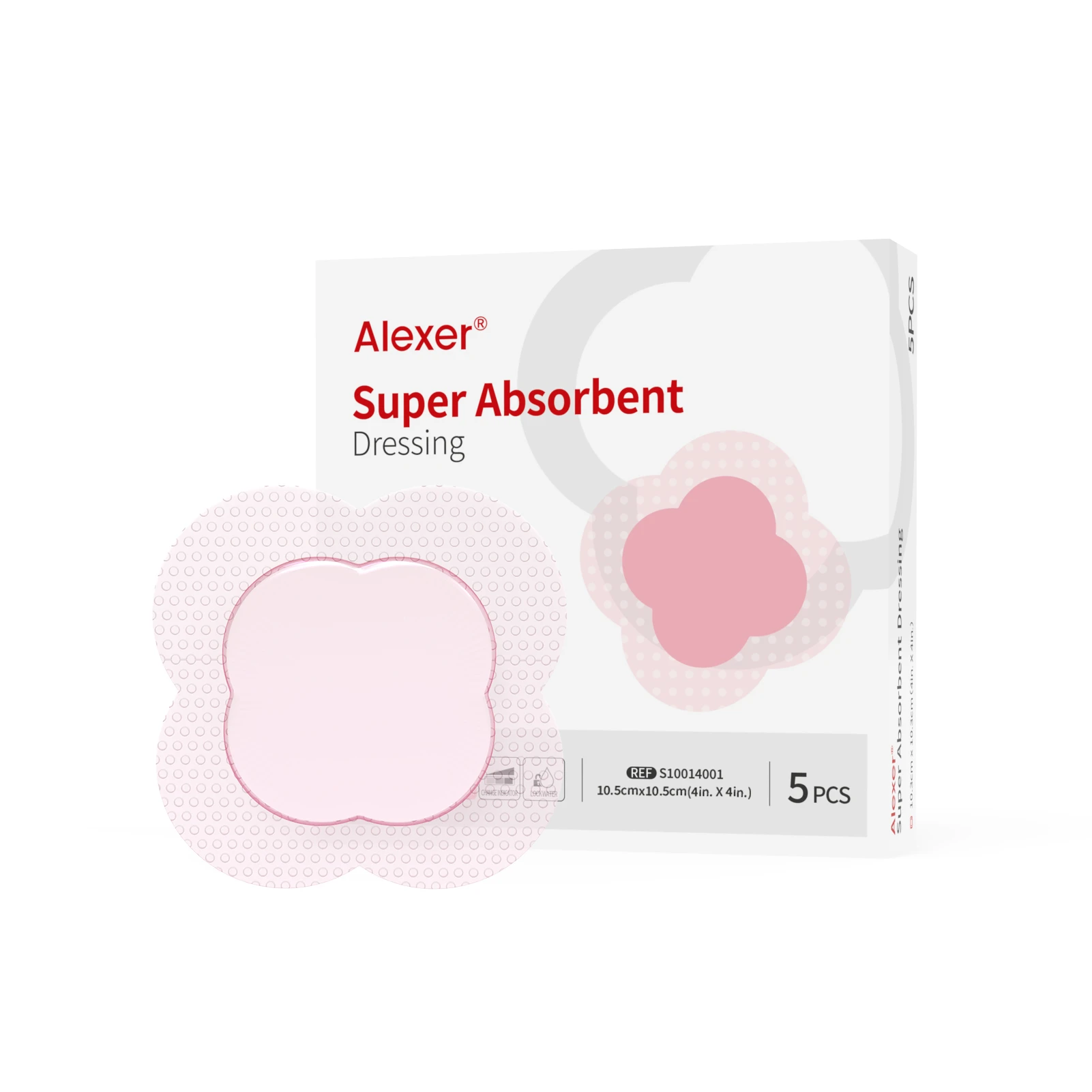
You can see a big difference between silicone wound contact layers and regular dressings. Silicone dressings stick gently and are see-through. This helps lower pain and makes it easier to check wounds. Many people have wounds that do not heal fast or have skin that is very sensitive. These people need special care.
-
About 1.67 out of every 1000 people have chronic wounds.
-
Diabetic ulcers happen to 6.3% of people around the world.
-
The market for advanced wound care is getting bigger because more people need better ways to heal.
Studies show silicone wound contact layers can help wounds heal better than regular dressings. You can try other options instead of Mepitel, like SLK Medical’s Alexer® Silicone Wound Contact Layer, for more comfort and better results.
Key Takeaways
-
Silicone wound contact layers stick gently. This makes changing them hurt less. It also helps wounds heal better. These dressings are clear. You can see the wound without taking them off. This helps you find problems early. Silicone dressings work well for sensitive skin. They do not hurt the skin much. They keep wounds wet. This helps wounds heal faster. Picking the right dressing is important. It depends on the wound and what the patient needs. This helps wounds heal well and keeps patients comfortable. SLK Medical’s Alexer silicone wound contact layer costs less than Mepitel. It still gives good quality and is flexible for clinics.
What Are Silicone Wound Contact Layers
The “Invisible” Importance of Contact Layer Dressings
You might not see how important these dressings are. They go right on top of the wound. They protect the wound and help it heal better. Silicone wound contact layer dressings are like a soft shield. They keep germs away and help your skin heal faster.
Here is a table to show how silicone wound contact layers help:
|
Property/Function |
Description |
|---|---|
|
Composition |
Made of long-chain polymers with silicone and oxygen. |
|
Adhesion |
Stick softly to skin, not to the wound. |
|
Pain Reduction |
Lower pain during dressing changes by minimising pain and trauma. |
|
Scar Reduction |
Help soften scars and make them less visible. |
|
Comfort |
Fit the wound shape for longer wear. |
|
Waterproof |
Block water, bacteria, and irritants. |
|
Ease of Use |
Simple to apply and remove. |
|
Applications |
Used for burns, ulcers, skin tears, and more. |
Key Features of Silicone Dressings
Silicone dressings are special for many reasons. They keep wounds moist but do not let tissue stick. They come in different types, some with film backing or sticky edges. They help stop pressure ulcers and redness, especially for older people. These dressings make wound care easier for you and your helpers.
Benefits for Sensitive Skin
If your skin is sensitive or weak, silicone dressings can help a lot. They make a barrier that lets air in but keeps germs out. They keep wounds moist and soak up extra fluid to help healing. They lower skin damage and make changing dressings hurt less. The hydrophobic silicone keeps the dressing from sticking to the wound, so it hurts less.
Market Landscape and Challenges
Why Has Mepitel Dominated the Market for 20 Years?
Mepitel has been the top choice for a long time. It set a high standard for silicone wound contact layer dressings. Many hospitals trust it because it works well.
The Role of Safetac Technology in Painless Removal
Safetac technology makes taking off silicone dressings less painful. It protects new skin and stops extra harm.
Brand Premiums and Supply Flexibility Issues for B2B Buyers
Some brands cost more just for their name. This can make it hard for clinics to buy enough or save money.
SLK’s Positioning: Clinical Efficacy and Cost Optimization
SLK Medical makes silicone wound contact layer dressings that work as well as top brands. You get good care, save money, and always have enough supply. The market is growing fast, and new choices help more people heal better.
Traditional Dressings Overview
Types and Uses
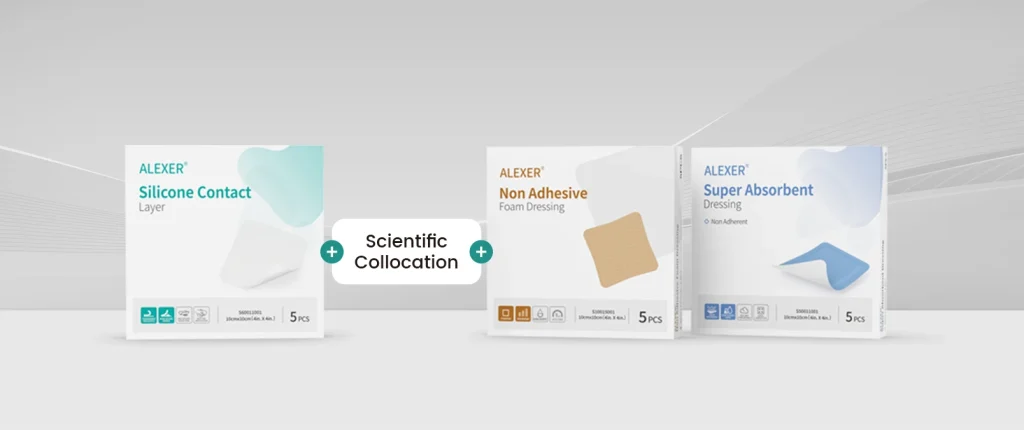
There are many kinds of traditional dressings in hospitals. Each dressing is made for a certain job. Some dressings cover small cuts. Others help with burns or ulcers. Look at the table below to see how each dressing is used for different wounds:
|
Dressing Type |
Typical Clinical Applications |
|---|---|
|
Gauze dressings |
Covering superficial wounds, absorbing drainage, applying medications, dressing burns, packing deep wounds. |
|
Protecting delicate tissues, burns, donor sites, and postoperative wounds. |
|
|
Hydrocolloid dressings |
Managing pressure ulcers, diabetic foot ulcers, minor burns, abrasions. |
|
Foam dressings |
Used for venous leg ulcers, pressure ulcers, surgical wounds, and traumatic wounds. |
|
Alginate dressings |
Suitable for moderate to heavily exudating wounds, surgical wounds, and burns. |
|
Composite dressings |
Managing complex wounds with varying needs and drainage patterns. |
Gauze is often used to clean or cover wounds. Foam dressings are good for wounds that leak a lot. Hydrocolloid dressings keep wounds moist and safe from germs. Alginate dressings are best for wounds with lots of drainage.
Common Limitations
Traditional dressings have some problems. You may see these issues when you care for wounds.
Higher Adhesion and Trauma Risk
Many traditional dressings stick hard to your skin. Removing them can hurt. Sometimes, they pull at the wound and harm new skin. This slows healing and makes you feel worse.
Limited Breathability and Moisture Control
Traditional dressings do not let air pass through well. They can dry out wounds or cause maceration if not changed often. You need to change them many times, which costs more and takes extra time.
-
Traditional dressings are dry and must be changed often to stop maceration of healthy skin.
-
They cost more because you need to replace them a lot.
-
Too much drainage can make dressings stick to wounds, causing pain when removed.
-
Traditional dressings do not keep wounds moist, which is needed for good healing.
Opaque Materials Hinder Wound Monitoring
Many traditional dressings use materials you cannot see through. You must remove the dressing to check the wound. This makes it harder to see healing and spot problems early.
Silicone wound contact layers stick gently, so changing dressings hurts less. They let air pass through, which helps skin heal. You can see the wound through the clear layer, making it easier to check progress. These features make silicone dressings a smart choice for wound care.
SLK Medical and Alexer® Silicone Wound Contact Layer

Product Features and Advantages
SLK Medical gives you smart wound care solutions. The Alexer silicone wound contact layer helps protect and heal wounds. The medical-grade silicone makes a soft shield. This shield lets fluid move through, keeping wounds clean and helping them heal. You can put on and take off the dressing easily. The clear net lets you check the wound without moving the shield.
Discover the Alexer® Silicone Wound Contact Layer
Experience superior wound care with our innovative silicone dressing. Click to learn more and order today!
Here is a table with the main features and advantages:
|
Feature/Advantage |
Description |
|---|---|
|
Medical-Grade |
Holes in silicone let fluid go to the next dressing. |
|
Soothing |
Soft stick stops pain when you change dressings. |
|
Safe |
Good for skin that is sensitive or weak. |
|
High Transparency Net Structure |
Helps fluid spread fast and evenly. |
|
Sealed Wound Margins |
Stops skin from getting too wet. |
|
Flexible, Gentle Adhesion |
Makes wearing more comfy and lasts longer. |
|
Easy Peel Off |
Liner lets you take it off simply. |
1:1 Technical Benchmarking with Safetac
You get a silicone wound contact layer that works like Safetac. Alexer gives gentle stick and a soft shield like top brands.
Dual Compliance: CE MDR and FDA Certification
You can trust Alexer products. The silicone wound contact layer has FDA, ISO 13485, and CE approvals. These make trading easier and show quality.
Customization and Private Label Flexibility
You can ask for special sizes or your own label. SLK Medical helps you meet your needs and stand out.
Commercial Advantages: Profitability and Supply Chain Optimization
You pay less and get quick delivery. SLK Medical cuts extra brand costs, so you earn more and get flexible supply.
How Alexer® Compares to Mepitel
Material and Performance Parity
You get a silicone wound contact layer with soft medical-grade silicone. It matches Mepitel in how it works and what it is made of.
Regulatory Assurance for Global Markets
Both have CE MDR and FDA approvals. Alexer’s double approval makes selling worldwide easier.
Customization vs. Standardization
You can change Alexer dressings to fit your needs. Mepitel mostly has standard choices.
Cost Structure and Profit Margins
You earn more with Alexer. The price helps clinics and sellers.
Delivery Lead Time and Supply Chain Flexibility
You get faster delivery and flexible making. SLK Medical meets your supply needs and cuts wait times.
Tip: Pick Alexer silicone wound contact layer for strong wound care, comfort, and healing. It is a real choice instead of Mepitel and gives extra business benefits.
Choosing the Right Wound Contact Layer
Factors for Selection
Clinical Needs and Wound Type
You should always match the dressing to the wound. Different wounds, like tears, ulcers, or burns, need different solutions. Look at the wound’s size, depth, and how much fluid it makes. Tears often need a gentle touch to avoid more damage. Here is a table to help you decide:
|
Factor |
Description |
|---|---|
|
Wound Characteristics |
Tears, ulcers, or burns need special dressings for best healing. |
|
Type of Exudate |
Heavy fluid needs absorbent dressings. Dry wounds need moisture. |
|
Patient-Specific Needs |
Think about how often you change dressings, cost, and comfort. |
Patient Sensitivity and Comfort
You want to keep comfort high, especially for tears or fragile skin. Advanced dressings, like silicone layers, help with comfort and easy removal. Tears can hurt, so gentle dressings matter. Here is a quick look:
|
Dressing Type |
Key Benefits |
Patient Considerations |
|---|---|---|
|
Advanced Dressings |
Boost comfort and control moisture |
Focus on comfort and easy removal |
|
Foam Dressings |
Lower pressure and friction |
Protect skin and keep it healthy |
|
Hydrocolloids |
Keep skin dry and strong |
Good for incontinence |
Budget Considerations and Asset Allocation
You need to think about cost. Chronic wounds and tears can use a lot of resources. Smart choices help you save money and get better results. Picking the right dressing means you use your budget well and help more people.
Smart Clinical Solutions: Why SLK Is Not a Compromise
Choosing SLK Medical means you do not lower your standards. You get modern wound care with high comfort, strong healing, and support for skin tear management. SLK offers OEM and ODM support, so you can customize products for your needs. You also get high profit margins and fast delivery.
OEM/ODM Support, High Profit Margins, and Fast Delivery
SLK Medical gives you options. You can order dressings for tears in the size and package you want. Fast delivery means you never run out during treatment. High profit margins help your clinic grow.
When to Consult a Professional
Complex or Non-Healing Wounds
If you see wounds or tears that do not heal, ask a healthcare professional. Some wounds need special treatment to stop infection and help healing.
Uncertainty in Dressing Selection
If you feel unsure about which dressing to use for tears or ulcers, talk to a nurse or doctor. They know how to pick the best option for comfort and infection control.
Special Patient Populations (e.g., Pediatrics, Elderly)
Children and older adults need extra care. For these groups, check skin often and use gentle dressings for tears. Prevent infection and keep skin integrity preservation in mind. Use foam or gel pads to protect bony spots and keep the skin dry. This helps with skin tear treatment and chronic wound management.
Tip: Regular checks and the right dressing can make a big difference in skin tear treatment and healing.
You can notice big differences between advanced and regular dressings. Silicone dressings help protect weak skin. They also make changing dressings hurt less. The table below shows how these dressings are different:
|
Feature/Advantage |
Silicone Wound Contact Layers |
Traditional Dressings |
|---|---|---|
|
Non-adherent properties |
Yes |
No |
|
Protection of fragile tissue |
Yes |
Limited |
|
Pain during dressing changes |
Minimizes pain |
Often painful |
|
Duration of use |
Can stay in place for up to 14 days |
Requires frequent changes |
|
Exudate management |
Allows passage of exudate to secondary dressing |
May not manage exudate effectively |
|
Impact on granulation and epithelial growth |
Does not impede growth |
May stick to the wound bed |
SLK Medical’s Alexer® Silicone Wound Contact Layer gives you more comfort. It helps wounds heal better. Try these tips to pick the right wound care. Go to SLK Medical’s website to find out more or see their products.
FAQ
What wounds can you treat with a silicone wound contact layer?
You can use silicone wound contact layers for skin tears, abrasions, ulcers, blisters, and grafts. These dressings work well for wounds that need gentle care and protection.
How do you apply the Alexer® Silicone Wound Contact Layer?
-
Clean the wound and skin.
-
Remove the release film.
-
Place the dressing over the wound.
-
Add a secondary dressing on top.
Tip: Always follow your healthcare provider’s instructions.
Can you change the absorbent pad without removing the contact layer?
Yes. You can change the absorbent pad while leaving the silicone contact layer in place. This helps protect the wound and reduces pain during dressing changes.
Is the Alexer® Silicone Wound Contact Layer safe for sensitive skin?
You can use this dressing on sensitive or fragile skin. The soft silicone sticks gently and does not damage new tissue. It helps lower pain and trauma.
How long can you leave a silicone wound contact layer on a wound?
You can leave the dressing in place for several days, depending on the wound and fluid level. Always check the wound often and follow your healthcare provider’s advice.