


If you have sensitive skin, you know gentle care matters. Silicone wound dressing helps you avoid pain when you take it off. It also lowers your chance of having an allergic reaction. Clinical studies show silicone dressings limit skin damage. They also cause very little pain when changed. Many patients say they feel comfortable and do not get irritated. SLK Medical uses new technology to make dressings. These dressings protect your skin and help it heal. You can see how these dressings work in the table below:
|
Study Title |
Findings |
|---|---|
|
Performance and safety of transparent postoperative dressings with silicone adhesive in daily practice on fragile skin |
94% of patients showed wound improvement with minimal pain at removal and no adverse skin reactions. |
Key Takeaways
-
Silicone wound dressings are gentle for sensitive skin. They help lower pain when you take them off. They also lower the chance of allergic reactions. These dressings keep the skin moist, which helps healing. Moist skin lets new skin cells grow. It also helps stop infections. Silicone dressings are hypoallergenic and do not irritate as much as regular dressings. This makes them good for people with allergies or weak skin. Silicone dressings stick gently and have low surface tension. These features help protect skin and lower damage when you change dressings. SLK Medical has many silicone dressings for different wounds. This helps people of all ages heal well and feel comfortable.
What Is a Silicone Wound Dressing
A silicone wound dressing is a special bandage. It covers and protects wounds, especially for people with sensitive skin. Silicone dressings are different because they do not stick to the wound. They only stick softly to the skin around the wound. This makes taking them off much less painful. It also helps keep new skin safe.
SLK Medical makes advanced silicone dressings. The company uses D-Pore™ Dual-Dimensional Pore Foaming Technology. This technology helps the dressing soak up fluid. It also lets your skin breathe. The dressing helps wounds heal and feels good, even on fragile skin.
Unique Properties for Sensitive Skin
Silicone dressings have many features that help sensitive skin. You can see these features in the table below:
|
Property |
Description |
|---|---|
|
Gentle Adhesion |
Sticks to skin near the wound, not the wound itself. This lowers pain and skin damage. |
|
Moisture Retention |
Keeps the wound moist, which helps it heal and stops skin from getting too wet. |
|
Biocompatibility |
Works well with sensitive skin, so you feel comfortable and safe. |
|
Low Surface Tension |
Makes a steady bond with your skin’s lines, so it does not hurt when you take it off. |
|
Absorbency |
Soft silicone foam dressings soak up fluid and protect the wound. |
These features help keep wounds moist, lower infection risk, and make changing dressings easier.
Types of Silicone Dressings
There are many types of silicone dressings. Each type is made for different wounds. Here are the main types and what they do:
|
Type of Dressing |
Properties |
Indications |
|---|---|---|
|
Foam with silicone adhesive |
Soaks up fluid, lets air in, and keeps out water. |
Good for wounds with lots of fluid, leg ulcers, pressure sores, cuts, surgical wounds, burns, and fragile skin. |
|
Primary wound contact layers |
Sticks to dry skin, does not hurt, lets fluid pass through. |
Used for skin tears, scrapes, surgical wounds, burns, cuts, leg ulcers, pressure sores, and negative pressure therapy. |
|
Primary dressing silicone sheets |
Does not hurt, bends easily, and is waterproof. |
Used for scars, closed wounds, and to stop scars from forming. |
|
Silicone gel |
Easy to use, no sticky part needed. |
Used for scars and closed wounds to stop scars. |
|
Silicone tape |
Does not hurt, can be moved, sticks to dry skin. |
Holds dressings, keeps IV lines in place, protects skin, and tapes eyelids down. |
SLK Medical has many kinds of silicone dressings. You can pick Silicone Foam Dressing with Border, Composite Type, Ag Dressing, Post-Op Dressing, or Wound Contact Layer. Each one uses advanced silicone technology for gentle and strong wound care.
Tip: When you pick a silicone dressing, think about your wound and how sensitive your skin is. SLK Medical’s products help you choose the best one for your needs.
Key Benefits for Sensitive Skin
If your skin is sensitive, you need a dressing that helps your wound heal. It should not cause pain or make your skin feel worse. Silicone dressing gives you these good things. Here is how each feature helps you.
Non-Adherence and Pain-Free Removal
Silicone dressing does not stick to your wound. It only sticks softly to the skin near the wound. This means you feel less pain when you change it. Many people say they feel almost no pain when taking it off. You also protect new skin from harm. Soft silicone dressings make a gentle layer. They do not pull on healing skin. This is important if you need to use dressings for a long time or have wounds that do not heal fast.
-
Most people say they feel little pain when removing it.
-
You feel less pain in your wound.
-
You feel comfortable while wearing the dressing.
-
Silicone only sticks to skin near the wound, not the wound.
-
Soft silicone dressings lower harm when you change them.
A study looked at silicone dressings and regular sticky dressings. People using silicone dressings had less pain when taking them off. They also had less skin damage. The Alexer® Silicone Foam Dressing with Border from SLK Medical uses this idea. You can use it for pressure sores, diabetic foot sores, or burns. You will see how easy and gentle it is to change dressings.
Moisture Balance and Healing
Silicone dressing helps your wound heal faster. It keeps your wound moist but not too wet. This is important for sensitive skin. When your wound stays moist, new skin cells can grow. You also lower your chance of getting an infection. Silicone dressings soak up extra fluid and keep the right amount of moisture. The hydrofibre part of the dressing pulls in fluid and germs. This helps your wound heal in a safe way.
-
Moisture balance is important for healing, especially for sensitive skin.
-
Silicone dressings control moisture by soaking up extra fluid.
-
The dressing keeps the skin’s environment stable.
-
The hydrofibre layer pulls in fluid and germs.
The Alexer® Silicone Foam Dressing Composite Type from SLK Medical has many layers. It locks in fluid and keeps your wound at the right moisture level. This helps you heal faster and feel better.
|
Evidence Type |
Findings |
|---|---|
|
Pain Reduction |
Soft-silicone foam lowers pain when you change dressings. |
|
Skin Injury Prevention |
Soft-silicone adhesives lower skin injury. |
|
Healing Rates |
Foam dressings help wounds heal for sensitive skin. |
Hypoallergenic and Low Irritation
Silicone dressing is safe for most people with sensitive skin. You are less likely to get a rash or allergic reaction. Studies show that silicone dressings cause less skin injury than other dressings. The chance of skin injury is more than twice as high with acrylate dressings. Silicone is less harmful and less irritating. This makes it a good choice if you have allergies or weak skin.
-
The rate of skin injury is 31.8% for silicone dressings, but 56.8% for acrylate dressings.
-
The risk of skin injury is 2.25 times higher with acrylate dressings.
-
Silicone dressings are less harmful and less irritating.
SLK Medical’s Silicone Wound Contact Layer is a good example. It is gentle, safe for allergies, and good for daily use. You can use it for skin tears, scrapes, or sores.
Reduced Skin Damage
Silicone dressing protects your skin every time you change it. It does not hurt the top layer of your skin. Regular dressings can pull off healthy skin and cause pain. Silicone foam dressings are easy to take off. They do not react with your wound. This helps keep your skin safe and lowers the chance of more injury.
-
Changing dressings can hurt, but silicone dressings make it easier.
-
Silicone dressings lower harm when you take them off.
-
They do not go into your body or cause other problems.
-
They protect the stratum corneum, which is the top layer of your skin.
SLK Medical’s Silicone Foam Ag Dressing with Border gives extra protection. It has silver ions to fight germs and keep your wound safe. You get less pain, less harm, and better healing.
|
Mechanism |
Outcome |
|---|---|
|
Pressure redistribution |
Lowers tissue pressure by 30-40%, stopping pressure injuries |
|
Moisture management |
Keeps the right environment, lowering skin damage |
|
Protection against germs |
Lowers risk of skin problems by over 60% |
|
Shear force absorption |
Absorbs 70% of force, protecting weak skin |
|
Anatomical conformity |
Fits body shapes, giving better protection |
Tip: If your skin is sensitive or weak, pick a silicone wound dressing from SLK Medical. You will feel less pain, less irritation, and heal faster. These are the main benefits of silicone dressings for sensitive skin.
Silicone Dressing Application Tips
How to Apply for Sensitive Skin
You want the best results when you use a silicone dressing on sensitive skin. Follow these steps for proper application:
-
Wash your hands before and after you touch the wound.
-
Gently clean and dry the wound and the skin around it.
-
Take the dressing out of the sterile wrapper.
-
Remove the center part of the backing films.
-
Place the dressing right over the wound. Try not to touch the side that will go on the wound.
-
Peel off the two remaining backing films and smooth the dressing down over your skin.
This method helps you get the most comfort and protection. You will notice the ease of application with SLK Medical silicone dressings. They stick gently and do not hurt when you remove them.
Precautions and Best Practices
You can protect your skin and make the dressing last longer by following these tips:
-
Use a barrier cream or film around the wound. This keeps your skin from getting too wet or irritated.
-
Change the dressing only when needed. Too many changes can bother your skin.
-
Check the skin around the wound often. Look for signs of redness, dryness, or irritation.
Tip: Always handle the dressing with clean hands to lower the risk of infection.
Caring for the Wound Area
You should keep the wound area clean and dry between dressing changes. Silicone dressings usually stay in place for 3 to 7 days. If the dressing gets loose or the wound leaks a lot, change it sooner. If you see signs of infection or if the wound does not heal, talk to a healthcare professional.
A silicone dressing helps absorb fluid, lets moisture escape, and keeps germs out. This supports healing and protects your sensitive skin.
Silicone Dressings vs. Traditional Dressings
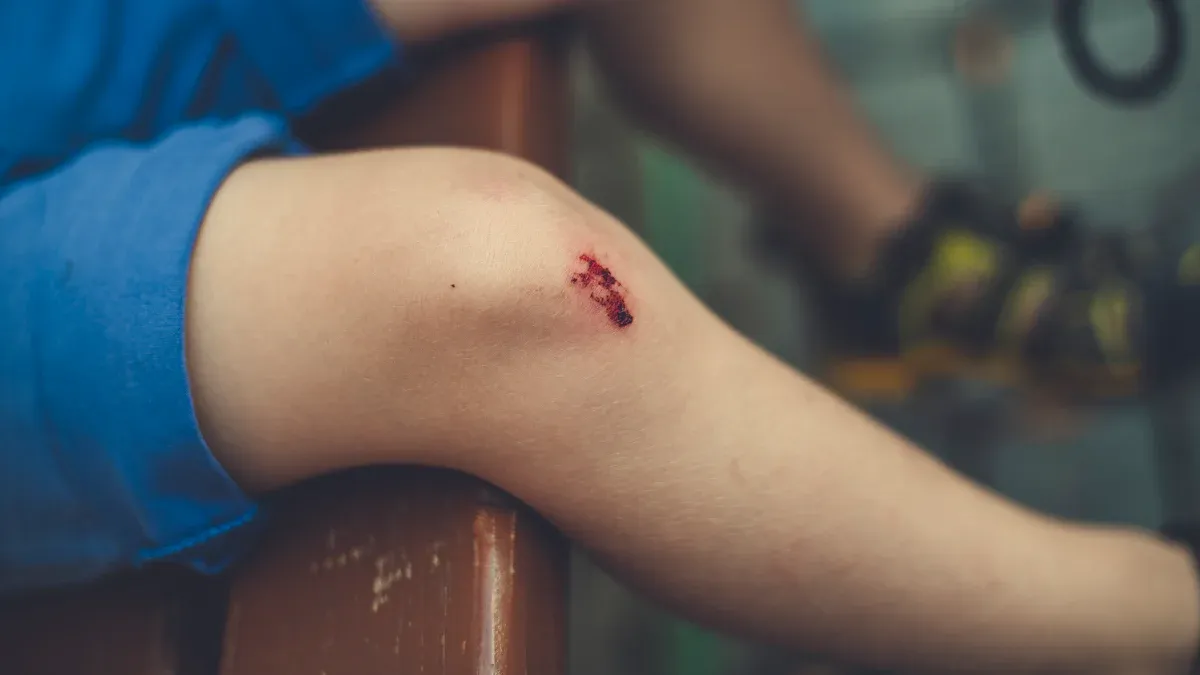
Adhesion and Removal Comparison
When you look at silicone dressings and regular dressings, you see big differences. Silicone dressings use gentle adhesion. They stick to your skin but not to the wound. This makes taking them off easy and less painful. Regular dressings like gauze use strong adhesives. These can pull your skin and hurt when you remove them.
|
Feature |
Silicone Dressings |
Traditional Dressings |
|---|---|---|
|
Adhesion Strength |
Sticks well but comes off easily |
Sticks hard and can hurt |
|
Ease of Removal |
Comes off without hurting your skin |
Can hurt your skin when removed |
|
Suitability for Sensitive Skin |
Good for sensitive and chronic wounds |
May bother sensitive skin |
Silicone dressings are easier to take off. The sticky part does not dry out. It stays soft, so it does not stick too much to the wound. Studies show silicone dressings do not pull off skin as much. You feel less pain when you change them.
-
Silicone adhesives stay soft and bend easily.
-
You do not feel strong pulling or tearing.
-
Silicone dressing keeps new skin safe.
One study found silicone dressings lower pain at donor sites. You heal faster and feel better.
Suitability for Sensitive and Fragile Skin
If your skin is sensitive or fragile, silicone dressings protect it better. Regular dressings can make your skin red or cause blisters. They might even make new wounds. Silicone dressings are good for people with wounds that heal slowly or delicate skin. You get less irritation and fewer problems.
|
Study |
Findings |
|---|---|
|
Santamaria et al. (2015) |
Silicone dressings lowered pressure injuries in ICU patients. |
|
Chaiken et al. (2012) |
Pressure ulcers dropped from 13.6% to 1.8% with silicone dressings. |
|
Walsh et al. (2012) |
Hospital pressure injuries dropped from 12.5% to 7% after using silicone dressings. |
You see fewer pressure injuries and less skin harm with silicone dressings. Soft silicone dressings cause fewer problems than hydropolymer dressings. You avoid extra skin growth and irritation. Silicone dressings help you heal faster and keep your skin safe.
Note: If you want less pain and better healing, pick a silicone dressing. You protect your sensitive skin and make changing dressings easier.
Applications of Silicone Wound Dressings
Wound Types and Patient Groups
Silicone dressings work for many kinds of wounds. They help lower pain and keep your skin safe. These dressings are good for people with sensitive or weak skin. The table below shows which wounds and people benefit most:
|
Common Wound Types |
Patient Groups Benefiting |
|---|---|
|
Skin tears |
Young children and the elderly |
|
Skin abrasions |
Patients with fragile skin |
|
Surgical wounds |
Patients experiencing pain during changes |
|
Pressure sores |
Patients needing protection for periwound skin |
You might have a wound from surgery or a skin tear. Pressure sores can also happen, especially if you are older or have diabetes. Your skin may need extra care. Silicone dressings give gentle support and help your skin heal.
Tip: Foam dressings and silicone mesh dressings protect wounds and control fluids. They do this without hurting your skin.
SLK Medical Product Highlights
SLK Medical has many silicone dressings for different needs. You can pick the best one for your wound and skin.
-
The Alexer® Silicone Foam Dressing with Border is good for after surgery. It keeps wounds moist and makes changing less painful. Studies show pain drops from 5.75 to 0.73 after using it. Only 3% of people get blisters, which is much lower than with other dressings.
-
The Silicone Post-Op Dressing – Border Flex protects surgical wounds. It has a waterproof layer, so you can shower safely. The film lets your skin breathe and stay healthy. SAF absorption technology controls fluids and helps healing.
-
The Alexer® Silicone Foam Ag Dressing with Border is best if you need more protection from germs. It uses silver ions to fight infection and helps wounds heal faster.
-
The Silicone Wound Contact Layer is great for skin tears and scrapes. It sticks gently, so you feel less pain when you change it.
SLK Medical’s D-Pore™ technology lets air in and keeps the right moisture. This helps wounds heal and protects sensitive skin. You get gentle sticking, less irritation, and more comfort.
Note: SLK Medical silicone dressings help all ages, from kids to older adults, heal better.
You want to take good care of sensitive skin. Silicone wound dressings stick softly and do not cause much irritation. They are easy to take off and do not hurt. People of all ages, like an 82-year-old with weak skin and a young mom after surgery, felt better and more comfortable. SLK Medical’s dressings use D-Pore™ technology. This helps wounds heal and lets your skin breathe.
|
Feature |
Benefit |
|---|---|
|
D-Pore™ Dual-Dimensional Pore |
Better at soaking up fluid and letting air in |
|
Foaming Technology |
Helps lower pressure and control fluid |
Doctors and nurses say silicone dressings are safe and flexible. They also keep water out, so you can shower. For the best care, ask your doctor what is right for your wound.
FAQ
How do silicone wound dressings help with sensitive skin?
You get gentle care with silicone dressings. They stick softly and do not pull on your skin. You feel less pain when you remove them. These dressings protect fragile skin and support better outcomes for healing.
Can I use silicone dressings for skin tear management?
Yes, you can use silicone dressings for skin tear management. They create a healing environment for skin tears. You keep the wound moist and safe. This helps your skin recover faster.
How often should I change a silicone dressing?
You should change the dressing every 3 to 7 days. If the dressing gets loose or wet, change it sooner. Always check your wound for signs of infection.
Are silicone dressings waterproof?
You can shower with most silicone dressings. The waterproof layer keeps water out. Your wound stays dry and clean. This helps improve outcomes for wound healing.
Do silicone dressings lower the risk of infection?
You lower your risk of infection with silicone dressings. They keep germs out and let your skin breathe. You get a safe and clean healing space.


