


You want to make the best choices for wound care, whether at home or in a clinic. Picking the right dressing medical supplies can feel confusing, but you can match the product to the wound and keep the patient comfortable. Many types exist, including:
Wound covers
Surgical dressing kits
Wound fillers
Alginate or other fiber gelling dressing
Composite dressing
Expert tips and advanced solutions from SLK Medical can help you feel confident every step of the way.
Key Takeaways
Assess the wound carefully. Look at its size, depth, and fluid level to choose the right dressing. Matching the dressing to the wound’s needs improves healing.
Set clear healing goals. Decide if the wound should stay moist or dry. Moist environments help new skin cells grow faster and support recovery.
Consider patient comfort. Choose dressings that are easy to change and fit well. Comfortable dressings encourage patients to stick with their treatment.
Monitor for infection signs. Use antimicrobial dressings if you see redness, swelling, or pus. Early action can prevent complications and support healing.
Stay informed about new technologies. Advanced dressing medical supplies can improve healing rates and patient comfort, making wound care more effective.
How to Choose
Assess the Wound
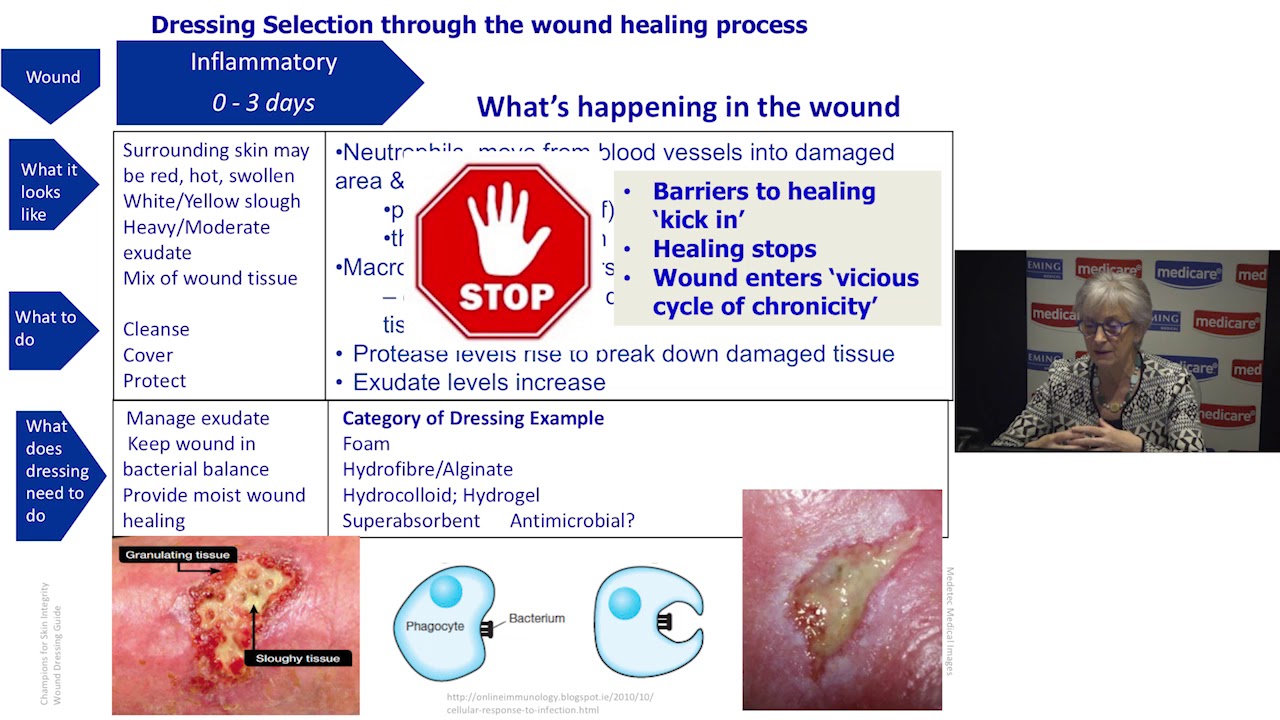
You start by looking closely at the wound. The size, depth, and amount of fluid tell you what kind of dressing medical supplies you need. If the wound leaks a lot, you pick absorbent dressings. Dry wounds need moisture, so hydrogels work best. You check for redness, swelling, or pus. These signs mean infection could be present, and antimicrobial dressings help control bacteria. You also think about how easy it is to change the dressing. Comfortable dressings encourage patients to stick with their treatment.
Tip: Always match the dressing to the wound’s needs. This simple step improves healing and reduces complications.
Match dressing to wound needs:
Absorbent dressings for wounds with lots of fluid
Hydrogels for dry wounds
Consider infection control:
Use antimicrobial dressings if infection signs appear
Evaluate patient comfort:
Choose dressings that are easy and comfortable to change
Healing Goals
You set clear goals for wound healing. Sometimes you want to stop bleeding. Other times you need to control infection or speed up tissue repair. You decide if the wound should stay moist or dry. Moist environments help new skin cells grow and move faster. You also think about how to protect the wound from outside germs and friction. Picking the right dressing medical supplies helps you reach these goals. You keep the wound clean and covered, which supports faster recovery.
Patient Needs
You consider the patient’s age, health, and daily life. Young children and older adults often have sensitive skin. People with diabetes or heart problems heal more slowly. You look at how much the patient moves. Active patients need dressings that stay in place. You also check for allergies to adhesives or materials.
Here is a table that shows how different health conditions affect wound healing:
Comorbidity | Impact on Wound Healing |
|---|---|
Diabetes | Impairs blood flow and immune response, delaying healing |
Cardiovascular Disease | Affects circulation, which is crucial for healing |
Cancer | Treatments like chemotherapy can cause immunosuppression |
Aging | Leads to fragile skin and impaired nutrition |
Renal Conditions | May require dialysis, affecting overall health |
You use this information to choose dressing medical supplies that fit each patient’s unique needs. This careful approach makes wound care more effective and comfortable.
Key Factors
Moisture Level
You need to pay close attention to the moisture level of the wound. Maintaining an optimal moisture balance is crucial for effective wound healing. If the wound stays too wet, the skin around it can break down, which slows recovery. If the wound dries out, new tissue cannot grow well. Modern dressing medical supplies help you create a moist wound environment, which promotes faster healing and reduces infection risks. Clinical trials show that moist dressings improve healing rates compared to dry dressings. You can choose foam dressings for wounds with a lot of fluid or hydrocolloid dressings for wounds that need gentle moisture.
Tip: The right moisture balance reduces the number of dressing changes and keeps patients comfortable.
Infection Risk
You must consider the risk of infection when selecting dressing medical supplies. No single dressing type has proven to be the best for preventing infections, but some advanced dressings show promise. Dressings with ingredients like mupirocin, dialkylcarbamoyl-chloride, or vitamin E-silicone may help lower surgical site infection rates. You should look for signs of redness, swelling, or pus. If you see these, antimicrobial dressings can help control bacteria and support wound care.
Novel dressings may reduce infection rates.
Vitamin E-silicone dressings have shown optimal results in some studies.
Location & Movement
You need to match the dressing to the wound’s location and the patient’s activity level. Wounds on the heel or other bony areas require dressings that avoid bulkiness and fit well. If the patient moves a lot, choose dressings that conform to the body and stay in place. Foam dressings absorb exudate and allow for longer wear times, which benefits active patients. You want the dressing to support healing without causing discomfort or slipping.
Wound Location | Recommended Dressing Type | Reason |
|---|---|---|
Heel | Specialized foam or hydrocolloid | Avoids bulk, fits contours |
Elbow/Knee | Stretchable foam | Moves with the joint |
Abdomen | Non-adherent or bordered foam | Stays secure, easy removal |
Allergies
You must check for allergies before choosing dressing medical supplies. Some dressings contain materials that can cause skin reactions. Hydrocolloid dressings may include ester gum rosins or polyisobutylene derivatives, which have sensitization rates up to 5.1%. Alginates and hydrocellular dressings also show some risk. If the patient has sensitive skin, select hypoallergenic options and monitor for redness or itching. Several case reports mention allergic reactions to carboxymethylcellulose and polyurethane.
Always ask about allergies and watch for signs of contact dermatitis during wound care.
Dressing Medical Supplies Overview
SLK Medical Solutions
You want the best results for wound care. SLK Medical stands out as a leader in advanced dressing medical supplies. Since 2018, SLK Medical has focused on innovation, quality, and patient care. The company uses cutting-edge technology, like D-Pore™ Dual-Dimensional Pore Foaming Technology, to improve fluid absorption and breathability. You benefit from products that meet FDA and ISO 13485 standards. SLK Medical’s mission is to empower you with reliable solutions that make wound healing faster and less painful.
SLK Medical’s slogan says it all: Choose better for your patients.
You find a wide range of dressing medical supplies designed for sensitive skin, chronic wounds, and post-surgical care. Nurses and patients rate SLK Medical dressings highly for comfort and ease of use. Over 90% of patients recommend the silicone foam dressing with border for its gentle adhesion and effective healing.
Product Types
SLK Medical offers several types of dressing medical supplies. Each product fits a specific wound care need. You can see the main use cases and unique advantages below.
Silicone Foam Dressing with Border
You use this dressing for wounds with moderate to heavy exudate, such as pressure ulcers, diabetic foot ulcers, burns, and post-operative wounds. The gentle silicone border protects sensitive skin and keeps the dressing in place. The skin-colored design looks discreet. D-Pore™ technology boosts absorption and breathability.
Key Benefits:
Advanced absorption capabilities
Gentle adhesion that minimizes trauma
Multiple shapes and sizes for different wounds
Clinical Results:
Outcome | Measurement |
|---|---|
Pain score reduction | 5.0 to 0 over 6 weeks |
Wound size decrease | 37.3 cm² to 10.5 cm² |
Infection-free patients | Most patients |
Dressing change frequency | Dropped by 47.1% |
Weekly wound care cost | Fell by 58.7% |
Patient recommendation rate | Over 90% |
You notice fewer dressing changes and lower costs. Most patients stay infection-free. Nurses find this dressing easy to apply and remove.
Silicone Foam Dressing without Border
You choose this dressing for wounds that need extra fixation, like tape or bandages. It works well for managing exudate and retaining moisture. You use it for post-operative wounds, ulcers, and burns. The silicone layer protects sensitive skin and reduces pain during changes.
Absorbs fluid and keeps the wound moist
Requires additional fixation for secure placement
Suitable for wounds with moderate to high exudate
Non Adhesive Foam Dressing
You pick this dressing for fragile or sensitive skin. It does not stick, so you avoid pain during dressing changes. You use it for wounds that need moisture and protection, such as ulcers and burns. The dressing shields both the wound and surrounding skin.
Ideal for patients who react to adhesives
Maintains a moist wound environment
Can be cut to fit difficult areas
Silicone Foam Ag Dressing without Border
You select this dressing when infection risk is high. The foam contains ionic silver, which helps control bacteria. You use it for wounds with moderate to heavy exudate, especially under compression. The silicone layer ensures painless removal and secure placement.
Reduces infection risk with sustained silver release
High breathability and waterproof backing
Suitable for chronic wounds and compression therapy
Super Absorbent Dressing Non Adherent
You need this dressing for wounds with heavy exudate. It works for venous leg ulcers, pressure ulcers, burns, surgical wounds, and donor sites. The super absorbent core holds up to 20 times its weight in fluid. The non-adherent layer prevents trauma during changes.
Wound Type | Benefits of Super Absorbent Dressings |
|---|---|
Venous Leg Ulcers | Manages chronic wounds with persistent exudate. |
Pressure Ulcers | Controls moisture and protects skin. |
Burns | Maintains a moist wound bed for optimal healing. |
Surgical Wounds | Manages drainage post-surgery, supporting healing. |
Donor Sites | Keeps the site clean and comfortable, reducing complications. |
You see fewer dressing changes and better comfort for patients.
Hydrocolloid Dressing
You use hydrocolloid dressings for non-chronic wounds that need gentle moisture. The dressing forms a gel when it absorbs exudate, creating a moist environment for wound healing. You can monitor the wound through the transparent design. The dressing protects exposed nerve endings and relieves pain.
Promotes autolytic debridement
Flexible and thin for easy application
Reduces pain and protects the wound
Transparent Dressing
You choose transparent dressings for wounds or catheter sites that need monitoring. The ultra-thin PU film is waterproof and breathable. The dressing is hypoallergenic and fits sensitive skin. The transparent window lets you check the wound without removing the dressing.
Waterproof and highly elastic
Hypoallergenic adhesive for sensitive skin
Rounded corners prevent curling and improve adhesion
Tip: You can combine different dressing medical supplies for complex wounds. For example, use a foam dressing for absorption and a transparent dressing for monitoring.
You find that SLK Medical dressings cover a wide range of wound care needs. Each product offers unique advantages, such as high absorbency, gentle silicone, waterproof protection, and advanced technology. You can trust these dressing medical supplies to support wound healing and improve patient comfort.
Antimicrobial vs. Regular
When to Use Antimicrobial
You face many choices in wound care, but knowing when to use antimicrobial dressings makes a difference. You reach for antimicrobial dressings when infection risk is high. Chronic wounds, surgical wounds, diabetic ulcers, and hospital-acquired pressure injuries often need extra protection. These wounds struggle to heal because bacteria slow recovery and increase complications. You use antimicrobial dressings to actively reduce infection risk and support healing.
Here are common scenarios where antimicrobial dressings help:
Chronic wounds that do not heal quickly
Surgical wounds with high infection risk
Diabetic ulcers with increased bacterial burden
Pressure injuries in hospitals
You see antimicrobial dressings used for diabetic ulcers, hospital-acquired pressure injuries, and after joint surgeries. Silicone foam dressings and hydrofiber dressings are popular choices for these cases.
Dressing Type | Wound Type | Purpose |
|---|---|---|
Silicone Foams | Diabetic ulcers | Wound closure and reduction |
Gentian violet and methylene blue PVA foams | Diabetic foot ulcers | Increased superficial bacterial burden |
Silicone Foam | Hospital-acquired pressure injuries | Reduce injury incidence |
Hydrofiber dressings | After total hip and knee arthroplasty | Reduce complications |
Pros & Cons
You want to weigh the benefits and drawbacks before choosing antimicrobial dressings. These dressings offer fewer dressing changes, less odor, and a more comfortable healing process. You also get active infection control. However, antimicrobial dressings are not necessary for all wounds. Overuse can disrupt natural skin flora and may lead to antimicrobial resistance.
Advantages of Antimicrobial Dressings | Disadvantages of Antimicrobial Dressings |
|---|---|
Fewer dressing changes | Not necessary for all wounds |
Less odor | Potential for antimicrobial resistance |
More comfortable healing process | Can disrupt natural skin flora |
Actively reduce infection risk |
Tip: You should reserve antimicrobial dressings for wounds with clear signs of infection or high risk.
Regular Dressings
You use regular dressings for wounds that show healing progress. When the wound starts to close and infection risk drops, you switch to standard dressings. Regular dressings maintain moisture and protect the wound without extra antimicrobial agents. You rely on these dressings for most wound dressing needs, especially when wounds heal as expected.
“In wounds that are showing healing progress, clinicians may consider switching to a non-antimicrobial dressing.”
You choose regular dressings for everyday wound care. They support healing and comfort without the risk of disrupting skin balance.
Types of Dressings

Choosing the right types of wound dressings helps you manage wounds more effectively. You see many options, each with unique benefits for wound care. Here is how you can match dressings to different needs.
Foam Dressings
Foam dressings work well for wounds with moderate to heavy fluid. You use them when you need to absorb exudate and keep the wound moist. SLK Medical’s silicone foam dressings, such as the Silicone Foam Dressing with Border, fit these situations. You find them easy to apply and gentle on sensitive skin.
They maintain a moist environment, which speeds up healing.
You can use foam dressings as primary or secondary dressings.
These dressings protect against infection and are simple to use.
Tip: Foam dressings are ideal for pressure ulcers, diabetic foot ulcers, and burns.
Hydrocolloid
Hydrocolloid dressings help you treat wounds that need gentle moisture. You use them for non-chronic wounds, minor burns, and pressure injuries. SLK Medical’s Hydrocolloid Dressing creates a gel when it absorbs fluid, sealing and protecting the wound.
Type of Wound/Condition | Indication for Hydrocolloid Dressing |
|---|---|
Lightly to moderately exuding | Primary or secondary dressing |
Partial- and full-thickness | Dermal ulcers, skin tears, lacerations |
Pressure ulcers | Managing pressure injuries |
Necrotic tissue or slough | Suitable for necrotic wounds |
Hydrocolloid dressings are flexible and thin. You can monitor the wound without removing the dressing.
Super Absorbent
Super absorbent dressings help you manage wounds with heavy exudate. You use them for venous leg ulcers, pressure ulcers, and surgical wounds. SLK Medical’s Super Absorbent Dressing Non Adherent holds up to 20 times its weight in fluid. You see fewer dressing changes and less risk of leakage.
Super absorbent dressings conform to body contours.
They minimize trauma during dressing changes.
You use these dressings for wounds that need strong fluid control.
Note: Super absorbent dressings are best for wounds that produce a lot of fluid.
Transparent
Transparent dressings give you a way to monitor wounds without disturbing the healing process. SLK Medical’s Transparent Dressing is waterproof and breathable. You use it for catheter sites and wounds that need frequent observation.
Transparent dressings let oxygen reach the wound while blocking bacteria and contaminants. You protect the wound from infection and keep moisture balanced. You can check the wound through the clear window, which means fewer painful dressing changes.
Tip: Transparent dressings are perfect for sensitive skin and wounds that need regular monitoring.
You see that these types of wound dressings cover most wound care needs. You can choose foam, hydrocolloid, super absorbent, or transparent dressings based on the wound’s condition and your healing goals.
New Technologies

Evidence & Effectiveness
You see rapid progress in dressing medical supplies over the past five years. New technologies have changed how you manage wounds.
Artificial intelligence and machine learning now help you detect problems early and analyze risks.
Deep-learning algorithms can classify pressure injuries with over 90% accuracy.
Mobile apps allow you to capture wound images and track healing reliably.
Smart bandages monitor signals from the wound and support faster recovery.
Multi-layer dressings improve breathability and moisture retention.
Biomaterial dressings help repair and regenerate tissue.
Clinical studies show that medicated dressings work well for wound management. Researchers design personalized dressings to fit each patient’s needs. Drug-delivery polymer dressings release medicine slowly at the injury site. Synthetic biomaterials in dressings have proven effective in animal studies. One trial found that a new system for turning ICU patients reduced pressure injuries and saved costs compared to usual care.
Cost & Access
You may wonder about the cost of advanced dressing medical supplies. The price per dressing change is higher for new treatments, but you save money in the long run. Faster healing means fewer dressing changes and lower overall costs. Bio-cellulose dressings cost less over time than traditional gauze because you change them less often. Labor costs drop as well. The type of wound, care setting, and patient needs affect access to these products. Chronic wounds cost more to treat than acute wounds, so advanced supplies can make a big difference in total expenses.
Ease of Use
You want dressing medical supplies that are easy to use. Most new products focus on simple application and adaptability. You find that dressings fit many wound shapes and sizes. Nurses and patients say ease of use is the top feature. Products that match existing workflows are more likely to be adopted in clinics.
Here is a table comparing features of new and current dressings:
Feature | NanoSALV | Current State Dressing |
|---|---|---|
Number of Subtasks | Fewer | More |
Ease of Application | High | Moderate |
Patient Independence | Enhanced | Limited |
You see that new dressings help patients care for themselves and reduce the steps needed for wound care.
Practical Tips
When to Consult
You should consult a healthcare professional if you notice any signs of infection, such as redness, pus, or increased pain. If the wound does not improve after several days, you need expert advice. You also seek help when you feel unsure about which dressings to use or how to apply them. Children, older adults, and people with chronic illnesses often need extra support. You ask for guidance when wounds are deep, large, or located in hard-to-reach areas. Quick action helps prevent complications and supports wound healing.
Tip: Never ignore changes in the wound. Early consultation can make a big difference in recovery.
Monitoring Healing
You monitor wound healing by checking the wound every time you change dressings. Look for signs of improvement, such as reduced swelling, less drainage, and new tissue growth. Transparent dressings help you see the wound without removing the cover. The table below shows how some dressings support easy monitoring:
Dressing Type | Key Features |
|---|---|
Opsite Post-Op Dressing | Transparent film allows for easy visual assessment of the wound without removal, minimizing disruption and infection risk. |
3M Tegaderm Transparent Film | Provides a moist environment for healing while allowing continuous monitoring of the wound’s progress, crucial for timely interventions. |
You keep a simple record of changes, such as size, color, and odor. This helps you track progress and spot problems early.
Application & Removal
You follow safe steps when applying and removing dressings. Always wash your hands and use sterile supplies. Make sure the wound dressing fits the wound size and shape. Avoid applying bandages too tightly, as this can slow blood flow. Cover the wound completely to protect against germs. When removing dressings, do it gently to avoid damaging new tissue. Common mistakes include:
Neglecting or delaying dressing changes
Ignoring early signs of infection
Using non-sterile supplies
Applying bandages too tightly or leaving wounds exposed
Running out of supplies
You avoid these mistakes by planning ahead and following instructions from your healthcare provider.
Choosing Dressing Medical Supplies
You make smart choices by considering several factors. Start by cleaning the wound at each dressing change. Check if the wound is partial- or full-thickness and look for tunneling. Match the dressing to the wound type. Measure the amount of drainage and pick the right size. Think about who will change the dressings and how often. The list below shows key decision points:
Cleanse the wound at every change.
Assess wound depth and tunneling.
Match the dressing to wound type.
Evaluate drainage amount.
Choose the correct size.
Identify who pays for supplies.
Decide who will change the dressings.
Set the frequency for dressing changes.
You improve wound care by following these steps and using the right wound dressing for each situation.
You make smart choices in wound care by following simple steps. Assess the wound, set healing goals, and match the wound dressing to patient needs. SLK Medical’s advanced solutions help you achieve better results. The table below shows how these products improve healing and satisfaction.
Outcome Measure | Result / Finding | Notes / Significance |
|---|---|---|
Dressing Change Frequency | Reduced by 47.1% | Less frequent changes needed |
Wound Area Reduction | Reduced by 28.3% | Smaller wounds, faster healing |
Weekly Cost Reduction | Reduced by 58.7% | Lower costs for wound care |
Patient Satisfaction | 90.2% would recommend | Better experience for patients |
Healthcare Professional Satisfaction | 92.2% would recommend | Easier use and better performance |

If you feel unsure, ask a healthcare professional for advice. You have the power to choose the best wound dressing and support healing with confidence.
FAQ
How do you know which dressing medical supplies to choose for a wound?
You look at the wound’s size, depth, and fluid level. You check for infection signs. You match the dressing to the wound’s needs. SLK Medical offers options for sensitive skin, high exudate, and infection risk.
Tip: Always ask your healthcare provider if you feel unsure.
Can you shower with SLK Medical dressings on?
You can shower with most SLK Medical dressings. The waterproof polyurethane film protects the wound. You keep the dressing dry and secure. You check the product instructions for specific guidance.
How often should you change your wound dressing?
You change dressings every 3–7 days or as directed by your healthcare provider. You monitor the wound for excess fluid or signs of infection. You switch dressings sooner if they become wet or loose.
Dressing Type | Typical Change Frequency |
|---|---|
Silicone Foam | 3–7 days |
Hydrocolloid | 3–5 days |
Super Absorbent | 3–7 days |
What should you do if you notice redness or itching under the dressing?
You remove the dressing and check your skin. You may have an allergy or irritation. You switch to a hypoallergenic dressing, such as SLK Medical’s silicone foam. You contact your healthcare provider if symptoms persist.
Are SLK Medical dressings suitable for children and older adults?
You can use SLK Medical dressings for children and older adults. The gentle silicone layer protects fragile skin. You select the right size and shape for comfort. You always follow your healthcare provider’s advice.


