


Choosing the right adhesive wound dressing means you match the dressing to your wound. You need to think about moisture, exudate, infection risk, and where the wound is located. Picking the right dressing helps healing and enhances your comfort. Using the wrong adhesive wound dressing can lead to complications.
About 27% of patients with surgical wounds experienced issues from dressing adhesive.
Serious infections accounted for 8% of these complications.
Individuals with fragile skin faced similar healing challenges.
Examine your wound closely before selecting an adhesive wound dressing. This careful step helps minimize pain and promotes faster healing. The right dressing maintains moisture, prevents infection, and contributes to your overall well-being.
Impact Area | Why It Matters |
|---|---|
Healing Time | Dressings that adhere well keep the wound moist. Frequent removal of dressings can slow healing. |
Infection | Dressings that stick properly reduce infection risk and facilitate quicker wound healing. |
Comfort | Dressings that suit your skin type decrease pain and discomfort. |
You can feel confident using this guide. It provides straightforward steps for improved wound care.
Key Takeaways
Pick the right adhesive wound dressing by looking at your wound type and where it is. This helps your wound heal well and keeps you comfortable.
Check how much exudate comes from your wound. Choose a dressing that fits the fluid amount. This keeps the wound moist and stops infection.
Think about your skin sensitivity and health problems. Use soft silicone dressings if your skin is fragile. This lowers pain and helps your wound heal.
Change dressings when needed, but do not change them too often. Leaving the dressing on longer keeps the area warm and helps it heal faster.
Learn about different dressing types. Each type helps with certain wounds and makes healing better and more comfortable.
Assessing Wounds Before Choosing Dressings
Identify Wound Type and Location
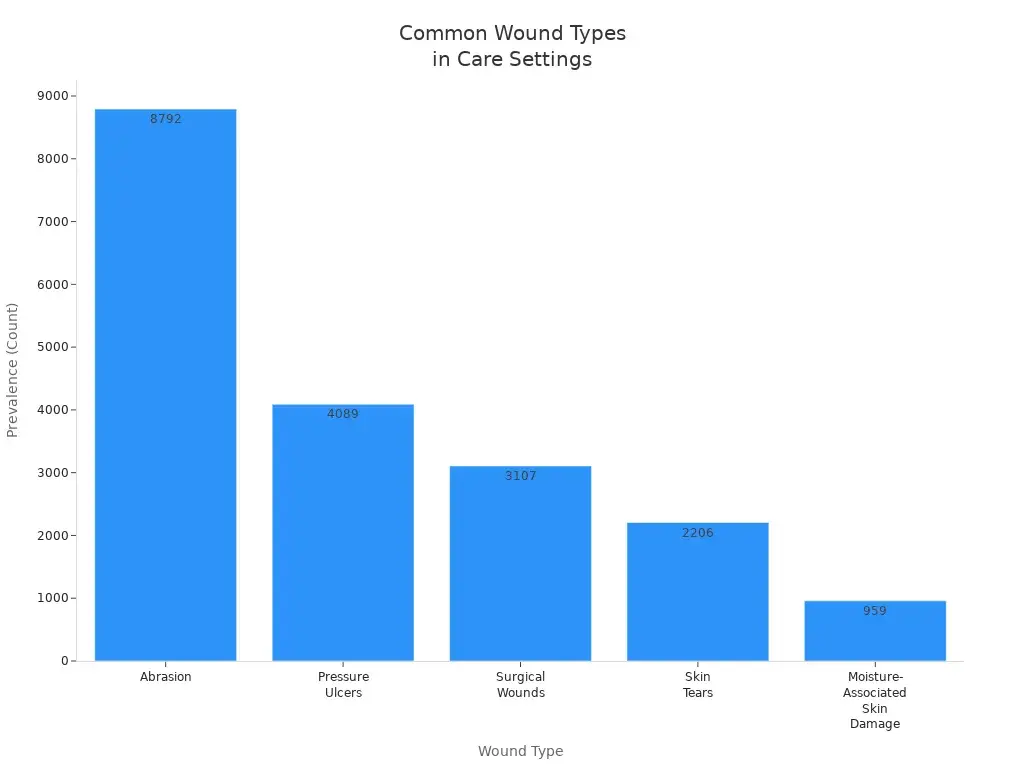
First, look at what kind of wound you have. Some common wounds are abrasions, pressure ulcers, surgical wounds, skin tears, and moisture-associated skin damage. The table below shows how often each wound type happens in clinics and homes:
Wound Type | Prevalence (Count) | Percentage (%) |
|---|---|---|
Abrasion | 8792 | 37.49 |
Pressure Ulcers | 4089 | 17.43 |
Surgical Wounds | 3107 | 13.25 |
Skin Tears | 2206 | 9.41 |
Moisture-Associated Skin Damage | 959 | 4.09 |
Next, check where the wound is on your body. Dressings should fit the spot well. Flexible dressings are good for elbows and knees because these parts bend and move. Flat places like your chest need dressings that stay put and do not move.
Evaluate Exudate and Infection Risk
Now, look at how much fluid comes out of the wound. This fluid is called exudate. The table below can help you figure out what kind of fluid you see:
Type of Exudate | Description | Implication for Wound Healing |
|---|---|---|
Serous exudate | Clear or pale yellow, generally indicates normal healing. | Normal healing process. |
Sanguineous exudate | Contains blood and may appear pink or red, suggesting new tissue formation. | Indicates new tissue formation or minor bleeding. |
Serosanguineous exudate | A mix of serous fluid and blood, common in healthy wounds. | Common in healthy wounds. |
Purulent exudate | Thick, yellow, green, or brown, often has a foul odor, indicating infection. | Indicates potential infection. |
You should also watch for signs of infection. These signs are redness, warmth, swelling, and bad-smelling fluid. If you see these signs, you might need special dressings and extra care.
Consider Patient Needs and Skin Sensitivity
Think about your skin and your health. Older people often have skin that tears easily. People with diabetes or weak immune systems need more protection. Soft silicone dressings can help stop pain and skin tearing for sensitive skin. Experts say you should always check your skin before using adhesive dressings. If your skin is fragile or has tears, silicone adhesives can help you heal faster and feel better.
Tip: Always start wound care by checking your wound carefully. You help your wound heal better when you pick dressings that match your needs.
Key Factors in Adhesive Wound Dressing Selection
Picking the best wound dressing means thinking about a few things. You need to check how much moisture the wound makes. You also need to see if the dressing sticks well. Comfort is important too. You should think about how often you will change the dressing. All these things help your wound heal and help you feel better.
Moisture Balance and Absorption
Your wound should be moist but not too wet. A moist wound helps your body heal faster. It also helps get rid of dead tissue. The table below shows how keeping the right moisture helps wounds heal:
Finding | Conclusion |
|---|---|
AAE helps wounds heal | It keeps wounds moist and helps remove dead tissue |
Clinician satisfaction | Doctors say it helps wounds get better |
Effectiveness | It makes wounds smaller and removes dead tissue |
How much fluid a dressing can hold is important. Polyurethane foam wound dressings soak up more fluid than alginate or hydrocolloid dressings. This helps keep wounds with lots of fluid clean. Always check how much fluid a dressing can hold before you pick one.
Adhesion and Comfort
You want a dressing that sticks but does not hurt when you take it off. Good adhesion keeps the dressing in place. It also protects your wound. Comfort matters, especially if your skin is sensitive. The table below shows how silicone adhesive dressings help people:
Aspect | Details |
|---|---|
Key Findings | No redness or skin damage after taking off; 94% of wounds got better |
Comfort | Most people said it did not hurt and felt good |
Conclusion | Silicone adhesive dressings work well and feel comfortable |
SLK Medical cares about quality and patients. Their dressings use soft silicone adhesives. This protects your skin and makes changing dressings easier.
Frequency of Dressing Changes
How often you change your dressing can change how fast you heal. Changing dressings too much can make the wound cold. This slows down the cells that help you heal. The table below explains why keeping the wound warm is important:
Evidence | Explanation |
|---|---|
Lowering the temperature by 2ºC slows healing | Cold wounds heal slower because cells move slower |
Delay in leukocyte activity | Cells need time to work again after each change |
Pathogen growth | Wounds without dressings can get infected more easily |
Pick a dressing that stays on and keeps the wound moist for a long time. This helps you heal faster and lowers the chance of infection.
When you pick a dressing, think about what your wound needs. Think about your comfort and how often you want to change it. SLK Medical’s dressings help wounds heal and make care easier for you.
Types of Wound Dressings and Their Uses
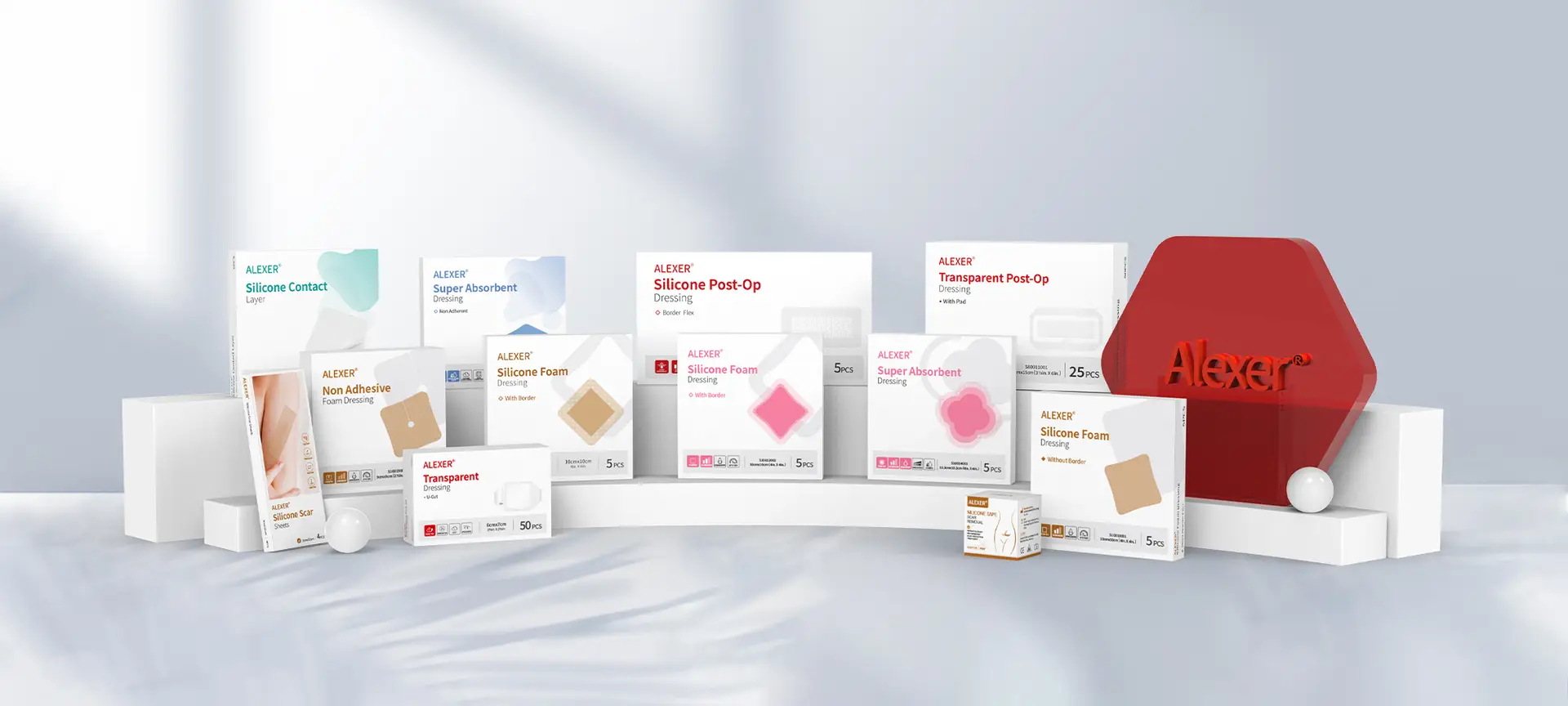
There are many wound dressings you can buy. Each one helps with different wounds. The main types are:
Hydrocolloid dressings
Foam dressings
Film dressings
Alginate dressings
Hydrogel dressings
It is important to know how each dressing works. This helps you pick the best one for your wound.
Super Absorbent Dressings (e.g., SLK Medical Alexer®)
Super absorbent dressings are good for wounds that leak a lot. They have a special core that soaks up lots of fluid. You can use them for leg ulcers, diabetic foot ulcers, pressure ulcers, and surgical wounds that drain a lot.
Super absorbent dressings keep skin around your wound dry. This stops the skin from getting soft and breaking down.
The Alexer® Super Absorbent Dressing Silicone Adherent from SLK Medical uses a soft silicone layer. This layer sticks gently to your skin and does not hurt when you take it off. The dressing can soak up twenty times its weight in fluid. It has a backing that lets air in but keeps your wound safe.
Study Title | Findings |
|---|---|
Superabsorbent wound dressings for the management of highly exuding wounds | SWDs work well for soaking up fluid, stopping skin damage, and helping wounds heal. They hold lots of fluid, stop leaks, and protect skin around the wound. |
Studies show super absorbent dressings lower skin damage risk and help wounds heal faster. You do not need to change them as often. This makes taking care of your wound easier.
Silicone Foam Dressings (e.g., SLK Medical)
Silicone foam dressings are good for wounds with medium or lots of fluid. They have a soft foam layer that soaks up fluid and a silicone layer that sticks gently to your skin. You can use them for pressure ulcers, burns, post-surgical wounds, and skin tears.
The Alexer® Silicone Foam Dressing without Border from SLK Medical keeps your wound moist. It protects your wound from germs and water. The silicone layer makes it easy to take off the dressing without pain.
Feature/Benefit | Description |
|---|---|
Efficacy in Pressure Injury Prevention | Lowers pressure injuries by spreading out pressure and lowering stress on skin. |
Waterproof and Breathable | Keeps water and germs out but lets skin breathe. |
Silicone adhesives do not dry out, so it hurts less when you take off the dressing. | |
Flexibility and Conformability | The dressing fits well on moving body parts like heels and elbows. |
Silicone foam dressings help stop infection and keep your wound moist. You can check your wound without taking off the dressing.
Hydrocolloid Dressings (e.g., SLK Medical)
Hydrocolloid dressings are best for wounds with little or medium fluid. They have particles that turn into gel when they touch wound fluid. The gel keeps your wound moist and helps new skin grow. You can use hydrocolloid dressings for small burns, shallow wounds, and pressure ulcers.
The Hydrocolloid Dressing from SLK Medical is thin and bends easily. It seals the wound, protects nerves, and lowers pain. You can see your wound through the clear dressing without taking it off.
Hydrocolloid dressings help wounds heal by keeping them moist. They also keep out dirt and germs.
Studies show foam dressings may work better than hydrocolloid dressings for pressure ulcers. Foam dressings leaked less and helped wounds get better faster after eight weeks.
Matching Dressings to Common Wound Types
You should match the dressing to your wound for the best results. Here is a simple guide:
Wound Type | Why It Works | |
|---|---|---|
Leg Ulcers | Super Absorbent | Handles lots of fluid, protects skin |
Diabetic Foot Ulcers | Super Absorbent or Silicone Foam | Soaks up fluid, gentle on sensitive skin |
Pressure Ulcers | Silicone Foam or Hydrocolloid | Keeps moisture, lowers pressure |
Burns | Silicone Foam | Soothes, soaks up fluid, does not stick |
Surgical Wounds | Super Absorbent or Silicone Foam | Controls fluid, protects wound |
Minor Abrasions | Hydrocolloid | Keeps wound moist, easy to check |
Skin Tears | Silicone Foam | Gentle, lowers pain, protects weak skin |
Tip: Always check how much fluid your wound makes. Pick a dressing that matches the amount of exudate.
Different wound dressings work best for different wounds. Super absorbent dressings are great for wounds with lots of fluid. Silicone foam dressings help wounds that need gentle care and moisture control. Hydrocolloid dressings are good for shallow wounds that need to stay moist.
When you know about wound dressings and how to use them, you can make better choices for your wound care. This helps you heal faster and feel more comfortable.
Quick Comparison Table for Wound Dressings
Dressing Types vs. Wound Types Chart
It can be tough to pick the right dressing. A chart helps you compare choices. Each dressing works best for certain wounds. You should check how deep the wound is. Look at how much fluid comes out. Think about infection risk.
Here is a simple chart to help you:
Dressing Type | Best For | Absorption Level | Pain on Removal | Infection Control | Notes |
|---|---|---|---|---|---|
Gauze | Superficial wounds, low exudate | Low | High | Low | Can cause re-injury when removed |
Transparent Film | Skin graft donor sites, shallow wounds | Low | Low | Low | Lets you see the wound |
Hydrocolloid | Shallow wounds, light exudate | Moderate | Moderate | Moderate | May trigger inflammation, helps granulation |
Hydrogel | Pressure ulcers, dry wounds | High | Low | Moderate | Keeps wounds moist, soothes pain |
Alginate | Highly exuding, bleeding wounds | Very High | Moderate | High | Good for deep wounds, absorbs well |
Silicone Foam | Pressure ulcers, burns, surgical wounds | High | Very Low | High | Gentle on skin, easy to remove |
Super Absorbent | Leg ulcers, diabetic foot ulcers | Very High | Very Low | High | Holds a lot of fluid, protects skin |
Tip: Pick a dressing that matches your wound’s needs. Alginates are good for wounds that bleed or drain a lot. Silicone foam dressings are gentle for sensitive skin.
Not all dressings work the same way. Gauze can hurt when you take it off. Transparent film lets you see the wound without removing it. Hydrocolloids help new skin grow but may cause swelling. Hydrogels keep wounds moist and help with pain. Alginates are best for wounds with lots of fluid. Silicone foam and super absorbent dressings are comfy and soak up a lot.
Studies show hydrogels work better than hydrocolloids and gauze for pressure ulcers. Alginate dressings are great for wounds with lots of fluid. Their results can change depending on what you use with them. Always think about comfort, healing speed, and how often you change the dressing.
Picking the right dressing helps your wound heal. It also makes your care routine easier.
Application and Removal Tips for Adhesive Dressings
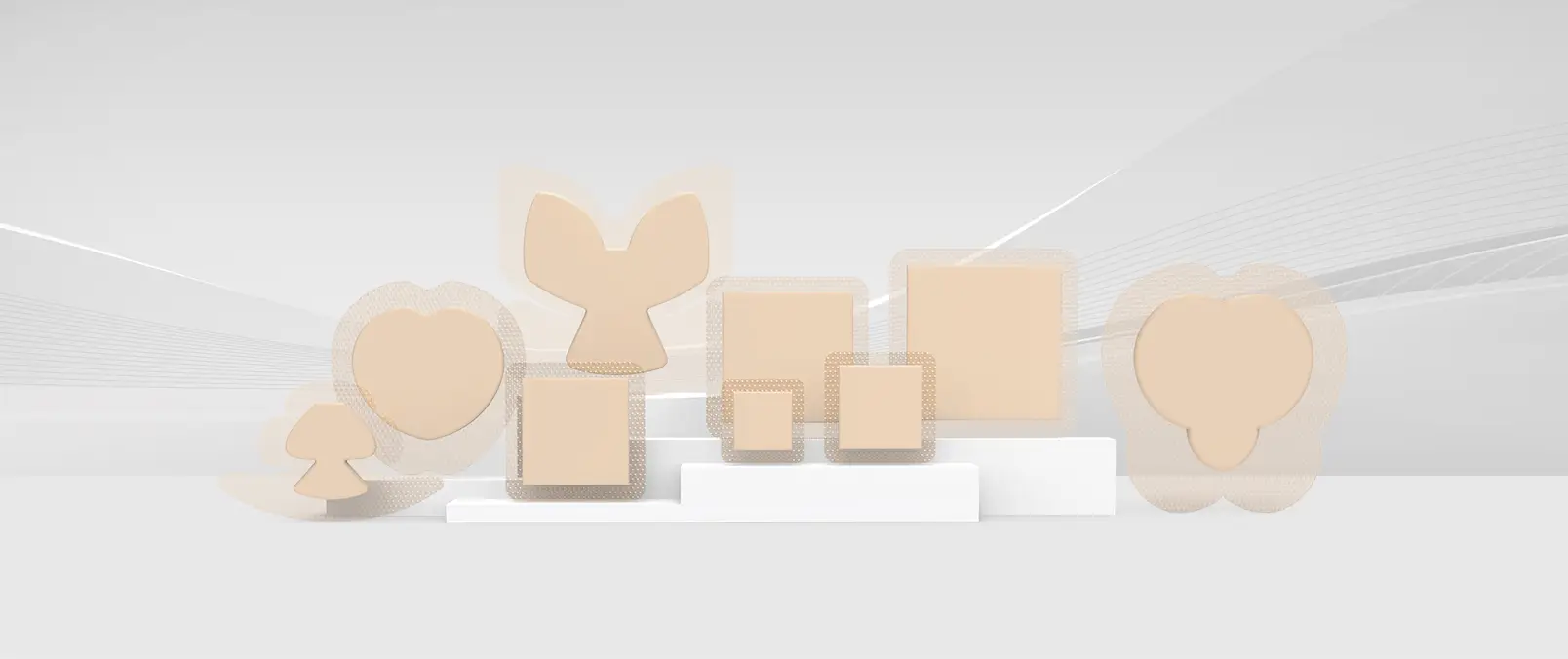
How to Apply Dressings Safely
You need to keep your wound clean and safe. First, wash your hands with soap and water. Clean your wound the way your doctor tells you. Pick a dressing that is a bit bigger than your wound. This helps cover the wound and keeps germs away.
Gently put the dressing on top of your wound. Do not pull or stretch the edges.
Use medical tape to hold the dressing in place. Make sure it is tight enough but not too tight. You do not want to stop blood from flowing.
If the edges do not stick, try tape for sensitive skin.
Check your wound often. Watch for color changes, more fluid, swelling, heat, or pain. These signs mean you may need to change your dressing or call your doctor.
Tip: A moist wound heals faster. Use dressings that keep the wound moist and safe. Check your dressing to make sure it is working right.
Gentle Removal for Sensitive Skin
Taking off adhesive wound dressings can be hard if your skin is sensitive. You want to stop pain and protect your skin. Here are some ways to make it easier:
Go slowly. Start at one corner and peel the dressing back gently.
Hold your skin down with one hand. Use your other hand to lift the dressing.
If your skin is fragile, use something like Adhesive Remover or Medical Adhesive Remover. These help take off the dressing gently and make it hurt less.
If you see a rash or your skin gets red, use hypoallergenic or sensitive skin dressings.
If you do not remove dressings the right way, you can get skin problems. These problems are allergic contact dermatitis, irritant contact dermatitis, tension injuries, blisters, skin tears, and maceration. You can lower your risk by picking good adhesives and removing dressings carefully.
Note: Newborns and older adults can get hurt more easily when dressings are removed. Always check your skin before you take off a dressing.
Putting on dressings the right way and taking them off gently helps your wound heal. You protect your skin and help your wound get better when you follow these steps.
You help your wound heal faster when you choose the right adhesive wound dressing. Good wound assessment lets you match wound dressings to your needs. The right care keeps your wound moist, controls infection, and improves comfort. See the table below for how proper wound care helps:
Outcome | Description |
|---|---|
Infection Control | Early signs of infection get noticed, so you get help quickly. |
Comfort | Picking the best wound dressings makes you feel better while you heal. |
Healing Progress | Careful checks and moist dressings help wounds heal well. |
If your wound does not heal or gets worse, you should talk to a healthcare provider.
You need help if:
Use this guide to pick the best wound dressings and keep your wound moist. SLK Medical offers advanced wound care products to support your healing. You can feel confident that proper wound care will help you recover and stay comfortable.
FAQ
What is the best dressing for wounds with a lot of fluid?
You should use super absorbent dressings for wounds that leak a lot. These dressings soak up fluid and keep the skin dry. They help prevent skin breakdown and make wound care easier.
How often should you change adhesive wound dressings?
You need to change dressings when they get wet or dirty. Most dressings last several days. Always check your wound and follow your healthcare provider’s advice.
Can you use silicone foam dressings on sensitive skin?
You can use silicone foam dressings on sensitive skin. These dressings stick gently and do not hurt when you remove them. They protect fragile skin and lower pain.
How do you know if your wound is infected?
You may see redness, swelling, heat, or pus. Your wound might smell bad or hurt more. If you notice these signs, you should contact your healthcare provider.
What should you do if your wound does not heal?
You should talk to a healthcare provider if your wound does not heal after two weeks. You may need special wound care or a different dressing.


