


You will see that Hydrocolloid Dressing works best for wet wounds that are not long-lasting. Traditional dressings are better for wounds with a lot of bleeding or infection. Healing times are different because Hydrocolloid Dressing keeps the wound wet and safe. This helps the wound heal faster. For example:
-
Studies show that wet dressings help wounds heal faster than dry dressings.
-
In one study, 84% of wounds healed with wet dressings. Only 54% healed with gauze.
The table below shows how healing rates are different:
|
Dressing Type |
Healing Rate by Day 10 |
Average Healing Time |
|---|---|---|
|
Hydrocolloid |
97% |
6 weeks |
|
Traditional Dressing |
75% |
10 weeks |
You can use this information to help you choose the right dressing.
Key Takeaways
-
Hydrocolloid dressings help wounds heal faster. They keep wounds moist. They also make changing dressings less painful.
-
Traditional dressings work well for wounds that bleed a lot. They also help if there is a risk of infection. They protect the wound and soak up blood.
-
Use hydrocolloid dressings for small burns, pressure sores, and cuts from surgery. Traditional dressings are better for sudden injuries and lots of bleeding.
-
Hydrocolloid dressings do not need to be changed often. This makes them easier and more comfortable for people.
-
Always look at your wound and how it is healing. Pick the best dressing to help you heal well.
About Hydrocolloid Dressing

How Hydrocolloid Dressing Works
Hydrocolloid Dressing helps wounds heal in a special way. It has tiny particles that react with the fluid from your wound. When you put it on, it soaks up the fluid and turns into a soft gel. This gel covers the wound and keeps it moist. Moist wounds heal faster than dry ones.
-
Hydrocolloid dressings keep wounds moist to help them heal.
-
They make sure your skin is not too wet or too dry.
-
When the dressing touches wound fluid, it makes a gel that keeps the area moist.
-
The gel helps get rid of dead skin by itself, which is called autolytic debridement.
-
You do not have to change the bandage as often with hydrocolloid dressings.
You might also hear about hydrogel dressing. Both types keep wounds moist. Hydrocolloid dressings make a gel on the wound. Hydrogel dressing starts out as a gel.
SLK Medical’s Hydrocolloid Dressing Features
SLK Medical’s hydrocolloid dressing is made to be comfortable and easy to use. It is thin and bends easily, so you can use it on many body parts. The clear layer lets you see your wound without taking off the dressing. This helps you notice changes early and stay safe.
-
The dressing keeps the wound moist for better healing.
-
It helps your body remove dead skin with autolytic debridement.
-
You can see the wound through the clear part anytime.
-
It bends, so you can use it on elbows, heels, or hard-to-cover places.
-
The dressing covers nerve endings, which can help with pain.
SLK Medical has hydrocolloid dressings in many sizes, even for the sacrum and heel. This means you can find one that fits your wound. Safety is very important, and SLK Medical wants you to feel safe using their products. If you want a dressing that is comfy, protects your wound, and is easy to check, hydrocolloid or hydrogel dressing could be a good pick.
Traditional Wound Dressings
Types of Traditional Dressings
There are many kinds of traditional wound dressings. Doctors and nurses use them in clinics and hospitals. Each dressing has its own job and works best for certain wounds. The table below lists some common dressings, what they do, and when to use them:
|
Dressing Material |
Properties |
Clinical Applications |
Advantages |
Disadvantages |
|---|---|---|---|---|
|
Gauze |
Non-adherent, protective cushion |
Clean/light exuding wounds, skin incisions |
Low cost, shapeable |
Painful to remove if dry |
|
Hydrocolloids |
Low to moderate absorption, adhesive |
Small non-draining ulcers, light exudate wounds |
Flexible, waterproof |
May promote infection in high risk patients |
|
Hydrogels |
Low to moderate absorption, non-adhesive |
Minor burns, painful wounds |
Soothing, conforms to wound |
Difficult to keep in place |
|
Foams |
High absorption, polyurethane/silicone |
Medium-to-high exuding wounds |
Non-adherent, conforms well |
Not for non-exudating wounds |
|
Alginates |
High absorption, forms gel with exudate |
Medium-to-high exuding wounds |
Haemostatic, warm environment |
Rare foreign body reaction |
|
Hydroactive |
High absorption, semipermeable |
Leg ulcers, pressure wounds |
Useful over joints |
Not for dry or lightly exuding wounds |
You might see gauze pads, bandages, foams, and alginates used for wounds. Gauze is easy to shape and fits many places. Foams and alginates are good for wounds that leak a lot.
How Traditional Dressings Work
Traditional dressings cover your wound and help it heal. They keep germs out and soak up fluid. Gauze can absorb extra fluid and block dirt. Foams and alginates hold more fluid and keep the wound moist.
Tip: Pick a dressing that matches your wound. Use gauze for small cuts. Use foams for wounds that leak a lot.
Here are ways traditional dressings help you heal:
-
They keep the wound moist so your skin can fix itself.
-
They soak up fluid so the wound does not get too wet or infected.
-
They protect the wound from germs and harm.
-
They help your body get rid of dead tissue.
You can use traditional dressings for many wounds, big or small. You may need to change them often if the wound leaks a lot. Ask your doctor or nurse if you are not sure which dressing to use.
Key Differences: Hydrocolloid vs. Traditional
Material and Structure
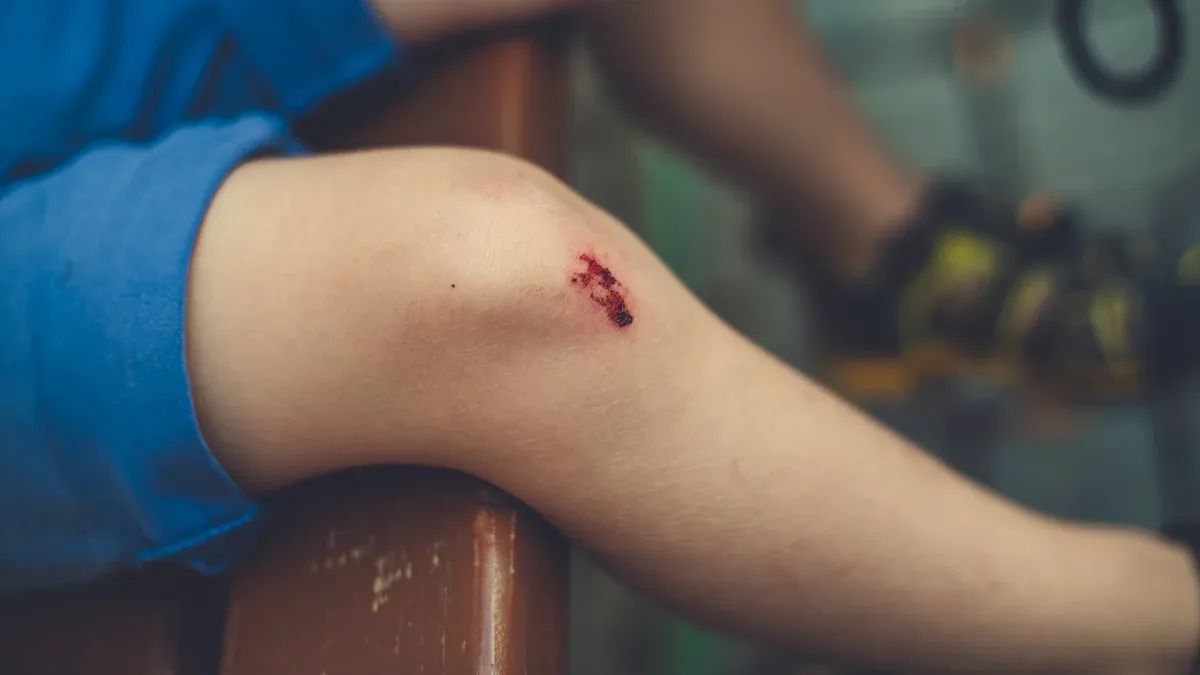
Hydrocolloid dressing and traditional dressings are made from different materials. Hydrocolloid dressing uses a special gel material. This gel reacts with wound fluid. It keeps the wound moist, which helps healing. The dressing has two layers. The outside layer is waterproof. The inside layer soaks up fluid and makes a gel. This design protects the wound and feels comfortable.
Traditional dressings use dry or absorbent materials. Gauze is made from woven or nonwoven fibers. It does not make a gel or keep wounds moist. Bandages can be made from many things. They do not control moisture as well.
Here is a table to help you compare the main features:
|
Feature |
Hydrocolloid Dressings |
Traditional Dressings |
|---|---|---|
|
Material Type |
Gel-forming dressings |
Dry or absorbent materials (e.g., gauze) |
|
Healing Environment |
Promotes a moist healing environment |
Primarily protects and absorbs fluids |
|
Flexibility and Comfort |
Flexible and skin-friendly |
Can stick to the wound, causing discomfort |
|
Dressing Change Frequency |
Minimizes the need for frequent changes |
Requires frequent changing |
|
Ideal Use Cases |
Pressure ulcers, shallow wounds, early-stage bed sores |
General wound protection |
|
Limitations |
Not ideal for infected wounds or excessive exudate |
May not be sufficient for complex wounds |
SLK Medical’s hydrocolloid dressing is thin, flexible, and clear. You can use it on many body parts. It protects the wound and lets you check healing without taking it off.
Application and Removal
Putting on and taking off hydrocolloid dressing is easy. You peel off the backing and place it on the wound. The dressing sticks gently and makes a seal. You do not need to change it often. Most hydrocolloid dressings stay on for 3 to 7 days. This means you disturb the wound less. It helps the wound heal faster and hurts less.
Traditional dressings like gauze need more changes. You may need to change them every day or more if the wound leaks. Taking off gauze can hurt if it sticks to the wound. Bandages may need extra steps to stay in place.
The table below shows how the two types compare:
|
Aspect |
Hydrocolloid Dressings |
Traditional Dressings |
|---|---|---|
|
Comfort |
Higher |
Lower |
|
Convenience |
Greater |
Less |
|
Scar Appearance |
Improved |
Standard |
|
Simplicity of Instructions |
Simpler |
More Complex |
|
Patient Preference |
96.8% preferred HCD |
N/A |
Most people like hydrocolloid dressing because it hurts less and is easier to use. Many patients say hydrocolloid dressings feel better. Studies show these dressings lower pain and make wound care more comfortable.
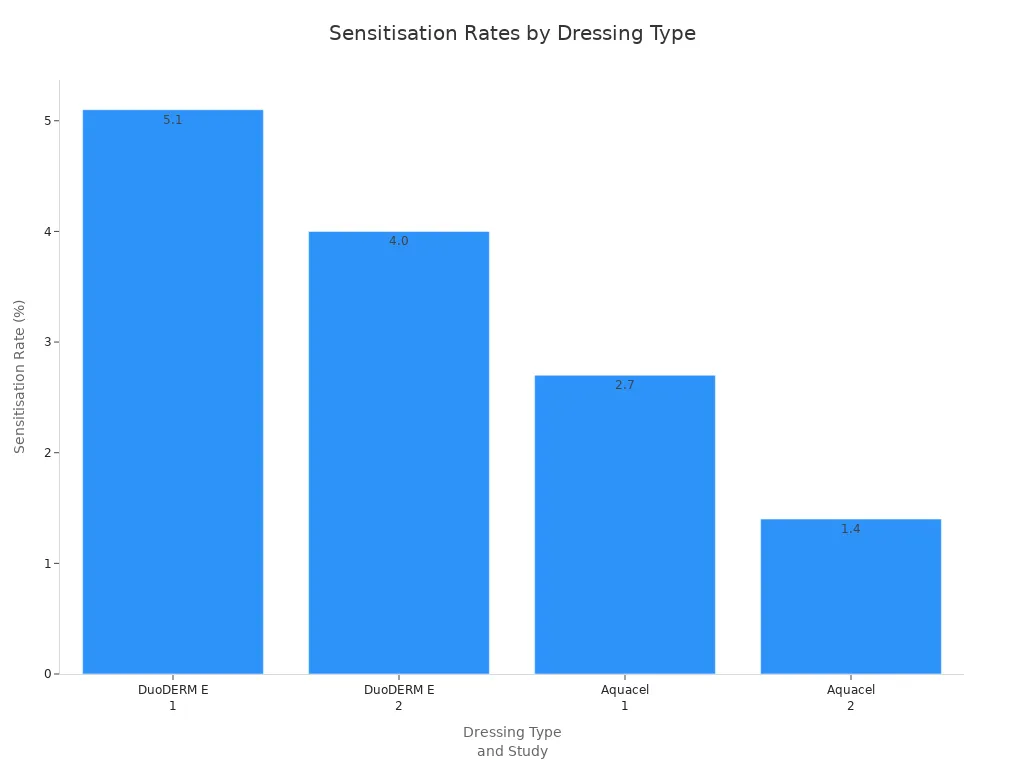
Hydrocolloid dressings rarely cause skin problems. Most people can use them safely.
Cost and Accessibility
Hydrocolloid dressings cost more than traditional dressings. For example:
-
Hydrocolloid dressings cost about $8.33 to $13.77 each.
-
Some brands cost around $10.89 each.
Traditional dressings like gauze are cheaper. You can find them in hospitals, clinics, and stores. They are easy to get and fit most budgets.
Hydrocolloid dressings are now found in more hospitals and stores. About 40% of healthcare places use them for wound care. You can also buy them online. As more hospitals use better wound care, hydrocolloid dressings are easier to find. In some places, high prices and low supply make them harder to get.
Note: If you want better wound care and faster healing, hydrocolloid dressing is a good choice. If you need a cheaper option or live in a place with fewer resources, traditional dressings may be easier to get.
Pick the dressing that fits your needs, budget, and wound type. SLK Medical’s hydrocolloid dressing has special features to protect and help your wound heal.
Pros and Cons of Hydrocolloid Dressing
Advantages of Hydrocolloid Dressing
Hydrocolloid dressing has many good points for wound care. It keeps the wound moist, which helps skin heal faster. You do not need to change it often. This means you feel less pain and more comfort. The clear part lets you look at your wound without taking off the dressing. You can watch your scar get better over time. The dressing covers nerve endings, so you feel less pain. Many people say they like this dressing because it feels soft and does not stick to the wound.
A study found that hydrocolloid dressings helped people feel less pain after surgery. Patients had less discomfort and itching. The moist environment also made scars look better. People were happier with their care when they used this dressing.
Here are the main good points:
-
The wound stays moist for healing.
-
You feel less pain and more comfort.
-
You can see your wound and scar without removing the dressing.
-
You do not need to change it often.
-
People are happier with this dressing.
The dressing bends easily and fits many body parts. You can use it on elbows, heels, or places that are hard to cover. It protects your wound and helps your scar look better.
Best-Use Scenarios
Hydrocolloid dressing is best for wounds that need moisture and protection. It works well for pressure ulcers, surgical cuts, minor burns, scrapes, diabetic foot ulcers, and donor sites. You will see better scars and happier patients with these wounds.
The table below shows where hydrocolloid dressing works best:
|
Wound Type |
Scar Appearance Improvement |
Patient Satisfaction |
|---|---|---|
|
Pressure ulcers |
High |
High |
|
Surgical incisions |
High |
High |
|
Minor burns |
High |
High |
|
Abrasions |
High |
High |
|
Diabetic foot ulcers |
High |
High |
|
Donor sites |
High |
High |
You should use hydrocolloid dressing for wounds that are not infected or bleeding a lot. You will notice better scars and happier patients. The dressing helps you heal faster and feel more comfortable.
Tip: If you want better scars and happier patients, hydrocolloid dressing from SLK Medical is a smart pick.
Pros and Cons of Traditional Dressings
Advantages of Traditional Dressings
Traditional dressings help with many kinds of wounds. They include gauze, bandages, and pads. You can find them in hospitals and clinics. They cost less than new dressings. You can buy them at most stores.
These dressings are good for wounds that bleed a lot. Gauze soaks up blood and keeps wounds clean. Nonadhesive gauze does not stick to your skin. You can take it off without pain. Doctors use these dressings for cuts and scrapes. They also use them for surgical wounds.
You can use traditional dressings for quick care. They keep dirt and germs away from the wound. You can change them often to keep wounds fresh. Many people pick these dressings because they are easy to use.
Traditional dressings help you feel safe and comfortable after surgery. They keep wounds covered and clean for better healing.
Here are some benefits of traditional dressings:
-
Low cost and easy to get
-
Good for wounds that bleed a lot
-
Simple to put on and take off
-
Useful for sudden injuries
-
Work for many types of wounds
Best-Use Scenarios
Use traditional dressings when you need fast wound care. They work best for new cuts, scrapes, and bleeding wounds. Doctors use them for surgery and injuries. You can also use them for burns and skin tears.
The table below shows when to use each dressing:
|
Wound Type |
Traditional Dressings |
Hydrocolloid Dressings |
|---|---|---|
|
Heavy bleeding |
✅ |
❌ |
|
Acute trauma |
✅ |
❌ |
|
Surgical incision |
✅ |
✅ |
|
Minor burns |
✅ |
✅ |
|
Dry wounds |
✅ |
❌ |
|
Moist wounds |
❌ |
✅ |
You can see traditional dressings are best for bleeding or injury. Hydrocolloid dressings are better for moist wounds that need protection.
Tip: Pick a traditional dressing for a new cut or bleeding wound. If your wound is moist and not bleeding, hydrocolloid dressing may help you heal faster.
Choosing the Right Dressing
Wound Types and Healing Stages
You should pick a dressing that matches your wound and how it heals. Some wounds leak lots of fluid. Others stay dry. Hydrocolloid dressings are best for wounds that need to stay moist and safe. Traditional dressings help wounds that bleed or need to be changed often.
Here is a table to help you choose:
|
Dressing Type |
Characteristics |
Suitability for Wound Types |
|---|---|---|
|
Hydrocolloid |
Great at soaking up fluid |
Good for wounds with lots of fluid |
|
Traditional |
Cheap and easy to make, but not good at keeping moisture |
Works for most wounds, but not for wet wounds |
If your wound is wet and not infected, you can use SLK Medical’s hydrocolloid dressing. It keeps the wound moist, soaks up fluid, and helps your skin heal faster. You can use traditional dressings for wounds that bleed or need to be changed quickly.
Tip: Look at your wound before you pick a dressing. If you see lots of fluid, hydrocolloid dressings may help. If you see blood, use a traditional dressing.
Patient Needs and Lifestyle
Your daily life can change which dressing is best for you. You may want a dressing that fits your routine and feels good. Think about these things:
-
You might have allergies or sensitive skin. Pick a dressing that does not bother your skin.
-
Your beliefs or lifestyle may affect your choice. Some dressings use animal parts or special materials.
-
You may want to change your dressing less often. Hydrocolloid dressings from SLK Medical stay on longer and need fewer changes.
If you want a dressing that is easy, comfy, and lets you check your wound, hydrocolloid dressings are a good choice. If you need a quick fix or have a busy life, traditional dressings may be better.
Note: SLK Medical’s hydrocolloid dressing gives comfort, bends easily, and protects wounds that are not long-lasting. You can pick what works best for you or your patients.
Hydrocolloid dressings keep wounds moist. They help wounds heal faster. You can look at your skin without taking off the dressing. Traditional dressings are good for bleeding wounds. They also help with sudden injuries. The table shows how they are different:
|
Aspect |
Hydrocolloid |
Traditional |
|---|---|---|
|
Healing Speed |
Faster |
Slower |
|
Pain Level |
Less Pain |
More Pain |
|
Change Frequency |
Less Often |
More Often |
Pick a dressing that matches your wound. Think about what works for your daily life. If you are not sure, ask a nurse or doctor. You can choose the best dressing for healing and comfort.
FAQ
How do you know which dressing to choose?
You should look at your wound. If it is moist and not bleeding, hydrocolloid dressing works well. If it bleeds or looks infected, pick a traditional dressing. Ask your doctor if you feel unsure.
Can you shower with a hydrocolloid dressing?
Yes, you can shower with it. The waterproof layer keeps water out. You do not need to remove the dressing when you bathe.
How often should you change hydrocolloid dressings?
You usually change hydrocolloid dressings every 3 to 7 days. Check your wound often. If the dressing leaks or lifts, replace it sooner.
Is hydrocolloid dressing safe for sensitive skin?
Hydrocolloid dressings from SLK Medical are gentle. You can use them on sensitive skin. The flexible material helps prevent irritation and pain.


