


If you’re evaluating a self adherent soft silicone foam dressing for routine use, the definition isn’t the hard part. The hard part is consistent bedside decision-making:
Is bordered silicone foam the right category for this wound and this patient?
How do we apply it so it seals and stays on?
What change triggers do we use—so we’re not changing too early (waste) or too late (leakage/maceration)?
This clinician guide is intentionally conservative. Follow your facility protocol and the specific dressing’s instructions for use (IFU).
Key takeaways
“Soft silicone” generally refers to a tacky silicone contact layer designed for gentle adhesion to intact skin and more atraumatic removal; DermNet’s overview explains the basic behavior and positioning of silicone dressings (see DermNet: silicone dressings (2023)).
“Self-adherent” usually means a bordered dressing that can stay in place without extra tape—so seal/security becomes a first-class evaluation criterion.
Compare products using in-use performance (fluid handling, leakage control, skin interaction, wear time), not one lab metric.
What “self-adherent” and “soft silicone” mean (in practical terms)
Soft silicone is used to describe silicone-based adhesive systems that are tacky and designed to be gentler on removal than more aggressive adhesives. In practice, that can matter for patients with fragile skin or repeated dressing changes.
Self-adherent means the dressing is designed to stay in place primarily using its own border, without relying on a separate retention tape as the main fixation.
Pro Tip: “Self-adherent” should not mean “sticks everywhere.” The goal is reliable adhesion to intact peri-wound skin while the absorbent core manages exudate.
Soft silicone foam dressing indications (when it’s a good fit)
Foam dressings are commonly used when the clinical job is exudate control. A Wounds UK best-practice guide notes that foam dressings are indicated when exudate control is needed (see Wounds UK: choosing the most appropriate dressing—foams (PDF)).
For pressure injury–related pathways, it can be helpful to align local practice with internationally recognized guidance such as the NPIAP/EPUAP/PPPIA International Guideline (National Pressure Injury Advisory Panel and partners), while still following your facility protocol and the product IFU.
A self-adherent/bordered silicone foam dressing is often considered when you need a combination of:
Moderate to heavier exudate handling
Secure placement over movement or anatomical curves
Peri-wound skin protection and comfortable wear
Common clinical scenarios include (protocol-dependent): pressure injuries with exudate, venous leg ulcers (often under compression when appropriate), diabetic foot ulcers (with appropriate offloading), post-op sites with exudate, and other superficial to partial-thickness wounds where absorption plus protection is needed.
Foam dressing contraindications: when it’s not the right choice
Foam is not a universal solution. Foam dressings are often described as not ideal for dry wounds and may be inappropriate for dry eschar, some full-thickness burns, and some deep tunneling/sinus wounds (see WoundSource: what is a foam dressing?).
Practical “not a fit” signals:
Minimal/no exudate (risk of sticking/desiccation; wasted absorbency)
Need for very frequent visualization where an adhesive border will interfere
High risk of medical adhesive–related skin injury (MARSI) with repeated border removal
Wound anatomy where a bordered foam cannot contact/manage exudate appropriately
⚠️ Warning: If peri-wound skin is stripping, blistering, or repeatedly irritated, treat fixation as part of the clinical problem and reassess border use.
How to evaluate a self adherent soft silicone foam dressing (a bedside framework)
Don’t over-trust a single lab metric
MVTR/WVTR and absorbency numbers can help compare designs, but they don’t fully predict real wear behavior across products. A peer-reviewed comparison of adhesive foam dressings highlights the complexity of mapping in vitro properties to in-use fluid handling and wear time (see Comparison of in vitro MVTR and fluid-handling of adhesive foam dressings (2013)).
Use an “in-use” evaluation table
What to evaluate | What “good” looks like | Common failure mode |
|---|---|---|
Fluid handling | Absorbs and distributes exudate evenly | Early saturation or pooling |
Retention | Fluid stays locked in under movement | Backflow → peri-wound wetness → maceration |
Seal/security | Border stays flat; minimal edge lift | Edge roll/lift → leakage → early change |
Strike-through | Backing stays intact; no wet-through | Barrier failure |
Skin interaction | Border releases cleanly with gentle technique | Skin stripping/irritation (MARSI) |
Conformability | Maintains contact over curves | Wrinkles/gaps → friction points |
Wear time | Changed when clinically indicated | Frequent unplanned changes |
Application checklist (improves seal and reduces avoidable failures)
This is a conservative, brand-agnostic checklist. Always defer to the IFU.
Cleanse per protocol; then dry peri-wound skin thoroughly.
If you use a barrier film/skin protectant per protocol, apply it and let it dry fully.
Size for function: choose a dressing that provides sufficient overlap onto intact skin for the border to seal.
Apply without stretching: center, then smooth outward. Avoid wrinkles.
Check high-failure zones (sacral/heel curves, inferior edges). If edges repeatedly lift, reassess the dressing choice or fixation approach.
When to change silicone foam dressing (change frequency triggers)
Foam dressings are commonly used within a 1–7 day wear window depending on exudate and clinical factors (see WoundSource’s foam overview). In practice, change frequency should be trigger-based.
Clinical vignette (anonymized)
A 90-year-old patient with a Stage 4 pressure injury at the left hip presented with moderate exudate described as purulent/bloody. Per facility protocol, the team performed debridement and selected a bordered/self-adherent silicone foam dressing to prioritize seal and fluid management while protecting intact peri-wound skin.
The dressing change interval was adjusted over time based on bedside triggers: initially ~every 3 days, then ~4 days, and later up to ~7 days as drainage stabilized and the seal remained reliable. This type of step-down schedule should only be used when infection assessment and local protocols support it, and when the dressing continues to protect peri-wound skin without leakage or maceration.
Change sooner if you see:
Saturation approaching the dressing edge
Strike-through / wet-through
Leakage onto peri-wound skin
Edge lift/roll that compromises seal
Peri-wound maceration or worsening dermatitis
A need to reassess the wound or update the plan of care
Key Takeaway: Longer wear time only helps if the dressing remains secure and peri-wound skin stays protected.
Removal technique (reduce adhesive trauma risk)
Lift an edge slowly.
Pull low-and-flat against the skin rather than straight up.
Support fragile skin with your free hand.
If adherence increases due to dried exudate, follow protocol/IFU for safe loosening rather than forcing removal.
Bordered vs non-bordered foam: a simple decision rule
Choose bordered/self-adherent when you need secure fixation and the peri-wound skin can tolerate a silicone border.
Consider non-bordered/non-adhesive foam when peri-wound skin is very fragile, frequent repositioning is needed, or the border repeatedly causes irritation.
For internal education, SLK Medical has a practical explainer on when to choose non-adhesive foam dressings.
Video: foam dressing basics (public)
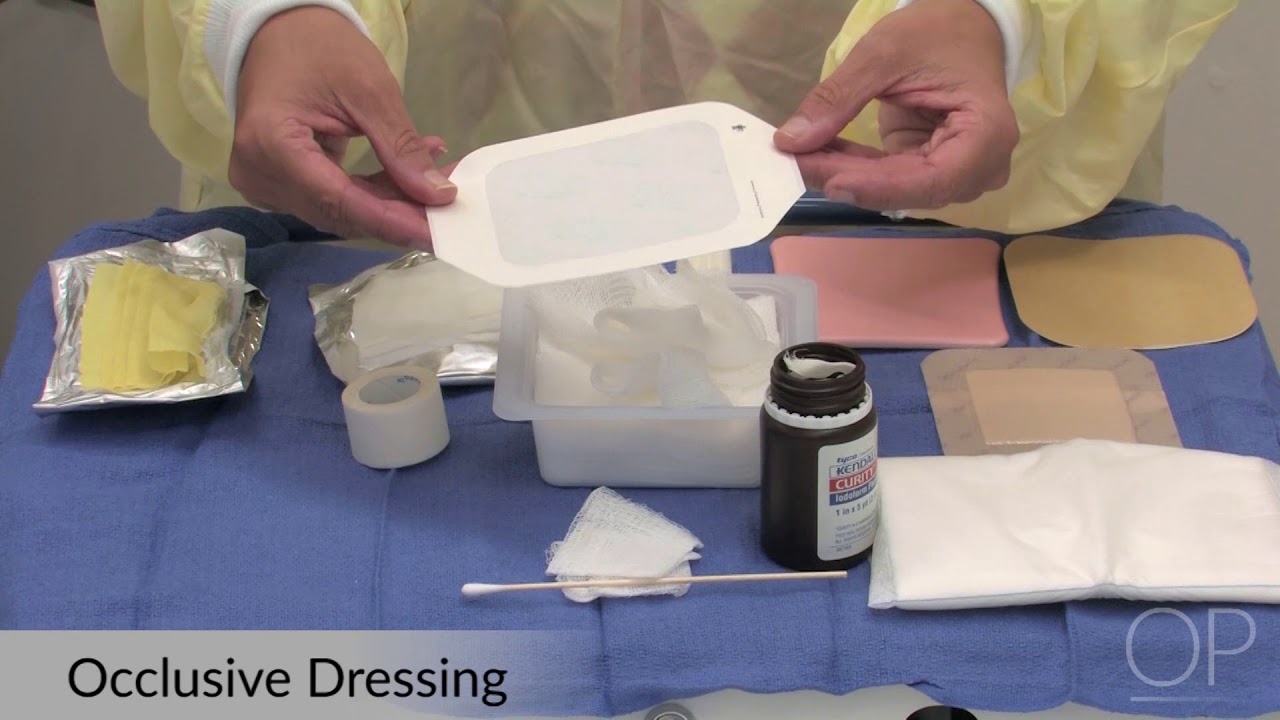
Next steps (documentation-first)
If you’re building an evaluation packet for bordered silicone foam dressings, keep the request list tight:
spec sheet (sizes/shapes, wear guidance)
IFU
materials/biocompatibility documentation
packaging/supply details (MOQ, lead time, shelf life)
sampling plan for a limited clinical evaluation
If you need manufacturer support materials for silicone foam dressing evaluation and onboarding, you can start with SLK Medical’s explainer on what a silicone foam dressing is and request a documentation set and sampling plan via SLK Medical.
FAQ
Is a higher MVTR always better?
Not necessarily. MVTR is one part of moisture balance, but real-world wear time and leakage control depend on multiple design factors. Use MVTR as one input, and validate performance in your setting.
What should I do if the border keeps lifting?
Check technique first (dry skin, avoid stretch, smooth edges). If lifting persists due to location/movement or skin condition, consider a different shape, a different fixation approach, or a non-bordered foam.
Editorial transparency
Published: 2026-06-13
Last reviewed: 2026-06-13
Authorship: SLK Medical clinical education team
Purpose: Professional education to support clinician decision-making; always follow facility protocol and the dressing’s instructions for use.
Conflict of interest / funding: This article references manufacturer educational resources, including SLK Medical pages. No individual author or medical reviewer is named. Readers should interpret any manufacturer resources in the context of local protocols and independent clinical evidence.
This article is for professional education and does not replace clinical judgment, facility protocol, or the manufacturer’s IFU.


