If you manage complex wounds, you’ve probably wondered: when are silver dressings truly justified, and for how long? This best‑practice guide synthesizes guideline positions and recent studies into a practical algorithm you can use at the bedside—focused on clinical indications, wound bioburden signs, safety, and de‑escalation.
Clinically sound silver antimicrobial dressings indications
Silver dressings are not for routine or prophylactic use. They’re considered when clinical signs indicate local infection or excessive bioburden is stalling progress—ideally after wound bed preparation (cleansing and sharp debridement) and with a time‑limited plan.
-
Use NERDS and STONES within the IWII Infection Continuum to structure assessment. Three or more NERDS signs suggest superficial/local infection; STONES features raise concern for deeper/spreading infection. See the International Wound Infection Institute’s guidance in Wound Infection in Clinical Practice (2022) for definitions and thresholds in the IWII consensus document (2022).
-
Typical local bioburden triggers: increased or purulent exudate, malodor, stalled epithelial advance or undermined edges, friable/bleeding granulation, escalating pain, and localized erythema/edema. Wounds International and Wounds UK best‑practice statements (2023) recommend a short, reassessed trial rather than prolonged use; see the Best Practice Statement on silver dressings (2023) and the “How to…Top tips” overview (2023).
-
When not to use: clean granulating wounds without infection signs; closed surgical incisions under an SSI bundle; routine prophylaxis on merely colonized wounds; and prolonged, open‑ended courses.
Why a time limit? Stewardship and safety. The same properties that suppress bacteria can also affect host cells if exposure is excessive or prolonged—so we aim for a focused intervention window.
A practical 10–14 day algorithm for silver use
Use this stepwise flow as a bedside guide. Think of it as a short, purposeful “challenge” rather than a set‑and‑forget order.
-
Confirm clinical need
-
Screen for local infection/high bioburden using NERDS/STONES.
-
If systemic/red‑flag signs are present (spreading cellulitis, fever, lymphangitis, sepsis risk), obtain cultures as indicated and start systemic therapy per guidelines. Silver may still be used locally but is not a substitute for antibiotics. Guidance aligned with the IWII 2022 consensus.
-
-
Prepare the wound (wound hygiene)
-
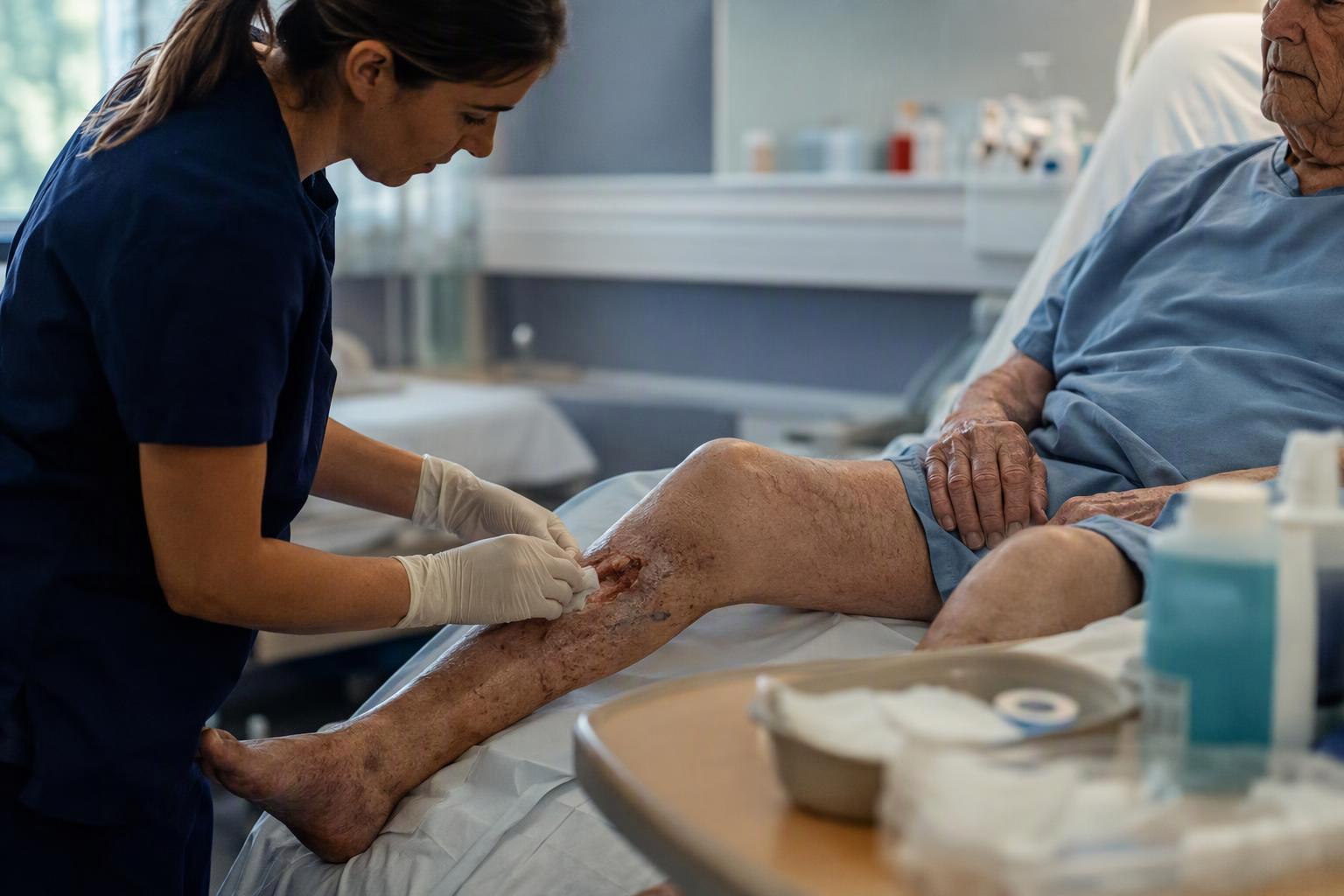
Cleanse, protect periwound skin, and perform sharp/appropriate debridement to disrupt biofilm. Moisture balance and offloading/compression (as applicable) are essential foundations.
-
-
Initiate a time‑limited silver trial
-
Start a modern silver foam or appropriate formulation when superficial/local infection is suspected or bioburden impedes progress.
-
Target duration: 10–14 days with early reassessment. Wounds UK/International (2023) endorse a short, reassessed trial—often described as a “two‑week challenge”—see the 2023 Best Practice Statement and Top tips document (2023).
-
Early review at 48–72 hours is common clinical practice to check trajectory, though not explicitly mandated by these documents; follow local policy.
-
-
Track objective metrics (baseline → early review → day 7 → day 10–14)
-
Area (cm²) and percent change; exudate level; odor (present/absent); erythema/induration extent; pain score (0–10); tissue quality (slough, friability); edge advancement.
-
-
Decide: step down, continue briefly, or escalate
-
Improvement and resolved infection signs: step down to a non‑antimicrobial dressing while maintaining moisture balance and foundational care.
-
No improvement by day 10–14: repeat debridement, consider cultures, reassess offloading/compression, and evaluate systemic therapy or alternative topical strategies (e.g., iodine, DACC) per formulary and the NICE leg ulcer infection guidance (2020 update).
-
Wound‑type notes in brief
Burns and acute traumatic wounds
-
What to consider: partial‑thickness burns with high exudate/bioburden. Avoid prolonged silver sulfadiazine (SSD), which is associated with delayed epithelialization.
-
Evidence snapshot: Multiple trials show SSD is often inferior to modern dressings for healing time and pain (e.g., Aboelnaga 2018 RCT; Júnior 2021 RCT). Some small studies favor modern silver foams over certain alternatives, but samples are limited.
-
Trial guidance: short silver use with frequent reassessment; de‑escalate once clean and progressing.
Surgical incisions (closed)
-
Routine silver on closed incisions lacks consistent high‑quality evidence for SSI prevention in contemporary bundles. Prioritize standard SSI measures; reserve silver for specific clinician‑justified contexts with stewardship.
Diabetic foot ulcers (DFU)
-
Guideline stance: The 2023 IWGDF does not recommend topical antiseptics, including silver, to promote healing; focus on debridement, offloading, moisture balance, and systemic antibiotics for infection—see the IWGDF 2023 wound healing guideline and infection guideline.
-
Evidence nuance: A 2022 meta‑analysis reported improved healing and infection resolution with silver dressings in DFU but noted heterogeneity and quality concerns—see Luo et al., 2022 (PubMed record). A 2021 RCT reported greater wound size reduction with a silver‑releasing foam vs 1% SSD cream over 4 weeks (Wang et al., 2021).
-
Trial guidance: if used, limit to a short adjunctive trial aimed at local infection/bioburden control with strict reassessment and swift de‑escalation.
Venous leg ulcers (VLU)
-
Guideline stance: NICE reviews cite low‑to‑very‑low‑certainty evidence and do not recommend routine silver use due to uncertain benefit and cost—see the NICE evidence review.
-
Trial guidance: consider only when infection signs/bioburden are present; compress, protect skin, and de‑escalate once improved.
Pressure injuries
-
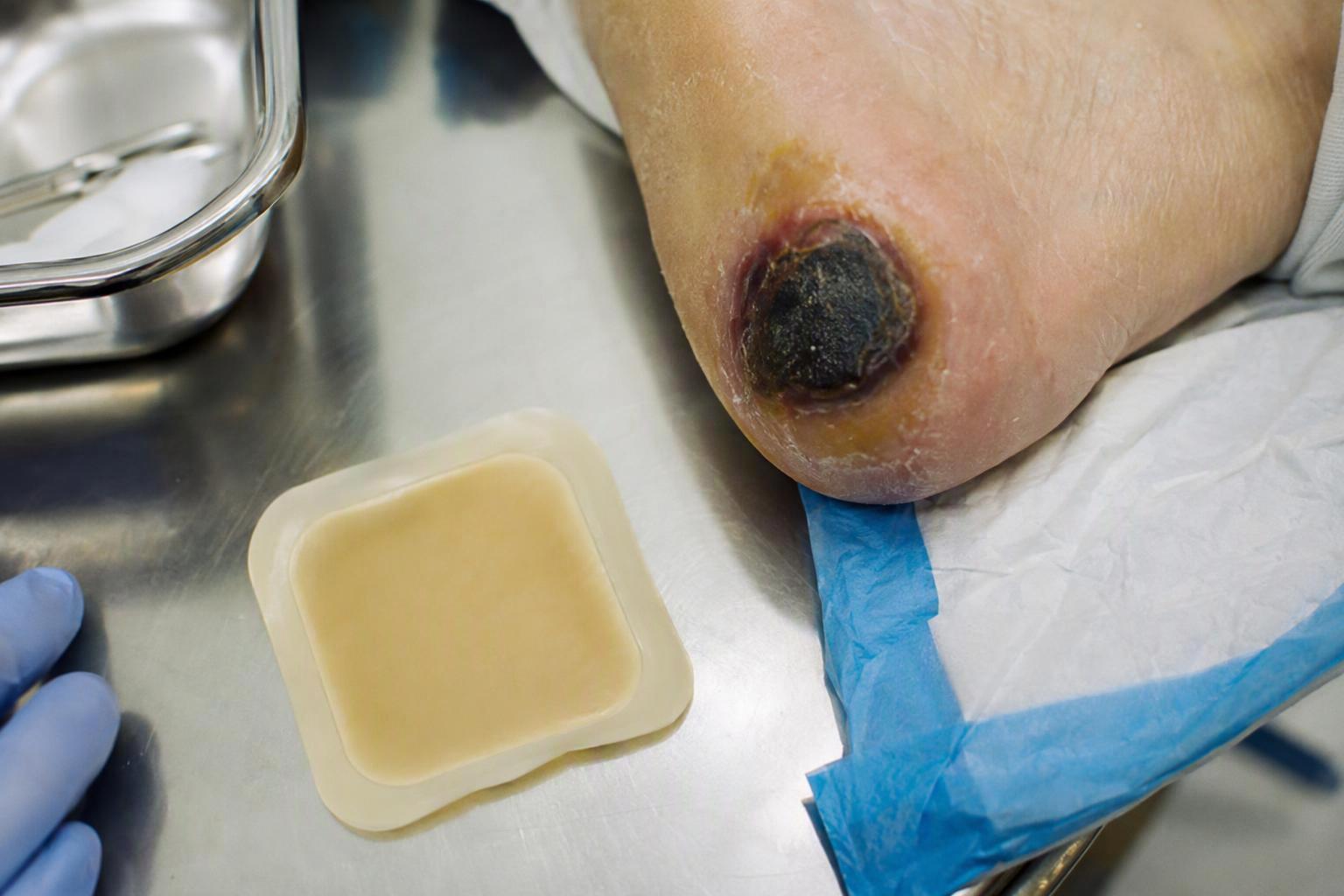
Evidence base remains limited for silver‑specific healing benefits in recent high‑quality trials. Use case‑by‑case with stewardship; prioritize pressure redistribution, moisture, and debridement as indicated.
What the evidence says (concise snapshot)
Below is a pragmatic snapshot of higher‑quality sources to inform practice. It balances guideline positions with selected trials/meta‑analyses.
|
Source (year) |
Design / Population |
Primary endpoint |
Main finding |
Practice takeaway |
|---|---|---|---|---|
|
IWII Wound Infection in Clinical Practice (2022) |
Consensus; all wound types |
Diagnostic/management framework |
Endorses NERDS/STONES; topical antimicrobials as adjuncts to wound hygiene for local infection |
Use silver only with clinical infection/bioburden and as part of debridement-driven care. |
|
Wounds UK/International Best Practice (2023) |
Best practice statements; all wound types |
Appropriate use & duration |
Support a short, reassessed trial (≈ two weeks) rather than prolonged use |
Plan a time‑limited challenge with de‑escalation once improved. |
|
IWGDF (2023) DFU |
Guideline; diabetic foot |
Healing outcomes and infection |
Does not recommend silver to promote healing; manage infected DFU per systemic protocols |
For DFU, avoid routine silver; if used for local infection, keep brief and reassess. |
|
NICE NG152 (2020 update) VLU |
Evidence review; venous leg ulcers |
Healing/infection control |
Low‑certainty evidence; no routine silver due to uncertain benefit/cost |
Consider only when bioburden is high; ensure compression and step‑down. |
|
Luo et al. (2022) DFU |
Meta‑analysis of RCTs |
Healing and infection resolution |
Reported improved healing/infection resolution; heterogeneity cautions |
Signals potential benefit in selected DFU cases; weigh against IWGDF stance. |
|
Wang et al. (2021) DFU |
RCT vs 1% SSD |
Wound size reduction |
Silver‑releasing foam outperformed SSD over 4 weeks |
Prefer modern silver foams over SSD when a silver option is chosen. |
|
Burns RCTs (2018–2021) |
RCTs; partial‑thickness burns |
Healing time, pain, resource use |
SSD often inferior to modern alternatives |
If using silver in burns, avoid SSD; keep duration short. |
Interpretation: Across wound types, guideline bodies converge on short, stewardship‑minded use targeted to clinical infection/bioburden and paired with wound bed preparation. Robust superiority for healing is inconsistent outside selected contexts; hence the emphasis on a defined trial and de‑escalation.
Safety, cytotoxicity, and stewardship
-
Formulation matters: High initial silver release (notably SSD) correlates with keratinocyte/fibroblast toxicity in vitro. Modern sustained‑release foams generally show more favorable biocompatibility profiles in bench testing and clinical series. See the 2020 review on cellular effects (Nešporová et al., 2020) and the clinical perspective in Khansa et al., 2019.
-
Duration limits: Keep to ≈10–14 days unless clear, ongoing local infection persists with objective improvement; otherwise step down.
-
Adverse events: Watch for local irritation or contact dermatitis; SSD has distinct systemic risks and delayed epithelialization and should not be generalized to all modern silver foams.
-
Stewardship: Reserve for clinically justified cases; document objective metrics; avoid prophylaxis; and align with antimicrobial policies from your MDT and formulary.
Practical example: a neutral, time‑limited silver trial in clinic
A patient presents with a 6‑week venous leg ulcer producing heavy exudate, malodor, and friable granulation. After cleansing and sharp debridement, compression is applied. The team documents ≥3 NERDS signs (increased exudate, malodor, friable tissue), consistent with superficial/local infection. To manage bioburden, the clinician selects a modern silver foam dressing for a two‑week challenge, planning an early review and step‑down once signs abate.
One practical option for such a scenario is a silicone contact layer foam with integrated silver, which aims for atraumatic removal and moisture balance under compression. For example, see the product information for the SLK Silicone Foam Ag Dressing with Border and the SLK Silicone Foam Ag Dressing without Border (product information pages). Selection depends on securement needs and whether a bordered or non‑adhesive configuration is preferable under compression therapy. Use remains time‑limited with reassessment and de‑escalation.
Documentation template: 14‑day silver dressing trial
Use this as a quick reference for notes. Adapt to your EHR/clinic forms.
Patient/wound ID: ___________________   Date started silver: ____/____/____
Wound type:  DFU / VLU / Pressure injury / Burn / Surgical / Other: _______

Baseline (Day 0)
- L × W (cm): ______ × ______   Area (cm²): ______
- Exudate: None / Low / Moderate / Heavy
- Odor: Present / Absent
- Periwound erythema/induration (cm): ______
- Pain (0–10): ______  At dressing change: ______
- Tissue: Granulation ____%  Epithelial ____%  Slough ____%  Necrosis ____%
- NERDS: (check all) Nonhealing ☐ Exudate ↑ ☐ Red friable ☐ Debris/slough ☐ Smell ☐
- STONES: (check all) Size ↑ ☐ Temperature ↑ ☐ Os/bone ☐ New breakdown ☐ Exudate ↑ ☐ Erythema/edema ☐
- Debridement performed: Yes / No   Type: ___________
- Offloading/compression: ___________

Early Review (48–72h; per local policy)
- Area change: ______%   Exudate: ______   Odor: ______
- Pain: ______   Erythema/induration: ______ cm   Tissue quality: ___________
- Decision: Continue ☐  Step down ☐  Escalate (culture/systemic/alt topical) ☐

Day 7 Review
- Area change: ______%   Exudate: ______   Odor: ______
- Pain: ______   Erythema/induration: ______ cm   Tissue quality: ___________
- Decision: Continue briefly ☐  Step down ☐  Escalate ☐  Re‑debride ☐

Day 10–14 Review
- Area change: ______%   Exudate: ______   Odor: ______
- Pain: ______   Erythema/induration: ______ cm   Tissue quality: ___________
- Outcome: Resolved local infection ☐  Partial response ☐  No response ☐
- Final decision: Step down to non‑antimicrobial ☐  Alternative topical ☐  Systemic therapy ☐

Notes/MDT plan: __________________________________________________________
References (selected)
-
International Wound Infection Institute. See the NERDS/STONES framework in the IWII Wound Infection in Clinical Practice (2022).
-
Wounds UK/Wounds International best‑practice guidance urging short, reassessed silver trials: Best Practice Statement (2023) and “How to…Top tips” (2023).
-
Diabetic foot guidance: IWGDF 2023 Wound Healing Guideline and IWGDF 2023 Infection Guideline.
-
Venous leg ulcer evidence perspectives: NICE NG152 Evidence Review (2020 update) and the NG152 guideline overview.
-
DFU studies: Luo et al., 2022 meta‑analysis (PubMed); Wang et al., 2021 RCT vs SSD.
-
Cytotoxicity and safety context: Nešporová et al., 2020 review; Khansa et al., 2019 clinical review.
A note for formulary and stewardship teams: Use silver dressings for clinically justified, short trials with documented metrics, and build a de‑escalation habit. For product information, consult your formulary and, when relevant, manufacturer resources such as the SLK product pages above.