


Pressure ulcers (also called pressure injuries) don’t start as “a wound you need a dressing for.” They usually start as a load problem: prolonged pressure, shear, friction, and microclimate (heat/moisture) stressing skin and tissue—most often over bony prominences like the sacrum and heels.
So when people ask for NPIAP indications silicone foam dressing for pressure ulcers, what they’re really asking is:
When do recognized guidelines suggest a silicone foam dressing is appropriate for prevention (and in what situations)?
What has to happen first (offloading/repositioning), and what mistakes can make a dressing plan backfire?
This article summarizes the most relevant points from NPIAP-aligned international guidance in plain English, with special attention to sacral/heel use, offloading, and contraindications.
Clinical note: This is general information, not medical advice. Follow local protocols and clinician judgment.
Key takeaways
The International Guideline associated with NPIAP partnerships suggests using multilayer soft silicone foam dressings on the sacrum and heels for people at high risk—as an adjunct, not a replacement, for repositioning/offloading and support surfaces.
For heels, guidance emphasizes floating the heels (true offloading) first; a preventive dressing may be added as an adjunct when appropriate.
A prophylactic silicone foam dressing plan only works if you can inspect skin daily, replace dressings when soiled/dislodged/moist, and avoid stacking dressings.
Contraindications and misuse risks (dry eschar, third-degree burns, allergy/sensitivity, maceration, skin tears, or infection/ischemia concerns) must be built into protocols.
What “NPIAP indications” means (and what it doesn’t)
Guidelines don’t usually list “indications” the way drug labeling does. Instead, they provide recommendations and good practice statements describing:
which patients (risk level) and anatomical sites (sacrum/heels) may benefit
what the dressing is for (often prevention of pressure injury, not “healing by itself”)
what other measures must be in place (offloading, repositioning, support surfaces)
what monitoring is required (skin checks, change frequency)
In other words: think protocol guidance, not a one-line “use silicone foam for any pressure ulcer.”
What NPIAP-aligned international guidance says about multilayer soft silicone foam
The NPIAP works in partnership on international guidance. In the International Guideline preventive skin care section, the recommendation is intentionally cautious and conditional.
According to the International Guideline “Preventive Skin Care” recommendation SK2, the panel suggests using a multilayered soft silicone foam dressing on the sacrum and heels for individuals assessed as high risk for pressure injuries, where resources permit (a conditional recommendation with very low certainty of evidence).
SK2 also makes the “how” explicit:
Use dressings with other prevention measures (repositioning and appropriate support surfaces)
Assess the skin under the dressing at least daily
Replace if dislodged/loosened/excessively moist/soiled, and per manufacturer instructions
Take care to avoid skin tears/epidermal damage on removal
Avoid stacking multiple dressings under a device
Monitor for adverse effects (local skin irritation)
Those operational details are not optional footnotes—they’re the difference between “preventive dressing” and “occlusive patch that hides a problem.”
Sacral use: when silicone foam is considered—and when it’s not enough
When a sacral foam dressing makes sense (prevention-focused)
A sacral preventive dressing is most commonly considered when a patient:
is high risk and spends long periods supine or semi-recumbent
has frequent micro-movements that create friction/shear at the sacrum
has moisture challenges (e.g., perspiration or incontinence) that raise MASD risk
cannot be turned reliably on schedule due to clinical constraints
NPIAP also publishes practical “prevention points.” For example, the NPIAP Prevention Points include using heel offloading devices or polyurethane foam dressings for high-risk individuals, and using a polyurethane foam dressing on the sacrum in scenarios where movement is limited.
What sacral silicone foam does not replace
A dressing cannot substitute for:
repositioning plans that actually offload tissue
support surfaces that redistribute pressure
microclimate management (keeping skin clean/dry and reducing heat/moisture buildup)
Key Takeaway: For sacral prevention, the dressing is a helper—but the primary intervention is still load management.
Heel use: offloading first, dressing second
Heels behave differently than the sacrum: the tissue envelope is thinner and the loading is more focal. That’s why guideline language puts the emphasis on true offloading.
The International Guideline heel section includes a clear good-practice statement to elevate the heels so they are not in contact with the support surface (“floating heels”). It also suggests a preventive dressing may be used as an adjunct.
In short:
Offload first (float heels; use appropriate offloading devices or pillow positioning).
Consider a preventive dressing as an adjunct—especially when friction/shear and microclimate are hard to control.
If a preventive dressing is used for heels, the guideline suggests selecting a multilayered soft silicone foam.
Source for the above heel recommendations: the International Guideline “Heels” section.
Video: how “floating heels” is typically done
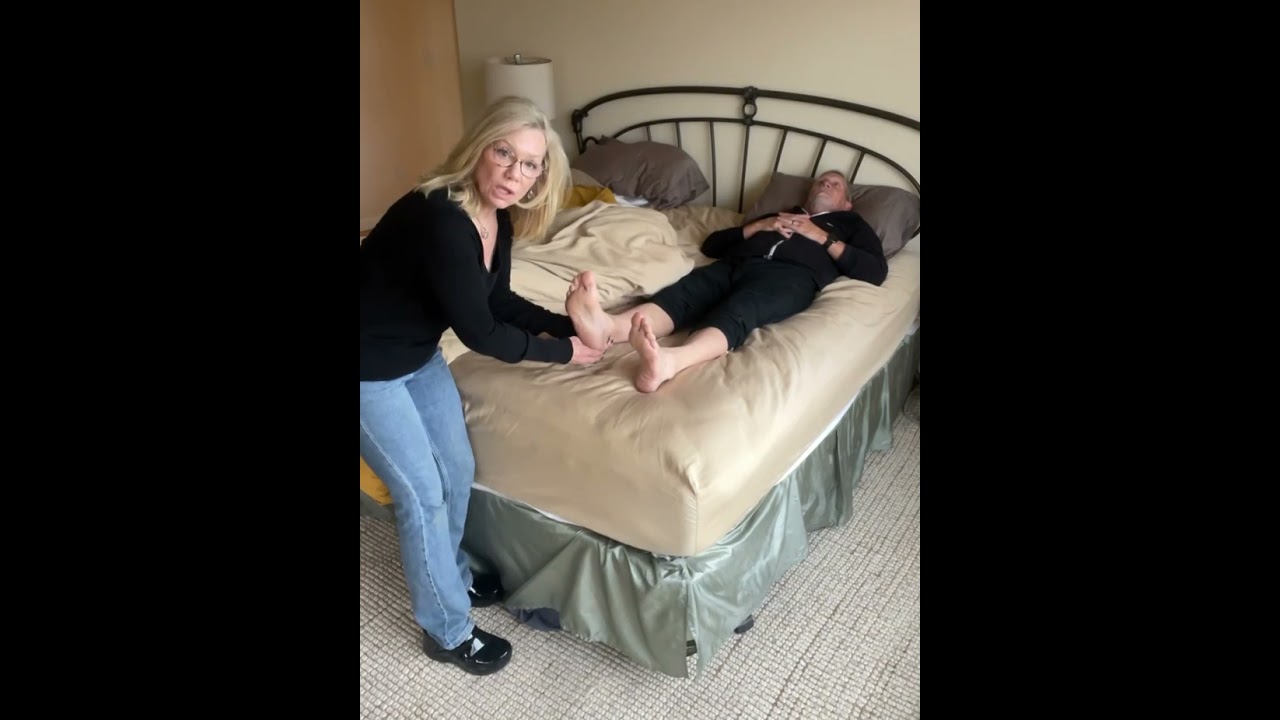
Offloading, repositioning, and microclimate: what silicone foam is actually doing
A pressure injury prevention dressing strategy is usually trying to do three things:
Reduce shear/friction at the skin interface (especially during small movements)
Provide limited cushioning to distribute forces over a slightly larger area
Help manage microclimate by handling moisture and heat at the skin surface
But there’s a trade-off: dressings are also partly occlusive, which can increase hydration and temperature under the dressing—two factors that can increase vulnerability if you don’t monitor.
A peer-reviewed experimental study discusses prophylactic dressings as adjuncts and the microclimate effects (hydration/temperature) under dressings, reinforcing the need for inspection and moisture management (see “Effects of loading and prophylactic dressings…” (2021)).
Pro Tip: If your protocol can’t support daily lift-and-look skin checks, reconsider prophylactic dressing use—because “out of sight” can become “worse before anyone notices.”
Contraindications, misuse risks, and “stop signs”
Common situations where foam dressings are often a poor fit
Foam dressings (including silicone foam) are typically not a good match for:
dry wounds / dry eschar with minimal exudate (risk of over-drying)
third-degree (full-thickness) burns
necrotic tissue requiring different management
deep tunnels/sinus tracts that require packing/other approaches
known allergy/sensitivity to dressing components
For a plain-language overview of these “when to avoid” scenarios, see SLK Medical’s educational guide on foam dressing indications and when to avoid them.
Misuse risks to build into protocols
Even when preventive dressings are appropriate, the biggest failure modes are operational:
dressing becomes soiled, moist, or rolled, but isn’t replaced
staff apply a dressing and unintentionally reduce frequency/quality of turning and offloading
stacking dressings under a device, increasing pressure points
insufficient attention to maceration (white, wrinkled, fragile skin) or adhesive-related skin trauma
Escalation “stop signs”
Escalate to wound/skin reassessment if you see:
worsening discoloration, blistering, or skin breakdown under the dressing
persistent moisture-associated skin damage or maceration
increasing pain, heat, swelling, odor, or drainage (possible infection)
rapidly deteriorating tissue or perfusion concerns
⚠️ Warning: If pressure damage is progressing, don’t solve a load problem with “a stickier dressing.” Re-check offloading, support surface, and turning technique first.
Mixed-brand evaluation grid (neutral) for OEM procurement
Use this grid to compare silicone foam options without naming competitors. It’s designed for value analysis + OEM qualification.
Evaluation area | What to verify | Why it matters in guideline-driven use | Evidence to request |
|---|---|---|---|
Dressing type | Multilayer soft silicone foam (heel/sacrum options) | Matches guideline-preferred preventive dressing type | IFU + product spec sheet |
Intended use labeling | Prevention vs treatment language | Prevents protocol drift and overclaiming | IFU indications/contraindications |
Skin assessment workflow | Can dressing be lifted/resecured? | Guidelines expect daily skin checks | Nursing workflow note + training SOP |
Change criteria | Replace when soiled/dislodged/moist | Avoids maceration/hidden injury | Change protocol + audit fields |
Adhesive interface | Soft silicone contact layer behavior | Reduces skin trauma during removal | Peel test method (if available) + user feedback plan |
Microclimate & moisture | Breathability + absorbency range | Too wet = maceration risk; too dry = poor fit for low exudate | Absorbency data + MVTR (if provided) |
Anatomic fit | Sacrum/heel shapes and edge integrity | Rolling edges reduce protection and can create new pressure points | Fit photos + sizing map |
DRPI compatibility | Under-device guidance (no stacking) | Device-related pressure injury protocols | DRPI protocol alignment statement |
Quality & compliance | ISO 13485, UDI, FDA/CE as applicable | Procurement gates for US/EU markets | Certificates + traceability docs |
Supply reliability | Lead time, MOQ, fill rate | Preventive protocols fail when supply is inconsistent | OTIF history + capacity statement |
FAQ
Are silicone foam dressings “recommended by NPIAP” for pressure ulcers?
NPIAP-aligned international guidance suggests multilayer soft silicone foam dressings may be used on the sacrum and heels for people at high risk, where resources permit, and as an adjunct to other prevention measures.
Do I still need to offload and reposition if I use a sacral or heel dressing?
Yes. Guidance treats dressings as adjuncts. For heels especially, the guidance emphasizes heel elevation/offloading (“floating heels”), with dressings as an optional adjunct.
Can a preventive dressing hide early pressure damage?
It can, if the protocol doesn’t include daily lift-and-look skin checks. That’s why the preventive dressing guidance emphasizes inspecting the skin under dressings.
When should foam dressings be avoided?
They’re generally a poor fit for very dry wounds/dry eschar, full-thickness burns, necrotic tissue, and certain deep tunnels—plus any known component sensitivity. Always follow the IFU and clinical judgment.
Next steps
If you’re building or refreshing a preventive dressing protocol, start by mapping your workflow to the guideline “must-haves”:
high-risk identification criteria
heel offloading plan (who, when, how verified)
daily skin checks under dressings
replace criteria (soiled/dislodged/moist)
documentation fields for compliance audits
If you’d like a single reference doc for your team, share the evaluation grid above with your value analysis group and adapt it into your vendor qualification checklist.
As a neutral example of a manufacturer offering silicone foam dressings in this category, you can review SLK Medical’s silicone foam dressing options and compare them against your grid criteria.


