


You can get both CE MDR and FDA certification for your private label silicone foam dressing. This is important because it proves your private label silicone foam dressing is safe and high quality. SLK Medical is a leader in this area and has lots of experience with private label silicone foam dressing development. You must follow simple rules for your private label silicone foam dressing to sell in the market. SLK Medical offers new ideas and helps your private label silicone foam dressing pass all rules.
Key Takeaways
-
CE MDR and FDA certifications show your silicone foam dressing is safe and works well for patients.
-
Knowing the product classification is very important. It decides the rules you must follow and changes how you meet them.
-
Working with SLK Medical can make your compliance process faster. They help you understand hard rules.
-
Update your technical papers often to follow new rules and keep your product safe.
-
Pick the best dressing for your needs. Silicone foam and hydrocolloid dressings each have special benefits for wound care.
Dual Certification for Private Label Silicone Foam Dressing
CE MDR and FDA Overview
The wound care market is changing. The EU now uses Medical Device Regulation instead of Medical Device Directive. This new rule makes safety and performance more important. The FDA in the US also has stricter rules for wound dressings. You must follow both sets of rules to sell your product in Europe and the US.
Regulatory compliance is more than just a step. It is a big challenge you must overcome to sell your product. You need good paperwork, a quality system, and regular checks. These help your product meet CE and FDA rules. Both the EU and FDA rules focus on keeping patients safe and making sure products work well. You must prove your product meets all rules in both places.
Here is a simple table showing what each certification means:
|
Certification |
What It Means for You |
|---|---|
|
CE MDR |
Shows your product follows European safety and health rules. |
|
ISO 13485 |
Shows your product meets medical device quality standards. |
You must also follow UDI rules in the EU and US. UDI means Unique Device Identification. It helps track your product and keeps patients safe. Both the EU and FDA require UDI for wound dressings. You must keep your paperwork current and follow all UDI rules.
Benefits for Wound Care Brands
Getting both CE MDR and FDA certifications lets you sell in the EU and US. You show doctors and patients your product is safe and works well. This helps people trust your brand.
Meeting CE, MDR, and FDA rules shows you care about safety and performance. You prove your product is safe, works well, and can be trusted. You also show you can handle tough rules in both places.
Working with a company like SLK Medical, which already has CE MDR and FDA certifications, helps you launch faster. You can quickly adjust to new rules and market changes. SLK Medical goes to big events like WHX Dubai 2026. This shows they are leaders in following rules and making good wound care products.
You get a strong advantage when you meet CE, MDR, and FDA rules. You show your product is safe and works well. You also make sure your product is ready for new rules as they change in the EU and US.
Wound Product Classification and Compliance Pathways
Knowing how to classify your wound product is important. It is the first step to follow the rules. The way you classify your dressing decides which rules you must follow. This choice affects your paperwork, testing, and how fast you can sell. If you pick the wrong class, you may have delays or pay more money. You want to get this right from the beginning.
SLK Medical makes many advanced wound care products. These include silicone foam dressings, hydrocolloid dressings, alginate dressings, and others. Each product belongs to a certain regulatory class. For example, silicone foam dressings are usually Class II in the United States. They are Class IIB under MDR in Europe. Knowing the class helps you plan your steps and avoid problems.
FDA Requirements for Wound Dressings
You must follow strict FDA rules to sell wound dressings in the US. The FDA uses a system to classify wound dressings by risk. This system helps you know what kind of paperwork you need.
Here is a table that shows how the FDA classifies wound dressings:
|
Category of Wound Dressing |
Classification Level |
510(k) Clearance Requirement |
Most Recent Decision Date |
|---|---|---|---|
|
Solid wound dressings |
510(k) or PMA |
12.01.2023 |
|
|
Gel, cream, or ointment |
Class II or III |
510(k) or PMA |
10.11.2023 |
|
Liquid wound washes |
Class II or III |
510(k) or PMA |
04.14.1999 |
Most silicone foam dressings, like SLK Medical’s, are Class II. This means you need to send a 510(k) to show your product is safe. It must work like other products already sold. Some products with higher risk, like those with strong antimicrobial agents, may need a PMA. PMA is a more detailed review.
The FDA pathway depends on your product’s risk level:
|
Classification |
Risk Level |
Regulatory Requirement |
|---|---|---|
|
Low |
Exempt from 510(k) |
|
|
Class II |
Moderate |
Requires 510(k) |
|
Class III |
High |
Requires PMA |
You must also look at the type of antimicrobial agent in your dressing. If your product has a high risk of causing antimicrobial resistance, you will need PMA approval. If the risk is lower, you only need 510(k) clearance.
The FDA rules cover many areas. You must show your product is safe for skin and does not cause harm. You must also prove your dressing works as promised. Here are some key requirements you need to meet:
|
Requirement Type |
Description |
|---|---|
|
Show how well your dressing absorbs and protects the wound. |
|
|
Antimicrobial Characterization |
Prove the antimicrobial agent works and is present in the right amount. |
|
Preservative Effectiveness Testing |
Make sure preservatives keep the product safe. |
|
Biocompatibility Evaluation |
Test to confirm the dressing is safe for human use. |
|
Risk Management Assessment |
Check for risks if you use animal or plant materials. |
|
Updated Labeling |
Labels must match the latest rules. |
|
Shelf-life Validation |
Prove your product stays safe and effective over time. |
|
Sterilization Validation |
Show your sterilization process works. |
You must also use the correct product code. For example, HCPCS code A6212 is used for some silicone foam dressings. This helps with insurance and tracking.
CE MDR Classification and Compliance Steps
In Europe, you must follow MDR rules to sell your wound dressing. The MDR system uses classes to show how much risk your product has. Silicone foam dressings are usually Class IIB non-active, non-implantable devices. This means they have moderate to high risk and need a full review by a notified body.
You must prepare a technical file that shows your product meets all MDR requirements. This file includes test results, risk analysis, and clinical data. You must also show your product is safe for patients and works as intended.
Here are the main steps for MDR compliance:
-
Find your product’s class (for silicone foam dressings, this is usually Class IIB).
-
Prepare a technical file with all needed documents.
-
Work with a notified body for review and certification.
-
Set up a quality management system, like ISO 13485.
-
Register your product and follow UDI rules for tracking.
-
Keep your documents up to date and check your product after it is sold.
SLK Medical’s silicone foam dressings, hydrocolloid dressings, and other advanced wound care products follow these steps. This makes sure you meet all rules and can sell your product in Europe.
Tip: Always check the latest MDR updates. Rules can change, and you want your compliance to stay current.
By knowing both FDA and MDR pathways, you can plan your steps. This helps you avoid delays and reach more patients with your wound care products.
Technical Documentation for Compliance
FDA Submission Essentials
You need to make a medical device technical file before sending your wound dressing to the FDA. This file has safety and performance details. It also has labeling requirements and medical device labeling. You must prove your product follows the rules. The medical device technical file needs test results, clinical data, and risk management information. You must add labeling requirements that show how to use the dressing. Medical device labeling should be clear and simple. You must give unique device identification for tracking. The FDA wants your medical device technical file to have all safety and performance details. You must show your wound dressing is safe for patients and works as it should. You must update your medical device technical file if you change your product or labeling requirements.
CE MDR Technical File Preparation
You need to make a medical device technical file for CE MDR compliance. This file helps you get ce marking authorization for your wound dressing. You must include general safety and performance requirements, safety and performance details, and medical device labeling. You must follow labeling requirements for Europe. Your medical device technical file must have:
-
Device description and intended use
-
Design and manufacturing details
-
Risk management information
-
Clinical evaluation data
-
General safety and performance requirements
-
Quality management system documentation
-
Raw material information
-
Labeling requirements and medical device labeling
-
Sterilization and packaging details
-
Post-market surveillance plan
You must keep your medical device technical file up to date. You must update it if you change your wound dressing or labeling requirements.
SLK Medical’s Quality Standards
SLK Medical follows strict rules for wound care products. You get products that meet CE MDR and ISO 13485 requirements. The company uses quality management system documentation to make sure everything is right. You get medical device technical file help, safety and performance details, and medical device labeling guidance. SLK Medical helps you meet labeling requirements and regulatory needs. You can trust SLK Medical to help you get compliance for your wound dressing.
|
Certification |
Importance |
|---|---|
|
CE MDR |
Makes sure you follow European medical device rules. |
|
ISO 13485 |
Sets up a system for quality management in medical devices. |
Tip: Keep your medical device technical file updated. You must check safety and performance details and labeling requirements often.
SLK Medical Advanced Wound Care Solutions
SLK Medical gives you a full range of advanced wound care products. You can choose from many options that fit your needs. Each product meets strict international standards. SLK Medical holds CE MDR and ISO 13485 certifications. These show you get safe and high-quality products.
|
Certification |
Description |
|---|---|
|
CE MDR |
Compliance with the latest European Medical Device Regulation |
|
ISO 13485 |
International standard for quality management systems in medical devices |
Silicone Foam Ag Dressing – with Border
You can use this dressing for wounds that need extra care. Studies show silicone foam dressings help reduce pressure ulcers and pain. Silver in the dressing fights germs and helps wounds heal faster. Patients with venous leg ulcers saw less odor and leakage after four weeks. You also get better comfort and fewer dressing changes.
-
Less pain during use
-
Fewer infections
-
Faster healing
Silicone Foam Ag Dressing – without Border
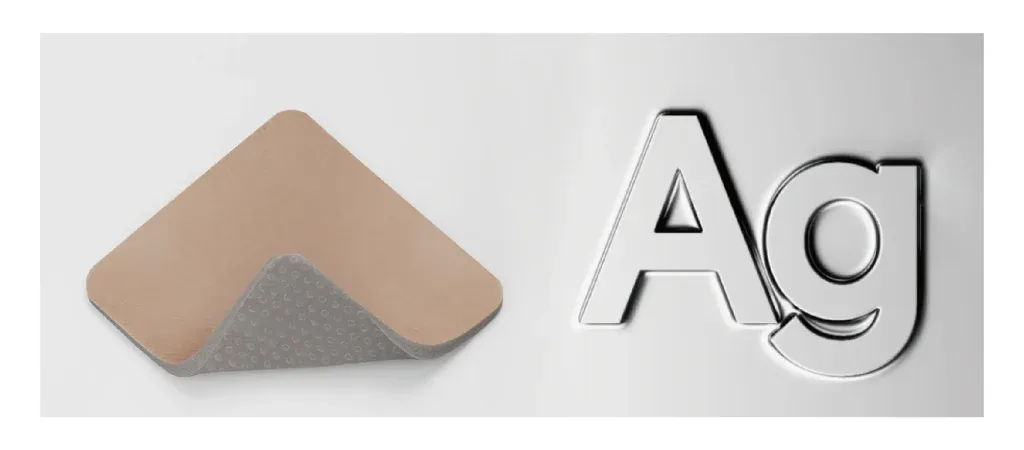
This dressing gives you strong absorption and gentle removal. It works well for wounds with a lot of fluid. The silicone layer protects your skin and keeps the dressing in place. You can use it for sensitive or fragile skin.
Silicone Post-Op Dressing – Border Flex
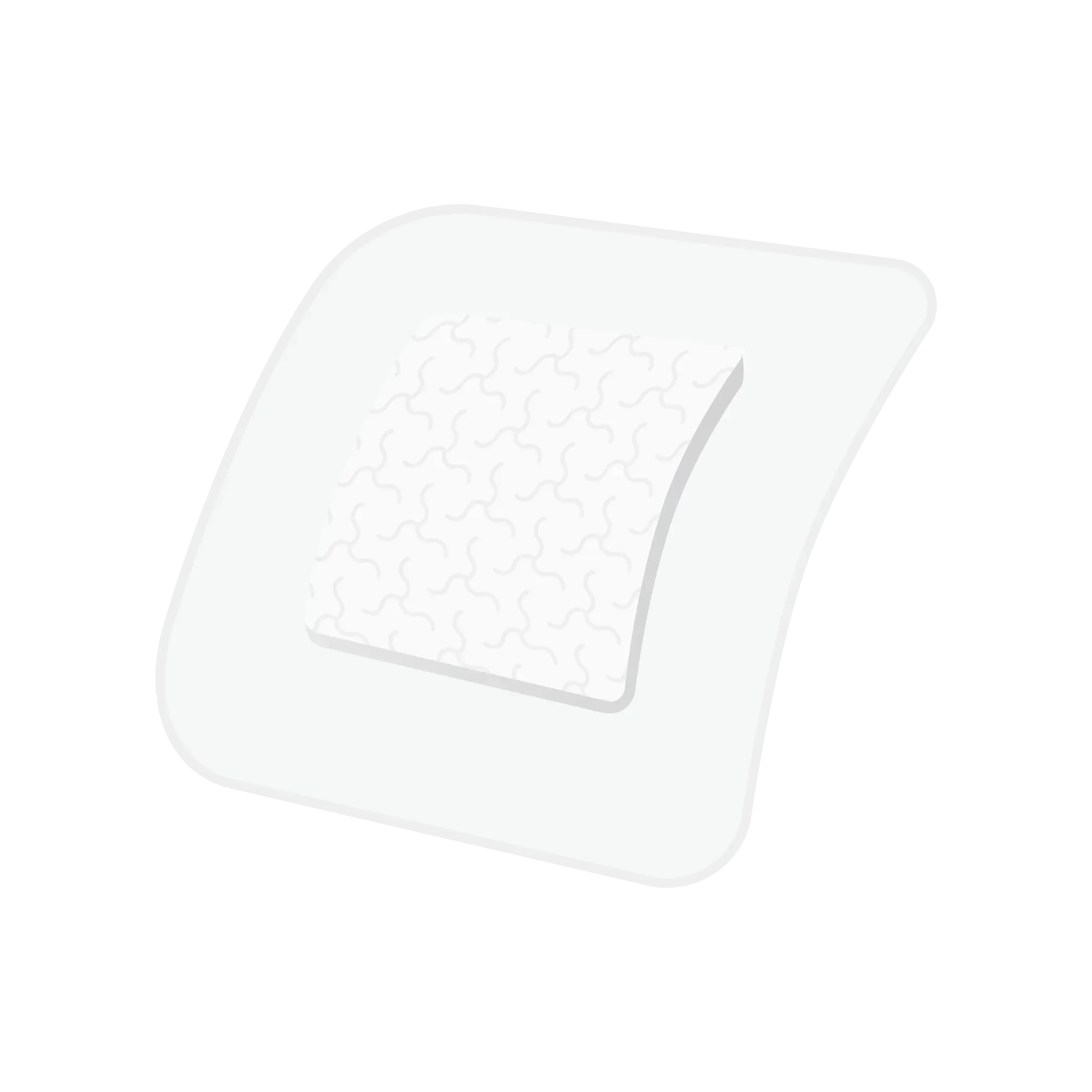
You get a waterproof film that blocks bacteria and dirt. The SAF absorption layer keeps wounds dry. The breathable design supports healthy skin. Studies show pain scores drop when you use this dressing. You feel less pain during removal and see less blistering.
|
Feature |
How It Helps You |
|---|---|
|
Waterproof film |
Blocks bacteria and dirt |
|
SAF absorption |
Keeps wound dry and clean |
|
Breathable design |
Supports healthy skin |
Silicone Wound Contact Layer

This layer does not stick to wounds. It lets fluid pass through while protecting your skin. You can change the top dressing without hurting the wound. The product meets CE MDR and FDA test methods for absorption and moisture control.
Hydrocolloid Dressing
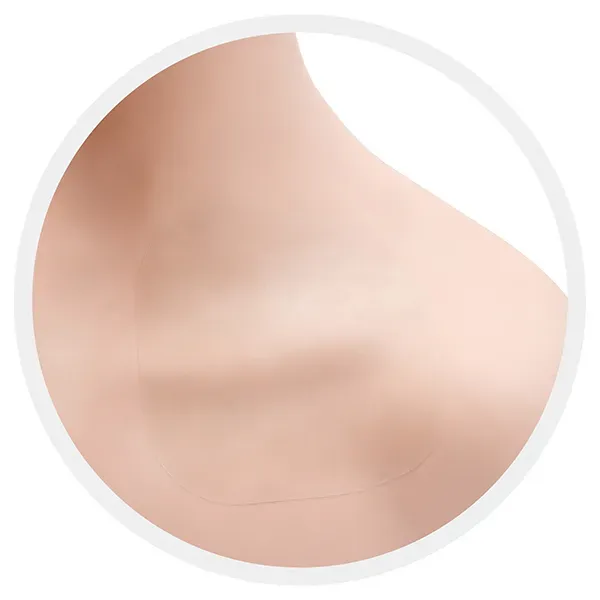
You get a moist environment that helps wounds heal. Studies show hydrocolloid dressings reduce pain and speed up healing. Over 80% of patients say these dressings feel comfortable and let them do daily activities.
Alginate Wound Dressing
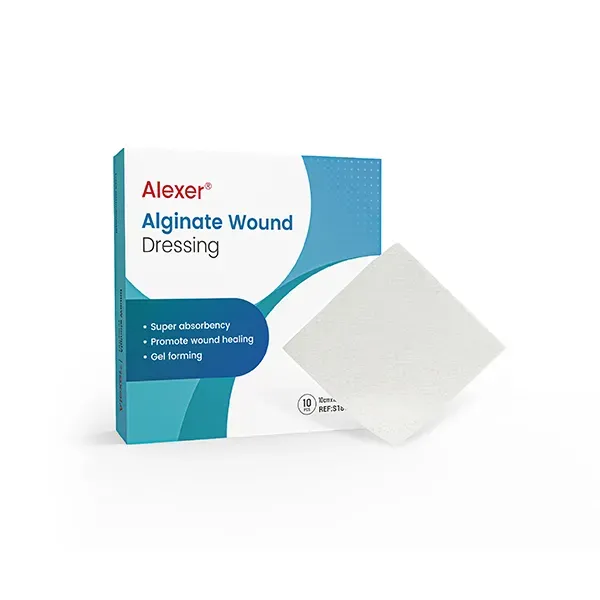
This dressing absorbs a lot of fluid and helps stop bleeding. You can use it for deep or draining wounds. In Europe and the US, you follow clear steps for approval, like 510(k) clearance or PMA.
Gelling Fiber Dressing
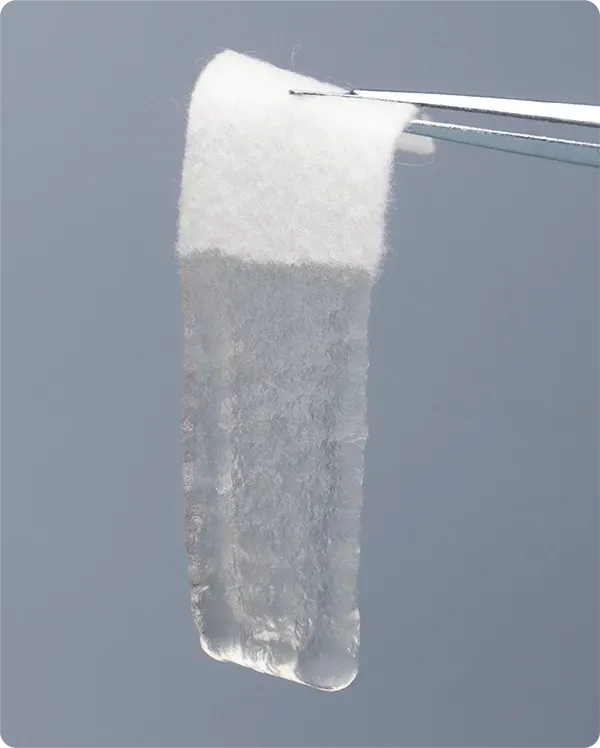
You get strong absorption and less pain. Clinical data shows these dressings reduce wound size and pain. They keep wound edges healthy and help wounds heal faster.
Transparent Dressing
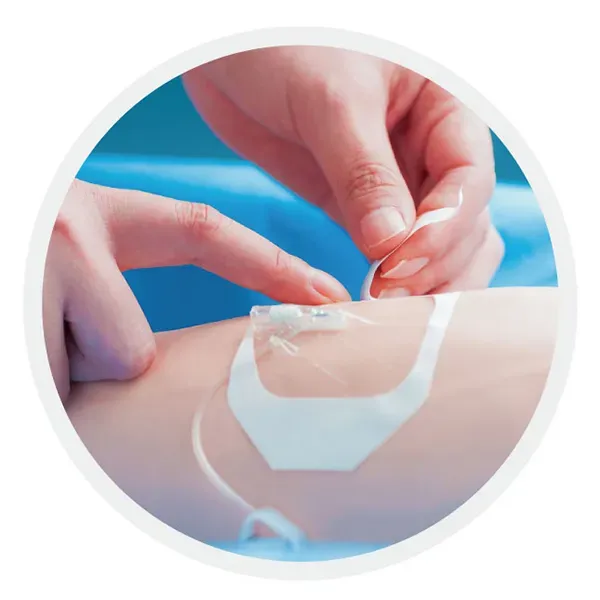
This dressing lets you see the wound without removing it. It is waterproof and breathable. You get ISO 13485, CE, and FDA compliance for safety and quality.
Transparent Dressing with Pad
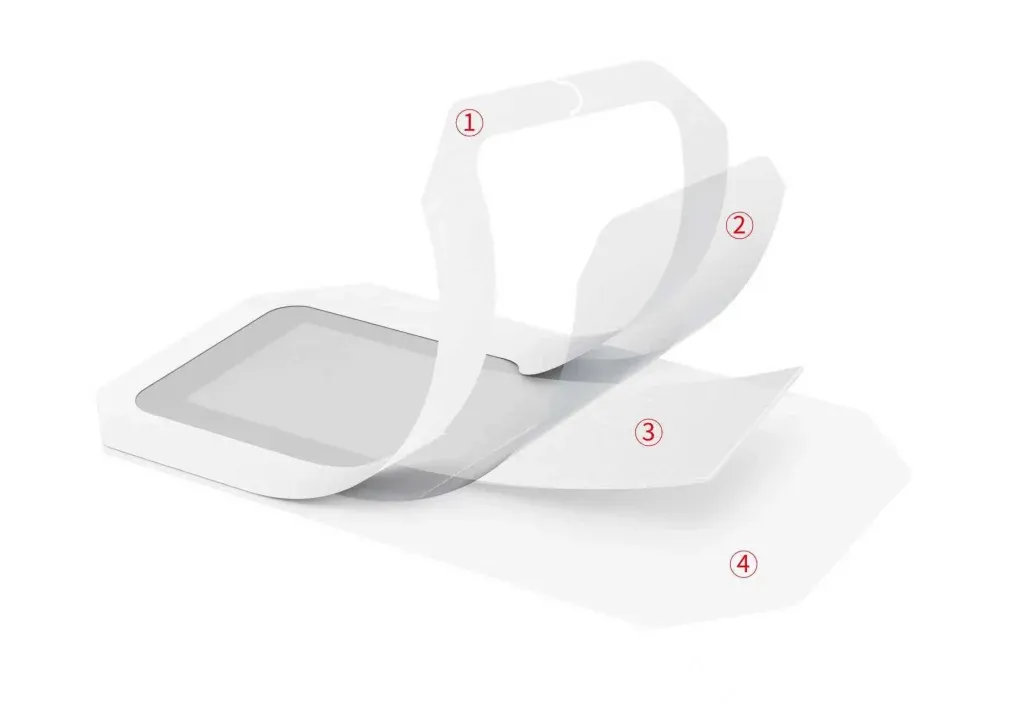
You get a soft pad that absorbs fluid and keeps the wound comfortable. Patients report strong adhesion and high comfort. Most wounds heal well with this dressing.
SLK Medical supports you with regulatory expertise and flexible manufacturing. You can trust these products to meet global standards and help your patients heal.
You can get CE MDR and FDA compliance for your private label silicone foam dressing if you follow easy steps. First, pick the right product class and make good technical documents. Work with a partner who knows about compliance. SLK Medical helps you with compliance at every step. The company makes sure you meet rules for selling in many countries.
|
How SLK Medical Helps You Succeed |
Details |
|---|---|
|
Compliance with Standards |
SLK Medical follows FDA, CE MDR, and ISO 13485 rules. |
|
Quality Management System |
You get safe products that are always the same. |
|
OEM/ODM Support |
SLK Medical helps you with rules and shipping. |
You can talk to SLK Medical for help with rules and get free samples. The steps are easy:
-
You send a question and get an answer in one day.
-
You get papers and documents to check for rules.
-
You get free samples sent to you fast.
-
You try the samples and see if they work for you.
-
You order and start your compliance process.
Pick SLK Medical for expert help with rules and great wound care products.
FAQ
What is dual certification for silicone foam dressings?
Dual certification means your dressing meets both CE MDR rules for Europe and FDA rules for the United States. You can sell your product in both markets. This shows your product is safe and high quality.
How long does it take to get CE MDR and FDA approval?
You can expect the process to take several months. The time depends on your product and how complete your documents are. Working with SLK Medical can help you finish faster.
Why should you choose SLK Medical for private label dressings?
You get expert help with rules and paperwork. SLK Medical has experience with CE MDR and FDA. You also receive fast samples and support for your brand.
What documents do you need for compliance?
You need a technical file, safety test results, clinical data, and clear labels. You must keep these documents updated for both CE MDR and FDA.
Can you get free samples before ordering?
Yes, you can request free samples from SLK Medical. You can test the products before you decide to order.


