You have a big job stopping pressure ulcers. Hospitals everywhere see many cases. In orthopedic surgery wards, up to 18.5% of patients get them. Treating these ulcers costs a lot of money.
|
Care Setting |
Prevalence Rate (%) |
|---|---|
|
Acute care |
0.4% – 38% |
|
Long-term care |
2.3% – 23.9% |
Picking the right silicone foam dressing saves money. It can lower wound care costs by 33%. Buying smart helps you keep patients safe. You also save money and help your staff give better care.
Key Takeaways
-
Silicone foam dressings can lower pressure ulcer rates by 41%. This makes them a good choice for patients who are at high risk.
-
These dressings need to be changed less often, about two times each week. This helps save time for nurses and doctors. It also makes patients feel less pain.
-
Using silicone foam dressings helps wounds heal better. Studies show patients are happier and their wounds heal faster.
-
Staff get training and help from SLK Medical to use silicone foam dressings well. This makes patient care better and helps save money.
-
Having a clear plan for using silicone foam dressings makes care easier. It also helps hospitals work better overall.
Pressure Ulcer Challenges
Hospital Complexities
Stopping pressure ulcers in hospitals is hard. Most pressure ulcers can be stopped, but they still happen a lot. Patients who cannot move by themselves are more likely to get them. Chronic wounds take lots of time and money to treat. Incontinence makes skin care harder for everyone. These things make your job harder every day.
-
Immobility means patients stay in one spot too long.
-
Chronic wounds need more care and attention.
-
Incontinence hurts skin and raises ulcer risk.
Pressure ulcers need special care. You must look for soft-tissue injuries and poor blood flow. You use tools to check risk, special mattresses, and plans to move patients. Nutrition helps wounds heal faster. Even with these steps, many patients still get pressure ulcers. In acute care, 3.6% of patients get hospital-acquired pressure ulcers. This number used to be 6.5%, so it has gone down, but the problem is still there.
You want to give great care, but busy days, not enough training, and few resources make it tough. Staff need clear rules and teamwork to do well.

Need for Reliable Solutions
You need solutions that work all the time. Good pressure ulcer care starts with finding patients at risk and moving them often. You use foam, water, gel, or air mattresses to lower pressure. You check wounds, treat infections, and keep skin moist to help healing. Sometimes, you must remove dead tissue so wounds heal faster.
-
Find patients at risk and make a plan to move them.
-
Use thick pressure-reducing surfaces.
-
Check nutrition and give supplements if needed.
-
Write down each ulcer’s size and where it is.
A silicone foam dressing can help with these needs. It protects skin, soaks up moisture, and helps healing. Picking the right dressing makes care easier for staff and safer for patients.
Silicone Foam Dressing Benefits
Ease of Use
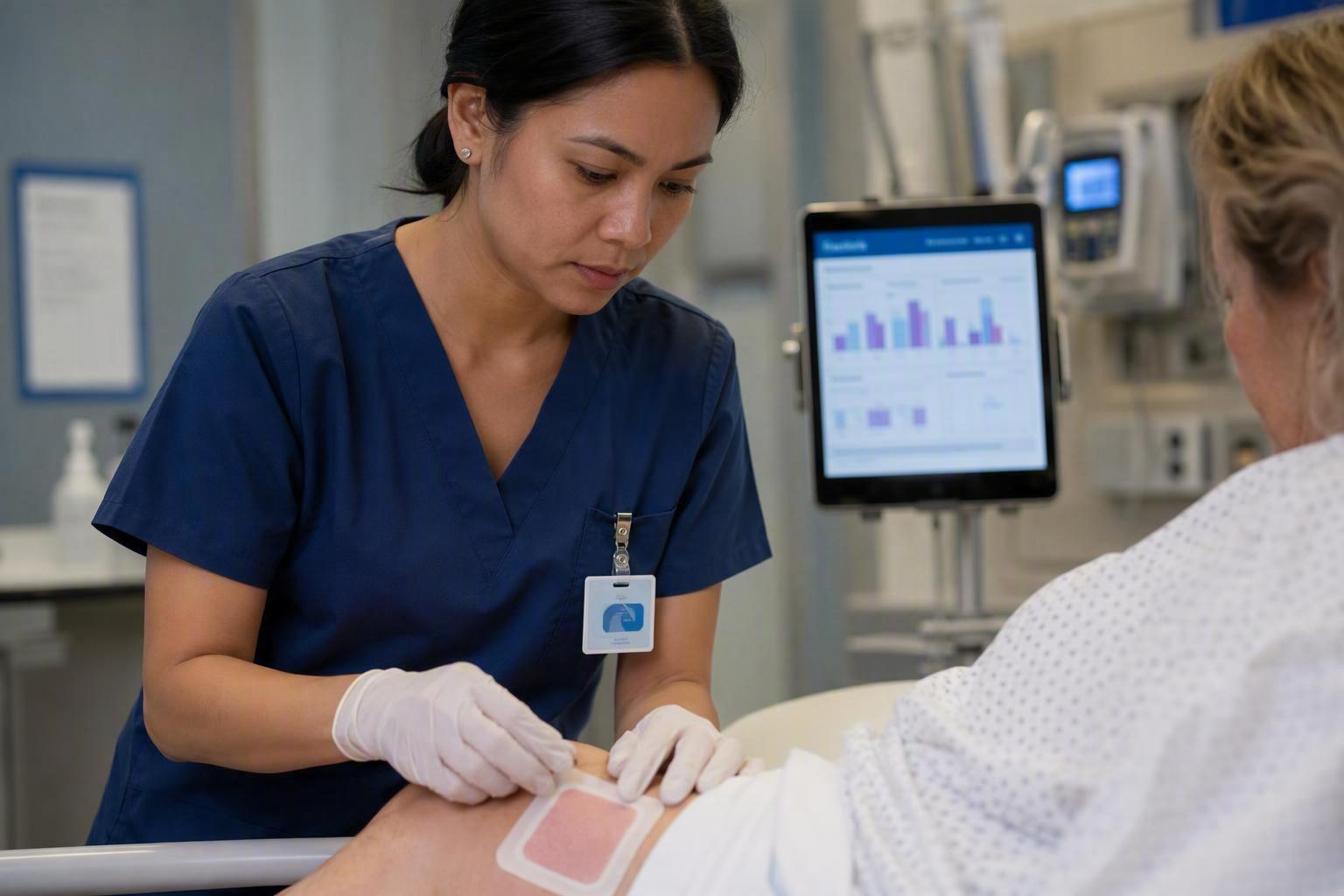
You want a dressing that is quick and simple. Silicone foam dressing is easy to put on and take off. Nurses say it fits well anywhere on the body. You do not need to cut it much. This saves time and helps you feel less stressed.
-
A study showed hospitals had 10% fewer pressure ulcers when they used multi-layered silicone foam dressings for critical care patients.
-
Another study found these dressings help stop ulcers in people with weak skin or bad diarrhea.
You will change dressings less often each week. Regular dressings need about 3 changes every week. Silicone foam dressing needs only about 2 changes. This means less work for your team and less pain for patients.
|
Evidence Type |
Findings |
|---|---|
|
Pain Scores |
Silicone foam dressings cause the least pain during changes. |
|
Patient Feedback |
Most patients say removal does not hurt. |
|
Dressing Change Frequency |
Only 2 changes per week, compared to 3 for regular dressings. |
|
Pain During Changes |
Very little pain for silicone foam, more pain for others. |

This dressing stays in place well. It does not stick to wounds or rip skin. Most patients feel no pain when you take it off. This makes your job easier and keeps patients happy.
Comfort and Effectiveness
You want patients to feel good and heal fast. Silicone foam dressing uses special layers to control moisture and protect skin. Each layer helps keep wounds clean and dry.
|
Mechanism |
Description |
|---|---|
|
Move fluid to a superabsorbent layer and stop leaks. |
|
|
Spreading Layer |
Spreads fluid for better soaking. |
|
Retention Layer |
Lets fluid dry out so dressing lasts longer. |
|
Hydrofibre Component |
Soaks up extra moisture and keeps wounds moist. |
|
Gelling Action |
Stops germs from growing and keeps wounds balanced. |
|
Lock-in Action |
Traps fluid and germs, protecting skin around the wound. |
|
Multi-layered Absorbent Pad |
Uses foam and hydrofibre to soak up fluid and germs. |
|
Moist Environment |
Keeps wounds moist to help healing. |
|
Protection |
Locks in fluid and shields skin from harm. |
You can use silicone foam dressing to stop ulcers before they start. Studies show a 41% lower risk of new pressure ulcers on the sacrum when you use this dressing. You only need to treat 50 people to stop one new ulcer. This makes it a smart choice for people at high risk.
|
Study |
Findings |
Limitations |
|---|---|---|
|
Santamaria et al. |
Big drop in pressure ulcers with silicone foam dressings |
Results may not work for everyone; study was not masked. |
Your patients will feel more comfortable. The soft foam cushions skin and lowers pain during changes. Gentle adhesives help stop skin tears, even for weak skin. The dressing controls fluid well, so you do not change it as much.
|
Evidence Type |
Description |
|---|---|
|
Pain Reduction |
Patients feel less pain during changes. |
|
Comfort Improvement |
Soft foam gives more comfort and support. |
|
Reduced Skin Tears |
Gentle adhesives protect skin from tearing. |
|
Exudate Management |
Good fluid control helps wounds heal and means fewer changes. |
You can trust what other nurses say. They like silicone foam dressing because it is easy to use, soaks up fluid, and comes off gently. The dressing fits well, controls fluid, and protects skin around wounds.
-
Silicone foam dressings keep wounds moist to help healing.
-
They do not stick to weak tissue, so you can use them on tough wounds.
-
The dressing fits body shapes and keeps wounds warm, which is better than basic dressings.
You want results you can see. Silicone foam dressing gives fewer ulcers, less pain, and better healing. You save time, spend less money, and give patients great care.
SLK Medical Advantage
Product Innovation
You want your patients to get the best care. SLK Medical brings new ideas to wound care. The company uses advanced silicone technology for dressings. These dressings feel better and work well. They control moisture, so wounds heal faster. SLK Medical adds features that fight germs. This lowers the chance of infection. Nurses see fewer problems and more healing.
-
Advanced silicone makes dressings more comfortable.
-
Moisture control keeps wounds dry and healthy.
-
Antimicrobial features help stop infections.
SLK Medical’s D-Pore™ Dual-Dimensional Pore Foaming Technology is special. It soaks up fluid fast and lets skin breathe. This means less pressure on wounds and better fluid control.
|
Innovation |
Description |
|---|---|
|
D-Pore™ Dual-Dimensional Pore Foaming Technology |
Absorbs fluid quickly and lets skin breathe. It spreads pressure and controls fluid well. |
Support and Training
You want your staff to feel ready and skilled. SLK Medical gives full support and training. Your team learns how to use foam dressings the right way. Training helps staff do a better job and save money. Nurses make smart choices and help wounds heal faster.
-
Training teaches staff to use dressings the right way.
-
Nurses learn to pick the best dressing for each wound.
-
Staff can change dressings by themselves, saving time.
SLK Medical offers guides, videos, and workshops. Your team gets to practice and learn new skills. Nurses feel more confident and know what to do in tough cases.
|
Evidence Type |
Description |
|---|---|
|
Knowledge Enhancement |
Training teaches nurses about new foam dressing technology. |
|
Confidence Boost |
Training helps staff feel sure about treating pressure ulcers. |
|
Resource Availability |
SLK Medical gives guides, videos, and workshops to help nurses. |
Tip: Well-trained staff make smart choices and help patients heal faster. You save money and give better care.
Proven Results
You want to know your choices work. Hospitals using SLK Medical’s silicone foam dressing see big changes. Nurses say wounds heal better and they have less work. Patients feel happier and more comfortable.
|
Outcome Measure |
Result / Statistic |
|---|---|
|
Number of patients included |
64 |
|
Wounds healed at last follow-up |
48.4% |
|
Wounds progressing towards healing |
25.0% |
|
Reduction in exudate level |
Significant (p < 0.0001) |
|
Nurses reporting wound improvement |
88.3% |
|
Patients reporting wound improvement |
85.0% |
|
Dressing change frequency |
Reduced by 47.1% (from 3.14 to 1.66 per week) |
|
Patient satisfaction |
90.2% would recommend the dressing |
-
Nurses and patients see better healing.
-
Dressings are changed less often, saving time.
-
Most patients would tell others to use this dressing.
Hospitals see fewer pressure ulcers after switching to SLK Medical. Rates go down in both medical and surgical units. You help more patients with fewer resources.
|
Patient Group |
Control Group PU Incidence |
Intervention Group PU Incidence |
Absolute Risk Reduction |
Number Needed to Treat (NNT) |
Statistical Significance (p-value) |
|---|---|---|---|---|---|
|
Medical Units |
13.3% |
3.4% |
9.2% |
11 |
0.010 |
|
Surgical Units |
14.6% |
5.6% |
8.9% |
11 |
0.010 |
|
Overall (all units) |
12.8% |
4.8% |
8.0% |
12 |
<0.001 |

You see real change in your hospital. SLK Medical helps you lower ulcer rates, save time, and keep patients happy.
Implementation Steps

Partnership Process
You want things to go smoothly when you start using SLK Medical’s silicone foam dressing program. You get a simple plan with clear steps. This helps your team switch over easily. Here is how you can add the program to your daily work:
|
Step |
Description |
|---|---|
|
1 |
Put a laminated checklist in every patient’s room. This helps staff remember what to do. |
|
2 |
Work with your supply team to keep enough dressings ready. |
|
3 |
Teach your staff the new way to check wounds and stage pressure injuries. |
|
4 |
Show staff who needs the dressing, how to put it on, and how to write down care. |
|
5 |
Look at electronic medical records every day to make sure staff follow the rules. |
|
6 |
Join safety huddles each day for quick lessons and watching. |
|
7 |
Give daily tips on how to use the dressing during these huddles. |
|
8 |
Make sure nurses can call or email for help anytime. |
You see changes quickly. Studies show hospitals using silicone foam dressings have fewer pressure ulcers. This is true for patients who are at high risk. The Border II Trial showed fewer heel ulcers with these dressings. Top health groups say multi-layer silicone foam dressings work well and save money.
Tip: Having a clear plan and working together helps your team do well from the start.
Ongoing Support
You do not have to handle pressure ulcer care by yourself. SLK Medical gives you help all the time and wants you to keep getting better.
|
Component |
Description |
|---|---|
|
Goal |
|
|
Teamwork |
Build a team with nurses, doctors, dieticians, and therapists. |
|
Best Practices |
Use the SSKIN bundle: surface, skin checks, moving, moisture, and nutrition. |
|
Monitoring |
Check care every day and teach staff to keep standards high. |
-
Work with your whole care team for better results.
-
Use care bundles with skin checks and risk checks often.
-
Make sure every step gets done each time.
You get expert advice, good tools, and a plan that grows with you. This support helps you keep making care better, spend less money, and protect your patients every day.
You want your hospital to do well. SLK Medical and silicone foam dressing help make pressure ulcer care easy. You save time and also save money. Studies show silicone foam dressing lowers the number of ulcers. Here are some results:
|
Study |
Intervention |
Control |
Pressure Ulcer Incidence |
|---|---|---|---|
|
Lee et al. (2019) |
Standard therapy plus silicone foam |
Standard therapy |
Lower in intervention |
|
Forni et al. (2018) |
Silicone foam and standard prevention |
Standard prevention |
Pick SLK Medical. You help patients get better care and make your team stronger every day.
FAQ
How does silicone foam dressing help prevent pressure ulcers?
You protect skin with silicone foam dressing. It cushions and absorbs moisture. You lower the risk of ulcers by keeping skin dry and safe. Nurses see fewer wounds and faster healing.
Tip: Use silicone foam dressing early for best results.
Can you use silicone foam dressing on any part of the body?
You can use silicone foam dressing almost anywhere. It fits curves and joints. Nurses like how easy it is to apply and remove. You get comfort and protection for heels, sacrum, elbows, and more.
How often should you change silicone foam dressings?
You change silicone foam dressings about twice a week. This saves you time and reduces pain for patients. Regular dressings need more changes. You make care easier and more efficient.
|
Dressing Type |
Changes per Week |
|---|---|
|
Silicone Foam |
2 |
|
Regular Dressing |
3 |
What support does SLK Medical offer for your team?
You get training, guides, and expert help from SLK Medical. Your staff learns best practices and feels confident. You improve patient care and save money with ongoing support.
Note: Reach out to SLK Medical for workshops and resources.