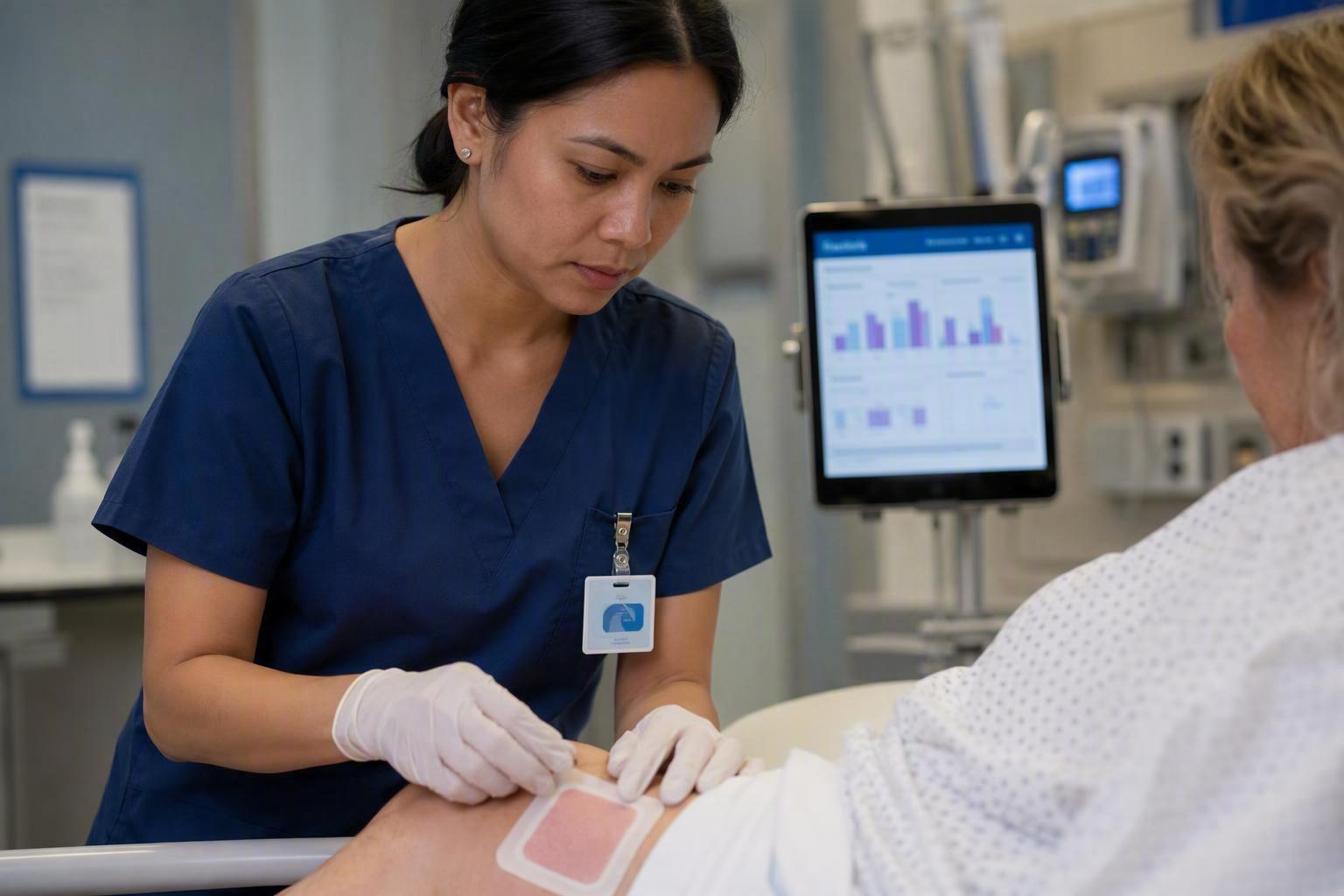
You may find that silicone dressings for wounds help reduce pain and improve healing, especially if you have sensitive skin. SLK Medical leads advanced wound care with innovative products that focus on your comfort and recovery. Clinical studies show silicone dressings support better healing outcomes and lower costs for chronic wounds. Soft silicone dressings offer gentle protection, minimizing trauma during changes and making wound management easier for you.
Key Takeaways
-
Silicone dressings reduce pain during dressing changes, making wound care less stressful for those with sensitive skin.
-
These dressings create a moist healing environment, which supports faster recovery and better healing outcomes.
-
Silicone dressings protect wounds from infection with waterproof layers that block bacteria while allowing moisture control.
-
Choosing the right silicone dressing for your wound type can improve comfort and speed up healing.
-
Using silicone dressings can lower overall healthcare costs while enhancing patient satisfaction and quality of life.
Benefits of Silicone Dressings for Wounds
Pain Relief and Comfort
You may notice that pain at dressing changes can make wound care stressful. Soft silicone dressings help you manage pain by sticking gently to your skin. When you remove these dressings, you feel less discomfort and avoid damage to the wound bed. SLK Medical’s silicone foam dressings use advanced technology to protect fragile skin and reduce pain at dressing changes.
Tip: If you have sensitive skin or chronic wounds, soft silicone dressings offer atraumatic removal and minimize pain management challenges.
A prospective study found that silicone dressings adhered less to wounds than paraffin gauze. You spend less time removing the dressing and experience less pain and bleeding. These dressings also make it easier for you to change dressings without causing trauma.
Here is a table showing how soft silicone dressings compare to other types:
|
Study Findings |
Description |
|---|---|
|
Reduced Tissue Damage |
You see less tissue damage with soft silicone dressings during weekly changes. |
|
Less Skin Damage |
You experience fewer problems with skin damage and maceration. |
|
Easier Dressing Removal |
You find it easier to remove the dressing, which improves your comfort. |
You benefit from silicone dressings for wounds because they protect your skin and make wound care less painful.
Healing Outcomes
Silicone dressings create a healing environment that supports faster wound healing. You get better results because these dressings keep the wound moist and help your body repair itself. SLK Medical’s silicone foam dressings use multi-layer designs to absorb fluid and prevent maceration.
Researchers found that silicone superabsorbent polymer dressings can lower harmful substances in wounds. These dressings reduce pro-inflammatory cytokines and proteinases, which slow down healing. You may see improved healing outcomes when you use silicone dressings for wounds, especially for chronic wounds.
-
You get effective treatment for wounds that need extra care.
-
You notice less pain at dressing changes and better wound healing.
-
You experience a more comfortable recovery with soft silicone dressings.
Infection Protection
Silicone dressings help you protect wounds from infection. The waterproof backing acts as a barrier against bacteria and moisture. You keep your wound safe from outside germs and reduce the risk of infection. SLK Medical’s silicone foam dressings use advanced layers to manage exudate and maintain a moist environment.
Here is a table showing how silicone dressings support infection control:
|
Component |
Function |
|---|---|
|
Hydrofibre Layer |
Absorbs moisture and forms a gel that fits the wound surface. |
|
Gelling Action |
Reduces dead space and keeps moisture balanced, lowering bacteria growth. |
|
Multilayer Structure |
Helps your body clean the wound and lowers infection risk. |
You benefit from silicone dressings because they allow water vapor to move between the wound and the outside. These dressings absorb fluid and prevent dehydration or fluid buildup. You get better protection and a safer healing process.
Note: SLK Medical’s silicone foam dressings offer strong infection protection and help you maintain a healthy healing environment.
You can see that silicone dressings for wounds provide pain relief, support wound healing, and protect against infection. Soft silicone dressings make wound care easier and more comfortable for you.
Understanding Difficult Wounds

Types of Wounds
You may face many types of difficult wounds. These include diabetic ulcers, pressure ulcers, burns, and tears. Each type brings its own challenges for wound healing and pain management. SLK Medical offers silicone dressings for a wide range of wounds, including exuding wounds and fragile skin. For example, you can use silicone foam dressings for diabetic ulcers, pressure ulcers, and burns. These dressings help with skin tear management and skin tear treatment.
-
Antimicrobial silicone dressings, such as those with silver, work well for infected diabetic foot ulcers.
-
These dressings combine antimicrobial action with gentle removal, protecting your wound and reducing pain.
-
Observational studies show that these dressings remove signs of infection quickly and keep working for up to 7 days.
-
Soft silicone dressings also help with tears and burns, lowering costs and speeding up wound healing.
Causes of Pain
You may experience wound-related pain from several sources. Pain can come from the wound itself or from dressing changes. You might feel background pain at rest, breakthrough pain during movement, or procedural pain when you change dressings. Tears and burns often cause sharp pain. Chronic wounds can lead to ongoing pain because inflammation makes your nerves more sensitive. This is called primary hyperalgesia.
Pain can result from tissue damage, nerve problems, or inflammation. Chemicals in your body, like chemokines and substance P, can make nerves more excitable. Stress can also raise your pain levels and slow down wound healing. If you feel less pain after surgery, you may heal faster. Good pain management helps you recover better.
Impact on Patients
Difficult wounds affect your daily life in many ways. Chronic wound pain can lead to stress, anxiety, and depression. You may worry about dressing changes, especially if you have tears or sensitive skin. Silicone dressings help by making dressing changes less painful, which can lower your stress.
-
Pain and stress often go together, making wound healing harder.
-
Dressings that minimize pain, like silicone dressings, support your emotional well-being.
-
You may feel anxious or depressed if you expect pain during dressing changes.
-
Atraumatic dressings help prevent skin damage and improve your mood.
Many patients with difficult wounds also have other health problems, such as obesity or mobility issues. These conditions can lower your quality of life even more. Nearly 60% of patients with chronic wounds report that their other health problems affect them more than the wound itself.
|
Dressing Type |
Moisture Control |
Complications |
Dressing Failure Rates |
Patient Satisfaction |
|---|---|---|---|---|
|
SSA |
Better |
Reduced |
Lower |
Generally High |
|
TFA |
Moderate |
Higher |
Higher |
Generally High |
Silicone dressings can help you move more easily and enjoy higher satisfaction with your wound care. You get better support for wound-related pain and improved daily functioning.
How Soft Silicone Dressings Work

Mechanism and Technology
You may wonder how soft silicone dressings protect your skin and help wounds heal. These dressings use advanced silicone adhesives that stay tacky and flexible. Unlike traditional acrylic adhesives, silicone dressings do not dry out or stick aggressively to the wound bed. You experience less pain at dressing changes because the silicone layer gently adheres to your skin without pulling or tearing.
-
Silicone adhesives reduce trauma during dressing changes, which is important for comfort.
-
The thin mesh design lets the dressing conform to your body, making it easy to wear on areas like elbows, heels, or sacrum.
-
Studies show silicone dressings remove less skin than conventional dressings, so you feel less wound-related pain.
SLK Medical uses D-Pore™ Dual-Dimensional Pore Foaming Technology in its silicone dressings for wounds. This innovation improves fluid absorption and breathability. You get a moist wound environment that supports healing and protects against infection. The multi-layer structure cushions the wound and adapts to your movements, which is especially helpful for tears and fragile skin.
Tip: If you need skin tear treatment or have sensitive skin, soft silicone dressings offer gentle adhesion and minimize trauma.
Application Tips
You can maximize healing outcomes by following the right steps when applying silicone dressings. Proper technique helps you avoid pain at dressing changes and keeps your wound safe.
-
Wash your hands and put on gloves.
-
Clean the wound gently with saline.
-
Dry the skin around the wound.
-
Check the wound and surrounding skin for any changes.
-
Gather all dressing supplies before starting.
Applying the Dressing:
-
Remove the backing from the foam dressing without touching the part that will go on the wound.
-
Place the soft, absorbent side directly over the wound.
-
Smooth the dressing from the center outward to remove air bubbles and wrinkles.
-
Make sure the dressing lies flat and covers the wound completely.
Securing and Fitting:
-
For wounds on the heel or sacrum, use specially shaped foam dressings. These dressings have multi-layered absorbent cores and silicone adhesive that extends to the margins, helping them stay secure.
Note: Avoid common mistakes such as applying the dressing too tightly, using harsh chemicals, or picking at the wound. Always monitor for signs of infection like redness, pus, or swelling. If your wound is not healing, seek professional help.
SLK Medical Product Features
SLK Medical offers a range of silicone dressings for wounds that address different needs. You can choose foam dressings for general wound care, bordered dressings for pressure ulcers, antimicrobial dressings for infected wounds, and specialty dressings for complex cases like tears.
|
Product Type |
Application Area |
Key Benefit |
|---|---|---|
|
Foam Dressing |
General wound care |
Absorbs exudate |
|
Bordered Dressing |
Pressure ulcers |
Secure fit, easy removal |
|
Antimicrobial Dressing |
Infected wounds |
Reduces infection risk |
|
Specialty Dressing |
Complex wound treatment |
Custom solutions |
You benefit from these features:
-
Gentle adhesion that minimizes damage during removal and reduces pain at dressing changes.
-
Waterproof and breathable layers that protect the wound while allowing air flow.
-
Comfort and flexibility that cushion the wound and adapt to your movements.
-
Long wear time, with some dressings staying in place for up to seven days.
-
Effective exudate management that absorbs excess fluid and keeps the wound moist.
-
Antimicrobial options that help control infection, especially for wounds with high risk.
SLK Medical silicone dressings use a three-layer design. The silicone membrane provides gentle adhesion and reduces trauma. The absorbent polyurethane foam layer manages wound fluid and maintains moisture. The outer waterproof film blocks water and microbes but lets air flow, which helps healing and comfort.
When you compare SLK Medical silicone dressings to other brands, you see strong clinical performance. These dressings offer high absorbency, gentle removal, and broad clinical use. You get cost-effective solutions and versatile options for many types of wounds, including tears and wounds that cause pain at dressing changes. SLK Medical products support faster healing and higher patient satisfaction.
Callout: If you want atraumatic dressings that reduce wound-related pain and make dressing changes easier, SLK Medical silicone dressings for wounds provide advanced technology and reliable comfort.
Cost-Effectiveness and Real-World Use
Value for Patients
You want wound care that works and saves money. Silicone dressings help you lower overall healthcare costs. Studies show that using these dressings can reduce treatment costs for pressure injuries by more than four times compared to standard care. You also spend less on each case, which makes a big difference if you have chronic wounds or need long-term care.
When you use silicone dressings, you get more than just savings. You feel less pain, heal faster, and return to your daily life sooner. The table below shows how these dressings compare to traditional options:
|
Aspect |
Silicone Dressing |
Petrolatum Gauze |
|---|---|---|
|
Pain Reduction |
Significant reduction |
Higher pain levels |
|
Patient Satisfaction |
Increased |
Lower |
|
Healing Environment |
Moist, supports healing |
Less effective |
|
Cost |
$0.8 per dressing |
$0.1 per dressing |
|
Return to Work |
Faster |
Slower |
You see that the value goes beyond the price tag. You get comfort, satisfaction, and a better healing experience.
Product Selection
You need the right dressing for your wound. Good dressing selection depends on several factors:
-
Moisture balance
-
Exudate control
-
Patient comfort
-
Allergies or sensitivities
You should also consider the wound type. For example, highly exudative wounds, pressure sores, sloughy or granulating wounds, postoperative wounds, and skin graft donor sites all require different approaches. If you have tears, you need a dressing that absorbs fluid, provides a bacterial barrier, and offers high breathability. SLK Medical offers a range of silicone dressings that meet these needs, making dressing selection easier for you.
Tip: Always match the dressing to your wound’s needs. This helps you heal faster and reduces complications from tears or infection.
Case Examples
You can see the real-world impact of silicone dressings in clinical practice. In one case series, patients with malignant cutaneous wounds experienced better quality of life and improved wound outcomes after switching to silicone SAP dressings. Nurses in hospitals preferred these dressings for managing tears and complex wounds.
Clinical data shows strong results:
|
Outcome |
Result |
|---|---|
|
Reduction in dressing changes |
47% |
|
Average products used over 4 weeks |
5.6 |
|
Reduction in wound area |
41.3% over 26 days |
|
Pain during dressing removal |
Very mild |
|
Skin tears healing within 3 weeks |
96.9% |
You benefit from fewer dressing changes, less pain, and faster healing. SLK Medical silicone dressings help you manage tears, chronic wounds, and complex cases with confidence.
You gain many benefits from silicone dressings. These dressings reduce pain, support healing, and provide comfort for sensitive skin. You can choose SLK Medical’s advanced wound care products to manage difficult wounds. Select silicone dressings that fit your wound type and follow proper application steps. Stay informed about new innovations in wound care. You improve your healing journey with the right choices.
FAQ
How often should you change a silicone dressing?
You should change your silicone dressing every 3 to 7 days. Check your wound daily for signs of infection or excess fluid. If the dressing becomes saturated or loose, replace it sooner.
Can you shower with a silicone dressing on?
You can shower with most SLK Medical silicone dressings. The waterproof backing protects your wound from water and bacteria. Pat the area dry after showering to keep the dressing secure.
Are silicone dressings safe for sensitive skin?
You can use silicone dressings on sensitive skin. The gentle adhesive minimizes pain and skin damage during removal. SLK Medical designs dressings to protect fragile skin and reduce discomfort.
What types of wounds benefit most from silicone dressings?
You can use silicone dressings for diabetic ulcers, pressure sores, burns, and skin tears. These dressings help manage exudate, protect against infection, and support faster healing.
How do you know if your wound is healing well?
You should look for reduced redness, less swelling, and smaller wound size. Healthy tissue growth and less pain also show good healing. If you see pus or increased pain, contact your healthcare provider.