

Introduction
Silicone scar sheets are medical-grade silicone elastomer sheets applied over a closed, epithelialized scar. In the United States they sit in a low-risk regulatory category, and they are one of the most commonly used non-invasive options for raised, red, itchy or painful scars after surgical closure, burn healing or trauma. The clinical rationale is straightforward: a sheet holds moisture against the scar, shields it from friction and ultraviolet exposure, and gives the patient a structured daily routine during the months a scar is still maturing.
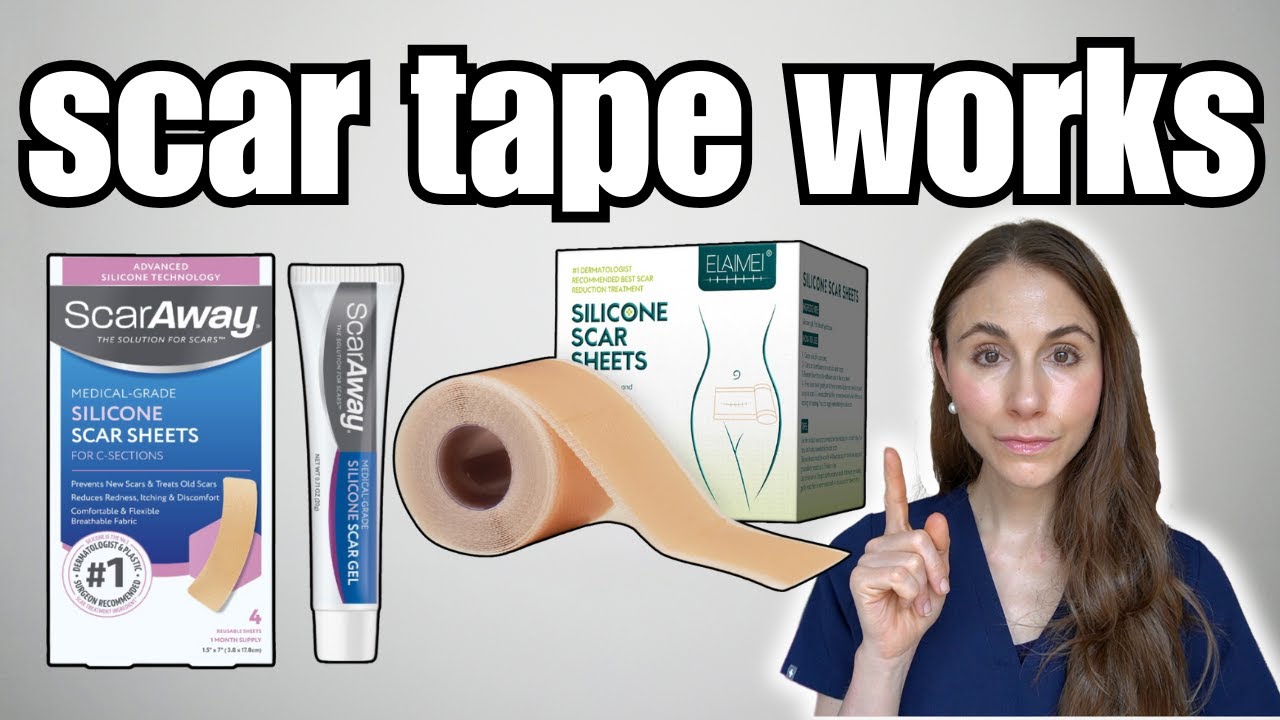
The realistic expectation is modest. For hypertrophic scars, systematic review evidence suggests silicone gel sheeting may slightly reduce scar severity and pain compared with no treatment, but the certainty of that evidence is low to very low. For keloid scars, the evidence base is thinner still — two small randomized trials with 36 participants in total — and does not support a claim that sheeting alone resolves keloids. Sheets are best positioned as a well-tolerated first-line or adjunct measure, not as a substitute for intralesional therapy, pressure therapy, laser treatment or surgical revision when those are indicated.
This guide is written for clinicians and procurement teams selecting and deploying silicone scar products. It covers the mechanism and the strength of the evidence, a product taxonomy mapped to anatomical site and skin tolerance, a selection checklist, a safe-use protocol with ramp-up and hygiene steps, counseling language that separates hypertrophic from keloid expectations, and U.S. procurement considerations including device class, labeling, lot traceability and cost in use.
How silicone scar sheets work and what evidence shows
Semi-occlusion and hydration effects
The most consistently described mechanism is increased hydration of the stratum corneum. By occluding the skin, silicone reduces transepidermal water loss through evaporation, so fresh scar tissue is held at a higher moisture level than it would otherwise reach. Practical scar-management guidance describes the visible result as scars that become lighter, more pliable and flatter over time, while noting that the precise mechanism remains incompletely understood.
That caveat matters for how you talk about the product. Semi-occlusion is a plausible and widely accepted rationale, not a fully characterized pharmacologic action. Silicone sheeting is not a drug and does not deliver an active ingredient into the scar; its effect depends on consistent contact with the skin surface over weeks to months. This is why fit, adhesion and wear time dominate the clinical result far more than small formulation differences between products.
Impact on collagen remodeling and friction shielding
Hypertrophic scarring and keloids both involve a derailment of normal wound healing, with upregulated collagen synthesis, deposition and accumulation. Silicone therapy is described in practical guidance as a non-invasive first-line strategy that can be used both to treat and to help prevent problematic scarring, and to accelerate the maturation phase while relieving itch and pain. The hydration effect is the proposed route by which the sheet influences that remodeling environment, though the causal chain from surface moisture to collagen architecture has not been demonstrated directly in controlled human studies.
The second, more mechanical contribution is shielding. A sheet placed over a healing scar creates a barrier against friction from clothing, seams, belts and movement, and against ultraviolet exposure. Friction and UV are not the cause of hypertrophic scarring, but they are common triggers for irritation, hyperpigmentation and discomfort in a scar that is still immature. For scars in high-friction locations — the shoulder, waistband line, knee, or under a bra strap — this protective function is often the most tangible day-to-day benefit a patient will report, independent of any effect on scar height.
Evidence since 2020: modest, low-certainty benefits
The most rigorous synthesis remains the Cochrane review of silicone gel sheeting for hypertrophic scars, which included 13 randomized trials with sample sizes from 10 to 60 participants. For the comparison of sheeting versus no sheeting, seven studies with 177 participants were available. Two studies with 31 participants (32 scars) reported scar severity assessed by health professionals, and it is uncertain whether there is a difference between groups (mean difference −1.83, 95% CI −3.77 to 0.12; very low-certainty evidence, downgraded for risk of bias and serious imprecision). One study with 34 participants suggested sheeting may produce a slight reduction in pain compared with no treatment (mean difference −1.26, 95% CI −2.26 to −0.26; low-certainty evidence). The review authors rated certainty as low or very low across outcomes and stated their conclusions would likely change if further studies become available.
For keloids, the Cochrane review of sheeting for keloid scars identified only two trials, with 16 and 20 participants respectively (36 participants, 85 scars), comparing sheeting with no treatment, with a non-silicone dressing, and with intralesional triamcinolone acetonide. The authors were not confident in the evidence because it comes from very few small studies with poorly reported results.
A 2025 rapid evidence summary adds one within-patient, evaluator-blinded randomized trial in adult burn survivors at moderate risk of bias. That trial found no statistically significant differences in objective measures of scar thickness, elasticity, erythema or transepidermal water loss between sheeting plus usual care and usual care alone. Improved elasticity was observed in participants who adhered to sheeting for more than 16 hours per day (p < 0.05), which points to adherence as a plausible modifier of outcome rather than to a strong average effect. The summary also notes that adherence varied considerably across studies and its impact on clinical outcomes was not systematically evaluated.
A separate meta-analysis of topical silicone gel (six randomized trials, 375 patients) reported improvements in pigmentation, height and pliability scores versus placebo or no treatment, and found topical gel and silicone gel sheet comparably effective. Most of those trials examined gel as a preventive agent after surgery, and the authors called for more studies of silicone products in treating established hypertrophic scars and keloids.
Taken together, the post-2020 picture is consistent: silicone sheeting is well tolerated and reasonable to offer, with modest average benefits for hypertrophic scars, uncertain benefit for keloids as monotherapy, and a plausible signal that adherence may influence outcomes, although adherence effects have not been systematically evaluated.
Types and how to choose for your scenario
Product taxonomy and key features by site and tolerance
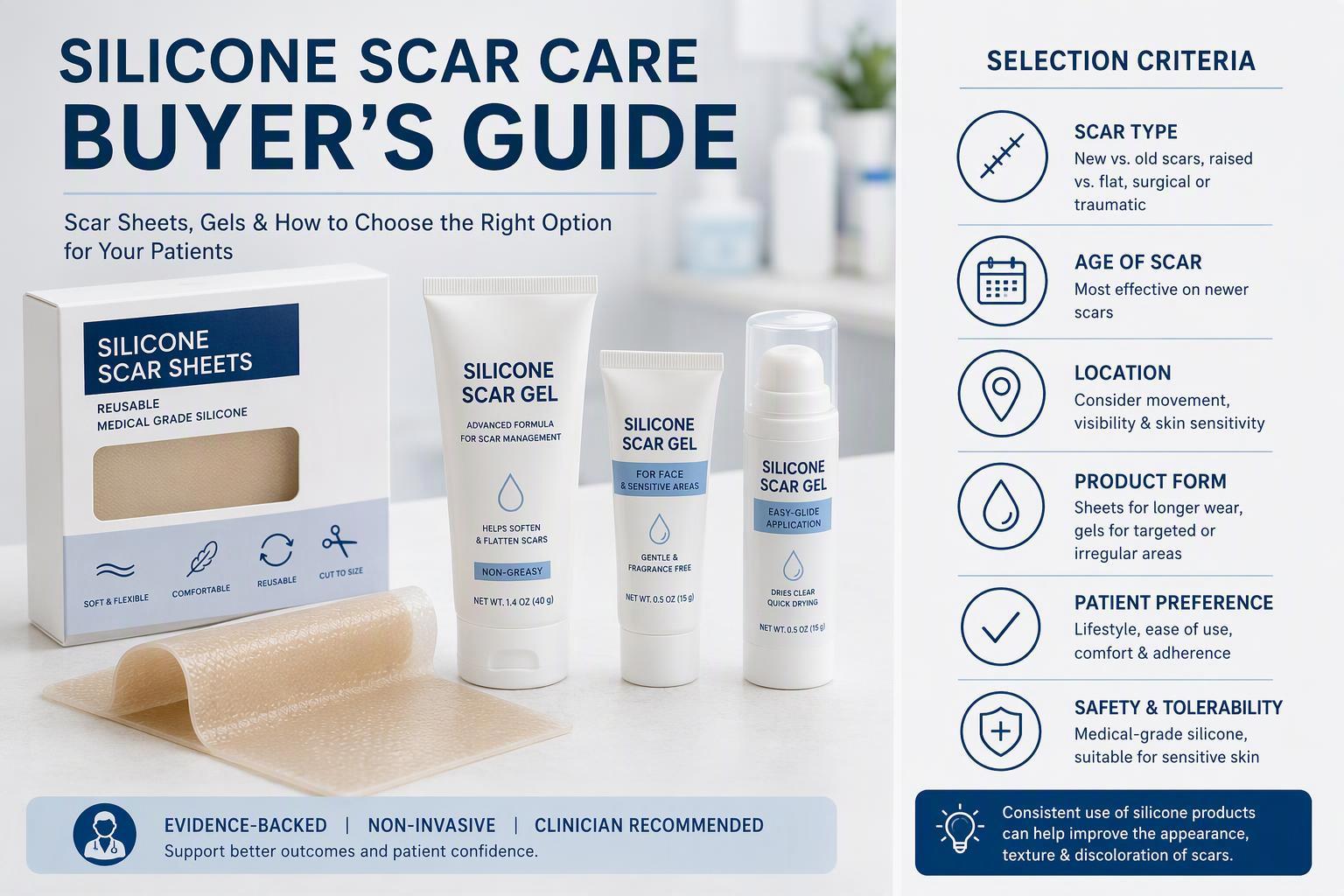
Silicone scar products differ along a small number of clinically meaningful axes rather than in their core material. The silicone itself is an elastomer whose consistency is set by cross-linking, ranging from a solid rubber-like sheet to a soft gel. What changes between products is how that elastomer is backed, how it adheres, how thick it is, and how much water vapor it lets through.
Product form | Typical construction | Best suited to | Main limitation |
|---|---|---|---|
Solid silicone gel sheet | Cross-linked silicone elastomer, often with a silicone membrane backing; self-adhesive or requiring fixation | Flat and moderately contoured scars: abdomen, thigh, forearm, chest | Poor conformability over joints; can lift at edges with sweat |
Soft/fabric-backed sheet | Thinner elastomer laminated to a fabric or breathable film | Long linear scars, areas under clothing, patients needing a lower-profile option | Less occlusion per unit thickness; backing may reduce drape |
Silicone tape | Silicone gel adhesive on a thin waterproof film backing, often perforated for tearing | Long surgical scars, fixation of other dressings, high-movement areas | Lower silicone mass over the scar than a dedicated sheet |
Silicone gel | Liquid or cream silicone that dries to a film | Face and neck, fragile or newly epithelialized skin, hairy areas, pediatric patients | Requires reapplication; film lasts hours, not days |
Silicone-interface dressing | Silicone wound contact layer combined with an absorbent or foam component | Scars adjacent to or over recently closed areas still needing exudate management | Not a substitute for a scar-specific sheet once the wound is fully closed |
Site and tolerance drive the choice more than scar type. Face and neck scars call for a low-profile, discreet product with reliable adhesion through facial movement, and gel is often preferred initially because a sheet can lift or be visible. Scars crossing joints need a product that stretches with the skin; a stiff sheet will wrinkle, lift and cause shear. Pediatric patients present the dual problem of sensitive skin and poor tolerance of anything uncomfortable, which favors gel first with a gradual transition to sheets. Long scars favor tape or wide rolls to avoid multiple seams. High-sweat environments — axilla, groin, under compression garments — favor breathable backings and a build-up schedule rather than immediate full-day wear.
Sheets vs silicone gel vs silicone-interface dressings
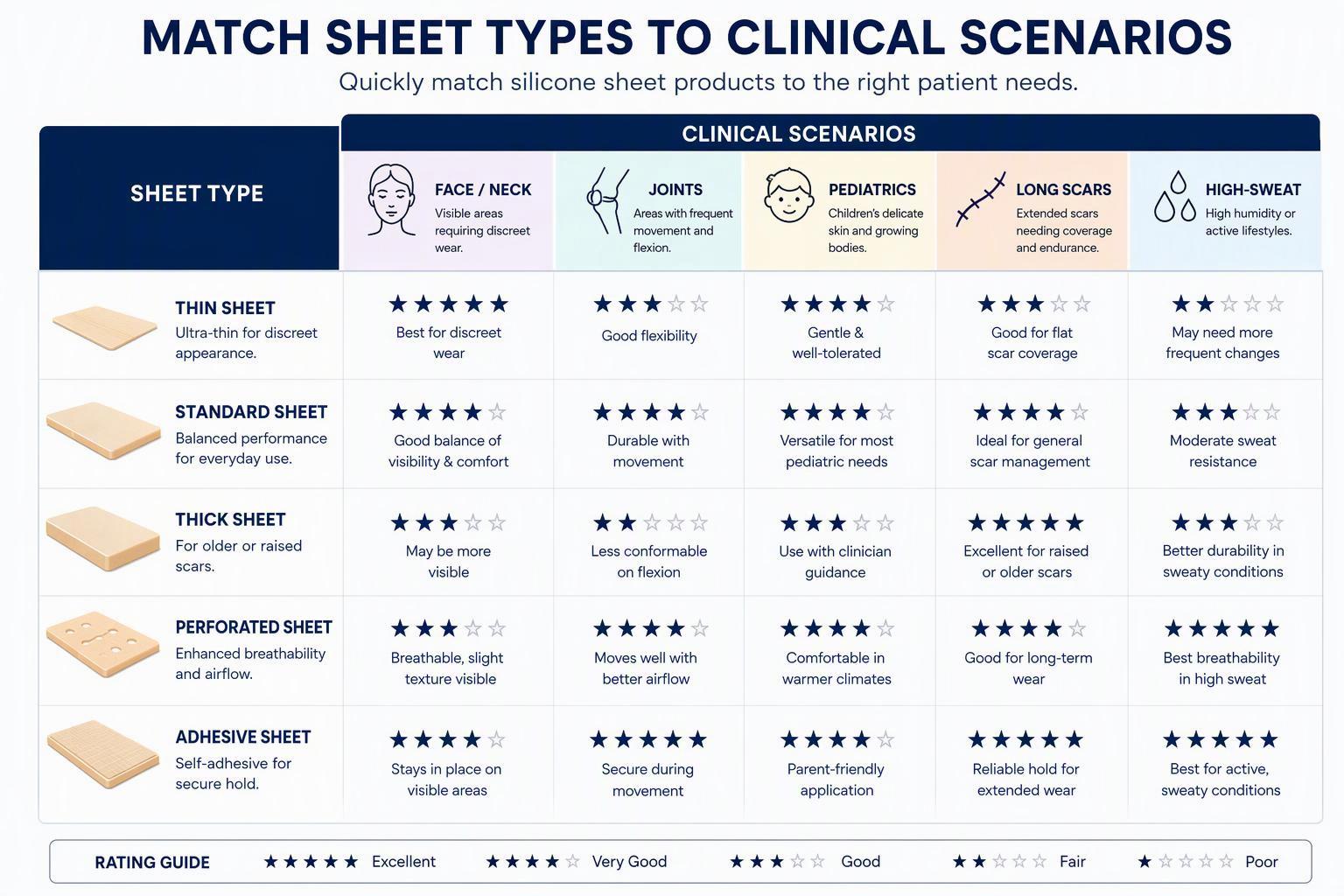
Sheets and gel share the same occlusive principle but differ in execution. Sheets provide a consistent, measurable dose of silicone over the scar and are reusable, which supports adherence in motivated patients; they are also more prone to blistering, maceration and rash, particularly on fragile or newly healed skin. Gel dries to a waterproof film within a few minutes and lasts roughly six to eight hours before reapplication, making it easier to tolerate on sensitive or contoured areas but more dependent on patient routine.
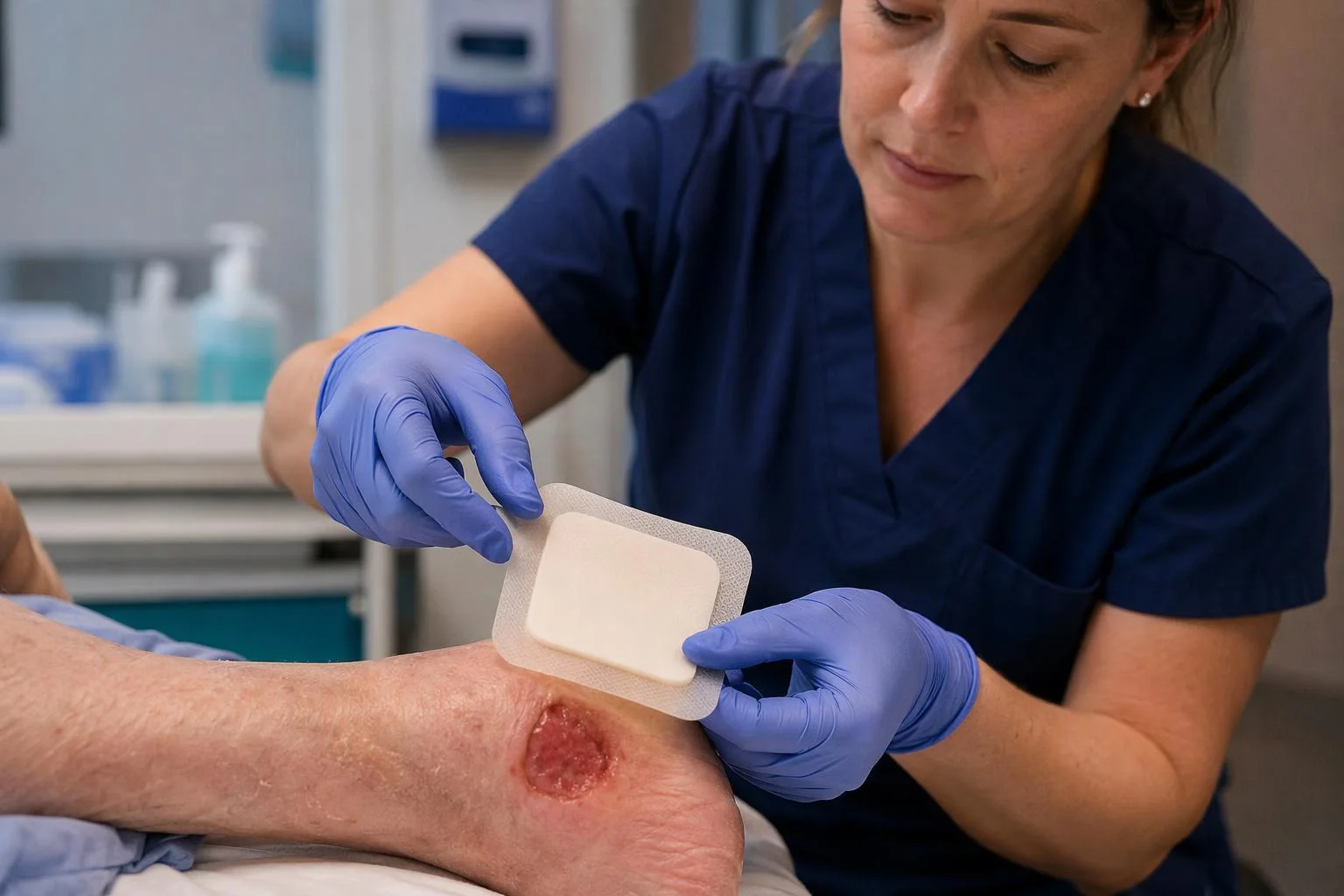
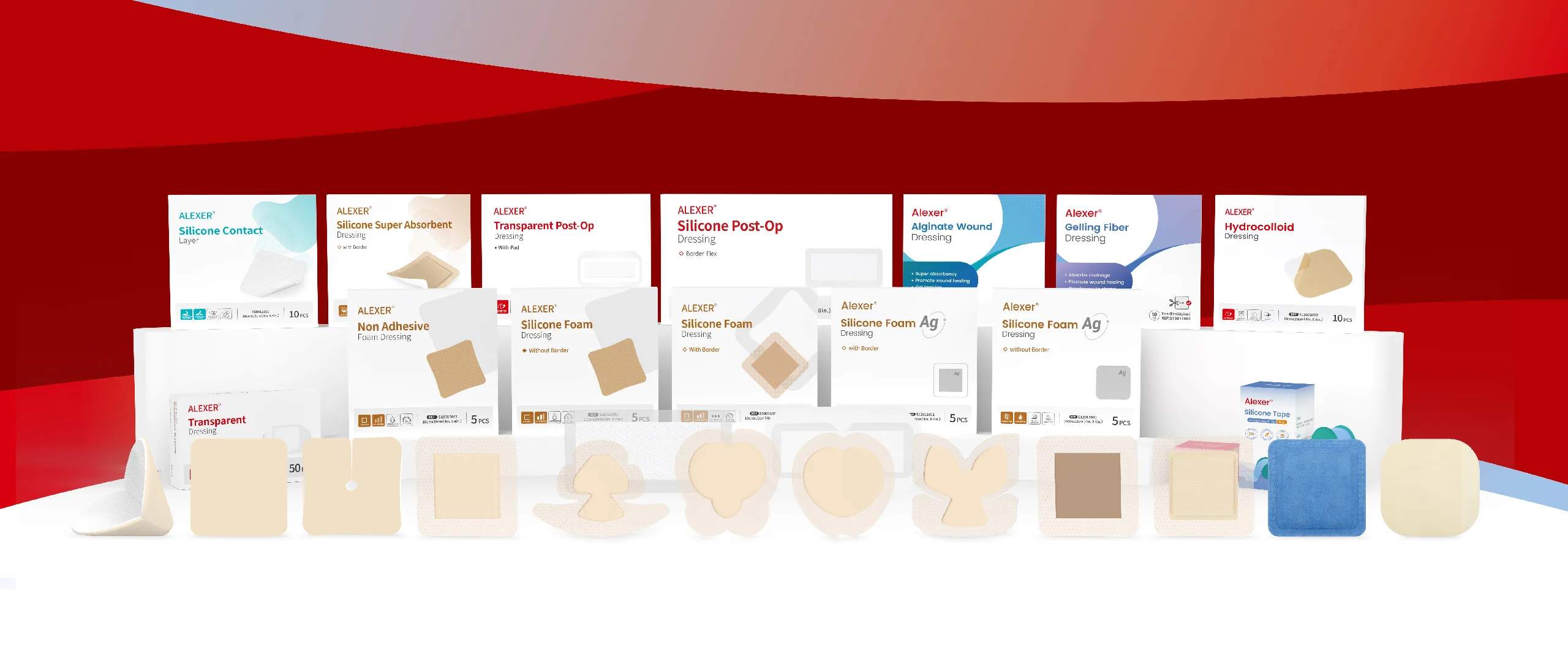
Silicone-interface dressings are a different category with a different job. They use a silicone wound contact layer to keep the dressing from adhering to the wound bed, and are designed for exudate management and atraumatic removal during healing rather than for scar maturation. Once the wound is fully epithelialized and dry, a scar-specific sheet or gel is the appropriate product. SLK Medical manufactures silicone-interface dressings within its broader wound care range, alongside silicone scar sheets, gel and tape.
Selection checklist: adhesion, thickness, breathability, reusability
Use the same four questions for every candidate product, and score them against the specific scar you are treating.
Adhesion. Does the product stay in place through the movement pattern of that site for the intended wear time? Self-adhesive sheets work well on flat, low-movement areas; tape or a sheet plus light fixation is more reliable over joints and under clothing. Ask whether the adhesive is silicone-based, since silicone adhesives are gentler on sensitive skin and allow repositioning.
Thickness. Thicker elastomer gives more occlusion and more cushioning against friction, but conforms less well and is more visible. Thin sheets and tapes are preferable on the face, neck and hands; thicker sheets suit flat trunk and limb scars.
Breathability. A backing that permits some water vapor transmission reduces the risk of maceration and rash in sweaty areas and during summer wear. Highly occlusive products are better reserved for cooler, low-sweat sites or for overnight use.
Reusability. Most silicone sheets are reusable and should not be discarded after one application. Confirm the manufacturer’s stated replacement interval and cleaning instructions; a sheet that deteriorates or becomes difficult to clean needs replacing, and practical guidance suggests a piece may last one to two months depending on use.
Two further checks belong in the same evaluation: whether the product can be cut to shape with a margin around the scar (roughly 1 cm beyond the edges is a common instruction), and whether the supplied sizes match your actual scar population rather than forcing staff to piece sheets together.
Safe use, counseling, and U.S. procurement notes
Sequence follows Royal Berkshire NHS silicone gel sheeting guidance; the product’s instructions for use prevail. The 4-hour daily step-up shown is the North Bristol NHS schedule; the Royal Berkshire leaflet instead adds one hour per day to seven hours before building to at least 12 and up to 23 hours.
Start timing, ramp-up wear, hygiene, and irritation management
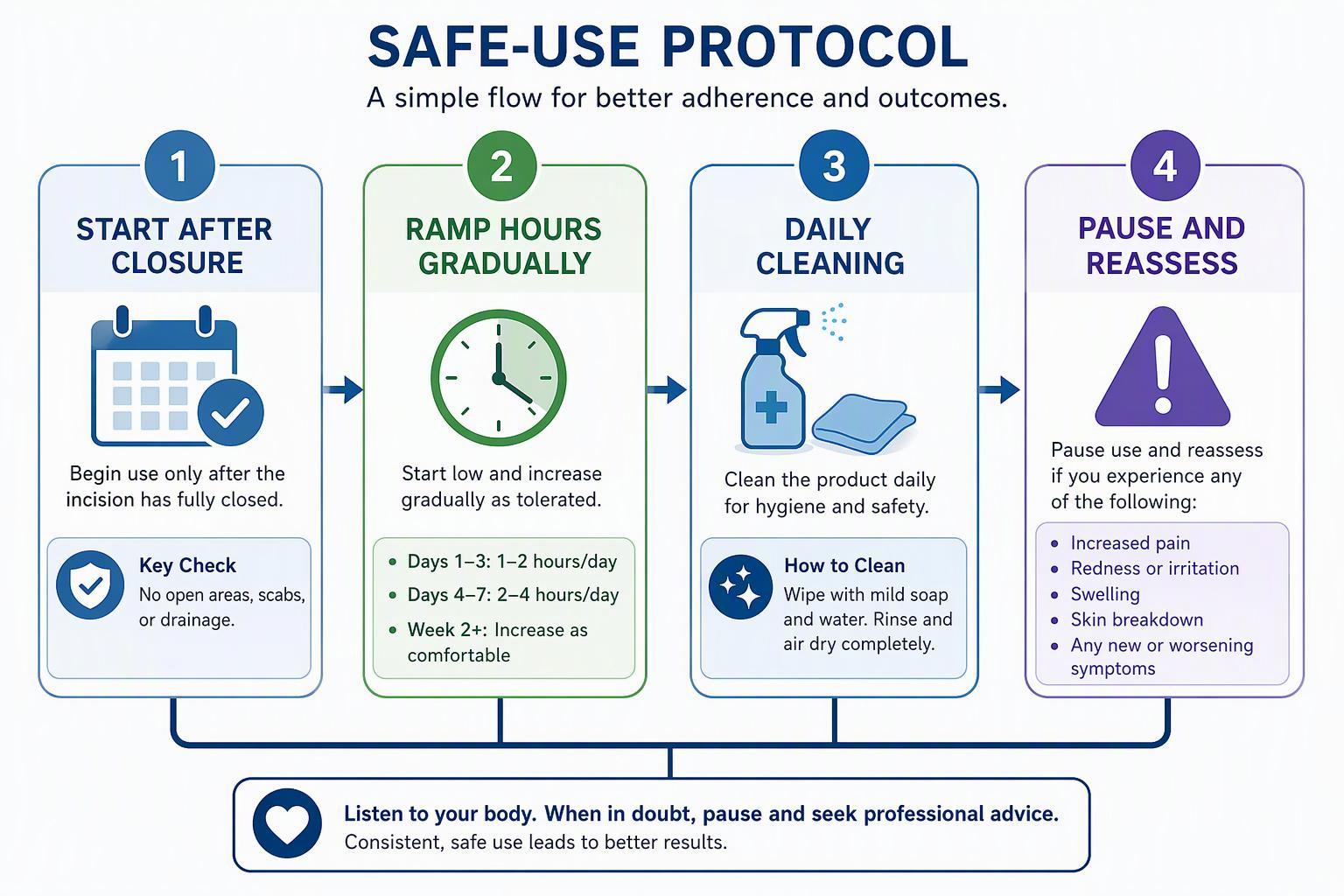
Silicone should only be applied to clean, dry, intact skin — never to open or weeping wounds. For sutured wounds, application can begin after suture removal. For burns and other open wounds, pediatric consensus guidance suggests starting about one week after re-epithelialization, depending on the quality of healing. Where the new skin is thin and fragile, gel is the safer initial choice, with a gradual transition to sheets or tape as the epidermis matures.
Ramp-up is the single most effective way to prevent the irritation that causes patients to abandon therapy. Published schedules differ in pace but share the same logic: start short, add hours daily, and stop escalating if the skin reacts.
Day | NHS ramp schedule (example) |
|---|---|
1 | 4 hours |
2 | 8 hours |
3 | 12 hours |
4 | 16 hours |
5 | 20 hours |
6 | 23 hours |
An alternative schedule starts at one hour on day one and adds an hour per day until seven hours, then increases as tolerated to at least 12 and up to 23 hours daily. Either approach works; the important elements are a defined escalation, a target of at least 12 hours per day, and a review point. Practical scar guidance recommends wearing silicone 12 to 24 hours a day, notes that improvement has been observed with as little as 4 hours per day, and advises building toward 24 hours to maximize effect. A typical initial treatment period is three months, extended if the scar is still immature.
Hygiene: wash the sheet and the treated skin once daily with mild, hypoallergenic soap and clear warm water, then air-dry or pat dry with a lint-free cloth. Some products are formulated to require less frequent rinsing; follow the manufacturer’s instructions. Replace the sheet when it deteriorates or cleaning becomes difficult.
Irritation management: if the scar becomes red, itchy, scaly or rashy, remove the sheet and do not reapply until symptoms resolve. On restart, begin at half an hour and increase by half an hour per day. If symptoms persist, the scar breaks down, or there is pain or weeping spots, the patient should contact the treating clinician promptly. Maceration, malodour and blistering are recognized adverse effects, mainly associated with sheets, and typically resolve with a temporary break.
Counseling: expectations for hypertrophic scars vs keloids
Hypertrophic scars: frame sheeting as a well-tolerated measure that may modestly improve appearance and reduce pain, supported by low-certainty evidence. Set the timeline explicitly — months, not weeks — and explain that the scar will continue to mature on its own, so improvement cannot be attributed to the sheet alone. Emphasize that adherence above roughly 16 hours per day was associated with better elasticity in the most recent trial, which gives the patient a concrete reason to persist through the ramp-up phase.
Keloids: be more conservative. The evidence base is two small trials, and sheeting is best described as one component of a multimodal plan rather than a stand-alone treatment. The American Academy of Dermatology notes that silicone gel sheets may help flatten a keloid and may be applied to a new keloid or after an injury to prevent one from developing, and that combination treatment often works best for keloids. Patients with a keloid history, prolonged wound healing, wounds closed under tension, or darker skin phototypes are at elevated risk and warrant earlier and closer follow-up.
In both groups, document baseline scar assessment, the product and size selected, the ramp schedule, and the review date. That record is what allows a later decision — continue, escalate, or refer — to be made on evidence rather than impression.
Procurement: FDA class, labeling, lot traceability, cost-in-use
Device class. Silicone sheeting is classified under 21 CFR 878.4025 as a Class I device intended for use in the management of closed hyperproliferative (hypertrophic and keloid) scars. It is exempt from premarket notification under 510(k) subject to the limitations in 21 CFR 878.9, which means a firm must still submit a premarket notification if the device is intended for a different use than a legally marketed device in that generic type. Class I status does not mean unregulated: general controls, establishment registration and device listing, labeling requirements, unique device identification and quality system requirements all apply. The FDA’s Quality Management System Regulation, effective February 2, 2026, incorporates ISO 13485:2016 by reference, so a supplier’s ISO 13485 certificate is directly relevant to U.S. compliance posture.
Labeling. Confirm that the label and instructions for use state the intended use consistent with closed hypertrophic and keloid scars, and that they include application method, wear schedule, cleaning instructions, replacement interval, and relevant hazards, contraindications, side effects and precautions. Where a product is labeled for prescription sale only, 21 CFR 801.109 applies, including the requirement that labeling contain adequate information for safe use. Check that the label carries the required place-of-business information and a unique device identifier as required by 21 CFR 801.20; Class I UDI labeling and GUDID submission compliance dates have been in effect since 2022.
Lot traceability. 21 CFR 801.3 defines a lot or batch as devices of a single type, model, class, size, composition or software version manufactured under essentially the same conditions and intended to have uniform characteristics and quality within specified limits. Ask for lot coding on the unit and the shipper, a documented retention and retrieval process, and a complaint-handling procedure that can trace a reported irritation event back to a lot. For a product applied to intact skin over months, this is a genuine safety input, not a paperwork exercise.
Cost in use. Calculate against the treated area and the replacement interval, not the pack price. A reusable sheet cut to size with a one- to two-month life may cost more per pack but less per patient-month than a cheaper sheet that lifts, macerates the skin and is abandoned in week two. Include the labor cost of cutting and fitting, the cost of a gel starter for patients who cannot tolerate a sheet initially, and the cost of a follow-up visit triggered by an avoidable irritation event. Request spec sheets, instructions for use, certification documentation and a sampling plan sized to your actual scar mix before committing to a formulary decision.
Conclusion
Match the product to the site first. Flat trunk and limb scars suit thicker self-adhesive sheets; face, neck and hairy areas favor gel; joints and long scars favor tape or thin conformable sheets; fragile newly epithelialized skin starts with gel and transitions to sheets as tolerance is established.
Treat adherence as the active ingredient. Evidence since 2020 shows modest average effects and a plausible adherence threshold above roughly 16 hours per day. A ramp-up schedule, a daily cleaning routine and a scheduled review do more for outcomes than product-to-product differences.
Keep the evidence claim proportionate. Sheeting may slightly reduce hypertrophic scar severity and pain on low- to very-low-certainty evidence; for keloids the evidence is limited to two small trials and supports use as part of a multimodal plan, not as monotherapy.
Buy on regulatory and traceability fundamentals. Confirm Class I status under 21 CFR 878.4025, intended-use labeling, UDI, lot coding and a quality management system aligned with ISO 13485:2016, then compare cost per patient-month rather than pack price.
Reconsider the approach when the scar does not respond. If there is no improvement over several months of consistent, well-tolerated wear, refer to a board-certified plastic surgeon or dermatologist to consider additional scar therapy. Escalate sooner for signs of infection, wound breakdown, persistent rash or pain, keloid recurrence after excision, or contracture limiting function — particularly in children, where growth and joint mobility change the stakes.