


You can rely on silicone scar tape to help your C-section scar heal. This tape reduces redness, flattens raised areas, and eases discomfort. Many people notice smoother skin and less irritation soon after starting regular use. Consistent application gives you the best chance for visible improvement.
Key Takeaways
Silicone scar tape helps improve the appearance of C-section scars by reducing redness, flattening raised areas, and easing discomfort.
For best results, apply silicone scar tape consistently for at least 12 hours a day, starting only after your incision has fully healed.
Monitor your scar for any signs of irritation or discomfort, and consult your healthcare provider if you notice any issues during tape use.
How Silicone Scar Tape Helps Scars
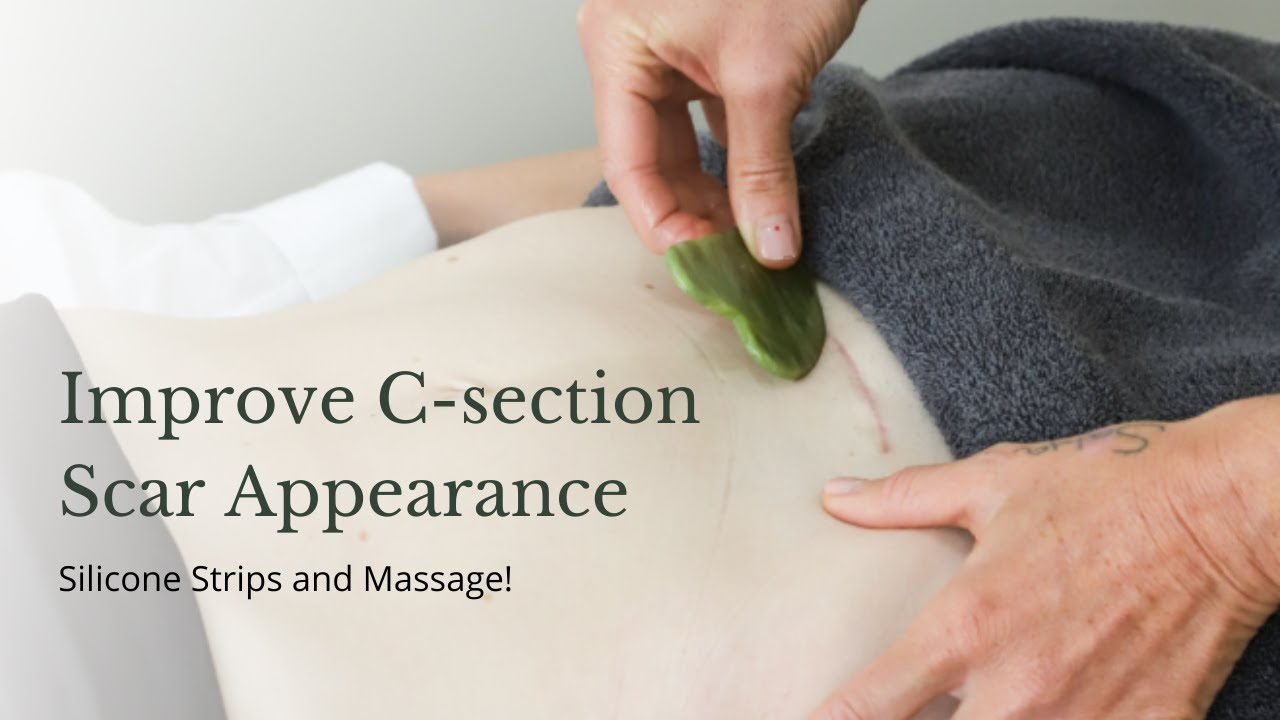
Mechanism of Silicone Tape
You may wonder how silicone scar tape works on your scar. This tape creates a protective barrier over the scar. It keeps the area hydrated and shields it from friction. Hydration helps your skin produce cytokines, which support healing. The tape also reduces tension on the scar, which can prevent thickening.
Tip: Always apply tape to clean, dry skin for best results.
Here is a summary of scientific findings about silicone tape and scar healing:
Study Description | Findings |
|---|---|
Rabbit ear model study | Silicone gel sheeting reduced hypertrophic scar formation by 80% when combined with Tegaderm occlusion. |
Literature reviews | Silicone gel sheeting is effective for treating peri-incisional pruritus and hyperpigmentation. |
Mechanism of action | Hydration of the stratum corneum is believed to enhance cytokine production, contributing to scar healing. |
Benefits for Different Scar Types
Silicone scar tape helps many types of scars. You can use tape for surgical scars, burn scars, hypertrophic scars, and keloid scars. A large study showed that tape improves scar appearance, color, thickness, and elasticity. You can see benefits even if your scar is older than 12 months.
Relieves itchiness
Prevents raised scars
Calms redness
Decreases itchiness
Reduces scar size
Reduces swelling
Softens scars
You should know that tape works best when you use it consistently. The severity of your scar and your skin’s healing tendencies can affect results. Some people develop keloids more easily. Tape does not work on open wounds.
Silicone scar tape gives you a simple way to improve scar appearance. You can expect softer, flatter scars with regular use.
C-Section Scar Tape

When to Start
You should begin using silicone scar tape only after your C-section incision has fully healed. Starting too soon can cause irritation or infection. Follow these steps to know when to start tape application:
Wait until your incision has closed completely with no open areas.
Make sure all scabs have fallen away naturally.
Check that there is no fluid drainage from the scar.
Get clearance from your healthcare provider, usually at your 6-week postpartum checkup.
Most women find the best time to start tape application is between 4 and 8 weeks after surgery. Healing rates can vary, so always listen to your doctor’s advice.
Tip: Never apply tape to an open wound or an area with active infection.
Application Steps
Proper tape application helps you get the best results for your C-section scar. Follow these step-by-step instructions:
Confirm your wound is fully closed and healed.
Remove any hair around the scar to help the tape stick better.
Clean and dry the skin around your scar before each tape application.
Cut the silicone scar tape to cover the scar and about 2 cm of surrounding skin.
Gently place the tape over the scar, smoothing out any wrinkles.
Start by wearing the tape for a few hours each day. Gradually increase the time as your skin adjusts.
Aim to wear the tape for at least 12 hours daily, but no more than 20 hours.
Remove the tape during showers. Clean the tape with mild soap and water, then let it air dry.
Change the tape weekly or sooner if it loses its stickiness.
If you notice redness, irritation, or dryness, stop using the tape and consult your provider.
Consistent tape application is key. Most people use silicone scar tape for 3 to 6 months to see the best improvement in scar appearance.
Comfort Tips
You can make tape application more comfortable and effective with a few best practices:
Choose non-stretch silicone scar tape for linear surgical scars like C-sections. This type of tape gives gentle compression and hydration, which helps flatten hypertrophic scars and keloids.
Wear loose clothing to reduce friction over the tape and scar.
Keep the scar and tape clean to prevent irritation.
Protect your scar from sun exposure. Sun can darken the scar and slow healing.
Maintain a healthy diet and stay hydrated to support your skin’s recovery.
Massage the area around the scar gently when you remove the tape. This can help soften the scar tissue.
If you have sensitive skin, increase tape application time slowly to avoid discomfort.
Note: Consistent use of silicone scar tape, especially non-stretch types, helps reduce hypertrophic scars, keloids, and hyperpigmentation. You should wear the tape for at least 12 hours each day for several months to see the best results.
A table can help you remember the key steps for tape application and care:
Step | What to Do |
|---|---|
Start Time | After incision heals and doctor approves |
Preparation | Clean, dry skin; remove hair |
Tape Application | Cover scar and 2 cm around it |
Wear Time | 12-20 hours daily |
Cleaning | Wash tape daily; change weekly |
Comfort | Wear loose clothes; avoid sun |
Monitoring | Watch for irritation; stop if needed |
You can improve scar appearance and comfort with these simple steps. Regular tape application and care help you achieve a softer, flatter scar after your C-section.
Burn Scar Tape
Sensitive Skin Care
Burn scars often make your skin sensitive and fragile. You need to treat these scars with care. Silicone scar tape helps you manage this sensitivity. The tape keeps moisture in, which softens the scar and prevents hardening. You protect your scar from dryness and irritation by using tape. This gentle approach supports your skin as it heals. You should always clean the scar before applying tape. Avoid harsh soaps or scrubbing. If your skin feels sore, remove the tape and let the scar breathe for a few hours.
Tip: Choose silicone tape designed for sensitive skin to reduce the risk of irritation.
Safety Precautions
You should use silicone scar tape only after the burn scar has closed and healed for at least 21 days. Early application helps prevent hypertrophic scars. The tape acts as a shield, protecting the scar from UV rays and outside irritants. You need to monitor the scar for any signs of redness, swelling, or discomfort. If you see these signs, stop using the tape and talk to your doctor.
Monitor hypertrophic scars and keloids for 3 to 12 months after healing.
Use silicone gel sheets as a preventive step for hypertrophic scars.
Limit tension on the scar to lower the risk of hypertrophic scars.
Expected Results
With regular use, silicone scar tape improves scar appearance. The tape supports tissue remodeling, which helps the scar become softer and more flexible. You may notice the scar flattening and fading over time. The tape also helps control collagen production, which reduces the thickness of hypertrophic scars. Most people see changes in scar appearance after several weeks. Consistent use gives you the best results for burn scars and hypertrophic scars.
Hypertrophic Scars & Keloid Treatment

Special Techniques
You can manage hypertrophic scars and keloid treatment with a conservative approach. Silicone scar tape gives you a non-invasive way to improve scar appearance. You should avoid non-essential cosmetic surgery, as this can worsen hypertrophic scars. Always close wounds with minimal tension to reduce the risk of thick scars. Pressure garments help when you wear them for four to six months after injury or surgery. Silicone scar tape works best when you apply it directly to hypertrophic scars and use it consistently. Many people see their scars become softer and less raised over time. Topical silicone gel is safe and effective for both hypertrophic scars and keloid treatment. Preventive silicone sheeting can help, but response rates vary from 0% to 75%.
20% remain mildly hypertrophic.
20% stay in higher grades at the end of treatment.
Clinical trials show that silicone scar tape reduces the appearance of hypertrophic scars and helps with keloid treatment. Prolonged use decreases scar thickness, redness, and pain. Silicone-based therapies are the gold standard for scar management.
Silicone gel sheeting does not completely resolve keloids, but it effectively modulates keloid formation and reduces thickness and induration.
Duration & Progress
You need patience when treating hypertrophic scars and keloid treatment. Most people see significant results after at least three months of using silicone scar tape. Some scars may need up to a year for the best outcome. The table below shows what you can expect:
Treatment Duration | Time to See Improvement |
|---|---|
1 month to 1 year |
You should monitor your scar closely. If you notice severe contracture, pain, or restricted movement, seek medical advice. Early intervention helps prevent long-term problems with hypertrophic scars and keloid treatment.
Signs of Improvement
You can track your progress by watching for changes in your hypertrophic scars and keloid treatment. Most people notice less itching and pulling sensations. Improved mobility and comfort are common. The table below shows response rates for different scar types:
Type of Scar | Response Rate (%) |
|---|---|
Hypertrophic Scars | 68% – 85% |
Keloid Scars | 60% – 75% |
75% to 90% of patients report significant improvement in their scars.
Many people experience softer, flatter scars.
You may see less redness and swelling.
Scar tissue becomes more flexible and less painful.
Consistent use of silicone scar tape gives you the best chance for visible improvement in hypertrophic scars and keloid treatment. Always follow your provider’s advice for severe or stubborn scars.
Fine-Tuning Scar Tape Use
Comparing Methods
You have many options for managing a scar, but not all methods work the same way. When you compare the use of tape to other treatments, you see clear differences in effectiveness and convenience. Silicone scar tape stands out for its ability to flatten and soften a scar over time. Many people choose tape because it stays in place and provides steady hydration. Some prefer silicone gel sheets or topical gels. Onion extract is another option, but it does not match the effectiveness of silicone-based products.
Here is a table to help you compare different scar management methods:
Scar Management Method | Effectiveness | Convenience |
|---|---|---|
Silicone Gel Sheets | Higher | Moderate |
Topical Silicone Gels | Effective | Higher |
Onion Extract | Less Effective | Low |
You should also consider cost-effectiveness. Topical silicone gel costs less than pressure garment therapy. Using both together increases the price, but the results are similar. Health-related quality of life stays about the same with each method. Many experts recommend topical silicone gel as a cost-effective way to manage a scar after a burn.
Topical silicone gel is cheaper than pressure garments.
Combining gel and garments costs more but does not improve effectiveness.
Quality of life outcomes are similar for all groups.
Customizing for Your Scar
You can get the best results by adjusting the use of tape for your unique scar. Each scar is different, so you need to think about several factors before you start. Follow these steps to customize your approach:
Identify the type of scar you have.
Choose the right time to begin using tape.
Prepare the scar area by cleaning and drying it.
Decide how long to use tape each day.
Watch for any side effects, such as redness or irritation.
You may need to change your routine as your scar heals. Some scars respond quickly to tape, while others take more time. If you notice discomfort, reduce the use of tape or talk to your doctor. Always check your scar for changes. The use of tape works best when you stay consistent and patient. Over time, you will see improvements in the appearance and texture of your scar. Remember, the effectiveness of tape depends on your commitment and the specific needs of your scar.
You can trust silicone scar tape for effective scar care. Studies show silicone strips reduce scar height, redness, and improve color and elasticity. Follow scar management protocols for your specific scar. Consistent use leads to visible results. For complex or severe scars, consult your healthcare provider for guidance on scar treatment.
FAQ
How long should you use silicone scar tape for best results?
You should use silicone scar tape for at least three months. Many patient see the best improvement when they continue for up to six months.
Can you use silicone scar tape on old scars?
Yes, you can use silicone scar tape on old scars. Many patient notice improvement in scar appearance, even if the scar is more than a year old.
Is silicone scar tape safe for sensitive skin?
Most patient with sensitive skin can use silicone scar tape safely. You should test a small area first. If patient notice irritation, stop use and talk to your doctor.
Tip: Patient should always follow instructions and monitor for any skin changes.


