


You can use SLK Medical Silicone Scar Tape by placing it gently over clean, dry skin where you want to support scar healing. Proper application helps you get the best results and reduces the risk of abnormal scar formation. Silicone-based products are widely recognized as the gold standard for scar management, with clinical studies showing they improve scar thickness and color. Medical silicone tape provides a safe, non-invasive option for all skin types and helps reduce scar visibility, itching, and pain. SLK Medical, a trusted leader in advanced wound care, designs silicone tape to offer comfort and effective protection for sensitive skin.
Key Takeaways
Apply SLK Medical Silicone Scar Tape on clean, dry skin to support effective scar healing and reduce visibility.
Use the tape for at least 12 hours daily for optimal results; consistency is key to improving scar appearance over time.
Reposition the tape easily without losing stickiness, making it adaptable for various body areas and activities.
Clean and reuse the tape to maintain its effectiveness; proper care extends its life and supports your skin’s health.
Consult a healthcare provider if you notice any irritation or if your scar does not improve, ensuring safe and effective treatment.
How Silicone Scar Tape Works

What Is SLK Medical Silicone Scar Tape
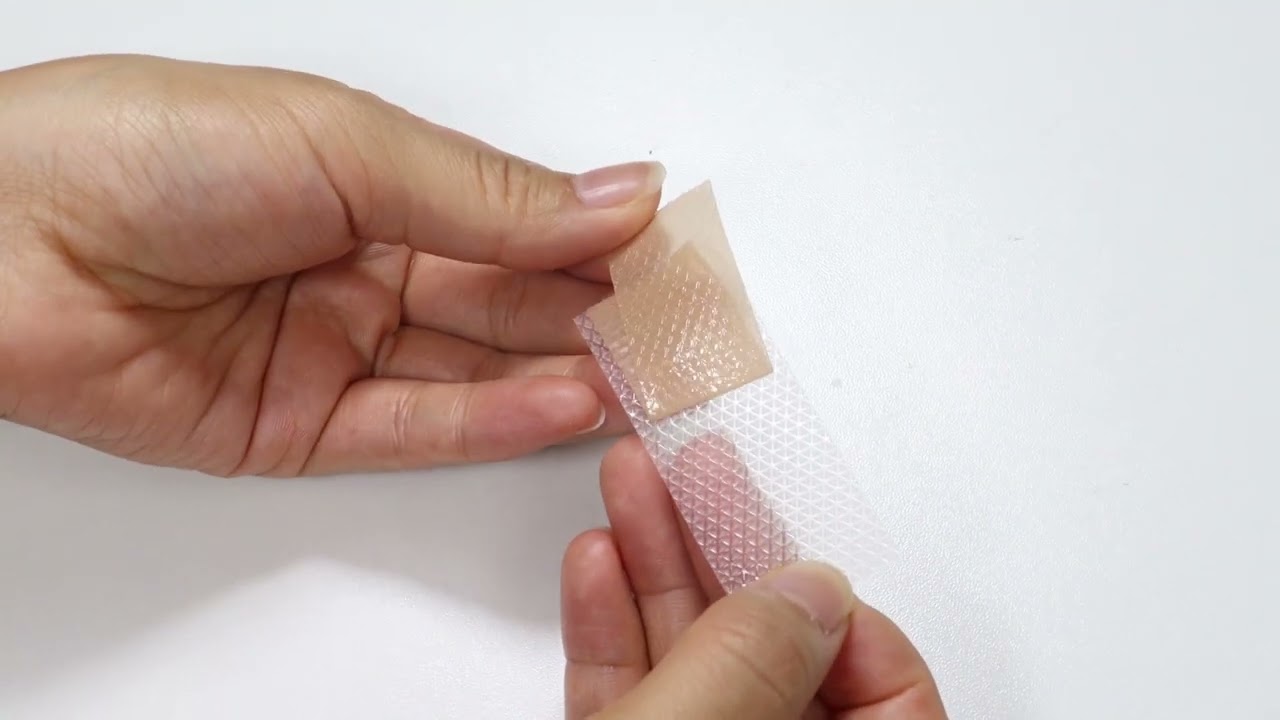
You want a product that feels gentle and works effectively. SLK Medical Silicone Scar Tape uses hospital-grade soft silicone. This material is non-irritating and safe for sensitive skin. You can apply it to surgical scars, acne scars, or c-section scars. The tape is flexible and easy to tear, so you do not need scissors. It adapts to the shape of your body and stays comfortable all day.
Tip: You can reposition the tape without losing its stickiness. This makes it easy to use on different parts of your body.
Here is a quick look at the key features:
Key Ingredient/Property | Description |
|---|---|
Medical-Grade Silicone | Made with hospital medical-grade soft silicone, non-irritating, and suitable for sensitive skin. |
Flexible & Easy-Tear | Designed for easy application without scissors, adapts comfortably to body contours. |
Medical Application | Specifically designed for scar reduction, effective for various types of scars. |
How It Supports Scar Healing
You may wonder how silicone scar tape helps your skin recover. The tape creates a moist environment over your scar. This hydration softens the scar and reduces thickness. The silicone layer helps regulate collagen production, which prevents raised or thick scars. You also get protection from bacteria and friction, which keeps your healing skin safe.
The scientific process works like this:
Mechanism | Effect |
|---|---|
Suppresses fibroblast metabolism, reducing collagen deposition | |
Silicone gel application | Reduces dermal and epidermal thickness, decreasing scar hypertrophy |
Total occlusion vs. semi-occlusion | 80% reduction in scar hypertrophy with total occlusion |
Epidermal thickness reduction | More than 30% reduction with silicone gel treatment |
Clinical studies show that silicone scar tape improves scar appearance and texture. You can expect softer, flatter scars and less itching. Doctors recommend using the tape for at least 12 hours a day for two to three months. The tape increases hydration in the outer skin layer and protects your scar from bacteria. It also helps balance growth factors, which supports healthy scar healing.
Evidence Type | Findings |
|---|---|
Effectiveness of Silicone Gel Sheeting | Reduces scar height, improves texture, alleviates itching and discomfort |
Hydration Effect | Increases hydration of stratum corneum, softens and flattens scars |
Protection | Protects scarred tissue from bacterial invasion |
Growth Factor Modulation | Modulates expression of FGF β and TGF β, restoring balance in collagen synthesis |
Itch Relief | Reduces itching and discomfort associated with scars |
Collagen Regulation | Facilitates regulation of fibroblast production and reduces collagen production |
Scar Appearance | Results in softer and flatter scars |
Using SLK Medical Silicone Scar Tape
Skin Preparation
You want the best results from your scar treatment. Start by preparing your skin before you apply silicone scar tape. Wash the scar area with mild soap and water. Pat the skin dry with a clean towel. Avoid lotions or oils because they can reduce the tape’s ability to stick. Make sure your skin is free from any residue. If you have sensitive skin, you can trust SLK Medical’s medical grade silicone to minimize irritation. The tape is gentle and suitable for all skin types, including allergy-prone or reactive skin.
Tip: Begin using silicone scar tape within one to two weeks after your wound has closed. Early application supports scar healing and helps prevent abnormal scar formation.
Application Steps
Applying silicone scar tape is simple. Follow these steps to maximize adhesion and comfort:
Trim the tape so it extends 1–2 centimeters beyond the edges of your scar. You do not need scissors because the tape is easy to tear.
Place the tape over the scar. Start pressing from the center outward. This helps eliminate air bubbles and ensures good contact.
Use gentle pressure to secure the tape. The self-adhesive wound dressings from SLK Medical conform to your body’s contours, even on joints or irregular surfaces.
If you need to reposition the tape, lift it gently and reapply. The adhesive remains effective after repositioning.
For scars in areas that move often, like elbows or knees, make sure the tape fits snugly. You may use compression garments if needed for extra support.
The tape’s waterproof design protects your scar from moisture and bacteria. You can wear it during daily activities, including showering. The breathable silicone layer creates a stable microenvironment that hydrates your scar without suffocating your skin.
Step | Action |
|---|---|
Trim Tape | Tear tape to fit scar, extending 1–2 cm beyond edges |
Apply Tape | Press from center outward, remove air bubbles |
Secure Tape | Use gentle pressure for adhesion, reposition as needed |
Daily Activities | Tape is waterproof, wear during shower or exercise |
Note: Avoid using towels or tissues to wipe the tape. Let it air dry with the adhesive side facing up if you need to clean it.
Wear Time and Removal
Consistency is key for scar removal treatment. Wear silicone scar tape for 12 to 24 hours each day. Clean the tape daily and reapply as needed. For best results, continue this routine for three to six months. If your scar is severe or slow to improve, you may extend the treatment up to twelve months.
When you remove the tape, peel it back slowly to avoid skin irritation. Wash the area with mild soap and water to remove any residue. Do not use alcohol-based products because they can dry out your skin. Air dry the tape before reusing it. The gentle adhesive minimizes redness, itching, or peeling after removal.
The tape is reusable and maintains its flexibility and comfort over time.
You can trust SLK Medical’s silicone scar tape for long-term scar healing and protection.
Callout: Unlike creams or gels, silicone scar tape provides therapeutic benefits through direct contact. It avoids chemical irritation and supports healthy skin recovery.
Caring for Your Tape and Skin
Cleaning and Reusing the Tape
You want your SLK Medical Silicone Scar Tape to last as long as possible. Proper cleaning helps you reuse the tape and keeps your skin healthy. After removing the tape, rinse it gently under lukewarm water. Use mild, fragrance-free soap to remove any oils or residue. Avoid scrubbing the tape, as this can damage the silicone layer. Pat the tape dry with a clean towel or let it air dry with the adhesive side facing up. Make sure the tape is completely dry before you reapply it to your skin.
Tip: Clean your tape daily if you wear it for long periods. This routine helps maintain its stickiness and comfort.
If you notice the tape losing its adhesive strength or becoming dirty, replace it with a new piece. Reusing clean tape supports both your skin’s health and your scar’s healing process.
Storing the Tape
You can extend the life of your silicone scar tape by storing it correctly. Good storage protects the tape from damage and keeps it ready for use. Follow these steps to preserve the quality of your tape:
Place the tape back in its original box after each use. This shields it from sunlight and dust.
Store the box in a cool, dark, and dry place. Aim for temperatures between 50° and 80°F.
Keep the tape away from moisture. Water can affect the adhesive and cause unwanted chemical changes.
Track how long you have had each roll. Use the oldest tape first to ensure freshness.
Avoid stacking heavy items on top of the tape. This prevents the rolls from getting crushed.
Note: Rotating your stock and checking the tape regularly helps you get the best value and performance from every roll.
By following these simple care and storage tips, you help your SLK Medical Silicone Scar Tape stay effective and comfortable for every use.
Safety and Precautions
Who Should Use Silicone Scar Tape
You may wonder if silicone scar tape is right for your scar treatment. Many people benefit from using this product, especially if you want to improve scar healing after surgery or injury. Medical grade silicone tape works well for sensitive skin and helps reduce the risk of abnormal scarring. You can use it on surgical scars, c-section scars, and even acne scars.
Doctors often recommend silicone scar tape for people who have a higher chance of developing thick or raised scars. If you have had surgery in areas where the skin stretches or moves a lot, you may see better results. The table below shows groups who benefit most from silicone scar tape:
Group of Individuals | Condition/Procedure |
|---|---|
Individuals at risk of hypertrophic scarring | Undergoing surgical procedures, especially in high tension areas like the neck |
Patients post-surgery | After procedures like thyroidectomy |
You should talk to your healthcare provider if you have questions about using silicone scar tape for your specific needs.
Tip: Start using silicone scar tape once your wound has closed and your skin feels ready for gentle care.
Possible Side Effects
You want to keep your skin healthy during scar treatment. Most people tolerate medical grade silicone tape well, but you may notice some mild side effects. These reactions usually go away when you stop using the tape or clean your skin.
Itching or irritated skin
Transient rashes
Skin breakdown or superficial maceration
Persistent pruritus at the scar site
Skin rash
Foul smell underneath the tape
Local irritation from occlusion
Diminished adhesive power of the tape
Some people experience poor response to treatment or find the tape does not improve hydration for dry scars. If you notice any discomfort, remove the tape and let your skin rest. You should contact your doctor if you see severe redness, swelling, or pain.
Note: Always check your skin daily for changes. Good hygiene and regular cleaning help prevent most side effects.
Tips for Best Results
Consistency and Patience
You want to see real improvement in your scars. Consistent use of SLK Medical Silicone Scar Tape gives you the best chance for success. You should apply the tape every day and keep it on for at least 12 hours. This routine helps your skin heal and reduces the appearance of scars over time. You may notice changes slowly, but patience pays off. Most people see the best results after several months of regular use.
Tip: Set a daily reminder to check your tape and reapply if needed. Small habits lead to big changes in scar treatment.
The table below highlights important factors that influence how well silicone scar tape works:
Key Factor | Description |
|---|---|
Type of Scar | Hypertrophic and keloid scars respond differently to silicone tape. |
Timing of Application | Early use after wound closure improves results. |
Duration of Use | Wearing tape 12–24 hours daily leads to significant improvement. |
Individual Characteristics | Skin sensitivity and lifestyle affect outcomes. |
Proper Application | Correct placement and care maximize benefits. |
You can trust silicone products for scar management. Experts have recommended topical silicone for over 30 years. Guidelines suggest silicone gel as the first choice for treating hypertrophic scars and keloids.
Combining with Other Care
You can boost your results by combining SLK Medical Silicone Scar Tape with other safe methods. Many people use silicone gel sheets or topical creams along with the tape. Gentle massage around the scar area also helps improve skin texture and flexibility. These extra steps support your healing process and make your scar treatment more effective.
You may use silicone gel with silicone tape for added hydration.
Topical creams can work alongside silicone scar sheets.
Gentle massage techniques help soften and flatten scars.
Note: Always check with your healthcare provider before adding new products to your routine. This ensures you choose safe options for your skin type.
Consistency and patience, combined with smart care choices, help you achieve the best possible outcome for your scars.
Silicone Scar Tape vs. Silicone Scar Sheets
Key Differences
You may wonder how silicone scar tape compares to silicone scar sheets. Both products help you manage scars, but they have unique features. Silicone scar tape offers flexibility and adapts to curved or moving areas like elbows or knees. You can tear the tape to fit any shape, which makes application easy. Silicone scar sheets come in pre-cut shapes and sizes. These sheets work best for flat, larger scars on areas like your abdomen or chest.
Feature | Silicone Scar Tape | Silicone Scar Sheets |
|---|---|---|
Flexibility | High, fits curves/joints | Moderate, best for flat areas |
Ease of Use | Easy-tear, no scissors needed | Pre-cut, may need trimming |
Reusability | Yes, easy to clean | Yes, can be reused |
Comfort | Conforms to body contours | Covers wide areas smoothly |
Waterproof | Yes | Yes |
Silicone scar sheets provide a larger surface area for coverage. You may prefer sheets if you have a surgical scar that runs straight across your skin. Tape works well for scars that change direction or sit on uneven surfaces.
Tip: Choose tape for active areas and sheets for stationary, flat scars.
When to Use Each
You should select the product that matches your scar type and lifestyle. If you need to treat a scar on your knee or shoulder, silicone scar tape gives you flexibility and comfort during movement. You can wear it while exercising or working. Silicone scar sheets suit you if you want to cover a long, straight scar after surgery. Sheets stay in place on flat skin and provide consistent pressure.
Consider these scenarios:
Use silicone scar tape for scars on joints, fingers, or places that bend.
Choose silicone scar sheets for post-surgical scars on the abdomen, chest, or back.
If you want a product that adapts to your daily routine, tape offers easy repositioning.
For overnight treatment or when you rest, sheets provide broad coverage.
You can combine both products for complex scars. Start with silicone scar sheets for large areas, then switch to tape for edges or curved spots. This approach helps you get the most benefit from SLK Medical’s advanced wound care solutions.
Note: Always follow your healthcare provider’s advice when choosing between tape and silicone scar sheets.
When to Consult a Healthcare Provider
Signs to Watch For
You should pay close attention to your skin while using SLK Medical Silicone Scar Tape. Some signs may indicate that you need to stop treatment and talk to a healthcare provider. Your skin may react to silicone tape, especially if you have sensitive skin. Look for these warning signs:
Redness that does not fade after removing the tape
Swelling or puffiness around the scar
Increased pain or discomfort at the application site
Itching that gets worse over time
Rash or bumps under the tape
Unusual odor from the taped area
If you notice any of these symptoms, remove the tape and clean your skin with mild soap and water. You should not ignore persistent irritation. A dermatologist or wound care specialist can help you decide if you should continue using silicone scar tape or switch to another treatment.
Tip: If you feel worried about how your scar looks or heals, reach out to a healthcare professional. Early advice can prevent complications and support better healing.
Post-Surgery or Sensitive Cases
You may use silicone scar tape after surgery or on sensitive skin. These situations require extra care. Always follow the instructions from SLK Medical and your doctor. Silicone tape helps reduce scarring and supports faster healing. Its gentle adhesive makes it safe for fragile skin, which is important after surgery.
Before you start, consult with your healthcare provider. Apply the tape only to clean, dry skin. Watch for any irritation or rash. If you see any problems, remove the tape and wash the area gently. Daily cleaning helps lower the risk of side effects like itching or rash.
Note: Silicone scar tape is generally safe, but you should monitor your skin closely. Regular check-ins with your doctor help you get the best results, especially if you have a history of skin allergies or recent surgery.
You can achieve the best results with SLK Medical Silicone Scar Tape by following a few key steps:
Start using the tape once your wound has fully closed and all scabs are gone.
Clean and dry your skin before each application, and trim the tape to fit your scar.
Wear the tape 12 to 24 hours daily, removing it briefly for cleaning.
Wash and reuse the tape as needed, replacing it every few weeks.
Consistency matters most. If you have questions or concerns, talk to your healthcare provider. SLK Medical remains dedicated to providing you with safe, effective wound care solutions.
FAQ
How soon can you start using SLK Medical Silicone Scar Tape after surgery?
You should wait until your wound has fully closed and all scabs have fallen off. Most people begin using silicone scar tape one to two weeks after surgery. Early application helps support better scar healing.
Can you shower or swim while wearing the tape?
Yes, you can shower or swim with the tape on. SLK Medical Silicone Scar Tape is waterproof. The tape protects your scar from moisture and stays securely in place during daily activities.
How long should you wear the tape each day?
You should wear the tape for 12 to 24 hours every day. Consistent use helps improve scar appearance. Remove the tape briefly for cleaning and reapply it to clean, dry skin.
Is SLK Medical Silicone Scar Tape safe for sensitive skin?
SLK Medical Silicone Scar Tape uses medical-grade silicone. You can use it on sensitive or allergy-prone skin. The tape is gentle and minimizes irritation, making it suitable for children and adults.
Do you need scissors to cut the tape?
No, you do not need scissors. The tape is easy to tear by hand. You can trim it to fit your scar quickly and apply it without extra tools.


