


You want every patient to heal well. Picking the right wound dressing supplies depends on how much fluid comes from the wound. Research shows matching the dressing to the exudate level helps wounds heal faster. It also helps stop infection. Here is how different dressings work:
Dressing Type | Effect on Wound | Exudate Level Requirement |
|---|---|---|
Autolytic Dressings | Helps remove dead tissue | Needs moisture |
Moisture-Adjusting Dressings | Keeps the right moisture | Changes with wound condition |
Antibacterial Dressings | Lowers bacteria | Needed for infected wounds |
SLK Medical offers advanced wound dressing supplies for every exudate level. If you know about exudate, you can pick better dressings. This helps wounds heal faster and with less pain.
Key Takeaways
Knowing exudate levels is very important when picking a wound dressing. It helps wounds heal quicker and lowers the chance of infection.
Pick dressings by how much fluid comes from the wound. Use hydrocolloid dressings for mild exudate. Use foam dressings for moderate exudate. Use alginate dressings for heavy exudate.
Keep the wound moist to help it heal. Moisture helps new skin grow. It also makes recovery less painful.
Check the wound and dressing often. Change the dressing if it gets soaked or dirty. Change it if you see signs of infection.
Ask healthcare professionals for help with dressing choices. Their advice helps patients heal better.
Dressing Selection by Exudate Level

Why Exudate Matters
It is important to know how much fluid comes from a wound. The amount of exudate changes how the skin looks and feels. If there is too much exudate, the skin can get soft and wet. This makes it easy for the skin to break. You might notice pain, bad smell, or a bigger wound.
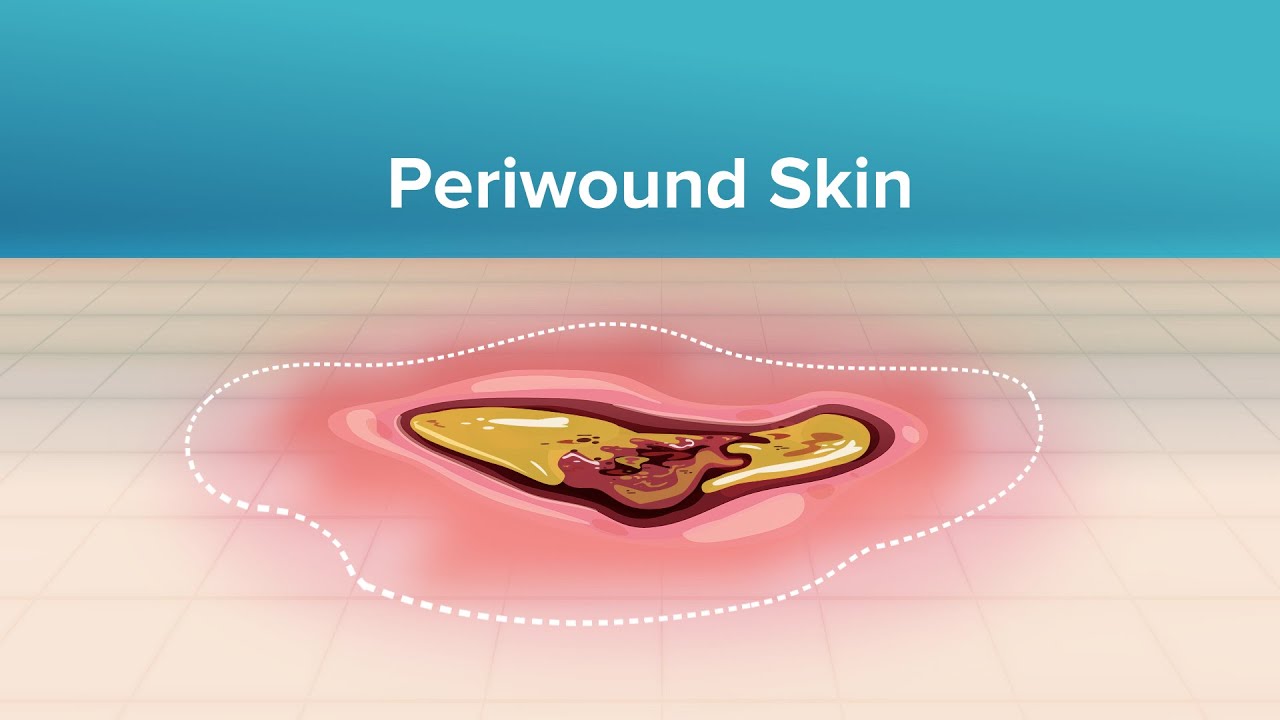
When a wound makes a lot of exudate and it is not managed well, the wound bed gets too wet. Moisture can leak onto the skin around the wound. If this moisture stays under the dressing, the skin can get soft or soggy. This is called maceration. Soft skin is easier to hurt. Too much exudate can also cause bad smell, pain, a bigger wound, loss of protein, fluid problems, slow healing, infection, and dirty clothes or sheets.
Here are some problems that happen if exudate is not managed:
Bad smell
Pain in the wound
Wound gets bigger
Loss of protein or fluid problems
Healing takes longer
Infection in the wound
Dirty clothes and bedding
Most wounds in clinics have some exudate. Many patients have wounds with moderate or high exudate. Chronic wounds often have fluid that pools. The amount and type of exudate can change. It depends on the wound’s stage, where it is, and how much the patient moves. You need to watch for these changes to pick the best dressing.
Steps for Dressing Selection
There are clear steps to help you pick the right dressing. These steps help you match the dressing to the wound’s needs. They also help keep the wound moist for healing.
Keep the wound moist. This helps new skin grow and lowers pain.
Remove dead tissue and debris. This lowers germs and helps healing.
Control exudate. This stops the skin around the wound from getting soft and breaking down.
Use dressings that do not cause more damage. The dressing should protect the wound and the skin around it.
You should look at the wound and see how much exudate there is. Pick dressings that match the exudate level. For mild exudate, hydrocolloid dressings work well. For moderate exudate, foam dressings are a good choice. For heavy exudate, alginate dressings or very absorbent foam dressings are best.
Exudate Level | Recommended Dressing Types |
|---|---|
Mild to Mild-Moderate | Hydrocolloid dressings that keep the wound moist and help new skin grow. |
Moderate | Foam dressings that do not stick to the wound and help healing. |
Moderate to Heavy | Alginates, which turn into a gel when they touch exudate and help healing. |
Heavy | Very absorbent alginate dressings for surgical wounds, injuries, and burns. |
You should also think about the wound type. Some wounds need dressings that hold in fluid and keep moisture balanced. Granulated wounds do best with hydrocolloid dressings. Chronic wounds need dressings that help with moisture and clean out dead tissue.
SLK Medical has advanced wound dressing supplies for every exudate level. Their products help you control exudate and protect the skin. You can get foam dressings, hydrocolloid dressings, and super absorbent dressings for different wounds. SLK Medical helps you pick the best dressing for each patient.
Understanding Wound Exudate
What Is Exudate?
Sometimes, you see liquid coming out of a wound. This liquid is called exudate. Exudate is important for healing. Doctors talk about it in different ways:
Wound exudate is a fluid with white blood cells and other things. These move to the wound because of swelling. Blood vessels get bigger and leak more.
Wound exudate is a fluid with lots of protein. It can have immune cells, waste, and germs. It leaks from blood vessels into the wound.
Wound exudate is a body fluid that leaks from blood vessels. It has things like immune cells and pieces of dead tissue.
Exudate shows your body is trying to fix the wound. The liquid helps clean the wound. It brings cells that fight germs. The color and thickness of exudate can change. If it is clear or light yellow, the wound is healing well. If it is thick, cloudy, or smells bad, there may be an infection.
Impact on Healing
Exudate changes how fast a wound heals. You need to know about exudate to pick the best dressing. Here are ways exudate helps wounds heal:
It helps new cells move to the wound.
It gives cells what they need to work.
It lets immune and growth helpers move around.
It helps get rid of dead or hurt tissue.
You want the wound to be moist but not too wet. Not enough exudate can slow healing and make the wound hurt. Too much exudate can hurt the skin around the wound. Watch how much and what kind of exudate is there. This helps you choose the right dressing and help healing.
If you control exudate, the wound heals faster. There is less chance of infection. The patient feels better. Good wound care starts with knowing about exudate and how it helps healing.
Risks of Incorrect Dressing Selection
Picking the right dressing is very important. It helps control exudate in wounds. If you choose the wrong dressing, problems can happen. Dressings that do not absorb enough or absorb too much can slow healing. They can also make infection more likely. You need to know about these risks. This helps you choose better dressings for your patients. This is extra important for people with chronic wounds.
Under-Absorption Issues
If a dressing does not soak up enough exudate, problems can happen. The wound and skin around it can get hurt. Too much moisture can harm healthy skin. It can make the wound bigger. You might see pain, irritation, or new skin injuries. Here are some common problems when dressings do not handle exudate well:
Complication | Description |
|---|---|
Not enough absorption can make healing take longer. Recovery is slower. | |
Moisture-related damage | Too much moisture can hurt the wound and skin nearby. |
Skin injuries | Bad absorption can cause irritation or injuries from rubbing or adhesives. |
You may also spend more money. Dressings that do not work well need to be changed more often. This means nurses work more and supplies cost more. Chronic wounds with poor exudate control can cause more infections. They can also make hospital stays longer.
Over-Absorption Issues
Dressings that soak up too much exudate can dry out the wound. This makes the wound lose the moisture it needs. Healing slows down. New problems can happen. You want the wound to stay moist. It should not be too wet or too dry.
Problems like infection can slow healing. They can make life harder for the patient. Sometimes, they can even raise the risk of death from sepsis. For surgical wounds, infection can make life much worse. It can also use up more resources. More procedures, medicine, supplies, and staff time may be needed to fix wound problems.
Bad exudate control in chronic wounds can cause more infections. It can also make care cost more. Picking the right dressing helps you avoid these problems. It helps your patients heal better.
Types of Wound Dressings

Low Exudate Wounds
Some wounds do not have much fluid. These are called low exudate wounds. They need dressings that keep the wound moist but do not soak up a lot. You can pick from a few types for these wounds:
Hydrocolloid dressings are good for wounds with little exudate. They make a gel to protect the wound. Do not use them if the wound has a lot of exudate.
Film dressings do not soak up fluid. They cover shallow wounds with low exudate. You can leave them on for days and still see the wound.
These dressings help keep the wound moist. They also help the wound heal. Use them for small injuries or wounds that do not leak much fluid.
Moderate Exudate Wounds
Some wounds have a medium amount of fluid. These wounds need dressings that balance moisture and soak up fluid. You have a few choices for these wounds. The table below shows the best dressings for moderate exudate wounds:
Dressing Type | Ideal Uses | Clinical Insights |
|---|---|---|
Alginate Dressings | Moderate to heavily exudating wounds, surgical wounds, partial thickness burns | Highly absorbent, can absorb 15-20 times their weight in fluid, promotes autolytic debridement. |
Foam Dressings | Moderate to severe wounds, venous leg ulcers, surgical wounds | Cost-effective, improves healing outcomes for stage II pressure ulcers compared to saline gauze. |
Hydrocolloid Dressings | Pressure ulcers, diabetic foot ulcers, minor burns | Keeps wounds moist and protected, promoting faster healing. |
Foam dressings, like SLK Medical’s silicone foam dressings, work well for moderate exudate wounds. They soak up more fluid than hydrocolloid dressings. Silicone foam dressings use soft silicone, so they hurt less when you take them off. You can use these dressings for wounds that need comfort and moisture control.
Foam dressings, including silicone foam, scored 53.3% for moisture control. Hydrocolloids only scored 20.5%. Foam dressings help keep the right amount of moisture in wounds.
High Exudate Wounds
Some wounds have a lot of fluid coming out. These are high exudate wounds. They need dressings that soak up and hold a lot of fluid. You should use superabsorbent dressings for these wounds. These dressings stop leaks and protect the skin around the wound.
The DryMax Super dressing helps manage exudate for many wounds, like leg ulcers and pressure ulcers. It soaks up fluid and keeps it inside. This stops the skin from getting too wet and keeps the wound moist. Superabsorbent dressings hold more fluid, keep it inside, and let you change the dressing less often.
Ideal Dressing Properties for Managing Excessive Exudate |
|---|
Highly absorbent |
Prevents leakage between dressing changes |
Prevents strikethrough |
Provides protection from excoriation/maceration |
Can be used under compression |
Stays intact and can be left in place for long duration |
Minimizes trauma and pain on removal |
Comfortable and conformable |
Cost-effective |
SLK Medical’s silicone foam dressings are made for high exudate wounds. You can use them for wounds that need strong absorption and gentle care for sensitive skin. These dressings help you control wound exudate and support healing.
SLK Medical Wound Dressing Supplies
Silicone Foam Dressings Overview
You need wound dressings that help every patient. SLK Medical’s silicone foam dressings are good for sensitive skin and wounds with lots of exudate. These dressings use D-Pore™ technology. This helps control exudate and keeps the wound moist. You can pick from different types. Some choices are Silicone Foam Dressing with Border, Border Flex, and Ag Dressing. Each main dressing helps wounds heal and protects the skin.
The table below shows how SLK Medical’s dressings are different from other brands:
Feature | SLK Medical Alexer® | Other Brands |
|---|---|---|
Absorption capabilities | Advanced | Standard |
Soft silicone border | Yes | Varies |
Discreet skin-colored appearance | Yes | Often not available |
Proprietary technology | D-Pore™ Technology | None specified |
Pain reduction during removal | Yes | Varies |
Cost-effectiveness | High | Varies |
These dressings soak up more fluid. They look like skin and hurt less when you take them off. SLK Medical dressings help you care for wounds with lots of exudate. They also keep the wound safe.
Product Features and Benefits
SLK Medical’s silicone foam dressings have many good points. They help patients with sensitive skin and wounds that need strong exudate control. The soft silicone layer sticks gently. The main dressing does not stick too much. This helps patients move and feel less pain when you change dressings. The dressings keep the wound moist. This helps wounds heal and lowers scarring.
Here are some main benefits:
Benefit | Explanation |
|---|---|
The dressing does not stick hard. This means less pain and less skin damage. | |
Maintains a moist wound environment | The wound heals faster and swelling goes down. |
Gentle adhesion | The soft silicone lowers rubbing and pressure. Patients feel better. |
Autolytic debridement | The dressing helps remove dead tissue by itself. This means less pain and better healing. |
You can use SLK Medical’s superabsorbent dressings for wounds with lots of exudate. These dressings soak up fluid and hold it inside. You do not need to change the main dressing as often. Studies show silicone foam dressings lower pressure ulcers and wound pain. Wounds heal faster and patients get better results.
Dressing Properties and Application Tips
Absorbency and Skin Protection
When you choose wound dressings, you need to think about how much fluid the wound makes. Some dressings soak up more fluid than others. The table below shows how different materials work for moisture control:
Dressing Type | Absorbency Rate | Degradation Time |
|---|---|---|
Calcium Sodium Alginate | Highest absorption capacity | 4 hours |
Calcium Alginate | Moderate absorption capacity | 1 hour |
Foam with Polyurethane Layer | High absorption capacity | N/A |
Hydrocolloid | Low absorption capacity | N/A |
Hydrocolloid with Foam Layer | Lower absorption than hydrocolloid | N/A |
Superabsorbent dressings help you manage wounds with a lot of fluid. These dressings keep the area around the wound dry and safe. You want to prevent the skin from getting too wet, which can cause maceration. To protect the skin, you can:
Use absorptive dressings that pull fluid away from the wound.
Pick dressings that match the amount of exudate.
Make sure the dressing fits well and covers the wound fully.
Check the wound often and change the dressing if it gets too wet.
Some dressings, like those with silicone, help protect sensitive skin. They lower pain when you remove them and help with moisture control. You should also look at the wound’s shape, size, and location before you pick a dressing.
Application and Wear Time
You can help wounds heal faster by using the right dressing and changing it at the right time. Most silicone foam dressings can stay on for up to seven days. The wear time depends on how much fluid the wound makes and how fast it heals. If the dressing gets soaked or dirty, you should change it sooner.
Here are some tips for applying and changing wound dressings:
Gather all your supplies before you start.
Clean the wound gently with mild soap or saline.
Look for signs of infection, like redness or bad smell.
Place the dressing so it covers the wound and sticks well, but do not make it too tight.
Change the dressing as your healthcare provider tells you.
Eat healthy foods and drink water to help your body heal.
Always follow your healthcare provider’s instructions. They know what is best for your wound healing. If you see signs of infection or have questions, contact your provider right away.
You can help wounds heal faster by using the right dressing for the exudate level. New dressings keep wounds moist and safe from germs. They also help new skin grow. Picking the best dressing lowers infection risk and helps wounds heal better. Experts say you should look at the wound first. Then, choose a dressing that fits what the wound needs. Make sure the dressing is simple to use.
Description | |
|---|---|
Assess wound characteristics | Check for moisture, infection, and if the skin is sensitive to pressure. |
Choose dressing based on wound needs | Pick dressings that control moisture or fight germs. |
Consider practicality for daily wear | Make sure the dressing feels good and is easy to put on. |
SLK Medical has advanced wound dressing supplies for every need. You should ask professionals for advice and pick good products for the best healing.
FAQ
How do you know which dressing to choose for your wound?
You should look at how much fluid comes from your wound. If you see a lot of moisture, pick a dressing that absorbs well. For dry wounds, use a dressing that keeps the area moist.
Can you use SLK Medical silicone foam dressings on sensitive skin?
Yes, you can use SLK Medical silicone foam dressings on sensitive skin. The soft silicone layer protects fragile skin and lowers pain during dressing changes.
How often should you change your wound dressing?
You should change your dressing every 3 to 7 days. If the dressing gets soaked, dirty, or starts to smell, change it sooner. Always follow your healthcare provider’s advice.
What signs show your wound dressing is not working?
If you see redness, swelling, or leaking around your wound, your dressing may not work well. Pain, bad smell, or slow healing also mean you should try a different dressing.


